
Curated recipes from 193 countries  •  New seasonal Mediterranean issue out now

Overview

Nigerian Moi Moi

Moin Moin, Moyin Moyin, Olele, Steamed Bean Pudding

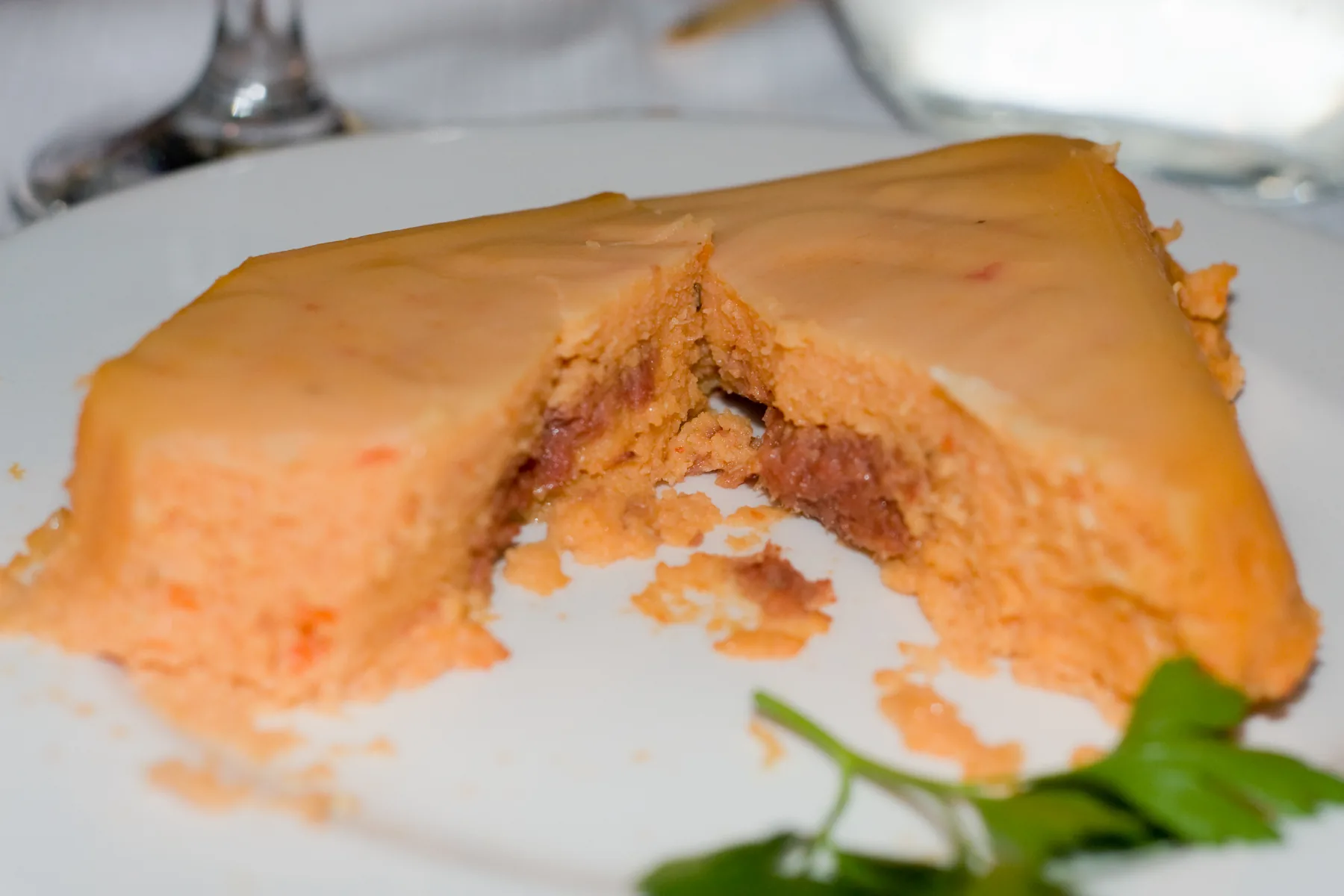
This moi moi recipe turns peeled black-eyed peas, red peppers, onion and palm oil into a smooth orange batter, steamed in foil parcels or leaves until it sets into a sliceable pudding with boiled egg inside. One serving is about 280 g. It takes about 90 minutes from soaking the beans to unmoulding the puddings, and most of that time the pot looks after itself.

Moi moi, also called moin moin or olele, is a steamed bean pudding from the Yoruba people of south-western Nigeria, made from peeled black-eyed peas blended with peppers, onion and palm oil. Traditionally the batter is folded into cones of broad Ewe Eran leaves (Thaumatococcus daniellii), which give the pudding its shape and a faint sweet aftertaste; foil and ramekins are the modern stand-ins. It is everyday food and party food at once, eaten across Nigeria and West Africa, and among Yoruba-descended Brazilians, where it is also known as abara.

Pairs well with: Serve warm with pap (akamu), garri, or plain white rice and a spoon of vegetable soup.

Provenance

Nigeria flag Nigeria

Yoruba Heritage

African Heritage

Time Dedication

1h 30m

30m prep • 60m cook

Batch Yield

4 Servings

635 kcal per serving

1 serving ≈ 280 g

Technical Skill

Intermediate

Medium (Steaming)

Meal Timing & Digestive Fit

Breakfast

Not Advised

Lunch

Prime Metabolic Fit

Dinner

Ideal Hearty Main

Snack & Tea

Inappropriate

High Protein Occasions: Family lunch, weekend cooking, parties, packed lunch Cost: Low — about $2–3 per serving at home
A slice of orange Nigerian moi moi bean pudding cut open to show the filling, on a white plate

Yoruba Heritage

Photo: Rka11111, CC BY-SA 3.0, via Wikimedia Commons

The Heritage Formulary

Measured Ingredients

Estimated cost: Low — about $2–3 per serving at home (USD)

Made with peeled black-eyed peas blended smooth with peppers, onion and palm oil, steamed until firm with a boiled-egg centre.

Execution Methodology & Culinary Technique

Step-by-Step Cooking Guide

Active 1h 30m
P

Prep Stage: Peel the Peas, Boil the Eggs

30 Mins • Soaking and Peeling

Soak the black-eyed peas, rub off every skin and rinse clean, boil and slice the eggs, and chop the peppers and onion, so the batter comes together in one smooth blend.

Maestro Tip: Peeling is the whole secret of silky moi moi — any skins left behind turn the pudding gritty, so rinse until the water runs clear.

  1. 1

    Peel and Rinse the Peas

    15 Mins Cold water, no heat

    Soak the peas in cold water for 10 minutes, then rub handfuls between your palms to loosen the skins. Skim the skins off, rinse and repeat until the peas are creamy white and the water runs clear.

    A food processor with a dough blade, pulsed in water, lifts skins fast — but check by hand at the end.

    Done when: Peas creamy white with no speckled skins left.

  2. 2

    Blend the Batter Smooth

    10 Mins Blender, room temperature

    Blend the peeled peas with the red peppers, onion, scotch bonnet and 400 ml water in batches until completely smooth, like thick pancake batter. Pour into a bowl and stir in the palm oil, ground crayfish, crumbled stock cube and salt.

    Blend in small batches and scrape the blender down — a grainy batter makes a grainy pudding.

    Done when: Batter smooth, glossy orange and thick enough to coat a spoon.

  3. 3

    Fill the Parcels with Egg

    5 Mins Room temperature

    Lay out four large foil squares (or softened leaves). Spoon a ladle of batter into each, lay two or three egg slices in the middle, then cover with another ladle of batter. Fold the foil into sealed parcels, leaving a little room for the pudding to swell.

    Do not overfill — the batter rises as it steams and a burst parcel lets water in.

    Done when: Parcels sealed tight, egg slices buried in the middle of the batter.

  4. 4

    Steam Until Set

    50 Mins Steaming at 100°C (212°F)

    Set the parcels on a steamer rack or an upturned plate inside a large pot with about 5 cm of boiling water at the bottom. Cover tightly and steam on medium heat for 50 minutes, topping up with boiling water if the pot runs low.

    Keep the water below the parcels — moi moi boils instead of steaming if it sits in water.

    Done when: A skewer pushed into the centre comes out clean; the pudding feels firm, not wobbly.

  5. 5

    Rest and Unmould

    10 Mins Serve warm, about 65°C (150°F)

    Lift the parcels out, rest for 10 minutes so the puddings firm up, then open the foil and turn each pudding onto a plate. The egg inside should be cooked through and the pudding should slice cleanly.

    Resting is not optional — cutting hot moi moi makes it collapse.

    Done when: Pudding holds its shape when sliced; egg cooked through to 71°C (160°F).

Finishing Touches & Plating

Turn each moi moi out of its parcel onto a warm plate, slice to show the egg inside, and serve at once with pap, garri or rice.

Nutritional Physiology & Benefits

Nutrition

Energy

635

kcal / serving

Protein

36g

Complete AA

Carbs

81g

Complex

Fats

20g

Healthy

Per serving (4 servings · 1 serving ≈ 280 g)
Energy635 kcal
Protein36 g
Carbohydrates81 g
Fat20 g
Fibre14.5 g
Sugar10.6 g
Sodium920 mg
Per 100g
Energy227 kcal
Protein12.9 g
Carbohydrates28.9 g
Fat7 g
Fibre5.2 g
Sugar3.8 g
Sodium329 mg

Nutrition values are estimated — calculated from USDA FoodData Central values for the listed ingredients.

Vitamins & minerals: Nutrition is estimated. Black-eyed peas bring folate, iron, magnesium and potassium; red peppers bring vitamin C and vitamin A; eggs bring vitamin B12 and choline.

High in Plant Protein

Black-eyed peas are the backbone of this pudding, giving about 36 g of protein per serving, which keeps the meal filling for hours.

Fibre-Rich Beans

The peas bring about 14.5 g of fibre per serving, which supports steady digestion and a slow, even feeling of fullness.

Steamed, Not Fried

Steaming needs no frying and only a modest amount of palm oil, so the pudding stays light for a bean dish while keeping its colour and flavour.

Food Pairings

What to Eat With

To optimize nutrient absorption and elevate the sensory depth, pair with these authentic accompaniments:

Sides

Pap (Akamu)

Warm, mild corn pap is the classic partner — its soft sourness balances the rich, peppery pudding and it is easy to eat alongside.

Garri (Eba)

A small mound of garri gives the soft pudding something firm to eat with, and it soaks up any palm-oil sheen on the plate.

Vegetables

Vegetable Soup

A spoon of ugu or spinach soup on the side adds green freshness and extra iron to a plate that is otherwise all beans and egg.

Drinks

Zobo (Hibiscus Drink)

Cold, tart zobo cuts through the richness of the palm oil and refreshes the palate between bites.

Full Menus

White Rice and Stew

A slice of moi moi next to rice and tomato stew turns lunch into a full Nigerian party plate, with the pudding as the protein.

Complete menu

Moi moi with warm pap and a spoon of vegetable soup, plus cold zobo to drink.

Digestive Guardrails

What NOT to Combine

To prevent digestive distress, sluggishness, or palate clash, avoid pairing the dish with these elements:

Skipping the Peeling

Unpeeled beans make a gritty, dark pudding and can be harder to digest, so take the time to peel and rinse them properly. This is general guidance, not medical advice.

Very Salty Sides

The batter already carries a stock cube and salt, so a heavily salted stew or salty fried fish on the same plate can push the meal too salty. This is general guidance, not medical advice.

General information only, not medical advice — consult a doctor for personal dietary decisions.

Who Should Eat It

Who Should Eat

  • General adultsA satisfying, protein-rich lunch — steamed bean pudding with egg, best eaten warm.
  • ChildrenChildren usually love the soft texture; leave the scotch bonnet out and cut the pudding into small fingers.
  • ElderlySoft and easy to chew with no hard pieces; keep the portion moderate because beans can cause wind.
  • Pregnant womenBeans and egg give folate, iron and protein, but the stock cube makes it salty, so keep the portion modest. Ask your clinician.
  • Breastfeeding womenA filling lunch with good protein and iron; drink water with the meal and keep the chilli mild.
  • AthletesHigh in protein and slow-release carbohydrate, which suits recovery after training; pair with rice for extra energy.
  • Weight gainEnergy-dense and very filling — a full serving with pap or garri is a substantial lunch for someone gaining weight.
  • Weight lossRich in fibre and protein, so a smaller serving with a large salad and no extra pap is the lighter choice.

Health Conditions — Adjust or Avoid

Conditions

  • DiabetesBeans are slow-release carbohydrate, but the serving is large — a half portion with extra vegetables is easier to manage. Ask your clinician about portion size.
  • High blood pressureThe stock cube and salt make this a salty dish, so eat it occasionally and in a modest portion. Ask your clinician.
  • Kidney diseaseBeans and egg are high in protein and potassium, so a small portion with plenty of vegetables is kinder. Ask your clinician.
  • GoutBeans are moderately high in purines; keep the portion small and drink water. Ask your clinician.
  • Stomach issuesBeans can cause gas and bloating — eat slowly, chew well and keep the chilli out if your stomach is sensitive. Ask your clinician.
  • Cardiovascular diseaseSteamed beans, egg and a modest amount of palm oil make this a reasonable choice in a moderate portion with vegetables. Ask your clinician.
  • Fatty liverHigh in fibre and plant protein, but the palm oil adds a lot of energy, so a smaller serving keeps the meal lighter. Ask your clinician.
  • Food allergiesContains egg and crayfish (shellfish). Contains no gluten, milk, peanuts or tree nuts. Check the stock cube label for soy or celery. Ask your clinician if you have allergies.
  • Special therapeutic dietsA high-protein, high-fibre, gluten-free pudding that can fit some therapeutic plans in a moderate portion, but the sodium needs care. Ask your clinician or dietitian before changing your diet.

If you have a medical condition, consult your doctor before changing your diet.

Storage & Use

Storage & Use

How to store
Cool completely, then wrap each pudding tightly in its foil or in cling film.
In the fridge
Moi moi keeps 3 days, in the fridge.
In the freezer
Moi moi keeps 1 month, wrapped in portions.
How to reheat
Steam for 10 minutes, or microwave in a covered dish, until steaming hot all the way through to 74°C (165°F) inside.
Freezing recommended
Yes — up to 1 month; thaw overnight in the fridge.
Signs it has spoiled
Sour smell, slimy surface, or mould on the pudding.

More recipes to explore

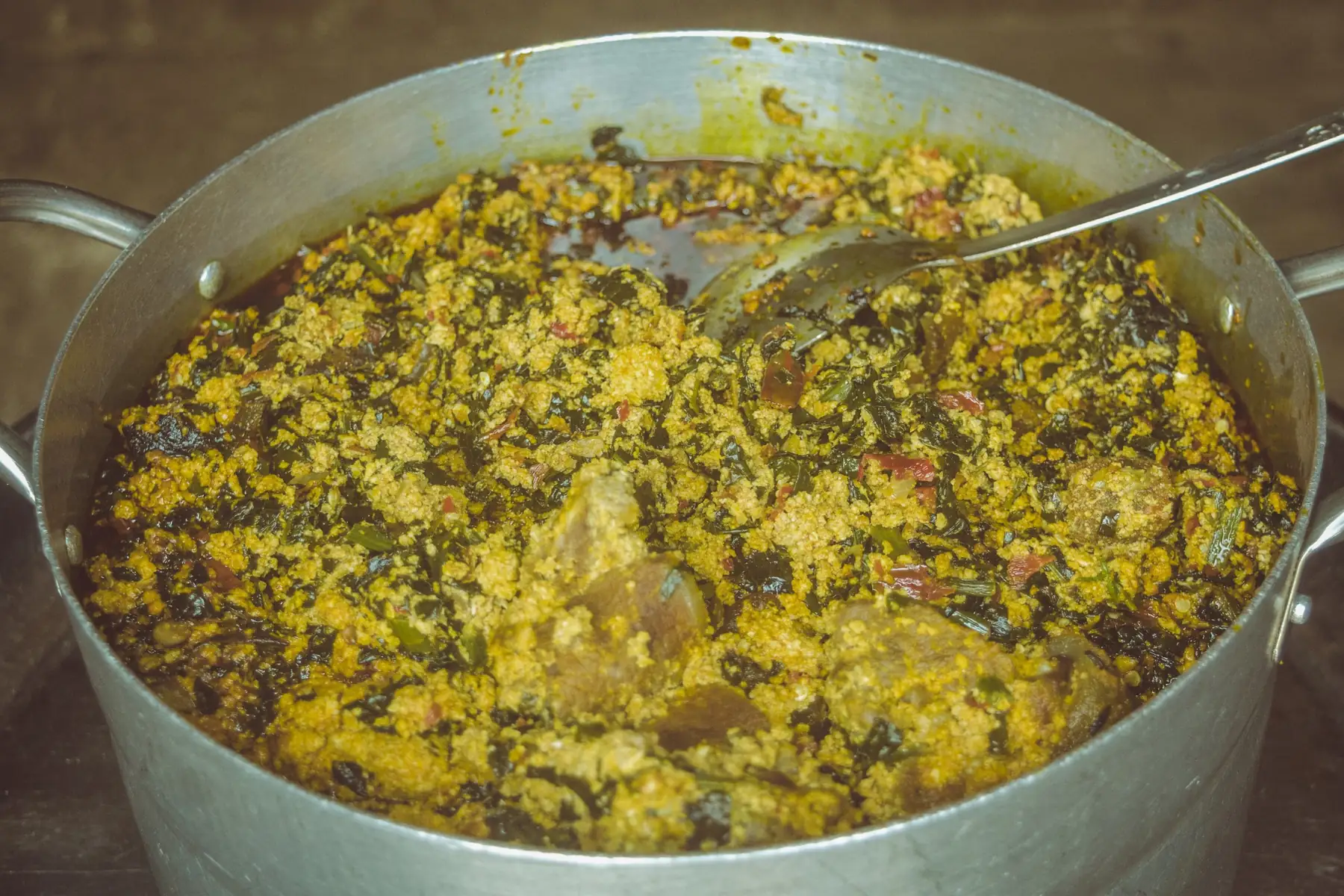
A pot of Nigerian egusi soup, golden ground melon seeds with dark leafy greens and pieces of meat Nigeria flag Nigeria 1h 20m
Dinner •West African Classic

Egusi Soup

This egusi soup recipe simmers ground melon seeds with beef, stockfish, palm oil and ugu leaves into a thick, golden soup with soft egusi lumps and tender meat. One serving is about 450 g. It takes about 80 minutes, most of it a gentle simmer, and serves 4 with a swallow on the side.

Comfort & Warmth

A thick, nutty melon-seed soup with beef, stockfish and leafy greens — the most loved soup in Nigeria, built for pounded yam and eba.

Pairs Well With
Serve hot with pounded yam, eba, amala or fufu, and let the swallow scoop up the soup.
Soups & Broths • High Protein
A bowl of Nigerian assorted meat pepper soup, pieces of meat and tripe in a light golden spicy broth Nigeria flag Nigeria 1h 5m
Dinner •Nigerian Street-Food Classic

Nigerian Pepper Soup

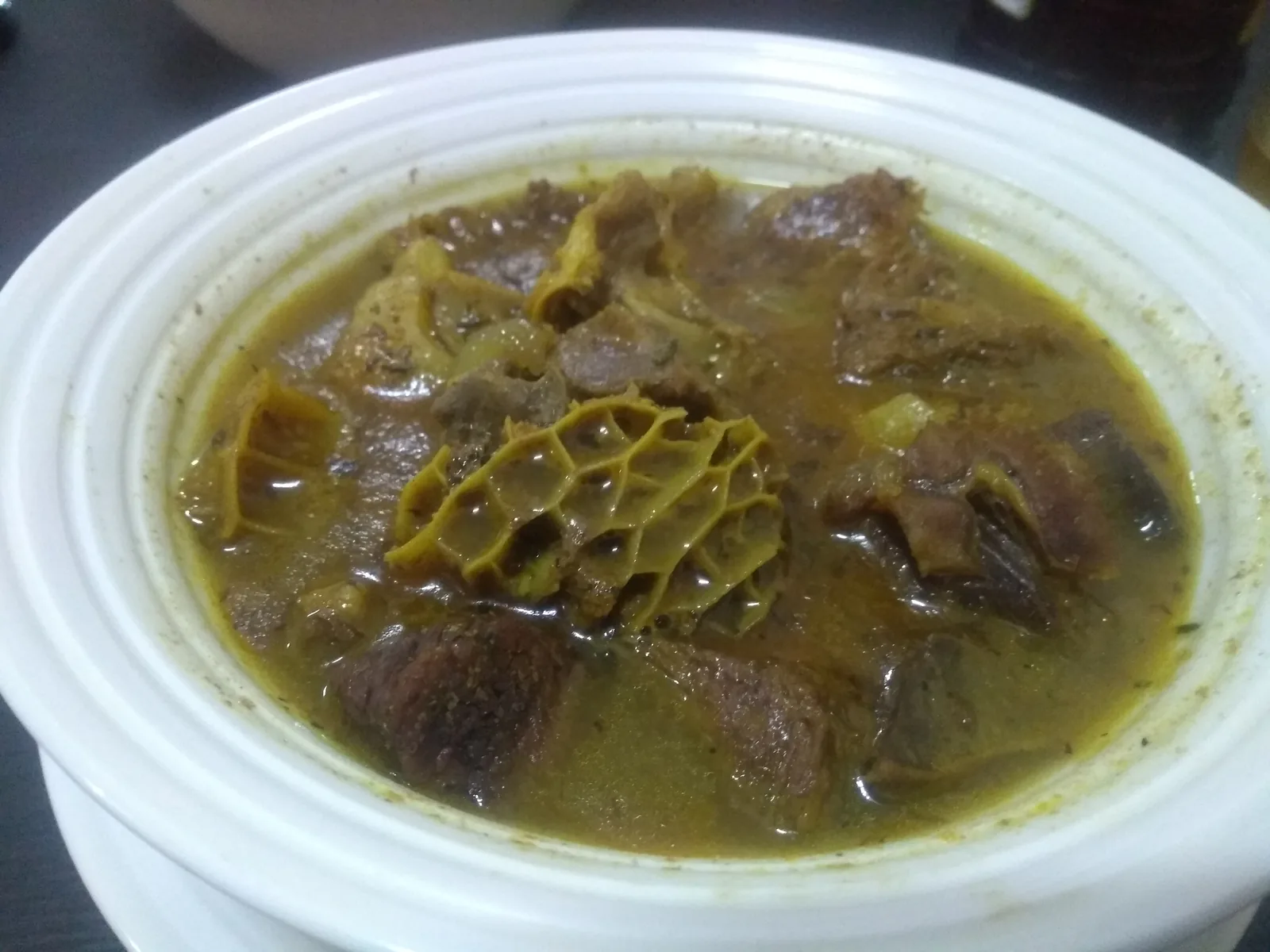
This nigerian pepper soup recipe simmers goat meat in a thin, spicy broth with calabash nutmeg, grains of selim, uziza and scent leaves until the meat is tender and the broth is fragrant. One serving is about 400 g. It takes about 65 minutes, serves 4, and needs only one pot and a handful of spices.

Comfort & Warmth

A light, fiery goat-meat broth with native spices and scent leaves — hot, aromatic and easy on the stomach after a long day.

Pairs Well With
Serve steaming hot on its own, or with boiled yam, white rice or a cold drink on the side.
Soups & Broths • High Protein
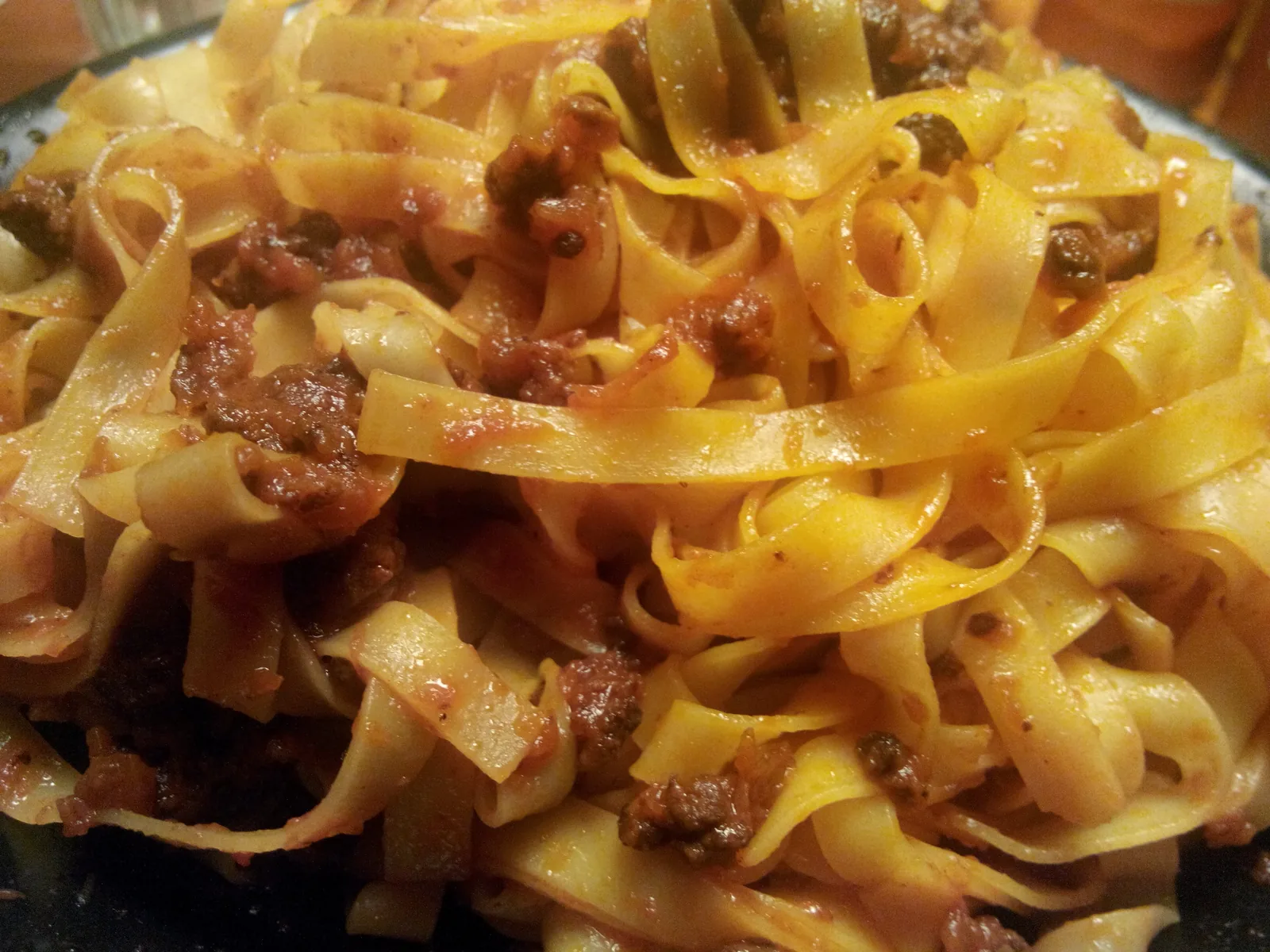
Tagliatelle al ragù Bolognese in a bowl with Parmigiano-Reggiano Italy flag Italy 4h 25m
Lunch •Emilia-Romagna

Tagliatelle al Ragù Bolognese

Slow-braised soffritto and coarse ground heritage meats layered over handmade egg yolk dough for mid-day stamina.

Lean Protein

Slow-simmered beef ragù tossed through fresh egg tagliatelle.

Pairs Well With
Bitter Radicchio & Aged Balsamico di Modena
Pasta & Noodles • High Protein
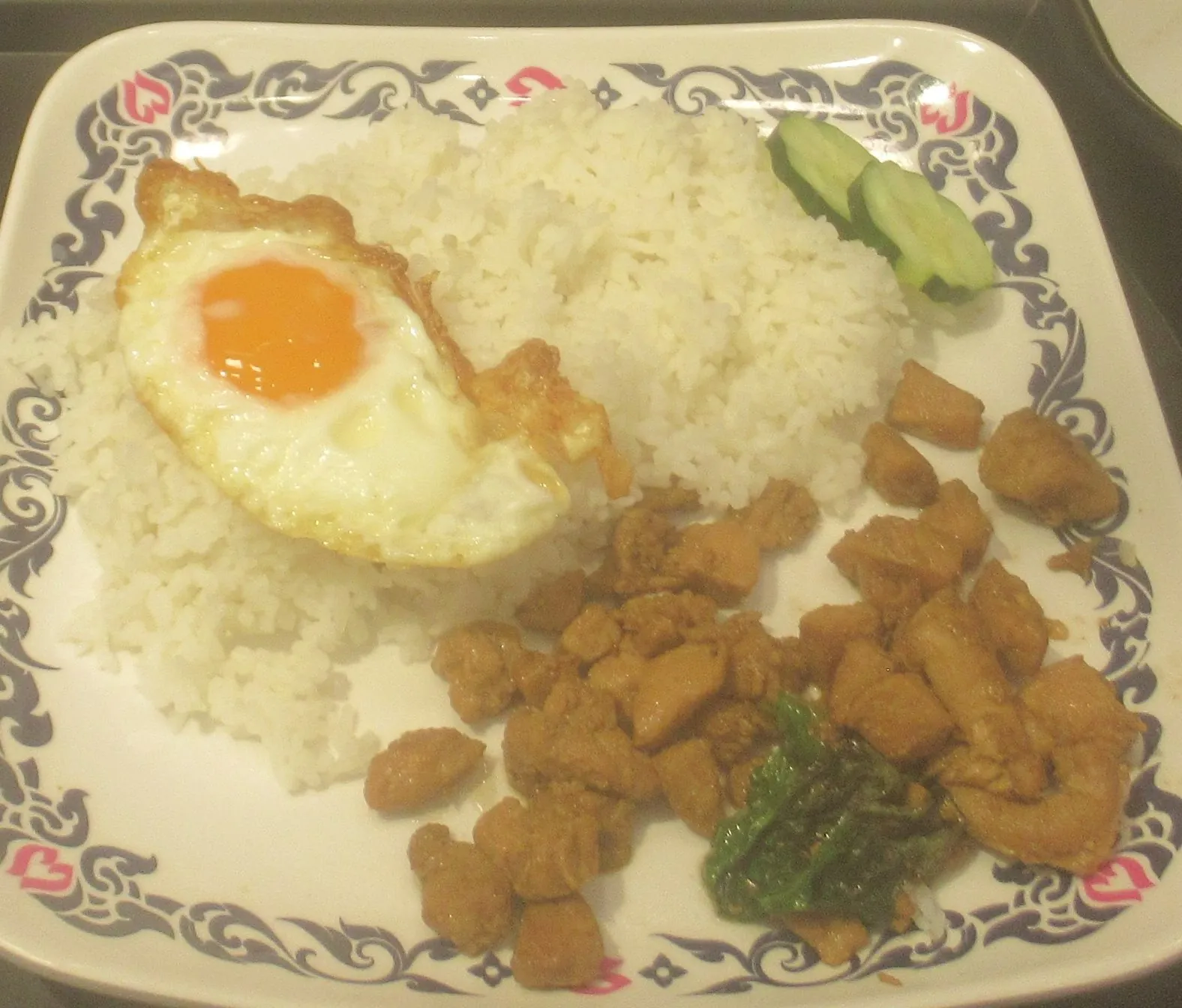
Pad kra pao gai — Thai holy basil chicken with fried egg and rice Thailand flag Thailand 30m
Lunch •Bangkok Street Flame

Pad Kra Pao Gai

High-heat wok flash of holy basil and crushed chillies over minced chicken, served over jasmine rice with a crispy-edged fried egg.

High Energy

Capsaicin brings the heat; holy basil adds a peppery, clove-like aroma.

Pairs Well With
Chilled Cucumber Salad & Fish Sauce Lime Dip
High Protein • Quick Prep (<30m)

The Dinner Gazette

Never wonder what’s for dinner again

One email a week with easy dinner ideas from around the world — ingredients, steps and nutrition, tested in our kitchen first.

Delivered every Thursday morning. Unsubscribe anytime.