Curated recipes from 193 countries  •  New seasonal Mediterranean issue out now

Overview

Nigerien Masa

Masa, Waina

This nigerien masa recipe starts the night before: short-grain rice is soaked, blended with a little cooked rice, and left to ferment until it smells gently sour and bubbles. The next morning the batter is spooned into a hot, oiled wells pan, where it puffs into soft, round cakes — pale and spongy inside, golden and lightly crisp outside. Eat them warm, plain or with honey, soup or suya spice. One serving is about 150 g.

Masa, called waina in Hausa, is the fermented rice cake of the Hausa people of Niger and northern Nigeria, cooked in a dedicated cast-iron pan with shallow round wells known as a tanderu or masa pan. Rice is soaked, ground with a little cooked rice, and left to ferment overnight, then cooked into soft, spongy rounds that are eaten for breakfast or as a snack, often with honey, suya spice, or miyan taushe soup. It is street food and celebration food at once — sold from market stalls in the morning and cooked at home for Sallah and weddings.

Pairs well with: Honey, miyan taushe soup & suya spice (yaji)

Provenance

Niger flag Niger

Hausa Heritage

African Heritage

Time Dedication

50m

20m prep • 30m cook

Batch Yield

6 Servings

333 kcal per serving

1 serving ≈ 150 g

Technical Skill

Intermediate

Intermediate (Fermentation)

Meal Timing & Digestive Fit

Breakfast

Prime Morning Fit

Lunch

Inappropriate

Dinner

Inappropriate

Snack & Tea

Inappropriate

Fermented / Gut Health Occasions: Breakfast, Sallah celebrations, weddings, street food, family mornings Cost: Low — about $1–2 per serving at home
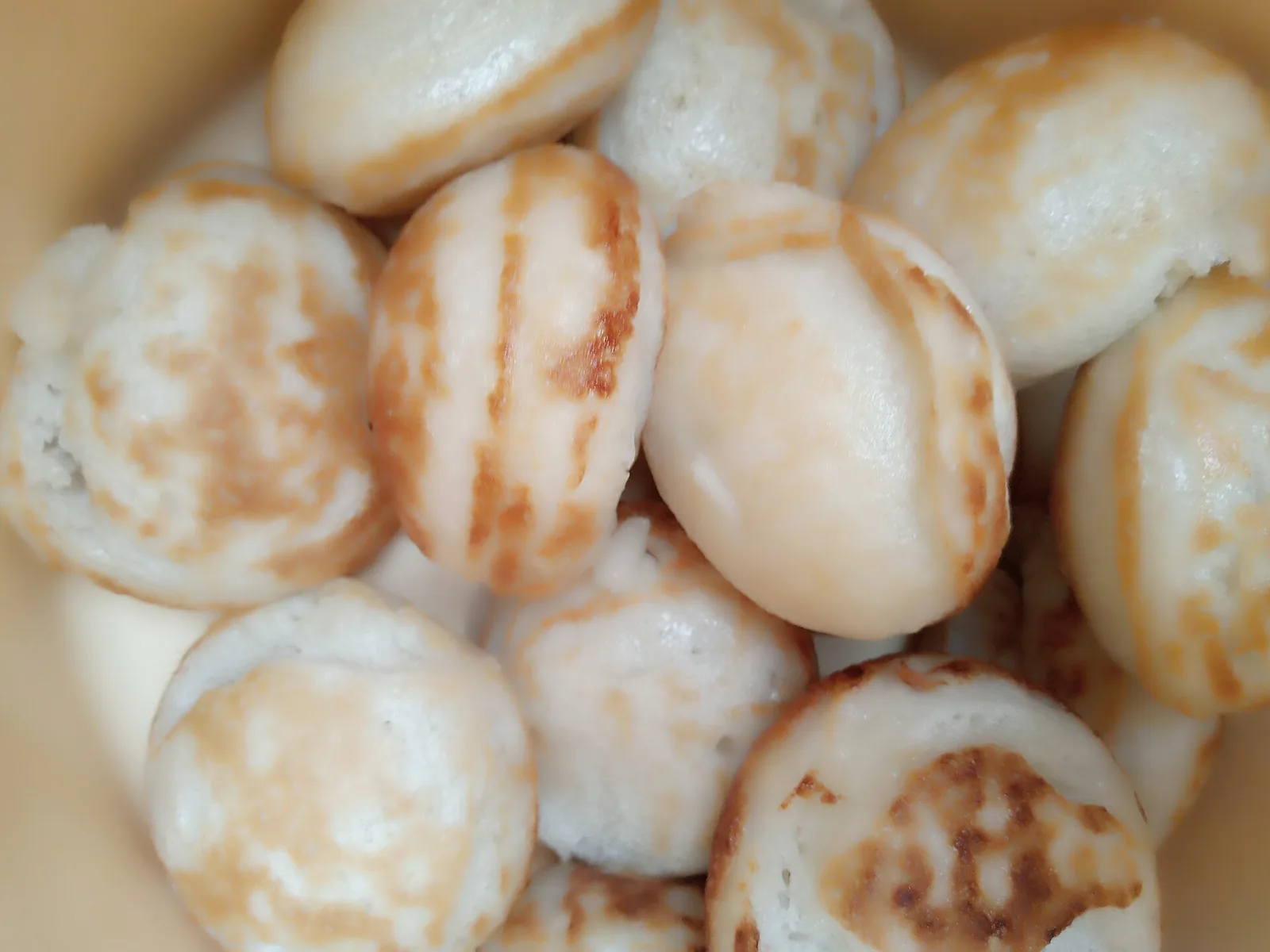
A bowl of cooked masa, round pale-golden fermented rice cakes

Hausa Heritage

Photo: Zmu'az4Z, CC BY 4.0, via Wikimedia Commons

The Heritage Formulary

Measured Ingredients

Estimated cost: Low — about $1–2 per serving at home (USD)

A good masa is judged by its crumb: soft, spongy and slightly tangy inside, with a light golden crust outside and no wet centre.

Execution Methodology & Culinary Technique

Step-by-Step Cooking Guide

Active 50m
P

Prep Stage: Soak the Rice Overnight

10 Mins Active • Overnight Soak

The night before cooking, rinse the raw rice until the water runs clear, then soak it in clean, room-temperature water for 8–12 hours or overnight. This soak is not optional: it softens the grains so they blend smooth, and it starts the gentle fermentation that gives masa its tang. Active prep time is 20 minutes; the soak and the ferment are passive time on top of that.

Maestro Tip: Use filtered or boiled-and-cooled water for soaking — heavily chlorinated tap water can slow the fermentation.

  1. 1

    Blend the Batter

    10 Mins Room temperature

    Drain the soaked rice and tip it into a blender with the cooked rice and about 200ml of fresh water. Blend until completely smooth and pourable, like a thick pancake batter, adding a splash more water if it is too thick. Pour the batter into a large bowl — it will rise, so leave plenty of room.

    Blend longer than you think — any gritty grains left in the batter stay gritty in the finished cakes.

    Done when: A smooth, pourable batter with no visible grains of rice.

  2. 2

    Ferment Overnight

    8 Hours Passive Warm room, ~24°C (75°F)

    Cover the bowl with a clean cloth and leave it in a warm spot for 8–12 hours or overnight. The batter will rise, bubble, and develop a pleasant, gently sour smell, like sourdough. This ferment is what makes it masa rather than an ordinary rice pancake — the yeast gives lift, but the ferment gives the flavour.

    In a cold kitchen the ferment is slower; set the bowl near the stove or in a switched-off oven with the light on.

    Done when: Batter has risen, is bubbly on top, and smells mildly sour and yeasty.

  3. 3

    Activate the Yeast & Rest

    15 Mins Warm water, ~40°C (104°F)

    Dissolve the yeast and sugar in 60ml of warm water and leave for 5–10 minutes until frothy. Stir the yeast mixture, the salt and the baking powder into the fermented batter until smooth. Cover and rest for 15 minutes while the batter loosens and bubbles again.

    The water for the yeast must be warm, not hot — water above 50°C (122°F) kills the yeast and the cakes will not rise.

    Done when: Batter is bubbly, loose and pourable again after resting.

  4. 4

    Cook in the Wells Pan

    25 Mins Medium heat, ~170°C (340°F)

    Heat a masa pan — a cast-iron pan with shallow round wells — over medium heat and brush each well with a little oil. Spoon the batter into the wells until each is about three-quarters full. Cook for 3–4 minutes until the tops set and the bottoms are golden, then turn each cake with a skewer or small spoon and cook for 2–3 minutes more until golden on both sides and cooked through to 74°C (165°F) in the centre. Work in batches, re-oiling the wells each time.

    If you do not have a masa pan, a greased muffin tin in a 190°C (375°F) oven for 15–18 minutes, or an æbleskiver pan on the stove, works well.

    Done when: Cakes are puffed, golden on both sides, and spring back when pressed; the centre is soft and fully cooked.

  5. 5

    Serve Warm

    5 Mins Warm, off the heat

    Pile the masa into a bowl and serve warm, while the outside is still lightly crisp and the inside is soft and steamy. Offer honey, suya spice, or a bowl of miyan taushe soup alongside, and let everyone choose their own topping.

    Masa is at its best in the first 30 minutes — after that the crust softens, so cook the last batch as people sit down.

    Done when: Warm cakes with a light golden crust and a soft, spongy, slightly tangy crumb.

Finishing Touches & Plating

Serve the masa warm from the pan, piled in a bowl with honey to drizzle and a little suya spice to sprinkle. Sweet or savoury, they are best eaten the moment they leave the pan.
Nutritional Physiology & Benefits

Nutrition

Energy

333

kcal / serving

Protein

6g

Complete AA

Carbs

64g

Complex

Fats

5g

Healthy

Per serving (6 servings · 1 serving ≈ 150 g)
Energy333 kcal
Protein6 g
Carbohydrates64 g
Fat5 g
Fibre1.3 g
Sugar3.4 g
Sodium419 mg
Per 100g
Energy222 kcal
Protein3.9 g
Carbohydrates43 g
Fat3.4 g
Fibre0.9 g
Sugar2.3 g
Sodium279 mg

Nutrition values are estimated — calculated from USDA FoodData Central values for the listed ingredients.

Vitamins & minerals: B vitamins from the fermented rice and yeast, including thiamin and niacin, plus small amounts of iron and magnesium (rice). Nutrition values are estimated.

Fermented for Flavour

The overnight ferment gives masa its gentle tang and helps break down the rice, making the cakes easy to digest — the same idea behind sourdough and dosa.

Gentle Morning Energy

Rice gives steady carbohydrate for the morning, and the cakes are light enough to eat before a busy day without feeling heavy.

Naturally Gluten-Free

Masa is made from rice alone, with no wheat at all, so it suits a gluten-free table without any substitution.

Food Pairings

What to Eat With

To optimize nutrient absorption and elevate the sensory depth, pair with these authentic accompaniments:

Sauces

Honey

A drizzle of honey is the simplest masa topping: its sweetness plays against the gentle sourness of the fermented batter, and it soaks into the spongy crumb.

Suya Spice (Yaji)

A pinch of yaji — ground peanuts, chilli and ginger — sprinkled over warm masa gives it a fiery, nutty kick and turns a plain cake into a snack.

Soups

Miyan Taushe

Miyan taushe, the Hausa pumpkin and groundnut soup, is masa's classic savoury partner — the cakes are torn and dipped, soaking up the nutty, mildly sweet soup.

Drinks

Hot Tea

A mug of hot, milky tea is the usual breakfast drink with masa in the north — warm, sweet, and a natural match for the soft cakes.

Complete menu

Serve the masa warm as the breakfast main, with honey and suya spice on the table and a bowl of miyan taushe soup for dipping, plus hot milky tea.

Digestive Guardrails

What NOT to Combine

To prevent digestive distress, sluggishness, or palate clash, avoid pairing the dish with these elements:

Very Sweet Toppings in Large Amounts

Honey and sugar syrup are delicious on masa, but a heavy drizzle adds a lot of sugar to an already starchy cake — use a light drizzle instead. This is general information, not medical advice.

Eating Undercooked Masa

Masa must be cooked through to the centre — a pale, wet middle means the batter was too thick or the pan too cool, and it will taste doughy. If the centre is still wet, cook the cakes a little longer. This is general information, not medical advice.

General information only, not medical advice — consult a doctor for personal dietary decisions.

Who Should Eat It

Who Should Eat

  • General adultsA light, filling breakfast — three or four cakes with honey or soup.
  • ChildrenSuitable from age 3+; the cakes are soft and easy to chew — skip the suya spice for young children.
  • ElderlyGood — soft, spongy cakes are easy to eat; serve warm with honey.
  • Pregnant womenGenerally suitable; the cakes are fully cooked and the ingredients are simple.
  • Breastfeeding womenGenerally suitable; a gentle, easily digested breakfast — keep the honey light.
  • AthletesA useful carbohydrate breakfast before training; add a boiled egg on the side for protein.
  • Weight gainA good choice — a generous serving with honey and extra cakes.
  • Weight lossKeep the portion to three cakes and skip the honey; eat with soup instead.

Health Conditions — Adjust or Avoid

Conditions

  • DiabetesHigh in carbohydrate from the rice, so keep the portion to three cakes and skip the honey; ask your clinician about portions.
  • High blood pressureKeep the added salt to the recipe amount; most sodium here is the salt and baking powder. Ask your clinician about your daily sodium limit.
  • Kidney diseaseRice is moderate in potassium; keep the portion modest if your clinician has advised a low-potassium diet, and ask about portion size.
  • GoutRice is low in purines, so masa is a gentle choice; keep the honey light. Ask your clinician if gout flares are frequent.
  • Stomach issuesUsually gentle and easy to digest, but the fermented tang can bother a very sensitive stomach — eat a small portion first.
  • Cardiovascular diseaseThe cakes are cooked in a little oil, not deep-fried, and contain no meat fat. Ask your clinician about how often starchy breakfasts fit your diet.
  • Fatty liverKeep the portion to three cakes and skip the honey. Ask your clinician about rice portions.
  • Food allergiesContains no common allergens as written. Naturally gluten-free — just check that your baking powder is certified gluten-free, and note the peanut in suya spice if you use it as a topping.
  • Special therapeutic dietsIf you follow a prescribed low-sodium diet, use half the salt and skip the baking powder, and check with your clinician.

If you have a medical condition, consult your doctor before changing your diet.

Storage & Use

Storage & Use

How to store
Cool completely and store in an airtight container.
In the fridge
Masa 2 days.
In the freezer
Up to 1 month.
How to reheat
Warm in a dry pan over medium heat for 2–3 minutes, or in a 180°C (350°F) oven for 5 minutes, until hot through to 74°C (165°F).
Freezing recommended
Yes, up to 1 month; thaw at room temperature before reheating.
Signs it has spoiled
Sour or off smell beyond the normal ferment tang, slimy surface, or mould.

More recipes to explore

A plate of dambou, steamed millet couscous topped with moringa leaves, onions and peppers Niger flag Niger 1h 10m
Dinner •Zarma-Songhai Heritage

Dambou

This dambou recipe is Niger's steamed millet couscous: fine millet grains rolled by hand, steamed until fluffy, then folded through tender moringa leaves, sweet onion, hot chilli and crunchy roasted peanuts. It is the everyday dinner of the Zarma and Songhai people of the southwest, eaten warm from a shared bowl with a spoonful of oil and a pinch of salt. One serving is about 250 g.

Millet & Moringa Dinner

Steamed millet couscous tossed with moringa leaves, onion, chilli and crushed peanuts — a filling, plant-based dinner from southwestern Niger.

Pairs Well With
Grilled fish or chicken, cool yoghurt & lime
Two sheets of kilishi, reddish-brown spice-coated dried beef, on a white plate Niger flag Niger 6h 30m
Snack & Tea •Hausa Heritage

Nigerien Kilishi

This kilishi recipe is the Hausa way of turning lean beef into a snack that keeps: paper-thin sheets of beef are dried, coated in labu — a thick paste of ground roasted peanuts, ginger, cayenne, paprika, cloves and nutmeg — then dried again and finished over heat until the coating sets into a rust-red, nutty crust. It is chewy, fiery and deeply savoury, and a small piece goes a long way. One serving is about 55 g.

High-Protein Snack

Thin sheets of lean beef coated in a peanut-spice paste called labu, then dried until chewy — the Hausa spiced dried beef of Niger and northern Nigeria.

Pairs Well With
Sliced onion, cold water or beer & fresh fruit
High Protein
A bowl of Vietnamese phở bò with rare beef, rice noodles and fresh herbs Vietnam flag Vietnam 3h 30m
Breakfast •Hanoi Heritage

Phở Bò Tái Nạm

Slow-simmered star anise and cinnamon bone broth with hand-cut rice noodles, supplying clean restorative warmth and collagen. One serving is about 775 g.

Immunity & Warming

Slow-simmered bone broth with rice noodles, rare beef and fresh herbs.

Pairs Well With
Crispy quẩy, fresh lime & sawtooth coriander
Soups & Broths • High Protein
Golden butter croissants on a wooden board France flag France 20m
Breakfast •Parisian Boulangerie

Croissant au Beurre & Café

Laminated cultured butter pastry paired with washed Arabica, for a slow, pleasurable Parisian morning — best with a little protein alongside. One serving is about 390 g.

Sustained Focus

Flaky all-butter croissant with café au lait, Comté and green apple.

Pairs Well With
Comté cheese wedge & Green apple slices
Quick Prep (<30m)

The Dinner Gazette

Never wonder what’s for dinner again

One email a week with easy dinner ideas from around the world — ingredients, steps and nutrition, tested in our kitchen first.

Delivered every Thursday morning. Unsubscribe anytime.