
Curated recipes from 193 countries  •  New seasonal Mediterranean issue out now

Overview

Omurice

Japanese Omelette Rice

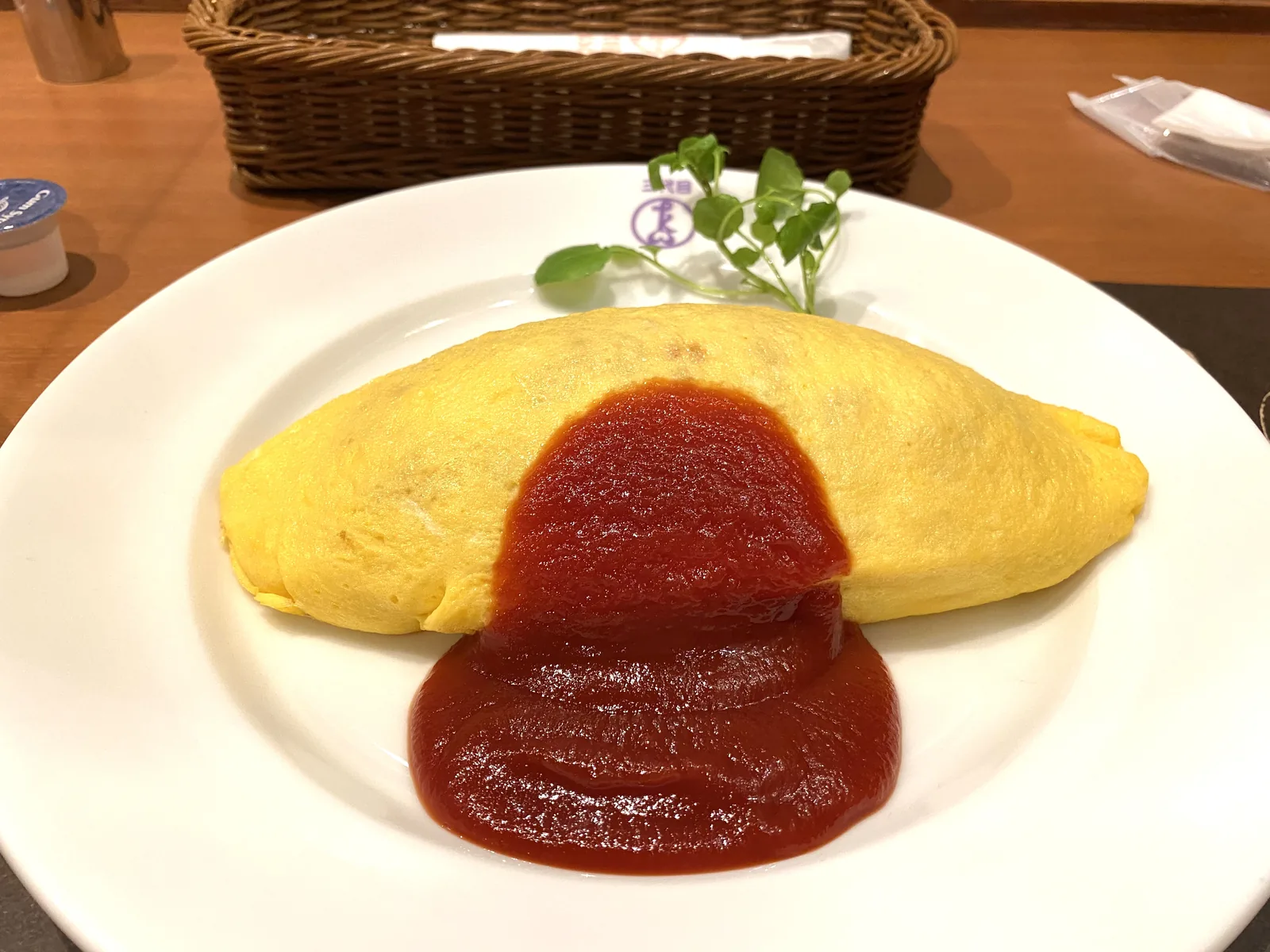
Omurice is Japan's beloved yoshoku comfort dish: chicken fried rice, stained rosy with ketchup, folded inside a soft golden omelette. This home version keeps the omelette tender and just set, the way Tokyo's old Western-style restaurants serve it. One serving is about 412 g.

Omurice appeared in Tokyo's Western-style restaurants in the early 1900s, and Rengatei in Ginza is often credited with serving the first version in 1900. Taimeiken, another Tokyo yoshoku restaurant, made the dish famous nationwide. Today it is a staple of home cooking, school lunches and family restaurants across Japan — and the ketchup pictures drawn on top are a beloved touch for children.

Pairs well with: Pickled ginger, miso soup & a crisp green salad

Provenance

Japan flag Japan

Tokyo Yoshoku Classic

East & South Asia

Time Dedication

45m

20m prep • 25m cook

Batch Yield

4 Servings

550 kcal per serving

1 serving ≈ 412 g

Technical Skill

Intermediate

Intermediate (Omelette Fold)

Meal Timing & Digestive Fit

Breakfast

Not Advised

Lunch

Prime Metabolic Fit

Dinner

Ideal Hearty Main

Snack & Tea

Inappropriate

Occasions: Weekday lunch, family weekends, kids' birthdays Cost: Low — about $3–4 per serving at home
A golden omurice omelette topped with ketchup on a white plate

Tokyo Yoshoku Classic

Photo: Kanesue, CC BY 2.0, via Wikimedia Commons

The Heritage Formulary

Measured Ingredients

Estimated cost: Low — about $3–4 per serving at home (USD)

A good omurice is judged by the omelette: soft and just set, never browned, wrapped neatly around the rice.

Execution Methodology & Culinary Technique

Step-by-Step Cooking Guide

Active 45m
P

Prep Stage: Rice, Chicken & Eggs

20 Mins • Knife Work

Dice the chicken and onion, and measure the ketchup and butter. Beat the eggs with the milk and a pinch of salt, then strain through a fine sieve — this is what gives the omelette its silky, even texture. Have four warm plates ready.

Maestro Tip: Straining the eggs takes 30 seconds and is the difference between a smooth omelette and a lumpy one.

  1. 1

    Fry the Chicken Rice

    10 Mins Medium-high heat, ~180°C (350°F)

    Melt the butter in a large frying pan over medium-high heat. Add the onion and cook 2 minutes until soft, then add the chicken and cook 3–4 minutes until no longer pink. Stir in 80g of the ketchup and cook 1 minute until it darkens slightly, then add the rice and stir-fry 3–4 minutes until every grain is rosy and hot. Season with salt and pepper, then divide into 4 portions and keep warm.

    Let the ketchup fry for a minute before the rice goes in — it mellows the acidity and deepens the colour.

    Done when: Chicken is cooked through to 74°C (165°F); rice is evenly pink and steaming.

  2. 2

    Cook the First Omelette

    3 Mins Medium heat, ~160°C (320°F)

    Wipe the pan clean, add a little oil and heat over medium heat. Pour in a quarter of the egg mixture and tilt to coat the base. Stir gently with chopsticks for 20 seconds as the egg begins to set, then stop and let the surface stay slightly runny — the omelette should be soft, not browned.

    Work fast and keep the heat moderate: the egg should set in about a minute and stay pale yellow.

    Done when: The base is set but the top is still glossy and soft.

  3. 3

    Wrap the Rice

    2 Mins Off the heat

    Spoon one portion of chicken rice into the centre of the omelette and shape it into a football with a spatula. Fold both sides of the omelette over the rice, then slide the omurice onto a warm plate, seam-side down. Cover the plate with a paper towel and gently shape it into a smooth oval with your hands.

    The paper-towel trick is how Tokyo restaurants get that perfect dome — do it while the omelette is still warm and pliable.

    Done when: A neat oval with no rice showing through the egg.

  4. 4

    Repeat for the Remaining Servings

    9 Mins Medium heat, ~160°C (320°F)

    Wipe the pan, add a little more oil and repeat the omelette and wrapping steps for the other three servings, one at a time. Keep finished omurice under a clean cloth so they stay warm.

    Making each omelette separately is slower, but it is the only way to keep them thin and tender.

    Done when: Four smooth golden ovals, all warm.

  5. 5

    Decorate & Serve

    2 Mins —

    Drizzle the remaining 40g of ketchup over each omurice in a zigzag or draw a simple picture — children love a heart or a star. Scatter with parsley and serve immediately with pickled ginger and miso soup on the side.

    Serve at once: the omelette firms as it cools and loses its softness.

    Done when: Ketchup glossy on top, omelette soft and warm inside.

Finishing Touches & Plating

Eat while the omelette is still soft — cut into it and the rice should steam gently. A little extra ketchup on the side lets everyone season to taste.

Nutritional Physiology & Benefits

Nutrition

Energy

550

kcal / serving

Protein

34g

Complete AA

Carbs

57g

Complex

Fats

19g

Healthy

Per serving (4 servings · 1 serving ≈ 412 g)
Energy550 kcal
Protein34 g
Carbohydrates57 g
Fat19 g
Fibre1.2 g
Sugar8.9 g
Sodium554 mg
Per 100g
Energy133 kcal
Protein8.2 g
Carbohydrates13.8 g
Fat4.7 g
Fibre0.3 g
Sugar2.2 g
Sodium134 mg

Nutrition values are estimated — calculated from USDA FoodData Central values for the listed ingredients.

Vitamins & minerals: Vitamin A and choline (egg), B vitamins and iron (chicken), vitamin C (onion, ketchup), calcium (milk).

Steady Energy

Rice, chicken and egg together give about 34 g of protein and slow-release carbs per serving, keeping you full through the afternoon.

Gentle & Easy to Eat

Soft egg, tender chicken and well-cooked rice make this one of the easiest Japanese dishes to chew and digest.

Kid-Friendly

Mild, slightly sweet and fun to decorate, omurice is one of the most popular dishes Japanese children ask for at home.

Food Pairings

What to Eat With

To optimize nutrient absorption and elevate the sensory depth, pair with these authentic accompaniments:

Vegetables

Pickled Ginger

Its sharp acidity cuts through the rich egg and sweet ketchup, refreshing the palate between bites.

Soups

Miso Soup

A small bowl of light, savoury miso soup balances the sweet-savoury rice without competing with it.

Sides

Crisp Green Salad

A simple salad with a light vinaigrette adds crunch and freshness to a soft, rich plate.

Drinks

Cold Barley Tea (Mugicha)

Unsweetened, roasted barley tea is the classic Japanese table drink — it cleanses the palate without adding sweetness.

Complete menu

Serve the omurice as the main plate with a small bowl of miso soup, pickled ginger and a crisp green salad; finish with cold barley tea.

Digestive Guardrails

What NOT to Combine

To prevent digestive distress, sluggishness, or palate clash, avoid pairing the dish with these elements:

Very Spicy Sauces on Top

Hot sauce or chilli oil overwhelms the delicate egg and the sweet ketchup balance that defines omurice. If you like heat, add a little chilli to the rice instead, where it blends in.

Eating It Cold or Reheated Hard

An omelette that has gone cold turns rubbery, and microwaving it hard makes the egg tough and dry. If you must reheat, do it gently in a covered pan on low heat. This is general information, not medical advice — ask your clinician if you are unsure.

General information only, not medical advice — consult a doctor for personal dietary decisions.

Who Should Eat It

Who Should Eat

  • General adultsA complete, satisfying lunch — protein, carbs and a little fat in one plate.
  • ChildrenExcellent — mild, soft and fun; let them draw the ketchup picture themselves.
  • ElderlyVery suitable — soft, easy to chew and easy to digest; keep the ketchup moderate if sodium is a concern.
  • Pregnant womenGenerally suitable; make sure the chicken is fully cooked through and the egg is set, not runny.
  • Breastfeeding womenGenerally suitable; the egg and chicken supply protein and choline.
  • AthletesA good post-workout lunch: about 34 g protein with fast carbs for recovery.
  • Weight gainA good choice — add a second helping of rice and a little extra butter.
  • Weight lossUse one egg per omelette, go lighter on the ketchup, and add a big salad on the side.

Health Conditions — Adjust or Avoid

Conditions

  • DiabetesReduce the rice to about 120 g cooked per serving and load up the salad; ketchup adds sugar, so use less for topping.
  • High blood pressureKetchup and salted butter are the main sodium sources — use low-sodium ketchup and unsalted butter, and skip extra salt.
  • Kidney diseaseThe egg and chicken make this fairly high in protein and potassium; keep the portion modest and ask your clinician about portion size.
  • GoutEggs are low in purines, but chicken is moderate — eat occasionally and in a normal portion.
  • Stomach issuesUsually gentle, but the fried rice and butter can feel heavy if your stomach is sensitive — use less butter and eat slowly.
  • Cardiovascular diseaseChoose chicken breast as written, go easy on the butter, and keep the egg yolks to one per serving if your clinician advises.
  • Fatty liverKeep the portion modest, use less butter and oil, and favour the salad on the side.
  • Food allergiesContains egg and milk (butter, milk). Ketchup may contain traces of celery or mustard — check the label. Naturally gluten-free.
  • Special therapeutic dietsIf you follow a prescribed low-sodium or low-fat diet, use unsalted butter, low-sodium ketchup and less oil, and check with your clinician.

If you have a medical condition, consult your doctor before changing your diet.

Storage & Use

Storage & Use

How to store
Store the chicken rice and the omelettes separately in airtight containers; assemble fresh when serving.
In the fridge
Chicken rice 3 days; cooked omelettes 1 day.
In the freezer
Chicken rice 2 months; omelettes do not freeze well.
How to reheat
Warm the rice gently in a covered pan; make fresh omelettes rather than reheating old ones.
Freezing recommended
Only the chicken rice freezes well — up to 2 months.
Signs it has spoiled
Sour smell, slimy rice, or an omelette that has gone grey or rubbery.

More recipes to explore

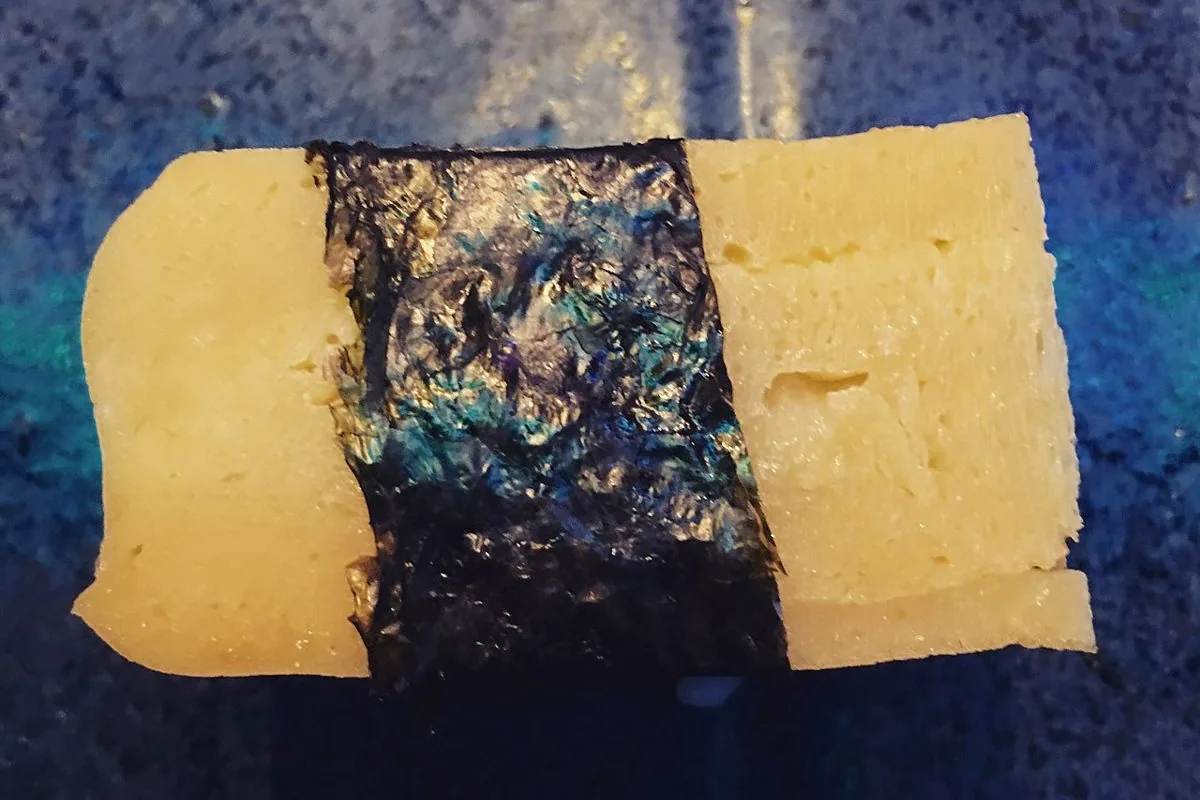
Sliced tamagoyaki rolled omelette wrapped in nori on a blue plate Japan flag Japan 25m
Breakfast •Edo Traditional

Tamagoyaki, Miso & Gohan

Dashi-infused rolled omelet served with live cultured miso broth and sea kelp for foundational gastrointestinal conditioning. One serving is about 580 g.

Digestive Gut Health

Silky rolled omelette with miso soup and steamed rice.

Pairs Well With
Fermented Natto & Sencha Green Tea
High Protein • Fermented / Gut Health • Quick Prep (<30m)
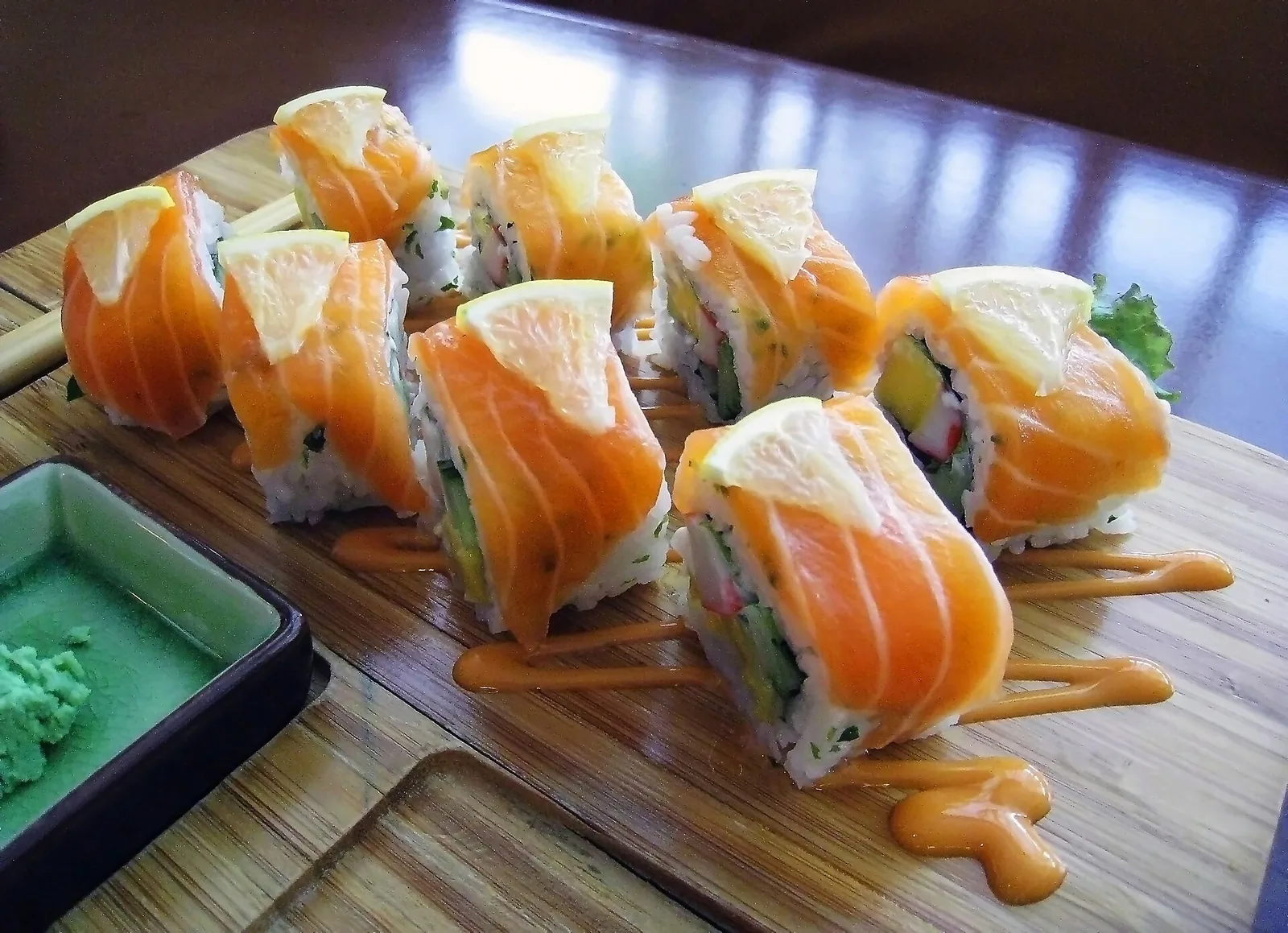
Salmon sushi rolls topped with salmon and lemon wedges on a wooden board, with wasabi Japan flag Japan 1h
Lunch •Edo-Style Sushi

Salmon Sushi Rolls (Maki)

This salmon sushi rolls recipe shows how to season sushi rice, slice sashimi-grade salmon and roll neat maki with cucumber and avocado. One serving is about 393 g — one full roll, cut into 8 pieces.

Light & Fresh

Sushi rice, sashimi-grade salmon and cucumber rolled in nori — light, fresh and protein-rich.

Pairs Well With
Miso soup, pickled ginger and a pot of green tea
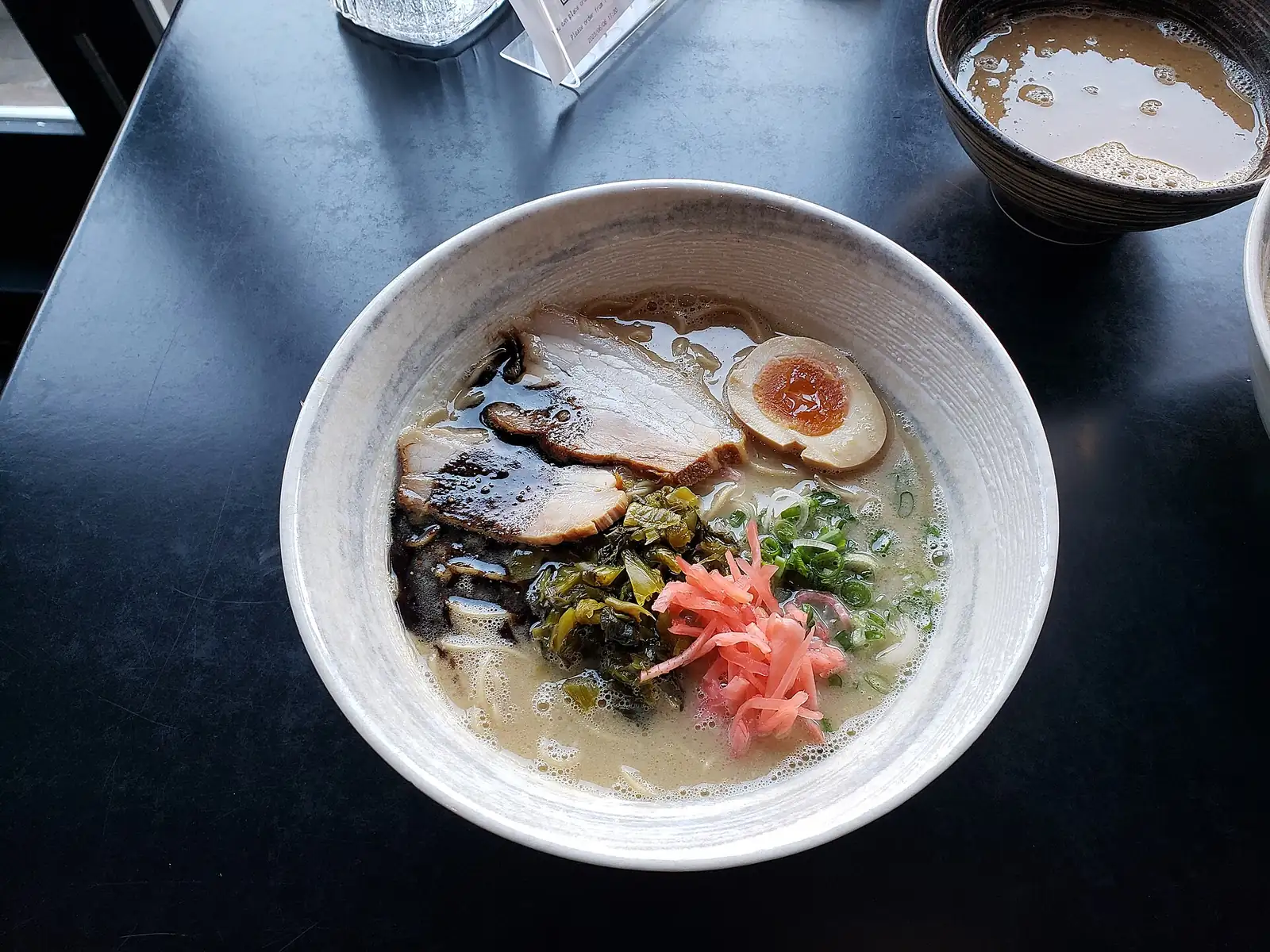
A bowl of tonkotsu ramen with chashu pork, a soft egg, spring onion and pickled ginger Japan flag Japan 3h 30m
Lunch •Hakata Yatai Style

Tonkotsu Ramen

This tonkotsu ramen recipe uses a pressure cooker to get the milky, pork-bone broth that normally takes all day, then builds the bowl with thin noodles, chashu pork and a soft egg. One serving is about 760 g.

Rich & Warming

Milky pork-bone broth, thin noodles, chashu pork and a soft egg — the richest bowl in ramen.

Pairs Well With
Gyoza, pickled ginger and a cold beer or iced barley tea
Soups & Broths • High Protein
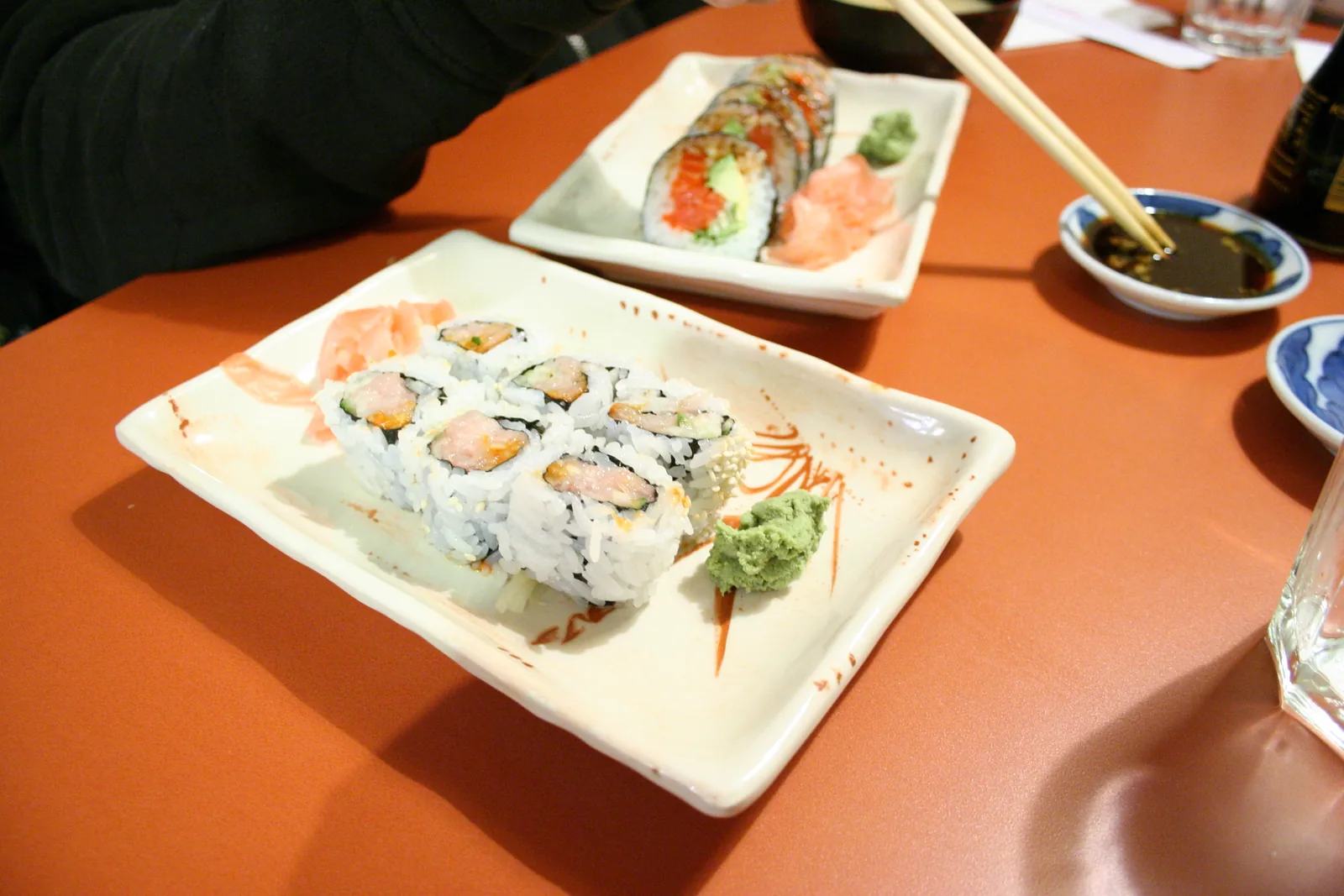
A plate of spicy tuna uramaki rolls with pickled ginger and wasabi, the pink tuna filling visible in the cut rolls Japan flag Japan 1h
Lunch •American Sushi Classic

Spicy Tuna Roll

This spicy tuna roll recipe shows how to season sushi rice, chop sashimi-grade tuna with spicy mayo, and roll neat rice-outside uramaki with cucumber and avocado. One serving is about 355 g — one full roll, cut into 8 pieces.

Light & Fresh

A cool, light sushi roll with raw tuna, cucumber and avocado — fresh, filling and quick to assemble once the rice is ready.

Pairs Well With
Miso soup, pickled ginger and iced green tea

The Dinner Gazette

Never wonder what’s for dinner again

One email a week with easy dinner ideas from around the world — ingredients, steps and nutrition, tested in our kitchen first.

Delivered every Thursday morning. Unsubscribe anytime.