
Curated recipes from 193 countries  •  New seasonal Mediterranean issue out now

Overview

Onigiri

Omusubi, Japanese rice balls

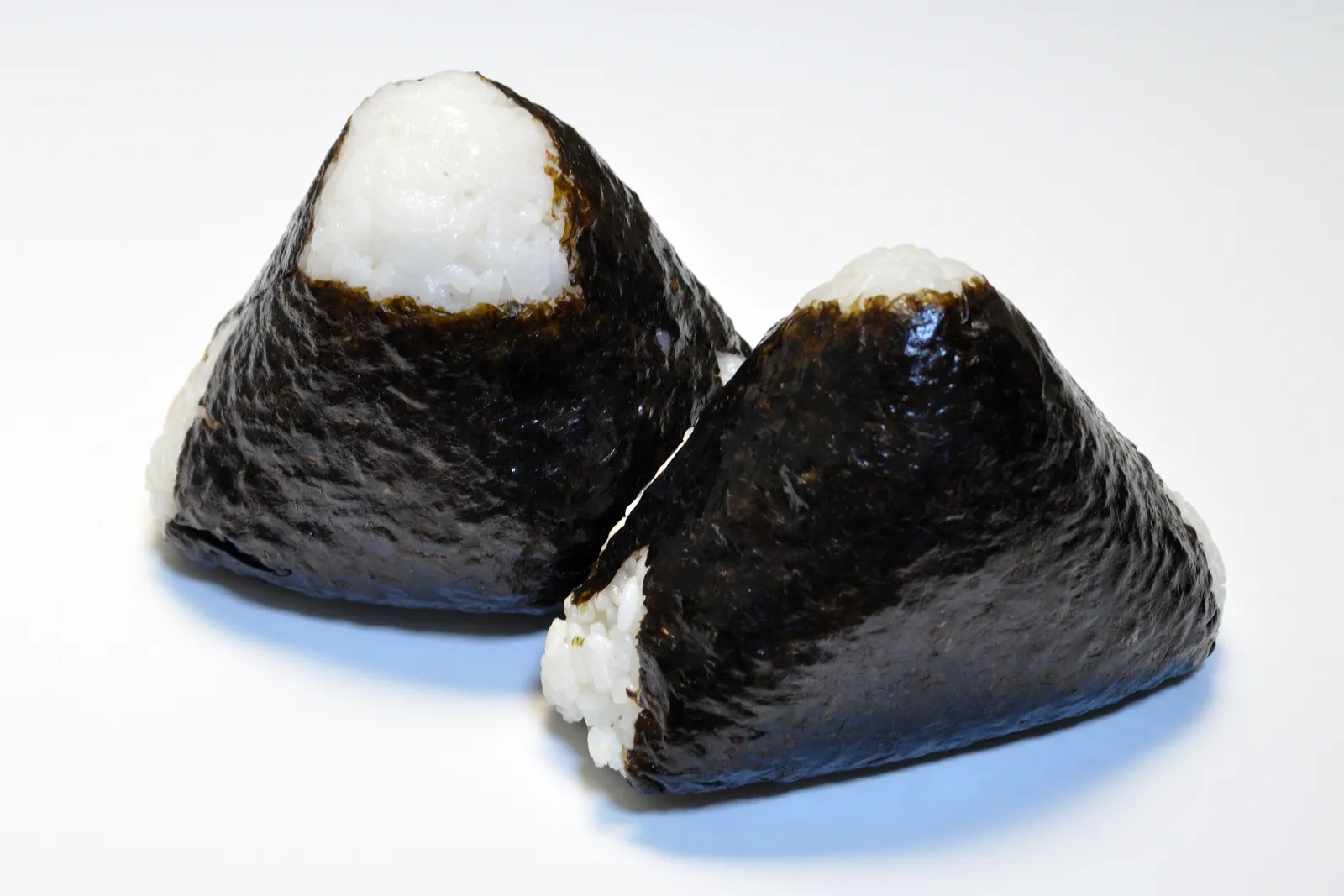
Onigiri are Japan's hand-pressed rice balls: warm short-grain rice seasoned with a pinch of salt, shaped into triangles around a small savoury filling, and wrapped in a sheet of nori. This onigiri recipe makes 8 rice balls with three vegetarian fillings — salty-sour umeboshi plum, sweet-savoury kombu tsukudani and edamame — so a lunchbox never gets boring. One serving is about 188 g, two rice balls.

Onigiri have been carried as portable food in Japan for over a thousand years: rice pressed into a ball was an easy meal for travellers, soldiers and farmers, and the nori wrapper arrived later as a way to keep hands clean. The triangle shape is said to echo the shape of mountains, and the three fillings used here — pickled plum, simmered kelp and soybeans — are among the oldest and most common. Today onigiri are sold in every convenience store in Japan, but home-made ones, shaped by hand while the rice is still warm, remain the lunchbox standard.

Pairs well with: Green tea, a small bowl of miso soup and a few pickles on the side.

Provenance

Japan flag Japan

Japanese Lunchbox Classic

East & South Asia

Time Dedication

45m

15m prep • 30m cook

Batch Yield

4 Servings

240 kcal per serving

1 serving ≈ 188 g

Technical Skill

Easy

Easy (Hand-Pressed)

Meal Timing & Digestive Fit

Breakfast

Not Advised

Lunch

Inappropriate

Dinner

Inappropriate

Snack & Tea

Ideal Light Bite

Quick Prep (<30m) Occasions: Lunchboxes, picnics, train journeys, school snacks, hiking Cost: Low — about $1–2 per serving at home
Two triangular onigiri wrapped in dark nori with white rice showing at the top

Japanese Lunchbox Classic

Photo: Ocdp, CC0, via Wikimedia Commons

The Heritage Formulary

Measured Ingredients

Estimated cost: Low — about $1–2 per serving at home (USD)

Made the Japanese way: warm short-grain rice seasoned with a little salt, pressed firmly by hand around a small filling, and wrapped in crisp nori just before eating.

Execution Methodology & Culinary Technique

Step-by-Step Cooking Guide

Active 45m
P

Prep Stage: Rice, Fillings & Nori

15 Mins • Rinsing, Chopping & Measuring

Rinse the rice until the water runs almost clear and leave it to soak for 30 minutes while you prepare the fillings: chop the kombu tsukudani and the pitted umeboshi, mash the boiled edamame roughly, and cut the nori sheets in half. Keep a small bowl of cold water beside you for wetting your hands.

Maestro Tip: Soaking the rice is what makes the grains cook evenly and stick together without turning to mush.

  1. 1

    Cook the Rice

    30 Mins Simmer, then rest off the heat — bring to a boil, then low heat

    Put the rinsed rice, water and salt in a heavy pot with a tight lid. Bring to a boil over medium heat, then turn the heat to the lowest setting and cook for 12 minutes without lifting the lid. Take the pot off the heat and rest, still covered, for 10 minutes, then fluff gently with a rice paddle.

    Do not lift the lid while the rice steams — the trapped steam finishes the cooking.

    Done when: Tender grains that hold together when pressed, with no water left in the pot.

  2. 2

    Season and Divide the Rice

    5 Mins Warm rice, about 60°C (140°F)

    Tip the warm rice into a wide bowl and sprinkle over the toasted sesame seeds. Fold them through gently with a cutting motion so the grains stay whole. Divide the rice into 8 equal portions of about 75 g each.

    Season while the rice is warm so the salt dissolves evenly.

    Done when: Eight even mounds of warm, glossy rice.

  3. 3

    Fill the Rice Balls

    5 Mins Warm rice, about 60°C (140°F)

    Wet your hands in the bowl of cold water. Take one portion of rice and press a small hollow into the middle with your thumb. Tuck in about a teaspoon of filling — kombu for some, edamame for others, umeboshi for the rest — then fold the rice over the filling and seal it inside.

    Keep your hands wet and re-wet them often; dry hands tear the rice apart.

    Done when: The filling is hidden in the centre with no gaps showing.

  4. 4

    Shape the Triangles

    5 Mins Room temperature

    Cup the filled rice in one palm and use the fingers of the other hand to press it into a triangle: press the two sides, then the base, turning the ball a quarter-turn between presses. Press firmly enough that the ball holds its shape, but do not squeeze it into a hard lump.

    Three firm presses per side are enough; over-squeezing makes the rice dense and heavy.

    Done when: A neat triangle that keeps its shape when you set it down.

  5. 5

    Wrap in Nori

    3 Mins Room temperature

    Lay a half-sheet of nori on your palm, shiny side down, and set a warm rice triangle on top with the point facing up. Fold the nori up around the lower half of the triangle, pressing it gently so it sticks to the rice. Leave the top of the triangle bare so the white rice shows.

    Wrap the nori on just before eating — it goes soft and chewy within about 30 minutes.

    Done when: The nori hugs the rice with the point of white rice showing at the top.

  6. 6

    Rest and Serve

    2 Mins Room temperature

    Set the onigiri on a plate, points up, and serve within 30 minutes while the nori is still crisp. Eat with your hands, like a sandwich, with green tea or miso soup alongside.

    If you must pack them ahead, wrap each one in cling film and add the nori at eating time.

    Done when: Crisp nori, warm seasoned rice, and a savoury surprise in the middle.

Finishing Touches & Plating

Serve the onigiri the day they are made, points up on a plate, with a pot of green tea and a small bowl of miso soup. They are finger food — no chopsticks needed.

Nutritional Physiology & Benefits

Nutrition

Energy

240

kcal / serving

Protein

6g

Complete AA

Carbs

47g

Complex

Fats

2g

Healthy

Per serving (4 servings · 1 serving ≈ 188 g)
Energy240 kcal
Protein6 g
Carbohydrates47 g
Fat2 g
Fibre2.2 g
Sugar1.2 g
Sodium520 mg
Per 100g
Energy127.7 kcal
Protein3.4 g
Carbohydrates25 g
Fat1.3 g
Fibre1.2 g
Sugar0.7 g
Sodium277 mg

Nutrition values are estimated — calculated from USDA FoodData Central values for the listed ingredients.

Vitamins & minerals: The rice supplies B vitamins, the edamame adds folate and iron, the nori contributes iodine, and the sesame seeds add calcium and magnesium.

Steady Energy from Rice

Each serving of two rice balls carries about 47 g of carbohydrate from short-grain rice, which is the slow, filling energy that makes onigiri a proper snack rather than a nibble.

Plant Protein from Edamame

The edamame filling adds soy protein and fibre to a snack that is otherwise mostly rice, so the rice balls keep you full for longer.

Iodine from Nori

The nori wrapper is a natural source of iodine, a mineral the body uses to make thyroid hormones, in a form that is easy to eat every day.

Food Pairings

What to Eat With

To optimize nutrient absorption and elevate the sensory depth, pair with these authentic accompaniments:

Drinks

Green Tea

Unsweetened green tea is the classic onigiri drink because its light bitterness cuts through the salty-savoury rice and refreshes the palate between bites.

Soups

Miso Soup

A small bowl of miso soup turns a pair of rice balls into a light meal: the warm, salty broth balances the cool rice and adds protein from the tofu and wakame.

Vegetables

Pickled Vegetables

A few slices of pickled cucumber or daikon add crunch and a sharp, sour note that wakes up the mild rice, which is why pickles are a standard lunchbox companion.

Sides

Rolled Omelette (Tamagoyaki)

Sweet rolled omelette is the other classic lunchbox item: its soft, sweet egg contrasts with the salty rice balls and adds protein to the box.

Complete menu

Serve two onigiri with a small bowl of miso soup, a few pickles and a cup of green tea for a light lunch, then finish with fresh fruit.

Digestive Guardrails

What NOT to Combine

To prevent digestive distress, sluggishness, or palate clash, avoid pairing the dish with these elements:

Storing with Nori On Overnight

Nori left wrapped around rice overnight absorbs moisture, turns chewy and can develop off flavours, so keep the nori separate and wrap just before eating. This is general food information, not medical advice.

Very Salty Fillings for Salt-Sensitive Eaters

Umeboshi is extremely salty at about 920 mg sodium in two plums, and this recipe is already around 520 mg sodium per serving, so anyone watching salt should choose the edamame filling and skip the umeboshi. This is general food information, not medical advice.

General information only, not medical advice — consult a doctor for personal dietary decisions.

Who Should Eat It

Who Should Eat

  • General adultsA handy 240 kcal snack — two rice balls with tea or soup make a light lunch.
  • ChildrenA popular lunchbox food; use the mild edamame filling for younger children and cut the triangle in half for small hands.
  • ElderlySoft, easy to chew and easy to hold; choose the edamame or kombu filling and serve with warm miso soup.
  • Pregnant womenFine as a snack when made with fresh rice and eaten the same day; wash hands well before shaping and keep the rice balls refrigerated if not eaten at once.
  • Breastfeeding womenA practical one-handed snack between feeds; the rice and edamame give steady energy.
  • AthletesGood portable carbohydrate before or after training, though the protein is low — pair with an egg or a piece of fish.
  • Weight gainAn easy way to add energy: eat three rice balls instead of two and add a sesame-rich filling.
  • Weight lossOne rice ball at about 120 kcal works as a controlled snack; skip the umeboshi if salt is a concern and load up on cucumber alongside.

Health Conditions — Adjust or Avoid

Conditions

  • DiabetesRice is the main carbohydrate at about 47 g per serving, so keep to two rice balls and eat the edamame-filled ones first. Ask your clinician about portions.
  • High blood pressureThe umeboshi and salt push sodium to about 520 mg per serving, so choose the edamame filling and use less salt in the rice. Ask your clinician about portions.
  • Kidney diseaseRice is low in potassium, but the salty fillings add sodium and the edamame adds potassium, so check portions with your clinician.
  • GoutThe fillings here are plant-based, and rice is low in purines, so this is a gentle choice; still keep portions modest. Ask your clinician about portions.
  • Stomach issuesPlain rice is usually easy on the stomach, but umeboshi is very sour and may irritate some people — choose the mild edamame filling. Ask your clinician about portions.
  • Cardiovascular diseaseLow in saturated fat and free of meat, with fibre from edamame and sesame; watch the salt from the umeboshi. Ask your clinician about portions.
  • Fatty liverA light, low-fat snack that fits well, especially with the edamame filling; avoid adding mayonnaise-based fillings. Ask your clinician about portions.
  • Food allergiesContains sesame and soy (edamame); the nori is seaweed, which some people with seafood allergies avoid. Check every label and ask your clinician if unsure.
  • Special therapeutic dietsVegetarian and dairy-free as written; for a gluten-free version check that the kombu tsukudani is made without soy sauce containing wheat. Ask your clinician about portions.

If you have a medical condition, consult your doctor before changing your diet.

Storage & Use

Storage & Use

How to store
Wrap each rice ball tightly in cling film as soon as it is shaped, with the nori kept separate.
In the fridge
Wrapped onigiri keep 1 day in the fridge at 4°C (40°F) or below.
In the freezer
Rice balls freeze for up to 1 month without the nori; thaw overnight in the fridge.
How to reheat
Warm a refrigerated rice ball in the microwave for 30 seconds until warm through, to 74°C (165°F) if it has been stored cold; add the nori only after warming.
Freezing recommended
Yes — the rice balls only, without nori or umeboshi.
Signs it has spoiled
Sour smell in the rice, slimy surface, or nori that has gone soft and dark.

More recipes to explore

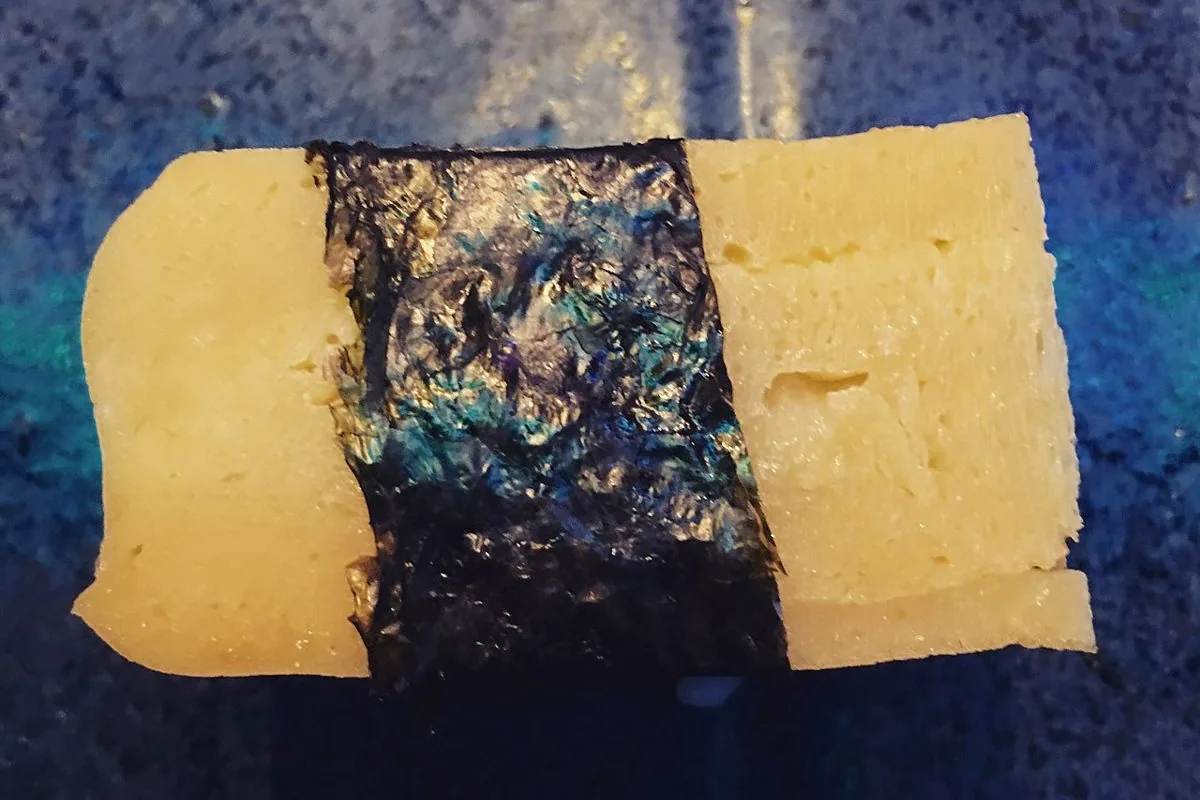
Sliced tamagoyaki rolled omelette wrapped in nori on a blue plate Japan flag Japan 25m
Breakfast •Edo Traditional

Tamagoyaki, Miso & Gohan

Dashi-infused rolled omelet served with live cultured miso broth and sea kelp for foundational gastrointestinal conditioning. One serving is about 580 g.

Digestive Gut Health

Silky rolled omelette with miso soup and steamed rice.

Pairs Well With
Fermented Natto & Sencha Green Tea
High Protein • Fermented / Gut Health • Quick Prep (<30m)
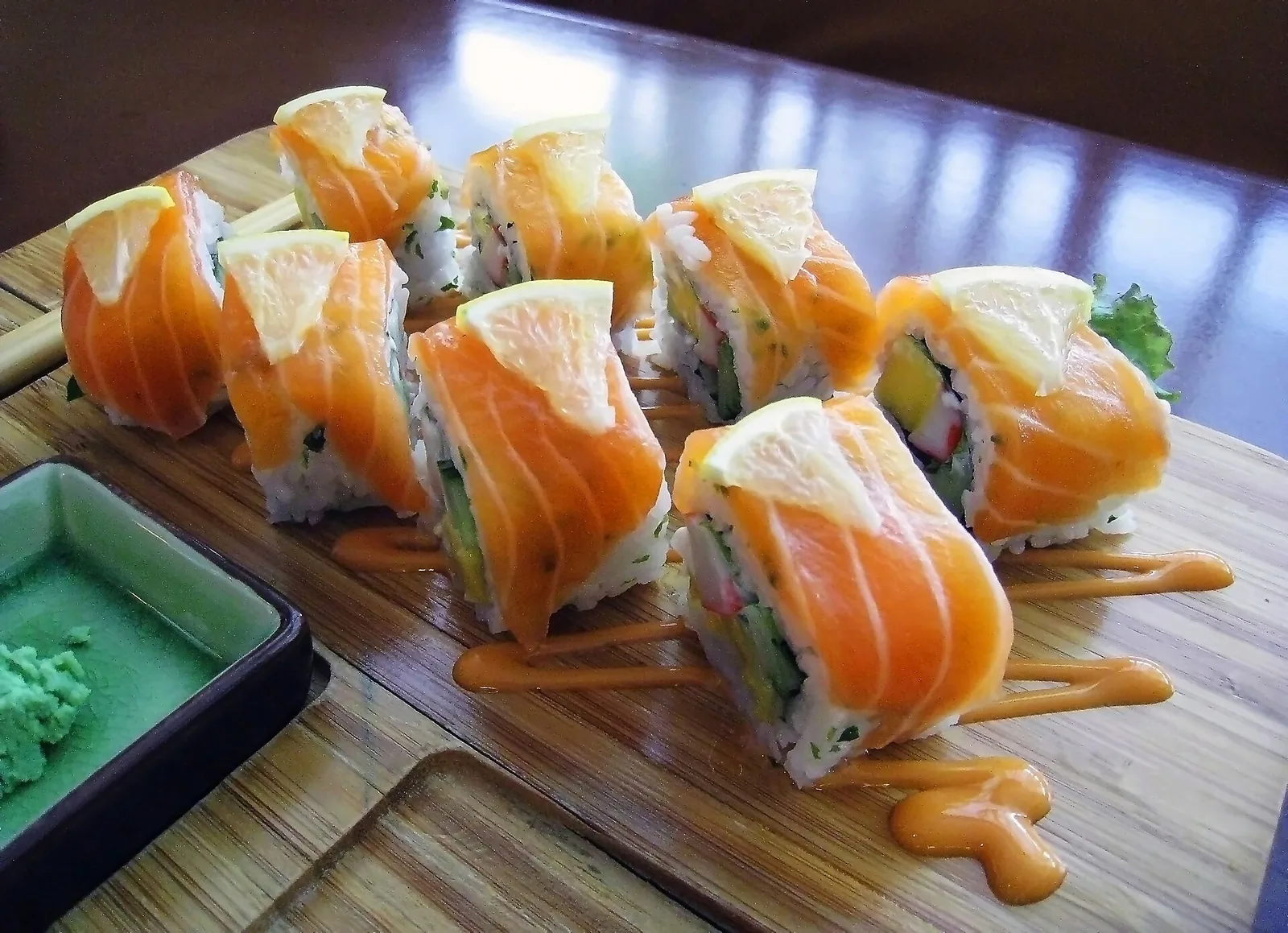
Salmon sushi rolls topped with salmon and lemon wedges on a wooden board, with wasabi Japan flag Japan 1h
Lunch •Edo-Style Sushi

Salmon Sushi Rolls (Maki)

This salmon sushi rolls recipe shows how to season sushi rice, slice sashimi-grade salmon and roll neat maki with cucumber and avocado. One serving is about 393 g — one full roll, cut into 8 pieces.

Light & Fresh

Sushi rice, sashimi-grade salmon and cucumber rolled in nori — light, fresh and protein-rich.

Pairs Well With
Miso soup, pickled ginger and a pot of green tea
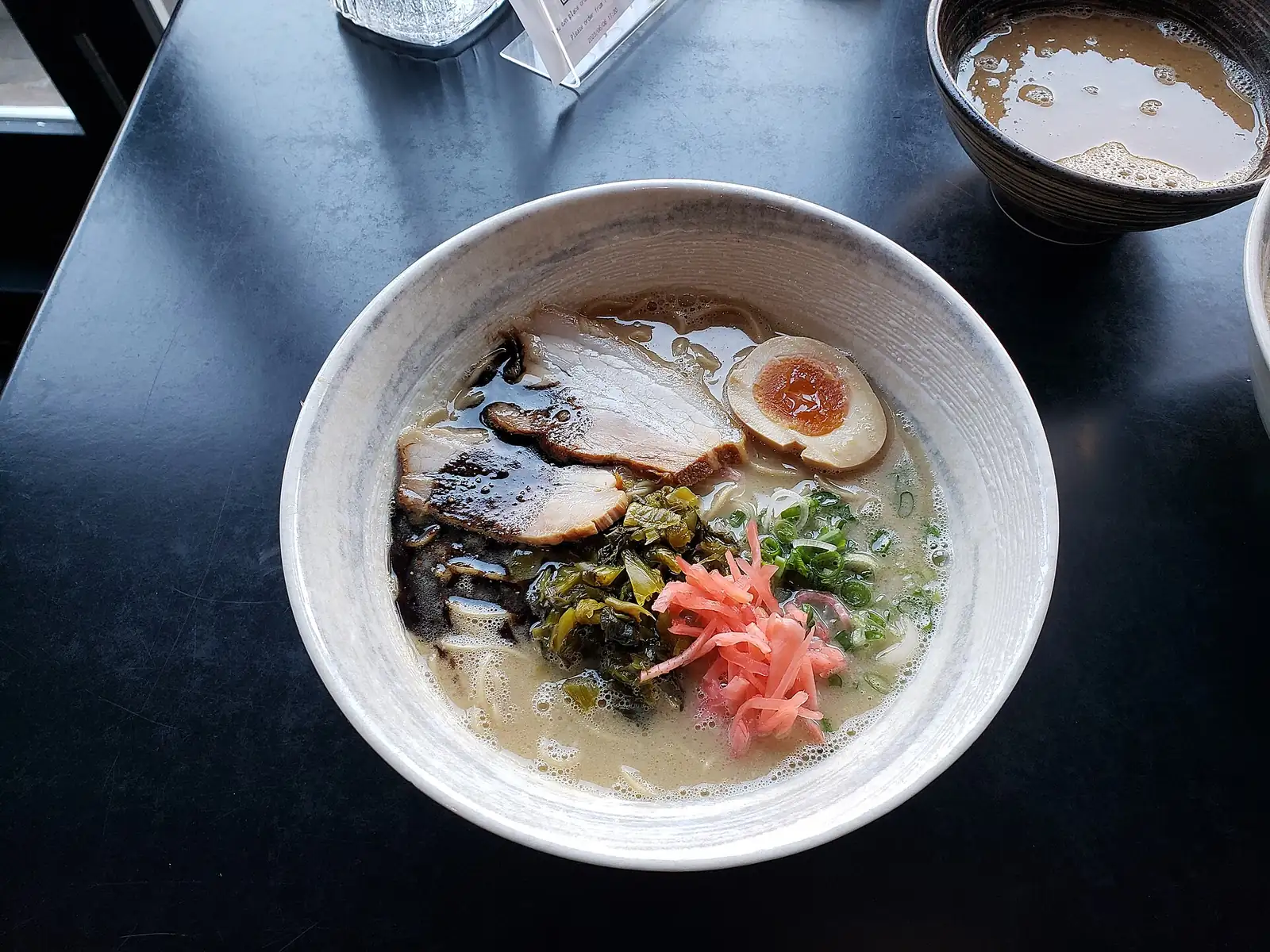
A bowl of tonkotsu ramen with chashu pork, a soft egg, spring onion and pickled ginger Japan flag Japan 3h 30m
Lunch •Hakata Yatai Style

Tonkotsu Ramen

This tonkotsu ramen recipe uses a pressure cooker to get the milky, pork-bone broth that normally takes all day, then builds the bowl with thin noodles, chashu pork and a soft egg. One serving is about 760 g.

Rich & Warming

Milky pork-bone broth, thin noodles, chashu pork and a soft egg — the richest bowl in ramen.

Pairs Well With
Gyoza, pickled ginger and a cold beer or iced barley tea
Soups & Broths • High Protein
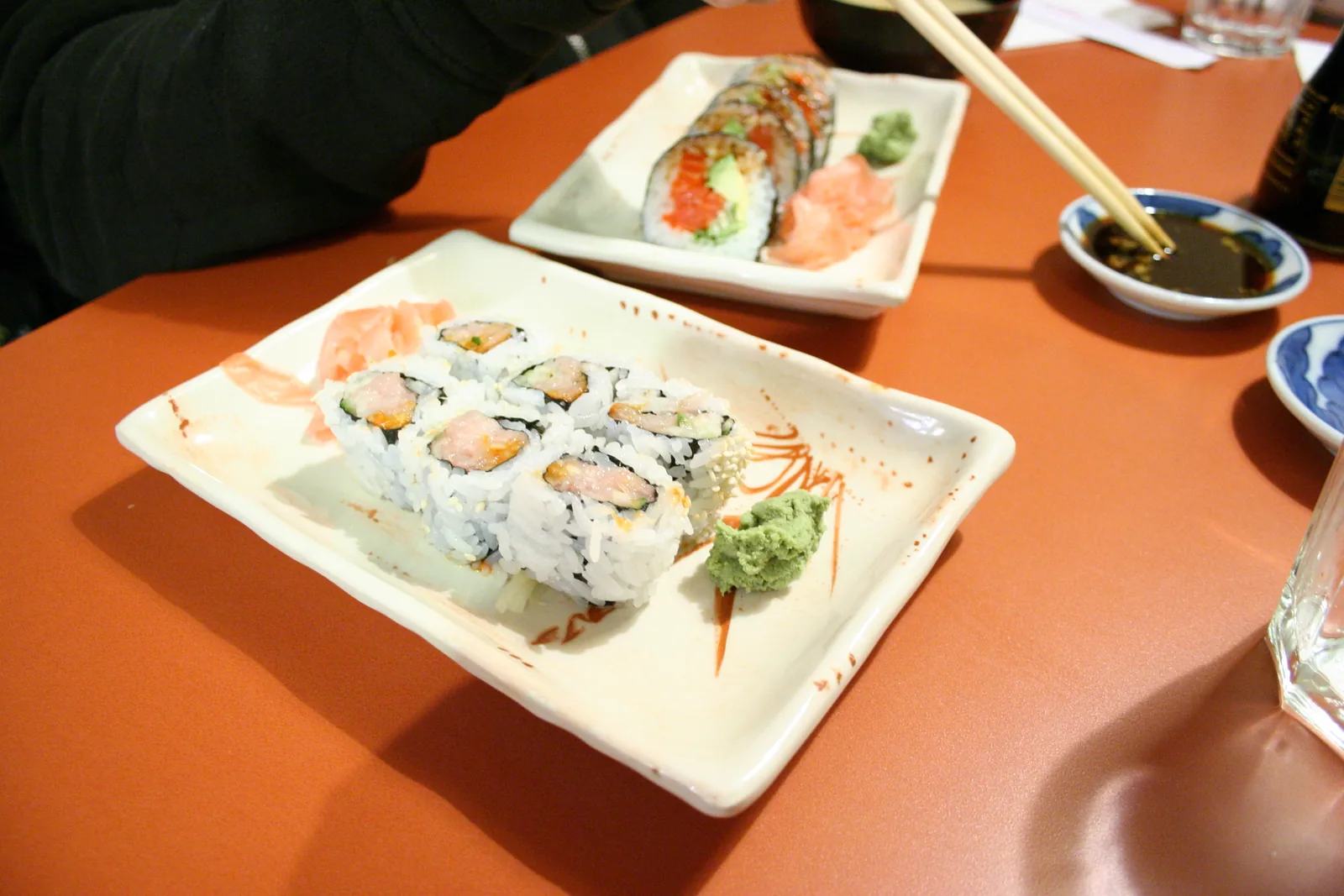
A plate of spicy tuna uramaki rolls with pickled ginger and wasabi, the pink tuna filling visible in the cut rolls Japan flag Japan 1h
Lunch •American Sushi Classic

Spicy Tuna Roll

This spicy tuna roll recipe shows how to season sushi rice, chop sashimi-grade tuna with spicy mayo, and roll neat rice-outside uramaki with cucumber and avocado. One serving is about 355 g — one full roll, cut into 8 pieces.

Light & Fresh

A cool, light sushi roll with raw tuna, cucumber and avocado — fresh, filling and quick to assemble once the rice is ready.

Pairs Well With
Miso soup, pickled ginger and iced green tea

The Dinner Gazette

Never wonder what’s for dinner again

One email a week with easy dinner ideas from around the world — ingredients, steps and nutrition, tested in our kitchen first.

Delivered every Thursday morning. Unsubscribe anytime.