Curated recipes from 193 countries  •  New seasonal Mediterranean issue out now

Overview

Pancit Bihon

Pancit Bihon Guisado — Filipino Rice Vermicelli Stir-Fry

This pancit bihon recipe is the Filipino birthday noodle: thin, translucent rice vermicelli (bihon) stir-fried with pork, chicken and shrimp, cabbage, carrots and green beans in a savoury soy-calamansi sauce. One serving is about 430 g.

Pancit came to the Philippines with Chinese traders: the word comes from the Hokkien phrase 'pian i sit', meaning 'something conveniently cooked'. Bihon — thin rice vermicelli — became the most loved form, stir-fried with whatever meat and vegetables the household had. Long noodles came to symbolise long life, so pancit bihon is served at almost every Filipino birthday, and the noodles are never cut short while cooking, so as not to cut the good luck.

Pairs well with: Lumpia & Calamansi Juice

Provenance

Philippines flag Philippines

Filipino Heritage

East & South Asia

Time Dedication

40m

20m prep • 20m cook

Batch Yield

4 Servings

514 kcal per serving

1 serving ≈ 430 g

Technical Skill

Intermediate

Easy (One Pan)

Meal Timing & Digestive Fit

Breakfast

Not Advised

Lunch

Prime Metabolic Fit

Dinner

Ideal Hearty Main

Snack & Tea

Inappropriate

Pasta & Noodles Occasions: Birthdays, family lunch, fiestas, potlucks, celebrations Cost: Low — about $3–4 per serving at home
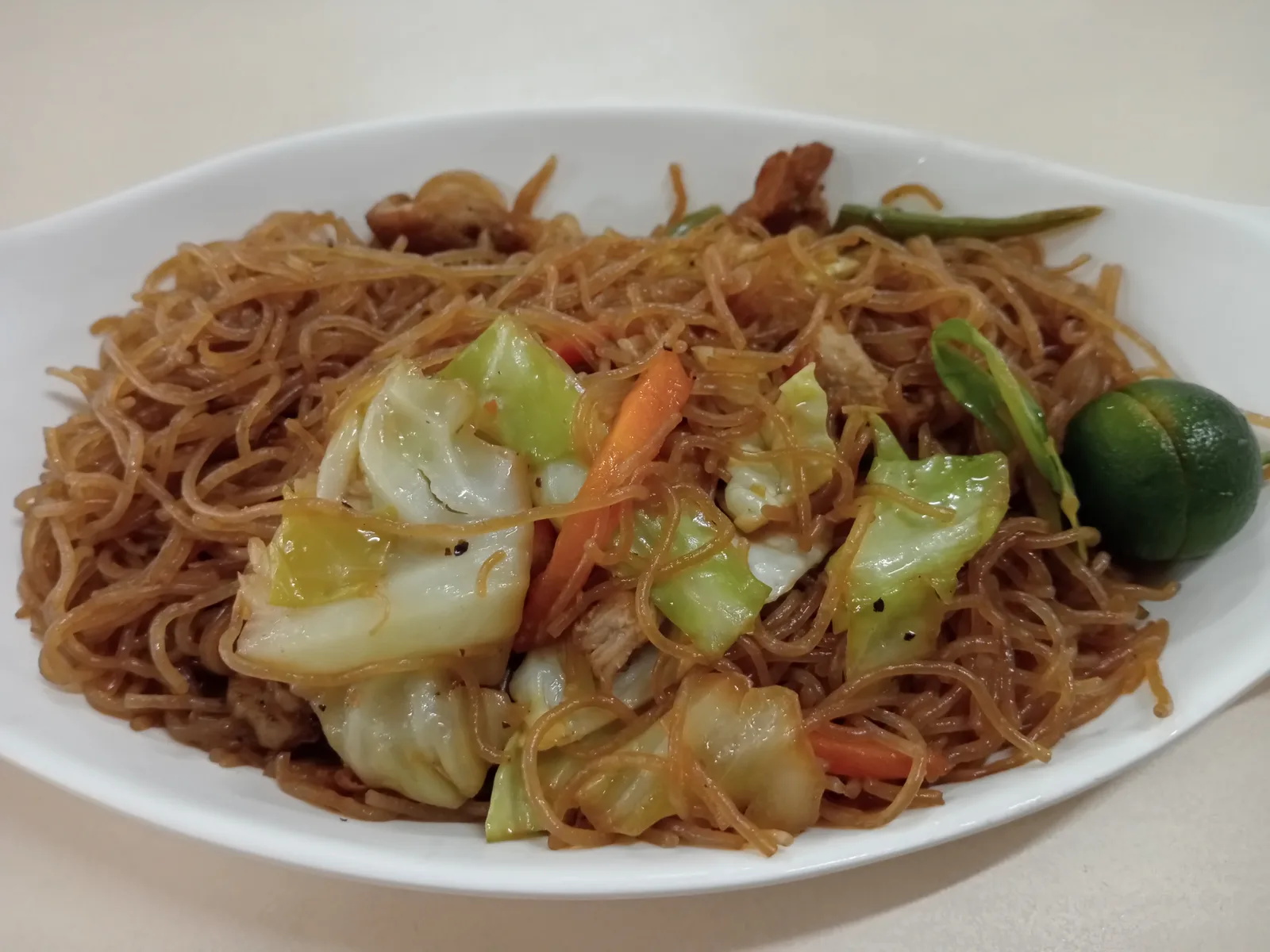
Pancit bihon — a plate of thin translucent rice vermicelli stir-fried with pork, cabbage and carrots, with a whole calamansi on the side

Filipino Heritage

Photo: Ralff Nestor Nacor, CC BY-SA 4.0, via Wikimedia Commons

The Heritage Formulary

Measured Ingredients

Estimated cost: Low — about $3–4 per serving at home (USD)

A good pancit bihon is glossy, not greasy — thin translucent rice noodles, every strand seasoned, with the vegetables still crisp.

Execution Methodology & Culinary Technique

Step-by-Step Cooking Guide

Active 40m
P

Prep Stage: Soak, Slice & Squeeze

20 Mins

Soak the bihon rice vermicelli in warm water for 10 minutes until pliable, then drain well — never boil it, or it turns to mush. While it soaks, slice the pork and chicken into thin strips, peel and devein the shrimp, julienne the carrots, shred the cabbage and cut the green beans. Squeeze the calamansi and strain out the seeds. Everything must be ready before the wok gets hot, because pancit bihon cooks fast.

Maestro Tip: Check the noodle packet twice: it must say rice vermicelli. Wheat or egg noodles make a different dish — pancit canton, not bihon.

  1. 1

    Sear the Pork and Chicken

    6 Mins Medium-high heat, about 200°C (400°F)

    Heat the oil in a large wok or wide pan over medium-high heat. Add the pork strips in a single layer and sear for 3 minutes without moving them, then add the chicken strips and stir-fry for 3 minutes more. Season with half the soy sauce and the black pepper. The meat should be browned at the edges and cooked through — the chicken must reach 74°C (165°F) and the pork 63°C (145°F) at the centre. Lift the meat out and set it aside.

    Do not crowd the pan: meat that steams instead of searing stays pale and tough.

    Done when: Pork browned at the edges, chicken opaque all the way through at 74°C (165°F).

  2. 2

    Cook the Shrimp and Aromatics

    4 Mins Medium-high heat, about 200°C (400°F)

    In the same wok, add the shrimp and cook for 2 minutes until they curl and turn pink, then lift them out with the meat. Add the onion and garlic and stir-fry for 1 minute until fragrant, then add the carrots and green beans and cook for 1 minute more — they should stay crisp.

    Shrimp overcook in seconds. Pull them out the moment they turn pink and opaque.

    Done when: Shrimp pink, curled and opaque; garlic fragrant, not browned.

  3. 3

    Build the Sauce and Wilt the Cabbage

    3 Mins Simmer, about 95°C (203°F)

    Pour in the chicken broth, the remaining soy sauce, the calamansi juice and the sugar, and bring to a simmer. Stir in the shredded cabbage and cook for 2 minutes until it just wilts — it should still have a little bite. Taste the broth: it should be savoury with a bright citrus lift from the calamansi.

    Taste before the noodles go in — this is your last easy chance to adjust salt and sourness.

    Done when: Broth simmering and well seasoned; cabbage wilted but still crisp.

  4. 4

    Add the Bihon and Toss

    5 Mins Simmer, about 95°C (203°F)

    Add the drained bihon rice vermicelli to the wok and toss with tongs so every strand meets the broth. Cook for 4–5 minutes, tossing constantly, until the thin translucent noodles have absorbed almost all the liquid and turned soft and glossy. If the pan looks dry before the noodles are tender, splash in 2–3 tablespoons of hot water. Return the pork, chicken and shrimp to the wok and toss for 1 minute to heat through.

    Use tongs, not a spoon — lifting and turning the strands keeps them from clumping into a solid cake.

    Done when: Noodles soft, translucent and glossy with almost no liquid left in the pan; meat heated through.

  5. 5

    Rest, Garnish and Serve

    2 Mins Serve hot, about 70°C (158°F)

    Take the wok off the heat and let the pancit rest for 2 minutes so the last of the sauce settles into the noodles. Pile it onto a large platter or into bowls, scatter the green onions over the top, and serve with the whole calamansi cut in half so each person can squeeze more over their own portion. Do not cut the noodles short — long strands are the birthday tradition.

    Serve straight away: bihon dries out and stiffens as it sits, and a splash of calamansi at the table wakes it back up.

    Done when: Noodles glossy and steaming, green onions bright, calamansi halves ready on the side.

Finishing Touches & Plating

Serve hot on a big platter with calamansi halves on the side, and let everyone squeeze their own. Eat it while the noodles are still glossy — pancit bihon is at its best in the first 15 minutes off the wok.

Nutritional Physiology & Benefits

Nutrition

Energy

514

kcal / serving

Protein

41g

Complete AA

Carbs

65g

Complex

Fats

10g

Healthy

Per serving (4 servings · 1 serving ≈ 430 g)
Energy514 kcal
Protein41 g
Carbohydrates65 g
Fat10 g
Fibre4.2 g
Sugar5.8 g
Sodium1123 mg
Per 100g
Energy120 kcal
Protein9.6 g
Carbohydrates15 g
Fat2.3 g
Fibre1 g
Sugar1.3 g
Sodium261 mg

Nutrition values are estimated — calculated from USDA FoodData Central values for the listed ingredients.

Vitamins & minerals: Vitamin A (carrots, cabbage), vitamin C (cabbage, calamansi, green beans), folate (cabbage, green beans), potassium (cabbage, carrots), iron (pork, shrimp). Nutrition is estimated.

High-Protein Noodle Bowl

About 41 g of protein per serving from pork, chicken and shrimp — a noodle dish that actually keeps you full.

Vegetable-Rich and Light

Cabbage, carrots and green beans bring about 4.2 g of fibre per serving, plus vitamin A and vitamin C, in a 514 kcal plate.

Rice Noodles, Not Wheat

Bihon is made from rice, so the dish is naturally wheat-free — just use tamari instead of regular soy sauce for a fully gluten-free plate.

Food Pairings

What to Eat With

To optimize nutrient absorption and elevate the sensory depth, pair with these authentic accompaniments:

Sides

Lumpiang Shanghai

Crisp fried spring rolls are the classic partner at Filipino parties — the crunch contrasts with the soft, glossy noodles, and both belong on the same birthday table.

Vegetables

Atchara (Pickled Green Papaya)

A small spoonful of sweet-sour pickled papaya cuts through the savoury noodles and refreshes the palate between bites.

Drinks

Iced Calamansi Juice

Cold, tart and citrusy, it echoes the calamansi in the noodles and cools the mouth after hot, savoury bites.

Full Menus

Birthday Spread: Pancit, Lumpia & Leche Flan

Pancit for long life, lumpia for crunch and leche flan for sweetness — the three dishes that define a Filipino birthday table.

Complete menu

Pancit bihon with lumpiang Shanghai and atchara, followed by leche flan, with iced calamansi juice — a classic Filipino birthday lunch.

Digestive Guardrails

What NOT to Combine

To prevent digestive distress, sluggishness, or palate clash, avoid pairing the dish with these elements:

Leaving Cooked Noodles at Room Temperature

Cool leftovers within 2 hours and refrigerate; reheat only the portion you will eat, until steaming hot throughout (74°C / 165°F). Cooked noodles left out all afternoon are a food-safety risk. This is general food-safety information, not medical advice.

Over-Salting with Soy Sauce

Most of this dish's sodium comes from the soy sauce and broth, so measure both and taste before adding more. Extra salty sides on the same plate can push the salt far higher. This is general information, not medical advice.

General information only, not medical advice — consult a doctor for personal dietary decisions.

Who Should Eat It

Who Should Eat

  • General adultsA satisfying one-pan lunch for most adults — savoury, citrusy noodles with a good mix of meat, seafood and vegetables.
  • ChildrenChildren usually love the soft noodles; serve a milder portion with less pepper and let them squeeze their own calamansi.
  • ElderlyVery suitable — the noodles are soft and easy to chew, and the vegetables are cooked tender; cut the meat strips small if needed.
  • Pregnant womenGenerally suitable when the chicken reaches 74°C (165°F) and the shrimp are fully pink and opaque; keep the soy sauce modest.
  • Breastfeeding womenGenerally suitable; the mix of protein, noodles and vegetables makes a filling, nourishing lunch — eat a full portion.
  • AthletesA strong post-training meal: about 41 g protein with 65 g of carbs for energy, in a single satisfying plate.
  • Weight gainA good choice — take a generous plate and add an extra serving of lumpia or bread on the side.
  • Weight lossFilling for 514 kcal; favour the vegetables and shrimp over extra pork, and keep the portion to one plate.

Health Conditions — Adjust or Avoid

Conditions

  • DiabetesRice vermicelli is a refined carb — about 65 g per serving — so keep the portion modest, load up on the vegetables, and ask your clinician about a suitable serving.
  • High blood pressureMost of the sodium comes from the soy sauce and broth (about 1,123 mg per serving); use low-sodium broth and less soy sauce, and ask your clinician about portion size.
  • Kidney diseaseThe dish is high in protein and the soy sauce adds sodium; keep the portion modest and ask your clinician about portion size.
  • GoutShrimp and pork are moderate in purines; enjoy occasionally and keep portions modest, and favour the vegetables.
  • Stomach issuesThe calamansi citrus and pepper can bother a sensitive stomach — eat a smaller portion and use less calamansi if your stomach is sensitive.
  • Cardiovascular diseaseThe dish is light on fat (about 9.7 g per serving), but the sodium is high; trim the pork fat and keep the portion modest.
  • Fatty liverFavour the chicken, shrimp and vegetables over the pork, and keep the portion modest.
  • Food allergiesContains shellfish (shrimp) and wheat (regular soy sauce — use tamari for a gluten-free version). Check the noodle packet for egg or wheat if you have allergies.
  • Special therapeutic dietsIf you follow a prescribed low-sodium or low-purine diet, use less soy sauce, low-sodium broth and a smaller portion, and check with your clinician.

If you have a medical condition, consult your doctor before changing your diet.

Storage & Use

Storage & Use

How to store
Cool within 2 hours, then store in a sealed container in the fridge.
In the fridge
2 days, refrigerated.
In the freezer
Not recommended — rice vermicelli turns mushy and clumps on thawing.
How to reheat
Reheat only the portion you will eat, in a pan with a splash of water over medium heat until steaming hot throughout, at least 74°C (165°F).
Freezing recommended
No — the noodles lose their texture when frozen.
Signs it has spoiled
Sour or off smell, slimy noodles, or visible mould.

More recipes to explore

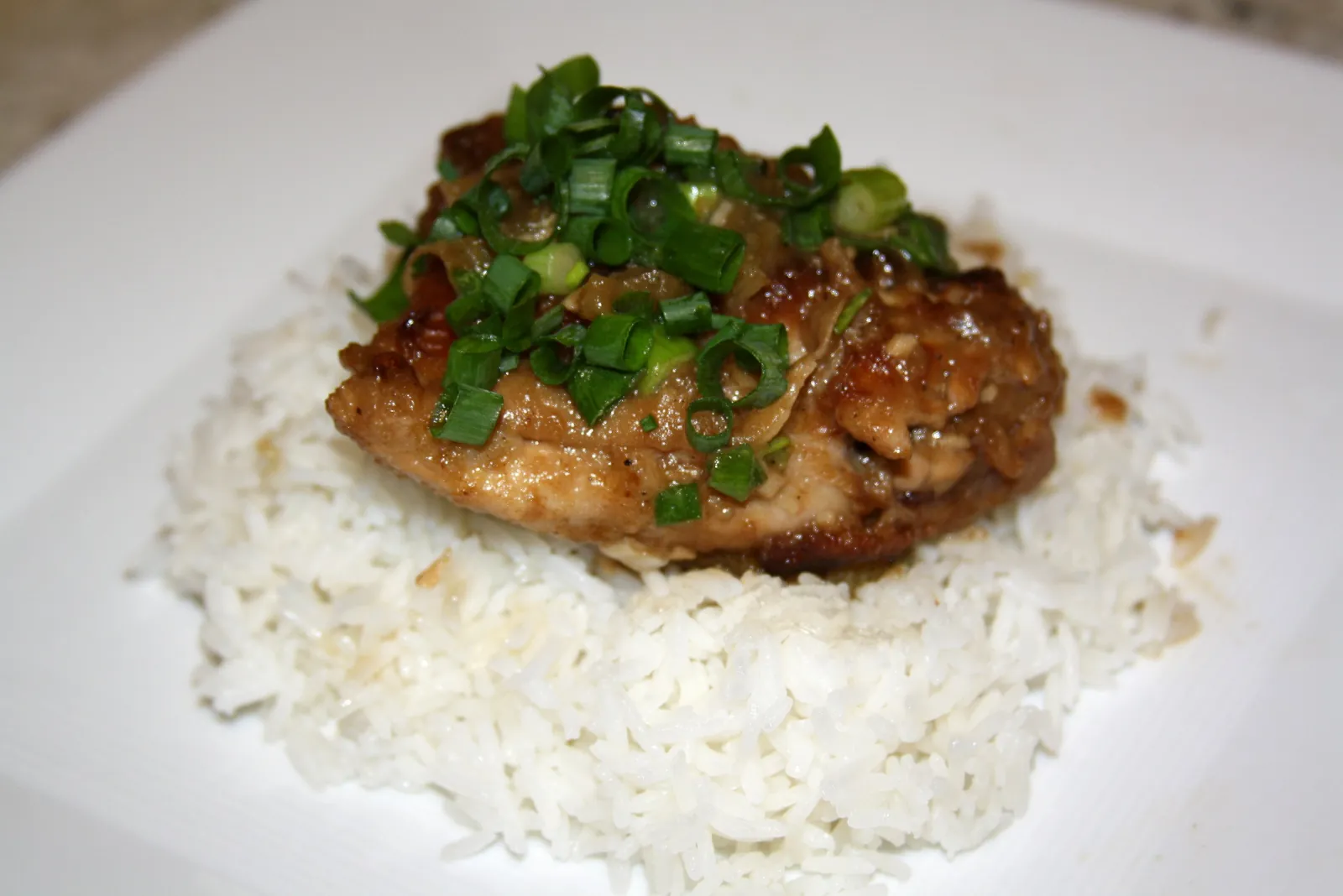
Chicken adobo — a glossy braised chicken thigh with green onions served over steamed white rice Philippines flag Philippines 1h 5m
Dinner •Filipino Heritage

Chicken Adobo

This chicken adobo recipe is the Filipino classic: bone-in chicken thighs simmered low and slow in cane vinegar, soy sauce, garlic, black peppercorns and bay leaves until the meat falls off the bone and the sauce turns dark and glossy. One serving is about 220 g.

Comfort & Warmth

Slow-braised chicken in a tangy vinegar and soy sauce, a hearty one-pot dinner that keeps well for days.

Pairs Well With
Steamed Jasmine Rice & Garlic Fried Rice
High Protein
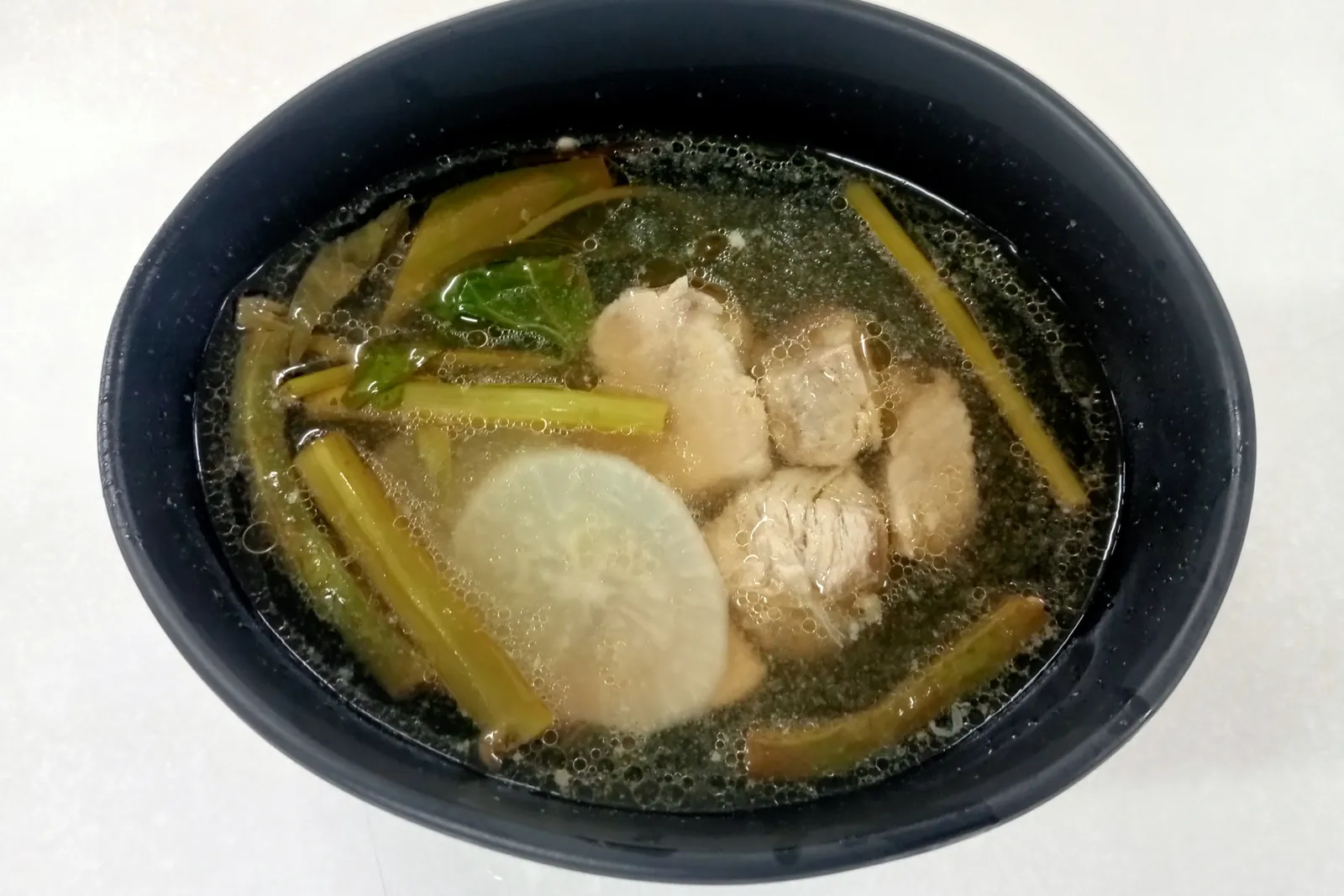
Pork sinigang — a bowl of sour pork soup with pork chunks, daikon radish, yardlong beans and leafy greens Philippines flag Philippines 1h 30m
Dinner •Filipino Heritage

Pork Sinigang

This pork sinigang recipe is the Filipino sour soup: pork shoulder simmered until tender in a tamarind-soured broth with tomato, daikon radish, yardlong beans, eggplant, okra and kangkong. One serving is about 500 g.

Comfort & Warmth

A hot, sour tamarind broth with tender pork and garden vegetables — the Filipino answer to a cold or a long day.

Pairs Well With
Steamed Rice & Fish Sauce with Chilli
Soups & Broths • High Protein
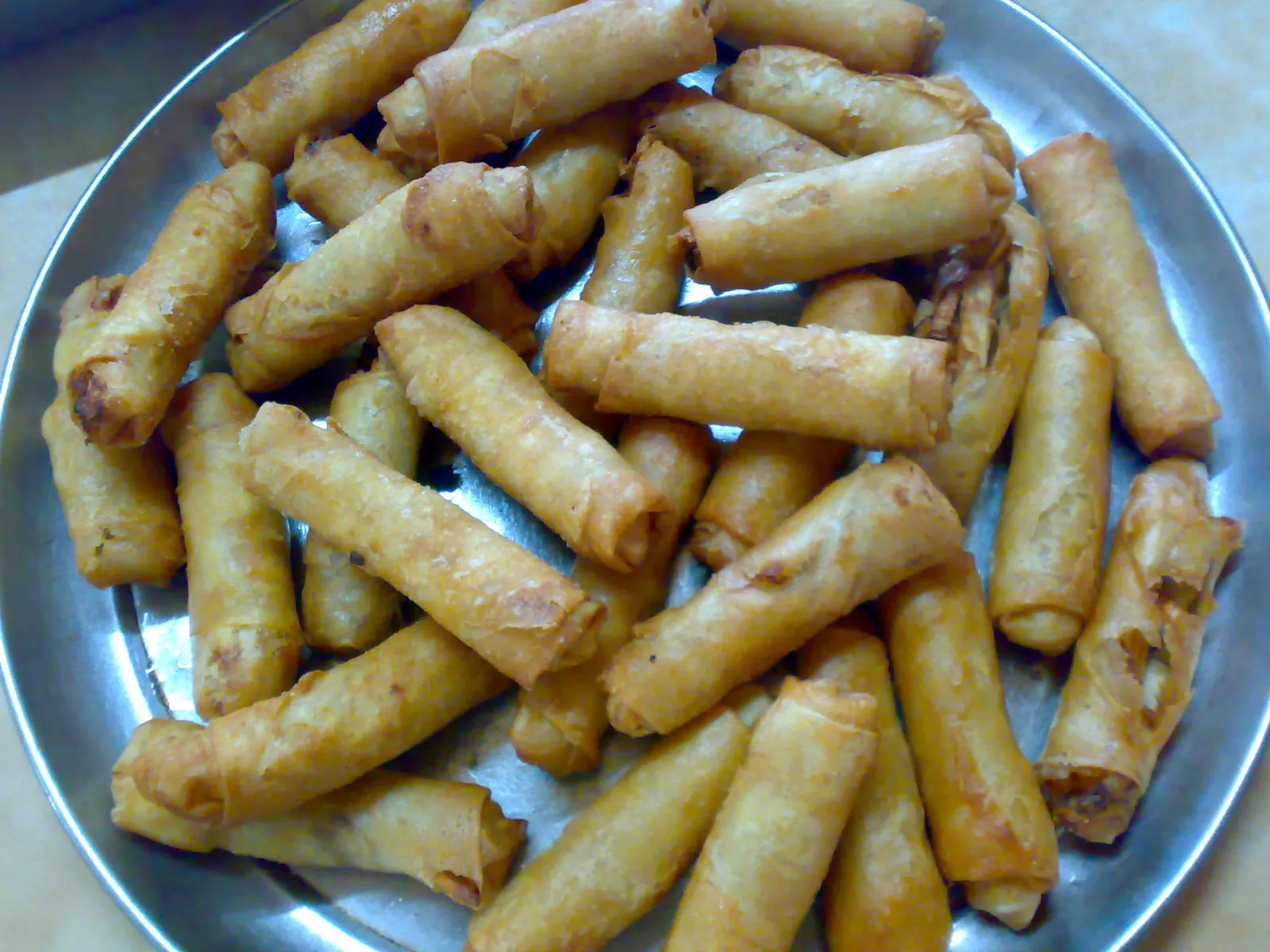
Lumpia — a plate of golden fried Filipino spring rolls, crisp and freshly cooked Philippines flag Philippines 50m
Snack & Tea •Filipino Heritage

Lumpia

This lumpia recipe is the Filipino fried spring roll: ground pork and shrimp with carrot, water chestnut and green onion, rolled tight in thin wheat wrappers and fried until golden and shatteringly crisp. One serving is 5 rolls, about 305 g including the dip.

Party & Sharing

Crisp little fried rolls of pork and shrimp with a sweet-sour dip — the snack that disappears first at every Filipino gathering.

Pairs Well With
Sweet Chilli Dip & Vinegar with Garlic
Quick Prep (<30m)
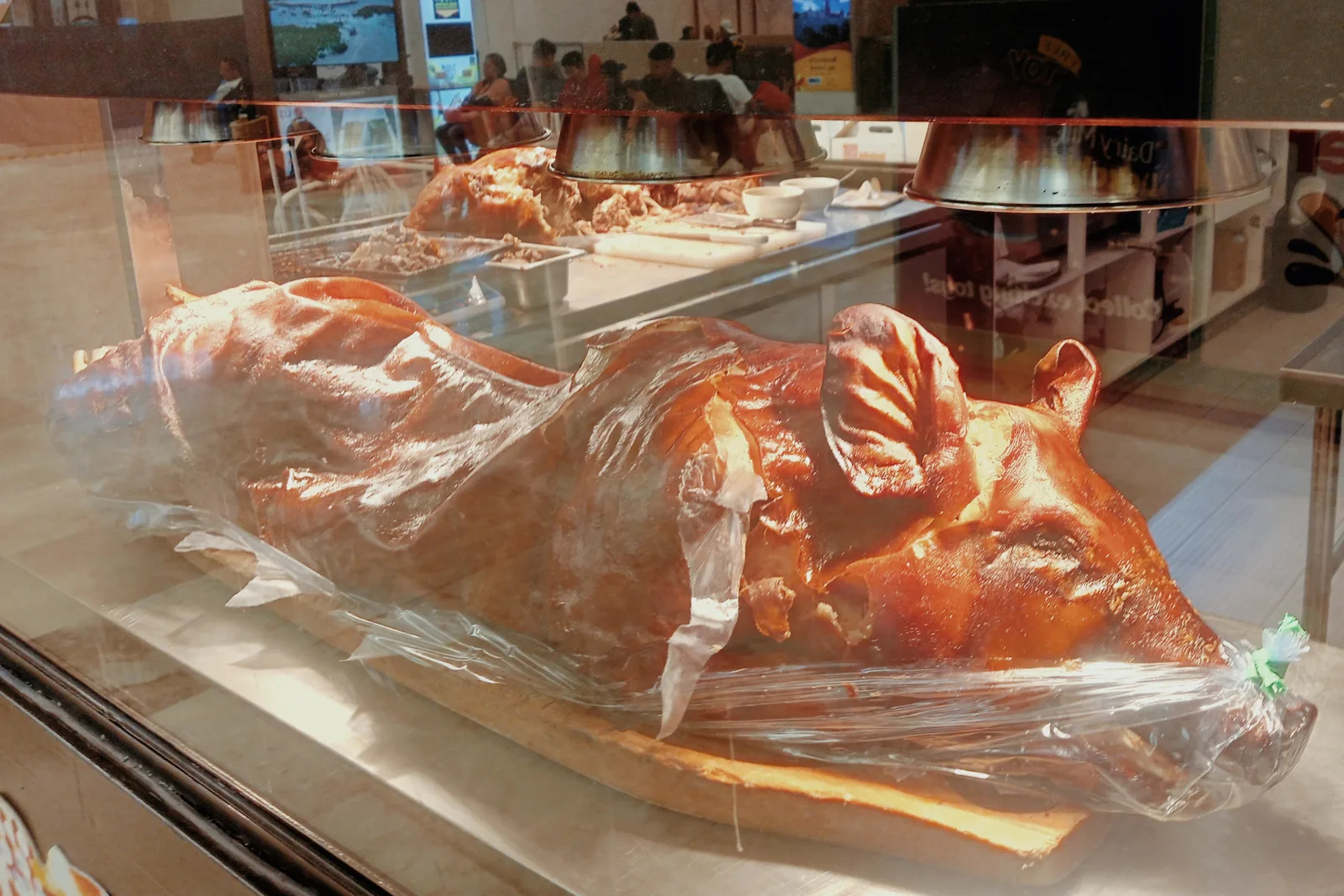
A whole roasted Cebu lechon pig with glossy reddish-brown crackling skin, head and ears intact, displayed on a wooden board in a glass case at an airport food stall Philippines flag Philippines 6h 30m
Dinner •Cebu Heritage

Lechon

This lechon recipe is the Cebu way: a whole pig stuffed with lemongrass, garlic, spring onions and black pepper, sewn shut, then turned slowly on a spit over charcoal for five hours until the skin is glass-crisp and the meat is juicy. One serving is about 200 g.

Feast & Celebration

A whole pig stuffed with lemongrass and garlic, spit-roasted over charcoal until the skin shatters — the centrepiece of a Filipino feast.

Pairs Well With
Steamed rice, atchara and spiced cane vinegar

The Dinner Gazette

Never wonder what’s for dinner again

One email a week with easy dinner ideas from around the world — ingredients, steps and nutrition, tested in our kitchen first.

Delivered every Thursday morning. Unsubscribe anytime.