Curated recipes from 193 countries  •  New seasonal Mediterranean issue out now

Overview

Papas de Sarrabulho

Sarrabulho Porridge, Minho Blood Porridge

This papas de sarrabulho recipe makes the Minho porridge of shredded pork, chouriço and cornmeal, thickened and coloured with fresh pig blood and scented with cumin, garlic and bay. It is the dish of the winter pig slaughter, served hot in a bowl with bread. One serving is about 446 g.

Papas de sarrabulho comes from Minho Province in northern Portugal, around Porto, Guimarães, Braga, Amares and Barcelos. It is the dish of the matança do porco, the winter pig slaughter, when families used every part of the pig — pork, blood, chouriço, presunto — and thickened the broth with bread or cornmeal, spiced with cumin, garlic and bay. Because fresh pig blood spoils quickly in warm weather, the dish is traditionally made in winter, when the pigs are slaughtered. In Braga it is often served as a soup, while in Amares it is served with rojões, pieces of fried pork.

Pairs well with: Crusty bread, red wine & pickled vegetables

Provenance

Portugal flag Portugal

Minho Winter Tradition

Mediterranean & Italy

Time Dedication

1h 40m

20m prep • 80m cook

Batch Yield

4 Servings

676 kcal per serving

1 serving ≈ 446 g

Technical Skill

Advanced

Hard (Specialist Ingredients)

Meal Timing & Digestive Fit

Breakfast

Not Advised

Lunch

Hearty Midday Main

Dinner

Ideal Hearty Main

Snack & Tea

Inappropriate

Occasions: Winter dinners, pig-slaughter season, Minho festivals, family gatherings Cost: Low — about $2–3 per serving at home
Tags: Pork Savory Rich
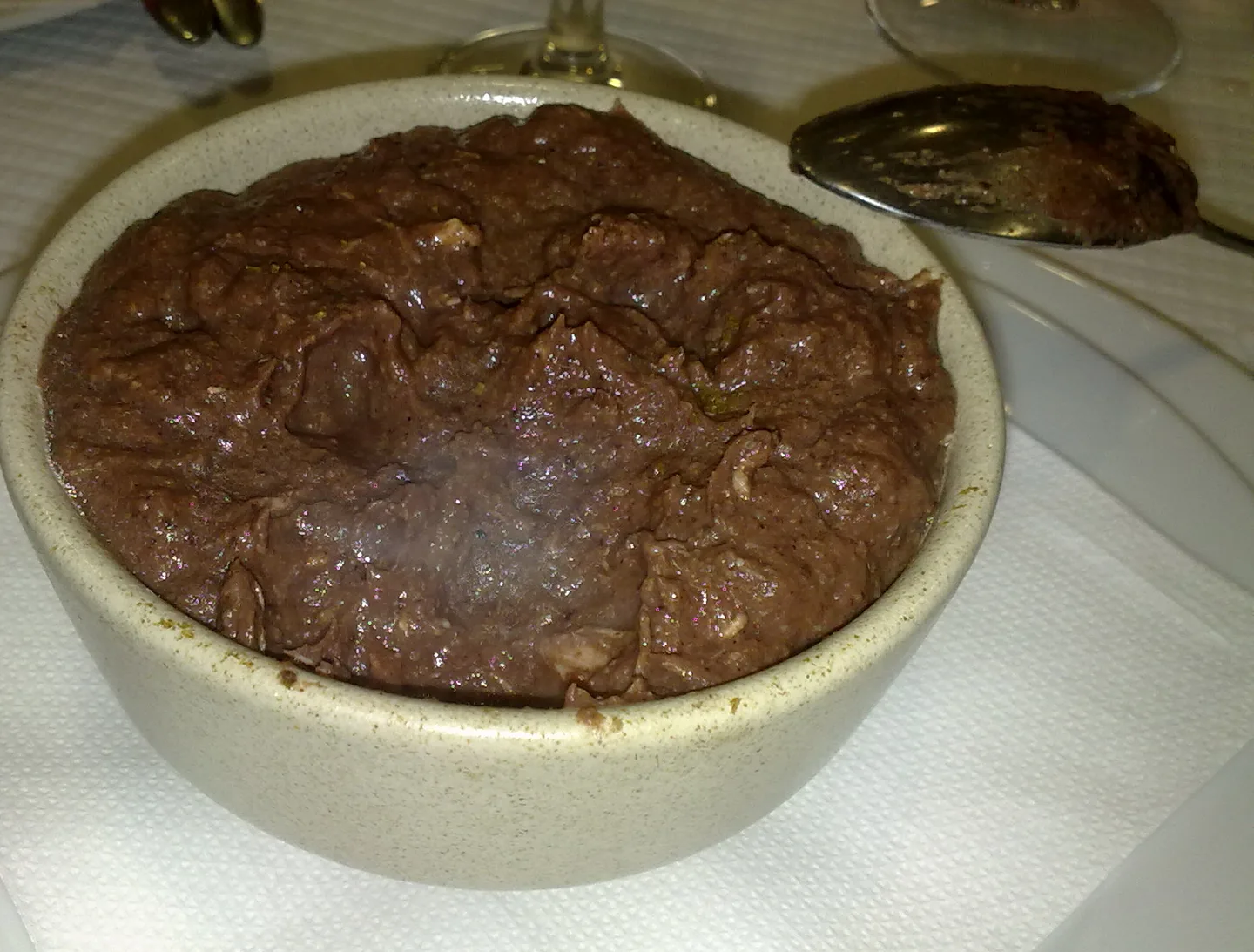
A ceramic bowl of dark brown papas de sarrabulho porridge with a spoon resting on the rim

Minho Winter Tradition

Photo: Adriao, CC BY 3.0, via Wikimedia Commons

The Heritage Formulary

Measured Ingredients

Estimated cost: Low — about $2–3 per serving at home (USD)

A traditional Minho papas de sarrabulho, cooked slowly with pork, blood and cornmeal until thick and dark.

Execution Methodology & Culinary Technique

Step-by-Step Cooking Guide

Active 1h 40m
P

Prep Stage: Pork, Blood and Cornmeal

20 Mins • One Pot

Dice the onion and crush the garlic. Cut the pork into large chunks and keep the chouriço whole. Measure the cornmeal into a bowl so you can rain it in steadily, and whisk the fresh pig blood with the vinegar in a jug so it stays fluid.

Maestro Tip: Keep the blood chilled until the moment you use it, and whisk it well — blood that has started to set will cook into lumps.

  1. 1

    Simmer the Pork and Chouriço

    60 Mins Gentle simmer, about 95°C (203°F)

    Put the pork, chouriço, water and bay leaf in a large heavy pot. Bring to a boil, skimming off any foam, then lower the heat and simmer gently for about 60 minutes until the pork is tender enough to shred.

    Keep the heat low and the pot loosely covered — a hard boil toughens the pork.

    Done when: The pork pulls apart easily with two forks and the chouriço is cooked through.

  2. 2

    Shred the Meat

    10 Mins Off the heat, meat cooling from about 95°C (203°F)

    Lift the pork and chouriço out of the pot and set them aside. Strain the cooking liquid and return about 700 ml to the pot. Shred the pork into bite-sized pieces and slice the chouriço.

    Keep the cooking liquid — it is the broth that carries the flavour of the whole dish.

    Done when: The pork is shredded into even pieces and the broth is clear and savoury.

  3. 3

    Soften the Onion and Garlic

    5 Mins Medium heat, about 175°C (347°F)

    Heat the olive oil in the pot, soften the diced onion for 4–5 minutes until translucent, then stir in the garlic and cook for 1 minute more. Pour in the reserved broth and bring it back to a gentle simmer.

    Do not brown the garlic — it turns bitter and will spoil the porridge.

    Done when: The onion is soft and sweet-smelling, and the broth is simmering gently.

  4. 4

    Whisk in the Blood

    10 Mins Low heat, about 80°C (176°F); blood must reach 74°C (165°F)

    Lower the heat so the broth is barely simmering. Whisk the blood and vinegar mixture in a slow, steady stream, stirring all the time. Keep the heat low and cook for about 10 minutes, stirring, until the blood thickens the broth and turns a deep chestnut brown. Never let it boil hard.

    Pour slowly and stir constantly — if the blood hits boiling liquid it sets into grainy lumps.

    Done when: The liquid is thick, smooth and dark brown, and a thermometer reads at least 74°C (165°F).

  5. 5

    Stir in the Cornmeal

    20 Mins Low heat, about 85°C (185°F)

    Rain the cornmeal in a thin, steady stream, stirring constantly with a wooden spoon so no lumps form. Stir in the shredded pork and sliced chouriço, then cook on low heat for about 20 minutes, stirring often, until the porridge is thick enough to hold a spoon upright.

    If lumps form, whisk hard for a minute — cornmeal porridge forgives a good whisk.

    Done when: The porridge is thick, glossy and dark, and it holds its shape on the spoon.

  6. 6

    Season and Serve

    5 Mins Serve steaming, about 75°C (167°F)

    Take the pot off the heat and stir in the cumin, salt, pepper and lemon juice. Let the porridge rest for 5 minutes, then ladle into deep bowls and serve hot with crusty bread.

    Taste before adding salt — the chouriço and the blood already bring salt of their own.

    Done when: The porridge is thick, dark and steaming, with the meat evenly mixed through.

Finishing Touches & Plating

Serve the papas de sarrabulho steaming hot in deep bowls, with crusty bread to scoop up every spoonful.

Nutritional Physiology & Benefits

Nutrition

Energy

676

kcal / serving

Protein

41g

Complete AA

Carbs

44g

Complex

Fats

38g

Healthy

Per serving (4 servings · 1 serving ≈ 446 g)
Energy676 kcal
Protein41 g
Carbohydrates44 g
Fat38 g
Fibre4.4 g
Sugar1.5 g
Sodium895 mg
Per 100g
Energy152 kcal
Protein9.1 g
Carbohydrates9.8 g
Fat8.5 g
Fibre1 g
Sugar0.3 g
Sodium201 mg

Nutrition values are estimated — calculated from USDA FoodData Central values for the listed ingredients.

Vitamins & minerals: Iron and vitamin B12 (pig blood, pork), vitamin B1 and zinc (pork), folate (cornmeal), vitamin C (lemon).

Very High in Protein

About 40.5 g of protein per serving from pork, blood and chouriço makes this a deeply filling winter dish.

Rich in Iron

Pig blood is naturally rich in iron, and the pork and cornmeal add B vitamins to the bowl.

Slow, Sustained Energy

About 43.6 g of carbohydrate per serving from cornmeal gives slow-burning energy for cold days.

Food Pairings

What to Eat With

To optimize nutrient absorption and elevate the sensory depth, pair with these authentic accompaniments:

Sides

Crusty Bread

Thick slices of crusty bread are the traditional tool for scooping up the porridge.

Vegetables

Pickled Vegetables

Sharp pickled vegetables cut through the richness of the blood and pork.

Roasted Green Peppers

Sweet roasted peppers add a fresh, smoky note against the dark, savoury porridge.

Drinks

Red Vinho Verde

A light red vinho verde from the Minho region is the classic local match for this dish.

Complete menu

Papas de sarrabulho with crusty bread, pickled vegetables and a glass of red vinho verde.

Digestive Guardrails

What NOT to Combine

To prevent digestive distress, sluggishness, or palate clash, avoid pairing the dish with these elements:

Eating It in Hot Weather

Pig blood is highly perishable, which is why this dish is traditionally a winter one; in warm weather it spoils fast, so make it only when you can keep everything cold and cook it the same day. This is general food-safety information, not medical advice.

Undercooked or Stored Blood

Fresh pig blood must be cooked through to at least 74°C (165°F) and never eaten raw; cool leftovers fast and reheat to 74°C (165°F). This is general food-safety information, not medical advice.

General information only, not medical advice — consult a doctor for personal dietary decisions.

Who Should Eat It

Who Should Eat

  • General adultsA very rich, heavy winter dish — a modest bowl is enough for most people.
  • ChildrenNot recommended for young children — it is very rich, salty and an acquired taste.
  • ElderlyServe a small portion; the dish is heavy and high in salt and fat.
  • Pregnant womenOnly eat it when the blood and pork are fully cooked through to 74°C (165°F); ask your clinician if unsure.
  • Breastfeeding womenA small portion is fine when fully cooked; the dish is very rich, so keep it occasional.
  • AthletesAbout 40.5 g of protein and 43.6 g of carbohydrate per serving supports recovery, but the fat and salt are high.
  • Weight gainServe with bread to raise the energy of the meal further.
  • Weight lossVery energy-dense; keep the portion small and skip the bread.

Health Conditions — Adjust or Avoid

Conditions

  • DiabetesAbout 43.6 g of carbohydrate per serving from cornmeal; count the bread on the side, and ask your clinician about portion size.
  • High blood pressureAbout 895 mg of sodium per serving; use less salt and chouriço, and ask your clinician if you are on a low-sodium plan.
  • Kidney diseaseVery high in protein and iron; ask your clinician whether this dish suits your plan.
  • GoutPork, blood and chouriço are high in purines; ask your clinician before eating this dish.
  • Stomach issuesThe dish is very rich and heavy; eat a small portion slowly, and skip it if rich food upsets you.
  • Cardiovascular diseaseHigh in saturated fat, cholesterol and salt; keep the portion small and occasional.
  • Fatty liverA very rich dish; keep portions small and skip the bread and extra fat.
  • Food allergiesContains pork; the chouriço may contain wheat or mustard — check labels if you have an allergy.
  • Special therapeutic dietsFollow your clinician's guidance on protein, iron and sodium; this is general information, not medical advice.

If you have a medical condition, consult your doctor before changing your diet.

Storage & Use

Storage & Use

How to store
Cool quickly in a shallow container, then store in an airtight container.
In the fridge
1 day in the fridge in an airtight container — eat it the next day at the latest.
In the freezer
Not recommended — the porridge turns grainy and the blood separates on thawing.
How to reheat
Reheat gently on the stove, stirring, to 74°C (165°F); add a splash of water if it is too thick.
Freezing recommended
No — papas de sarrabulho does not freeze well.
Signs it has spoiled
Sour smell, grey colour, or a slimy surface.

More recipes to explore

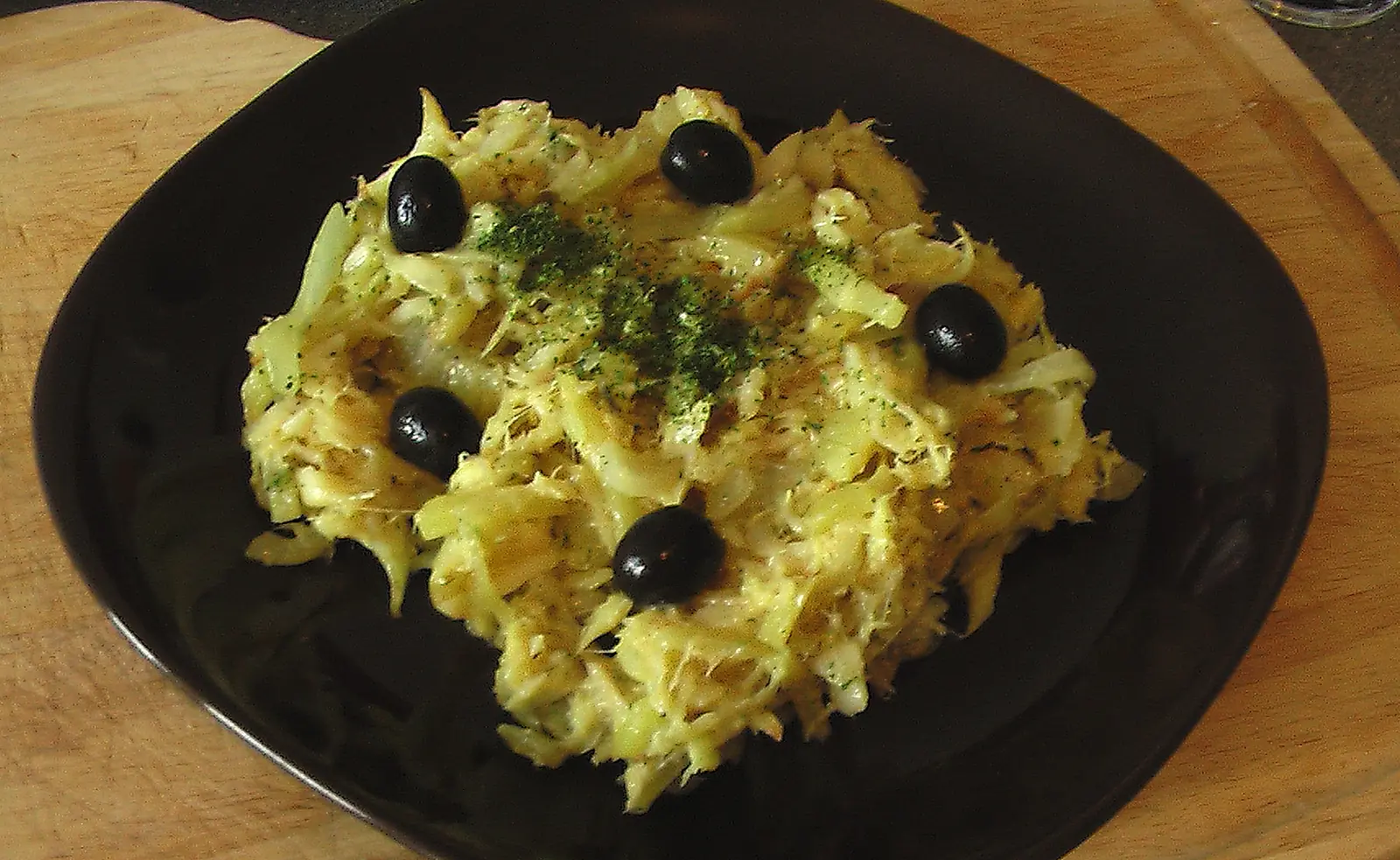
A plate of bacalhau à brás — shredded salt cod with egg and matchstick potatoes, black olives and parsley Portugal flag Portugal 50m
Dinner •Lisbon Tavern Classic

Bacalhau à Brás

Bacalhau à brás recipe: desalted shredded cod, golden matchstick potatoes and softly scrambled egg, finished with black olives and parsley. One serving is about 350 g.

Comfort & Protein

Shredded salt cod folded with egg and crisp matchstick potatoes — a filling, protein-rich Lisbon supper.

Pairs Well With
A simple green salad and a glass of vinho verde
High Protein
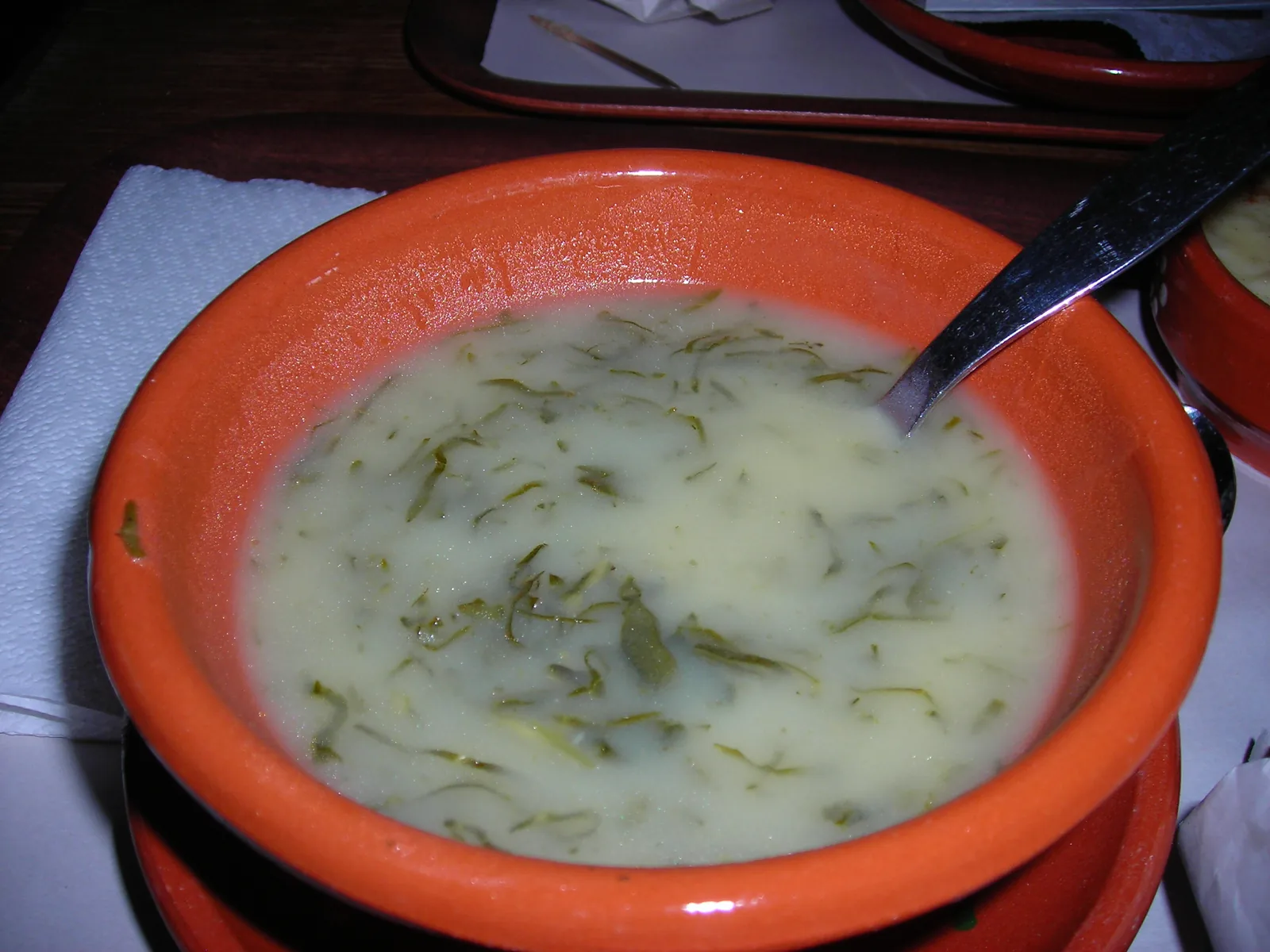
A terracotta bowl of caldo verde — pale potato soup with shredded green kale and a spoon Portugal flag Portugal 50m
Dinner •Minho National Soup

Caldo Verde

Caldo verde recipe: creamy potato soup blended smooth, with ribbons of kale and slices of chouriço, finished with a thread of olive oil. One serving is about 590 g.

Comfort & Warmth

Silky potato soup with finely shredded kale and smoky chouriço — Portugal's best-loved bowl.

Pairs Well With
Crusty broa bread and a glass of vinho verde
Soups & Broths
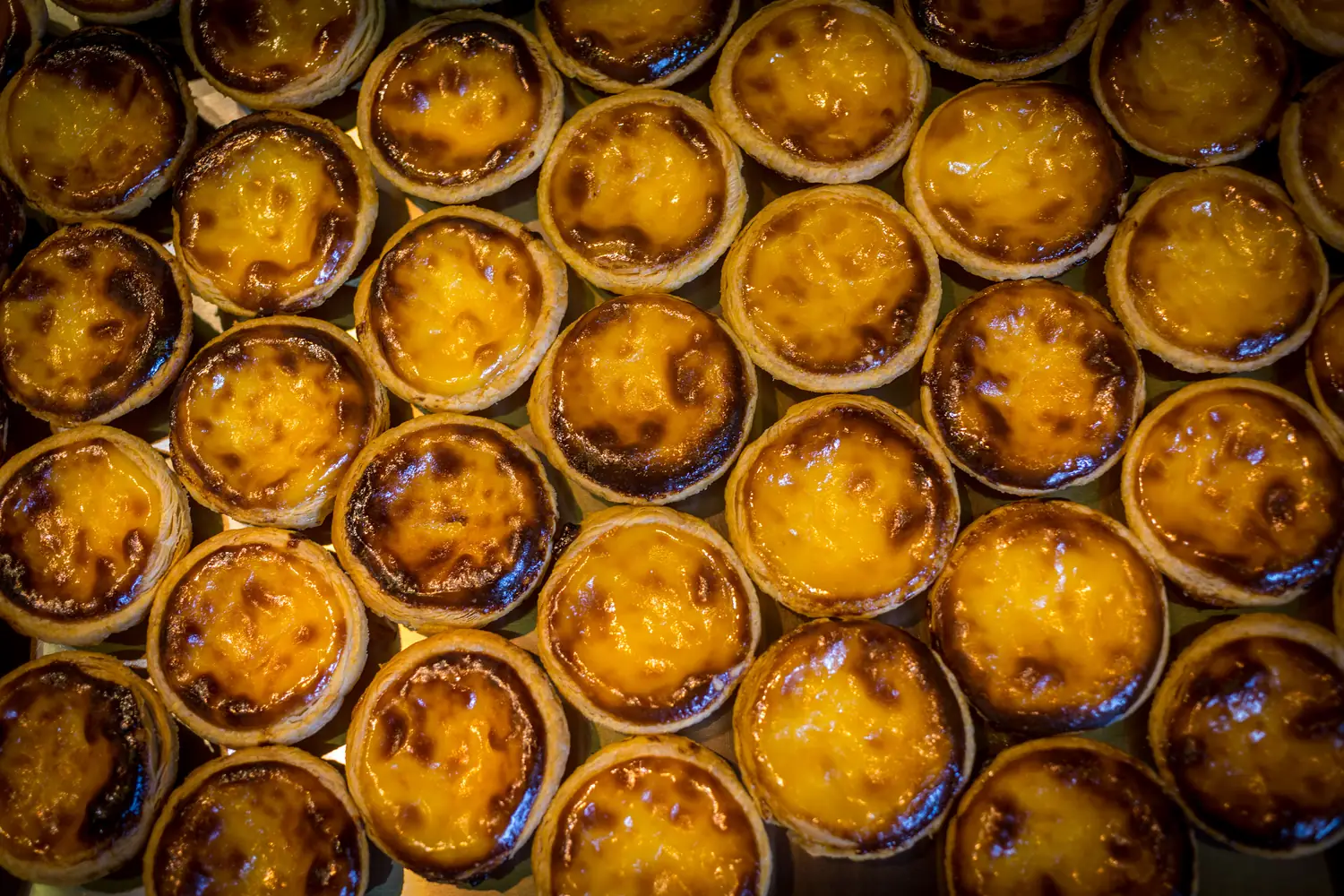
A tray of pastel de nata — golden custard tarts with blistered, caramelised tops in flaky pastry Portugal flag Portugal 50m
Snack & Tea •Belém Monastery Tart

Pastel de Nata

Pastel de nata recipe: shatteringly crisp puff pastry shells filled with warm, vanilla-cinnamon egg custard, baked until blistered on top. One serving is about 187 g (2 tarts).

Sweet Treat

Crisp, flaky pastry cups filled with cinnamon-scented egg custard, blistered in a very hot oven.

Pairs Well With
A small strong coffee (bica) and a dusting of cinnamon
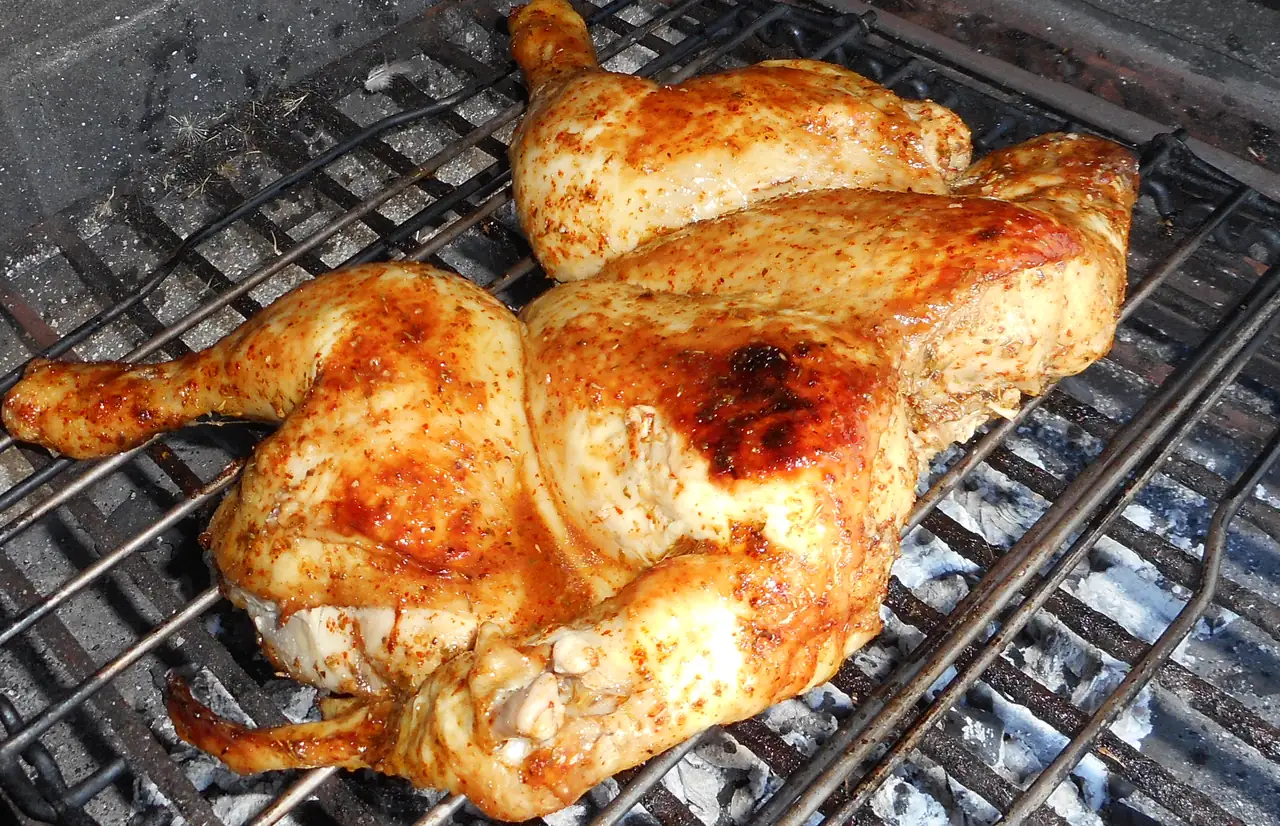
Butterflied piri piri chicken grilling over charcoal, golden-red with chilli spice Portugal flag Portugal 55m
Dinner •Algarve Heritage

Frango Piri Piri

Frango piri piri is Portugal's most famous chicken: a whole bird butterflied flat, rubbed with a fiery paste of piri piri chillies, garlic, lemon and paprika, then grilled over charcoal until the skin turns crisp and red-gold. This piri piri chicken recipe is the Algarve way — an overnight marinade, a hot grill, and a warm butter baste at the end. One serving is about 210 g.

Spicy Char-Grill

A butterflied chicken marinated in piri piri chilli, garlic and lemon, grilled over charcoal until the skin is crisp and reddened.

Pairs Well With
Chips, tomato-onion salad and a cold beer.
High Protein

The Dinner Gazette

Never wonder what’s for dinner again

One email a week with easy dinner ideas from around the world — ingredients, steps and nutrition, tested in our kitchen first.

Delivered every Thursday morning. Unsubscribe anytime.