
Curated recipes from 193 countries  •  New seasonal Mediterranean issue out now

Overview

Patagonian Roast Lamb

Cordero al Palo, Cordero Patagónico, Asado al Palo

This patagonian roast lamb recipe slow-roasts a bone-in lamb leg with garlic, rosemary and a salty salmuera baste until the meat is tender and the skin turns crisp. One serving is about 300 g. It is the home-oven version of the whole lamb roasted on an iron cross over embers in Patagonia.

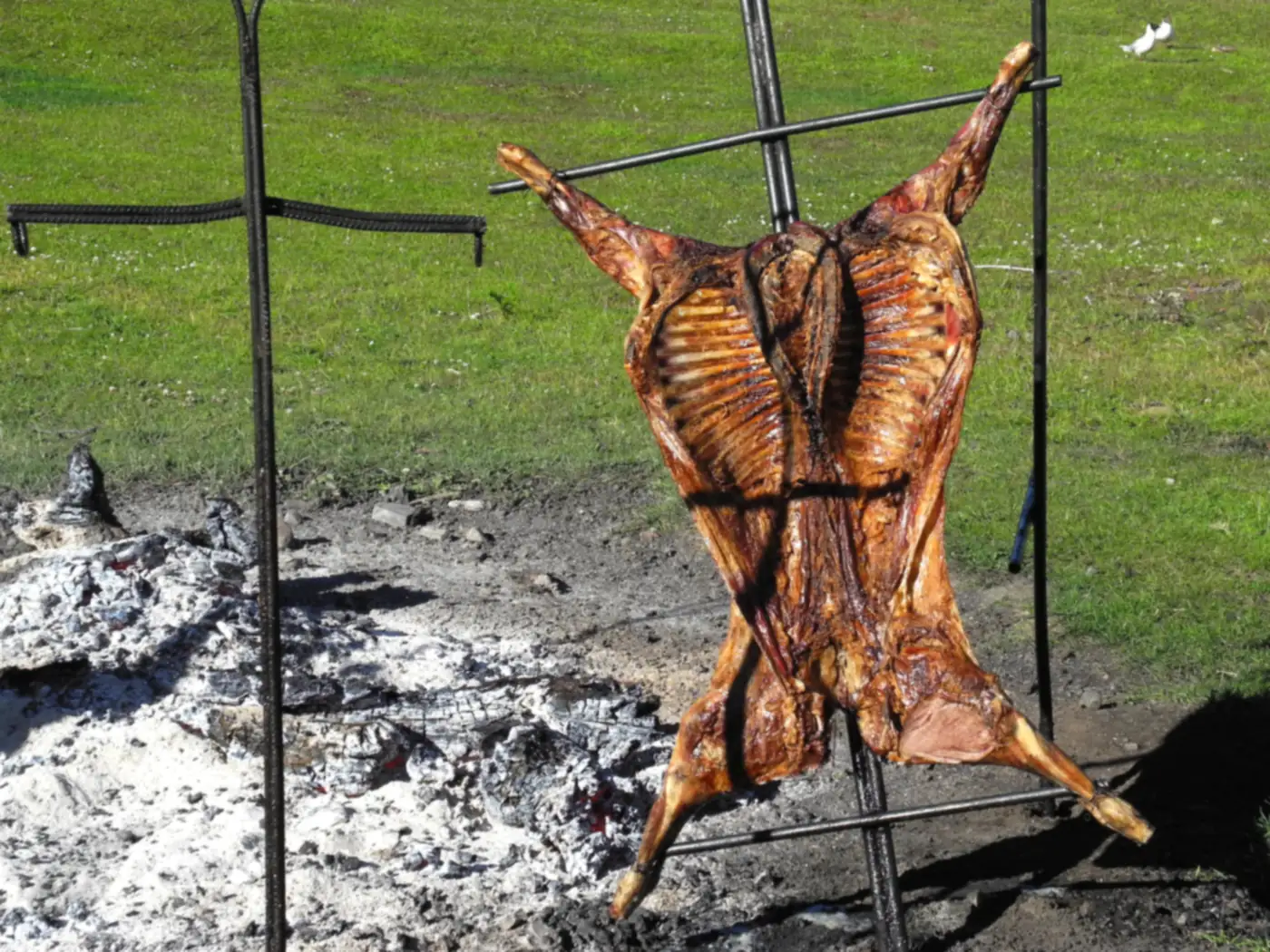
In Patagonia, lamb is cooked as cordero al palo: a whole lamb butterflied and wired to an iron cross, set upright beside a wood fire and slow-roasted for four to five hours, basted with salmuera — warm water, salt and garlic. Sheep farming shaped the region after flocks were brought to the southern plains in the 19th century, and the cross-roast became the centrepiece of estancia gatherings. This recipe keeps the salmuera, the slow roast and the crisp skin, sized for a home oven.

Pairs well with: Roast potatoes, chimichurri and a simple green salad.

Provenance

Argentina flag Argentina

Patagonian Asado Classic

Latin America & Caribbean

Time Dedication

3h 30m

30m prep • 180m cook

Batch Yield

8 Servings

525 kcal per serving

1 serving ≈ 300 g

Technical Skill

Intermediate

Medium (Slow Roast)

Meal Timing & Digestive Fit

Breakfast

Not Advised

Lunch

Hearty Midday Main

Dinner

Ideal Hearty Main

Snack & Tea

Inappropriate

High Protein Occasions: Sunday roast, family gathering, outdoor feast, festive dinner Cost: Medium — about $5–6 per serving at home
Patagonian Roast Lamb — a whole butterflied lamb roasting on an iron cross over wood embers

Patagonian Asado Classic

Photo: LBM1948, CC BY-SA 4.0, via Wikimedia Commons

The Heritage Formulary

Measured Ingredients

Estimated cost: Medium — about $5–6 per serving at home (USD)

A bone-in lamb leg, salt, garlic and rosemary, slow-roasted and basted with salmuera until tender.

Execution Methodology & Culinary Technique

Step-by-Step Cooking Guide

Active 3h 30m
P

Prep Stage: Rub, Score & Make Salmuera

30 Mins • Seasoning

Score the lamb's fat cap, rub it all over with garlic, rosemary, salt and pepper, and let it sit while the oven heats. Stir the remaining salt, a crushed garlic clove and the oregano into the warm water to make the salmuera baste, and toss the potatoes with the olive oil.

Maestro Tip: Score the fat shallowly — cuts that reach the meat let the juices run out and dry the roast.

  1. 1

    Season the Lamb

    15 Mins Room temperature, about 22°C (72°F)

    Pat the lamb dry, score the fat cap, and rub the garlic, rosemary, salt and pepper into every side. Set the lamb fat-side up in a large roasting pan and leave it while the oven heats to 160°C (320°F).

    Take the lamb out of the fridge 30 minutes before roasting so it cooks evenly instead of seizing up in the heat.

    Done when: Lamb evenly coated, fat scored, pan ready.

  2. 2

    Slow-Roast with Salmuera

    120 Mins 160°C (320°F)

    Roast the lamb for 2 hours, basting with the warm salmuera every 30 minutes. After 75 minutes, tuck the oiled potatoes around the lamb so they roast in the dripping fat for the last 45 minutes.

    Baste little and often — the salty water keeps the surface moist and builds the deep brown crust.

    Done when: Meat pulling back from the bone, potatoes golden at the edges.

  3. 3

    Crisp the Skin

    15 Mins 220°C (425°F)

    Turn the oven up to 220°C (425°F) and roast for 15 minutes more, until the fat cap is deep golden and crisp. Check the thickest part of the leg with a thermometer: it should read at least 63°C (145°F) for safety, and 80–85°C (175–185°F) for the traditional fall-apart tenderness.

    Watch the skin at this heat — it goes from golden to burnt in a couple of minutes.

    Done when: Skin crisp and crackling, meat tender to a fork.

  4. 4

    Rest the Lamb

    20 Mins Room temperature, about 22°C (72°F)

    Lift the lamb onto a board, tent it loosely with foil, and rest for 20 minutes. Keep the potatoes warm in the turned-off oven while the juices settle back into the meat.

    Do not wrap the foil tightly — trapped steam softens the crisp skin you just made.

    Done when: Juices settled, meat relaxed, skin still crisp.

  5. 5

    Carve & Serve

    10 Mins Serving temperature, about 60°C (140°F)

    Carve the lamb into thick slices, pile the roast potatoes alongside, and spoon the pan juices over each plate. Serve with chimichurri and a green salad.

    Carve against the grain so every slice is tender instead of stringy.

    Done when: Slices juicy with crisp edges, potatoes hot, juices spooned over.

Finishing Touches & Plating

Carve the lamb at the table and spoon the pan juices over each plate — the crisp skin and the soft meat underneath are the whole point.

Nutritional Physiology & Benefits

Nutrition

Energy

525

kcal / serving

Protein

52g

Complete AA

Carbs

18g

Complex

Fats

26g

Healthy

Per serving (8 servings · 1 serving ≈ 300 g)
Energy525 kcal
Protein52 g
Carbohydrates18 g
Fat26 g
Fibre2.3 g
Sugar0.8 g
Sodium439 mg
Per 100g
Energy175 kcal
Protein17.4 g
Carbohydrates6 g
Fat8.6 g
Fibre0.8 g
Sugar0.3 g
Sodium146 mg

Nutrition values are estimated — calculated from USDA FoodData Central values for the listed ingredients.

Vitamins & minerals: Provides iron, zinc and vitamin B12 from the lamb, potassium and vitamin C from the potatoes, and vitamin K from the salad. Nutrition is estimated.

Very High Protein

About 525 kcal and 52 g of protein per serving makes this a deeply filling, slow-cooked dinner.

Iron & B12

Lamb is a rich source of iron and vitamin B12, the nutrients that help carry oxygen in the blood.

Simple, Honest Ingredients

Lamb, potatoes, garlic, rosemary and salt — no sauces from a jar or packet.

Food Pairings

What to Eat With

To optimize nutrient absorption and elevate the sensory depth, pair with these authentic accompaniments:

Sauces

Chimichurri

The sharp, herby, vinegary sauce cuts through the lamb fat and wakes up every bite.

Vegetables

Simple Green Salad

Crisp lettuce and onion add freshness and crunch that balance the rich, fatty roast.

Sides

Roasted Pumpkin

Sweet roasted pumpkin sits well beside salty lamb and soaks up the pan juices.

Drinks

Malbec

A glass of Argentine Malbec has the tannin and dark fruit to stand up to roast lamb.

Complete menu

Serve the lamb with roast potatoes, chimichurri and a green salad, then fresh fruit and coffee to finish.

Digestive Guardrails

What NOT to Combine

To prevent digestive distress, sluggishness, or palate clash, avoid pairing the dish with these elements:

A Second Heavy Roast

This lamb is already rich and fatty, so a second roast meat or a buttery side can make the meal far heavier than intended. This is general information, not medical advice.

Leaving Cooked Lamb Out

Leaving cooked lamb at room temperature for hours lets bacteria grow; refrigerate within 2 hours and reheat to 74°C (165°F).

General information only, not medical advice — consult a doctor for personal dietary decisions.

Who Should Eat It

Who Should Eat

  • General adultsA hearty roast — one serving with potatoes and salad is a full meal.
  • ChildrenThe meat is tender and mild; cut it small, serve the soft meat with potatoes, and skip the wine.
  • ElderlyThe meat is tender, but the roast is fatty — a small portion of the lean meat with potatoes is wiser.
  • Pregnant womenThe lamb is cooked right through, so it is fine in a normal portion; keep the portion moderate and ask your clinician.
  • Breastfeeding womenFine in a normal portion; the protein and iron are useful after a long day.
  • AthletesVery high in protein and energy, so it suits a heavy training day — pair it with potatoes and salad.
  • Weight gainEnergy-dense with plenty of protein, so a full serving with potatoes and extra bread works well.
  • Weight lossAbout 525 kcal per serving, so take a half portion of lamb, fill the plate with salad, and skip seconds.

Health Conditions — Adjust or Avoid

Conditions

  • DiabetesThe potatoes add about 18 g of carbohydrate per serving; watch the potato portion and ask your clinician.
  • High blood pressureModerate in sodium (about 439 mg per serving); a normal portion is fine for most people. Ask your clinician for personal advice.
  • Kidney diseaseVery high in protein; a smaller portion is wiser, and ask your clinician.
  • GoutLamb is moderately high in purines; a small portion is wiser — ask your clinician if you are unsure.
  • Stomach issuesRich and fatty, which can trigger reflux or discomfort; a small portion with salad is gentler. Ask your clinician if symptoms persist.
  • Cardiovascular diseaseHigh in saturated fat; treat it as an occasional meal rather than a regular dinner. Ask your clinician.
  • Fatty liverThe saturated fat and energy density make large portions unhelpful; keep it occasional and small. Ask your clinician.
  • Food allergiesContains none of the major allergens; the rub has garlic and rosemary. Ask your clinician about any allergy concern.
  • Special therapeutic dietsNot suitable for low-fat therapeutic diets; ask your clinician or dietitian before including it.

If you have a medical condition, consult your doctor before changing your diet.

Storage & Use

Storage & Use

How to store
Cool the lamb completely, then store meat and potatoes separately in sealed containers in the fridge.
In the fridge
Keeps 3 days in the fridge at 4°C (40°F) or below.
In the freezer
Freeze cooked lamb for up to 3 months; thaw in the fridge overnight.
How to reheat
Reheat in the oven at 180°C (350°F) until the lamb reaches 74°C (165°F) inside.
Freezing recommended
Yes, for the meat; potatoes freeze poorly and go grainy.
Signs it has spoiled
Sour or off smell, slimy surface, or grey meat.

More recipes to explore

Golden baked Argentine beef empanadas with crimped edges on a plate Argentina flag Argentina 1h 25m
Lunch •Buenos Aires Heritage

Argentine Empanadas

Argentine empanadas are half-moon pastries of short, flaky wheat pastry — no yeast, no puff — folded over a savoury filling of seasoned ground beef, onion, hard-boiled egg, green olives and a few raisins, then sealed with the classic rope crimp called the repulgue and baked until deep gold. This is the beef empanada de carne found in bakeries and rotisseries across Buenos Aires. One serving (two empanadas) is about 260 g.

Hearty & Satisfying

Golden baked pastry wrapped around spiced beef, olive and egg — the hand-held lunch Argentina runs on.

Pairs Well With
Chimichurri & a simple green salad
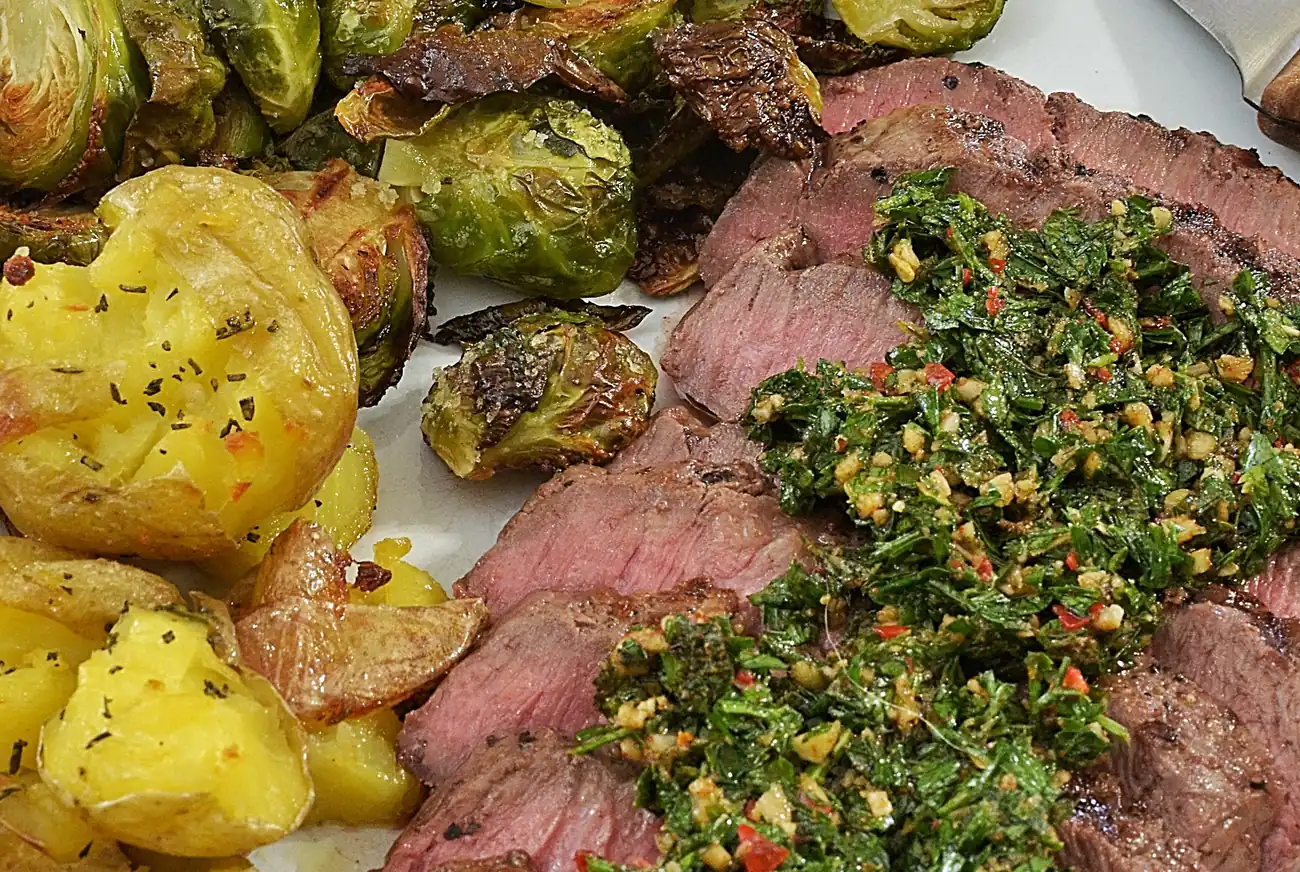
Sliced flat iron steak topped with green chimichurri on a plate Argentina flag Argentina 32m
Dinner •Pampas Asado Heritage

Chimichurri Steak

Chimichurri steak is the centrepiece of the Argentine asado: a thick sirloin grilled over high heat until charred outside and juicy inside, rested, sliced, and served with chimichurri — the raw sauce of parsley, garlic, oregano, red wine vinegar and olive oil that Argentina puts on almost everything grilled. The sauce is made first so its flavours can meld while the steak cooks. One serving is about 215 g.

High-Protein & Satisfying

A thick grilled sirloin, rested and sliced, drowned in bright garlicky chimichurri — the heart of the Argentine asado.

Pairs Well With
Roasted potatoes & grilled vegetables
High Protein
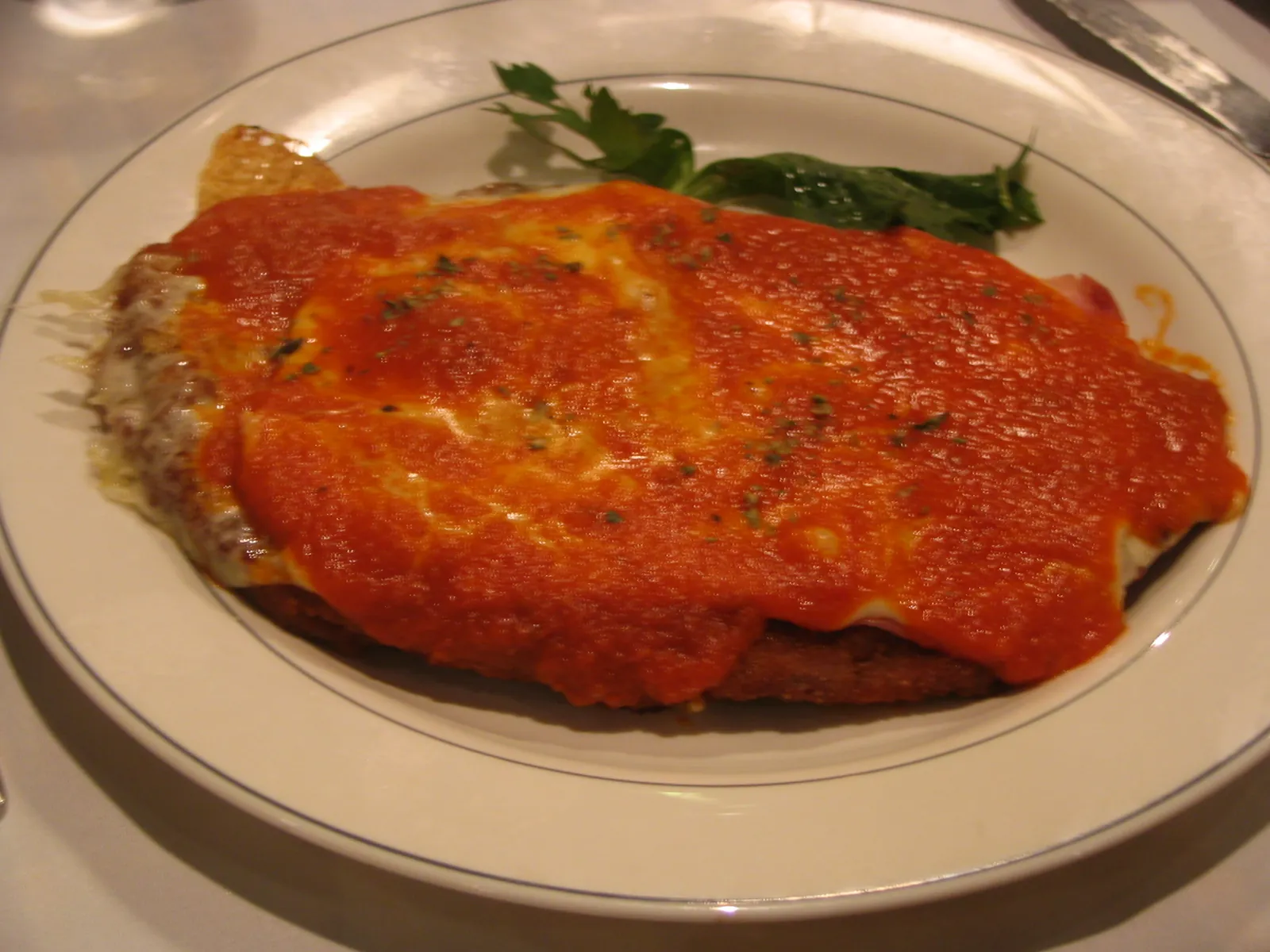
Breaded milanesa steak topped with tomato sauce and melted cheese Argentina flag Argentina 45m
Dinner •Buenos Aires Heritage

Milanesa a la Napolitana

Milanesa a la napolitana starts as a milanesa — a thin beef steak pounded flat, dredged in flour and egg, coated in breadcrumbs and fried until crisp — and then becomes something else entirely: topped with tomato sauce, a slice of ham and a blanket of mozzarella, it goes back into the oven until the cheese bubbles. It is the dish Argentine families order at the neighbourhood bodegon, always with French fries. One serving is about 350 g, before the fries.

Comforting & Satisfying

A crisp breaded steak, fried golden, then finished in the oven under tomato sauce, ham and bubbling mozzarella — Argentina's favourite comfort plate.

Pairs Well With
French fries & a green salad
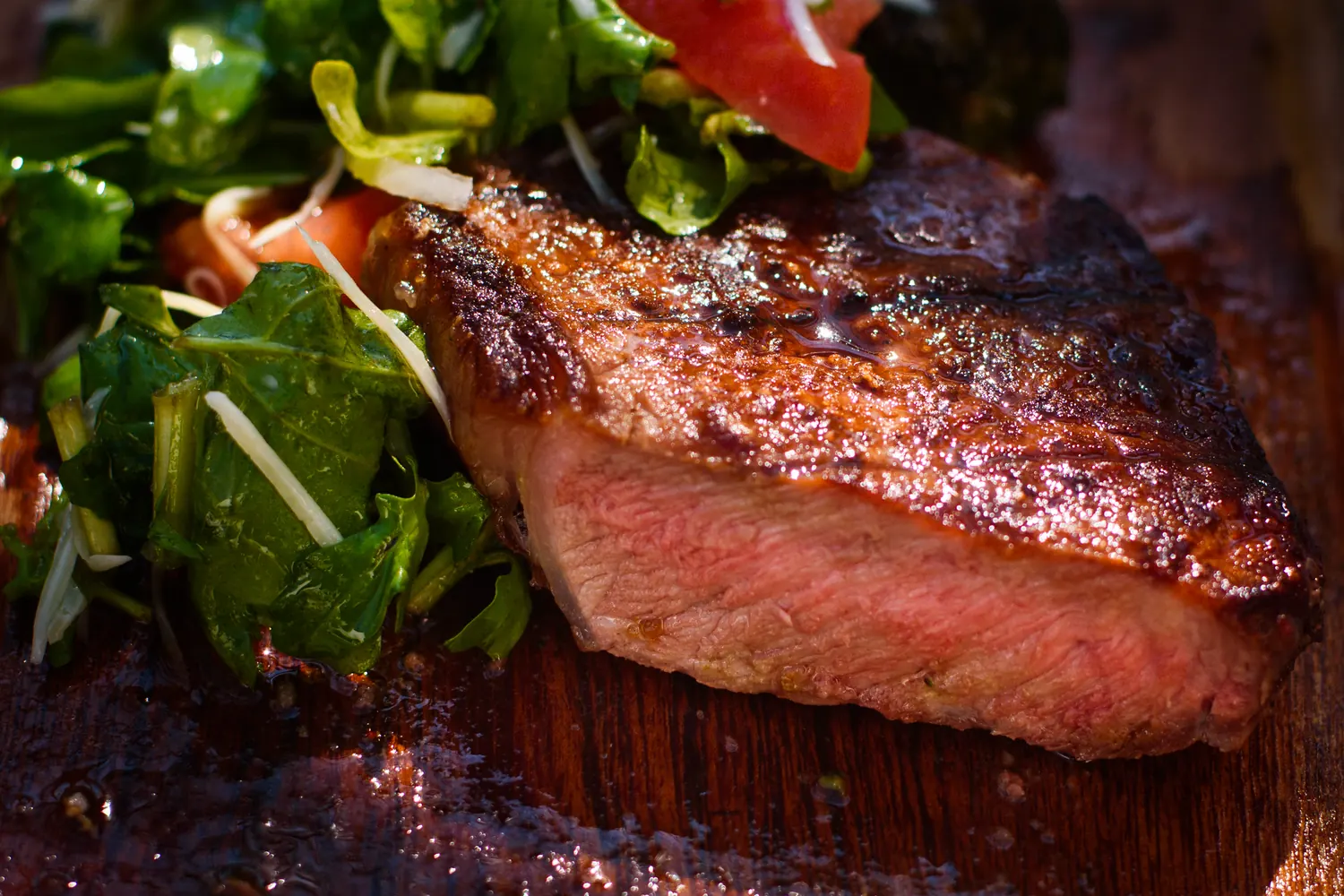
A grilled bife de chorizo steak, pink inside, with green salad on a wooden board Argentina flag Argentina 2h 30m
Dinner •Buenos Aires Parrilla Heritage

Argentine Asado

This argentine asado recipe is the full Sunday parrillada: tira de asado, vacio, entrana and bife de chorizo, plus chorizo, morcilla, mollejas and chinchulines, all cooked slowly over quebracho charcoal embers and seasoned with nothing but coarse salt. It opens with provoleta, grilled provolone with oregano, and the meat is served piece by piece as each cut is ready, with chimichurri and salsa criolla on the table. One serving is about 460 g.

High-Protein & Satisfying

A slow mixed grill of beef cuts, chorizo, morcilla and achuras over quebracho embers, opened with grilled provoleta and served with chimichurri and salsa criolla.

Pairs Well With
Chimichurri, salsa criolla & Malbec
High Protein

The Dinner Gazette

Never wonder what’s for dinner again

One email a week with easy dinner ideas from around the world — ingredients, steps and nutrition, tested in our kitchen first.

Delivered every Thursday morning. Unsubscribe anytime.