Curated recipes from 193 countries  •  New seasonal Mediterranean issue out now

Overview

Pitos con Huevo

Pito con Huevo, Salvadoran Pito Flower Scramble, Huevos con Pito

This pitos con huevo recipe blanches fresh pito flowers until tender, then scrambles them with eggs, tomato, onion and cilantro for a savoury Salvadoran breakfast. The flowers turn soft and mild, and the eggs hold everything together in soft curds. One serving is about 175 g.

The pito flower comes from the coral tree, Erythrina berteroana, a tree found across Central America. Morton (1994) records pito and chipilín as two traditional food plants of the region, and the flowers are cooked in El Salvador and southern Mexico — Larousse Cocina describes pito con huevo as cooked colorín scrambled with egg, onion, tomato, cilantro and chilli. In Salvadoran homes the flowers are cleaned, boiled and folded into morning eggs, and the scramble is served with beans and tortillas.

Pairs well with: Warm corn tortillas, frijoles con crema and fried plantains, with curtido on the side.

Provenance

El Salvador flag El Salvador

Salvadoran Heritage

Latin America & Caribbean

Time Dedication

30m

15m prep • 15m cook

Batch Yield

4 Servings

169 kcal per serving

1 serving ≈ 175 g

Technical Skill

Intermediate

Medium (Flower Prep)

Meal Timing & Digestive Fit

Breakfast

Prime Morning Fit

Lunch

Inappropriate

Dinner

Inappropriate

Snack & Tea

Inappropriate

Occasions: Weekday family breakfasts, Salvadoran breakfasts with beans and plantains, spring mornings when pito flowers are in season Cost: Low — about $1–2 per serving at home
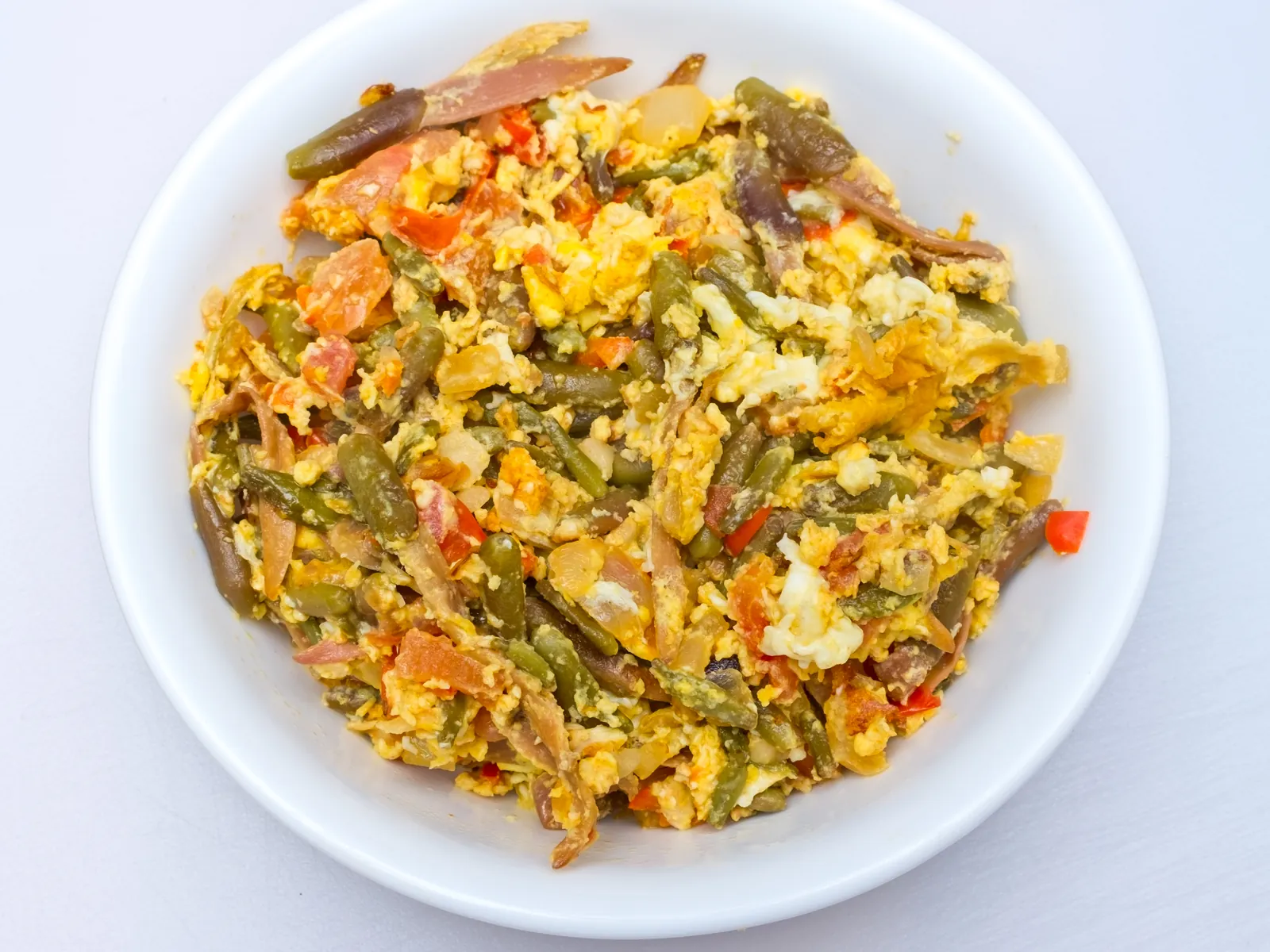
A white bowl of scrambled eggs mixed with green pito flowers, red pito petals, tomato and onion on a white surface

Salvadoran Heritage

Photo: Ll1324, CC0, via Wikimedia Commons

The Heritage Formulary

Measured Ingredients

Estimated cost: Low — about $1–2 per serving at home (USD)

Made the Salvadoran way: pito flowers cleaned of their hard centres, boiled until tender, drained well, and scrambled with eggs and tomato.

Execution Methodology & Culinary Technique

Step-by-Step Cooking Guide

Active 30m
P

Prep Stage: Clean, Blanch & Chop

15 Mins

Pull the pito petals and tender buds from their tough stems, pick out the hard green centre of each flower, and rinse the petals well. Dice the tomato and onion, chop the cilantro and chilli, and beat the eggs lightly with the salt and pepper. The cleaning is the slow part — once the flowers are ready, the cooking takes minutes.

Maestro Tip: Pito flowers must always be boiled before eating; never fold raw flowers into the eggs. Blanching also takes out their bitter edge.

  1. 1

    Clean the Pito Flowers

    10 Mins Room temperature, about 20°C (68°F)

    Work through the pito flowers one by one: pull the red petals and tender green buds away from the tough central stem, and pick out the hard green centre inside each flower. Drop the cleaned petals into a bowl of cold water, swish them around, and lift them out, leaving any grit behind.

    The hard green centre is the bitter part — if you leave it in, the whole scramble tastes bitter.

    Done when: A bowl of clean red petals and green buds, with no stems, hard centres or grit.

  2. 2

    Blanch the Flowers

    5 Mins Boiling water at 100°C (212°F)

    Bring a pot of water to a rolling boil, add a pinch of salt and the cleaned flowers, and boil for 4 minutes until they turn soft and olive-green. Drain them in a colander, rinse once with cold water, and press them gently with a spoon to squeeze out as much water as you can.

    Squeeze the flowers well — wet flowers water down the scramble and stop the eggs from setting into soft curds.

    Done when: Flowers soft, darkened to olive-green, and wrung almost dry.

  3. 3

    Sauté the Tomato, Onion and Chilli

    5 Mins Medium heat, about 160°C (320°F)

    Heat the oil in a wide pan over medium heat. Add the diced onion and chilli and fry for 2 minutes until the onion turns soft, then add the tomato and cook for 3 minutes more, stirring, until the tomato softens and its juice thickens slightly.

    Let the tomato juice cook down a little before the eggs go in, or the scramble will be watery.

    Done when: Onion soft and translucent; tomato softened with most of its juice cooked down.

  4. 4

    Scramble in the Eggs and Flowers

    4 Mins Medium-low heat, about 140°C (285°F); eggs cooked to 71°C (160°F)

    Stir the blanched pito flowers into the pan, then pour in the beaten eggs. Cook over medium-low heat, pushing the eggs gently from the edges to the centre with a spatula so soft curds form around the flowers. Cook until the eggs are just set and still look slightly glossy — about 4 minutes — then stir in the cilantro.

    Take the pan off the heat while the curds still look a little wet; they keep cooking for a minute and finish soft instead of dry.

    Done when: Soft, moist curds with the flowers folded through; no runny egg and no dry, browned bits.

  5. 5

    Rest a Minute and Serve

    1 Min Off the heat; serve hot, about 60°C (140°F)

    Let the pan sit off the heat for 1 minute so the curds settle, then spoon the scramble straight onto warm plates, about 175 g per person, and serve at once.

    Serve it immediately — scrambled eggs go cold and firm fast, and this dish is at its best straight from the pan.

    Done when: Hot, soft scramble on warm plates, ready to eat with tortillas.

Finishing Touches & Plating

Spoon the scramble onto warm plates straight from the pan, about 175 g per person, and serve at once with tortillas and beans while the curds are still soft and glossy.

Nutritional Physiology & Benefits

Nutrition

Energy

169

kcal / serving

Protein

11g

Complete AA

Carbs

8g

Complex

Fats

11g

Healthy

Per serving (4 servings · 1 serving ≈ 175 g)
Energy169 kcal
Protein11 g
Carbohydrates8 g
Fat11 g
Fibre2.3 g
Sugar3.9 g
Sodium404 mg
Per 100g
Energy97 kcal
Protein6.3 g
Carbohydrates4.4 g
Fat6.1 g
Fibre1.3 g
Sugar2.3 g
Sodium231 mg

Nutrition values are estimated — calculated from USDA FoodData Central values for the listed ingredients.

Vitamins & minerals: The eggs supply vitamin B12, vitamin D, choline and selenium, and the tomato, onion and cilantro add vitamin C, vitamin K and folate. All nutrition values are estimated.

Protein from Eggs

One serving gives about 11.0 g of protein from the eggs, which makes this small breakfast genuinely filling.

Fibre from Flowers and Vegetables

The pito flowers, tomato and onion add about 2.3 g of fibre per serving, and the flowers cook soft and mild.

Vitamins B12 and D

Eggs are one of the few foods that supply vitamin B12 and vitamin D together, along with choline and selenium.

Food Pairings

What to Eat With

To optimize nutrient absorption and elevate the sensory depth, pair with these authentic accompaniments:

Sides

Warm Corn Tortillas

Soft tortillas are made for scooping up the scramble, and they turn the eggs into a full Salvadoran breakfast.

Frijoles con Crema

Creamy red beans sit next to the eggs on almost every Salvadoran breakfast plate, and their mild richness balances the flowers' green, slightly bitter edge.

Vegetables

Curtido (Pickled Cabbage Slaw)

Cold, sharp curtido cuts through the richness of the eggs and gives the plate crunch and acidity.

Drinks

Coffee or Horchata de Morro

Hot black coffee is the everyday drink with a Salvadoran breakfast; sweet cinnamon horchata is the softer choice.

Full Menus

A Full Salvadoran Breakfast

Serve the scramble with frijoles, fried plantains and tortillas for the classic desayuno salvadoreño, with fresh fruit to finish.

Complete menu

Serve the scramble with frijoles con crema, fried plantains and warm corn tortillas, then finish with fresh fruit and coffee for a full Salvadoran breakfast.

Digestive Guardrails

What NOT to Combine

To prevent digestive distress, sluggishness, or palate clash, avoid pairing the dish with these elements:

Do Not Eat Pito Flowers Raw

Pito flowers must be cleaned and boiled before they go into the pan; raw flowers are bitter and hard to digest. This is general food information, not medical advice.

Do Not Overcook the Eggs

Eggs that cook too long turn dry and rubbery; take the pan off the heat while the curds still look slightly wet, as they keep cooking for a minute. This is general food information, not medical advice.

Do Not Skip Draining the Flowers

Wet flowers water down the scramble and stop the eggs from setting into soft curds, so drain and squeeze them well after blanching. This is general food information, not medical advice.

General information only, not medical advice — consult a doctor for personal dietary decisions.

Who Should Eat It

Who Should Eat

  • General adultsA light, protein-rich breakfast for most adults; one plate with beans and tortillas is a complete morning meal.
  • ChildrenSoft, mild and easy to eat; leave out the chilli for younger children and serve a small plate with tortillas.
  • ElderlySoft and easy to chew when served hot; the flowers cook tender and the eggs are gentle on the palate.
  • Pregnant womenFine when the flowers are boiled and the eggs are cooked through and served steaming hot; if you have never eaten pito flowers, ask your clinician first.
  • Breastfeeding womenProtein-rich, which suits higher energy needs; the eggs cover protein, B12 and choline.
  • AthletesGood after training: about 11.0 g of protein plus salt in one plate, with beans and tortillas for extra energy.
  • Weight gainA plate with beans, fried plantains and tortillas is an easy way to add energy-dense food to the day.
  • Weight lossOne plate as stated, with curtido instead of fried plantains, fits better than a second helping; the eggs and fibre still make a single plate filling.

Health Conditions — Adjust or Avoid

Conditions

  • DiabetesLow in starch as written, so it suits a lighter breakfast; keep the tortillas to one and skip the fried plantains. Ask your clinician about portions.
  • High blood pressureOne serving carries about 404 mg of sodium, so keep the portion as stated and go easy on extra salt. Ask your clinician about portions.
  • Kidney diseaseEggs add protein and phosphorus, so keep the portion as stated and do not add extra eggs. Ask your clinician about portions.
  • GoutEggs are low in purines, so this scramble is a kinder breakfast choice than meat; keep the portion as stated. Ask your clinician about portions.
  • Stomach issuesGentle once the flowers are boiled soft, but the fibre can feel heavy; eat slowly and chew well. Ask your clinician about portions.
  • Cardiovascular diseaseEggs and fibre are part of a balanced breakfast, but the dish is cooked in oil, so keep the portion as stated. Ask your clinician about portions.
  • Fatty liverA light, moderate-fat breakfast; keep to one plate with curtido and skip the fried plantains. Ask your clinician about portions.
  • Food allergiesContains egg; naturally gluten-free, with no milk, nuts, shellfish or wheat in the dish itself. Ask your clinician about allergies.
  • Special therapeutic dietsNaturally gluten-free and vegetarian as written; the flowers must be boiled, never eaten raw. Ask your clinician about therapeutic diets.

If you have a medical condition, consult your doctor before changing your diet.

Storage & Use

Storage & Use

How to store
Cool completely, then store in a sealed container in the fridge; the scramble is best eaten the same morning.
In the fridge
Cooked scramble keeps 2 days in the fridge at 4°C (40°F) or below.
In the freezer
Not recommended — frozen scrambled eggs turn watery and rubbery.
How to reheat
Reheat gently in a pan over low heat until steaming hot throughout, to 74°C (165°F), stirring so the curds do not dry out.
Freezing recommended
No — cook it fresh; the flowers and eggs do not freeze well.
Signs it has spoiled
Sour smell, slimy surface, or grey, watery eggs; discard scramble that smells off.

More recipes to explore

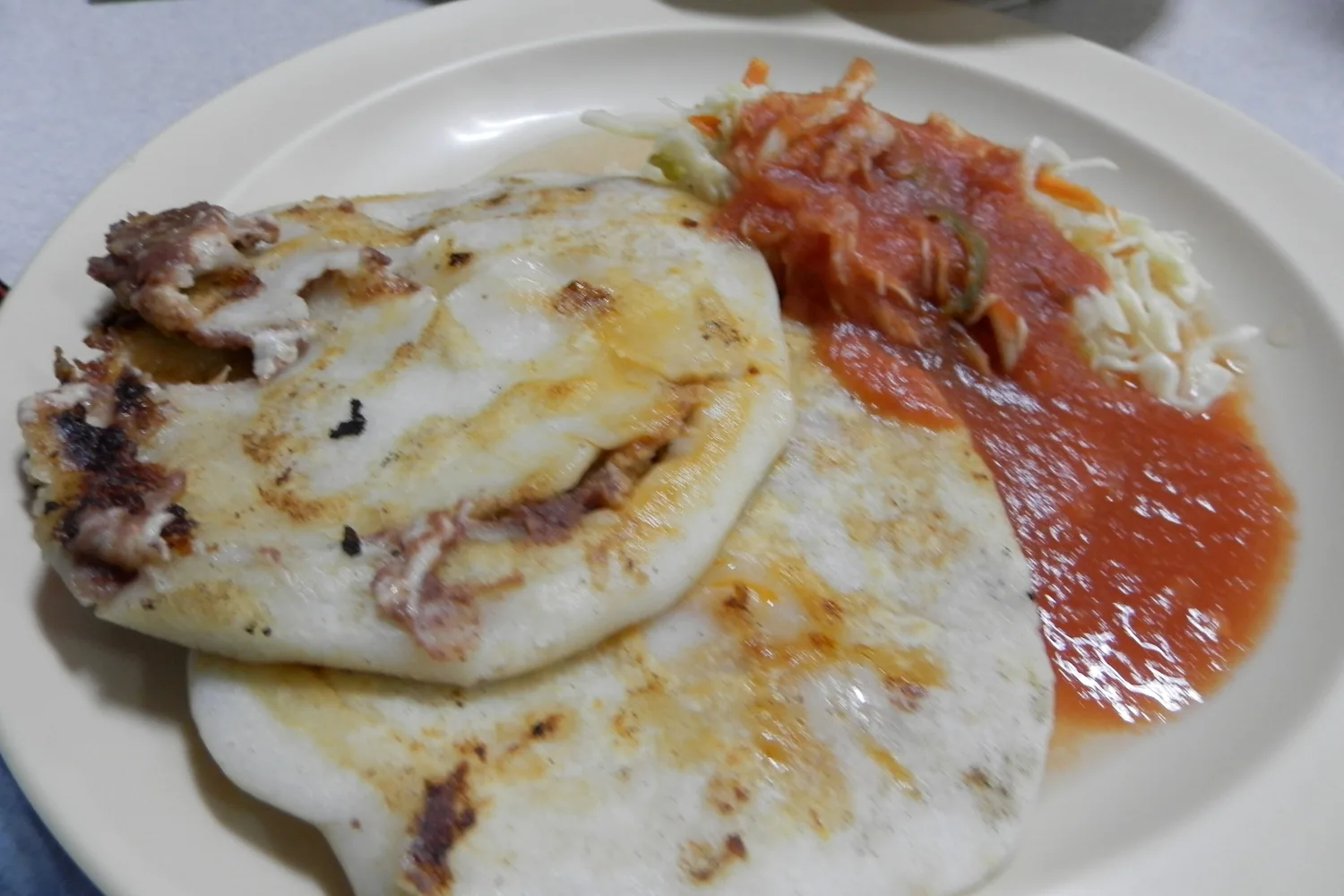
Two golden griddled pupusas on a plate with curtido cabbage slaw and red tomato salsa, melted cheese showing at the edge El Salvador flag El Salvador 1h 15m
Lunch •San Salvador Heritage

Pupusas

This pupusas recipe makes the stuffed corn cakes El Salvador is known for: soft nixtamalized masa wrapped around a molten filling of seasoned pork, refried beans and quesillo-style cheese, then griddled until the outside is golden and speckled and the cheese runs when you bite in. They are eaten hot, straight off the comal, with a pile of tangy curtido cabbage slaw and tomato salsa on the side. One serving is two pupusas, about 330 g.

Comfort & Warmth

El Salvador's national dish: thick corn masa cakes stuffed with pork, beans and melted cheese, griddled on a hot comal and served with curtido.

Pairs Well With
Curtido (pickled cabbage slaw) and salsa roja, with a cold horchata or tamarind drink on the side.
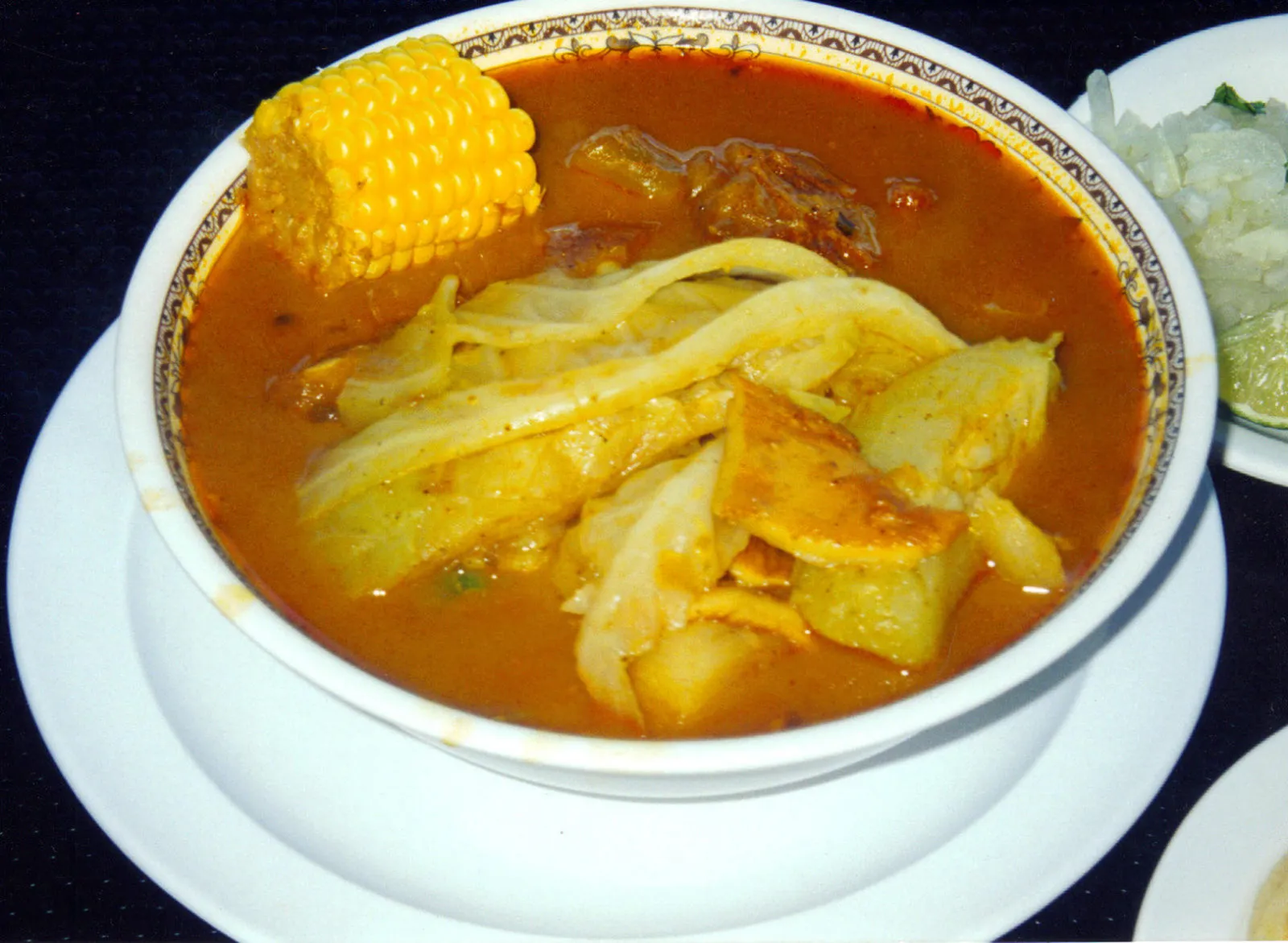
A bowl of sopa de pata, orange-red achiote broth with corn on the cob, cabbage and chunks of yuca El Salvador flag El Salvador 4h 5m
Lunch •Salvadoran Heritage

Sopa de Pata

This sopa de pata recipe is El Salvador's most famous soup: cow's feet and tripe simmered for hours until the broth turns rich and gelatinous, then loaded with yuca, chayote, corn, green plantain and cabbage, and coloured a warm orange-red with achiote. It is a weekend lunch in Salvadoran homes, served steaming hot with lime wedges and warm tortillas for squeezing and scooping. One serving is about 640 g, soup and vegetables together.

Comfort & Warmth

El Salvador's slow-simmered cow's foot and tripe soup, thick with yuca, corn and chayote in a red achiote broth.

Pairs Well With
Warm corn tortillas and lime wedges, with a little chopped onion and cilantro on the side.
Soups & Broths
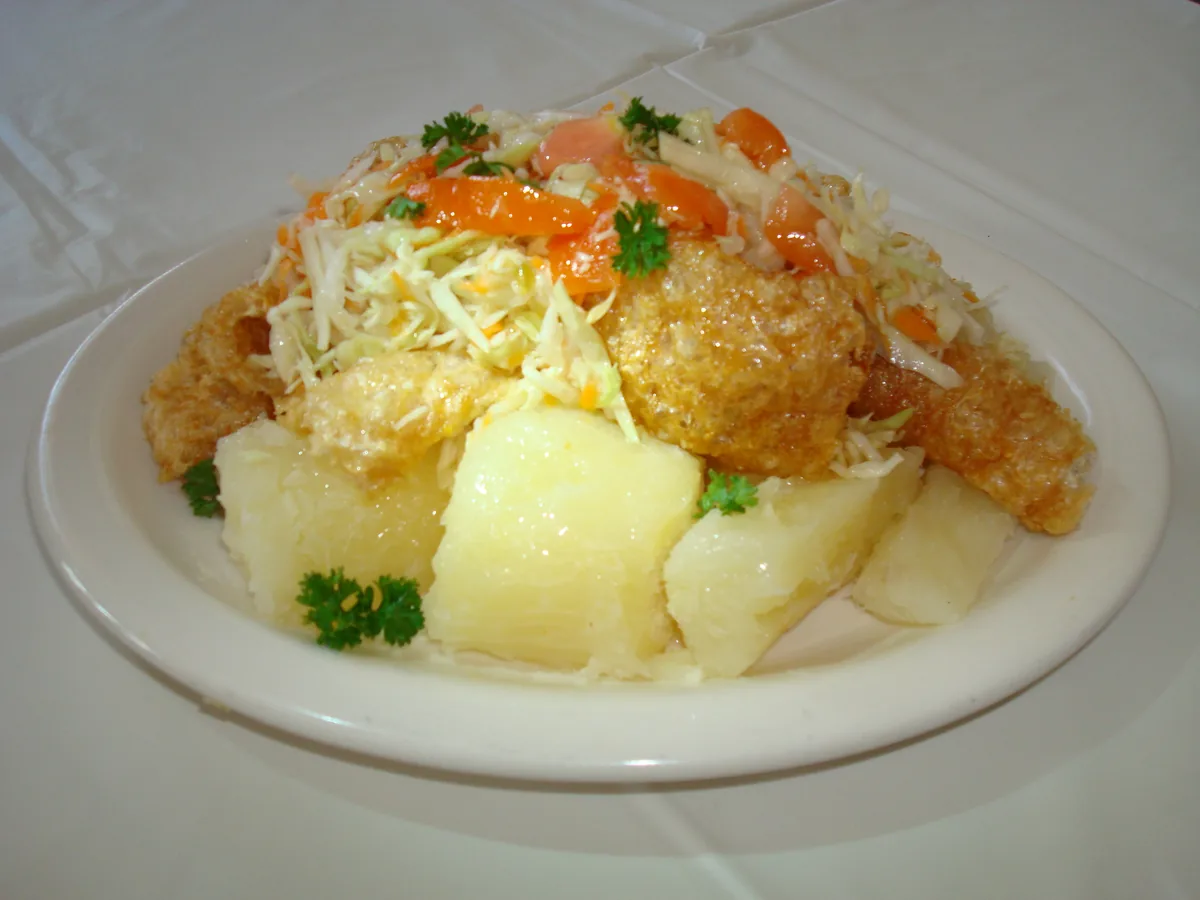
A plate of yuca con chicharron — boiled cassava chunks topped with golden crispy pork cracklings and shredded cabbage, carrot and tomato slaw El Salvador flag El Salvador 1h 35m
Lunch •Salvadoran Street-Food Classic

Yuca con Chicharrón

This yuca con chicharron recipe is the Salvadoran street-food plate: cassava boiled until soft and fluffy, topped with pork belly simmered until tender and then fried crisp in its own fat, with tangy curtido cabbage slaw and fresh tomato salsa on the side. It is the same trio of yuca, chicharron and cabbage slaw that is sold from market stalls across El Salvador. One serving is about 590 g.

Comfort & Energy

Tender boiled cassava with crisp fried pork, tangy curtido and fresh tomato salsa — a filling Salvadoran street-food plate.

Pairs Well With
Warm corn tortillas, fried plantains and a cold horchata or limeade
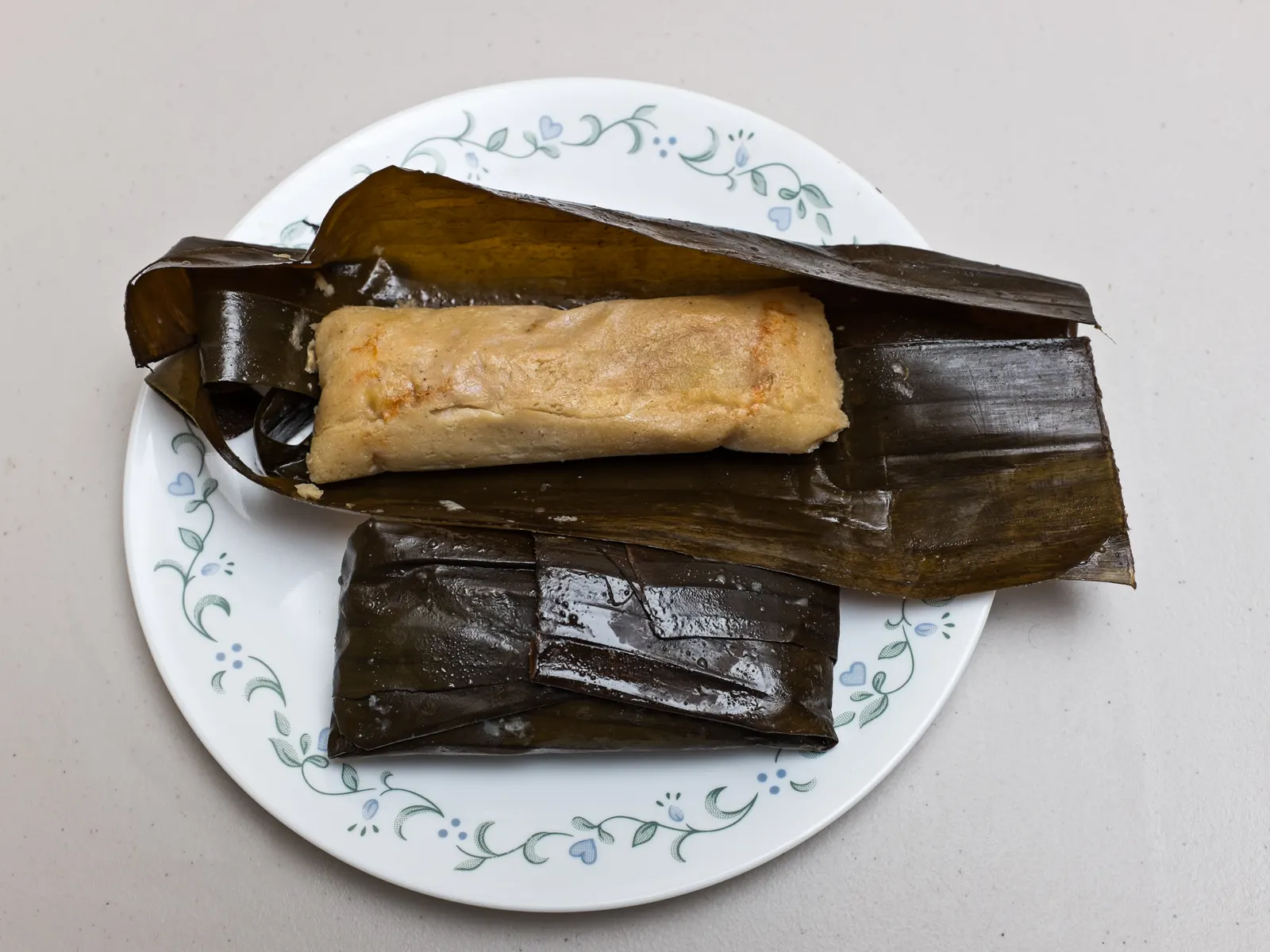
Two Salvadoran chicken tamales on a plate, one unwrapped from its banana leaf showing soft golden masa El Salvador flag El Salvador 3h 30m
Dinner •Salvadoran Heritage

Tamales de Gallina

This tamales de gallina recipe makes soft Salvadoran chicken tamales the traditional way: a pre-cooked corn masa spread on banana leaves, wrapped around shredded chicken, potato, chickpeas, olives and capers, then steamed until tender. One serving (two tamales) is about 458 g. The banana leaf gives the masa a gentle, grassy scent that corn husks never quite match.

Hearty & Festive

A filling, protein-rich festive main built around corn masa, chicken and vegetables.

Pairs Well With
Serve warm with curtido, the Salvadoran pickled cabbage slaw, and a mild tomato salsa.

The Dinner Gazette

Never wonder what’s for dinner again

One email a week with easy dinner ideas from around the world — ingredients, steps and nutrition, tested in our kitchen first.

Delivered every Thursday morning. Unsubscribe anytime.