Curated recipes from 193 countries  •  New seasonal Mediterranean issue out now

Overview

Pizokel

Graubunden Buckwheat Pasta, Pizokel mit Kabis

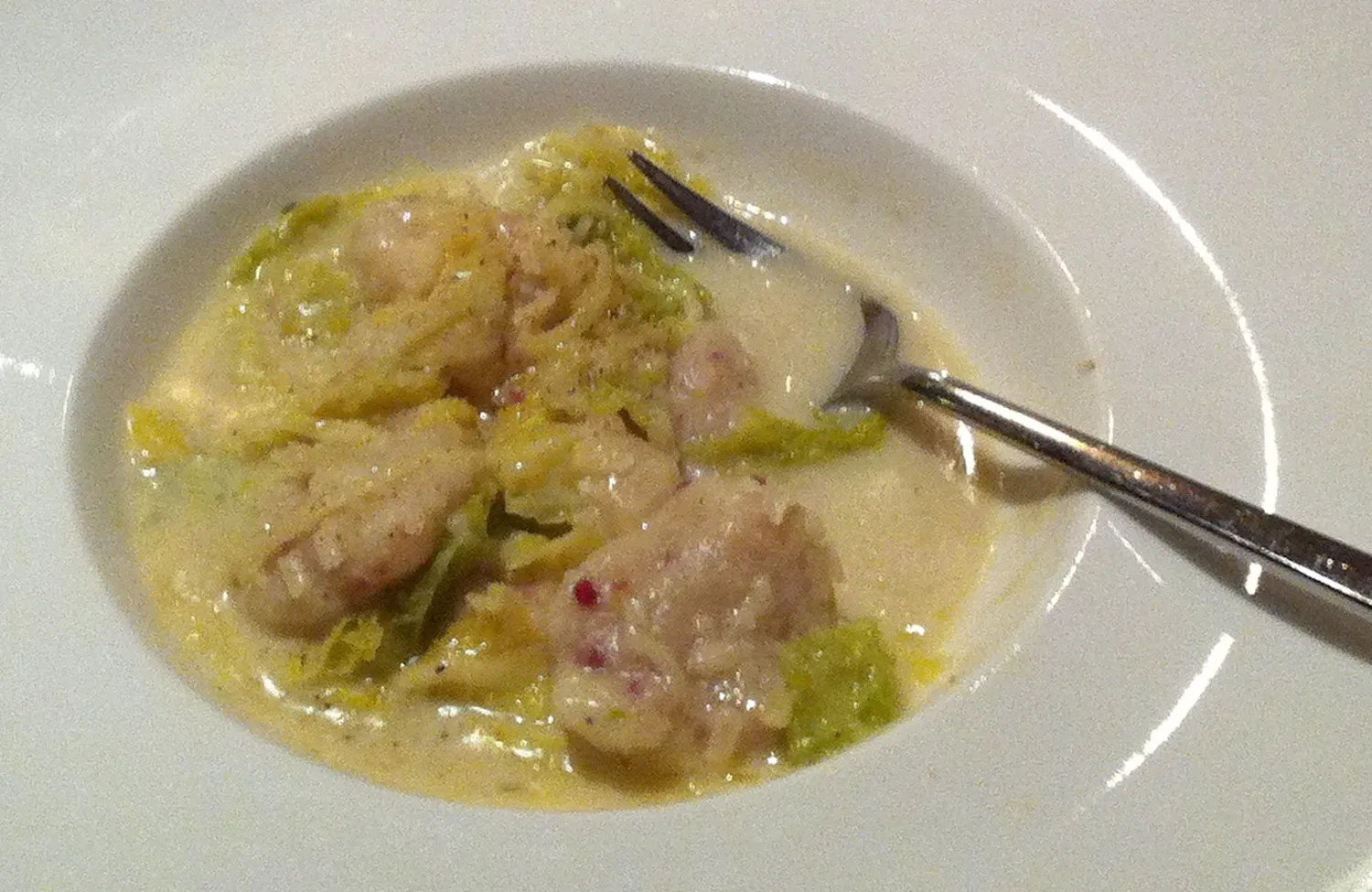
This pizokel recipe makes the buckwheat pasta of Graubünden, in eastern Switzerland — a soft, hand-cut dough of buckwheat and wheat flour, eggs and milk, tossed with buttery savoy cabbage, onion and a snowfall of grated mountain cheese. It is earthy, mild and deeply comforting. One serving is about 265 g. The recipe serves 4 and takes about 45 minutes.

Pizokel comes from Graubünden, the mountain canton in eastern Switzerland where buckwheat grew on steep fields that wheat could not use. The pasta is a cousin of the spaetzle family, but the buckwheat flour makes it darker, nuttier and softer than its wheat neighbours. In the valleys it is served with whatever the garden gave — most often savoy cabbage, softened in butter — and a grating of the local mountain cheese.

Pairs well with: A green salad with a sharp vinaigrette and a glass of dry white wine.

Provenance

Switzerland flag Switzerland

Graubünden Pasta Classic

Nordic & European

Time Dedication

45m

25m prep • 20m cook

Batch Yield

4 Servings

462 kcal per serving

1 serving ≈ 265 g

Technical Skill

Intermediate

Intermediate (Hand-Cut Pasta)

Meal Timing & Digestive Fit

Breakfast

Not Advised

Lunch

Hearty Midday Main

Dinner

Ideal Hearty Main

Snack & Tea

Inappropriate

Pasta & Noodles Occasions: Weeknight dinner, autumn evenings, Swiss food nights, comfort food Cost: Low — about $3–4 per serving at home
Pizokel buckwheat pasta with savoy cabbage in a creamy cheese sauce in a white bowl

Graubünden Pasta Classic

Photo: Andrew Nash, CC BY-SA 2.0, via Wikimedia Commons

The Heritage Formulary

Measured Ingredients

Estimated cost: Low — about $3–4 per serving at home (USD)

This is a home-cooked version of the Graubünden pasta; no official standard recipe exists, so the method follows widely used Swiss practice.

Execution Methodology & Culinary Technique

Step-by-Step Cooking Guide

Active 45m
P

Prep Stage: Mix the Dough & Shred the Cabbage

25 Mins • Mixing & Shredding

Whisk the buckwheat and wheat flours with 3 g of the salt, then beat in the eggs, milk and water to a thick, spoonable batter — thicker than pancake batter, thinner than bread dough. Let it rest for 15 minutes. Meanwhile shred the cabbage, slice the onion and grate the cheese, and put a large pot of salted water on to boil.

Maestro Tip: Resting the batter lets the buckwheat absorb the liquid — skip it and the pizokel fall apart in the water.

  1. 1

    Mix and Rest the Dough

    20 Mins Room temperature, ~22°C (72°F)

    Whisk the two flours and 3 g of salt in a bowl. Make a well, add the beaten eggs, milk and water, and stir until you have a thick, smooth batter that falls slowly from a spoon. Cover and rest for 15 minutes.

    The batter should be thick enough to hold its shape on a board — if it runs, stir in a spoonful more wheat flour.

    Done when: Thick, smooth batter that drops slowly from the spoon in a ribbon.

  2. 2

    Cook the Cabbage

    10 Mins Medium heat, about 160°C (320°F)

    While the batter rests, melt half the butter in a large pan over medium heat, add the onion and cook for 3 minutes until soft, then add the cabbage and the remaining 2 g of salt. Cook for 6–7 minutes, stirring often, until the cabbage is tender and glossy. Keep warm.

    Do not brown the cabbage — it should stay green and sweet, not caramelised.

    Done when: Tender, glossy cabbage ribbons, still bright green.

  3. 3

    Cut the Pizokel

    5 Mins Boiling water, 100°C (212°F)

    Bring the large pot of salted water to a rolling boil. Spread a spoonful of batter on a wet chopping board and cut it into short strips about 4 cm long, flicking them into the water with a wet knife — or press the batter through the large holes of a coarse grater. Work in batches so the pot stays boiling.

    Wet the board and knife each time; dry tools make the batter stick and tear.

    Done when: Short, even strips dropping into the water and sinking, then rising.

  4. 4

    Boil Until They Float

    5 Mins Boiling water, 100°C (212°F)

    Boil the pizokel for 2–3 minutes until they float to the surface and look plump, then lift them out with a slotted spoon and drop them straight into the pan with the cabbage. Repeat with the remaining batter.

    Do not overcook — floating means done, and a minute more turns them soggy.

    Done when: Plump strips floating on the surface, soft but holding their shape.

  5. 5

    Toss with Butter & Cheese

    5 Mins Medium heat, about 160°C (320°F)

    Toss the pizokel through the cabbage with the remaining butter until everything is glossy and hot. Serve in warm bowls with the grated Gruyere scattered over the top and black pepper ground over it.

    Serve the cheese on top, not stirred in — it melts into the hot pasta at the table.

    Done when: Glossy pasta and cabbage in warm bowls, cheese melting over the top.

Finishing Touches & Plating

Serve this pizokel recipe straight from the pan — buckwheat pasta waits for no one, and the cheese is at its best melting over the hot cabbage.

Nutritional Physiology & Benefits

Nutrition

Energy

462

kcal / serving

Protein

20g

Complete AA

Carbs

63g

Complex

Fats

16g

Healthy

Per serving (4 servings · 1 serving ≈ 265 g)
Energy462 kcal
Protein20 g
Carbohydrates63 g
Fat16 g
Fibre8.4 g
Sugar6.0 g
Sodium672 mg
Per 100g
Energy174 kcal
Protein7.4 g
Carbohydrates23.8 g
Fat6.2 g
Fibre3.2 g
Sugar2.3 g
Sodium254 mg

Nutrition values are estimated — calculated from USDA FoodData Central values for the listed ingredients.

Vitamins & minerals: Buckwheat supplies magnesium and B vitamins, cabbage adds vitamin C and vitamin K, and the cheese adds calcium.

High in Fibre

Buckwheat and cabbage give 8.4 g of fibre per serving, which helps the meal feel filling and steady.

Slow Energy

With 63.0 g of carbohydrate per serving, mostly from buckwheat, this is a slow-burning, satisfying dinner.

Calcium from Cheese

The Gruyere topping adds calcium and protein to a vegetable-rich pasta.

Food Pairings

What to Eat With

To optimize nutrient absorption and elevate the sensory depth, pair with these authentic accompaniments:

Vegetables

Green Salad with Vinaigrette

A sharp, vinegary salad cuts through the butter and cheese and keeps the rich pasta from feeling heavy.

Drinks

Dry White Wine

A crisp, dry white wine from the Rhine valley matches the mild, nutty pasta without overpowering it.

Full Menus

Alpine Supper

Pizokel with a green salad and a slice of rye bread is the simple mountain supper this dish was made for.

Complete menu

Serve the pizokel in warm bowls with grated Gruyere, a green salad with vinaigrette and a glass of dry white wine — a complete Graubünden supper.

Digestive Guardrails

What NOT to Combine

To prevent digestive distress, sluggishness, or palate clash, avoid pairing the dish with these elements:

Overcooking the Pasta

Buckwheat pasta goes soggy fast — lift the pizokel out the moment they float, or they fall apart in the pan. This is general food information, not medical advice.

Skipping the Rest

An unrested batter sheds crumbs into the water and makes cloudy, broken pasta. The 15-minute rest is not optional. This is general food information, not medical advice.

General information only, not medical advice — consult a doctor for personal dietary decisions.

Who Should Eat It

Who Should Eat

  • General adultsA hearty, comforting dinner — 462 kcal per serving with 19.5 g of protein.
  • ChildrenSoft, mild and easy to chew; cut the strips shorter for younger children.
  • ElderlyThe soft pasta and tender cabbage are easy to eat; the cheese adds calcium.
  • Pregnant womenThe eggs and milk are fully cooked; the dish is mild and gentle on the stomach.
  • Breastfeeding womenA filling, energy-rich meal; the cheese and eggs add protein for recovery.
  • AthletesGood the evening before training — slow carbohydrate with a moderate protein portion.
  • Weight gainEasy to add calories: more cheese, more butter, and a slice of bread on the side.
  • Weight lossKeep to one serving, go easy on the butter and cheese, and fill half the plate with salad.

Health Conditions — Adjust or Avoid

Conditions

  • DiabetesOne serving carries 63.0 g of carbohydrate, so count it as the main starch and skip the bread. Ask your clinician about portions.
  • High blood pressureSodium is 672 mg per serving, mostly from the cheese and salt; use less cheese if you watch salt. Ask your clinician about your sodium budget.
  • Kidney diseaseThe dish is moderate in potassium from the cabbage and cheese — check your plan before a second serving. Ask your clinician.
  • GoutThe dish is low in purines and is generally a gentle choice. Ask your clinician.
  • Stomach issuesBuckwheat pasta is mild and easy to digest for most people; eat it plain if rich sauces upset you. Ask your clinician.
  • Cardiovascular diseaseThe butter and cheese add saturated fat, so keep both modest and add a green salad. Ask your clinician.
  • Fatty liverKeep the butter and cheese modest; the cabbage and buckwheat themselves are light. Ask your clinician.
  • Food allergiesContains wheat (gluten), milk, egg and cheese. Buckwheat itself is gluten-free, but the wheat flour in this recipe is not.
  • Special therapeutic dietsNot suitable for gluten-free or dairy-free diets without a full recipe change. Ask your clinician or dietitian.

If you have a medical condition, consult your doctor before changing your diet.

Storage & Use

Storage & Use

How to store
Cool within 1 hour and keep in a sealed container in the fridge.
In the fridge
Up to 2 days.
In the freezer
Up to 1 month, though the pasta softens on thawing.
How to reheat
Warm gently in a pan with a splash of water until hot through, about 74°C (165°F).
Freezing recommended
No — the pasta softens too much.
Signs it has spoiled
Sour smell, slimy texture, or mould.

More recipes to explore

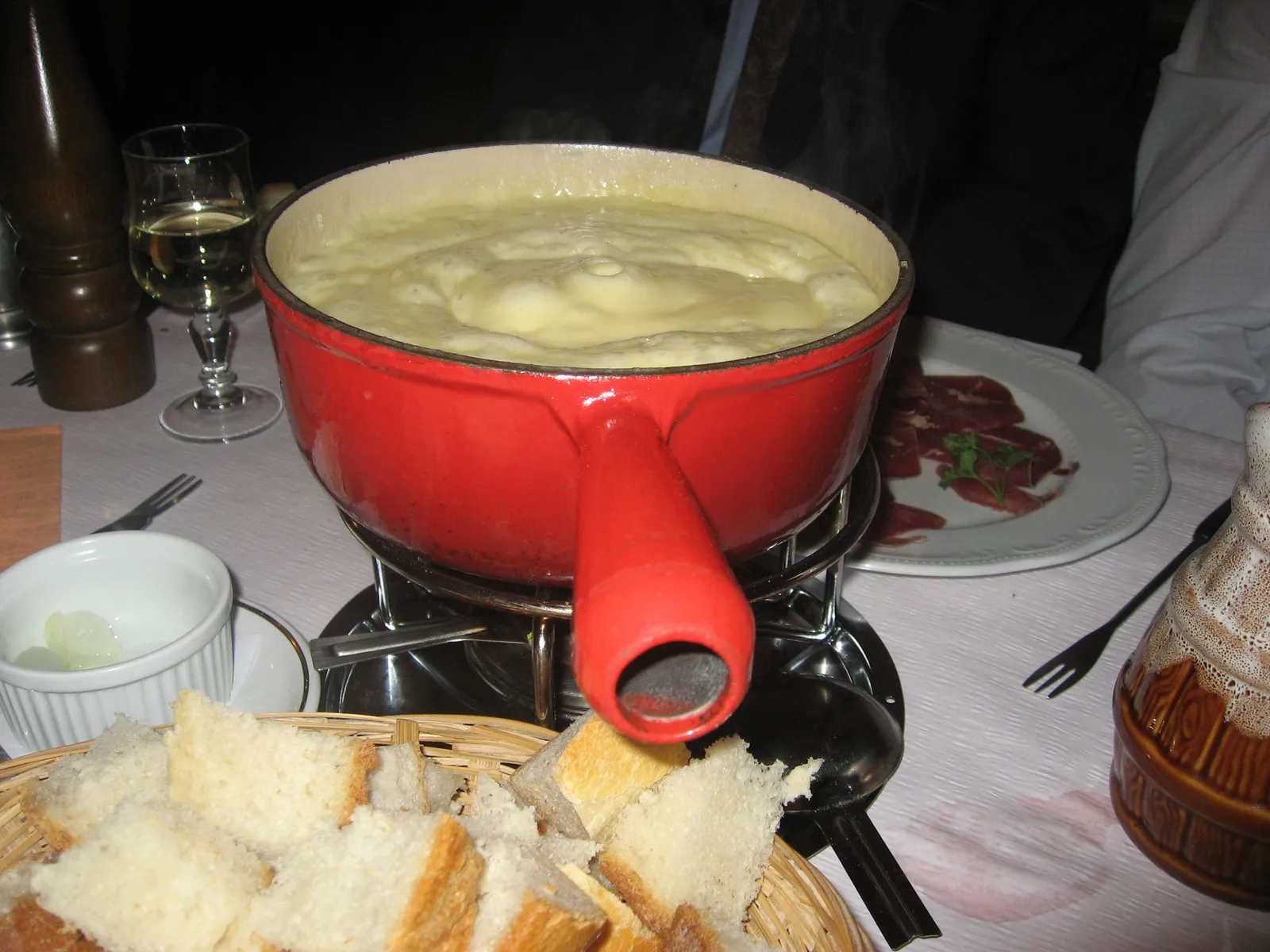
A red fondue pot of melted cheese with bread cubes and a glass of white wine Switzerland flag Switzerland 40m
Dinner •Swiss Alpine Classic

Swiss Cheese Fondue

Swiss cheese fondue is the Alps in a pot: Gruyere and Emmental melted slowly into dry white wine with garlic and a splash of kirsch, kept warm at the table while everyone dips cubes of bread into the bubbling cheese. One serving is about 310 g.

Comfort & Togetherness

Gruyere and Emmental melted in white wine, shared from one pot.

Pairs Well With
Cubes of crusty bread, boiled potatoes and cornichons on the side
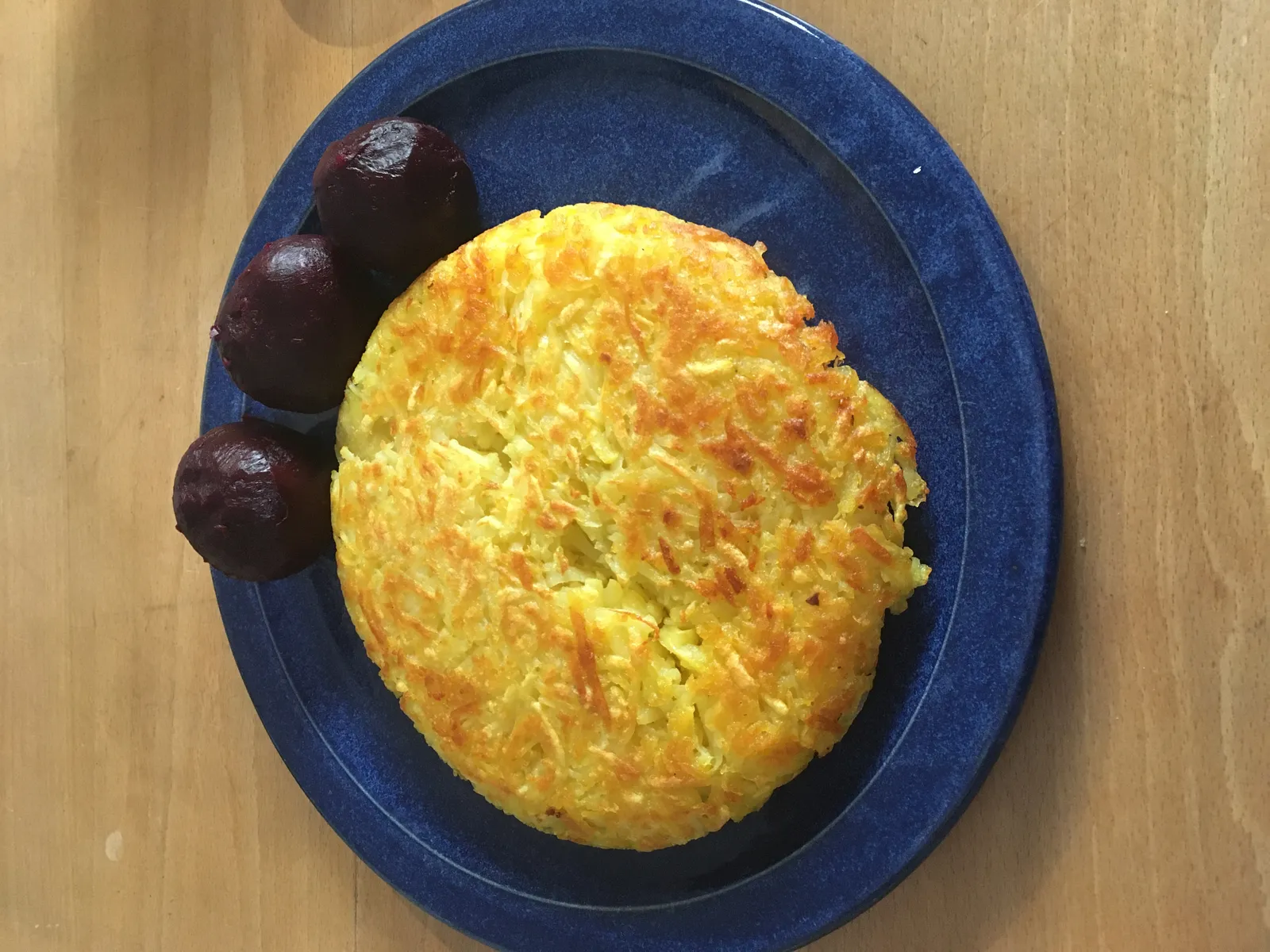
A large golden rosti potato cake on a blue plate Switzerland flag Switzerland 40m
Lunch •Bernese Farmhouse Classic

Rösti

Rösti is Switzerland's crisp potato cake: grated potato pressed into one large golden disc and fried in butter until the outside shatters and the inside stays soft, then topped with a fried egg. One serving is about 240 g.

Simple & Satisfying

One large crisp cake of grated potato, pan-fried in butter and topped with a fried egg.

Pairs Well With
A fried egg on top and a simple green salad with sharp vinaigrette
Quick Prep (<30m)
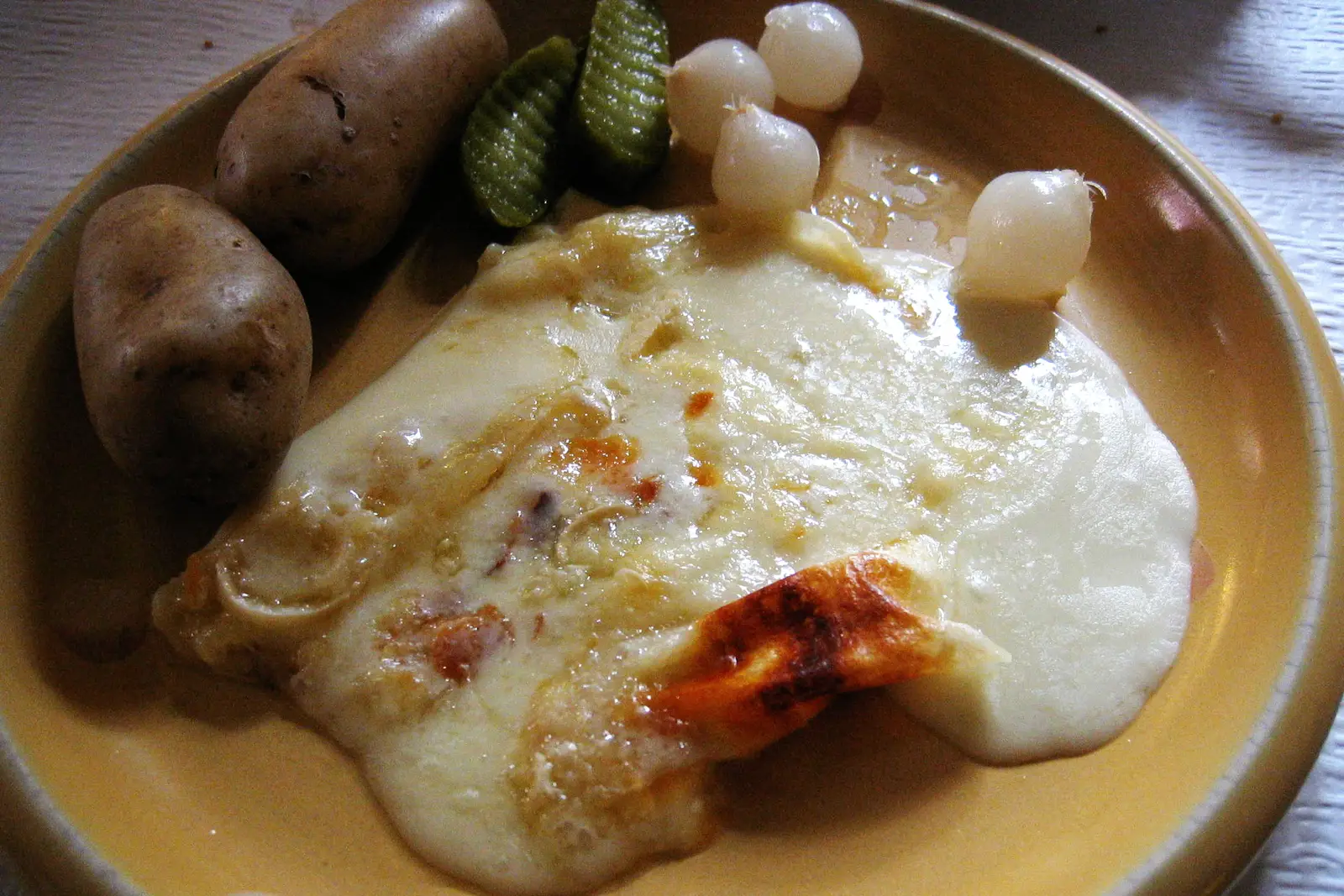
Melted raclette cheese scraped over a plate with boiled potatoes and pickles Switzerland flag Switzerland 40m
Dinner •Valais Alpine Classic

Raclette

Raclette is the Swiss Alps' other great melted-cheese meal: a half-wheel of raclette cheese is warmed until the cut face bubbles, then scraped in ribbons over boiled potatoes, with cornichons and pickled onions to cut the richness. One serving is about 365 g.

Comfort & Togetherness

Melted raclette cheese scraped over boiled potatoes with pickles.

Pairs Well With
Boiled potatoes, cornichons, pickled onions and a green salad
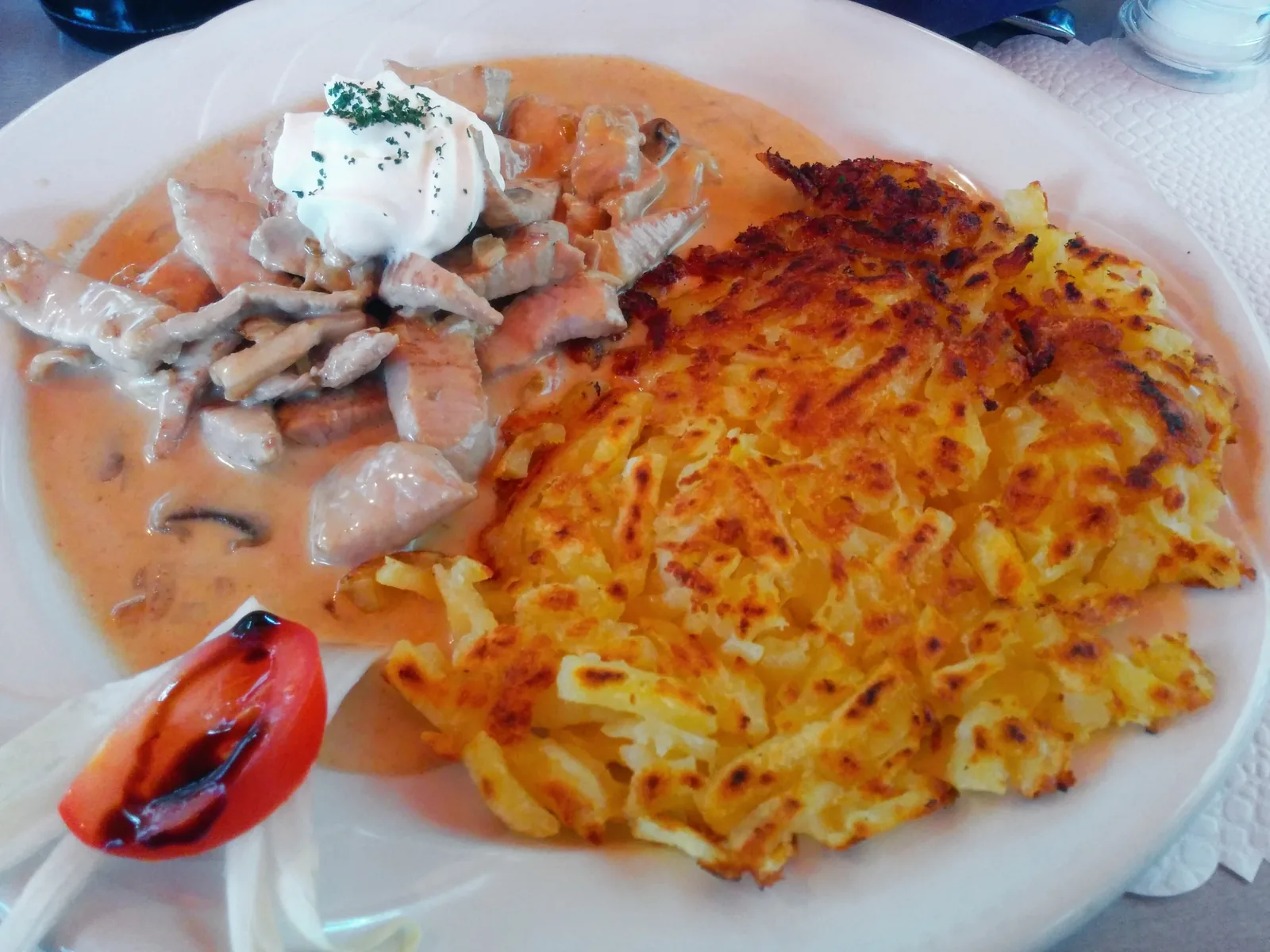
A plate of Zürcher Geschnetzeltes — veal strips in cream sauce with a dollop of cream — beside golden rösti. Switzerland flag Switzerland 40m
Dinner •Zurich Classic

Zürcher Geschnetzeltes

Zürcher Geschnetzeltes is Zurich's signature dish: thin strips of veal quickly seared, then finished in a white-wine and cream sauce with mushrooms and onion. One serving is about 335 g, before the rösti it is traditionally served with.

Rich & Comforting

Tender strips of veal in a white-wine cream sauce with mushrooms — Zurich's classic, with rösti.

Pairs Well With
Serve with golden rösti and a glass of dry Swiss white wine.
High Protein

The Dinner Gazette

Never wonder what’s for dinner again

One email a week with easy dinner ideas from around the world — ingredients, steps and nutrition, tested in our kitchen first.

Delivered every Thursday morning. Unsubscribe anytime.