Curated recipes from 193 countries  •  New seasonal Mediterranean issue out now

Overview

Pizza Margherita

Pizza Napoletana Margherita

This pizza margherita recipe makes a proper Neapolitan-style pizza at home: a soft, airy dough, San Marzano tomato sauce, fior di latte mozzarella and fresh basil. One serving is about 325 g — two slices.

The story every Neapolitan pizzeria tells is that in 1889, Queen Margherita of Savoy visited Naples and the pizzaiolo Raffaele Esposito made her a pizza with tomato, mozzarella and basil — the red, white and green of the new Italian flag. Historians question the letter that supposedly proves it, but the pizza itself is older than the story: flatbreads with tomato and cheese were sold on the streets of Naples long before, and the margherita became the city's defining pizza in the 19th century.

Pairs well with: A simple green salad and a glass of Chianti or sparkling water

Provenance

Italy flag Italy

Naples Classic

Mediterranean & Italy

Time Dedication

45m

30m prep • 15m cook

Batch Yield

4 Servings

727 kcal per serving

1 serving ≈ 325 g

Technical Skill

Intermediate

Intermediate (Dough & Bake)

Meal Timing & Digestive Fit

Breakfast

Not Advised

Lunch

Hearty Midday Main

Dinner

Ideal Hearty Main

Snack & Tea

Inappropriate

Occasions: Pizza night, family dinner, weekend cooking, casual gatherings Cost: Low — about $2–3 per serving at home
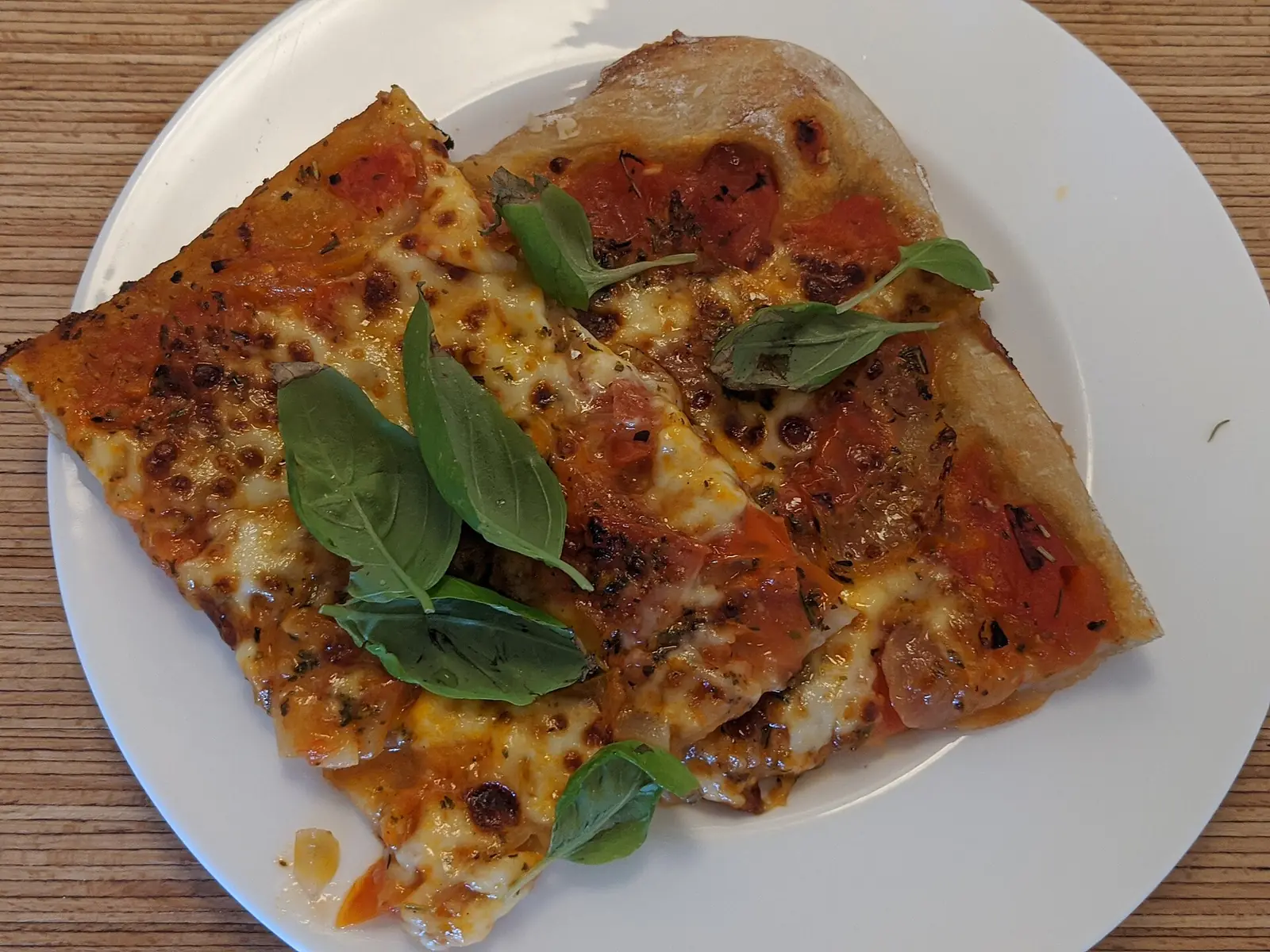
Two slices of pizza margherita with tomato, melted mozzarella and fresh basil on a white plate

Naples Classic

Photo: Shisma, CC BY 4.0, via Wikimedia Commons

The Heritage Formulary

Measured Ingredients

Estimated cost: Low — about $2–3 per serving at home (USD)

A true margherita has three toppings and nothing else: tomato, fior di latte mozzarella and basil — if it needs a fourth, it is not a margherita.

Execution Methodology & Culinary Technique

Step-by-Step Cooking Guide

Active 45m
P

Prep Stage: Mix and Rise the Dough

30 Mins active + 2 hours rising (passive) • Dough Work

Dissolve the yeast and sugar in a little warm water. Mix the flour and salt in a large bowl, add the yeast water, the remaining cold water and 10 g of oil, and knead for 10 minutes until smooth and elastic. Cover and leave in a warm place for 2 hours, until doubled in size. While it rises, crush the tomatoes and tear the mozzarella.

Maestro Tip: A slow, cool rise gives a deeper flavour — if you have time, let the dough rise in the fridge overnight.

  1. 1

    Mix and Knead the Dough

    15 Mins Room temperature, ~20°C (68°F)

    Mix the flour and salt, then add the yeast water, remaining water and oil. Knead on a clean surface for 10 minutes until the dough is smooth, elastic and springs back when poked. Cover with a damp cloth.

    Knead until the dough passes the windowpane test — stretch a piece thin and it should not tear.

    Done when: The dough is smooth, soft and springs back when pressed.

  2. 2

    Rise and Shape

    120 Mins (mostly passive) Warm place, about 25°C (77°F)

    Leave the dough to rise for 2 hours until doubled. Knock it back, divide into 2 balls, and rest for 15 minutes. Stretch each ball by hand into a 30 cm round, keeping a thicker rim — never use a rolling pin.

    Hands, not a rolling pin: a pin crushes the air out of the rim and the crust goes flat.

    Done when: Two rounds with a puffy rim and a thin, even centre.

  3. 3

    Top the Pizzas

    5 Mins Room temperature, ~20°C (68°F)

    Heat the oven as hot as it will go — 250–275°C (480–525°F) — with a pizza stone or an upside-down baking tray inside for at least 30 minutes. Spread half the tomato sauce on each base, leaving the rim bare, then scatter half the mozzarella.

    Less is more: too much sauce or cheese makes a soggy middle.

    Done when: A thin, even layer of sauce and scattered cheese, with the rim bare.

  4. 4

    Bake Hot and Fast

    8 Mins Oven 250–275°C (480–525°F)

    Slide one pizza onto the hot stone and bake for 7–8 minutes until the crust is blistered and golden, the cheese is melted and bubbling, and the base is crisp. Repeat with the second pizza.

    A screaming-hot oven is the whole secret — a cool oven makes a dry, crackery pizza.

    Done when: The crust is puffed and spotted with brown, the cheese is bubbling.

  5. 5

    Finish with Basil and Oil

    2 Mins Serve hot, about 70°C (158°F)

    Scatter the basil over the hot pizzas, drizzle with the remaining olive oil, and cut into slices. Serve at once, while the cheese is still stretching.

    Basil goes on after baking — the oven turns it black and bitter.

    Done when: The basil is bright green, the cheese is molten, and the crust crackles.

Finishing Touches & Plating

Eat the pizza the moment it leaves the oven, with the basil still bright and the cheese still pulling. A simple green salad on the side is all it needs.
Nutritional Physiology & Benefits

Nutrition

Energy

727

kcal / serving

Protein

31g

Complete AA

Carbs

102g

Complex

Fats

21g

Healthy

Per serving (4 servings · 1 serving ≈ 325 g)
Energy727 kcal
Protein31 g
Carbohydrates102 g
Fat21 g
Fibre5.4 g
Sugar6.7 g
Sodium1463 mg
Per 100g
Energy224 kcal
Protein9.7 g
Carbohydrates31.3 g
Fat6.6 g
Fibre1.7 g
Sugar2.1 g
Sodium450 mg

Nutrition values are estimated — calculated from USDA FoodData Central values for the listed ingredients.

Vitamins & minerals: Vitamin C (tomatoes, basil), calcium (mozzarella), vitamin A (tomatoes), B vitamins (flour).

Energy That Satisfies

Bread, cheese and tomato give about 31 g of protein per serving, so two slices genuinely fill you up.

Tomatoes Cooked in Olive Oil

Cooking tomatoes in olive oil helps the body absorb lycopene, the plant compound that gives tomatoes their red colour.

Simple, Honest Ingredients

Flour, water, tomato, mozzarella and basil — five ingredients you can name, with nothing hidden.

Food Pairings

What to Eat With

To optimize nutrient absorption and elevate the sensory depth, pair with these authentic accompaniments:

Vegetables

A Simple Green Salad

Bitter leaves with lemon and olive oil cut through the rich cheese and reset the palate between slices.

Drinks

Sparkling Water with Lemon

Cold, fizzy water cleanses the palate and keeps the meal light without adding sugar.

A Glass of Chianti

A light, acidic red wine is the classic Tuscan partner — its acidity matches the tomato and stands up to the cheese.

Full Menus

As a Pizza Night

Serve the margherita first, then a second pizza with different toppings — the margherita is the benchmark everything else is judged by.

Complete menu

Serve the pizza hot from the oven with a simple green salad and a glass of Chianti; a second pizza with different toppings makes it a feast.

Digestive Guardrails

What NOT to Combine

To prevent digestive distress, sluggishness, or palate clash, avoid pairing the dish with these elements:

Pre-Shredded Cheese

Pre-shredded mozzarella is coated in anti-caking starch, so it melts into a greasy sheet instead of creamy pools. Tear a fresh ball instead. This is general guidance, not medical advice.

Overloading the Toppings

A margherita is three toppings, not ten — piling on more makes the middle soggy and hides the tomato and basil.

General information only, not medical advice — consult a doctor for personal dietary decisions.

Who Should Eat It

Who Should Eat

  • General adultsA satisfying dinner — enjoyed fresh from the oven, with a salad on the side.
  • ChildrenVery suitable — a favourite with children; cut into small slices and let it cool a little first.
  • ElderlyEasy to eat and comforting; choose a thinner crust and a modest portion.
  • Pregnant womenGenerally suitable; keep the portion to two slices and add a salad.
  • Breastfeeding womenGenerally suitable; the calcium and protein are welcome — keep the portion moderate.
  • AthletesA good post-workout dinner: carbs for glycogen and about 31 g of protein per serving.
  • Weight gainA good choice — take a full portion and a second helping of salad.
  • Weight lossAn occasional treat — two slices are filling; fill the rest of the plate with salad.

Health Conditions — Adjust or Avoid

Conditions

  • DiabetesThe crust is the main source of carbs — keep it to two slices and ask your clinician about portion size.
  • High blood pressureThe cheese and dough carry the salt; keep the portion modest. Ask your clinician about a suitable portion.
  • Kidney diseaseA small portion is usually fine, but the cheese and dough add sodium and potassium — keep portions modest and ask your clinician if unsure.
  • GoutAn occasional food — cheese and refined flour are rich; enjoy in small amounts and not daily.
  • Stomach issuesThe tomato sauce can irritate a sensitive stomach — use less sauce and skip the garlic if it bothers you.
  • Cardiovascular diseaseAn occasional food — the cheese is high in saturated fat; balance the rest of the day.
  • Fatty liverAn occasional treat — the crust and cheese add saturated fat and fast carbs; keep it to two slices.
  • Food allergiesContains wheat (gluten) and milk. Not suitable for coeliac disease; a certified gluten-free base and dairy-free cheese work as substitutes.
  • Special therapeutic dietsIf you follow a prescribed low-fat or low-sodium diet, this is an occasional small portion — check with your dietitian.

If you have a medical condition, consult your doctor before changing your diet.

Storage & Use

Storage & Use

How to store
Cool slices quickly and store in an airtight container, or wrap tightly in foil.
In the fridge
2 days.
In the freezer
Baked slices 1 month, well wrapped.
How to reheat
Reheat in a hot oven (200°C / 400°F) for 5 minutes, or in a dry pan with a lid; never microwave (it turns rubbery). Reheat to 74°C (165°F).
Freezing recommended
Yes — up to 1 month; re-crisp in the oven after thawing.
Signs it has spoiled
Sour smell, mould on the cheese or crust, or a slimy texture.

More recipes to explore

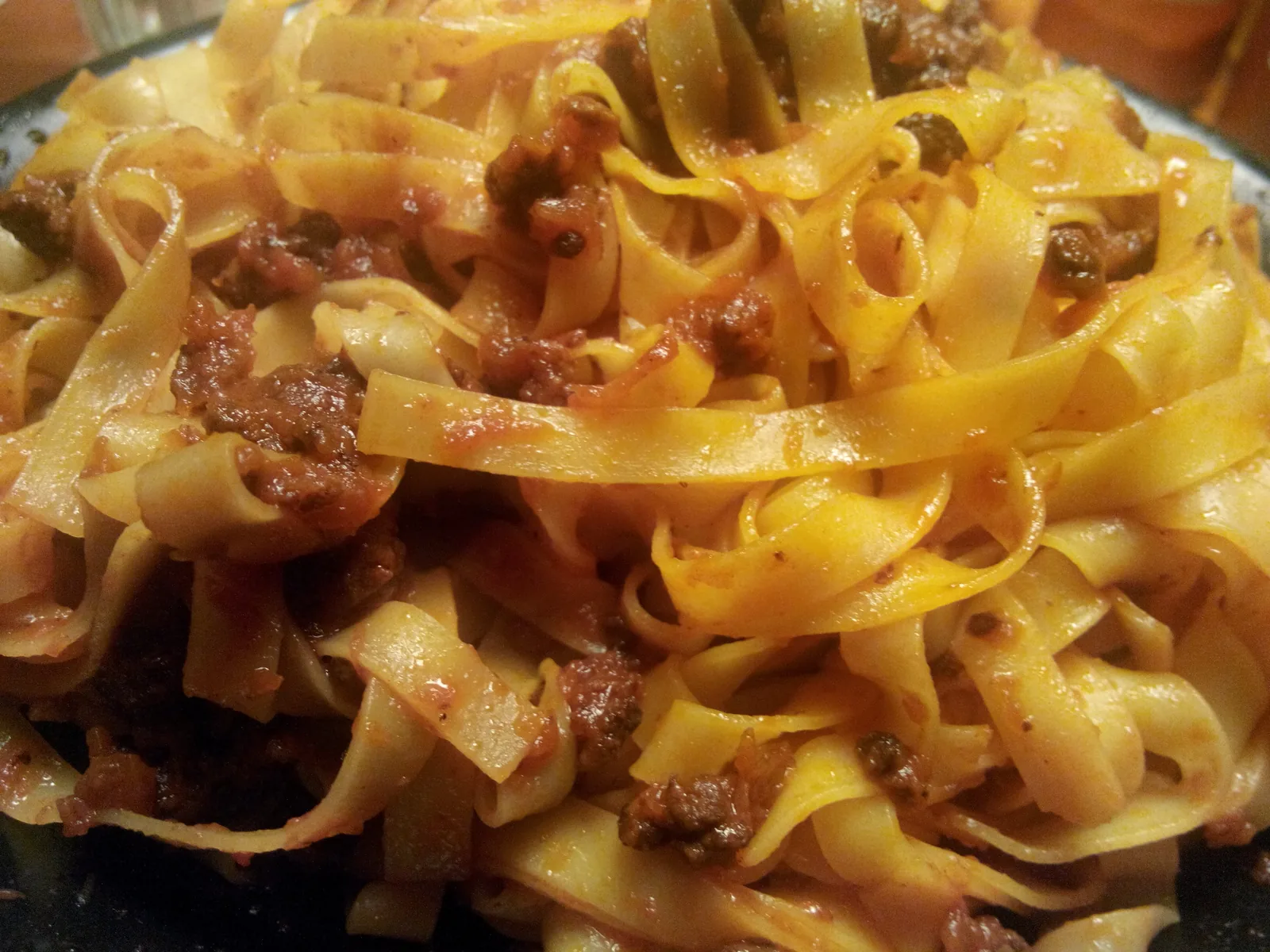
Tagliatelle al ragù Bolognese in a bowl with Parmigiano-Reggiano Italy flag Italy 4h 25m
Lunch •Emilia-Romagna

Tagliatelle al Ragù Bolognese

Slow-braised soffritto and coarse ground heritage meats layered over handmade egg yolk dough for mid-day stamina.

Lean Protein

Slow-simmered beef ragù tossed through fresh egg tagliatelle.

Pairs Well With
Bitter Radicchio & Aged Balsamico di Modena
Pasta & Noodles • High Protein
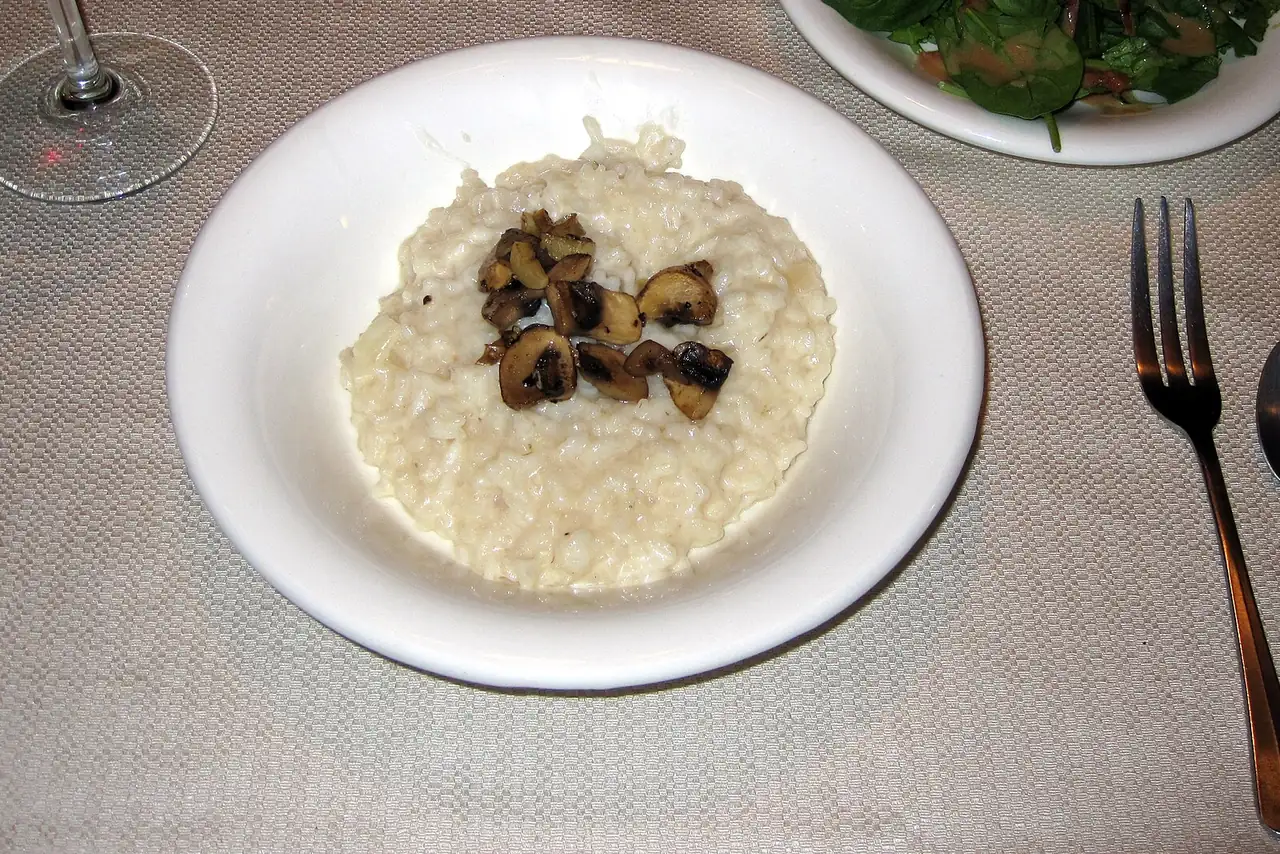
A bowl of creamy mushroom risotto topped with sautéed mushrooms, with a spinach salad beside it Italy flag Italy 50m
Dinner •Milanese Classic

Mushroom Risotto

This mushroom risotto recipe stirs Arborio rice slowly with hot stock, white wine and two kinds of mushrooms, then finishes it the Milanese way with cold butter and Parmesan. One serving is about 500 g.

Comfort & Warmth

Creamy Arborio rice, slowly stirred with mushrooms, white wine and Parmesan.

Pairs Well With
A rocket and Parmesan salad and a glass of dry white wine
Bœuf bourguignon — French beef braised in red wine France flag France 4h
Dinner •Burgundy Terroir

Bœuf Bourguignon

Beef braised gently in red wine until the connective tissue melts into a velvet, gelatin-rich sauce — the classic Burgundy Sunday dinner.

Cellular Repair

Beef braised in red wine until spoon-tender, with mushrooms and pearl onions.

Pairs Well With
Parsnip Purée & Steamed French Haricots Verts
High Protein
Vietnamese braised pork belly with golden eggs in caramel sauce Vietnam flag Vietnam 1h 45m
Dinner •One Pot

Vietnamese Braised Pork and Eggs

Pork belly slowly braised in coconut water and caramel until meltingly tender, with golden eggs that soak up the sweet-savoury sauce — the Vietnamese family dish that tastes better the next day.

Comfort & Sustained Energy

Slow-braised pork belly and eggs in coconut water and caramel.

Pairs Well With
Steamed rice & pickled mustard greens
High Protein

The Dinner Gazette

Never wonder what’s for dinner again

One email a week with easy dinner ideas from around the world — ingredients, steps and nutrition, tested in our kitchen first.

Delivered every Thursday morning. Unsubscribe anytime.