Curated recipes from 193 countries  •  New seasonal Mediterranean issue out now

Overview

Pruimentaart

Belgian Plum Tart, Plum Frangipane Tart, Pruimentaart met Amandel

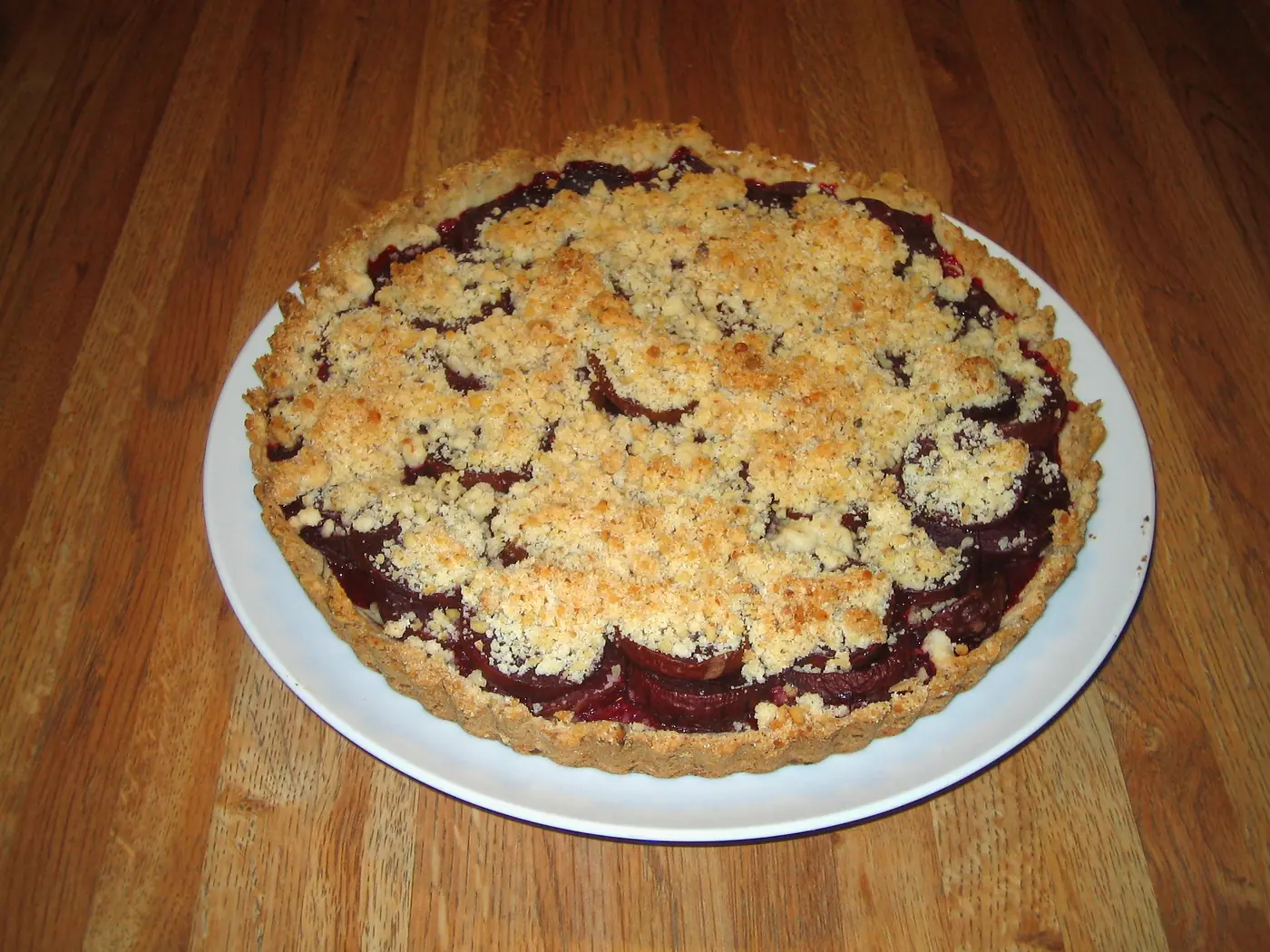
This pruimentaart recipe bakes a crisp shortcrust shell filled with soft almond frangipane, arranged with halved plums and finished with a buttery crumble, until the fruit is jammy and the top is golden. It is the plum tart Belgian bakeries make when plums ripen in late summer — buttery, nutty and not too sweet, with the plums doing most of the talking. One serving is about 172 g.

Pruimentaart is the plum tart of Belgian bakeries, made when the plum harvest comes in during late summer — Belgian growers have long favoured heritage plums such as Bleue de Belgique, a blue-skinned plum with golden flesh that is prized for tarts and jams. The Belgian version sets itself apart with almond frangipane under the fruit and a buttery crumble on top, so each slice has crisp pastry, soft almond cream and jammy plums at once. It is an afternoon-coffee tart rather than a celebration cake, sold by the slice in patisseries across Flanders and Wallonia.

Pairs well with: Lightly whipped cream or a scoop of vanilla ice cream, with a cup of coffee, makes a slice complete.

Provenance

Belgium flag Belgium

Belgian Bakery Classic

Nordic & European

Time Dedication

1h 50m

60m prep • 50m cook

Batch Yield

8 Servings

556 kcal per serving

1 serving ≈ 172 g

Technical Skill

Intermediate

Medium (Pastry and Bake)

Meal Timing & Digestive Fit

Breakfast

Not Advised

Lunch

Inappropriate

Dinner

Inappropriate

Snack & Tea

Ideal Light Bite

Occasions: Afternoon coffee, weekend baking, late-summer desserts, bakery treats, family gatherings Cost: Low — about $2–3 per serving at home
A round plum tart with crumble topping and dark red plums on a white plate

Belgian Bakery Classic

Photo: Karen and Brad Emerson, CC BY 2.0, via Wikimedia Commons

The Heritage Formulary

Measured Ingredients

Estimated cost: Low — about $2–3 per serving at home (USD)

The tart is baked at 180°C (350°F) until the frangipane is set and the crumble is deep golden, and it is cooled in the tin before slicing.

Execution Methodology & Culinary Technique

Step-by-Step Cooking Guide

Active 1h 50m
P

Pastry, Frangipane and Plums

60 minutes

Make the shortcrust pastry, wrap it and chill it for 30 minutes. While it chills, beat the frangipane, toss the halved plums with sugar and lemon zest, and rub the crumble together. Line the tin with the pastry and fill it with frangipane and plums.

Maestro Tip: Keep everything cold — cold butter, cold water, cold hands. Warm pastry shrinks in the oven and turns tough instead of crisp.

  1. 1

    Make the Pastry and Chill It

    35 Minutes Room temperature, about 21°C (70°F)

    Rub the cold butter into the flour, sugar and salt until the mix looks like breadcrumbs, then stir in the beaten egg and just enough cold water to bring it together into a dough. Flatten into a disc, wrap, and chill for 30 minutes.

    Handle the dough as little as possible — overworking it makes the pastry tough. If the dough feels sticky, chill it for 10 minutes more before rolling.

    Done when: The dough is smooth, firm and cold, and holds together without cracking.

  2. 2

    Beat the Frangipane

    10 Minutes Room temperature, about 21°C (70°F)

    Beat the softened butter and sugar until pale and fluffy, then beat in the egg, and fold in the ground almonds until you have a soft, spreadable cream.

    Beat the butter and sugar well — the air in the frangipane is what makes it rise and puff around the plums.

    Done when: The frangipane is pale, fluffy and smooth, with no lumps of butter left.

  3. 3

    Prepare the Plums and Crumble

    10 Minutes Room temperature, about 21°C (70°F)

    Toss the halved plums with the sugar and lemon zest. In a separate bowl, rub the cold butter into the flour, sugar and cinnamon until the mix forms pea-sized crumbs.

    Pat the plums dry before sugaring them — wet plums make the frangipane soggy. Leave the crumble in the fridge until you need it so it stays crisp.

    Done when: The plums are glossy with sugar and the crumble is loose and crumbly, not pasty.

  4. 4

    Line the Tin and Fill

    5 Minutes Room temperature, about 21°C (70°F)

    Preheat the oven to 180°C (350°F). Roll the chilled pastry out and line a 23 cm tart tin, trimming the edges. Spread the frangipane over the base, arrange the plum halves cut-side up in overlapping rings, and scatter the crumble over the top.

    Press the pastry gently into the corners of the tin and prick the base with a fork so it does not puff up. Leave a small rim of pastry above the filling — the frangipane rises as it bakes.

    Done when: The tin is evenly lined, the frangipane is smooth, and the plums sit in neat overlapping rings under the crumble.

  5. 5

    Bake Until Golden

    40 Minutes 180°C (350°F)

    Bake the tart on the middle shelf for 40 minutes, until the crumble is deep golden, the plums are soft and jammy, and the frangipane is set and puffed at the edges.

    If the crumble browns too fast, cover the tart loosely with foil for the last 10 minutes. The frangipane is set when it no longer wobbles in the middle.

    Done when: The crumble is deep golden, the plum juices bubble at the edges, and a skewer in the frangipane comes out clean.

  6. 6

    Cool and Slice

    10 Minutes Room temperature, about 21°C (70°F)

    Cool the tart in the tin for 10 minutes, then lift it out onto a rack and leave it until just warm. Slice with a sharp, thin knife and serve with whipped cream or ice cream.

    Cutting while it is piping hot makes the slices fall apart; 10 minutes in the tin is enough for the frangipane to firm up.

    Done when: The slices hold their shape, with crisp pastry, soft frangipane and jammy plums in every piece.

Finishing Touches & Plating

Let the tart cool in the tin for 10 minutes, then lift it out and cool it on a rack until just warm. Dust lightly with icing sugar if you like, and slice with a sharp, thin knife so the plums keep their shape.

Nutritional Physiology & Benefits

Nutrition

Energy

556

kcal / serving

Protein

9g

Complete AA

Carbs

64g

Complex

Fats

31g

Healthy

Per serving (8 servings · 1 serving ≈ 172 g)
Energy556 kcal
Protein9 g
Carbohydrates64 g
Fat31 g
Fibre4.0 g
Sugar30.6 g
Sodium119 mg
Per 100g
Energy323 kcal
Protein5.3 g
Carbohydrates37.2 g
Fat18 g
Fibre2.3 g
Sugar17.8 g
Sodium69 mg

Nutrition values are estimated — calculated from USDA FoodData Central values for the listed ingredients.

Vitamins & minerals: Provides vitamin C and vitamin A from the plums, vitamin E from the almonds, and calcium from the butter and egg. Nutrition is estimated.

Plums for Vitamin C

The plums bring vitamin C and fibre to the tart, and their tartness means the recipe needs less sugar than most fruit tarts.

Almonds for Energy

Ground almonds add protein, fibre and vitamin E to the frangipane, so a slice is more filling than a plain pastry tart.

Baked, Not Fried

Baked in the oven with real fruit and almonds, this is a straightforward bakery tart with no artificial flavourings.

Food Pairings

What to Eat With

To optimize nutrient absorption and elevate the sensory depth, pair with these authentic accompaniments:

More Pairings

Vanilla Ice Cream

Cold vanilla ice cream melts into the warm tart and balances the plums' tartness with creaminess.

Lightly Whipped Cream

Barely sweetened whipped cream softens the tart's edges without adding much sugar of its own.

Drinks

Coffee

A cup of black coffee is the Belgian way with a slice — its bitterness cuts the tart's sweetness and richness.

Sweet Dessert Wine

A small glass of sweet wine echoes the plums' stone-fruit flavour and turns a slice into a dessert-course finish.

Complete menu

Serve a slice of Pruimentaart with lightly whipped cream and a cup of coffee, or with vanilla ice cream after a light lunch, for a classic Belgian afternoon treat.

Digestive Guardrails

What NOT to Combine

To prevent digestive distress, sluggishness, or palate clash, avoid pairing the dish with these elements:

Wheat, Milk, Egg and Tree-Nut Allergies — Do Not Serve

This tart is made with wheat flour, butter, egg and almonds, so anyone with a wheat, milk, egg or tree-nut allergy must not eat it — there is no substitute that keeps it a pruimentaart. This is general information, not medical advice.

Extra Sugar and Cream

One slice already carries about 30.6 g of sugar, so piling on sweetened cream or ice cream pushes the sugar load up fast — keep the accompaniments plain. This is general information, not medical advice.

Warm Tart Left Out Too Long

A fruit tart with egg frangipane spoils if it sits out for hours. Do not leave it at room temperature for more than 2 hours, and refrigerate leftovers the same day. This is general information, not medical advice.

General information only, not medical advice — consult a doctor for personal dietary decisions.

Who Should Eat It

Who Should Eat

  • General adultsA rich bakery tart — one slice with coffee and a little cream makes a proper Belgian afternoon treat.
  • ChildrenChildren usually love the jammy plums and crumble — serve a small slice, warm but not hot, with ice cream.
  • ElderlySoft and easy to chew once cooled slightly — serve a small slice at room temperature with whipped cream.
  • Pregnant womenSafe when the tart is baked right through and the frangipane is fully set — eat it freshly baked and warm, and keep to one slice.
  • Breastfeeding womenA filling, energy-rich snack; the plums add vitamin C and fibre, so enjoy one slice as part of a varied diet.
  • AthletesAbout 63.9 g of carbohydrate per slice makes this a good energy top-up after training — eat it with a glass of milk for protein.
  • Weight gainAdd a second small slice and a scoop of ice cream to lift the energy of the snack.
  • Weight lossThe tart is rich and sweet, so keep to one small slice, skip the ice cream, and serve it with black coffee instead.

Health Conditions — Adjust or Avoid

Conditions

  • DiabetesOne slice carries about 63.9 g of carbohydrate, mostly from sugar and pastry, so keep to a small slice and skip sweetened cream; ask your clinician about portions.
  • High blood pressureAbout 119 mg of sodium per slice is low, but the sugar is high — keep to one slice and serve it with black coffee; ask your clinician about your sodium target.
  • Kidney diseaseModerate in protein and low in sodium, but the sugar is high, so it may not suit a restricted kidney diet; ask your clinician before eating it.
  • GoutPlums and almonds are low in purines, so a small slice is usually fine — keep the portion small during a flare; ask your clinician for advice.
  • Stomach issuesThe buttery pastry and sweet plums can sit heavily on a sensitive stomach — eat a small slice, chew well, and skip the cream if it troubles you; ask your clinician if symptoms flare.
  • Cardiovascular diseaseThe butter, sugar and pastry make this tart rich in saturated fat and sugar, so keep to one small slice and balance it with plain fruit; ask your clinician about portions.
  • Fatty liverThe butter and sugar add up, so keep the portion to one small slice and serve it with black coffee instead of ice cream; ask your clinician about portions.
  • Food allergiesContains wheat (pastry and crumble), milk (butter), egg and tree nuts (almonds). Check the flour label for other allergens if you are unsure; ask your clinician if you are unsure.
  • Special therapeutic dietsRich, sweet and made with white pastry — it can be adapted with less sugar and a smaller slice, but ask your clinician or dietitian before relying on it for a therapeutic diet.

If you have a medical condition, consult your doctor before changing your diet.

Storage & Use

Storage & Use

How to store
Cool completely, then store in an airtight container or cover the tin with foil.
In the fridge
Baked tart 3–4 days in the fridge.
In the freezer
Baked tart up to 1 month, wrapped well; thaw overnight in the fridge.
How to reheat
Reheat slices in a hot oven at 170°C (340°F) for 8–10 minutes until warm through, to 74°C (165°F); do not microwave, or the pastry goes soft.
Freezing recommended
Yes, baked.
Signs it has spoiled
Sour or off smell, soft and soggy pastry that does not crisp up, or mould on the plums.

More recipes to explore

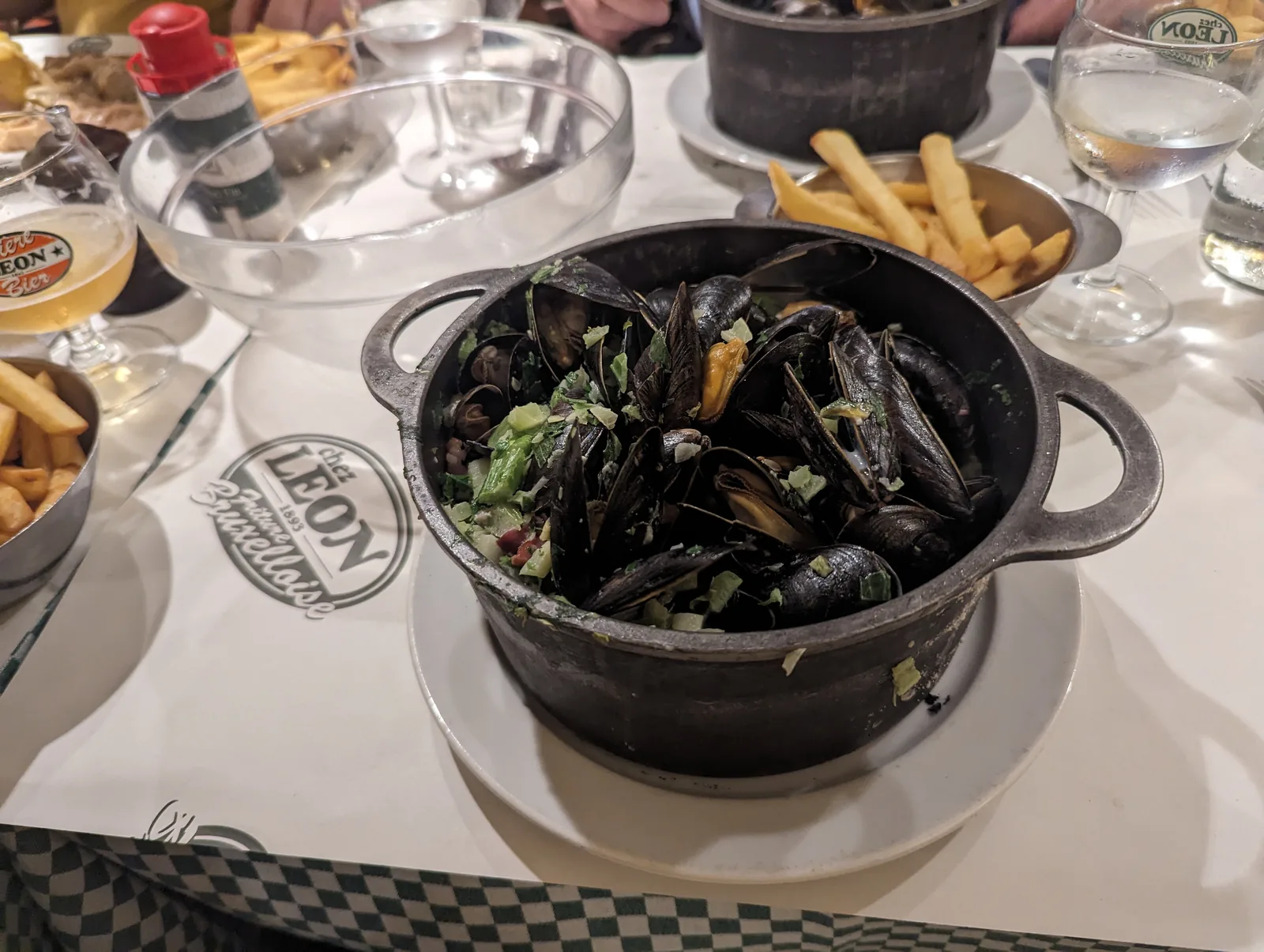
Moules-frites — a black pot of steamed mussels with herbs, served with golden fries at a Brussels brasserie Belgium flag Belgium 1h
Dinner •Brussels Brasserie Classic

Moules-Frites

This moules frites recipe makes the plate Belgium is proudest of: a black pot of mussels steamed open in white wine, shallots and cream, served with a heap of crisp, twice-cooked fries and a pot of mayonnaise. The mussels are sweet and briny, the broth is made for dipping, and the fries stay crisp if you keep them out of the pot. One serving is about 350 g.

Seaside Comfort

Sweet mussels steamed in white wine and cream, piled next to golden twice-cooked fries.

Pairs Well With
Crisp Belgian lager & mayonnaise
High Protein
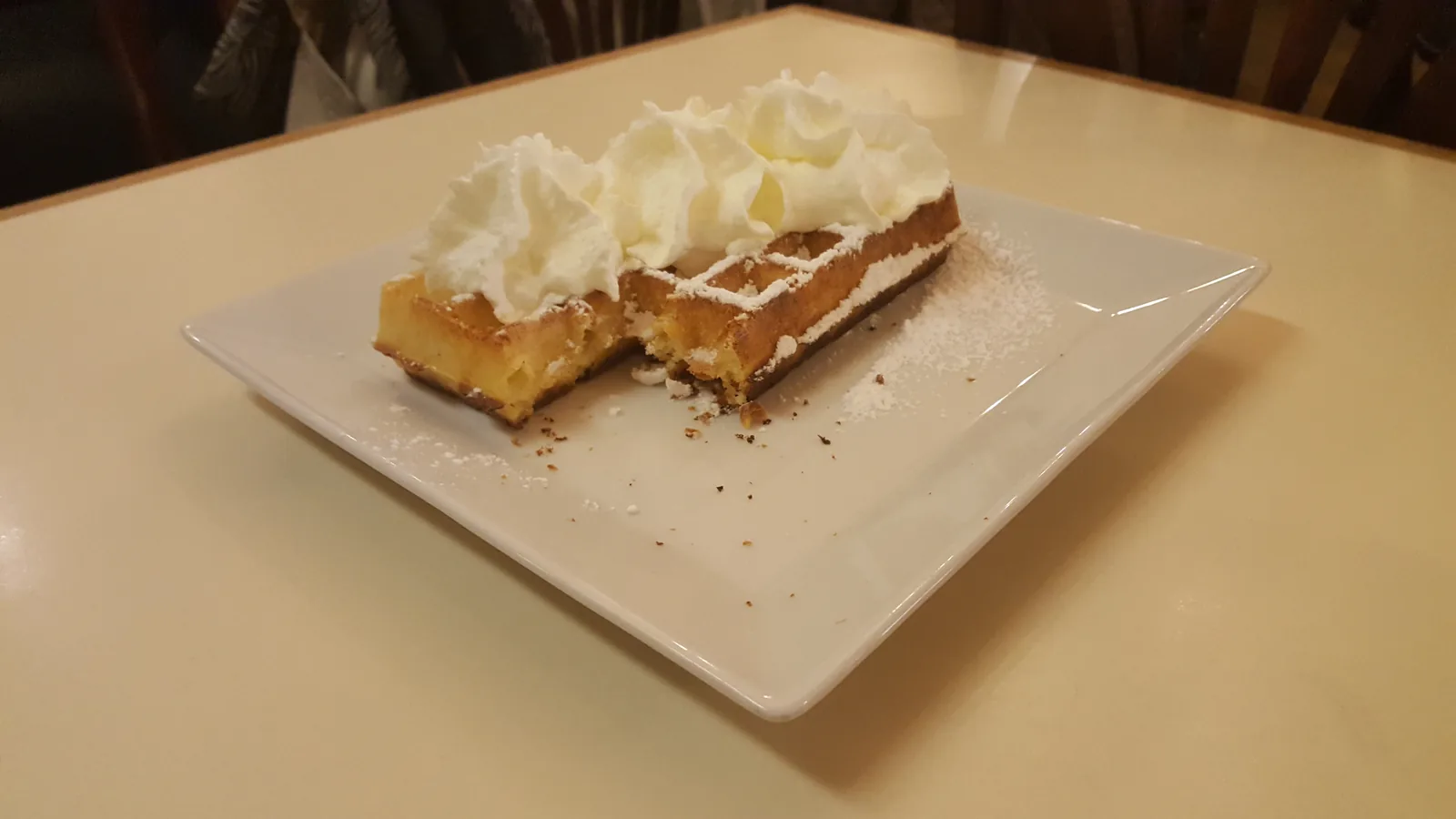
Belgian waffles — a golden Brussels waffle topped with whipped cream and icing sugar on a white plate Belgium flag Belgium 1h 35m
Breakfast •Brussels Bakery Classic

Belgian Waffles

This Belgian waffles recipe makes the light, yeasted kind: a risen batter cooked in a hot iron until the outside is crisp and golden and the inside stays soft and airy. The deep pockets hold butter, syrup or berries, and a dusting of icing sugar is all they really need. This recipe makes 8 waffles; one serving is 2 waffles, about 210 g. Nutrition is for the plain waffles, before toppings.

Weekend Breakfast Treat

Light, yeasted Brussels waffles with deep pockets, crisp outside and soft inside.

Pairs Well With
Strong coffee & fresh berries
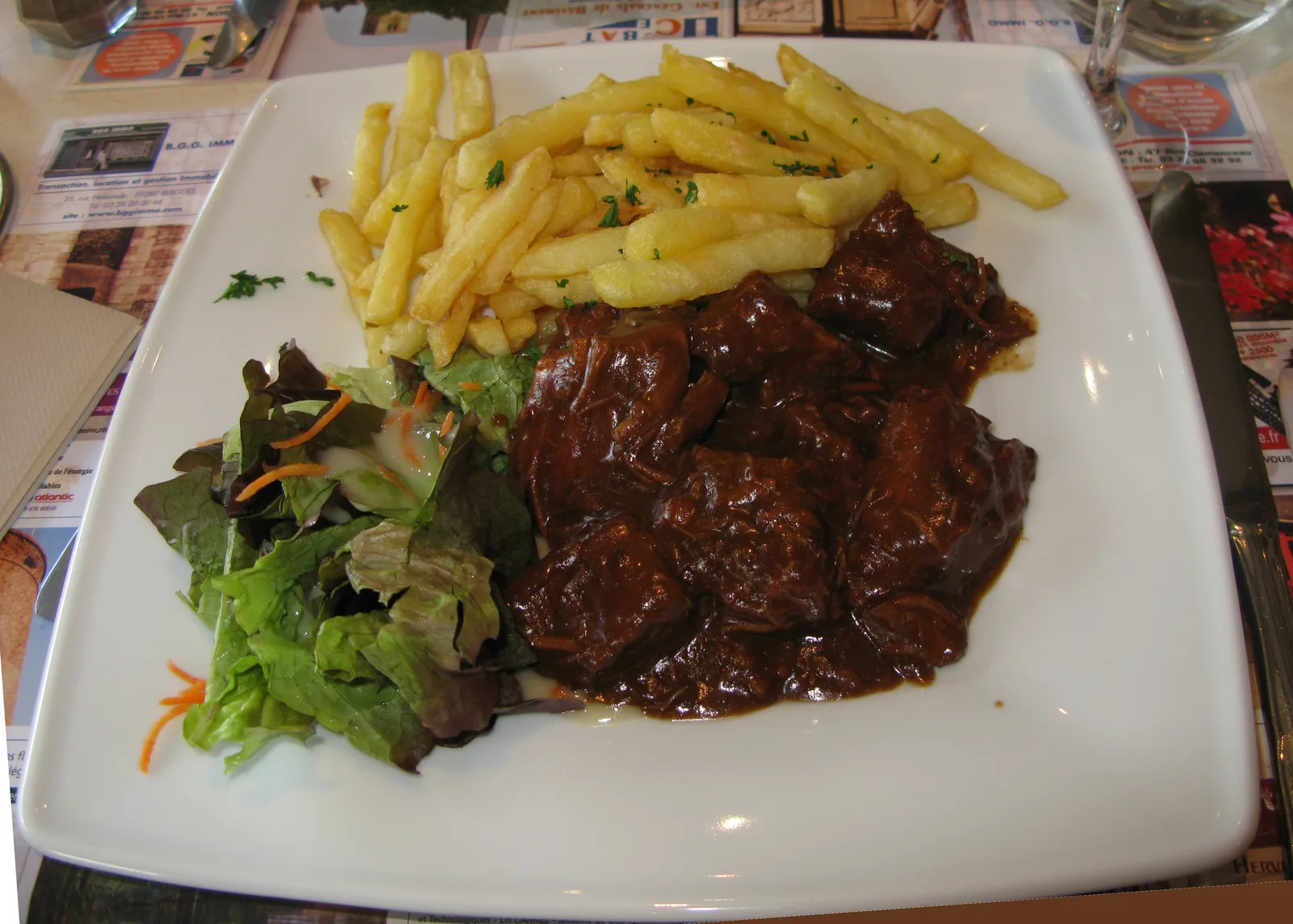
Carbonade flamande — dark beer-braised beef stew with fries and a small salad on a white plate Belgium flag Belgium 2h 55m
Dinner •Flemish Farmhouse Classic

Carbonade Flamande

This carbonade flamande recipe is Flanders' answer to the French beef stew: chunks of beef braised for hours in dark Belgian ale with sweet caramelised onions, thyme and bay, thickened the old way with slices of bread spread with mustard. The sauce turns dark, glossy and sweet-sour, and the beef goes spoon-tender. One serving is about 250 g, not counting the fries or potatoes served alongside.

Slow Sunday Comfort

Beef braised low and slow in dark Belgian ale with onions and mustard bread.

Pairs Well With
Dark Belgian ale & fries
High Protein
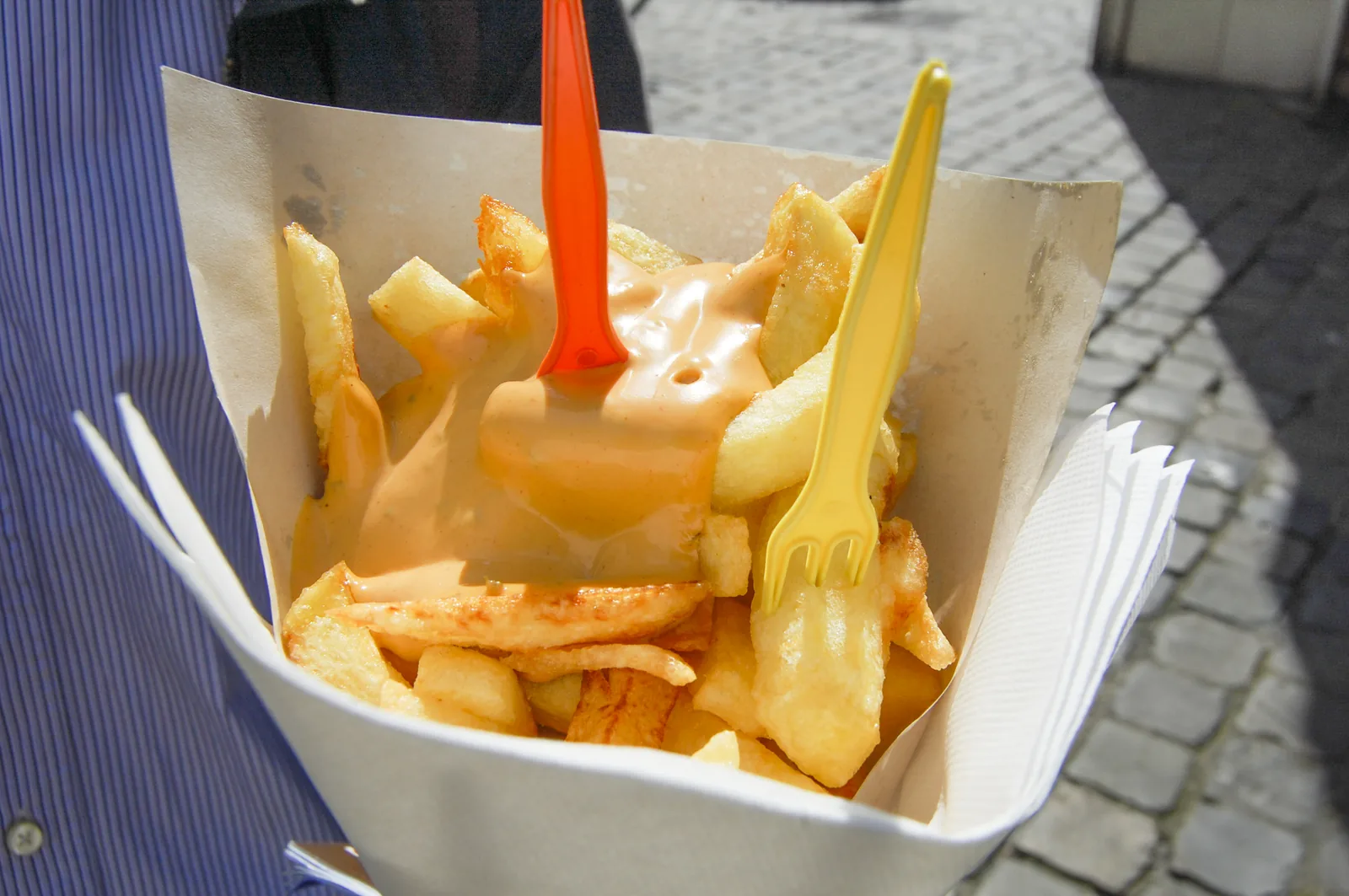
A paper cone of golden Belgian fries topped with andalouse sauce and two small plastic forks. Belgium flag Belgium 55m
Snack & Tea •Brussels Friterie Classic

Belgian Fries

Belgian fries are the real thing: thick batons of floury potato, fried twice — once gently to cook them through, once hot to shatter the outside — and served in a paper cone with andalouse sauce. One serving is about 253 g.

Crisp & Golden

Thick-cut potatoes fried twice in vegetable oil — crisp outside, fluffy inside, with andalouse sauce.

Pairs Well With
Serve hot in a paper cone with andalouse sauce and a cold lager.
Quick Prep (<30m)

The Dinner Gazette

Never wonder what’s for dinner again

One email a week with easy dinner ideas from around the world — ingredients, steps and nutrition, tested in our kitchen first.

Delivered every Thursday morning. Unsubscribe anytime.