Curated recipes from 193 countries  •  New seasonal Mediterranean issue out now

Overview

Rwandan Akabenz

Akabenzi — Rwandan Fried Pork Bites

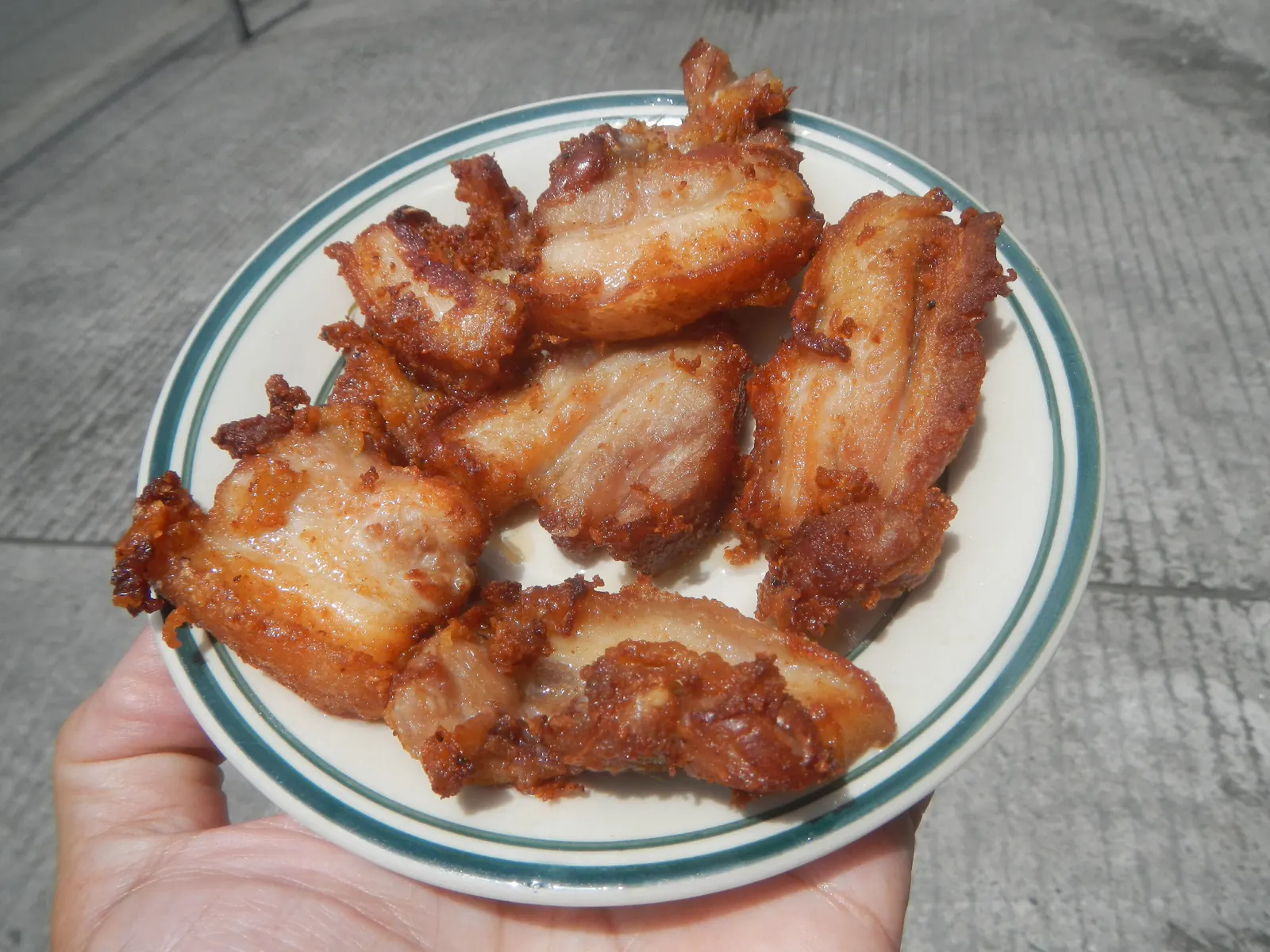
Akabenz is Kigali's famous bar snack: small pieces of pork shoulder marinated with garlic, ginger, tomato paste and chilli, then fried until crisp outside and juicy inside. This akabenz recipe serves the pork hot with lime wedges and fresh coriander, the way it is eaten with a cold drink in Kigali's local bars. One serving is about 250 g.

In Kigali, akabenz is the pork dish of the local bars: small pieces of pork, dry-fried with tomato, garlic and ginger, eaten with the fingers over a cold drink. Locals link the name to the Mercedes-Benz — some say the pig's snout resembles the car's three-pointed logo, others that an old bar stood near a parked Benz and people called it 'a ka Benzi', near the Benz. A few newer online recipes make the same dish with chicken, but the Kigali original, served at the Akabenzi Restaurant and in neighbourhood bars, is pork.

Pairs well with: Boiled rice or fried plantains, kachumbari salad, and a cold drink

Provenance

Rwanda flag Rwanda

Rwanda Heritage

African Heritage

Time Dedication

50m

30m prep • 20m cook

Batch Yield

4 Servings

507 kcal per serving

1 serving ≈ 250 g

Technical Skill

Intermediate

Intermediate (Pan-Fried)

Meal Timing & Digestive Fit

Breakfast

Not Advised

Lunch

Hearty Midday Main

Dinner

Ideal Hearty Main

Snack & Tea

Inappropriate

High Protein Occasions: Bar snacks, evening gatherings with friends, casual dinners, celebrations Cost: Medium — about $4–5 per serving at home
Crispy fried pork pieces on a small plate held in a hand

Rwanda Heritage

Photo: Judgefloro, CC0, via Wikimedia Commons

The Heritage Formulary

Measured Ingredients

Estimated cost: Medium — about $4–5 per serving at home (USD)

Good akabenz is crisp at the edges, juicy inside, and seasoned all the way through — never greasy, never raw in the middle.

Execution Methodology & Culinary Technique

Step-by-Step Cooking Guide

Active 50m
P

Prep Stage: Cut the Pork & Mix the Marinade

30 Mins • Includes 20 Min Marinating

Cut the pork shoulder into even 3 cm bite-size pieces. In a large bowl, mix the tomato paste, garlic, ginger, lime juice, paprika, chilli flakes, black pepper and salt into a thick paste. Toss the pork through the marinade until every piece is coated, cover, and leave for at least 20 minutes at room temperature (or up to overnight in the fridge). While it marinates, slice the onion and dice the tomatoes.

Maestro Tip: Even pieces are everything: a mix of big and small chunks means some burn while others stay raw in the middle.

  1. 1

    Cut and Marinate the Pork

    25 Mins • 20 Min Marinating No heat

    Cut the pork into even 3 cm pieces. Mix the tomato paste, garlic, ginger, lime juice, paprika, chilli flakes, black pepper and salt into a paste, then toss the pork through it until every piece is coated. Cover and leave for at least 20 minutes so the spices soak in.

    If you have time, marinate overnight in the fridge — the flavour goes deeper and the meat stays juicier.

    Done when: Every pork piece is evenly coated in a deep-red spice paste.

  2. 2

    Slice the Onion and Tomato

    5 Mins • Hands-On No heat

    Peel the onion and slice it thinly. Dice the tomatoes into small pieces and chop the coriander, keeping the garnish separate. Set everything beside the stove so the frying moves fast once the oil is hot.

    Thin onion slices soften in minutes; thick wedges stay raw while the pork overcooks.

    Done when: Onion sliced thin, tomato diced, coriander chopped and ready.

  3. 3

    Fry the Pork Crisp

    12 Mins • Turning Often Medium-high heat, oil about 175°C (350°F); pork to at least 71°C (160°F) inside

    Heat the oil in a large frying pan over medium-high heat until a piece of pork sizzles hard on contact. Fry the pork in two batches, in a single layer, for 5–6 minutes per side, turning once or twice. Do not crowd the pan or the pork steams instead of crisping. Lift the pieces onto a plate lined with paper towel and check the thickest piece with a thermometer: it must reach at least 71°C (160°F) inside.

    Let the oil come back up to heat between batches — a second batch dropped into cooling oil turns greasy.

    Done when: Deep golden-brown pieces with crisp edges; centre at least 71°C (160°F), juices running clear.

  4. 4

    Build the Onion-Tomato Sauce

    6 Mins • Medium Heat Medium heat, about 160°C (320°F)

    Tip out most of the oil, leaving about 1 tablespoon in the pan. Fry the onion for 2 minutes until soft and sweet, then add the tomato and cook for 3 minutes until it breaks down into a loose sauce. Return the pork to the pan and toss for 1 minute so every piece is coated and heated through.

    If the pan looks dry, add a spoonful of water — the sauce should coat the pork, not drown it.

    Done when: Onion soft and sweet, tomato broken down, pork glossy and coated.

  5. 5

    Rest, Lime and Serve

    2 Mins • Resting No heat

    Take the pan off the heat and rest the pork for 2 minutes. Scatter over the chopped coriander, squeeze over a little extra lime juice, and serve hot with lime wedges on the side.

    The short rest lets the juices settle back into the meat instead of running out on the plate.

    Done when: Pork rested, glistening with sauce, topped with green coriander and lime.

Finishing Touches & Plating

Serve the akabenz hot, straight from the pan, with boiled rice or fried plantains and a crisp kachumbari salad. Eat the small pieces with your fingers, the Kigali bar way, with a cold drink alongside.
Nutritional Physiology & Benefits

Nutrition

Energy

507

kcal / serving

Protein

36g

Complete AA

Carbs

10g

Complex

Fats

36g

Healthy

Per serving (4 servings · 1 serving ≈ 250 g)
Energy507 kcal
Protein36 g
Carbohydrates10 g
Fat36 g
Fibre2.3 g
Sugar3.9 g
Sodium523 mg
Per 100g
Energy203 kcal
Protein14.2 g
Carbohydrates4 g
Fat14.5 g
Fibre0.9 g
Sugar1.6 g
Sodium209 mg

Nutrition values are estimated — calculated from USDA FoodData Central values for the listed ingredients.

Vitamins & minerals: Vitamin B1 (thiamine) and B6, niacin, zinc and selenium (pork), vitamin C (tomato, lime and coriander), and vitamin A (paprika). Nutrition values are estimated.

Serious Protein

About 35 g of protein per serving makes akabenz a filling, high-protein dinner that keeps you full for hours.

Thiamine & Zinc

Pork is one of the richest food sources of vitamin B1 (thiamine), and it also supplies zinc and selenium.

Tomato, Lime & Coriander

The tomato, lime and fresh coriander add vitamin C, which helps the body absorb iron from the meal.

Food Pairings

What to Eat With

To optimize nutrient absorption and elevate the sensory depth, pair with these authentic accompaniments:

Sides

Boiled Rice

Plain boiled rice is the classic Kigali accompaniment — it soaks up the spicy tomato sauce and cools the chilli heat.

Fried Plantains (Mizuzu)

Sweet, caramelised plantains balance the salty, spicy pork and are the traditional Rwandan side for akabenz.

Vegetables

Kachumbari Salad

Cool tomato, onion and lemon salad cuts through the richness of the fried pork and refreshes the palate between bites.

Drinks

Cold Beer or Sparkling Water

A cold, fizzy drink is the bar pairing for akabenz — the bubbles clean the palate after each rich, spicy bite.

Complete menu

Start with akabenz hot from the pan, with boiled rice, fried plantains and kachumbari salad on the side, and a cold drink to finish.

Digestive Guardrails

What NOT to Combine

To prevent digestive distress, sluggishness, or palate clash, avoid pairing the dish with these elements:

Eating Undercooked Pork

Pork must reach at least 71°C (160°F) in the centre. Undercooked pork can carry harmful bacteria, so use a thermometer rather than guessing. This is general food-safety information, not medical advice.

Reusing Old Frying Oil

Oil that has been heated many times or left to smoke can taste bitter and is harder on digestion. Fry in fresh oil and discard it once it darkens or smells stale. This is general food-safety information, not medical advice.

General information only, not medical advice — consult a doctor for personal dietary decisions.

Who Should Eat It

Who Should Eat

  • General adultsA satisfying high-protein dinner; balance the plate with rice and salad, not just pork.
  • ChildrenSuitable from age 5+; cut the pork small, cook it well done, and leave out the chilli flakes.
  • ElderlySuitable if the pork is tender and cut small; choose shoulder and chew well.
  • Pregnant womenGenerally suitable when the pork is cooked through to at least 71°C (160°F); avoid pink centres.
  • Breastfeeding womenGenerally suitable; the protein, zinc and B vitamins support recovery — keep portions moderate.
  • AthletesStrong post-training choice: about 35 g protein per serving with rice for energy.
  • Weight gainA good choice — protein-rich and energy-dense; add rice or plantains for extra calories.
  • Weight lossBest in a modest portion with plenty of salad; trim visible fat and keep the rice portion small.

Health Conditions — Adjust or Avoid

Conditions

  • DiabetesThe pork itself is very low in carbohydrate; watch the rice or plantain portion and ask your clinician.
  • High blood pressureSalt and tomato paste push sodium up; use a light hand with salt and skip extra salt at the table — ask your clinician.
  • Kidney diseasePork is high in protein and phosphorus; keep portions modest and ask your clinician.
  • GoutPork is high in purines; eat akabenz occasionally and in smaller portions — ask your clinician.
  • Stomach issuesFried, spicy pork can be heavy; eat slowly, chew well, and skip extra chilli if your stomach is sensitive.
  • Cardiovascular diseaseFried pork is high in saturated fat; choose a leaner cut, trim fat, and keep portions moderate — ask your clinician.
  • Fatty liverKeep the portion modest, trim the fat, and load the plate with salad rather than rice — ask your clinician.
  • Food allergiesContains pork. People with a pork allergy must avoid this dish — check with your clinician.
  • Special therapeutic dietsIf you follow a prescribed low-sodium or low-purine diet, use less salt and a smaller portion, and check with your clinician.

If you have a medical condition, consult your doctor before changing your diet.

Storage & Use

Storage & Use

How to store
Cool quickly and store the cooked pork in an airtight container, separate from the rice.
In the fridge
Cooked pork 3 days.
In the freezer
Up to 2 months.
How to reheat
Reheat in a hot pan or oven until steaming hot, to 74°C (165°F); add a splash of water so it does not dry out.
Freezing recommended
Yes for the cooked pork, up to 2 months; the onion and tomato soften on thawing.
Signs it has spoiled
Sour or off smell, slimy surface, or grey discolouration.

More recipes to explore

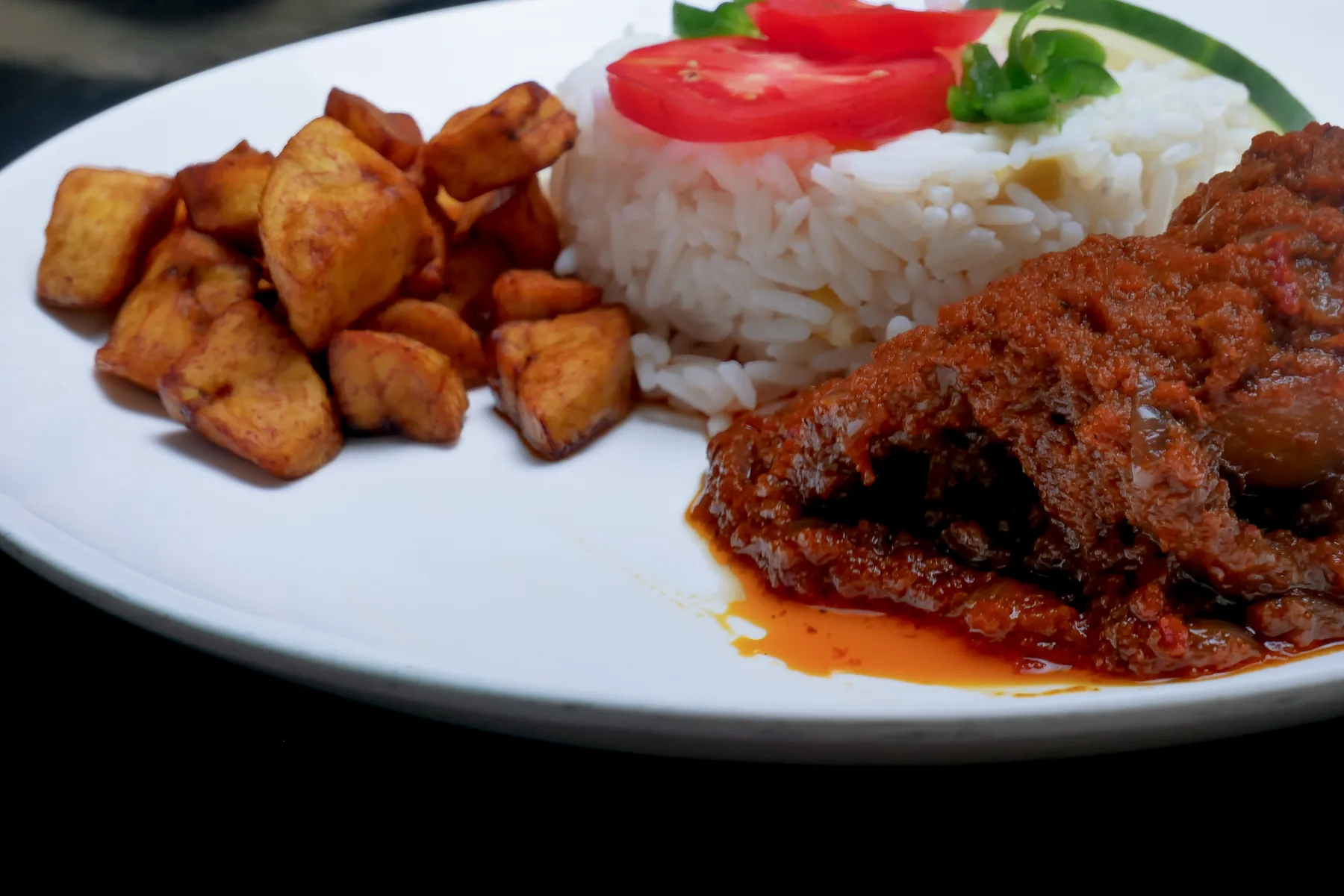
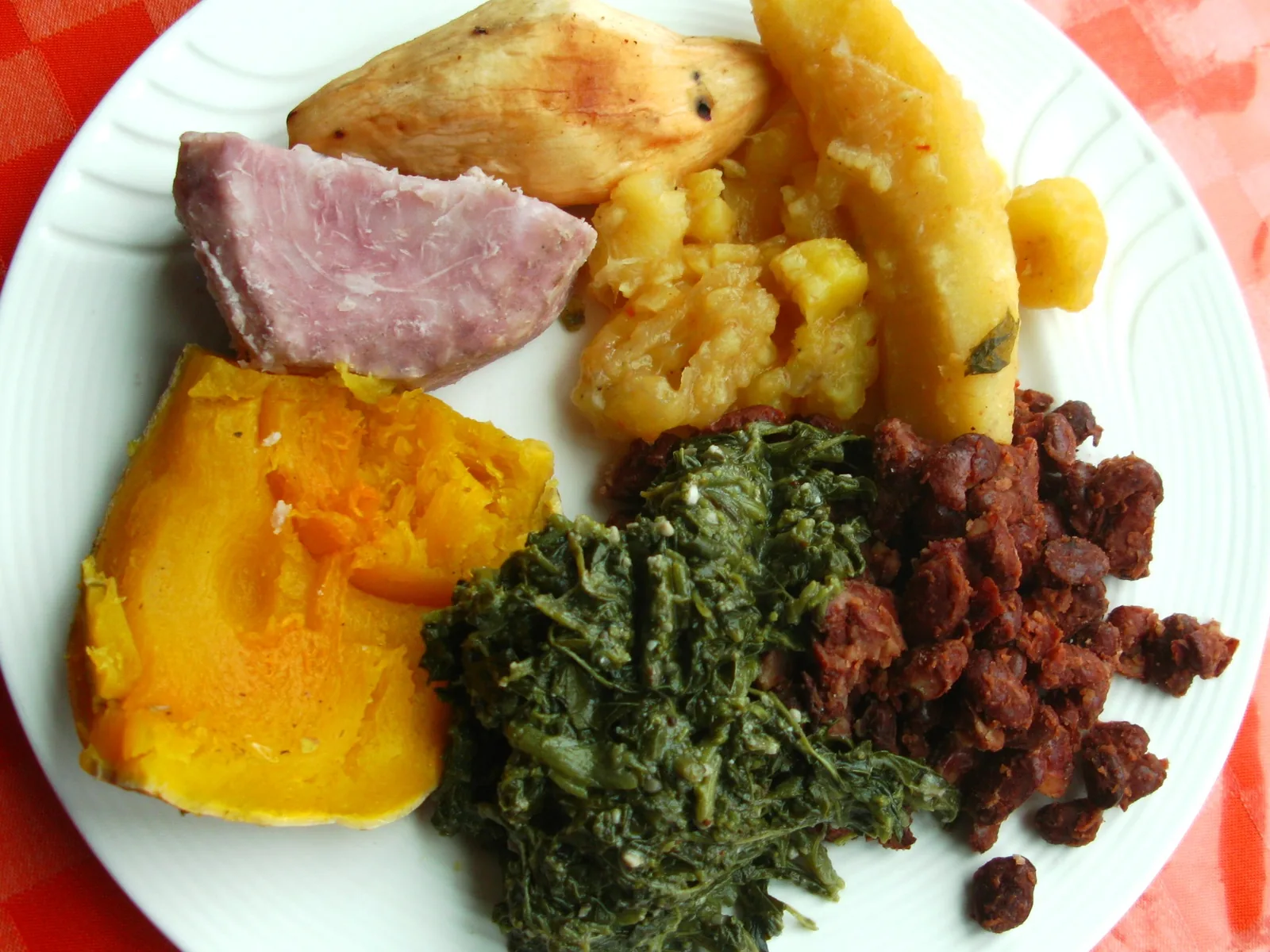
A traditional Rwandan lunch plate with pumpkin, red beans, sweet potato, plantain, taro and amaranth greens Rwanda flag Rwanda 40m
Lunch •Rwanda Heritage

Rwandan Igihaza

Igihaza is Rwanda's boiled squash and beans: chunks of pumpkin simmered with tender red beans, onion and sweet pepper until soft and flavourful. This igihaza recipe is a gentle, filling lunch straight from the Rwandan home garden. One serving is about 400 g.

Hearty Squash & Beans

Boiled pumpkin simmered with red beans, onion and sweet pepper in bean broth — a simple Rwandan garden lunch.

Pairs Well With
Steamed rice or ugali, with a spoonful of chilli sauce on the side
Stewed chicken in a rich red tomato sauce served with white rice and fried plantain Rwanda flag Rwanda 1h 5m
Dinner •Rwanda Heritage

Rwandan Chicken Stew (Inyama y'Inkoko)

Inyama y'inkoko is Rwanda's home-style chicken stew: bone-in chicken fried golden, then simmered slowly in mashed tomato with onion, celery and a hot chilli until the sauce turns thick and brick-red. This rwandan chicken stew recipe is the kind of one-pot dinner Rwandan families cook on ordinary evenings and serve with rice and fried plantain. One serving is about 450 g.

Comforting Tomato Chicken Stew

Bone-in chicken simmered in a fresh tomato, celery and chilli sauce — a warming Rwandan family dinner.

Pairs Well With
Steamed rice and fried plantain, with sliced tomato and cucumber on the side
High Protein
Bœuf bourguignon — French beef braised in red wine France flag France 4h
Dinner •Burgundy Terroir

Bœuf Bourguignon

Beef braised gently in red wine until the connective tissue melts into a velvet, gelatin-rich sauce — the classic Burgundy Sunday dinner.

Cellular Repair

Beef braised in red wine until spoon-tender, with mushrooms and pearl onions.

Pairs Well With
Parsnip Purée & Steamed French Haricots Verts
High Protein
Vietnamese braised pork belly with golden eggs in caramel sauce Vietnam flag Vietnam 1h 45m
Dinner •One Pot

Vietnamese Braised Pork and Eggs

Pork belly slowly braised in coconut water and caramel until meltingly tender, with golden eggs that soak up the sweet-savoury sauce — the Vietnamese family dish that tastes better the next day.

Comfort & Sustained Energy

Slow-braised pork belly and eggs in coconut water and caramel.

Pairs Well With
Steamed rice & pickled mustard greens
High Protein

The Dinner Gazette

Never wonder what’s for dinner again

One email a week with easy dinner ideas from around the world — ingredients, steps and nutrition, tested in our kitchen first.

Delivered every Thursday morning. Unsubscribe anytime.