
Curated recipes from 193 countries  •  New seasonal Mediterranean issue out now

Overview

Rwandan Igihaza

Igihaza — Rwandan Squash and Beans

Igihaza is Rwanda's boiled squash and beans: chunks of pumpkin simmered with tender red beans, onion and sweet pepper until soft and flavourful. This igihaza recipe is a gentle, filling lunch straight from the Rwandan home garden. One serving is about 400 g.

Pumpkin grows in the backyard garden of most Rwandan homes, and igihaza is the simple dish it becomes: pumpkin boiled with the beans that grow beside it. It is everyday home food rather than restaurant food — cooked in one pot, eaten at lunch, and different in every household. Do not confuse it with ibihaza, which is beans on their own; in igihaza the squash is a co-main, giving the plate its sweet, soft heart.

Pairs well with: Steamed rice or ugali, with a spoonful of chilli sauce on the side

Provenance

Rwanda flag Rwanda

Rwanda Heritage

African Heritage

Time Dedication

40m

15m prep • 25m cook

Batch Yield

4 Servings

340 kcal per serving

1 serving ≈ 400 g

Technical Skill

Easy

Easy (One Pot)

Meal Timing & Digestive Fit

Breakfast

Not Advised

Lunch

Prime Metabolic Fit

Dinner

Ideal Hearty Main

Snack & Tea

Inappropriate

Occasions: Family lunches, garden harvests, simple weekday meals, vegetarian gatherings Cost: Low — about $2–3 per serving at home
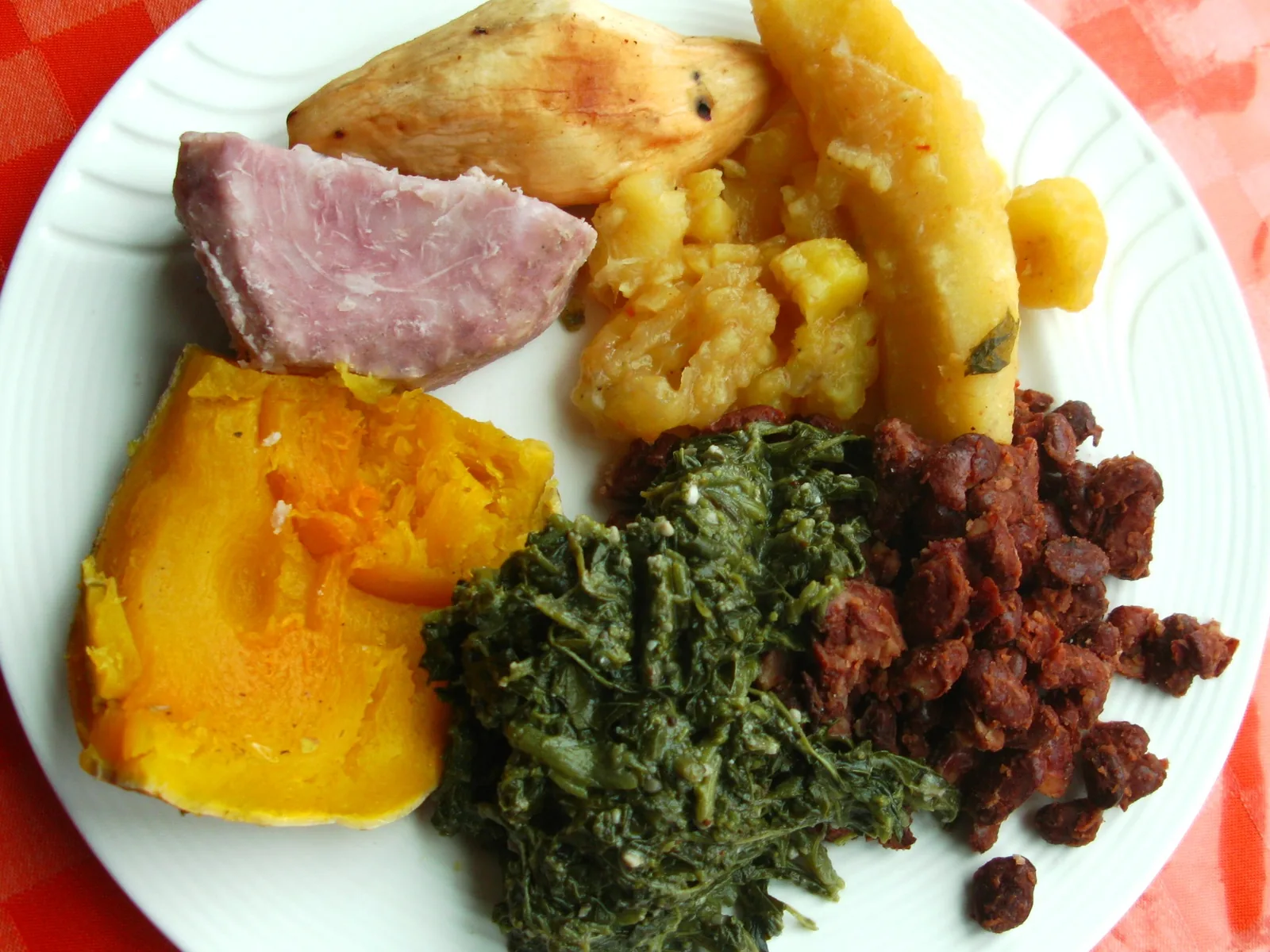
A traditional Rwandan lunch plate with pumpkin, red beans, sweet potato, plantain, taro and amaranth greens

Rwanda Heritage

Photo: AnnaJB, CC BY-SA 4.0, via Wikimedia Commons

The Heritage Formulary

Measured Ingredients

Estimated cost: Low — about $2–3 per serving at home (USD)

Good igihaza keeps the pumpkin in soft cubes and the beans whole — never mushy, never watery.

Execution Methodology & Culinary Technique

Step-by-Step Cooking Guide

Active 40m
P

Prep Stage: Cut the Pumpkin & Ready the Beans

15 Mins • Hands-On

Cut the pumpkin in half, scoop out the seeds and fibres with a spoon, peel it, and cut the flesh into large cubes — big pieces hold their shape in the pot. Drain and rinse the cooked beans. Dice the onion and bell pepper, mince the garlic, and measure out the oil, bean liquid and spices so everything is ready before the pot goes on the heat.

Maestro Tip: Keep the pumpkin cubes large: small pieces turn to mush before the beans have had time to pick up flavour.

  1. 1

    Soften the Onion and Pepper

    5 Mins • Medium Heat Medium heat, about 160°C (320°F)

    Pour the olive oil into a large saucepan over medium heat. Add the onion and bell pepper and cook for about 4 minutes, stirring, until the onion is soft and sweet. Stir in the garlic and paprika and cook for 1 minute more, until fragrant.

    Do not let the garlic brown — browned garlic turns bitter and will flavour the whole pot.

    Done when: Onion soft and translucent, garlic fragrant, peppers just softened.

  2. 2

    Simmer the Pumpkin

    12 Mins • Covered Medium heat, about 160°C (320°F)

    Add the pumpkin cubes and the bean cooking liquid or water to the pan. Bring to a gentle boil, then turn the heat down, cover, and simmer for about 12 minutes. The pumpkin should be tender when pierced with a fork but still holding its shape — check after 10 minutes so it does not overcook.

    Lift the lid as little as possible: the steam does the cooking, and every peek lets heat escape.

    Done when: Pumpkin tender when pierced, still in cubes, liquid gently bubbling.

  3. 3

    Add the Beans

    5 Mins • Gentle Simmer Low heat, about 120°C (250°F)

    Stir in the cooked beans, salt and black pepper. Simmer uncovered for about 5 minutes, stirring gently once, until the beans are heated through and the liquid has started to thicken slightly.

    Stir gently and only once — vigorous stirring breaks the pumpkin into mush.

    Done when: Beans heated through, sauce lightly thickened, pumpkin still in soft cubes.

  4. 4

    Rest and Serve

    3 Mins • Resting No heat

    Take the pan off the heat and let the igihaza rest for 3 minutes so the flavours settle. Taste and adjust the salt, scatter over the chopped coriander, and serve hot in wide bowls.

    The short rest lets the bean broth thicken a little more around the pumpkin.

    Done when: Dish rested, broth lightly thickened, topped with fresh coriander.

Finishing Touches & Plating

Serve the igihaza hot in wide bowls, with steamed rice or ugali on the side and a spoonful of chilli sauce for those who like heat. It is a quiet, filling lunch — best eaten slowly, with the pumpkin and beans in every spoonful.

Nutritional Physiology & Benefits

Nutrition

Energy

340

kcal / serving

Protein

16g

Complete AA

Carbs

55g

Complex

Fats

8g

Healthy

Per serving (4 servings · 1 serving ≈ 400 g)
Energy340 kcal
Protein16 g
Carbohydrates55 g
Fat8 g
Fibre13.7 g
Sugar8.7 g
Sodium398 mg
Per 100g
Energy85 kcal
Protein4.1 g
Carbohydrates13.7 g
Fat2 g
Fibre3.4 g
Sugar2.2 g
Sodium100 mg

Nutrition values are estimated — calculated from USDA FoodData Central values for the listed ingredients.

Vitamins & minerals: Vitamin A (pumpkin), vitamin C (bell pepper), folate and iron (red beans), and potassium (pumpkin and beans). Nutrition values are estimated.

Fibre-Rich Plate

About 14 g of fibre per serving, from beans and pumpkin, supports healthy digestion and steady fullness.

Plant Protein

About 16 g of protein per serving from red beans alone — a solid plant-based lunch with no meat needed.

Vitamin A & Folate

Pumpkin is rich in vitamin A and the beans supply folate and iron, nutrients that support eyesight and healthy blood.

Food Pairings

What to Eat With

To optimize nutrient absorption and elevate the sensory depth, pair with these authentic accompaniments:

Sides

Steamed Rice

Plain steamed rice is the usual partner — it soaks up the bean broth and turns a garden plate into a full lunch.

Ugali (Bugali)

A soft ball of maize porridge is the Rwandan table staple; it scoops up the pumpkin and beans and makes the meal more filling.

Vegetables

Amaranth Greens (Dodo)

A side of simply cooked amaranth leaves adds colour, iron and a gentle bitterness that balances the sweet pumpkin.

Drinks

Chilli Sauce or Akabanga

A few drops of Rwandan chilli oil wake up the mild pumpkin and beans — add it at the table, not in the pot, so everyone chooses their own heat.

Complete menu

Start with igihaza in wide bowls, with steamed rice or ugali and amaranth greens on the side, and chilli sauce at the table.

Digestive Guardrails

What NOT to Combine

To prevent digestive distress, sluggishness, or palate clash, avoid pairing the dish with these elements:

Undercooked Dry Beans

Dry beans must be soaked and boiled until fully tender before they are added to the dish — undercooked kidney beans can cause stomach upset. If in doubt, use canned beans that are already cooked. This is general food-safety information, not medical advice.

Overcooking the Pumpkin

Pumpkin that is boiled too long collapses into mush and loses its texture and much of its flavour. Simmer gently and check early. This is general cooking guidance, not medical advice.

General information only, not medical advice — consult a doctor for personal dietary decisions.

Who Should Eat It

Who Should Eat

  • General adultsA gentle, filling plant-based lunch; a full plate with rice or ugali.
  • ChildrenVery suitable — soft pumpkin and beans are easy to eat; mash the pumpkin for younger children.
  • ElderlyVery suitable — soft, easy to chew, and easy to digest; serve warm, not hot.
  • Pregnant womenGenerally suitable; the folate and iron from beans are useful in pregnancy — keep salt moderate.
  • Breastfeeding womenGenerally suitable; the protein, iron and fibre support recovery — drink plenty of water with the fibre.
  • AthletesA good recovery lunch: about 16 g protein plus slow carbohydrates from beans and pumpkin.
  • Weight gainA good choice — filling and nutritious; add ugali or rice for extra energy.
  • Weight lossAn excellent choice — high in fibre and low in fat, so a full plate stays modest in calories.

Health Conditions — Adjust or Avoid

Conditions

  • DiabetesBeans and pumpkin are slow carbohydrates, but the portion still counts — keep the rice portion small and ask your clinician.
  • High blood pressureBeans and pumpkin are naturally low in sodium; keep the added salt light and skip extra salt at the table.
  • Kidney diseaseBeans are high in potassium and phosphorus; keep portions modest and ask your clinician.
  • GoutBeans contain moderate purines; eat igihaza in normal portions rather than very large ones — ask your clinician.
  • Stomach issuesBeans can cause gas; rinse canned beans well and chew slowly. Skip the chilli sauce if your stomach is sensitive.
  • Cardiovascular diseaseA heart-friendly plate — low in fat, high in fibre, and made with olive oil; keep salt moderate — ask your clinician.
  • Fatty liverA good choice — low-fat, high-fibre, and plant-based; keep the rice portion modest.
  • Food allergiesContains legumes (kidney beans). People with a legume allergy must avoid this dish — check with your clinician.
  • Special therapeutic dietsIf you follow a prescribed low-potassium or low-phosphorus diet, keep the bean portion smaller and check with your clinician.

If you have a medical condition, consult your doctor before changing your diet.

Storage & Use

Storage & Use

How to store
Cool quickly and store in an airtight container.
In the fridge
Cooked igihaza 3 days.
In the freezer
Up to 2 months; the pumpkin softens further on thawing.
How to reheat
Reheat gently in a pan with a splash of water until steaming hot, to 74°C (165°F); stir gently so the pumpkin keeps its shape.
Freezing recommended
Yes, up to 2 months, though the texture is best fresh.
Signs it has spoiled
Sour smell, slimy surface, or mould on top.

More recipes to explore

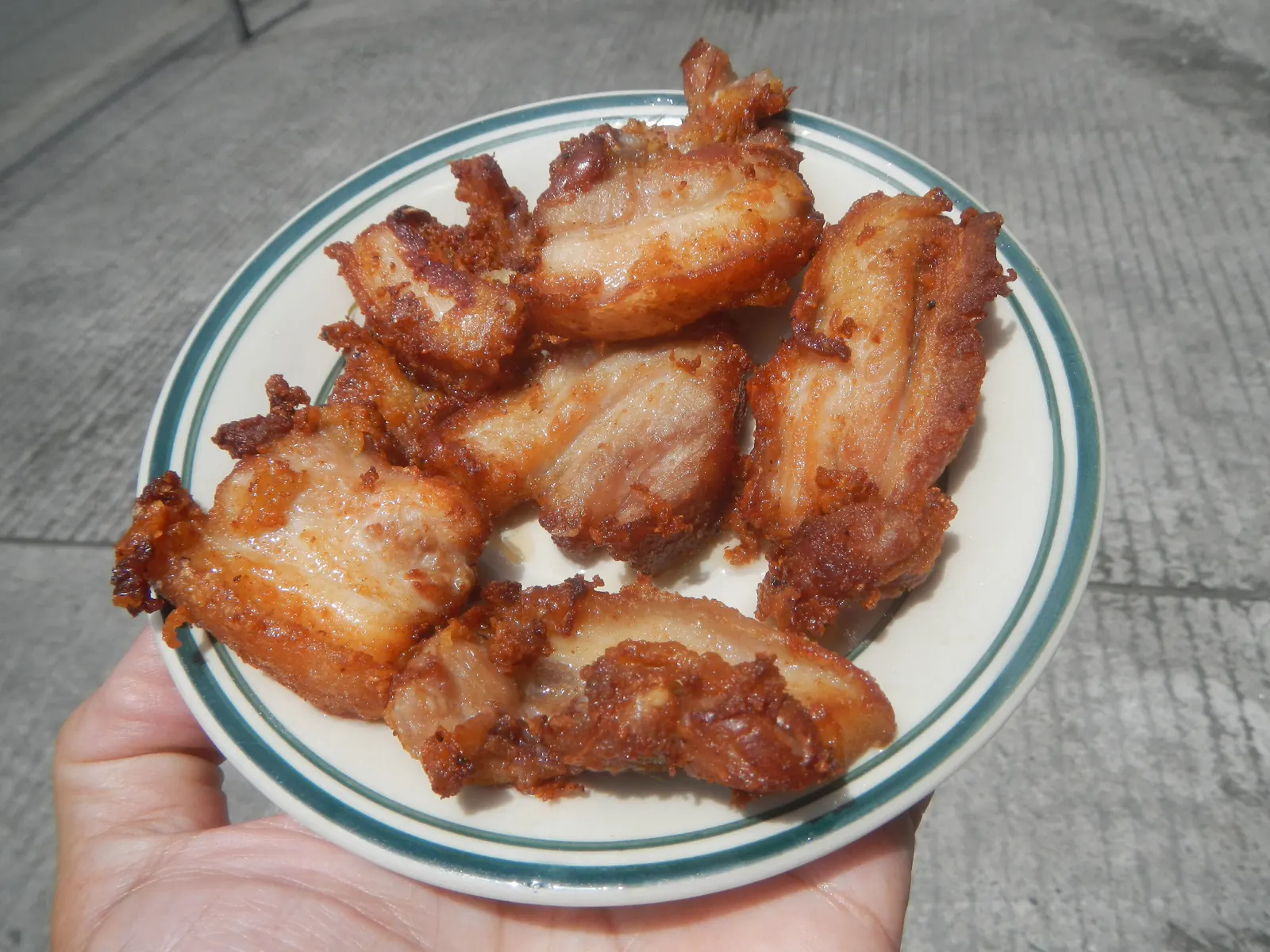
Crispy fried pork pieces on a small plate held in a hand Rwanda flag Rwanda 50m
Dinner •Rwanda Heritage

Rwandan Akabenz

Akabenz is Kigali's famous bar snack: small pieces of pork shoulder marinated with garlic, ginger, tomato paste and chilli, then fried until crisp outside and juicy inside. This akabenz recipe serves the pork hot with lime wedges and fresh coriander, the way it is eaten with a cold drink in Kigali's local bars. One serving is about 250 g.

Spicy Fried Pork Bites

Bite-size pork shoulder marinated with garlic, ginger, tomato paste and chilli, then pan-fried crisp and finished with lime and coriander.

Pairs Well With
Boiled rice or fried plantains, kachumbari salad, and a cold drink
High Protein
Stewed chicken in a rich red tomato sauce served with white rice and fried plantain Rwanda flag Rwanda 1h 5m
Dinner •Rwanda Heritage

Rwandan Chicken Stew (Inyama y'Inkoko)

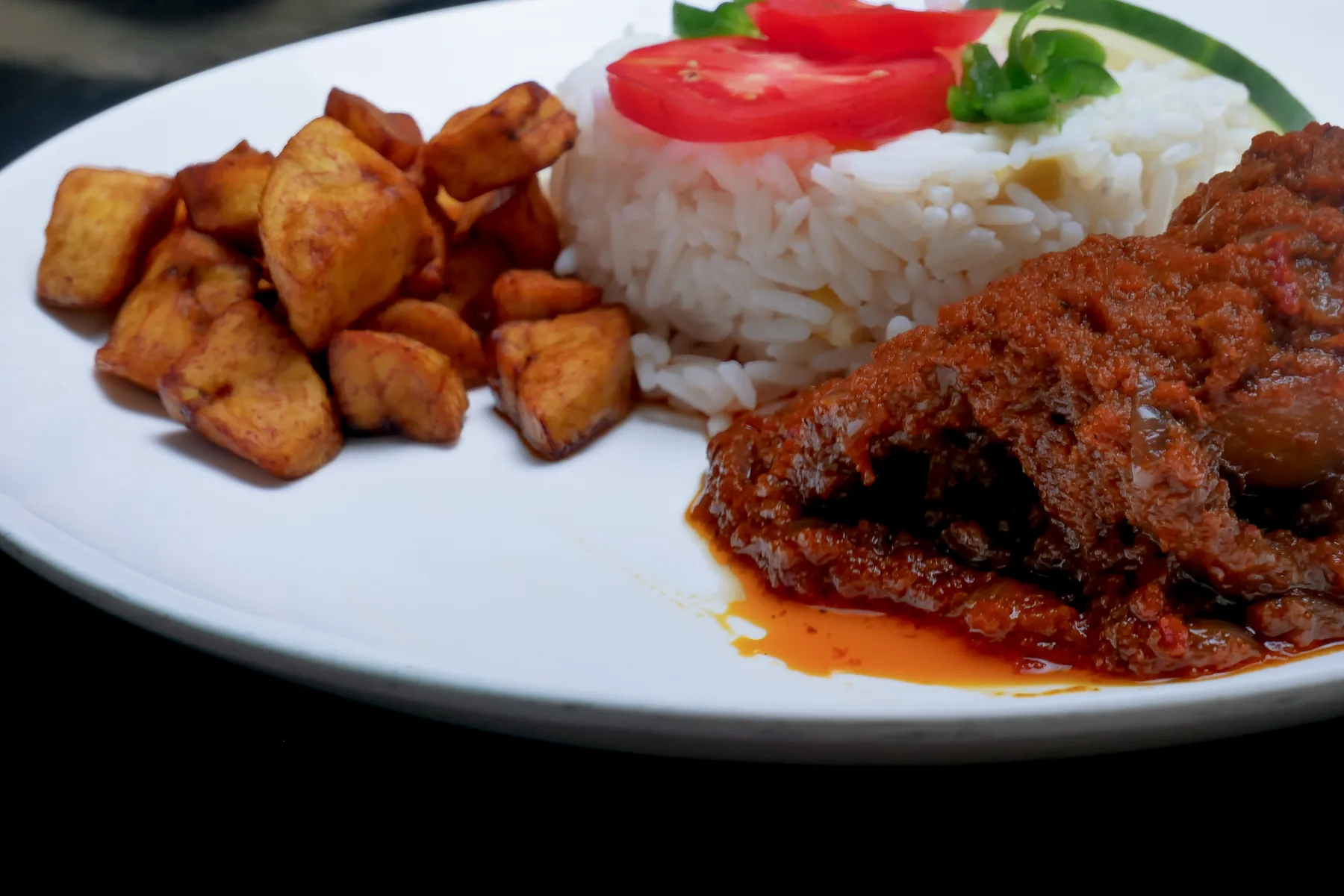
Inyama y'inkoko is Rwanda's home-style chicken stew: bone-in chicken fried golden, then simmered slowly in mashed tomato with onion, celery and a hot chilli until the sauce turns thick and brick-red. This rwandan chicken stew recipe is the kind of one-pot dinner Rwandan families cook on ordinary evenings and serve with rice and fried plantain. One serving is about 450 g.

Comforting Tomato Chicken Stew

Bone-in chicken simmered in a fresh tomato, celery and chilli sauce — a warming Rwandan family dinner.

Pairs Well With
Steamed rice and fried plantain, with sliced tomato and cucumber on the side
High Protein
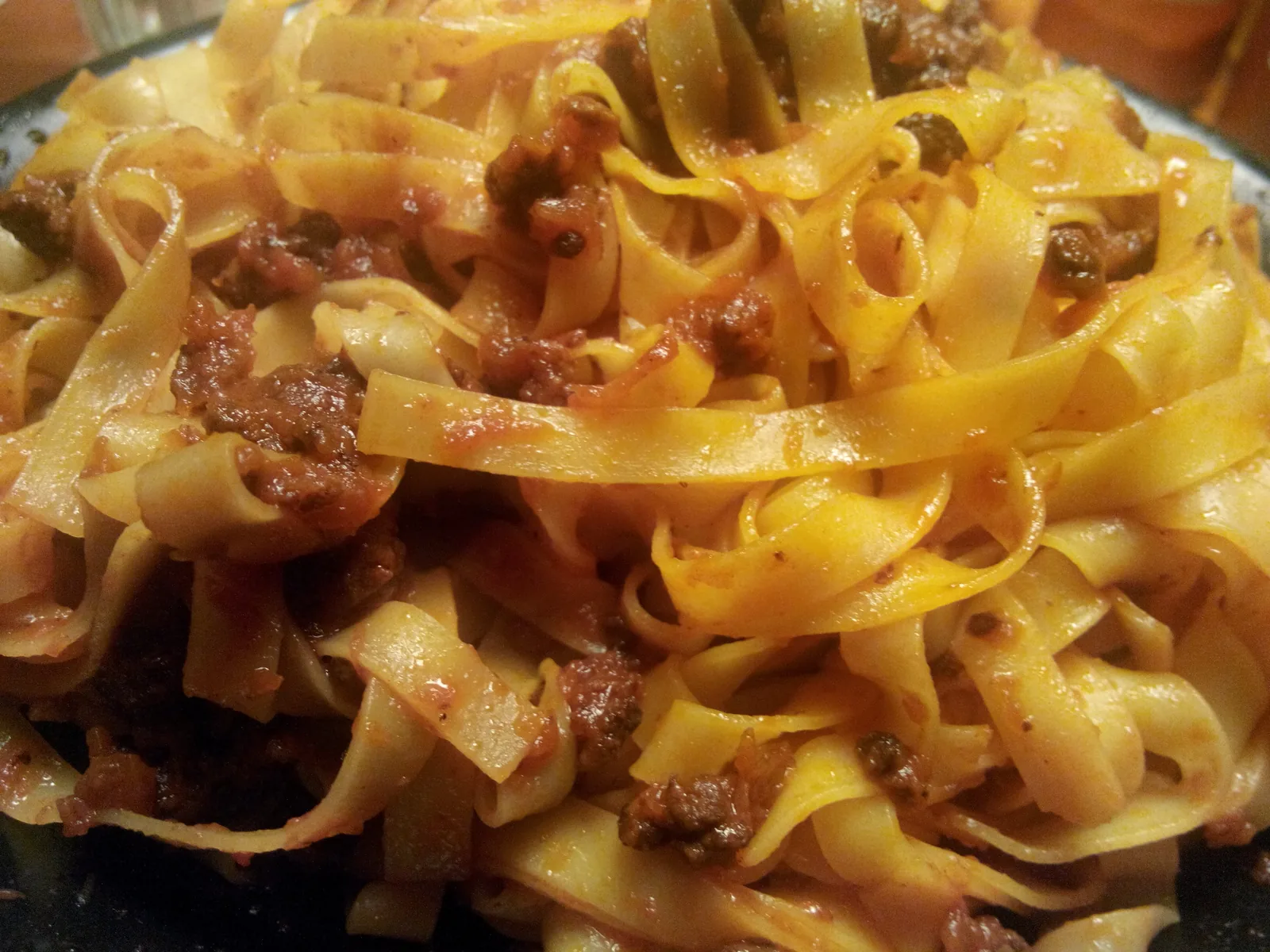
Tagliatelle al ragù Bolognese in a bowl with Parmigiano-Reggiano Italy flag Italy 4h 25m
Lunch •Emilia-Romagna

Tagliatelle al Ragù Bolognese

Slow-braised soffritto and coarse ground heritage meats layered over handmade egg yolk dough for mid-day stamina.

Lean Protein

Slow-simmered beef ragù tossed through fresh egg tagliatelle.

Pairs Well With
Bitter Radicchio & Aged Balsamico di Modena
Pasta & Noodles • High Protein
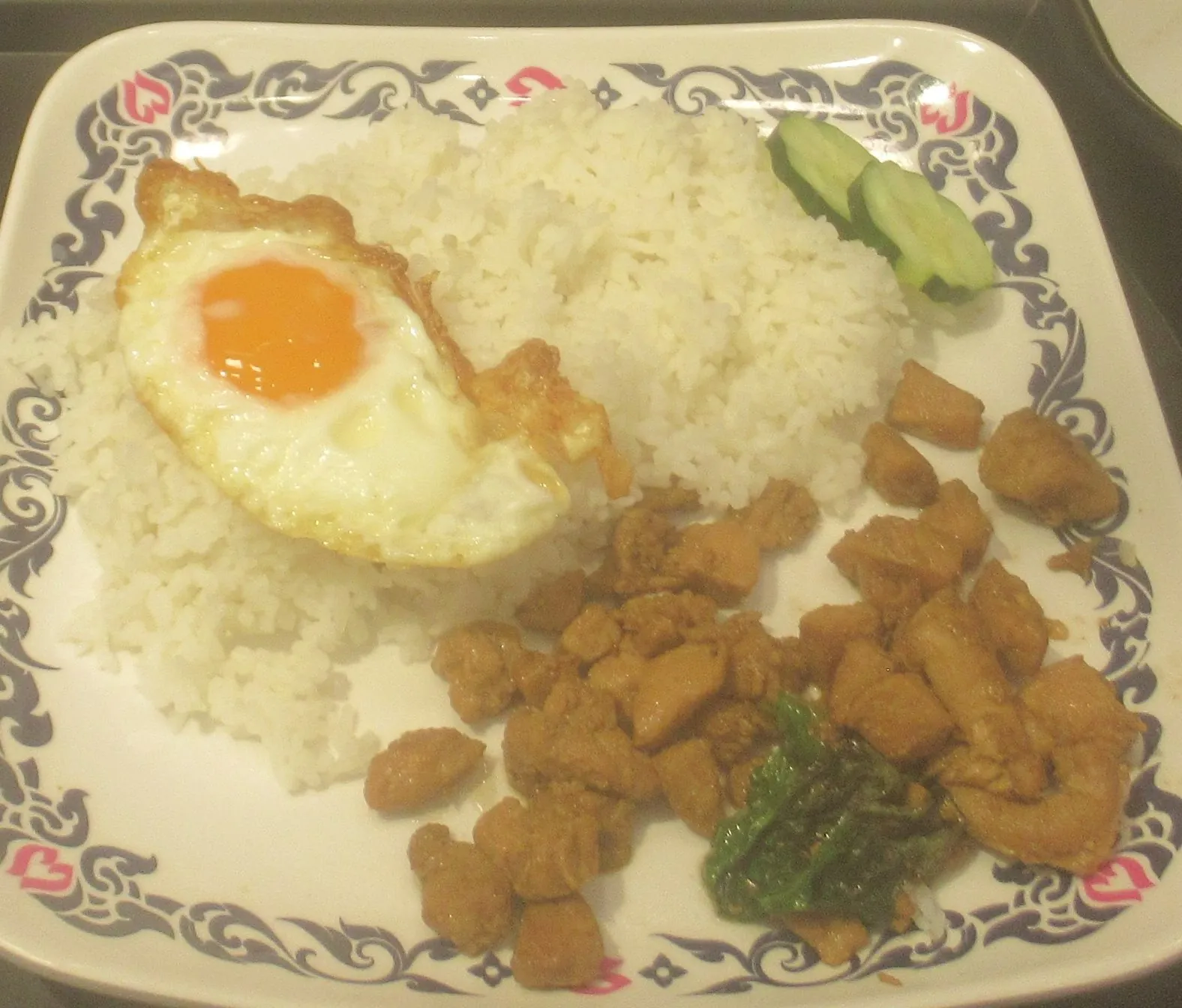
Pad kra pao gai — Thai holy basil chicken with fried egg and rice Thailand flag Thailand 30m
Lunch •Bangkok Street Flame

Pad Kra Pao Gai

High-heat wok flash of holy basil and crushed chillies over minced chicken, served over jasmine rice with a crispy-edged fried egg.

High Energy

Capsaicin brings the heat; holy basil adds a peppery, clove-like aroma.

Pairs Well With
Chilled Cucumber Salad & Fish Sauce Lime Dip
High Protein • Quick Prep (<30m)

The Dinner Gazette

Never wonder what’s for dinner again

One email a week with easy dinner ideas from around the world — ingredients, steps and nutrition, tested in our kitchen first.

Delivered every Thursday morning. Unsubscribe anytime.