Curated recipes from 193 countries  •  New seasonal Mediterranean issue out now

Overview

Sajta de Pollo

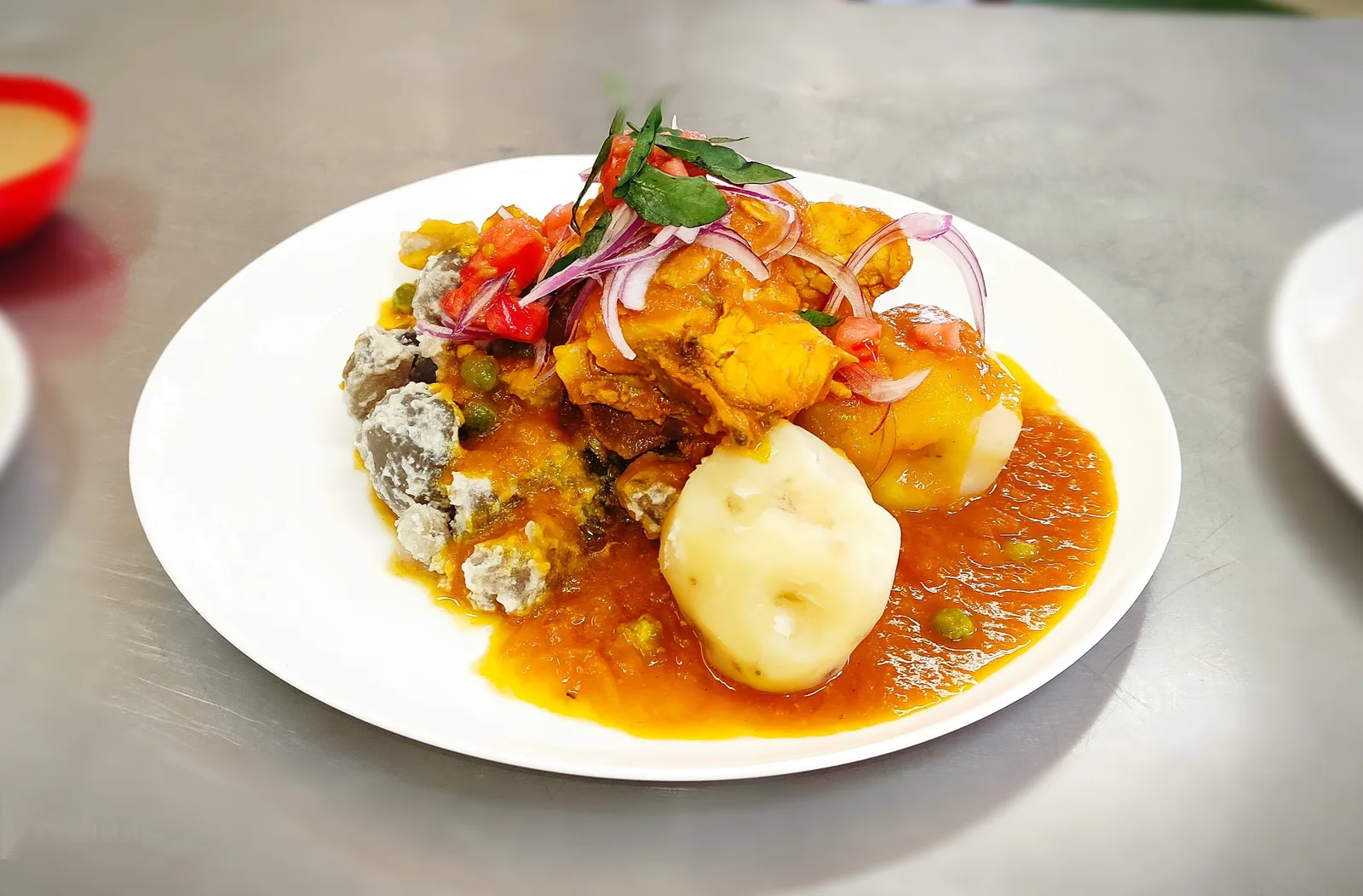
La Paz Festive Chicken in Yellow Aji Sauce with Chuno

This sajta de pollo recipe simmers bone-in chicken in a thick sauce of aji amarillo, onion, garlic and cumin, with green peas stirred through, and serves it with boiled potatoes, chuno (freeze-dried Andean potato) and a bright sarsa of onion and tomato. It is the dish La Paz cooks for Carnival and All Saints' Day. One serving is about 566 g.

Sajta de pollo comes from the Altiplano around La Paz, where aji amarillo, potatoes and freeze-dried chuno have been staples since long before the Spanish arrived. The dish grew into the festive chicken of the city: a whole chicken cut into pieces and cooked in a thick yellow chile sauce, served with the foods of the high plateau. It is the plate La Paz cooks for Carnival and for All Saints' Day, when families gather and the table has to feed a crowd.

Pairs well with: Warm chicken in aji sauce with potatoes, chuno, rice and sarsa

Provenance

Bolivia flag Bolivia

La Paz Heritage

Latin America & Caribbean

Time Dedication

1h 25m

30m prep • 55m cook

Batch Yield

6 Servings

684 kcal per serving

1 serving ≈ 566 g

Technical Skill

Intermediate

Medium (Stew & Sides)

Meal Timing & Digestive Fit

Breakfast

Not Advised

Lunch

Hearty Midday Main

Dinner

Ideal Hearty Main

Snack & Tea

Inappropriate

High Protein Occasions: Carnival, All Saints' Day, festive family dinners, Sunday lunch Cost: Medium — about $4–5 per serving at home
A plate of sajta de pollo with chicken in orange-yellow aji sauce, boiled potato, grey tunta and fresh onion-tomato sarsa

La Paz Heritage

Photo: R Iván Mamani Cachi Comida-Boliviana, CC BY-SA 4.0, via Wikimedia Commons

The Heritage Formulary

Measured Ingredients

Estimated cost: Medium — about $4–5 per serving at home (USD)

A good sajta has a thick, dark-orange sauce that coats the chicken, tender potatoes and chuno, and a fresh, sharp sarsa on top.

Execution Methodology & Culinary Technique

Step-by-Step Cooking Guide

Active 1h 25m
P

Prep Stage: Chicken Seasoned, Sauce Base Ready

30 Mins • Chopping & Seasoning

Sajta is really three things cooked side by side: the chicken in its aji sauce, the potatoes and chuno, and the rice. Get the potatoes and chuno on to boil first — they take the longest — then chop the onion, garlic and tomato while the chicken seasons. The aji paste needs a good, slow fry in oil before any liquid goes in, or it stays harsh.

Maestro Tip: Fry the aji paste until it darkens a shade and smells toasty, not raw — about 5 minutes — before adding the onion.

  1. 1

    Boil the Potatoes and Chuno

    25 Mins Boiling water, 100°C (212°F)

    Put the peeled potatoes in one pot and the soaked chuno in another, cover both with salted water and boil until tender — about 25 minutes for the potatoes and 20 minutes for the chuno. Drain and keep warm. Start the rice in a third pot: 300g rinsed rice with 450ml water, bring to a boil, then cover and cook on the lowest heat for 15 minutes.

    Boil the chuno separately — its dark cooking water would stain the potatoes.

    Done when: A knife slides easily into the potato; the chuno is tender all the way through.

  2. 2

    Brown the Chicken

    10 Mins Medium-high heat, ~190°C (375°F) pan

    Heat the oil in a wide, heavy pot over medium-high heat. Brown the chicken pieces in batches, skin-side down first, for about 4 minutes a side, until golden. Lift them out onto a plate — they will finish cooking in the sauce.

    Do not crowd the pot: crowded chicken steams instead of browning, and the sauce loses its colour.

    Done when: Golden skin on both sides; the meat is still pink inside.

  3. 3

    Cook the Aji Sauce Base

    12 Mins Medium heat, ~160°C (320°F)

    Lower the heat to medium and add the aji amarillo paste to the same pot, scraping up the browned bits. Fry for 5 minutes, stirring, until it darkens and smells toasty. Add the onion and garlic and cook for 5 minutes until soft, then add the diced tomato and cumin and cook for 2 minutes more.

    If the paste catches, add a spoonful of water — never let it scorch, or the whole sauce turns bitter.

    Done when: The base is thick, dark orange and fragrant, with the onion completely soft.

  4. 4

    Simmer the Chicken in the Sauce

    35 Mins Gentle simmer, ~90°C (195°F); chicken to 74°C (165°F)

    Return the chicken to the pot with any juices, pour in 500ml water and stir the sauce around the pieces. Cover and simmer gently for 25 minutes, then add the peas and simmer for 10 minutes more. Check the thickest piece with a thermometer — it must reach 74°C (165°F). Stir in the parsley and the remaining salt, and taste: the sauce should coat the chicken thickly.

    Keep the simmer gentle — a hard boil toughens the chicken and splits the sauce.

    Done when: Chicken reaches 74°C (165°F) and the meat pulls easily from the bone; the sauce coats a spoon.

  5. 5

    Make the Sarsa and Plate

    10 Mins Room temperature

    While the chicken finishes, slice one extra onion thinly and mix it with a diced tomato and a pinch of salt for the fresh sarsa. Plate each serving with a piece of chicken and plenty of sauce, a boiled potato, chuno, a mound of rice and a spoonful of sarsa on top.

    Serve the sarsa raw and cold — its crunch and sharpness are the contrast the rich sauce needs.

    Done when: Every plate has chicken, sauce, potato, chuno, rice and sarsa.

Finishing Touches & Plating

Serve the plates hot, with the sauce spooned over the chicken and the sarsa piled on top. Sajta is a knife-and-fork dish — the chicken is eaten off the bone, the potatoes and chuno are for mopping up the sauce, and the rice is there to catch every drop.

Nutritional Physiology & Benefits

Nutrition

Energy

684

kcal / serving

Protein

53g

Complete AA

Carbs

84g

Complex

Fats

14g

Healthy

Per serving (6 servings · 1 serving ≈ 566 g)
Energy684 kcal
Protein53 g
Carbohydrates84 g
Fat14 g
Fibre7.8 g
Sugar7.5 g
Sodium692 mg
Per 100g
Energy121 kcal
Protein9.4 g
Carbohydrates14.8 g
Fat2.5 g
Fibre1.4 g
Sugar1.3 g
Sodium122 mg

Nutrition values are estimated — calculated from USDA FoodData Central values for the listed ingredients.

Vitamins & minerals: Vitamin A and C (aji peppers, tomato and peas), B vitamins and iron (chicken), potassium (potatoes, chuno and peas).

High-Protein Festive Main

With about 53 g of protein per serving, the chicken makes sajta a genuinely filling main course that keeps you full for hours.

Slow Carbs From Potato and Chuno

Potatoes, chuno and rice give steady, slow-digesting energy — the Andean way of building a meal that lasts through a long celebration.

Vitamins From Peppers and Peas

Aji peppers, tomato and peas bring vitamin C and vitamin A, plus potassium from the potatoes, in a sauce that is mostly vegetables.

Food Pairings

What to Eat With

To optimize nutrient absorption and elevate the sensory depth, pair with these authentic accompaniments:

Sides

Boiled Potatoes and Chuno

Potatoes and chuno are not optional extras — their mild, earthy flesh soaks up the aji sauce and balances its heat.

White Rice

Plain white rice is the quiet base of the plate: it catches the sauce and stretches the dish to feed a crowd.

Vegetables

Sarsa (Onion and Tomato Salad)

Raw onion and tomato cut through the richness of the sauce with sharpness and crunch, the way a pickle cuts through a stew.

Drinks

Chicha or Cold Beer

A cold chicha or a light lager cools the aji heat between bites and suits a festive La Paz table.

Full Menus

The Carnival Table

Serve sajta in the middle of the table with extra potatoes, chuno and sarsa, so everyone builds their own plate — that is how it is eaten at Carnival.

Complete menu

Serve sajta de pollo with boiled potatoes, chuno, white rice and fresh sarsa, with a cold chicha or light lager to drink.

Digestive Guardrails

What NOT to Combine

To prevent digestive distress, sluggishness, or palate clash, avoid pairing the dish with these elements:

Undercooked Aji Paste

Aji paste that has not been fried long enough tastes raw, harsh and slightly bitter. Give it the full 5 minutes in hot oil before the onion goes in. This is general guidance, not medical advice.

Boiling the Chicken Hard

A fierce boil makes the chicken stringy and the sauce greasy. Keep the pot at a gentle simmer and check the temperature with a thermometer instead of guessing.

General information only, not medical advice — consult a doctor for personal dietary decisions.

Who Should Eat It

Who Should Eat

  • General adultsA hearty, satisfying dinner — chicken, potatoes, chuno and rice in one festive plate.
  • ChildrenChildren usually enjoy it if the aji is kept mild; use less paste and serve the sarsa on the side.
  • ElderlyVery suitable — soft chicken and potatoes, easy to chew; keep the sauce mild and the portion moderate.
  • Pregnant womenGenerally suitable; make sure the chicken is cooked right through to 74°C (165°F) and the potatoes are fresh.
  • Breastfeeding womenGenerally suitable; the protein and iron support recovery — take a full portion with rice.
  • AthletesA strong refuelling meal: about 53 g of protein with slow carbs from potato, chuno and rice.
  • Weight gainA good choice — take a generous plate with extra rice and potatoes.
  • Weight lossKeep the portion modest and load the plate with sarsa and salad; the rice and potatoes add up fast.

Health Conditions — Adjust or Avoid

Conditions

  • DiabetesRice, potatoes and chuno are the main sources of carbs — keep the starchy sides modest and ask your clinician about a suitable serving.
  • High blood pressureMost of the sodium comes from the added salt; use less salt and a smaller portion, and ask your clinician about portion size.
  • Kidney diseaseLimit the portion — the chicken is high in protein and the chuno is high in potassium; ask your clinician about portion size.
  • GoutEat occasionally and in smaller portions — chicken and peas are moderate in purines; ask your clinician if you are unsure.
  • Stomach issuesUsually well tolerated, but the aji heat can irritate a sensitive stomach — use less paste and skip the raw onion sarsa if needed.
  • Cardiovascular diseaseKeep the portion modest and favour the chicken and vegetables over extra rice; the dish is energy-dense.
  • Fatty liverKeep the portion modest and favour the sarsa and salad over a second helping of rice; the plate is energy-dense.
  • Food allergiesContains chicken and peas. The sauce is naturally gluten-free — just check the aji paste is certified gluten-free if you have coeliac disease.
  • Special therapeutic dietsIf you follow a prescribed low-sodium or low-potassium diet, use less salt and a smaller portion of chuno, and check with your clinician.

If you have a medical condition, consult your doctor before changing your diet.

Storage & Use

Storage & Use

How to store
Cool the chicken in its sauce, then store in an airtight container with the potatoes and chuno separately.
In the fridge
3 days, covered.
In the freezer
2 months for the chicken and sauce only; potatoes and chuno do not freeze well.
How to reheat
Warm gently in a covered pan over low heat until the centre reaches 74°C (165°F); add a splash of water if the sauce has thickened.
Freezing recommended
Yes for the chicken and sauce; freeze the rice separately and cook fresh potatoes.
Signs it has spoiled
Sour smell, slimy sauce, or mould on the surface.

More recipes to explore

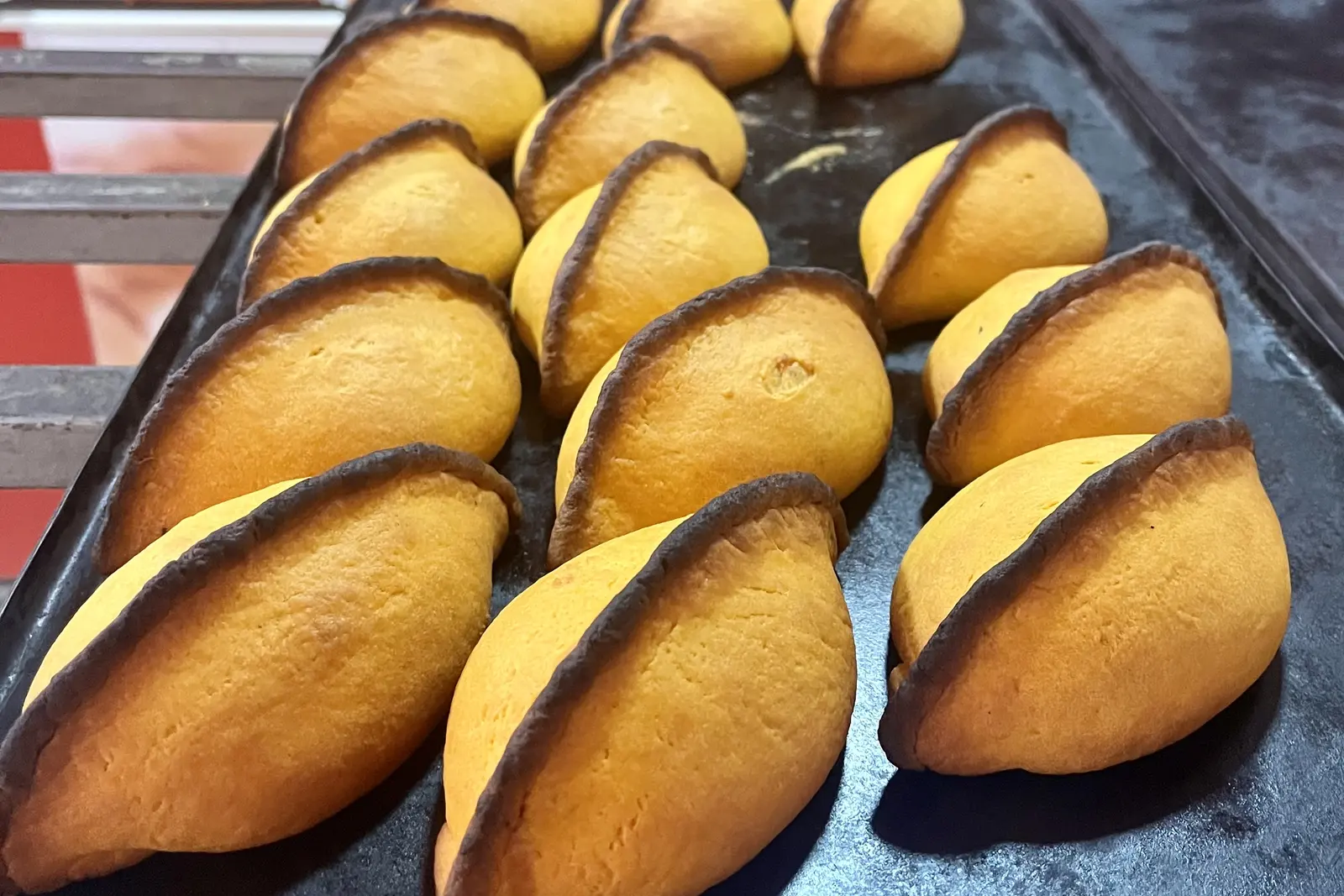
A tray of golden baked Bolivian salteñas standing upright with dark braided top seams in Santa Cruz de la Sierra Bolivia flag Bolivia 2h 25m
Lunch •Bolivian National Favourite

Bolivian Salteñas

A Bolivian salteña is a baked hand pie with a slightly sweet, golden dough — coloured with paprika or annatto — sealed with a braided seam across the top and baked standing upright. Inside is the jigote, a juicy beef stew of diced beef, potato, onion, peas and ají chilli, sweetened with a few raisins and set with gelatin so it turns to rich broth in the oven, with a slice of hard-boiled egg and a black olive tucked in. This is not a dry mince empanada: you bite a small corner, then spoon and sip the hot juices out. One serving (two salteñas) is about 462 g.

Hearty & Satisfying

A golden baked pastry wrapped around a soupy, sweet-spicy beef stew — Bolivia's famous mid-morning hand pie, eaten upright so not a drop of broth escapes.

Pairs Well With
Llajua hot sauce & a glass of fresh orange juice
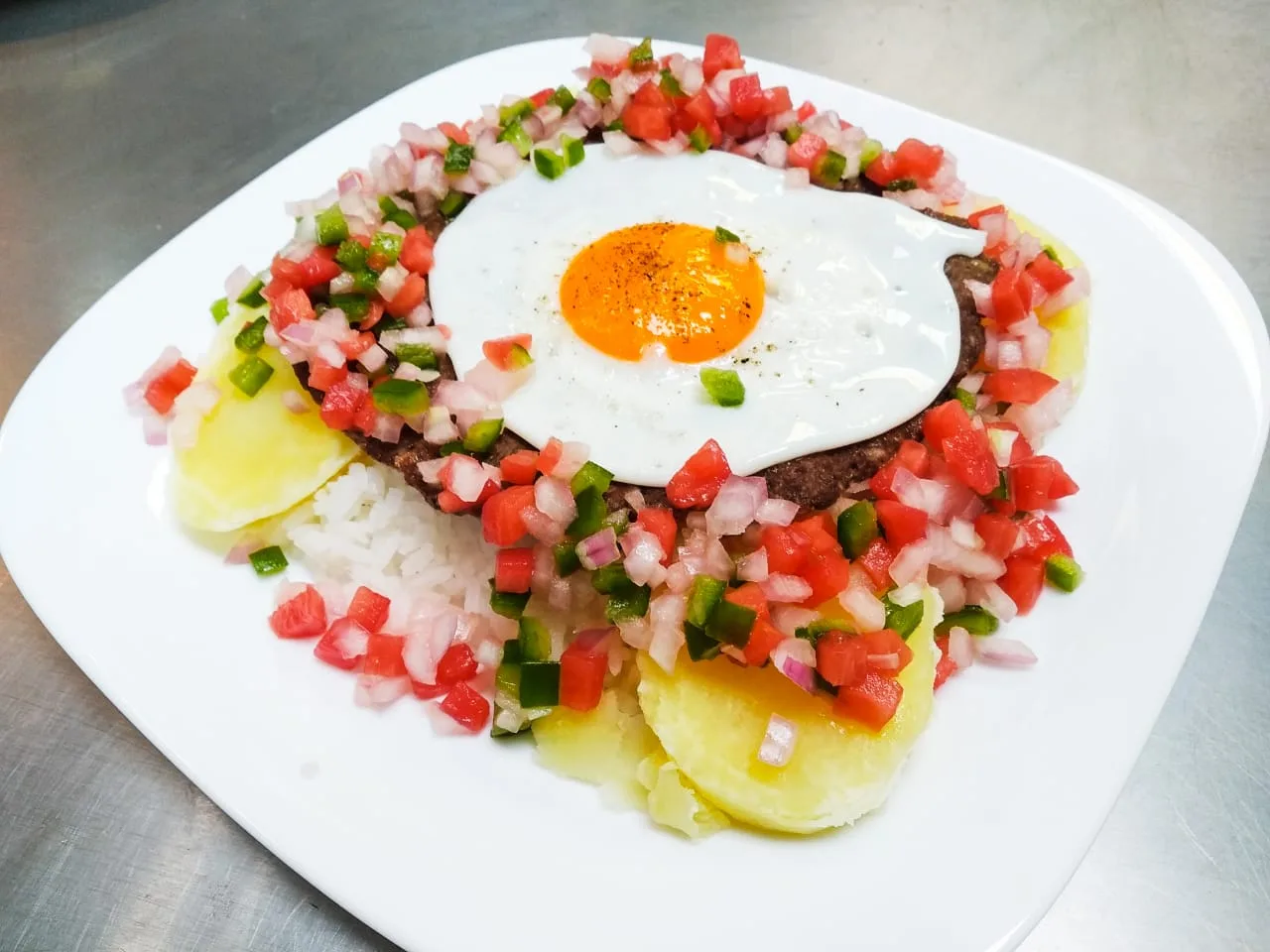
Silpancho with a thin breaded beef steak, fried egg, rice, potatoes and tomato salsa on a white plate Bolivia flag Bolivia 1h 5m
Dinner •Cochabamba Heritage

Silpancho

Silpancho is the great plate of Cochabamba: a bed of white rice and boiled potatoes covered by a single beef steak pounded until it is almost paper-thin, dipped in egg and breadcrumbs and fried crisp, then topped with a fried egg and a fresh salsa of tomato, red onion and hot locoto pepper. The name comes from the Quechua sillp'anchu, meaning flat and thin — and the steak really does cover almost the whole plate. One serving is about 705 g.

Hearty & Satisfying

A plate-sized beef steak pounded paper-thin, breaded and fried over rice and potatoes, crowned with a fried egg and fresh tomato salsa — Cochabamba's most famous plate.

Pairs Well With
Chicha or cold beer & llajua hot sauce
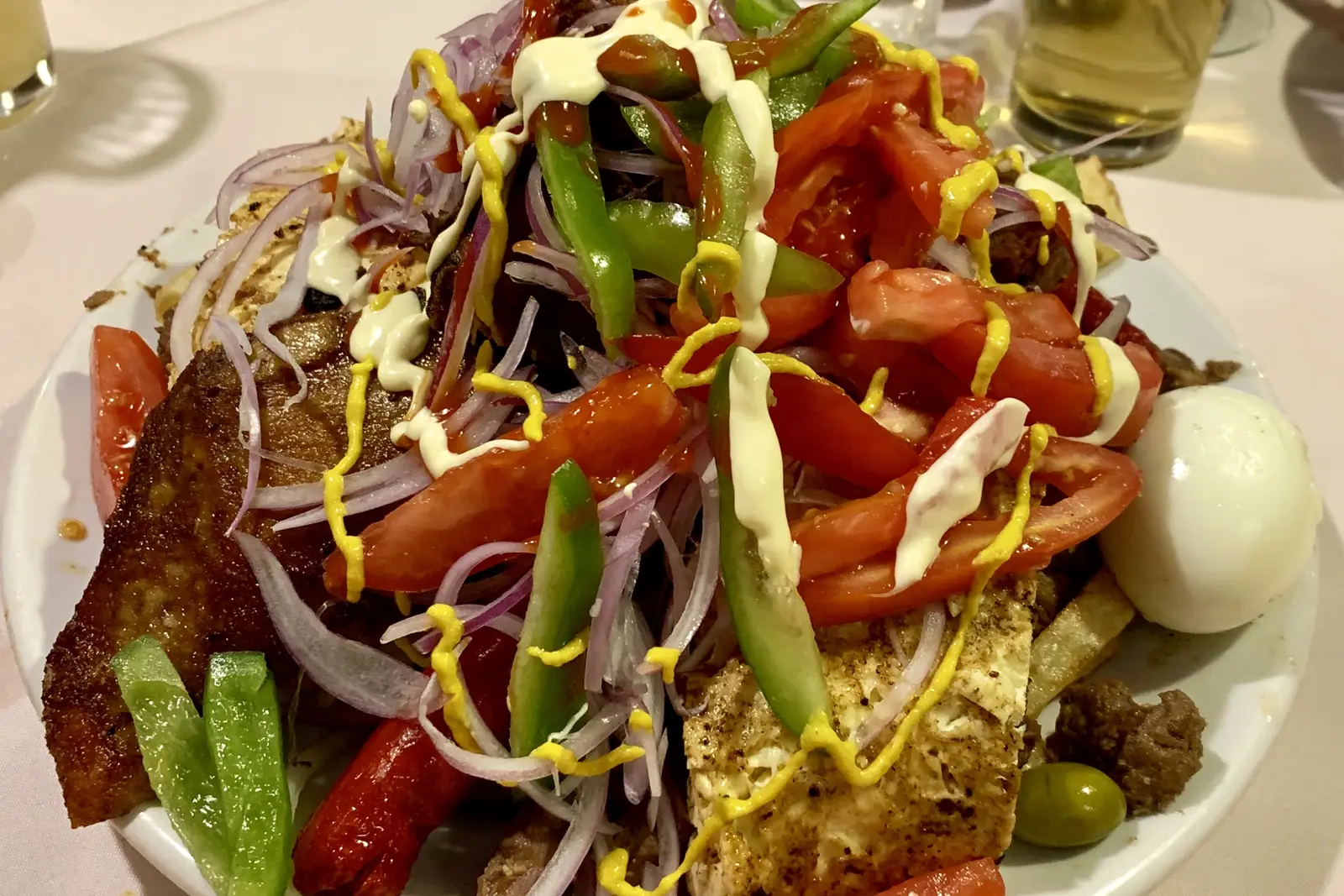
Pique macho platter piled with beef, sausage, fries, tomato, onion, peppers, egg and sauces Bolivia flag Bolivia 55m
Dinner •Cochabamba Heritage

Pique Macho

Pique macho is a mountain of a meal from Cochabamba: strips of beef and pork sausage fried with onion, piled over a heap of french fries with tomato, hot locoto peppers and sliced boiled egg, then finished with zigzags of mustard, mayonnaise and ketchup. It is served in the middle of the table, made to be shared, and its name is a dare — pique, macho means roughly eat it, man. One serving (a quarter of the platter) is about 508 g.

Hearty & Satisfying

A heaped sharing platter of fried beef and sausage over french fries, with tomato, locoto, egg and sauces — Cochabamba's famous dare of a dinner, made for the middle of the table.

Pairs Well With
Cold beer & llajua hot sauce
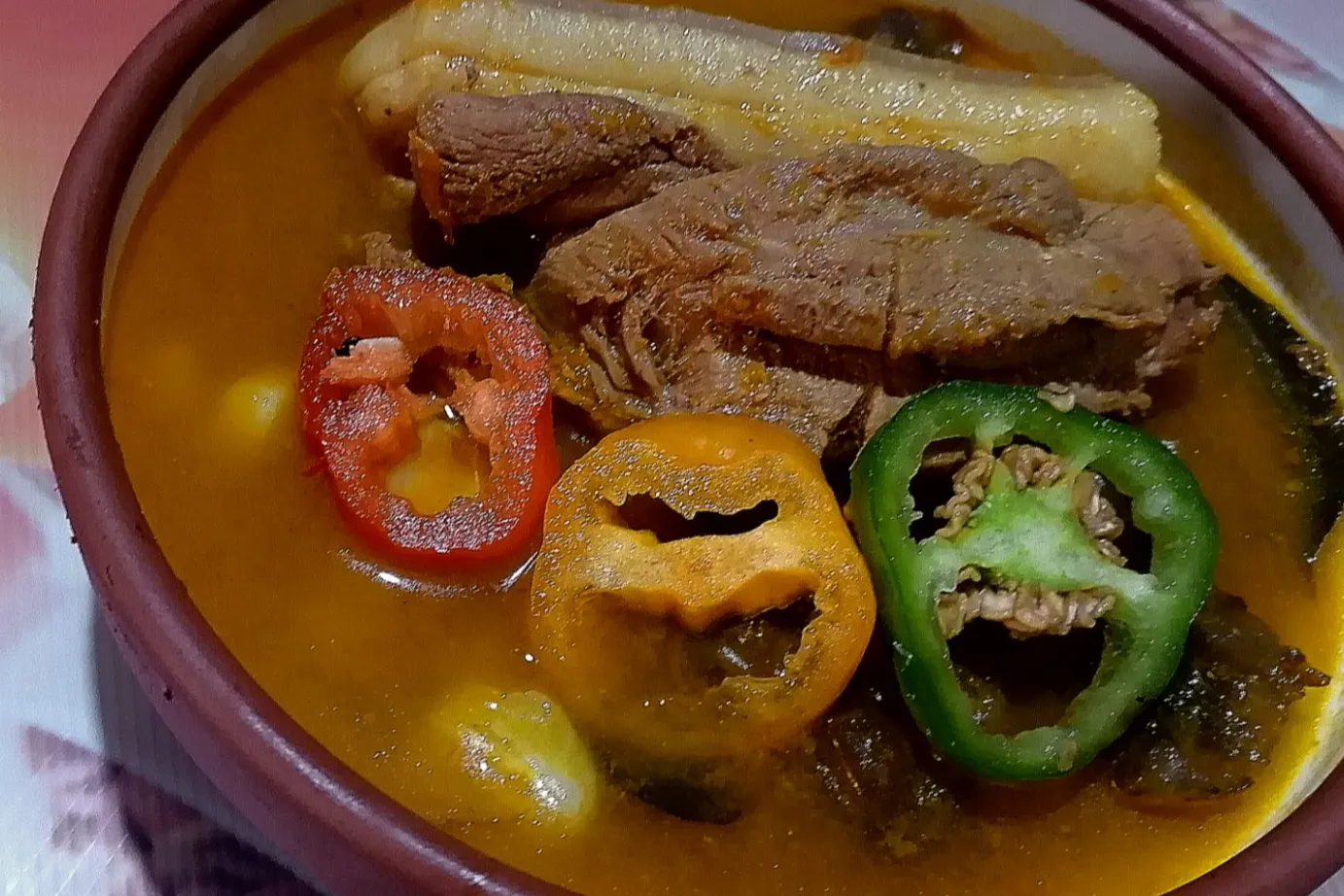
Fricase paceno — pork in golden aji broth with mote, served in a clay bowl Bolivia flag Bolivia 2h 20m
Dinner •La Paz Weekend Classic

Fricase Paceno

This fricase paceno recipe browns pork shoulder, then simmers it low and slow in a golden aji amarillo broth with mote and chuno until the meat falls apart and the broth turns thick and fragrant. One serving is about 445 g. It is the famous weekend stew of La Paz, served steaming hot in a clay bowl with crusty bread.

Comfort & Hearty

Tender pork simmered in a golden aji amarillo broth with mote and chuno — the warming bowl La Paz reaches for on cold mornings.

Pairs Well With
Crusty marraqueta bread and a cold lager, with llajwa on the side
High Protein

The Dinner Gazette

Never wonder what’s for dinner again

One email a week with easy dinner ideas from around the world — ingredients, steps and nutrition, tested in our kitchen first.

Delivered every Thursday morning. Unsubscribe anytime.