Curated recipes from 193 countries  •  New seasonal Mediterranean issue out now

Overview

Salada de Grao

Salada de Grao de Bico, Portuguese Chickpea Salad, Chickpea Salad with Onion and Herbs

Salada de grao is Portugal's everyday chickpea salad: tender chickpeas tossed with red onion, sweet pepper and parsley, dressed with olive oil and red wine vinegar. This salada de grao recipe is the simple home version — no cooking beyond the chickpeas, and it tastes better after an hour in the fridge. One serving is about 248 g.

Chickpeas reached Portugal centuries ago, most likely with Moorish cooking during the Muslim presence in Iberia between the 8th and 12th centuries, and the simple salad of chickpeas, onion, oil and vinegar became a home staple. It is the kind of dish every Portuguese family makes a little differently — some add extra peppers and tomatoes, and some keep it to chickpeas, onion and parsley alone. The version here is the everyday one: the salad that turns a tin of chickpeas into lunch.

Pairs well with: Crusty bread, tomato salad & vinho verde

Provenance

Portugal flag Portugal

Portuguese Home Classic

Mediterranean & Italy

Time Dedication

50m

20m prep • 30m cook

Batch Yield

4 Servings

334 kcal per serving

1 serving ≈ 248 g

Technical Skill

Easy

Easy (No Cooking)

Meal Timing & Digestive Fit

Breakfast

Not Advised

Lunch

Prime Metabolic Fit

Dinner

Ideal Hearty Main

Snack & Tea

Inappropriate

Occasions: Light lunches, picnics, petiscos to share, summer meals Cost: Low — about $2 per serving at home
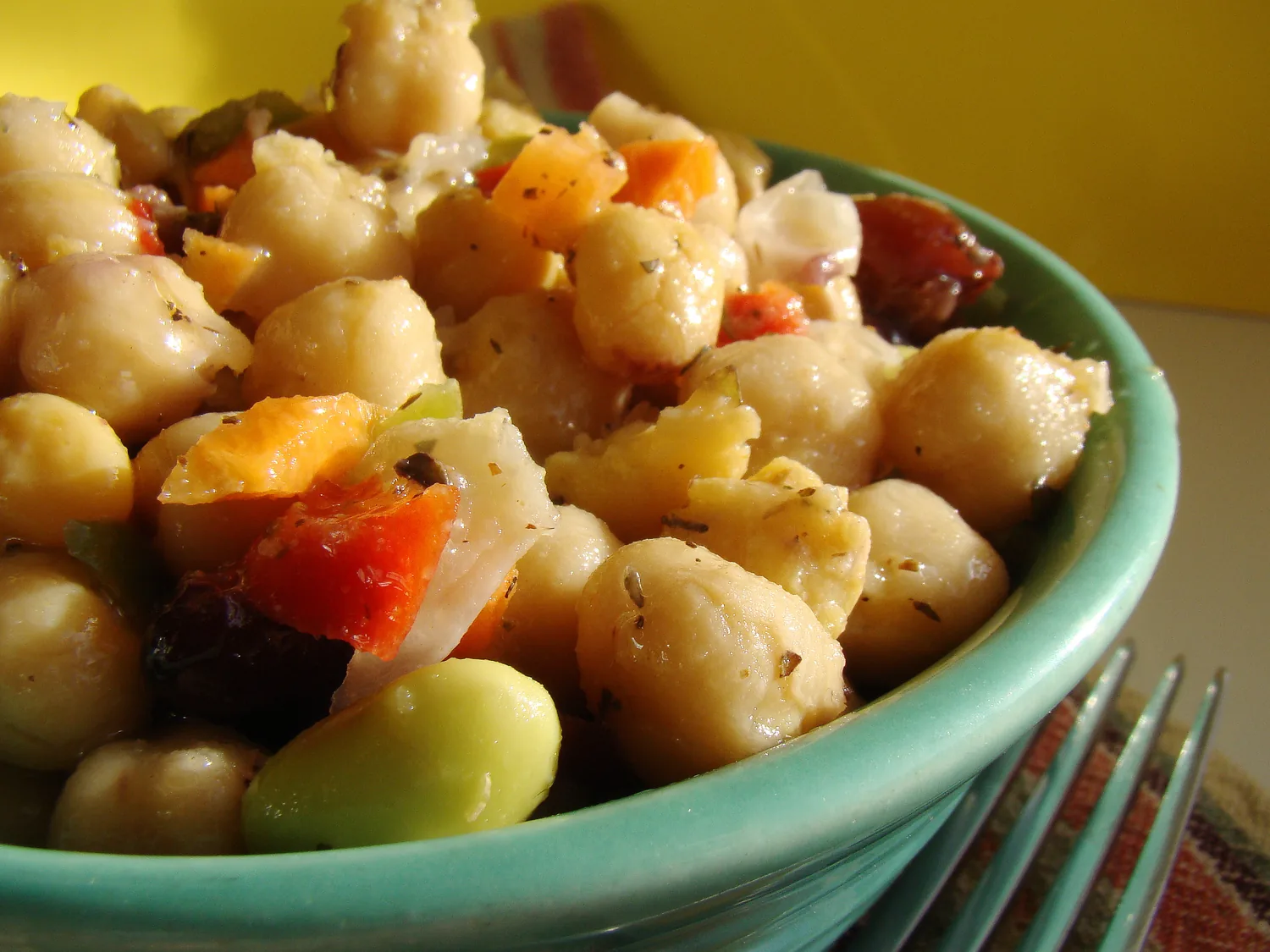
A bowl of chickpea salad with red pepper, onion and olives in warm sunlight

Portuguese Home Classic

Photo: Vegan Feast Catering, CC BY 2.0, via Wikimedia Commons

The Heritage Formulary

Measured Ingredients

Estimated cost: Low — about $2 per serving at home (USD)

A good salada de grao has chickpeas that are tender but whole, onion sliced thin enough to soften, and a dressing that is bright and sharp, never oily.

Execution Methodology & Culinary Technique

Step-by-Step Cooking Guide

Active 50m
P

Prep Stage: Chickpeas, Onion, Dressing

20 Mins • Board and Bowl

Rinse and drain the chickpeas, slice the onion thinly, dice the pepper, halve the tomatoes and chop the parsley. Whisk the oil, vinegar, garlic, lemon juice and cumin into a dressing in a small jug, and have a large bowl ready — the salad comes together in minutes once everything is cut.

Maestro Tip: Slice the onion first and soak it in the vinegar for 10 minutes while you cut the rest — it softens the bite and turns the onion gently pink.

  1. 1

    Rinse and Drain the Chickpeas

    5 Mins No heat — room temperature, about 20°C (68°F)

    Tip the chickpeas into a colander, rinse them under cold running water and shake the colander until the water runs clear. Leave them to drain for a few minutes, then tip them into a large bowl and pat off any surface water with kitchen paper, so the dressing clings instead of sliding off.

    Wet chickpeas make a watery salad — drain them properly before they meet the dressing.

    Done when: Clean, dry chickpeas with no can liquid left on them.

  2. 2

    Slice the Onion and Dice the Vegetables

    10 Mins No heat — room temperature, about 20°C (68°F)

    Peel the onion, halve it and slice it as thinly as you can. Dice the red pepper into small pieces, halve the cherry tomatoes and chop the parsley roughly. Add everything to the bowl with the chickpeas, keeping the onion on top so the dressing can soften it.

    Thin onion slices melt into the salad; thick ones stay raw and sharp.

    Done when: A colourful bowl of chickpeas, thin onion, diced pepper and halved tomatoes.

  3. 3

    Whisk the Olive Oil Dressing

    3 Mins No heat — room temperature, about 20°C (68°F)

    Whisk the olive oil, red wine vinegar, grated garlic, lemon juice, cumin, salt and pepper together in a small jug until the dressing turns slightly cloudy and holds together. Taste it on a chickpea: it should be bright and sharp, with the oil rounding the edges.

    Whisk until the dressing emulsifies — oil and vinegar that have split will pool at the bottom of the bowl.

    Done when: A cloudy, well-mixed dressing that tastes bright and sharp.

  4. 4

    Toss the Salad

    2 Mins No heat — room temperature, about 20°C (68°F)

    Pour the dressing over the chickpeas and vegetables and toss gently with two spoons until everything glistens. Taste and adjust: a little more salt if it tastes flat, another squeeze of lemon if it tastes dull. The salad should be glossy, not swimming in dressing.

    Toss gently so the chickpeas stay whole and the tomatoes do not burst.

    Done when: Every chickpea and vegetable piece lightly coated and glossy.

  5. 5

    Rest and Chill Before Serving

    30 Mins No heat — fridge, about 4°C (40°F)

    Cover the bowl and rest the salad in the fridge for at least 30 minutes, and an hour if you can. The onion softens, the chickpeas drink in the dressing and the flavours settle together. Take it out 10 minutes before serving and toss once more.

    Do not skip the rest — a freshly tossed salada de grao tastes like separate ingredients, not a salad.

    Done when: A chilled salad that smells of garlic, lemon and olive oil, with softened onion.

Finishing Touches & Plating

Serve the salada de grao cool, not ice-cold, with crusty bread to mop up the dressing. A final drizzle of olive oil and a few extra parsley leaves on top make it look like the table is set for guests.

Nutritional Physiology & Benefits

Nutrition

Energy

334

kcal / serving

Protein

12g

Complete AA

Carbs

41g

Complex

Fats

15g

Healthy

Per serving (4 servings · 1 serving ≈ 248 g)
Energy334 kcal
Protein12 g
Carbohydrates41 g
Fat15 g
Fibre11.1 g
Sugar9.5 g
Sodium211 mg
Per 100g
Energy135 kcal
Protein4.9 g
Carbohydrates16.4 g
Fat5.9 g
Fibre4.5 g
Sugar3.8 g
Sodium85 mg

Nutrition values are estimated — calculated from USDA FoodData Central values for the listed ingredients.

Vitamins & minerals: Folate and iron (chickpeas), vitamin C (pepper, tomato, lemon), vitamin A (pepper), potassium (chickpeas, tomato).

Fibre-Rich Chickpeas

Chickpeas bring about 11 g of fibre per serving, which keeps you full and supports steady digestion.

Plant Protein, No Cooking

With 12 g of plant protein per serving and no cooking at all, this is one of the easiest protein-rich lunches there is.

Fresh Vegetables, Bright Dressing

Pepper, tomato and parsley add vitamin C and colour, and the olive oil dressing carries healthy fats with no frying.

Food Pairings

What to Eat With

To optimize nutrient absorption and elevate the sensory depth, pair with these authentic accompaniments:

Sides

Crusty Bread

Thick slices of crusty bread are made for mopping up the garlicky oil and vinegar at the bottom of the bowl.

Vegetables

Tomato Salad

A simple sliced-tomato salad with salt and olive oil doubles the freshness and keeps the meal light.

Drinks

Vinho Verde

A cold glass of light, slightly sparkling vinho verde matches the salad's sharp, fresh dressing.

Full Menus

As a Petisco

Serve small bowls of the salad as a petisco to share, with olives and bread, before a grilled fish main.

Complete menu

Serve salada de grao with crusty bread, a tomato salad and a glass of vinho verde, as a light lunch or a shared petisco.

Digestive Guardrails

What NOT to Combine

To prevent digestive distress, sluggishness, or palate clash, avoid pairing the dish with these elements:

Heavy Creamy Dressings

Mayonnaise or creamy dressings smother the chickpeas and hide the olive oil and vinegar that define this salad; keep the dressing light. This is general information, not medical advice.

Leaving It Warm in the Sun

A dressed salad left warm for hours is a food-safety risk, so keep it chilled and do not leave it out at a picnic for more than 2 hours. This is general information, not medical advice.

General information only, not medical advice — consult a doctor for personal dietary decisions.

Who Should Eat It

Who Should Eat

  • General adultsA fresh, filling lunch: fibre, protein and vegetables in one bowl, with no cooking.
  • ChildrenSuitable for children over 1 year: soft chickpeas and mild flavours; mash the chickpeas lightly for younger children.
  • ElderlyExcellent: soft, easy to chew and gentle on the stomach; the onion is the only sharp note, so slice it very thin.
  • Pregnant womenGenerally suitable: high in fibre and plant protein, and the dressing is light. Ask your clinician if unsure.
  • Breastfeeding womenGenerally suitable; chickpeas give useful protein, folate and iron, and the salad is easy to make ahead.
  • AthletesA handy post-training lunch: about 12 g of protein and 41 g of carbohydrate per serving, plus salt to replace sweat losses.
  • Weight gainAdd a second helping and a thick slice of bread with olive oil.
  • Weight lossKeep to the portion as written and go easy on the olive oil if you are counting fat; the chickpeas themselves are filling.

Health Conditions — Adjust or Avoid

Conditions

  • DiabetesOne serving has about 41 g of carbohydrate, mostly slow-digesting starch from the chickpeas, so count it in your meal plan and keep the portion modest; ask your clinician if unsure.
  • High blood pressureSodium is low at about 211 mg per serving; canned chickpeas are the main source, so rinse them well, and ask your clinician about your target.
  • Kidney diseaseChickpeas and tomatoes are sources of potassium; keep portions moderate if you follow a limit, and ask your clinician.
  • GoutChickpeas are low in purines, which suits a gout-friendly plate; the olive oil is the main fat to watch, and ask your clinician if unsure.
  • Stomach issuesRaw onion and vinegar can be sharp on a sensitive stomach; use less onion and let the salad rest longer to soften it, and ask your clinician if unsure.
  • Cardiovascular diseaseOlive oil brings mostly unsaturated fat, and the salad has no meat or cream, so it fits a heart-friendly pattern in a sensible portion; ask your clinician about your overall diet.
  • Fatty liverKeep the portion as written; the salad is naturally light, with no added sugar and little saturated fat, and ask your clinician if you follow a prescribed diet.
  • Food allergiesContains no common allergens as written. If you add bread alongside, note that wheat is present; check labels if you are allergic.
  • Special therapeutic dietsFits vegan, vegetarian and gluten-free diets as written; check with your clinician if you follow a prescribed plan.

If you have a medical condition, consult your doctor before changing your diet.

Storage & Use

Storage & Use

How to store
Store in a covered container in the fridge; keep any bread separate.
In the fridge
Keeps 3 days in the fridge at 4°C (40°F) or below; it tastes best on day 2.
In the freezer
Do not freeze — the vegetables turn soft and watery.
How to reheat
Serve cold or at room temperature; do not heat.
Freezing recommended
No — this is a fresh salad and freezing spoils its texture.
Signs it has spoiled
Sour or off smell, slimy chickpeas, or soft, weeping tomatoes.

More recipes to explore

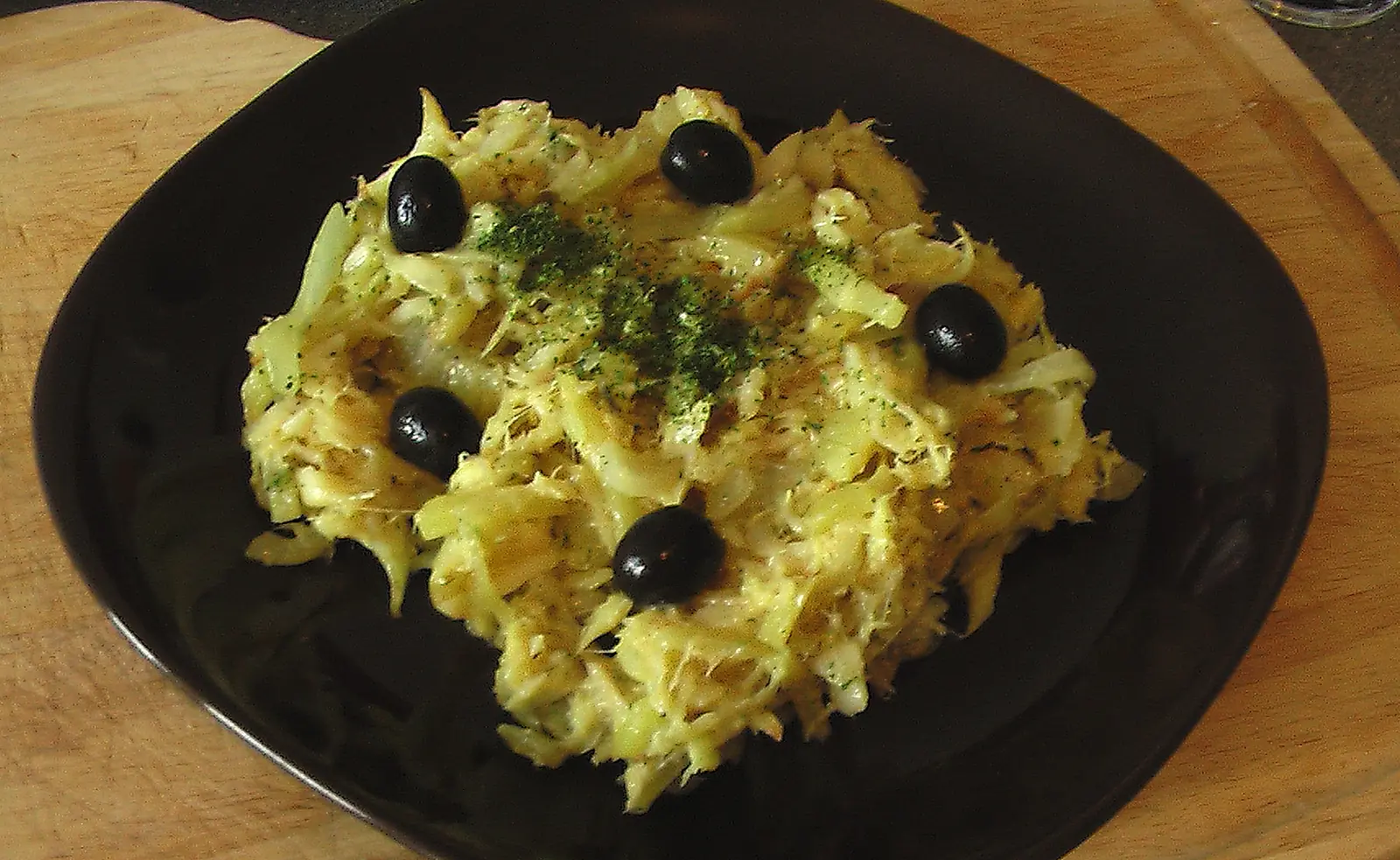
A plate of bacalhau à brás — shredded salt cod with egg and matchstick potatoes, black olives and parsley Portugal flag Portugal 50m
Dinner •Lisbon Tavern Classic

Bacalhau à Brás

Bacalhau à brás recipe: desalted shredded cod, golden matchstick potatoes and softly scrambled egg, finished with black olives and parsley. One serving is about 350 g.

Comfort & Protein

Shredded salt cod folded with egg and crisp matchstick potatoes — a filling, protein-rich Lisbon supper.

Pairs Well With
A simple green salad and a glass of vinho verde
High Protein
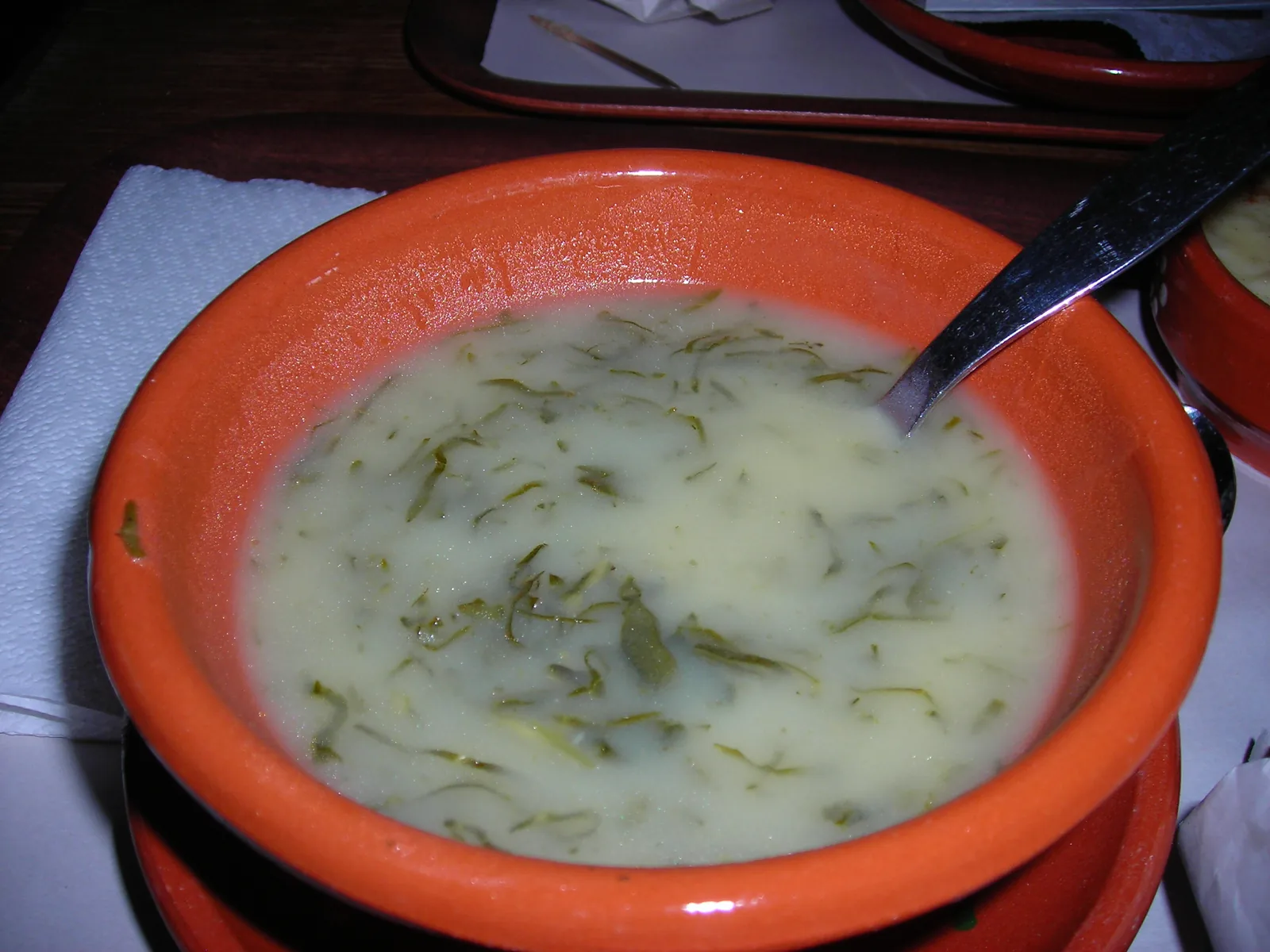
A terracotta bowl of caldo verde — pale potato soup with shredded green kale and a spoon Portugal flag Portugal 50m
Dinner •Minho National Soup

Caldo Verde

Caldo verde recipe: creamy potato soup blended smooth, with ribbons of kale and slices of chouriço, finished with a thread of olive oil. One serving is about 590 g.

Comfort & Warmth

Silky potato soup with finely shredded kale and smoky chouriço — Portugal's best-loved bowl.

Pairs Well With
Crusty broa bread and a glass of vinho verde
Soups & Broths
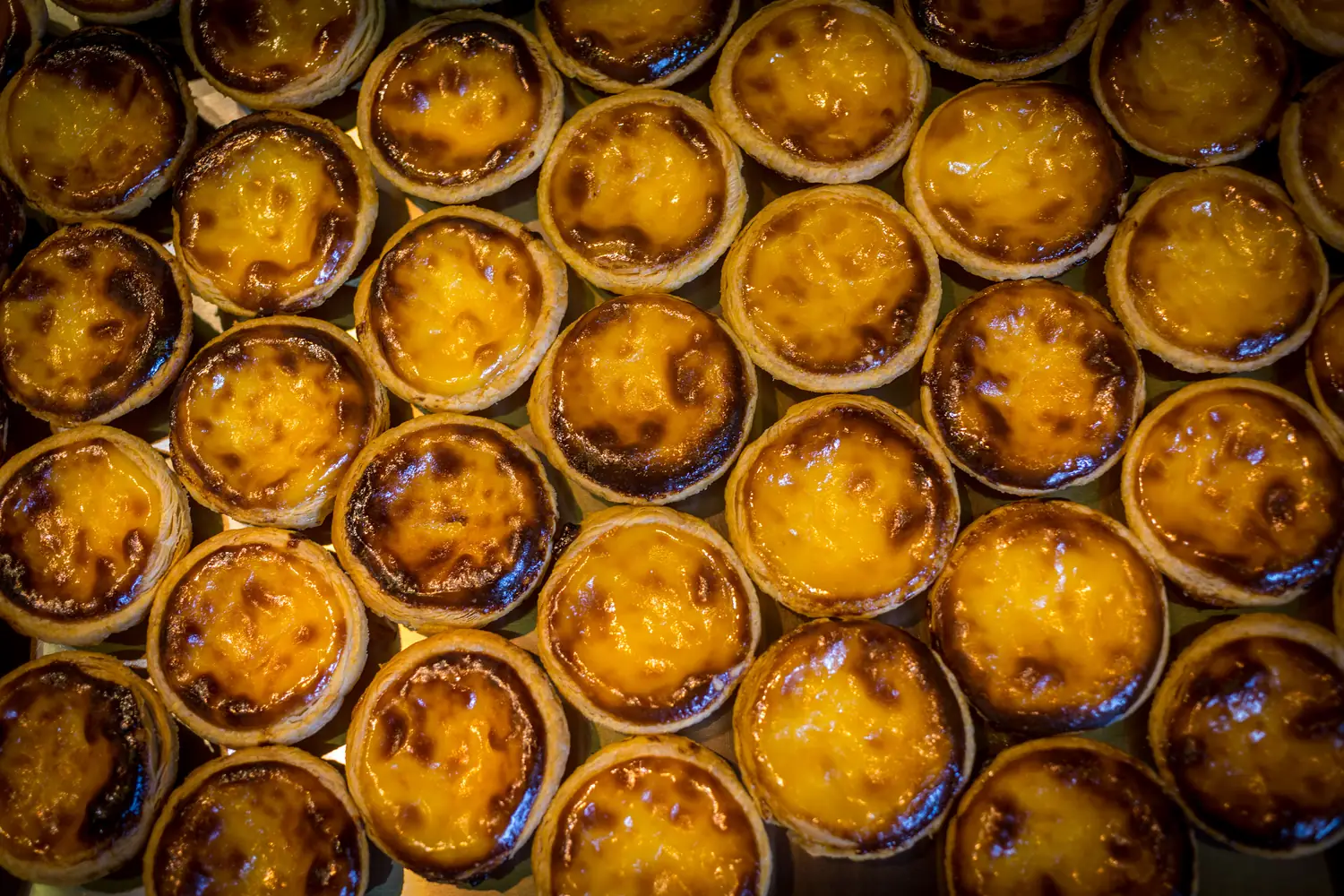
A tray of pastel de nata — golden custard tarts with blistered, caramelised tops in flaky pastry Portugal flag Portugal 50m
Snack & Tea •Belém Monastery Tart

Pastel de Nata

Pastel de nata recipe: shatteringly crisp puff pastry shells filled with warm, vanilla-cinnamon egg custard, baked until blistered on top. One serving is about 187 g (2 tarts).

Sweet Treat

Crisp, flaky pastry cups filled with cinnamon-scented egg custard, blistered in a very hot oven.

Pairs Well With
A small strong coffee (bica) and a dusting of cinnamon
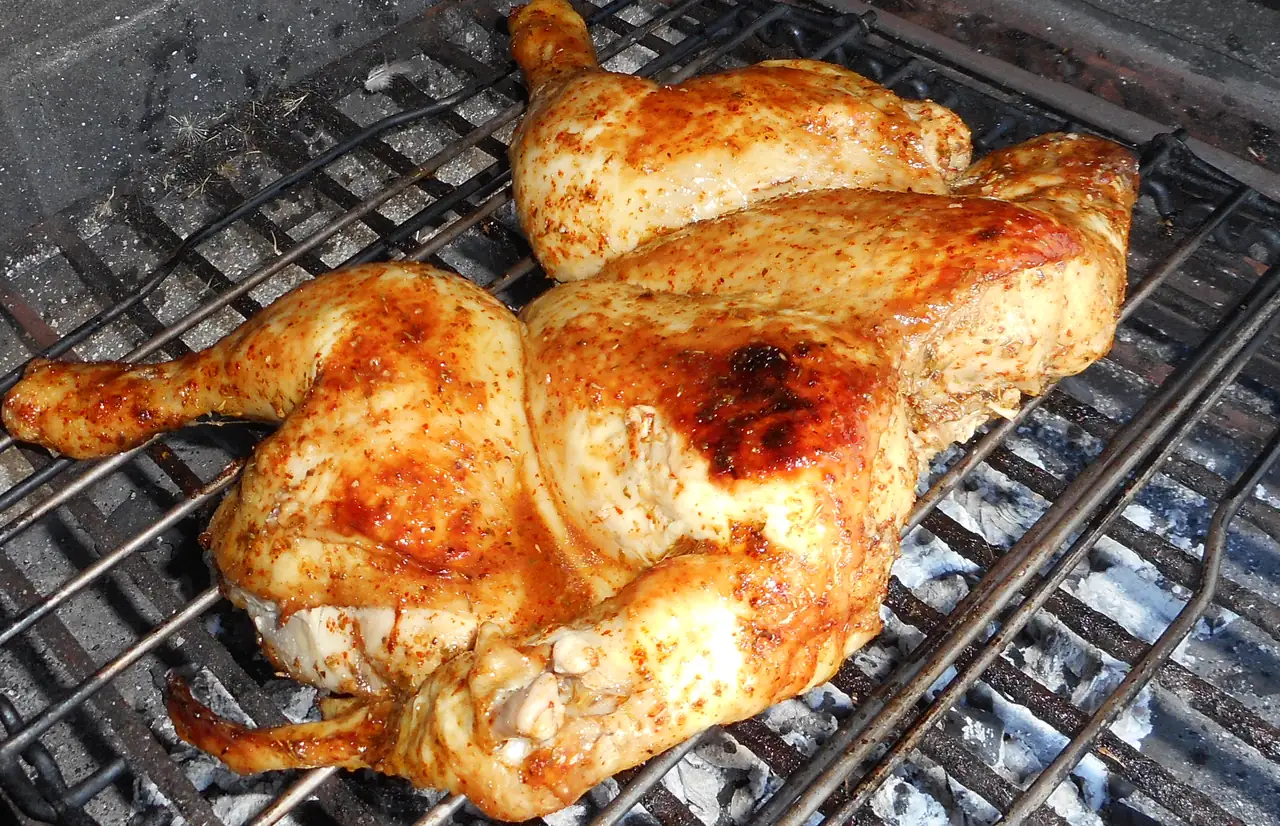
Butterflied piri piri chicken grilling over charcoal, golden-red with chilli spice Portugal flag Portugal 55m
Dinner •Algarve Heritage

Frango Piri Piri

Frango piri piri is Portugal's most famous chicken: a whole bird butterflied flat, rubbed with a fiery paste of piri piri chillies, garlic, lemon and paprika, then grilled over charcoal until the skin turns crisp and red-gold. This piri piri chicken recipe is the Algarve way — an overnight marinade, a hot grill, and a warm butter baste at the end. One serving is about 210 g.

Spicy Char-Grill

A butterflied chicken marinated in piri piri chilli, garlic and lemon, grilled over charcoal until the skin is crisp and reddened.

Pairs Well With
Chips, tomato-onion salad and a cold beer.
High Protein

The Dinner Gazette

Never wonder what’s for dinner again

One email a week with easy dinner ideas from around the world — ingredients, steps and nutrition, tested in our kitchen first.

Delivered every Thursday morning. Unsubscribe anytime.