Curated recipes from 193 countries  •  New seasonal Mediterranean issue out now

Overview

Samoan Palusami

Luau Palusami; Palusami with Corned Beef

Young taro leaves are folded around coconut cream, onion and corned beef, then baked in foil parcels until the leaves turn silky and the cream sets into a rich filling. One serving is about 300 g.

Palusami is Samoa's national dish, and its name is thought to come from palu (lu'au) sami — taro leaves mixed with sea water — a reminder of a time when the parcels were seasoned with the sea itself. Taro reached Samoa with the Austronesian voyagers who carried the plant across the Pacific, and the leaf parcels were traditionally cooked in the umu, the Samoan earth oven. Canned corned beef, or pisupo, arrived much later with Western trade and became the favourite filling, so the dish now carries both its ancient roots and its colonial history in one parcel.

Pairs well with: Boiled taro, green bananas and a simple tomato salad

Provenance

Samoa flag Samoa

Samoan Heritage

Oceania & Pacific

Time Dedication

1h 40m

25m prep • 75m cook

Batch Yield

4 Servings

370 kcal per serving

1 serving ≈ 300 g

Technical Skill

Intermediate

Intermediate (Leaf Parcels)

Meal Timing & Digestive Fit

Breakfast

Not Advised

Lunch

Hearty Midday Main

Dinner

Ideal Hearty Main

Snack & Tea

Inappropriate

Occasions: Sunday to'ona'i feast, family gatherings, celebrations, cold evenings Cost: Low — about $3–4 per serving at home
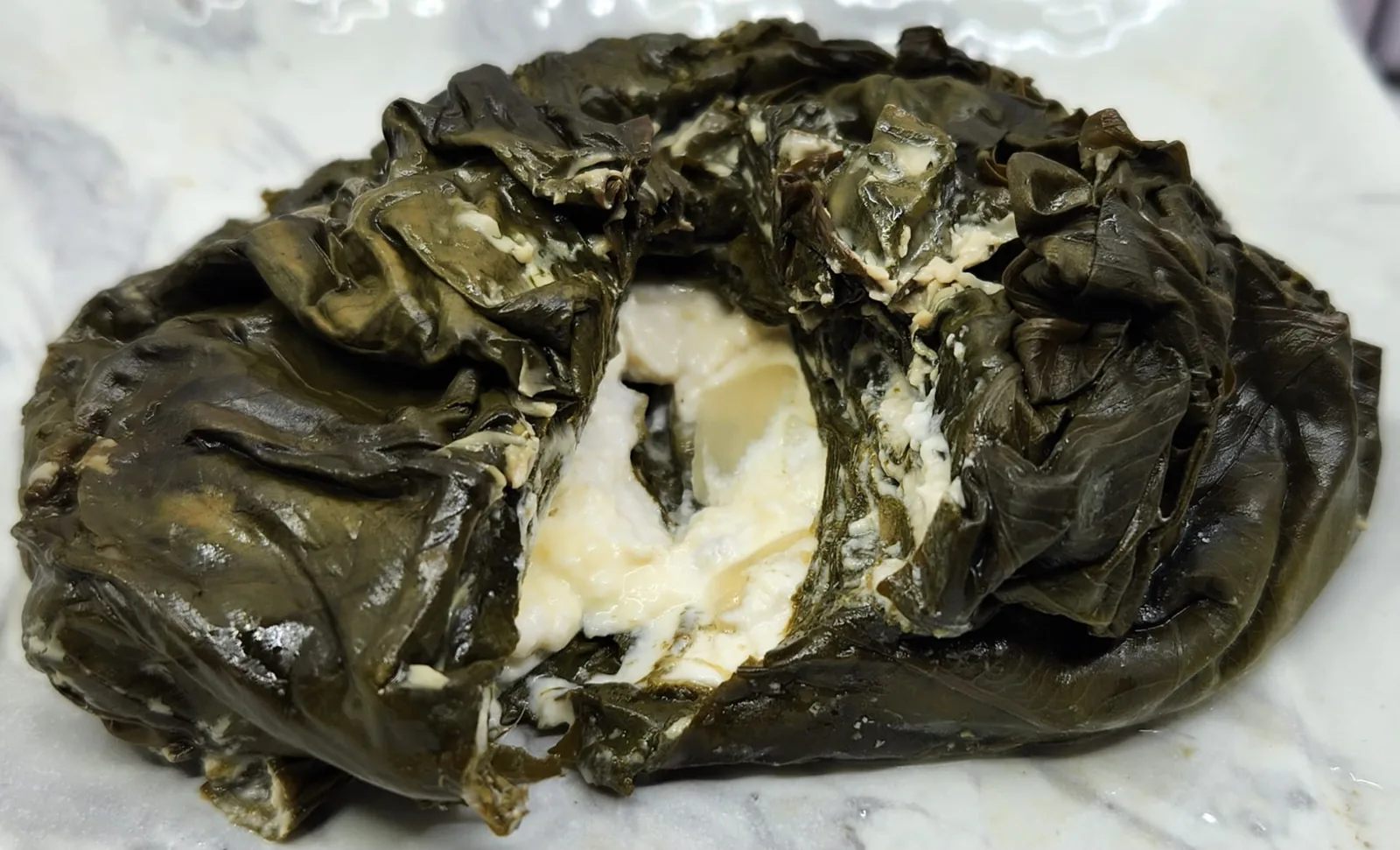
An opened palusami parcel of dark green cooked taro leaves with a white coconut cream filling

Samoan Heritage

Photo: Chedlund808, CC BY-SA 4.0, via Wikimedia Commons

The Heritage Formulary

Measured Ingredients

Estimated cost: Low — about $3–4 per serving at home (USD)

A good palusami is judged by its leaves: completely soft and silky, with the coconut cream set inside the parcel — never watery or half-cooked.

Execution Methodology & Culinary Technique

Step-by-Step Cooking Guide

Active 1h 40m
P

Prep Stage: Leaves & Filling

25 Mins • Knife Work

Strip the stalks and stiff ribs from the taro leaves and wash them well — this is the slow part of the recipe, so take your time. While the leaves drain, stir the coconut cream with the onion, garlic, salt and pepper, and break the corned beef into small chunks.

Maestro Tip: Never taste or eat raw taro leaves: they contain calcium oxalate crystals that sting the mouth and throat, and only long, thorough cooking makes them safe.

  1. 1

    Prepare the Leaves

    15 Mins No heat, about 20°C (68°F)

    Lay each taro leaf flat and cut away the thick stalk and the stiff centre rib with a small knife. Rinse the leaves in cold water, two or three at a time, and shake them dry. Set aside the 16 largest, most intact leaves for wrapping, and finely shred the remaining 8.

    Work with the leaves in a bowl so they form a cup shape — flat on the bench they spring open and spill the filling.

    Done when: Leaves are clean, pliable and free of stalks and ribs.

  2. 2

    Mix the Filling

    5 Mins No heat, about 20°C (68°F)

    In a bowl, stir the coconut cream with the diced onion, minced garlic, salt and pepper until smooth. Fold in the shredded taro leaves and the chunks of corned beef so every piece is coated in cream.

    Taste the cream for salt before the beef goes in — corned beef is salty, so you may need less than you think.

    Done when: The mixture is evenly combined, with the beef and shredded leaves coated in cream.

  3. 3

    Build the Parcels

    10 Mins No heat, about 20°C (68°F)

    Tear off 4 large sheets of aluminium foil. For each parcel, overlap 4 large leaves in the palm of your hand or in a small bowl to make a cup, spoon in a quarter of the filling, and fold the leaves over to close the parcel. Wrap each parcel tightly in foil, twisting the top to seal it.

    Do not overfill — the cream expands as it heats, and a leaky parcel loses its richness to the baking dish.

    Done when: Each parcel is a tight, sealed bundle with no filling escaping.

  4. 4

    Bake Until Silky

    60-75 Mins Bake at 180°C (350°F)

    Place the foil parcels in a baking dish and bake at 180°C (350°F) for 60 to 75 minutes. The leaves must cook right through until completely soft — this is what removes the sting of the raw leaves. Check one parcel: the centre should be steaming hot, at least 74°C (165°F), and the leaves should cut with no resistance.

    If the leaves still feel firm after 60 minutes, give them another 15 minutes — undercooked taro leaves are not just unpleasant, they are unsafe to eat.

    Done when: Leaves are dark green, completely soft, and the centre is steaming hot at 74°C (165°F) or above.

  5. 5

    Rest and Serve

    5 Mins Resting, about 60°C (140°F)

    Let the parcels rest for 5 minutes, then unwrap them at the table and slide each parcel onto a plate with boiled taro or green bananas. Spoon any cream that escaped in the foil over the top.

    Open the foil away from your face — the trapped steam is very hot.

    Done when: The parcel holds its shape, the cream is set and silky, and the leaves are tender.

Finishing Touches & Plating

Serve each parcel opened on the plate so the creamy filling shows, with boiled taro or green bananas to soak up the coconut cream and a crisp tomato salad to cut the richness.

Nutritional Physiology & Benefits

Nutrition

Energy

370

kcal / serving

Protein

16g

Complete AA

Carbs

17g

Complex

Fats

30g

Healthy

Per serving (4 servings · 1 serving ≈ 300 g)
Energy370 kcal
Protein16 g
Carbohydrates17 g
Fat30 g
Fibre6.6 g
Sugar4.2 g
Sodium769 mg
Per 100g
Energy123 kcal
Protein5.2 g
Carbohydrates5.7 g
Fat10 g
Fibre2.2 g
Sugar1.4 g
Sodium256 mg

Nutrition values are estimated — calculated from USDA FoodData Central values for the listed ingredients.

Vitamins & minerals: Vitamin A and folate (taro leaves), vitamin C (onion), iron and vitamin B12 (corned beef), potassium and manganese (coconut cream).

Leafy Greens, Island Style

Taro leaves supply vitamin A, folate and fibre in a form that stays soft and easy to eat once fully cooked.

Slow, Steady Energy

Coconut cream and corned beef make this an energy-dense meal that keeps you full for hours — the classic fuel for a long evening of family cooking.

Iron and B12

Corned beef brings iron and vitamin B12, nutrients that help carry oxygen in the blood and support normal energy levels.

Food Pairings

What to Eat With

To optimize nutrient absorption and elevate the sensory depth, pair with these authentic accompaniments:

Sides

Boiled Taro

Plain boiled taro is the traditional partner: its mild starch soaks up the coconut cream and balances the salty, rich filling.

Green Bananas

Boiled green bananas add a second mild starch to the plate, the way they are served at a Samoan to'ona'i feast.

Vegetables

Tomato and Onion Salad

Fresh tomato and onion with a squeeze of lemon cuts through the coconut cream's richness and refreshes the palate between bites.

Drinks

Koko Samoa (Samoan Cocoa)

A mug of unsweetened Samoan cocoa is the classic warm finish — its bitterness balances the creamy, salty parcel.

Complete menu

Open a palusami parcel on each plate with boiled taro and green bananas, a tomato and onion salad on the side, and a mug of koko Samoa to finish.

Digestive Guardrails

What NOT to Combine

To prevent digestive distress, sluggishness, or palate clash, avoid pairing the dish with these elements:

Raw or Undercooked Taro Leaves

Raw taro leaves contain calcium oxalate crystals that irritate the mouth and throat. Never eat them raw or lightly cooked — always bake the parcels right through until the leaves are completely soft. This is general information, not medical advice.

Very Salty Foods Alongside

Corned beef is already high in sodium, so avoid piling on other salty foods such as soy sauce or salty snacks in the same meal — the combined salt load is what strains blood pressure.

General information only, not medical advice — consult a doctor for personal dietary decisions.

Who Should Eat It

Who Should Eat

  • General adultsA rich, satisfying dinner dish — one parcel with taro or rice makes a complete meal.
  • ChildrenSuitable once cooked right through; open the parcel and cut the leaves small, as they can be stringy. Skip the chilli and keep the corned beef portion modest.
  • ElderlySoft and easy to chew once fully baked, but rich — a half parcel with plain boiled taro is a lighter serve.
  • Pregnant womenGenerally suitable when the parcels are baked right through to steaming hot in the centre; keep the salty corned beef portion modest.
  • Breastfeeding womenGenerally suitable; the coconut cream and corned beef make it energy-dense, so balance it with vegetables.
  • AthletesA good energy-dense meal after training, with about 15 g of protein per parcel plus slow starch from taro on the side.
  • Weight gainA good choice — the coconut cream and corned beef make it naturally calorie-dense; eat the whole parcel with taro.
  • Weight lossEat a half parcel with a large tomato salad and plain taro instead of a second parcel; the coconut cream is the main source of calories.

Health Conditions — Adjust or Avoid

Conditions

  • DiabetesCoconut cream and corned beef are low in carbohydrate, but keep the taro or rice served alongside to a small portion and check your blood sugar as usual. Ask your clinician about portion size.
  • High blood pressureCorned beef and added salt make this a high-sodium dish — use low-sodium corned beef or swap it for fresh fish, and skip extra salt. Ask your clinician about portion size.
  • Kidney diseaseHigh in sodium and potassium from the leaves and corned beef; eat a small portion only, and ask your clinician whether it fits your diet.
  • GoutCorned beef is high in purines, so eat this occasionally and in a small portion. Ask your clinician if you have frequent flares.
  • Stomach issuesWell-cooked taro leaves are usually gentle, but the rich coconut cream can feel heavy; eat slowly and keep the portion modest if your stomach is sensitive.
  • Cardiovascular diseaseHigh in saturated fat from the coconut cream and corned beef — treat it as an occasional feast dish and balance the plate with vegetables. Ask your clinician about how often it fits your diet.
  • Fatty liverKeep the portion modest and favour the leaves over the cream; swap the corned beef for fresh fish to cut the saturated fat. Ask your clinician about portion size.
  • Food allergiesContains coconut. Canned corned beef is usually gluten-free, but check the label if you have coeliac disease, as some brands add wheat-based fillers.
  • Special therapeutic dietsIf you follow a prescribed low-sodium, low-fat or low-purine diet, use fresh fish instead of corned beef and less coconut cream, and check with your clinician.

If you have a medical condition, consult your doctor before changing your diet.

Storage & Use

Storage & Use

How to store
Cool the parcels quickly and store them unwrapped in an airtight container, or leave them in their foil.
In the fridge
2 days.
In the freezer
Up to 1 month — the cream may separate slightly on thawing.
How to reheat
Reheat in the oven at 180°C (350°F) until steaming hot right through, at least 74°C (165°F).
Freezing recommended
Yes, for up to 1 month, though the texture is best fresh.
Signs it has spoiled
Sour smell, slimy leaves, or mould on the surface — discard if any appear.

More recipes to explore

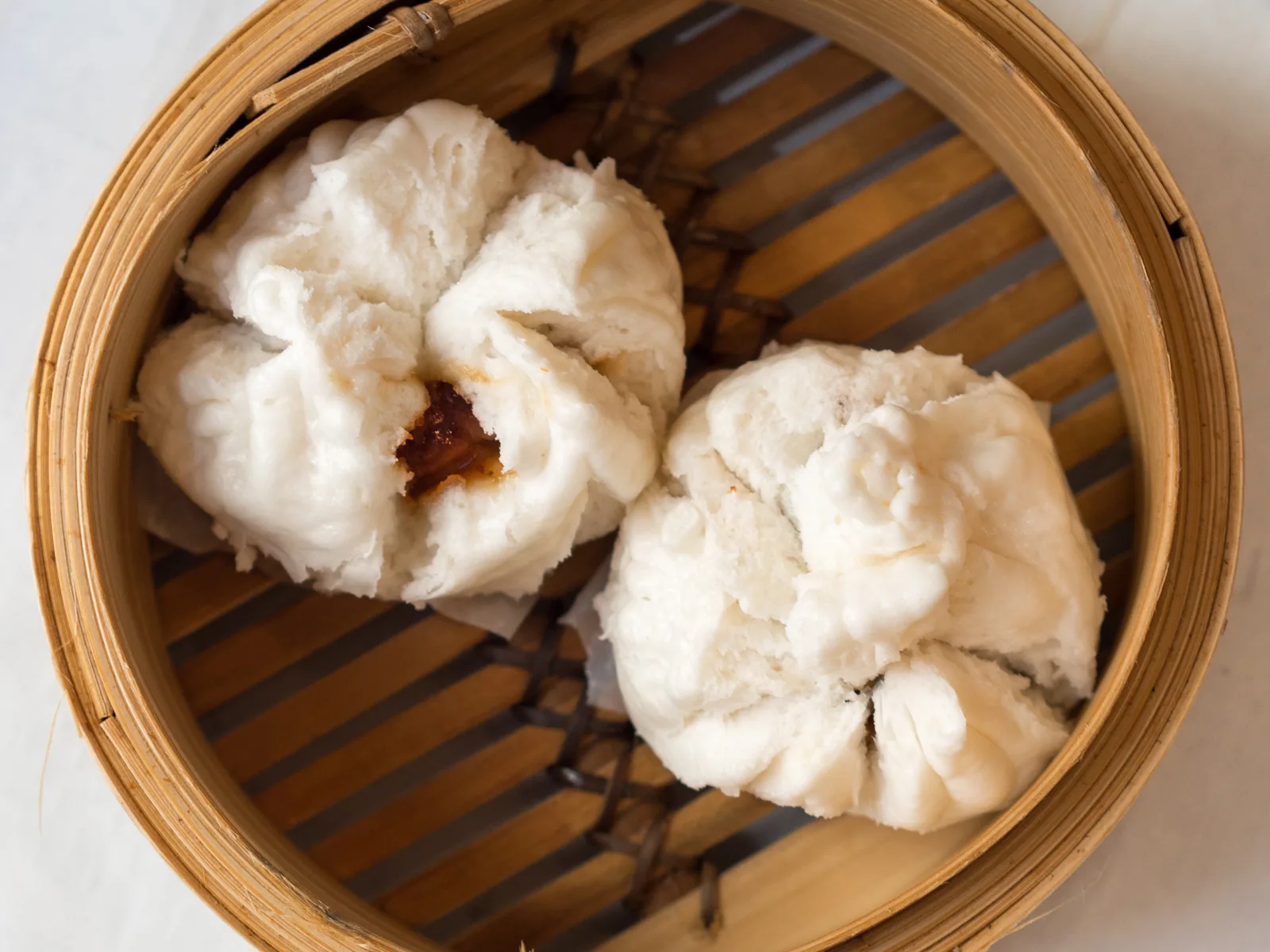
Two white steamed pork buns in a bamboo steamer, one split open to show the dark pork filling Samoa flag Samoa 2h 45m
Lunch •Samoan Heritage

Samoan Keke Pua'a

Keke pua'a are Samoa's steamed pork buns: pillowy yeasted dough wrapped around soy-braised pork with onion, garlic and ginger, steamed until puffy and white. This is the Samoan version of the bun — the filling is pork braised in soy sauce, not Cantonese char siu. One serving is about 240 g (two buns).

Comfort & Sharing

Soft steamed buns filled with savoury soy-braised pork, made to be pulled apart and shared warm from the steamer.

Pairs Well With
Hot black tea or iced coconut water, with chilli sauce on the side
Bœuf bourguignon — French beef braised in red wine France flag France 4h
Dinner •Burgundy Terroir

Bœuf Bourguignon

Beef braised gently in red wine until the connective tissue melts into a velvet, gelatin-rich sauce — the classic Burgundy Sunday dinner.

Cellular Repair

Beef braised in red wine until spoon-tender, with mushrooms and pearl onions.

Pairs Well With
Parsnip Purée & Steamed French Haricots Verts
High Protein
Vietnamese braised pork belly with golden eggs in caramel sauce Vietnam flag Vietnam 1h 45m
Dinner •One Pot

Vietnamese Braised Pork and Eggs

Pork belly slowly braised in coconut water and caramel until meltingly tender, with golden eggs that soak up the sweet-savoury sauce — the Vietnamese family dish that tastes better the next day.

Comfort & Sustained Energy

Slow-braised pork belly and eggs in coconut water and caramel.

Pairs Well With
Steamed rice & pickled mustard greens
High Protein
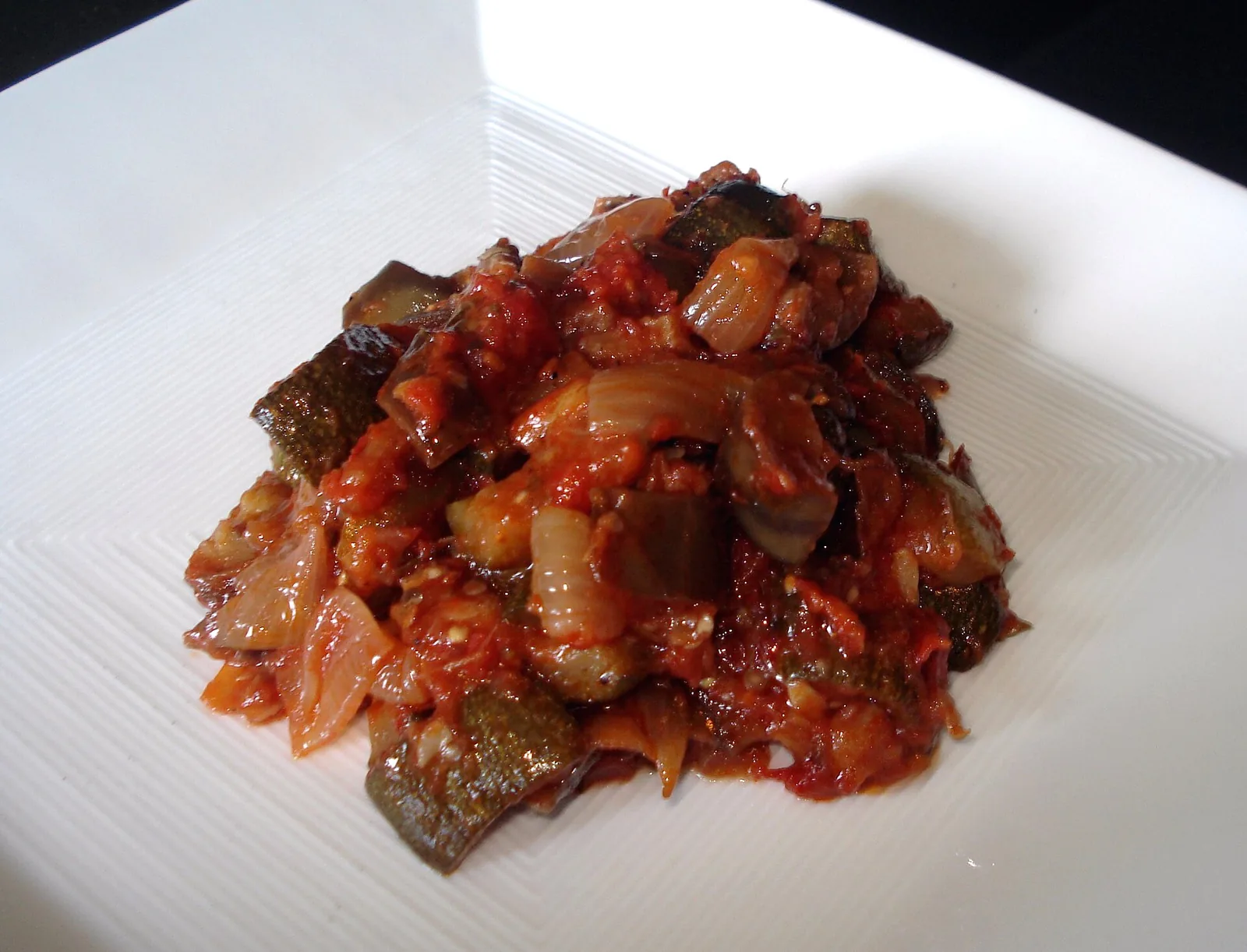
A mound of classic ratatouille with eggplant, zucchini, tomato and onion on a white plate France flag France 1h 15m
Dinner •Nice Provençal

Ratatouille

This ratatouille recipe cooks eggplant, zucchini, peppers and tomatoes separately first, so each vegetable keeps its own texture, then brings them together for a slow, fragrant simmer. One serving is about 400 g.

Light & Vegetable-Rich

Slow-simmered summer vegetables in olive oil — light, fragrant and full of fibre.

Pairs Well With
Crusty sourdough bread, grilled fish or a fried egg

The Dinner Gazette

Never wonder what’s for dinner again

One email a week with easy dinner ideas from around the world — ingredients, steps and nutrition, tested in our kitchen first.

Delivered every Thursday morning. Unsubscribe anytime.