Curated recipes from 193 countries  •  New seasonal Mediterranean issue out now

Overview

Semur Ayam Recipe

Indonesian Sweet Soy Chicken, Ayam Semur

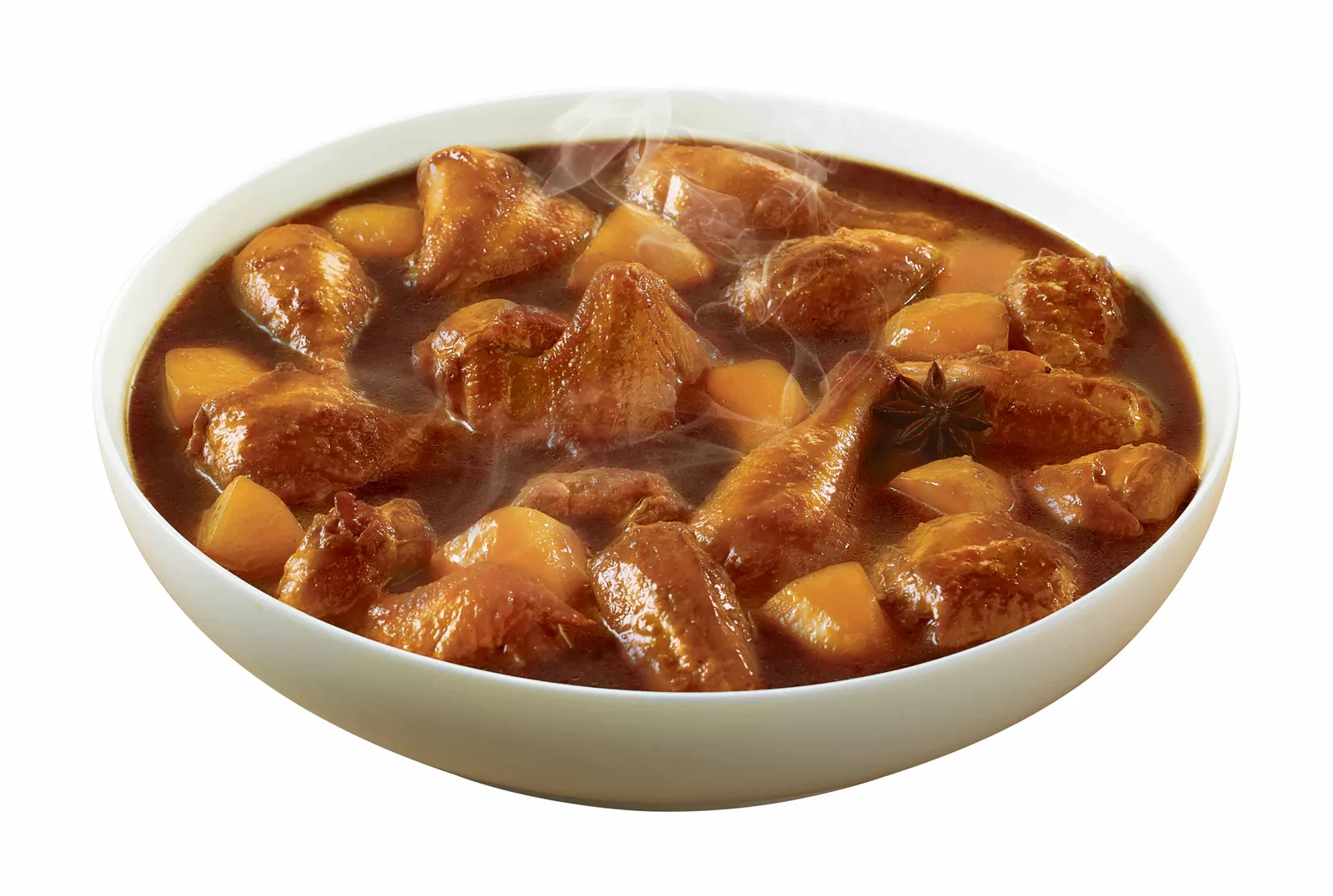
This semur ayam recipe braises chicken thighs and potatoes in kecap manis, Indonesia's thick sweet soy sauce, with star anise, cinnamon and nutmeg until the sauce turns dark and glossy and the chicken is spoon-tender. One serving is about 510 g and carries 484 calories. Serve it with steamed rice and a spoonful of the sauce over everything.

Semur is Indonesia's sweet-soy braise, and its name comes from the Dutch word smoren, to braise — a reminder of the centuries when Dutch and Indonesian kitchens cooked side by side. The dish belongs to kecap manis, the thick, syrupy sweet soy sauce that is the backbone of Javanese home cooking: chicken, beef, eggs or tofu simmered slowly with star anise, cinnamon, cloves and nutmeg until the sauce turns dark and glossy. It is the dish that sits next to opor ayam on festive tables, and the two could not be more different — opor is pale and creamy with coconut milk, semur is dark and sweet with soy. Every Javanese family has its own balance of sweet, salty and spice, and the sauce is always served generously over rice.

Pairs well with: Steamed jasmine rice and a simple cucumber salad.

Provenance

Indonesia flag Indonesia

Javanese Heritage

East & South Asia

Time Dedication

1h 5m

20m prep • 45m cook

Batch Yield

4 Servings

484 kcal per serving

1 serving ≈ 510 g

Technical Skill

Intermediate

Intermediate (One Pot Braise)

Meal Timing & Digestive Fit

Breakfast

Not Advised

Lunch

Hearty Midday Main

Dinner

Ideal Hearty Main

Snack & Tea

Inappropriate

Occasions: Family dinners, weekend cooking, festive tables, cold evenings Cost: Low — about $3–4 per serving at home
A white bowl of semur ayam, glossy dark sweet-soy braised chicken with potatoes and star anise

Javanese Heritage

Photo: Icaaaaaaan, CC BY-SA 3.0, via Wikimedia Commons

The Heritage Formulary

Measured Ingredients

Estimated cost: Low — about $3–4 per serving at home (USD)

The sauce should be dark, glossy and sweet-savoury, never thin or watery — it thickens as it simmers.

Execution Methodology & Culinary Technique

Step-by-Step Cooking Guide

Active 1h 5m
P

Prep Stage: Chicken, Potatoes and Aromatics

20 Mins • Chicken, Potatoes and Aromatics

Cut the chicken thighs into large pieces and pat them dry so they brown properly. Peel and chunk the potatoes, slice the onion, chop the garlic and ginger, and wedge the tomato. Measure out the kecap manis, soy sauce and palm sugar, and lay the star anise, cinnamon, cloves, nutmeg and white pepper beside the stove — once the braise is going, everything goes in quickly.

Maestro Tip: Dry chicken browns; wet chicken steams. Take the extra minute to pat the pieces dry with kitchen paper.

  1. 1

    Brown the chicken

    10 Mins Medium-high heat, about 190°C (375°F)

    Heat the oil in a wide, heavy pot over medium-high heat. Lay the chicken pieces in a single layer and sear for about 4 minutes a side until golden brown at the edges. Work in two batches if the pot is crowded, and lift the chicken out onto a plate.

    Do not move the pieces for the first 3 minutes — that is when the golden crust forms.

    Done when: The chicken is golden brown on both sides; the centre is still raw and will finish in the braise.

  2. 2

    Soften the aromatics

    8 Mins Medium heat, about 175°C (350°F)

    Turn the heat to medium and add the sliced onion to the same pot, scraping up the browned bits. Cook for about 5 minutes until soft and sweet-smelling, then add the garlic and ginger and cook for 2 more minutes until fragrant.

    If the onion starts to catch, add a splash of water and keep stirring.

    Done when: The onion is soft and translucent, the garlic golden, and the pot smells warm and savoury.

  3. 3

    Build the sweet-soy sauce

    5 Mins Medium heat, about 175°C (350°F)

    Pour in the kecap manis, soy sauce and water, then stir in the palm sugar, star anise, cinnamon stick, cloves, nutmeg and white pepper. Bring to a gentle simmer, stirring until the palm sugar has melted and the sauce is an even dark brown.

    Taste the sauce now: it should be sweet first, salty second, with warm spice behind it.

    Done when: The sauce is dark, glossy and simmering gently around the edges.

  4. 4

    Braise low and slow

    35 Mins Gentle simmer, about 95°C (200°F)

    Return the chicken to the pot with the potato chunks and push everything under the sauce. Cover with a lid and simmer gently for about 25 minutes, then add the tomato wedges and cook uncovered for a final 10 minutes so the sauce thickens and turns glossy. The chicken must reach 74°C (165°F) at its thickest part.

    Keep the simmer lazy — a rolling boil toughens the chicken and clouds the sauce.

    Done when: The chicken is spoon-tender, the potatoes are soft, and the sauce coats a spoon.

  5. 5

    Rest and serve

    5 Mins Hot, about 70°C (158°F)

    Take the pot off the heat and rest it for 5 minutes. Fish out the cinnamon stick, cloves and star anise, scatter the spring onions over the top, and serve straight from the pot with steamed rice.

    Resting lets the sauce settle into the chicken instead of running off it.

    Done when: The sauce is thick and glossy, the chicken is tender, and the dish is steaming hot.

Finishing Touches & Plating

Spoon plenty of sauce over the rice — it is the best part. A few slices of fresh cucumber on the side cut through the sweetness.

Nutritional Physiology & Benefits

Nutrition

Energy

484

kcal / serving

Protein

44g

Complete AA

Carbs

40g

Complex

Fats

16g

Healthy

Per serving (4 servings · 1 serving ≈ 510 g)
Energy484 kcal
Protein44 g
Carbohydrates40 g
Fat16 g
Fibre4.0 g
Sugar15.7 g
Sodium1399 mg
Per 100g
Energy95 kcal
Protein8.6 g
Carbohydrates7.8 g
Fat3.2 g
Fibre0.8 g
Sugar3.1 g
Sodium274 mg

Nutrition values are estimated — calculated from USDA FoodData Central values for the listed ingredients.

Vitamins & minerals: Niacin and vitamin B6 (chicken), potassium (potato, tomato), iron (chicken, spices).

Slow-Braised Comfort

A long, gentle braise in sweet soy turns simple chicken and potatoes into a dark, glossy, deeply savoury dish that feels like a proper home-cooked meal.

Lean Protein

About 44.0 g of protein per serving from skinless chicken thighs, with potatoes for steady, filling energy.

One-Pot Simplicity

Everything cooks in one pot from a short list of pantry spices — no special equipment and very little washing up.

Food Pairings

What to Eat With

To optimize nutrient absorption and elevate the sensory depth, pair with these authentic accompaniments:

Sides

Steamed Jasmine Rice

Plain rice is the essential partner: it soaks up the dark sweet-soy sauce and balances the richness of the braise.

Fried Tempeh

Crisp-edged tempeh adds a nutty, savoury bite and extra protein, and it tastes wonderful with a spoonful of semur sauce.

Vegetables

Cucumber and Tomato Salad

Cool, crisp cucumber with a little vinegar cuts through the sweet sauce and refreshes the palate between bites.

Drinks

Iced Tea

Unsweetened iced tea cleanses the palate after the sweet, spiced sauce without adding more sugar.

Complete menu

Serve semur ayam with steamed jasmine rice, cucumber salad and fried tempeh, followed by fresh tropical fruit.

Digestive Guardrails

What NOT to Combine

To prevent digestive distress, sluggishness, or palate clash, avoid pairing the dish with these elements:

Very Salty Sides With It

The sauce is already salty from kecap manis and soy sauce, so salty crackers or salted fish on the same plate can push the meal over into too much salt. Keep the sides plain. This is general nutrition information, not medical advice.

Leaving It Out Overnight

Cooked chicken in sauce must not sit at room temperature for more than 2 hours — cool it quickly and refrigerate it. Reheat until it is steaming hot all the way through, about 74°C (165°F). This is general food-safety information, not medical advice.

General information only, not medical advice — consult a doctor for personal dietary decisions.

Who Should Eat It

Who Should Eat

  • General adultsA hearty, satisfying dinner — one serving is generous, so a smaller portion works if you are watching the sweet sauce.
  • ChildrenMild and sweet, so children usually love it; the sauce is sweet, so keep their portion modest and serve plenty of rice.
  • ElderlySoft, tender chicken and potatoes that are easy to chew; cut the chicken into small pieces and go easy on the salt.
  • Pregnant womenFine in a normal portion when the chicken is cooked right through to 74°C (165°F); the sauce is sweet and salty, so keep the portion modest.
  • Breastfeeding womenA filling, protein-rich dinner; the sweet sauce is best enjoyed in a modest portion.
  • AthletesAbout 44.0 g of protein per serving supports recovery after training — pair it with extra rice for carbohydrate.
  • Weight gainEnergy-dense and easy to eat, with chicken, potatoes and a generous sauce — a good choice for gaining weight.
  • Weight lossTasty but sweet and salty, so take a smaller portion, load the plate with cucumber salad, and skip second helpings of sauce.

Health Conditions — Adjust or Avoid

Conditions

  • DiabetesAbout 40 g of carbohydrate and 15.7 g of sugar per serving from the sweet soy and palm sugar — take a smaller portion and ask a clinician about portion size.
  • High blood pressureSodium is about 1399 mg per serving, mostly from kecap manis and soy sauce — keep the sauce portion modest and skip salty sides; ask a clinician for personal advice.
  • Kidney diseaseHigh in protein and sodium, which some kidney diets limit — ask a clinician about portion size before eating it regularly.
  • GoutChicken is moderate in purines and the sauce is sweet; if you have gout, keep the portion modest and ask a clinician about your overall diet.
  • Stomach issuesThe sweet, spiced sauce can bother sensitive stomachs; eat slowly and keep the portion small — ask a clinician if symptoms persist.
  • Cardiovascular diseaseAbout 16.2 g of fat per serving, mostly from the chicken and a little oil — enjoy as part of a balanced meal and ask a clinician about your overall eating pattern.
  • Fatty liverSweet and energy-dense from the kecap manis and palm sugar; keep it an occasional dish and favour a smaller portion — ask a clinician for personal guidance.
  • Food allergiesContains soy (kecap manis, soy sauce) and may contain gluten from the soy sauce — check the label if you are coeliac. Free of nuts, egg, milk and fish as written.
  • Special therapeutic dietsNot suitable for a low-sugar or low-sodium diet as written; a gluten-free version needs gluten-free soy sauce and kecap manis — ask a clinician or dietitian before adapting it.

If you have a medical condition, consult your doctor before changing your diet.

Storage & Use

Storage & Use

How to store
Cool quickly, then store in a sealed container in the fridge.
In the fridge
3 days in the fridge at 4°C (39°F) or below.
In the freezer
Up to 2 months; the potatoes soften a little on thawing.
How to reheat
Reheat gently on the stove until steaming hot all the way through, about 74°C (165°F); add a splash of water if the sauce is too thick.
Freezing recommended
Yes — the braise freezes well; freeze the chicken and sauce together.
Signs it has spoiled
Sour or off smell, slimy chicken, or mould on the surface — discard it.

More recipes to explore

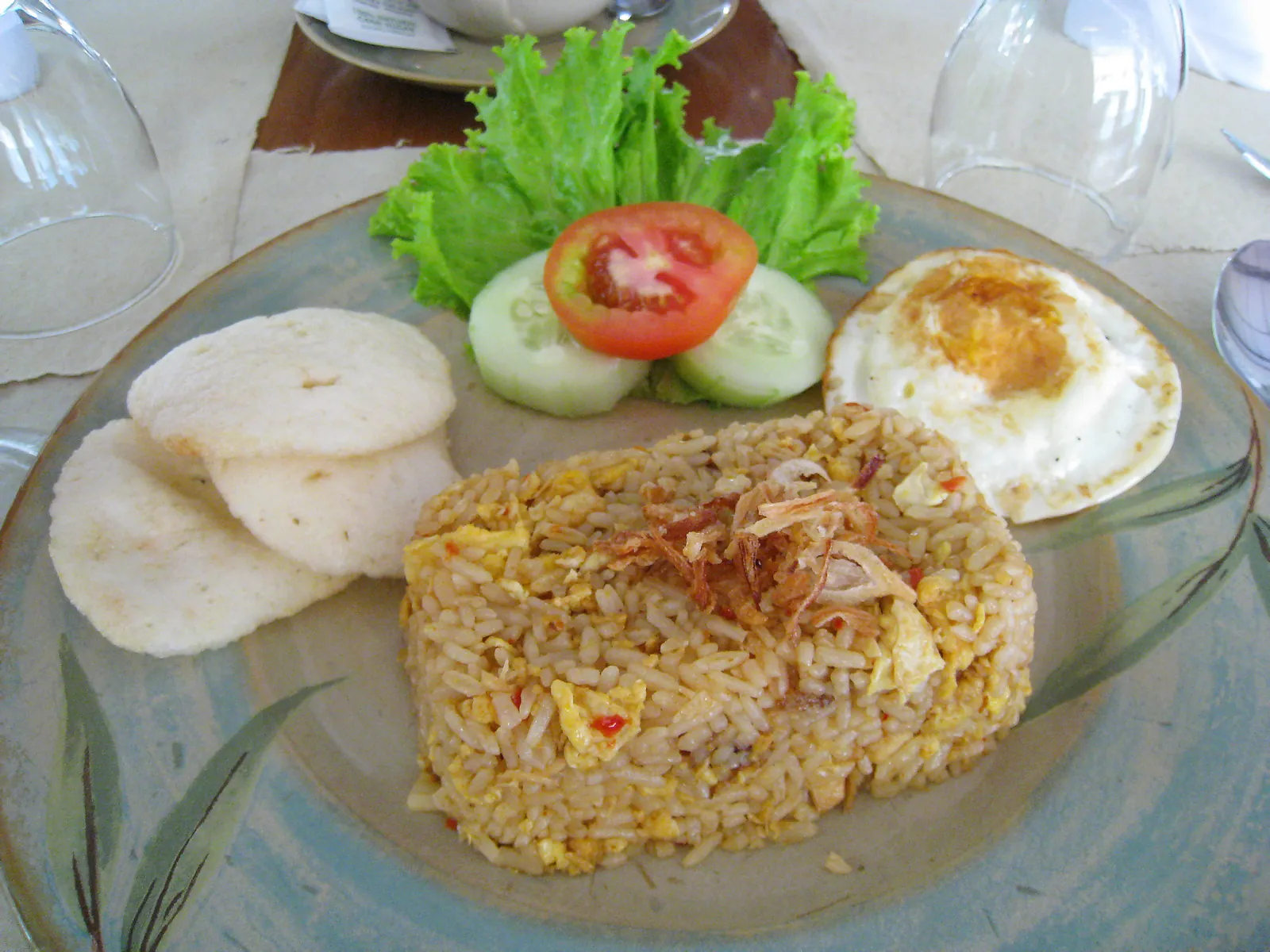
Indonesian nasi goreng — a mound of fried rice with egg and fried shallots, a fried egg, prawn crackers, cucumber, tomato and lettuce Indonesia flag Indonesia 35m
Dinner •Jakarta Street Classic

Indonesian Nasi Goreng

This Indonesian nasi goreng recipe turns a bowl of day-old rice into something far better than the sum of its parts: smoky, sweet-savoury grains coated in kecap manis, tossed with chicken, carrot and peas, and crowned with a fried egg and crunchy prawn crackers. It is the kind of dinner that comes together in one wok in about half an hour, and it tastes like a Jakarta street stall at its best. One serving is about 470 g.

Comfort & Satisfying

A one-wok dinner of sweet-savoury fried rice, chicken and a fried egg, served the Indonesian way with cucumber, tomato and prawn crackers.

Pairs Well With
A fried egg on top, cool cucumber and tomato, and a handful of prawn crackers, with iced tea to drink.
Quick Prep (<30m)
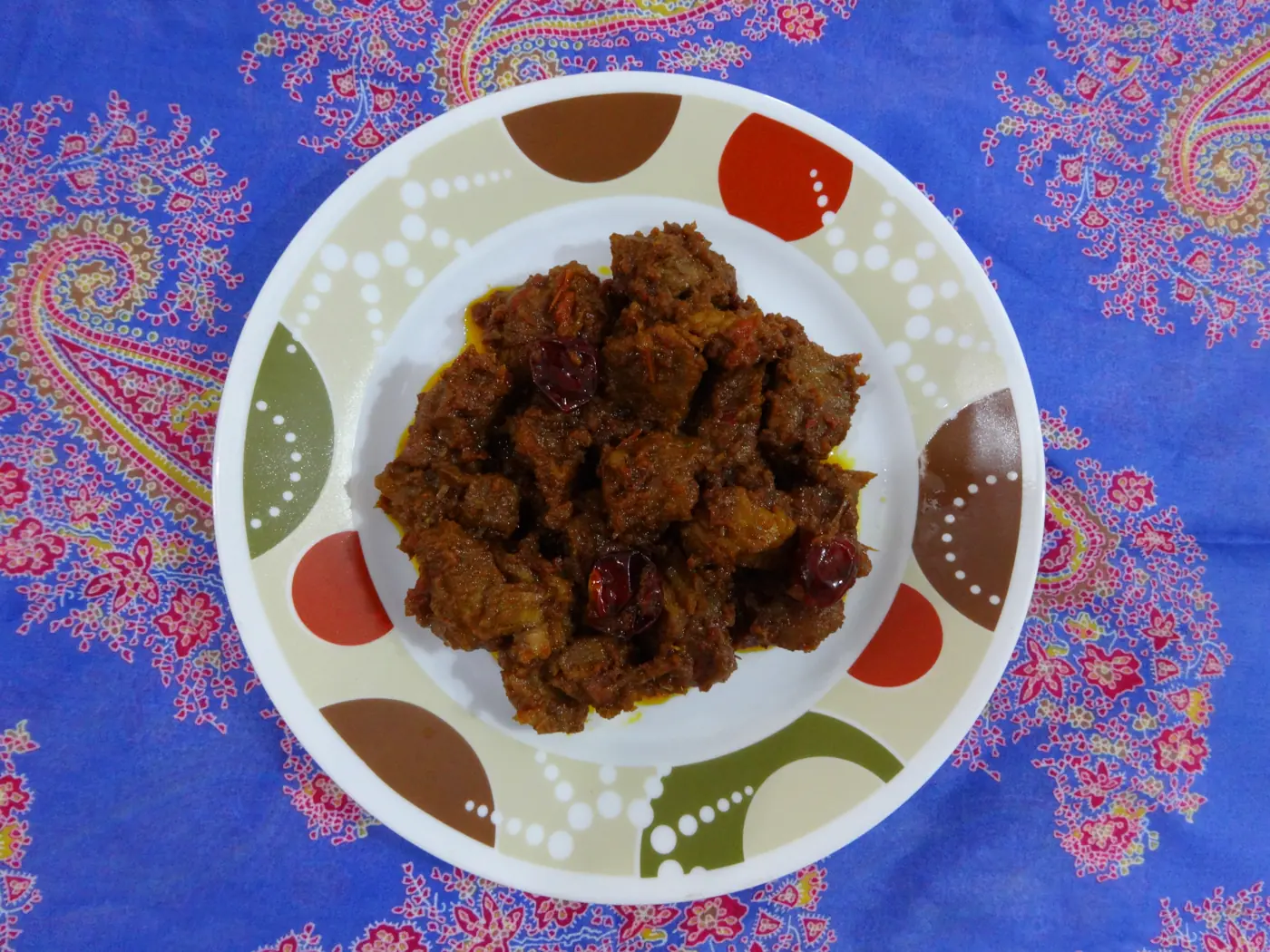
A plate of beef rendang — dark brown beef chunks coated in a dry, caramelised spice paste Indonesia flag Indonesia 4h
Dinner •West Sumatra Heritage

Beef Rendang

This beef rendang recipe slow-braises beef chuck in coconut milk with lemongrass, galangal, chillies and warm spices for about four hours, until the sauce has almost disappeared and the meat is coated in a dark, dry, caramelised spice paste. It is the Minangkabau dish from West Sumatra that sits at the heart of Padang cooking: deeply savoury, gently hot, and rich without being saucy. One serving is about 380 g.

Rich & Satisfying

Slow-braised beef in spiced coconut milk, reduced until the meat is coated in a dark, caramelised spice paste.

Pairs Well With
Steamed jasmine rice & pickled cucumber (acar timun)
High Protein
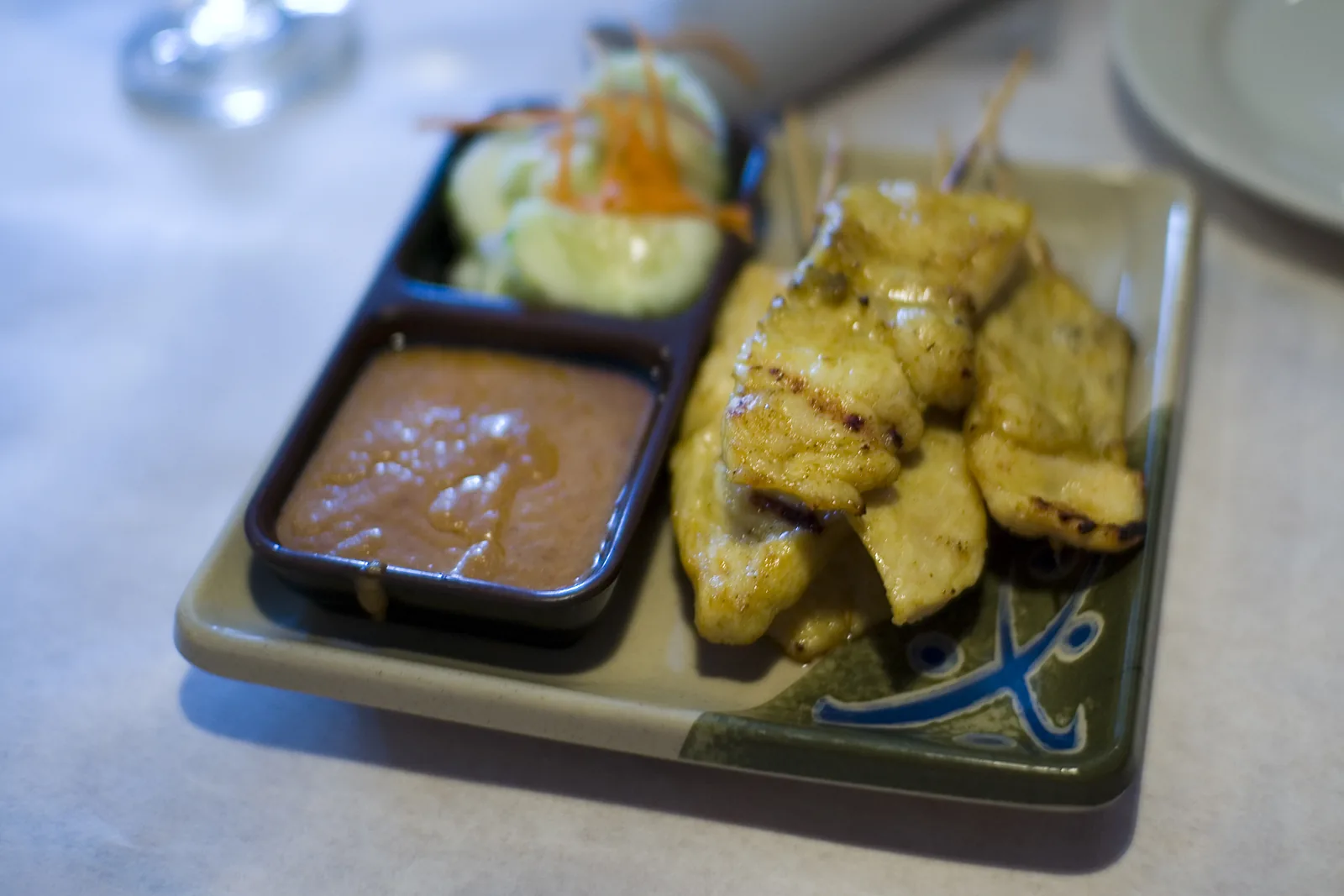
Grilled chicken satay skewers with peanut sauce and cucumber salad on a plate Indonesia flag Indonesia 45m
Dinner •Java Street Food

Chicken Satay

This chicken satay recipe turns chicken breast into golden, char-edged skewers marinated in turmeric, coconut milk, garlic and sweet soy sauce, then grilled and served with a warm, creamy peanut sauce. One serving is about 290 g: three skewers, a generous spoonful of peanut sauce and a cool cucumber-shallot salad. It is the Indonesian street-food classic — sate ayam — made for a weeknight grill.

High-Protein Grilling

Grilled chicken skewers in a turmeric-coconut marinade, served with a homemade peanut sauce — high in protein and cooked fast over high heat.

Pairs Well With
Lontong rice cakes and a cool cucumber-shallot salad balance the rich peanut sauce.
High Protein • Quick Prep (<30m)
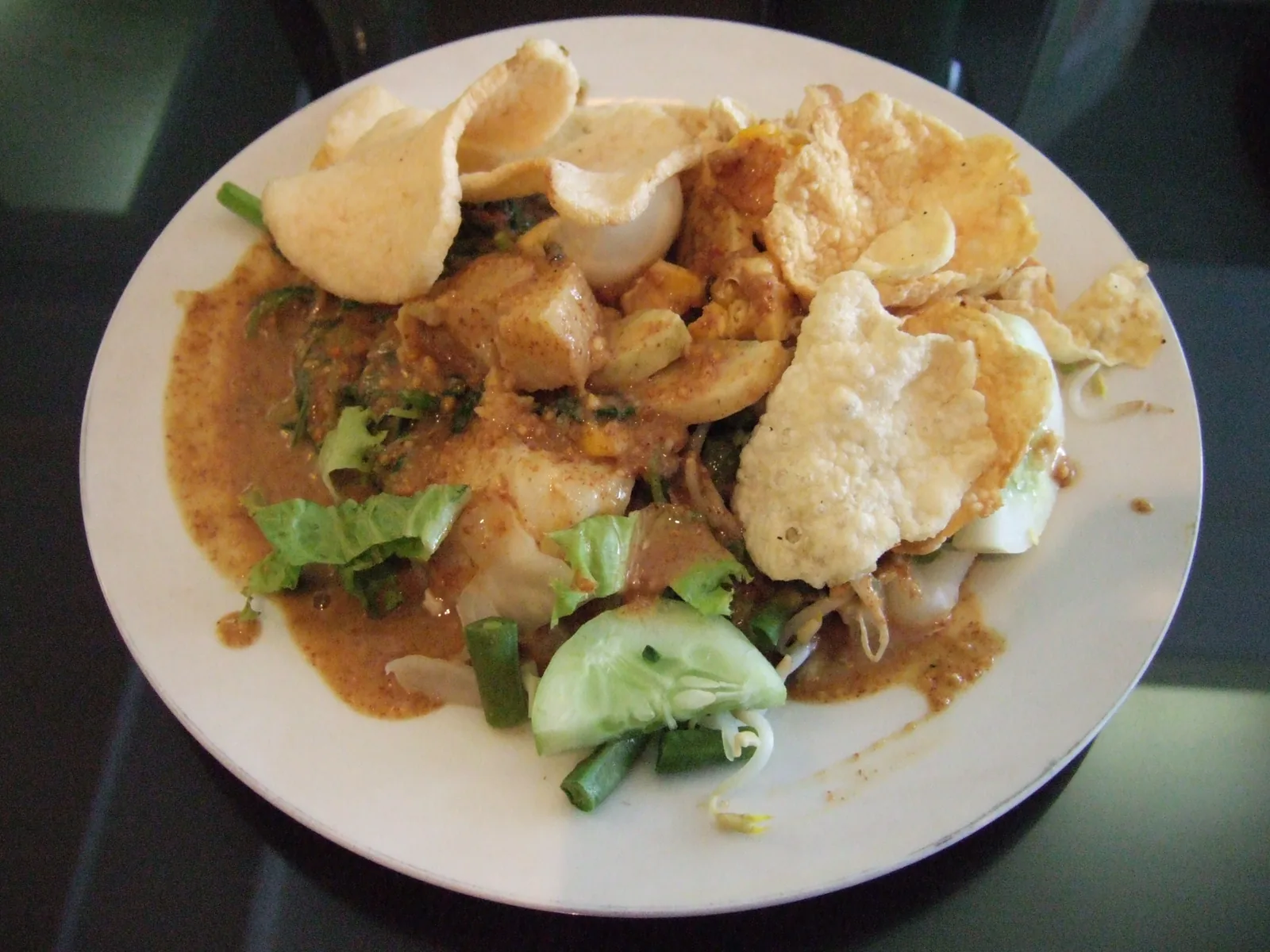
A plate of gado-gado: mixed vegetables, tofu and boiled egg coated in peanut sauce, topped with prawn crackers and cucumber slices. Indonesia flag Indonesia 45m
Lunch •Jakarta Street Food Classic

Gado-Gado

Gado-gado is Indonesia's best-loved salad: warm potatoes, green beans, cabbage, bean sprouts, cucumber and carrot, with fried tofu, boiled egg and crunchy prawn crackers, all coated in a thick, sweet-savoury peanut sauce. One serving is about 584 g.

Fresh & Filling

Warm vegetables, tofu and egg under a rich peanut sauce — a complete meat-free lunch.

Pairs Well With
Serve warm with prawn crackers on the side and a glass of iced tea.

The Dinner Gazette

Never wonder what’s for dinner again

One email a week with easy dinner ideas from around the world — ingredients, steps and nutrition, tested in our kitchen first.

Delivered every Thursday morning. Unsubscribe anytime.