
Curated recipes from 193 countries  •  New seasonal Mediterranean issue out now

Overview

Shrimp Tempura

Ebi Tempura — Fried Shrimp in Light Batter

This shrimp tempura recipe fries plump shrimp in an ice-cold, barely mixed batter so the coating stays light and shatteringly crisp, then serves them with warm tentsuyu dipping sauce and grated daikon. One serving is about 300 g.

Tempura arrived in Japan in the 16th century with Portuguese missionaries and traders, who fried vegetables and fish in batter during Lent — the Portuguese word tempora, for the Ember Days fast, gave the dish its name. Japanese cooks in Edo (now Tokyo) made it their own, using a much lighter, colder batter and serving it hot from street stalls. Shrimp became the most famous tempura of all, and by the 19th century it was a fixture of Edo's fast-food stalls.

Pairs well with: Steamed rice, miso soup and a cold beer or iced green tea

Provenance

Japan flag Japan

Edo-Period Street Food

East & South Asia

Time Dedication

40m

25m prep • 15m cook

Batch Yield

4 Servings

369 kcal per serving

1 serving ≈ 300 g

Technical Skill

Intermediate

Medium (Frying)

Meal Timing & Digestive Fit

Breakfast

Not Advised

Lunch

Hearty Midday Main

Dinner

Ideal Hearty Main

Snack & Tea

Inappropriate

Occasions: Weekend dinners, Japanese set meals, when you want something crisp and light Cost: Medium — about $4–5 per serving at home
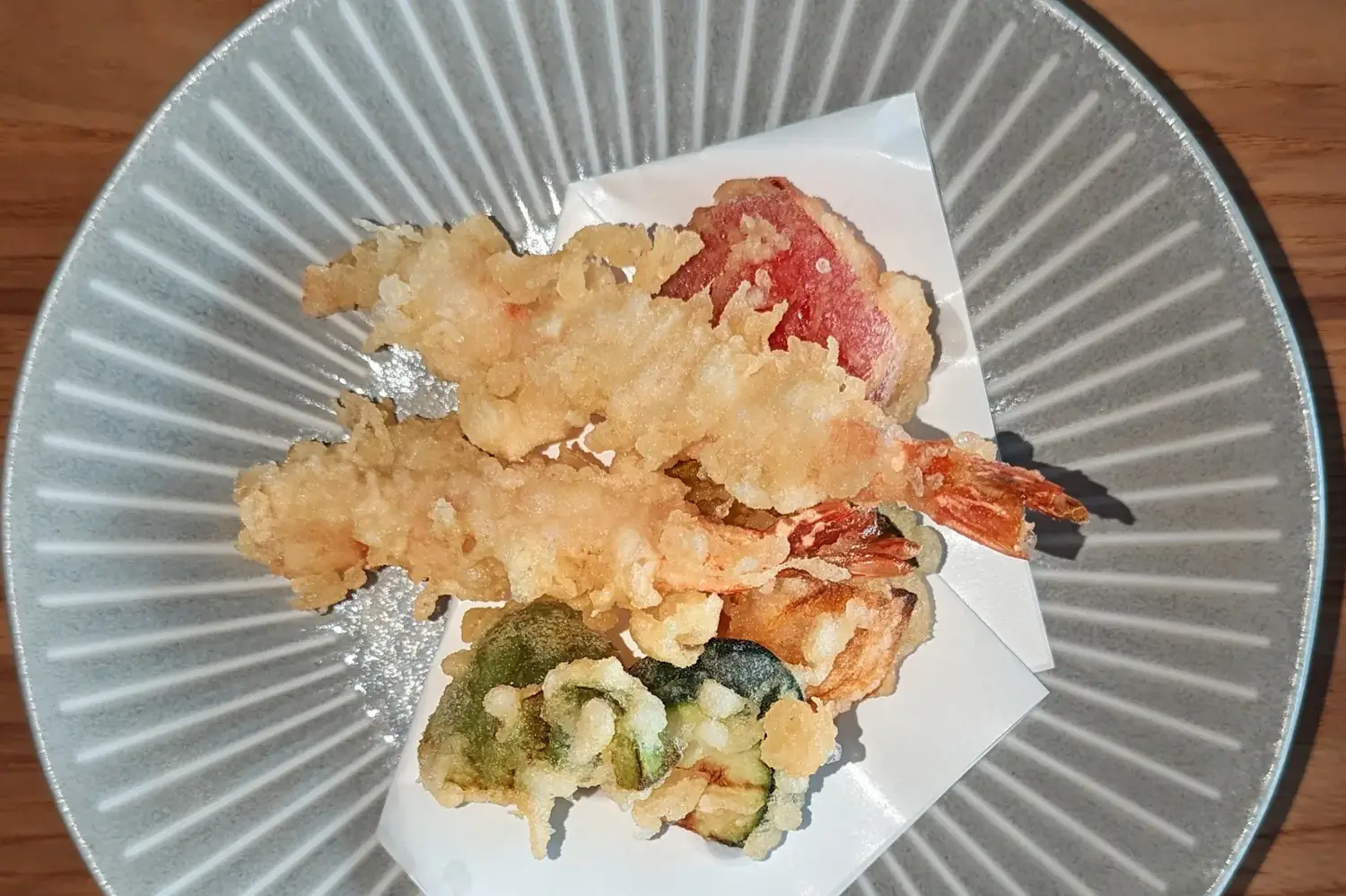
Golden shrimp tempura and vegetable tempura on a grey plate with absorbent paper

Edo-Period Street Food

Photo: Daderot, CC0, via Wikimedia Commons

The Heritage Formulary

Measured Ingredients

Estimated cost: Medium — about $4–5 per serving at home (USD)

Real tempura batter is ice-cold, barely mixed and lumpy — a smooth batter makes a heavy, greasy crust.

Execution Methodology & Culinary Technique

Step-by-Step Cooking Guide

Active 40m
P

Prep Stage: Straighten the Shrimp

25 Mins • Knife Work

Peel the shrimp, leaving the tails on, and pull out the dark vein. Make 3–4 shallow cuts across the belly of each shrimp, then press it flat on the board — this stops the shrimp curling into a tight C in the hot oil. Dust each shrimp lightly with the reserved flour, and put the batter flour, cornstarch, egg and ice water in the fridge so everything is cold.

Maestro Tip: Cold is everything in tempura: warm batter makes a heavy, greasy coat.

  1. 1

    Make the Tentsuyu

    5 Mins Gentle simmer, about 90°C (194°F)

    Put the dashi, soy sauce and mirin in a small pan and warm gently for 5 minutes, just until it steams — do not boil it hard. Pour into small dipping bowls and add a spoonful of grated daikon and a pinch of grated ginger to each.

    Warm the sauce, never boil it: boiling dulls the dashi flavour.

    Done when: The sauce is hot, clear and lightly sweet-savoury.

  2. 2

    Mix the Batter — Barely

    2 Mins No heat — ice-cold ingredients

    Whisk the egg into the ice-cold water, then tip in the flour and cornstarch all at once. Stir with chopsticks for just a few seconds — the batter should be thin, lumpy and streaked with dry flour. Lumps are good; a smooth batter is a failed batter.

    Mix the batter at the last possible moment, right before frying.

    Done when: The batter is thin, cold and visibly lumpy.

  3. 3

    Heat the Oil

    5 Mins 180°C (350°F)

    Heat the oil in a deep pot or wok to 180°C (350°F). Test with a drop of batter: it should sink halfway, then bob straight back up surrounded by bubbles. If it sinks and stays down, the oil is too cool; if it browns instantly, it is too hot.

    Use a thermometer — guessing the temperature is how tempura turns greasy.

    Done when: A drop of batter sizzles and floats within 2 seconds.

  4. 4

    Fry the Shrimp

    6 Mins 180°C (350°F)

    Dip each floured shrimp in the batter, let the excess drip off, and lower it into the oil tail-first, holding the tail for a second so the shrimp goes in straight. Fry 3–4 at a time for 2–3 minutes, turning once, until the coating is pale gold and crisp. Lift out and drain upright on a wire rack, never on paper towels, which steam the crust soft.

    Fry in small batches — crowding the pot drops the oil temperature and the batter soaks up oil.

    Done when: The shrimp are pale gold, the batter is crisp and lacy, and the flesh inside is just opaque.

  5. 5

    Serve at Once

    2 Mins Serve immediately, tentsuyu warm

    Pile the tempura on a plate lined with absorbent paper, with the bowls of tentsuyu alongside. Eat within minutes, dipping each piece in the warm sauce — tempura waits for nobody.

    Tempura is at its best in the first 5 minutes; after that the steam softens the crust.

    Done when: The crust crackles when you bite it, and the shrimp inside is juicy.

Finishing Touches & Plating

Eat the tempura the moment it leaves the oil, dipped in the warm tentsuyu — the contrast of the hot, crisp crust and the cool, sharp daikon is the whole point of the dish.

Nutritional Physiology & Benefits

Nutrition

Energy

369

kcal / serving

Protein

27g

Complete AA

Carbs

38g

Complex

Fats

12g

Healthy

Per serving (4 servings · 1 serving ≈ 300 g)
Energy369 kcal
Protein27 g
Carbohydrates38 g
Fat12 g
Fibre1.5 g
Sugar3.9 g
Sodium1509 mg
Per 100g
Energy123 kcal
Protein9 g
Carbohydrates12.6 g
Fat4 g
Fibre0.5 g
Sugar1.3 g
Sodium503 mg

Nutrition values are estimated — calculated from USDA FoodData Central values for the listed ingredients.

Vitamins & minerals: Vitamin B12 and selenium (shrimp), vitamin C (daikon), iodine (shrimp, dashi).

Lean Protein, Lightly Fried

About 27 g of protein per serving from shrimp, with a batter so thin it adds far less fat than a thick crumb coat.

Selenium and B12

Shrimp is a natural source of selenium and vitamin B12, which support normal thyroid function and red blood cell formation.

Fresh, Clean Flavours

Grated daikon and ginger in the dipping sauce cut through the frying oil and keep the dish feeling light.

Food Pairings

What to Eat With

To optimize nutrient absorption and elevate the sensory depth, pair with these authentic accompaniments:

Sides

Steamed Rice

Plain rice soaks up the tentsuyu and turns the tempura into a proper meal — or pile the shrimp on the rice for a quick tendon-style bowl.

Soups

Miso Soup

A small bowl of miso soup adds warmth and salt balance without competing with the delicate tempura.

Drinks

Iced Green Tea

Cold, unsweetened green tea cleanses the palate between bites of fried shrimp.

Full Menus

As a Tempura Set Meal

Serve the shrimp with rice, miso soup and pickles — the classic teishoku set that Japanese restaurants build around tempura.

Complete menu

Serve the tempura as the main dish with steamed rice, miso soup and pickles, with iced green tea to drink.

Digestive Guardrails

What NOT to Combine

To prevent digestive distress, sluggishness, or palate clash, avoid pairing the dish with these elements:

Reheating in the Microwave

Microwaving turns the crisp batter soggy and rubbery; if you must reheat, use a hot oven for a few minutes. This is general guidance, not medical advice.

Thick, Overmixed Batter

A smooth, heavy batter fries up dense and greasy instead of light and lacy — that is the most common tempura mistake.

General information only, not medical advice — consult a doctor for personal dietary decisions.

Who Should Eat It

Who Should Eat

  • General adultsA light, protein-rich dinner — enjoy it fresh from the fryer.
  • ChildrenSuitable from age 5+; cut the shrimp small and serve the sauce on the side.
  • ElderlyEnjoy a modest portion — the shrimp are easy to chew and the batter is light.
  • Pregnant womenGenerally suitable if the shrimp are cooked through to opaque; keep the soy-based sauce modest because of the salt.
  • Breastfeeding womenGenerally suitable; the lean protein supports recovery — keep the sauce portion moderate.
  • AthletesA good post-workout choice: about 27 g of protein per serving with rice for carbs.
  • Weight gainA good choice — take a full portion with an extra serving of rice.
  • Weight lossAn occasional treat — the frying oil adds fat; take 3 shrimp and load up on the daikon and salad.

Health Conditions — Adjust or Avoid

Conditions

  • DiabetesThe batter is the main source of carbs — keep the batter thin and ask your clinician about portion size.
  • High blood pressureMost of the sodium sits in the tentsuyu; dip lightly rather than drinking the sauce. Ask your clinician about a suitable portion.
  • Kidney diseaseLimit the dipping sauce (sodium); ask your clinician about portion size.
  • GoutEat occasionally and in smaller portions — shrimp and rich sauces are best kept modest.
  • Stomach issuesThe light batter is usually gentle, but fried food can upset a sensitive stomach — eat a small portion.
  • Cardiovascular diseaseAn occasional food — the frying oil adds saturated fat; balance the rest of the day.
  • Fatty liverAn occasional treat — fried food is rich; keep the portion small and favour the shrimp and daikon.
  • Food allergiesContains shrimp (crustacean shellfish), wheat (flour), egg and soy. The batter can be made with rice flour, but check the label for gluten-free certification.
  • Special therapeutic dietsIf you follow a prescribed low-sodium or low-fat diet, dip lightly, skip extra soy sauce, and check with your clinician.

If you have a medical condition, consult your doctor before changing your diet.

Storage & Use

Storage & Use

How to store
Cool quickly and store in a single layer in an airtight container, with paper between layers.
In the fridge
1 day; the batter softens in the fridge.
In the freezer
Not recommended — the crust turns soggy.
How to reheat
Reheat in a hot oven at 200°C (400°F) for 4–5 minutes until crisp again. Reheat to 74°C (165°F).
Freezing recommended
No — tempura does not freeze well.
Signs it has spoiled
Sour or fishy smell, slimy shrimp, or a soft, wet batter that will not crisp.

More recipes to explore

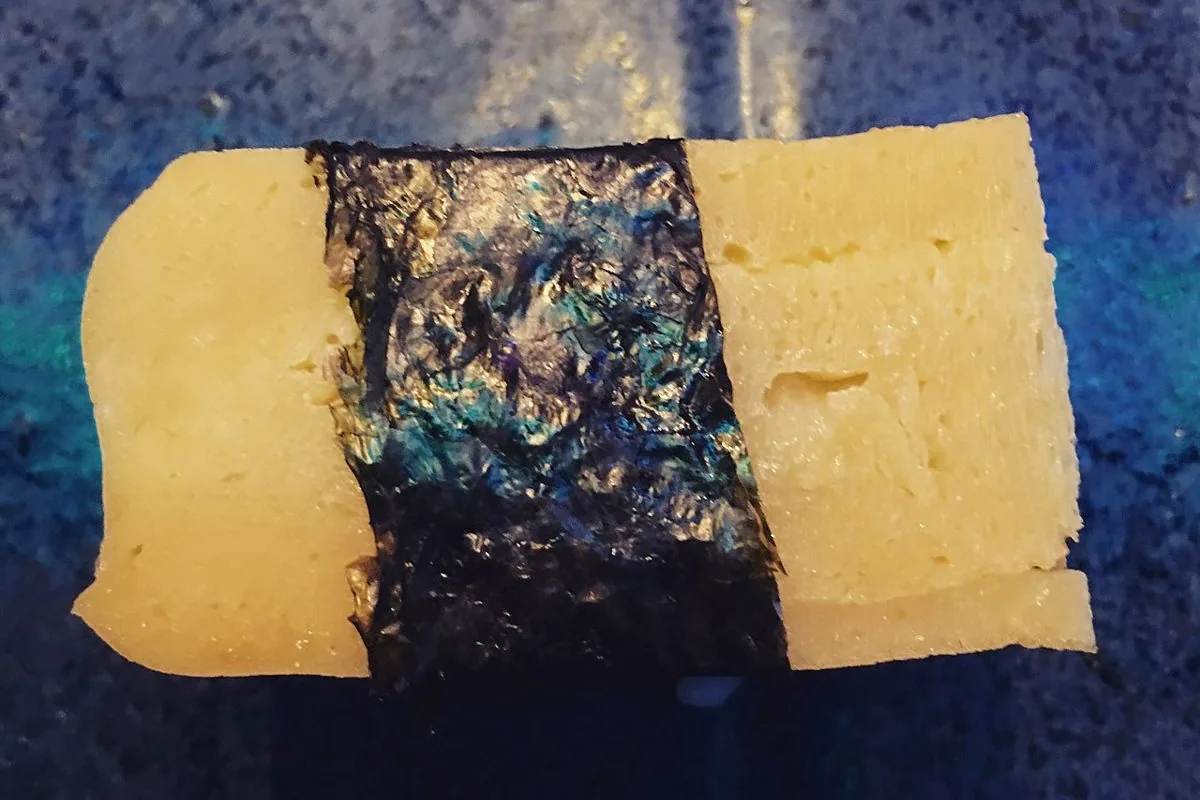
Sliced tamagoyaki rolled omelette wrapped in nori on a blue plate Japan flag Japan 25m
Breakfast •Edo Traditional

Tamagoyaki, Miso & Gohan

Dashi-infused rolled omelet served with live cultured miso broth and sea kelp for foundational gastrointestinal conditioning. One serving is about 580 g.

Digestive Gut Health

Silky rolled omelette with miso soup and steamed rice.

Pairs Well With
Fermented Natto & Sencha Green Tea
High Protein • Fermented / Gut Health • Quick Prep (<30m)
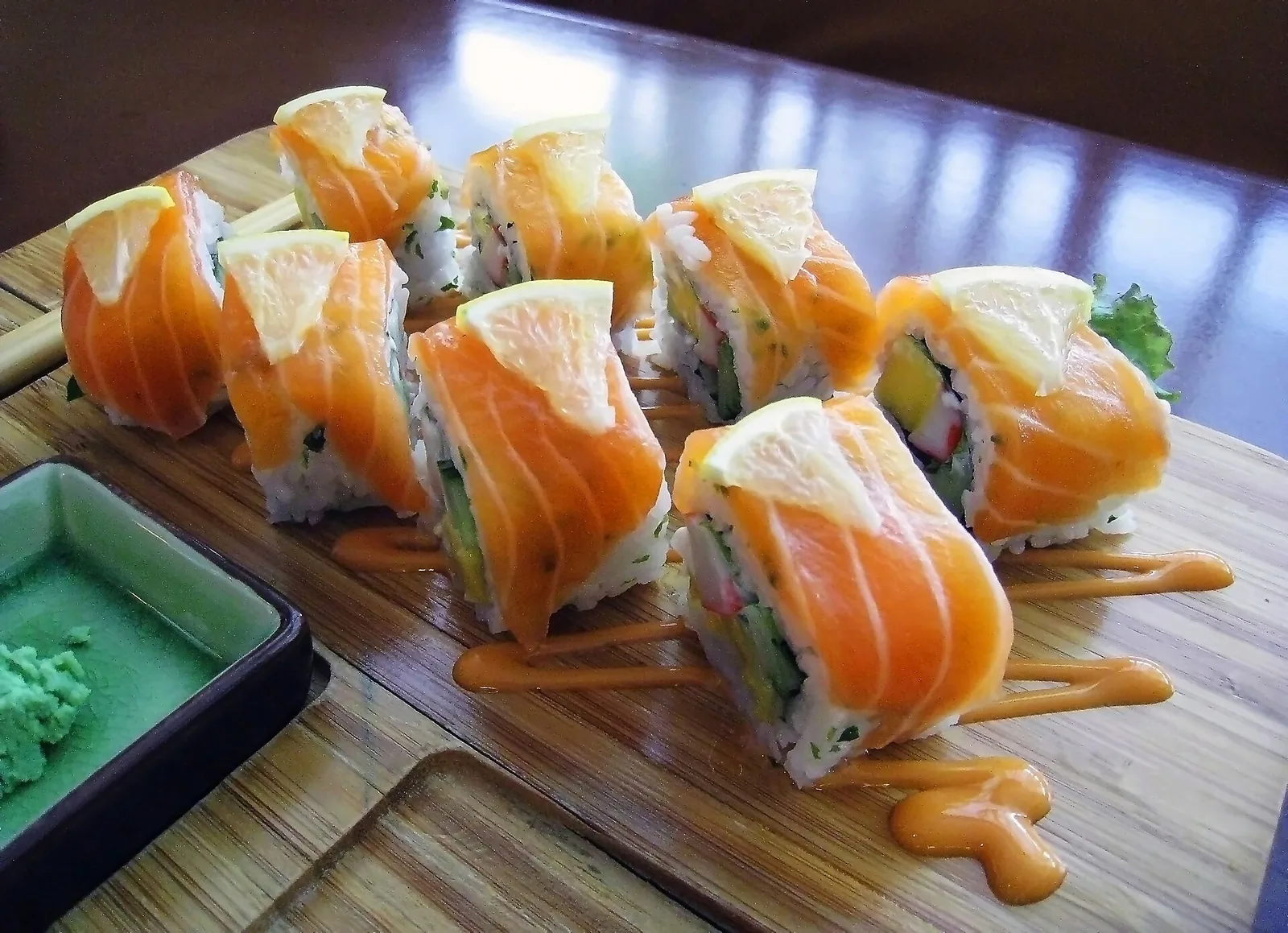
Salmon sushi rolls topped with salmon and lemon wedges on a wooden board, with wasabi Japan flag Japan 1h
Lunch •Edo-Style Sushi

Salmon Sushi Rolls (Maki)

This salmon sushi rolls recipe shows how to season sushi rice, slice sashimi-grade salmon and roll neat maki with cucumber and avocado. One serving is about 393 g — one full roll, cut into 8 pieces.

Light & Fresh

Sushi rice, sashimi-grade salmon and cucumber rolled in nori — light, fresh and protein-rich.

Pairs Well With
Miso soup, pickled ginger and a pot of green tea
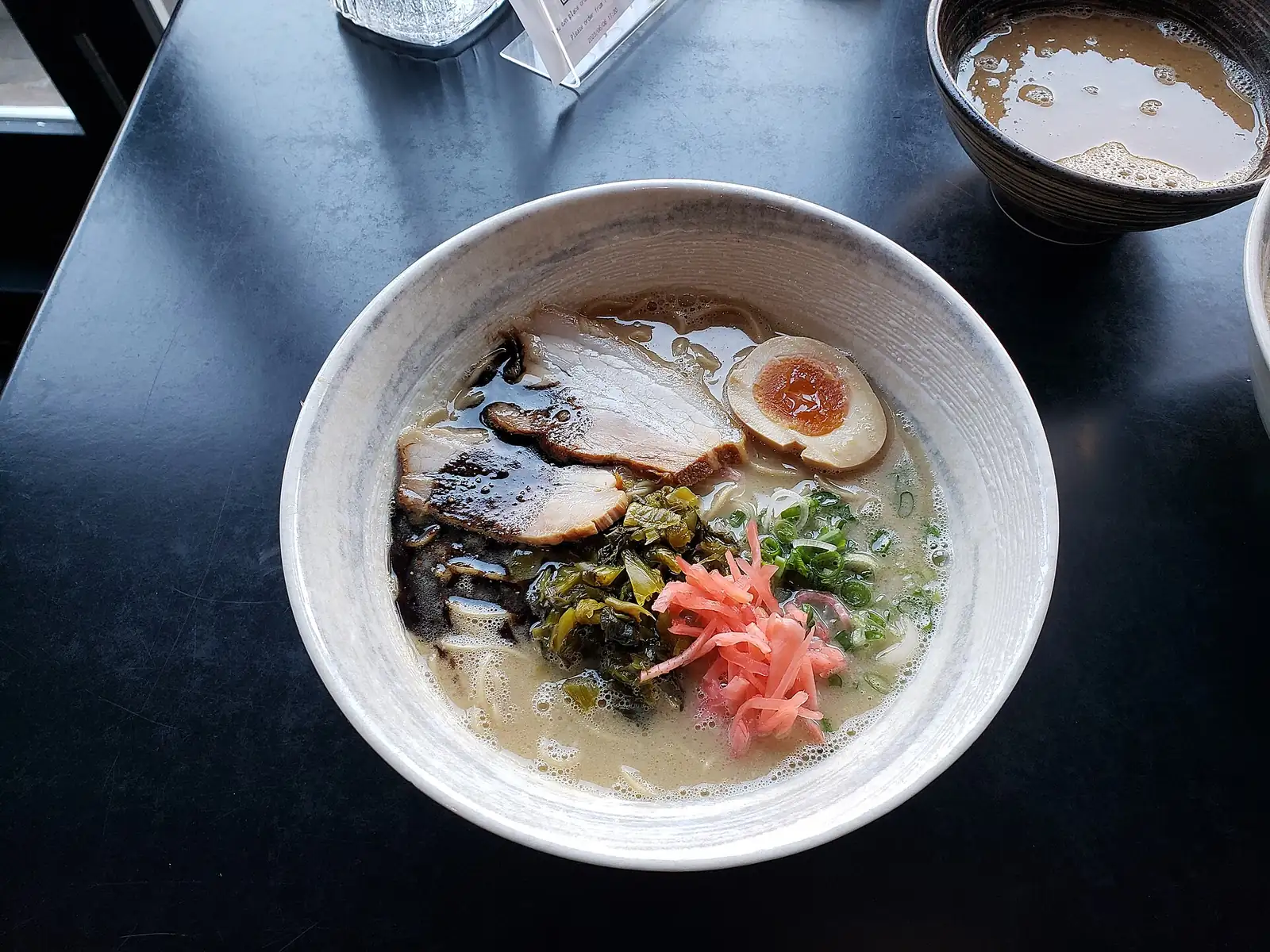
A bowl of tonkotsu ramen with chashu pork, a soft egg, spring onion and pickled ginger Japan flag Japan 3h 30m
Lunch •Hakata Yatai Style

Tonkotsu Ramen

This tonkotsu ramen recipe uses a pressure cooker to get the milky, pork-bone broth that normally takes all day, then builds the bowl with thin noodles, chashu pork and a soft egg. One serving is about 760 g.

Rich & Warming

Milky pork-bone broth, thin noodles, chashu pork and a soft egg — the richest bowl in ramen.

Pairs Well With
Gyoza, pickled ginger and a cold beer or iced barley tea
Soups & Broths • High Protein
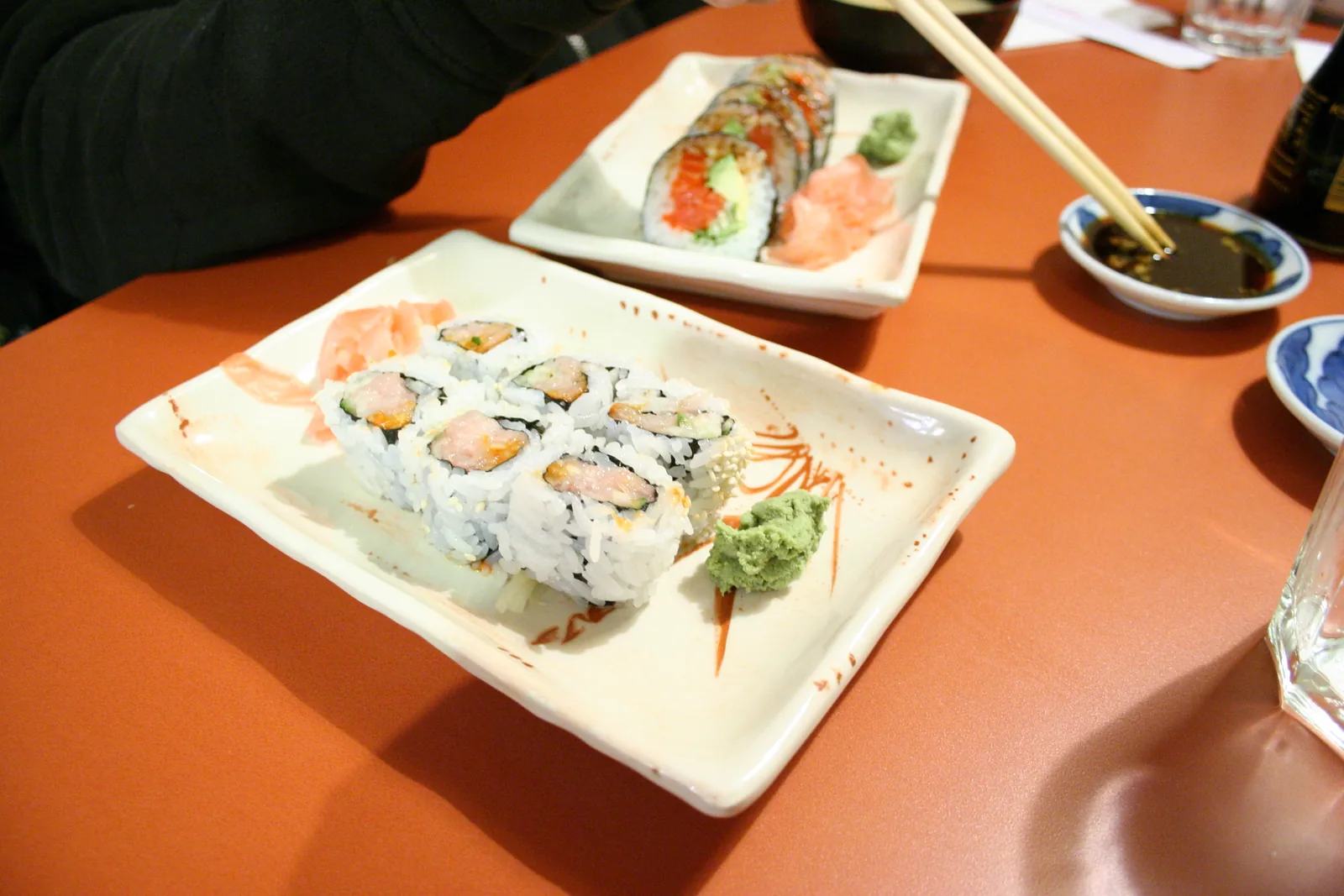
A plate of spicy tuna uramaki rolls with pickled ginger and wasabi, the pink tuna filling visible in the cut rolls Japan flag Japan 1h
Lunch •American Sushi Classic

Spicy Tuna Roll

This spicy tuna roll recipe shows how to season sushi rice, chop sashimi-grade tuna with spicy mayo, and roll neat rice-outside uramaki with cucumber and avocado. One serving is about 355 g — one full roll, cut into 8 pieces.

Light & Fresh

A cool, light sushi roll with raw tuna, cucumber and avocado — fresh, filling and quick to assemble once the rice is ready.

Pairs Well With
Miso soup, pickled ginger and iced green tea

The Dinner Gazette

Never wonder what’s for dinner again

One email a week with easy dinner ideas from around the world — ingredients, steps and nutrition, tested in our kitchen first.

Delivered every Thursday morning. Unsubscribe anytime.