
Curated recipes from 193 countries  •  New seasonal Mediterranean issue out now

Overview

Sierra Leone Beans and Plantain

Beans and Plantain Pottage, One-Pot Beans and Plantains

This sierra leone beans and plantain recipe is the everyday classic of Sierra Leone: black-eyed beans simmered in red palm oil with onion, tomato and scotch bonnet until tender, served with ripe plantain fried deep golden. One serving is about 390 g.

Black-eyed beans and plantain are market staples across West Africa, and in Sierra Leone the two are cooked together as everyday home food: beans simmered in red palm oil with onion and scotch bonnet, with plantain either stirred in or fried golden and served on top. Sierra Leonean recipe collections such as Recipes From A Pantry's 'Sierra Leone Flavours' document the one-pot version, where palm oil — the country's defining cooking fat — gives the beans their orange colour. Fried ripe plantain, known across the region as dodo, adds sweetness against the savoury beans, and the dish is served at family meals with rice on the side.

Pairs well with: Steamed white rice, a cabbage and carrot salad, and cold ginger beer

Provenance

Sierra Leone flag Sierra Leone

Sierra Leonean Everyday Classic

African Heritage

Time Dedication

1h 45m

15m prep • 90m cook

Batch Yield

4 Servings

555 kcal per serving

1 serving ≈ 390 g

Technical Skill

Intermediate

Easy (One Pot + Fry)

Meal Timing & Digestive Fit

Breakfast

Not Advised

Lunch

Hearty Midday Main

Dinner

Ideal Hearty Main

Snack & Tea

Inappropriate

High Protein Occasions: Family dinners, weekday suppers, weekend cooking, lunch with friends Cost: Low — about $2–3 per serving at home
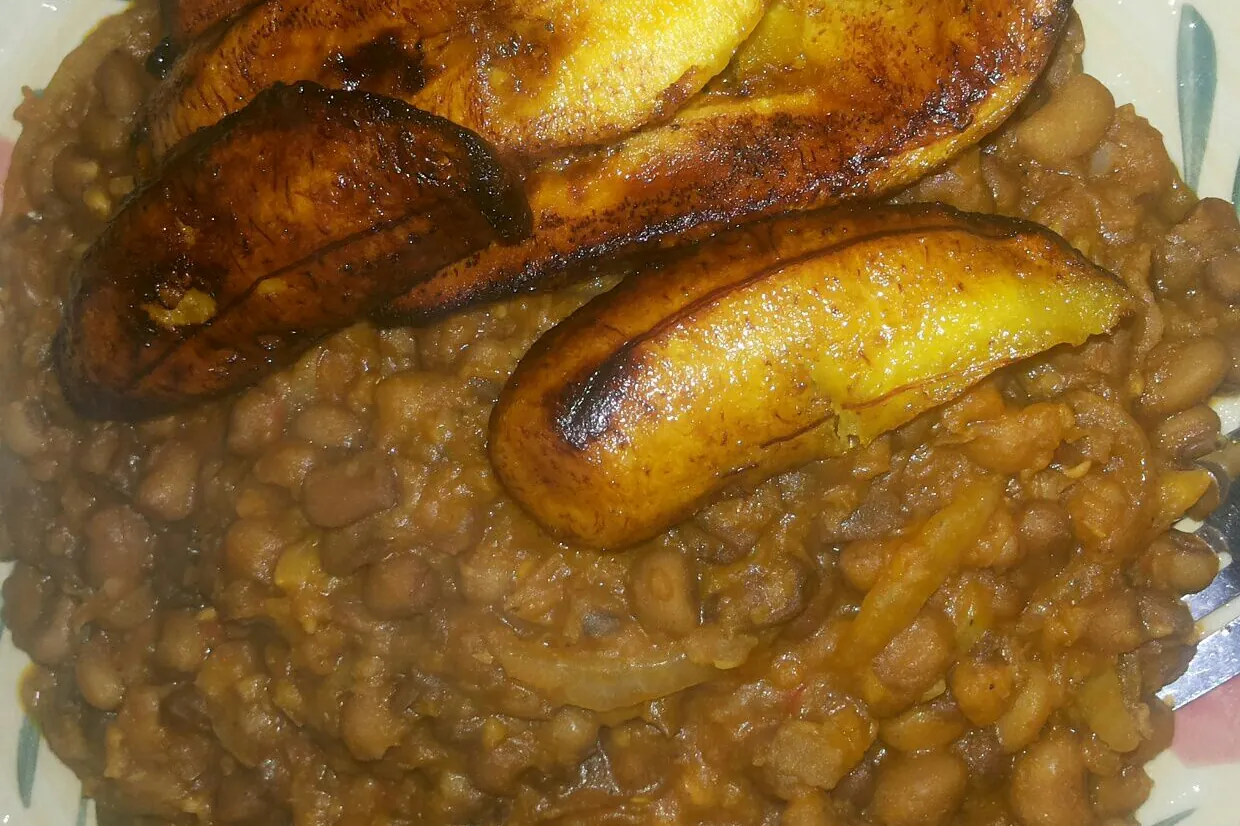
Sierra Leone beans and plantain — stewed black-eyed beans topped with golden fried ripe plantain slices on a plate

Sierra Leonean Everyday Classic

Photo: Gani ray, CC BY-SA 4.0, via Wikimedia Commons

The Heritage Formulary

Measured Ingredients

Estimated cost: Low — about $2–3 per serving at home (USD)

Good beans and plantain is judged by the beans: tender right through, coated in a glossy orange palm-oil sauce, with plantain fried deep golden and sweet against the heat.

Execution Methodology & Culinary Technique

Step-by-Step Cooking Guide

Active 1h 45m
P

Prep Stage: Soak the Beans, Slice the Plantain

15 Mins • Knife Work (plus overnight soak)

The night before, pick over the black-eyed beans, rinse them and cover with cold water to soak overnight. On the day, drain and rinse the beans. Peel the plantains and slice them diagonally about 1 cm thick. Chop the onion and tomato, mince the garlic, slice the chilli and chop the spinach. Everything goes into the pot in order, so have it all ready before the stove heats.

Maestro Tip: Pick plantains with yellow, black-speckled skin — that is when they are sweet enough to balance the savoury beans, but still firm enough to fry.

  1. 1

    Simmer the Beans

    60 Mins • Gentle Simmer Gentle simmer, about 95°C (200°F)

    Put the drained beans in a large pot with 1.2 L of fresh water. Bring to a boil, skim off any foam, then reduce to a gentle simmer, cover, and cook for about 60 minutes until the beans are tender right through. Reserve about 120 ml of the cooking liquid, then drain the rest.

    Do not add salt while the beans simmer — salt in the cooking water can keep the skins tough. Season once the beans are tender.

    Done when: A bean presses flat easily between thumb and finger, and the skins have split slightly. If they are still chalky in the middle, give them 10 more minutes.

  2. 2

    Fry the Palm Oil Base

    8 Mins • Medium Heat Medium heat, about 180°C (350°F) in the pot

    Heat the red palm oil in a wide pot over medium heat. Fry the onion for 3 minutes until soft, then add the tomato, garlic and chilli and cook for 5 minutes more, stirring, until the tomato breaks down and the oil turns orange-red at the edges.

    Wait for the tomato to fully soften — a raw-tasting base makes the whole pot taste sharp.

    Done when: The base is soft, fragrant and glossy, with the tomato fully broken down.

  3. 3

    Combine Beans and Base

    10 Mins • Gentle Simmer Gentle simmer, about 95°C (200°F)

    Stir the cooked beans and the reserved 120 ml of cooking liquid into the palm-oil base. Crumble in the stock cube, add the salt, and simmer gently for 8 minutes, stirring occasionally, until the sauce thickens and coats the beans. Stir in the chopped spinach in the last 2 minutes and let it wilt.

    If the beans look dry, add a splash more cooking liquid — the finished dish should be moist and glossy, not dry.

    Done when: The sauce is thick and orange, it coats the beans, and the spinach has wilted into the pot.

  4. 4

    Fry the Plantain

    10 Mins • Medium-High Heat Oil at about 180°C (350°F)

    While the beans simmer, heat the vegetable oil in a wide frying pan over medium-high heat. Fry the plantain slices in a single layer for 2–3 minutes per side until deep golden with caramelised edges. Lift out with a slotted spoon and drain briefly on kitchen paper.

    Do not crowd the pan — slices that touch steam instead of frying and stay pale. Fry in two batches if needed.

    Done when: Deep golden on both sides, with dark caramelised edges and a soft centre.

  5. 5

    Rest and Serve

    2 Mins • Resting Serve hot, about 60°C (140°F)

    Taste the beans and adjust the salt. Rest the pot off the heat for 2 minutes, then spoon the beans into wide bowls and lay the fried plantain slices on top.

    Serve the plantain on top of the beans, not underneath — it stays crisp and golden that way.

    Done when: The beans are hot through, the sauce is glossy, and the plantain is crisp at the edges.

Finishing Touches & Plating

Taste the beans and adjust the salt, rest the pot for 2 minutes off the heat, then spoon into wide bowls and lay the fried plantain slices on top of the beans.

Nutritional Physiology & Benefits

Nutrition

Energy

555

kcal / serving

Protein

20g

Complete AA

Carbs

84g

Complex

Fats

18g

Healthy

Per serving (4 servings · 1 serving ≈ 390 g)
Energy555 kcal
Protein20 g
Carbohydrates84 g
Fat18 g
Fibre17.5 g
Sugar27.6 g
Sodium530 mg
Per 100g
Energy142 kcal
Protein5 g
Carbohydrates21.6 g
Fat4.7 g
Fibre4.5 g
Sugar7.1 g
Sodium136 mg

Nutrition values are estimated — calculated from USDA FoodData Central values for the listed ingredients.

Vitamins & minerals: Folate, iron and potassium (black-eyed beans), vitamin C and vitamin B6 (plantain), vitamin K and folate (spinach), vitamin E (palm oil).

Plant Protein That Fills You Up

With about 19.6 g of protein and 17.5 g of fibre per serving, this plate of beans and plantain keeps you full for hours without any meat.

Fibre, Iron and Folate from Beans

Black-eyed beans bring fibre, iron and folate, the plantain adds potassium and vitamin C, and the spinach adds vitamin K and more folate.

Whole Foods, Nothing Processed

Beans, plantain, tomato, onion, spinach and palm oil — nothing processed, nothing hidden. The rich orange sauce comes from the palm oil itself, not from a packet.

Food Pairings

What to Eat With

To optimize nutrient absorption and elevate the sensory depth, pair with these authentic accompaniments:

Sides

Steamed White Rice

Plain rice is the classic partner in Sierra Leone: it soaks up the orange palm-oil sauce and turns the beans and plantain into a fuller meal.

Vegetables

Shredded Cabbage and Carrot Salad

A crisp, lightly dressed cabbage and carrot salad cuts through the richness of the palm oil and refreshes the palate between spoonfuls.

Drinks

Cold Ginger Beer

Cold, spicy-sweet ginger beer is the Sierra Leonean table drink, and its bite balances the rich, savoury beans and the sweet plantain.

More Pairings

Fried Egg

A fried egg on the side makes the plate richer and adds protein — a common way to stretch beans and plantain into a bigger family meal.

Complete menu

Serve the beans and plantain as the centrepiece with steamed white rice, a shredded cabbage and carrot salad, and a glass of cold ginger beer; a fried egg on the side makes it a fuller plate.

Digestive Guardrails

What NOT to Combine

To prevent digestive distress, sluggishness, or palate clash, avoid pairing the dish with these elements:

A Second Very Rich, Oily Dish

The beans already carry red palm oil, so a second fried or very oily main can make the meal heavy and greasy. Keep the sides light and fresh instead. This is general information, not medical advice.

Undercooked Beans

Dried beans must be soaked and simmered until fully tender — undercooked beans are hard to digest and can upset the stomach. Never eat beans that are only soaked. This is general information, not medical advice.

General information only, not medical advice — consult a doctor for personal dietary decisions.

Who Should Eat It

Who Should Eat

  • General adultsA hearty, satisfying dinner — high in fibre and plant protein, with the heat easy to adjust by leaving the chilli out.
  • ChildrenSuitable for children over 3; leave the chilli out of their portion and mash the beans a little for younger children. The sweet plantain is usually the part they like best.
  • ElderlyGood choice — the beans are soft and easy to chew once fully cooked; serve a moderate portion and cut the plantain into smaller pieces.
  • Pregnant womenGenerally suitable — beans are a good source of folate and iron. Make sure the beans are fully cooked through and ask your clinician about your overall diet.
  • Breastfeeding womenGenerally suitable; the protein, iron and folate support recovery. Eat the beans hot and freshly cooked, and drink plenty of water with the fibre.
  • AthletesA strong post-training meal: about 19.6 g of protein with slow-release carbohydrate from the beans and quick energy from the plantain. Add rice or a fried egg for more energy.
  • Weight gainA good choice — add a larger portion of rice or a fried egg to make the meal more energy-dense.
  • Weight lossA good choice: high fibre and protein with no meat. Keep the plantain to 2–3 slices per serving and fill the rest of the plate with salad.

Health Conditions — Adjust or Avoid

Conditions

  • DiabetesBeans are high in fibre, which slows digestion, but the plate is still about 84 g of carbohydrate per serving — mostly from the beans and the sweet plantain. Keep the plantain portion modest and ask your clinician about your carbohydrate target.
  • High blood pressureKeep the salt and stock cube as written and skip extra salt at the table; most of the sodium here comes from those two. Ask your clinician about your sodium limit.
  • Kidney diseaseBeans and plantain are fairly high in potassium and the beans are high in protein; keep portions moderate and ask your clinician whether this meal fits your plan.
  • GoutEat occasionally and in a moderate portion — beans contribute purines. Ask your clinician about frequency.
  • Stomach issuesSoaking and fully cooking the beans helps digestion, but the fibre and the chilli can still be hard on a sensitive stomach. Skip the chilli if yours is sensitive. If symptoms persist, ask your clinician.
  • Cardiovascular diseaseA good choice overall — beans, plantain and spinach with no meat. Palm oil is high in saturated fat, so keep it to the amount written and favour the salad side. Ask your clinician about your fat intake.
  • Fatty liverA good choice — a plant-based plate with fibre-rich beans; keep the plantain and rice portions moderate. Ask your clinician for guidance.
  • Food allergiesContains legumes (black-eyed beans) — people with a legume allergy, including peanut or soy, should check with their clinician first. Check the stock cube label, as some brands contain celery or wheat. The dish is naturally gluten-free and dairy-free as written.
  • Special therapeutic dietsIf you follow a prescribed low-potassium or low-purine diet, keep the beans and plantain portions modest and check with your clinician first.

If you have a medical condition, consult your doctor before changing your diet.

Storage & Use

Storage & Use

How to store
Cool within 2 hours; store the beans in an airtight container. Keep the fried plantain separate so it stays crisp.
In the fridge
Beans: 3 days at 4°C (39°F) or below. Fried plantain: 1 day, and it softens — best eaten fresh.
In the freezer
Beans: 3 months in a freezer-safe container. Do not freeze the fried plantain — it turns mushy on thawing.
How to reheat
Reheat the beans gently in a covered pot over low heat until they reach 74°C (165°F) throughout, adding a splash of water if the sauce has thickened. Fry the plantain fresh.
Freezing recommended
Yes for the beans (up to 3 months); fry the plantain fresh when you serve it.
Signs it has spoiled
Sour smell, slimy beans, mould, or plantain turning grey and mushy.

More recipes to explore

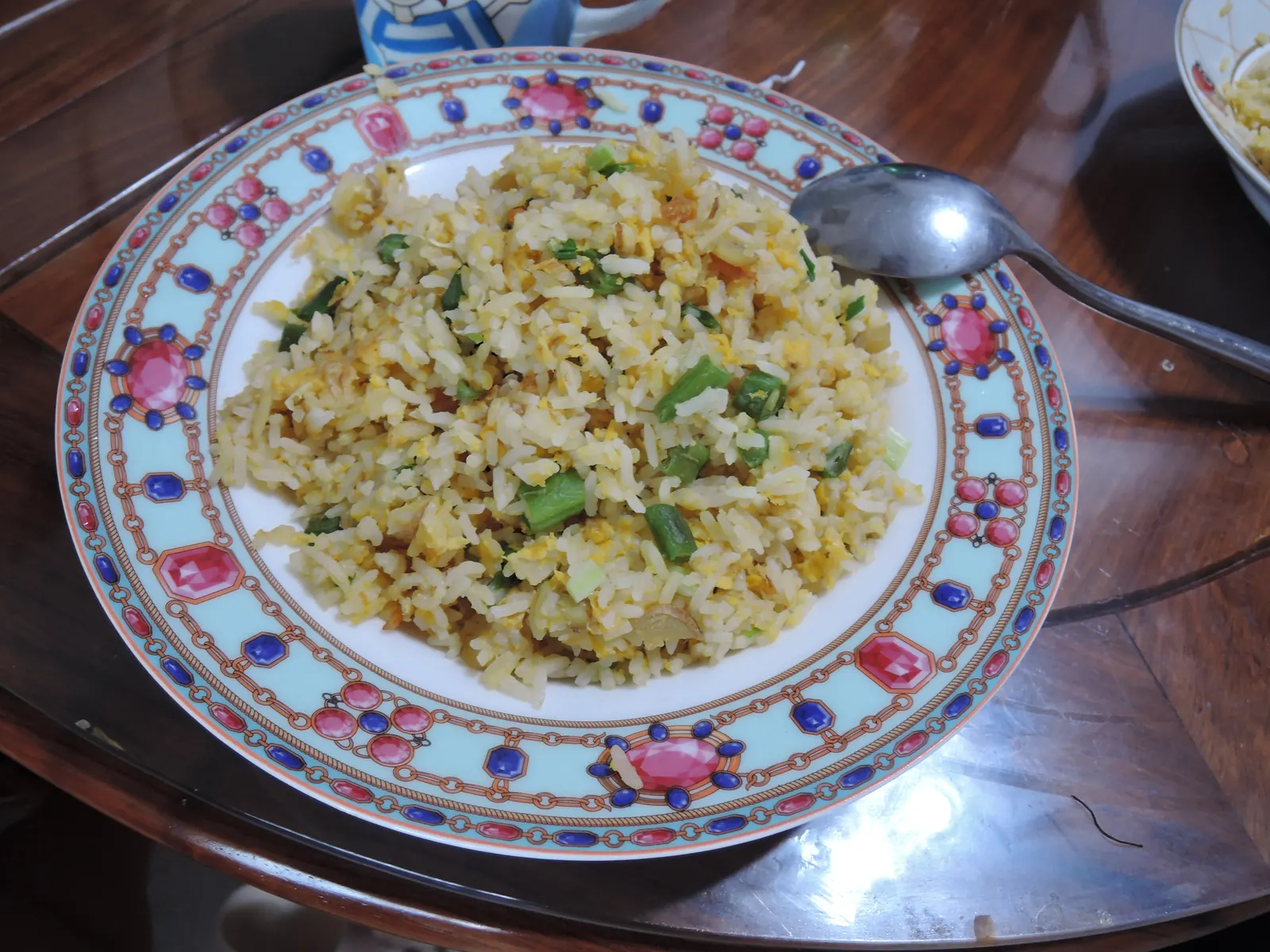
A plate of golden fried rice with spring onions and flecks of egg, with a serving spoon Sierra Leone flag Sierra Leone 45m
Dinner •Sierra Leonean Party Classic

Sierra Leone Fried Rice

This sierra leone fried rice recipe wok-fries day-old rice with marinated beef, sweet bell peppers, onion and scotch bonnet, finished with soy and Worcestershire sauce for colour and savoury depth. One serving is about 375 g. It takes about 45 minutes, serves 4, and the egg is left out — the Sierra Leonean way — with beef taking its place.

Hearty & Satisfying

Day-old rice wok-fried with seasoned beef, sweet peppers and scotch bonnet — a filling, protein-rich party plate that uses up leftover rice.

Pairs Well With
Serve hot straight from the wok, with fried plantain or a simple green salad on the side.
High Protein
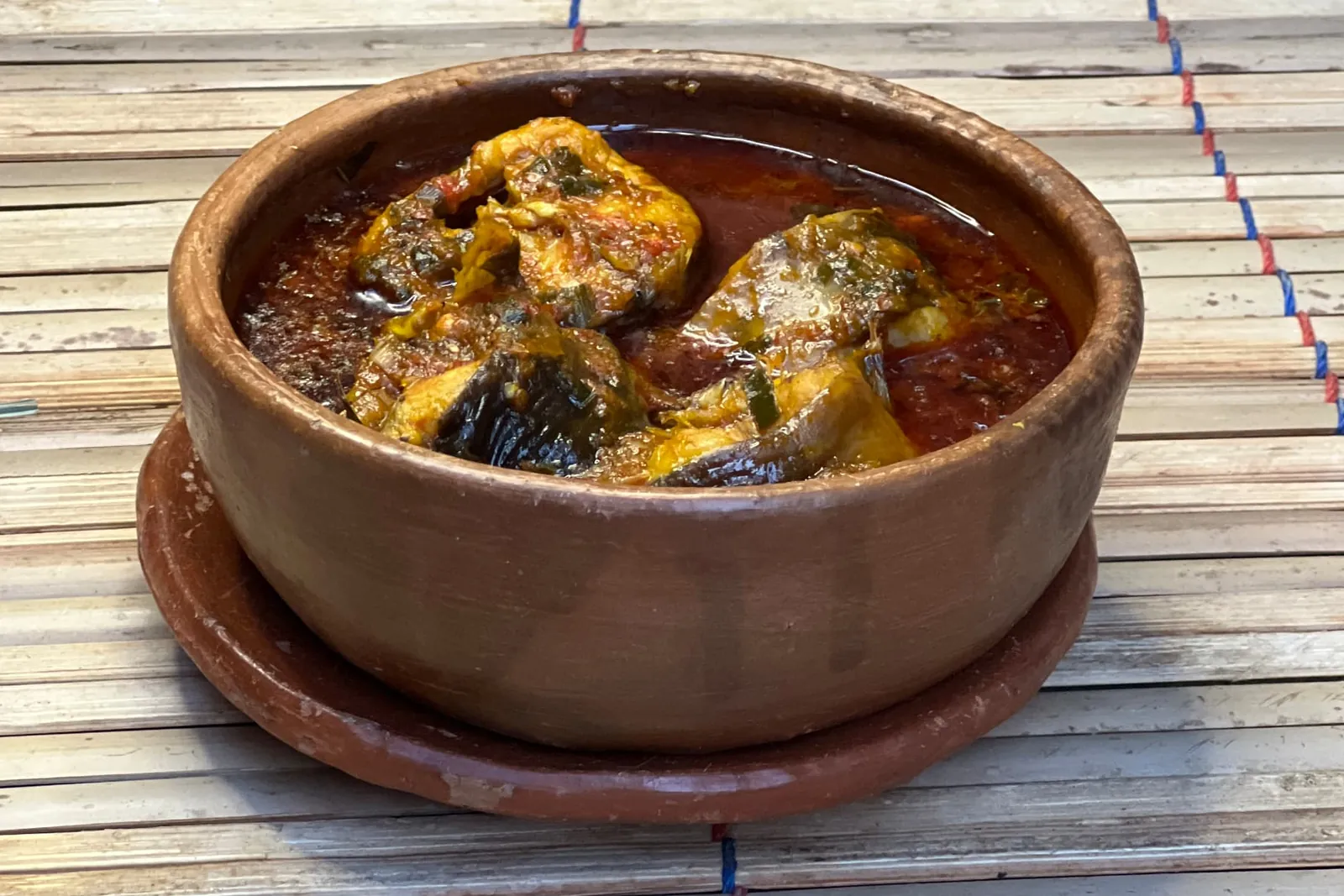
A clay bowl of Sierra Leone fish pepper soup, pieces of fish in a reddish spicy broth Sierra Leone flag Sierra Leone 40m
Dinner •Sierra Leonean Fiery Fish Soup

Sierra Leone Fish Pepper Soup

This sierra leone pepper soup recipe simmers catfish steaks in a thin, fiery broth with scotch bonnet, calabash nutmeg and grains of selim, finished with scent leaves and a squeeze of lemon. One serving is about 400 g. It takes about 40 minutes, serves 4, and has no peanut at all — just fish, spice and steam.

Comfort & Warmth

Catfish simmered in a thin, fiery broth with scotch bonnet, native pepper soup spices, scent leaves and lemon — light, hot and aromatic.

Pairs Well With
Serve steaming hot in deep bowls on its own, or with boiled yam or white rice to soak up the broth.
Soups & Broths • High Protein
Bœuf bourguignon — French beef braised in red wine France flag France 4h
Dinner •Burgundy Terroir

Bœuf Bourguignon

Beef braised gently in red wine until the connective tissue melts into a velvet, gelatin-rich sauce — the classic Burgundy Sunday dinner.

Cellular Repair

Beef braised in red wine until spoon-tender, with mushrooms and pearl onions.

Pairs Well With
Parsnip Purée & Steamed French Haricots Verts
High Protein
Vietnamese braised pork belly with golden eggs in caramel sauce Vietnam flag Vietnam 1h 45m
Dinner •One Pot

Vietnamese Braised Pork and Eggs

Pork belly slowly braised in coconut water and caramel until meltingly tender, with golden eggs that soak up the sweet-savoury sauce — the Vietnamese family dish that tastes better the next day.

Comfort & Sustained Energy

Slow-braised pork belly and eggs in coconut water and caramel.

Pairs Well With
Steamed rice & pickled mustard greens
High Protein

The Dinner Gazette

Never wonder what’s for dinner again

One email a week with easy dinner ideas from around the world — ingredients, steps and nutrition, tested in our kitchen first.

Delivered every Thursday morning. Unsubscribe anytime.



