
Curated recipes from 193 countries  •  New seasonal Mediterranean issue out now

Overview

Sigeumchi Namul

Korean Seasoned Spinach, Spinach Banchan

This sigeumchi namul recipe blanches fresh spinach for 30 seconds, then tosses it with garlic, soy sauce, toasted sesame oil and sesame seeds — a bright, nutty banchan that takes 15 minutes. One serving is about 65 g.

Namul — seasoned vegetables — is one of the oldest categories of Korean food, rooted in temple cuisine and the royal court, where vegetables were blanched and dressed with sesame oil, soy sauce and garlic. Sigeumchi namul, the spinach version, became the most common banchan of all: a small bowl of it appears at nearly every Korean meal, next to rice, soup and kimchi, and it is also folded into bibimbap.

Pairs well with: Steamed rice, kimchi and grilled fish

Provenance

South Korea flag South Korea

Korean Banchan Classic

East & South Asia

Time Dedication

15m

10m prep • 5m cook

Batch Yield

4 Servings

63 kcal per serving

1 serving ≈ 65 g

Technical Skill

Easy

Easy (Quick Blanch)

Meal Timing & Digestive Fit

Breakfast

Not Advised

Lunch

Hearty Midday Main

Dinner

Ideal Hearty Main

Snack & Tea

Inappropriate

Occasions: Korean meals, bibimbap nights, light lunches, meal prep Cost: Low — about $1–2 per serving at home
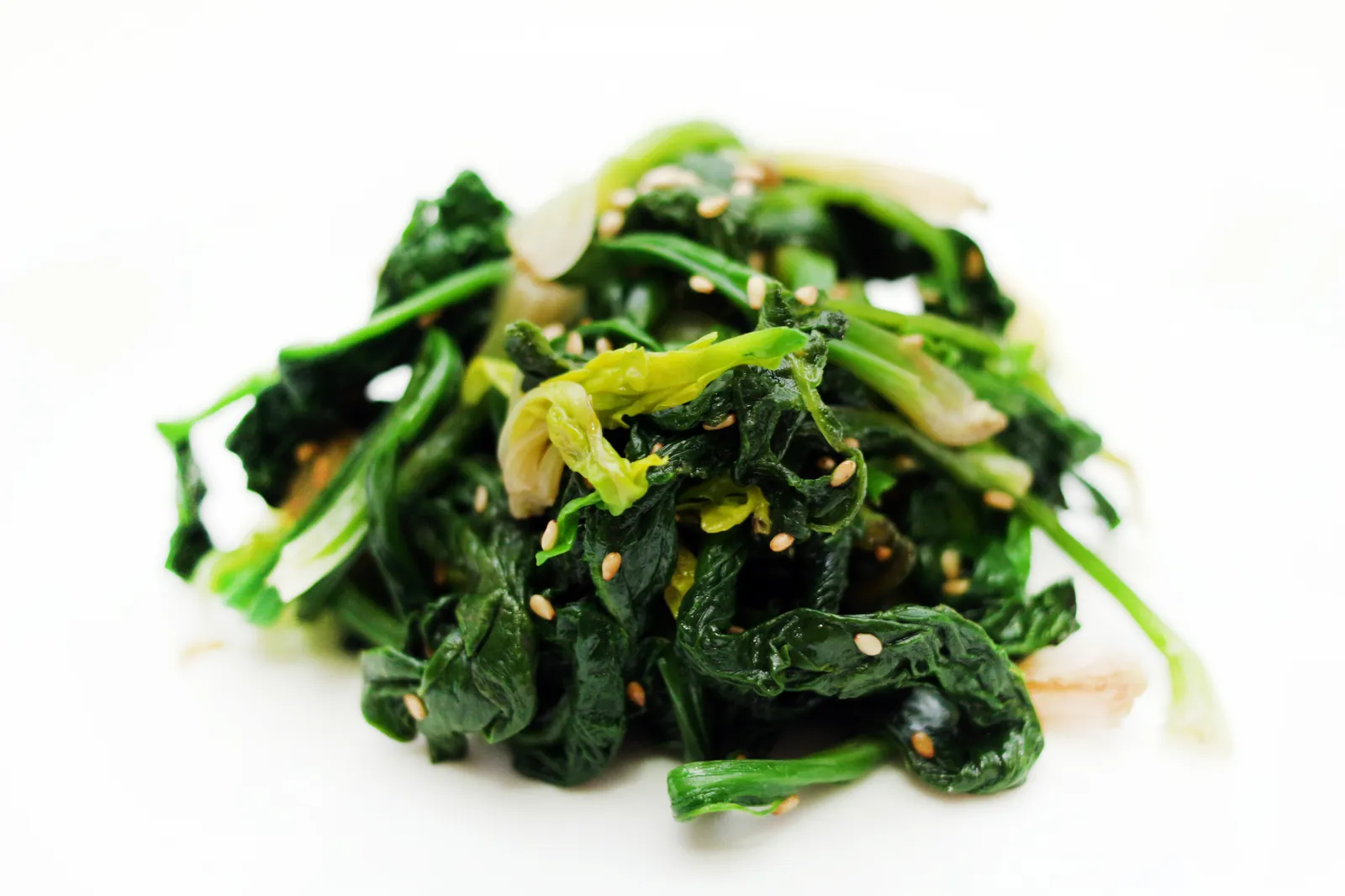
Sigeumchi namul — blanched spinach tossed with sesame seeds and green onion

Korean Banchan Classic

Photo: Hyeon-Jeong Suk, CC BY 2.0, via Wikimedia Commons

The Heritage Formulary

Measured Ingredients

Estimated cost: Low — about $1–2 per serving at home (USD)

Blanch the spinach for 30 seconds only — longer cooking turns it dull and limp. Nutrition is estimated from USDA values.

Execution Methodology & Culinary Technique

Step-by-Step Cooking Guide

Active 15m
P

Prep Stage: Wash, Mix the Dressing

10 Mins • Knife Work

Wash the spinach in 2–3 changes of cold water until no grit remains, and trim the roots. While a large pot of water comes to a boil, whisk the soy sauce, sesame oil, garlic, sugar and a pinch of salt in a small bowl, and chop the green onion.

Maestro Tip: Wash spinach thoroughly — grit hides in the folds of the leaves and no amount of seasoning fixes it.

  1. 1

    Blanch the Spinach

    1 Min Rolling boil, 100°C (212°F)

    Drop the spinach into the boiling water and push it under with tongs. Blanch for 30 seconds only — just until the leaves turn vivid emerald — then lift it out immediately.

    Set a timer: 30 seconds is enough. Longer cooking turns the spinach dull, limp and bitter.

    Done when: Leaves bright emerald and just wilted, stems still a little firm.

  2. 2

    Shock and Squeeze Dry

    3 Mins Ice water, about 0°C (32°F)

    Plunge the spinach into a bowl of ice water to stop the cooking and lock in the colour. Lift it out, gather it into a ball and squeeze firmly with both hands until no more water drips out, then cut into bite-size lengths about 4 cm long.

    Squeeze hard — this step makes or breaks the dish. Wet spinach dilutes the dressing and tastes washed out.

    Done when: A compact ball of spinach that holds its shape; no water drips when squeezed.

  3. 3

    Mix the Dressing

    2 Mins No heat — room temperature, about 20°C (68°F)

    Whisk the soy sauce, toasted sesame oil, minced garlic, sugar and a pinch of salt in a small bowl until the sugar dissolves. Taste: it should be savoury and nutty with a faint sweetness.

    Taste the dressing on its own first — it should be a little stronger than you think, because the spinach dilutes it.

    Done when: Sugar dissolved, dressing glossy and well mixed.

  4. 4

    Toss and Season

    3 Mins No heat — room temperature, about 20°C (68°F)

    Put the squeezed spinach in a bowl, untangle the strands, and add the dressing, green onion and toasted sesame seeds. Toss gently with your hands or chopsticks until every strand is coated. Taste and add a pinch of salt if needed.

    Toss with your hands — chopsticks can bruise the leaves, and fingers coat them evenly.

    Done when: Every strand glossy with dressing, seeds scattered through, no puddle at the bottom of the bowl.

  5. 5

    Rest and Serve

    5 Mins Serve at room temperature, about 20°C (68°F), or chilled at 4°C (39°F)

    Let the dressed spinach rest for 5 minutes so the flavours settle, then pile it into a small bowl. Sprinkle with gochugaru if you like a little heat, and serve as part of a Korean meal.

    A short rest lets the garlic mellow into the spinach — serve it the same day for the best texture.

    Done when: Spinach glistening, fragrant, and holding its shape in a neat mound.

Finishing Touches & Plating

Serve the spinach in a small bowl as one of several banchan, with steamed rice and kimchi. Eat it the same day — dressed spinach softens overnight.

Nutritional Physiology & Benefits

Nutrition

Energy

63

kcal / serving

Protein

4g

Complete AA

Carbs

6g

Complex

Fats

4g

Healthy

Per serving (4 servings · 1 serving ≈ 65 g)
Energy63 kcal
Protein4 g
Carbohydrates6 g
Fat4 g
Fibre2.6 g
Sugar1.3 g
Sodium383 mg
Per 100g
Energy97 kcal
Protein5.5 g
Carbohydrates9.1 g
Fat5.6 g
Fibre4 g
Sugar2 g
Sodium590 mg

Nutrition values are estimated — calculated from USDA FoodData Central values for the listed ingredients.

Vitamins & minerals: Vitamin K, folate and vitamin A from the spinach, plus iron and calcium. Nutrition is estimated.

Iron and Folate

Spinach is a natural source of iron and folate, nutrients the body uses for healthy blood and cell growth.

Light but Satisfying

At about 63 kcal a serving, this banchan adds flavour and fibre to a meal without adding weight.

Vitamin K and Calcium

Leafy greens are one of the richest food sources of vitamin K, and spinach also supplies calcium for bones.

Food Pairings

What to Eat With

To optimize nutrient absorption and elevate the sensory depth, pair with these authentic accompaniments:

Sides

Steamed Rice

Rice is the natural partner — the mild, savoury spinach balances plain rice and gives the meal a green, fresh note.

Full Menus

A Korean Banchan Table

Serve sigeumchi namul alongside kimchi, kongnamul (bean sprout banchan) and a grilled fish — the small dishes balance each other in flavour and texture.

Drinks

Barley Tea (Bori-cha)

Unsweetened roasted barley tea is the everyday Korean table drink — its nutty, toasty flavour echoes the sesame in the spinach.

Vegetables

Kimchi

The sour, spicy crunch of kimchi contrasts with the mild, soft spinach, so the two banchan wake up different parts of the palate.

Complete menu

Serve sigeumchi namul as one of several banchan with steamed rice, kimchi and a grilled fish main; finish with barley tea.

Digestive Guardrails

What NOT to Combine

To prevent digestive distress, sluggishness, or palate clash, avoid pairing the dish with these elements:

Overcooking the Spinach

Boiling spinach for more than a minute destroys its colour, texture and much of its folate. Blanch for 30 seconds only. This is general food information, not medical advice.

Dressing It Hours Ahead

Salt and soy sauce draw water out of the spinach, so a dressed bowl left for hours turns limp and watery. Dress it just before serving, or keep the dressing separate. This is general food information, not medical advice.

General information only, not medical advice — consult a doctor for personal dietary decisions.

Who Should Eat It

Who Should Eat

  • General adultsA light, everyday banchan — quick, fresh and easy to fit into any Korean meal.
  • ChildrenMild and soft; skip the gochugaru and cut the spinach short so small children can manage it.
  • ElderlySoft, easy to chew and rich in iron and folate; a good small dish for older eaters.
  • Pregnant womenGenerally suitable — spinach supplies folate; wash the leaves very well and use fresh, not leftover, spinach.
  • Breastfeeding womenGenerally suitable; the iron and folate support recovery after birth.
  • AthletesA light iron-rich side; pair it with rice and a protein main dish rather than eating it alone.
  • Weight gainToo light on its own — serve a larger portion with rice and a protein-rich main.
  • Weight lossAn excellent choice at about 63 kcal a serving — filling, high in fibre and full of flavour.

Health Conditions — Adjust or Avoid

Conditions

  • DiabetesVery low in carbohydrate (about 5.8 g per serving) and sugar, so it fits easily into a diabetes-friendly meal. Ask your clinician about your overall eating plan.
  • High blood pressureUse low-sodium soy sauce and skip the extra salt — most of the sodium here comes from the soy sauce. Ask your clinician about your sodium target.
  • Kidney diseaseSpinach is high in potassium and oxalate, and soy sauce adds sodium, so people on a restricted diet should eat small portions and ask their clinician first.
  • GoutSpinach contains moderate purines; a small banchan portion is usually fine, but ask your clinician if flare-ups are frequent.
  • Stomach issuesBlanched spinach is usually gentle, but raw garlic can bother a sensitive stomach — use less garlic or leave it out. Ask your clinician if symptoms persist.
  • Cardiovascular diseaseA heart-friendly side — leafy greens, unsaturated sesame oil and almost no saturated fat. Ask your clinician about fitting it into your eating plan.
  • Fatty liverA light, low-calorie dish that fits well into a liver-friendly eating pattern. Ask your clinician for personal guidance.
  • Food allergiesContains soy (soy sauce) and sesame. Use tamari for a gluten-free version, and check the soy sauce label — most soy sauce contains wheat.
  • Special therapeutic dietsNaturally vegan and gluten-free with tamari. For a low-potassium diet, eat a small portion and ask your clinician.

If you have a medical condition, consult your doctor before changing your diet.

Storage & Use

Storage & Use

How to store
Cool completely and store in an airtight container in the fridge; keep the dressing separate if you plan to store it.
In the fridge
2–3 days at 4°C (40°F) or below; best eaten the same day.
In the freezer
Not recommended — thawed spinach turns limp and watery.
How to reheat
Serve cold or at room temperature; do not reheat.
Freezing recommended
No — freezing ruins the texture.
Signs it has spoiled
Sour smell, slimy leaves, or a dull grey colour.

More recipes to explore

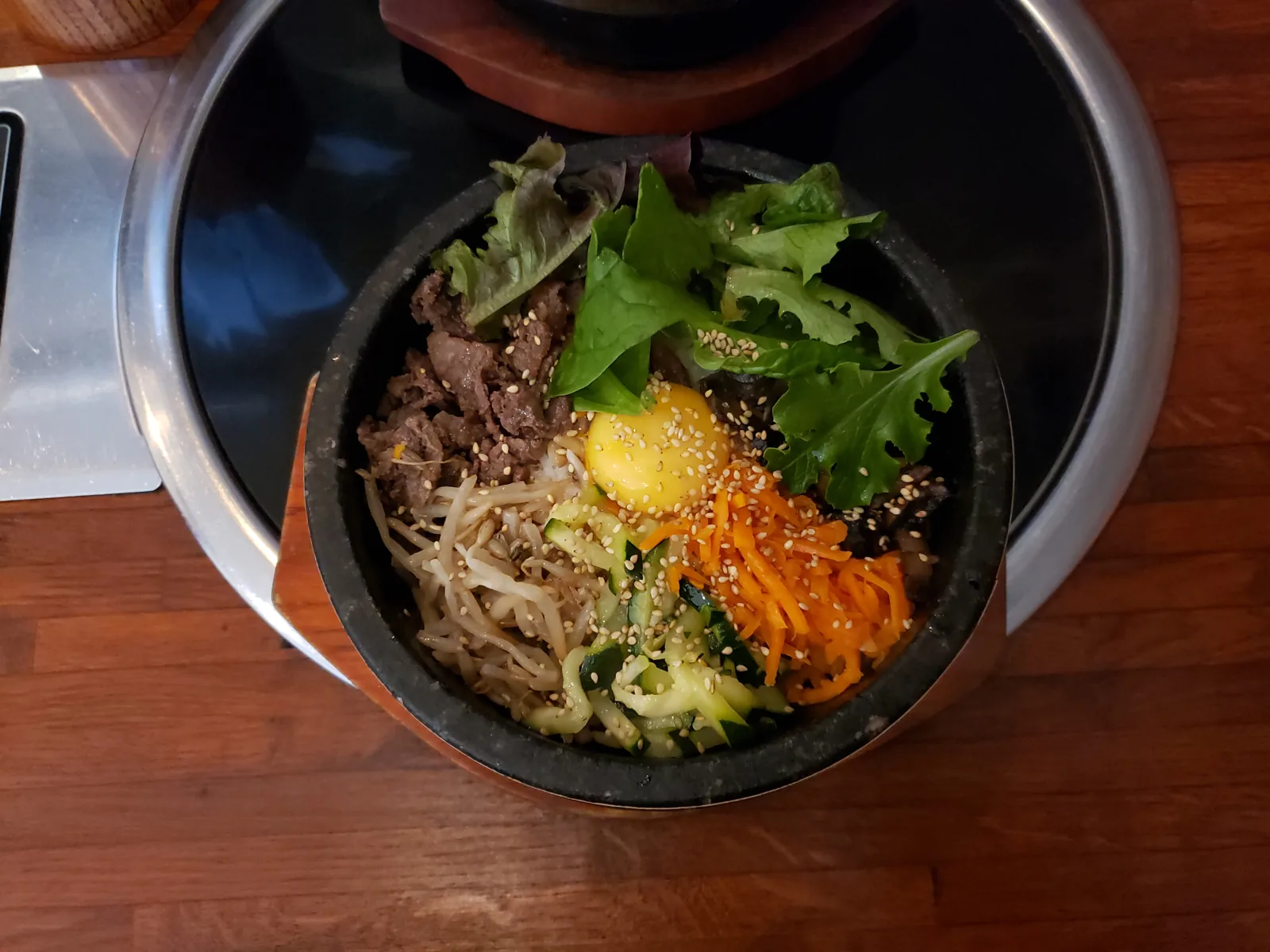
Dolsot bibimbap in a hot black stone bowl — bulgogi beef, egg yolk, carrots, zucchini, bean sprouts and sesame seeds over rice South Korea flag South Korea 1h 5m
Dinner •Korean Heritage

Bibimbap

This bibimbap recipe builds Korea's most famous rice bowl the dolsot way: hot rice in a sizzling stone pot, ringed with five separately seasoned namul vegetables, bulgogi beef and a fried egg, with gochujang to stir through at the table. The stone bowl crisps the bottom layer of rice into golden nurungji while you eat. One serving is about 510 g.

Colourful & Satisfying

Warm rice, five seasoned vegetables, bulgogi beef and a fried egg, mixed at the table with gochujang.

Pairs Well With
Kimchi, kongnamul-guk (bean sprout soup) & barley tea
Korean fried chicken pieces coated in a glossy red yangnyeom glaze South Korea flag South Korea 45m
Dinner •Korean Heritage

Korean Fried Chicken

This Korean fried chicken recipe is the real thing: boneless chicken in a thin potato-starch batter, fried twice — once to cook it through, once at higher heat to drive out moisture and shatter the crust — then tossed in a glossy yangnyeom glaze of gochujang, honey and garlic. The double fry is what keeps the skin crisp under the sauce. One serving is about 250 g.

Crispy & Bold

Double-fried chicken in a thin potato-starch crust, tossed in a sticky sweet-spicy yangnyeom glaze.

Pairs Well With
Pickled radish (chikin-mu), cold beer & steamed rice
High Protein • Quick Prep (<30m)
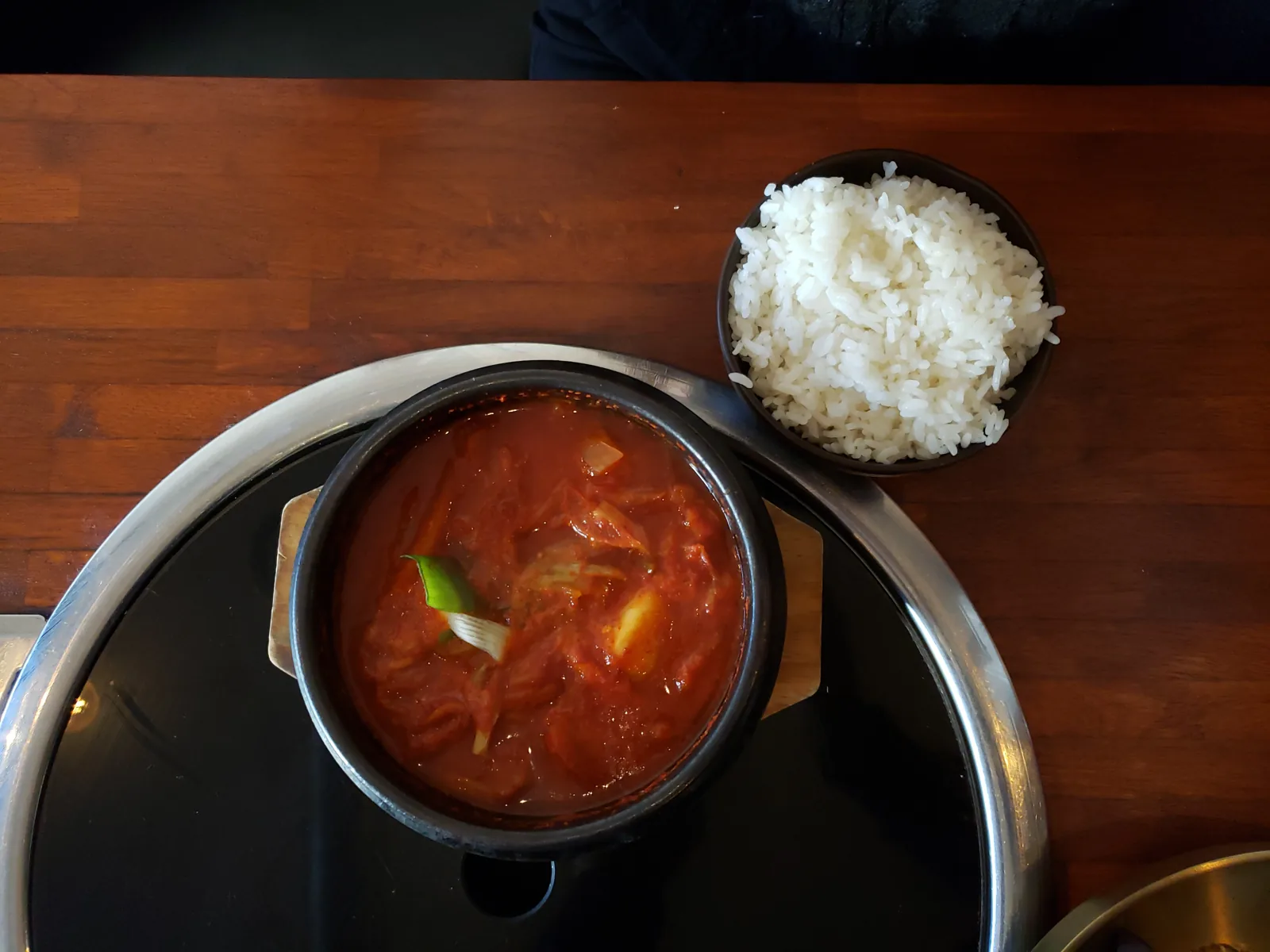
Kimchi jjigae — a red kimchi stew with tofu and spring onions in a black stone pot, served with a bowl of rice South Korea flag South Korea 45m
Dinner •Korean Heritage

Kimchi Jjigae

This kimchi jjigae recipe is the Korean comfort stew: aged, well-fermented kimchi fried with pork belly, then simmered in its own brine with tofu until the broth turns brick-red and rich. It is a stew, not the kimchi itself — the North Korean white kimchi published earlier is the pickled cabbage, while this is what you cook with it. One serving is about 425 g.

Comfort & Warmth

Aged kimchi and pork belly simmered in kimchi brine with tofu — sour, spicy and deeply savoury.

Pairs Well With
Steamed rice, fried egg & banchan
Soups & Broths • Fermented / Gut Health
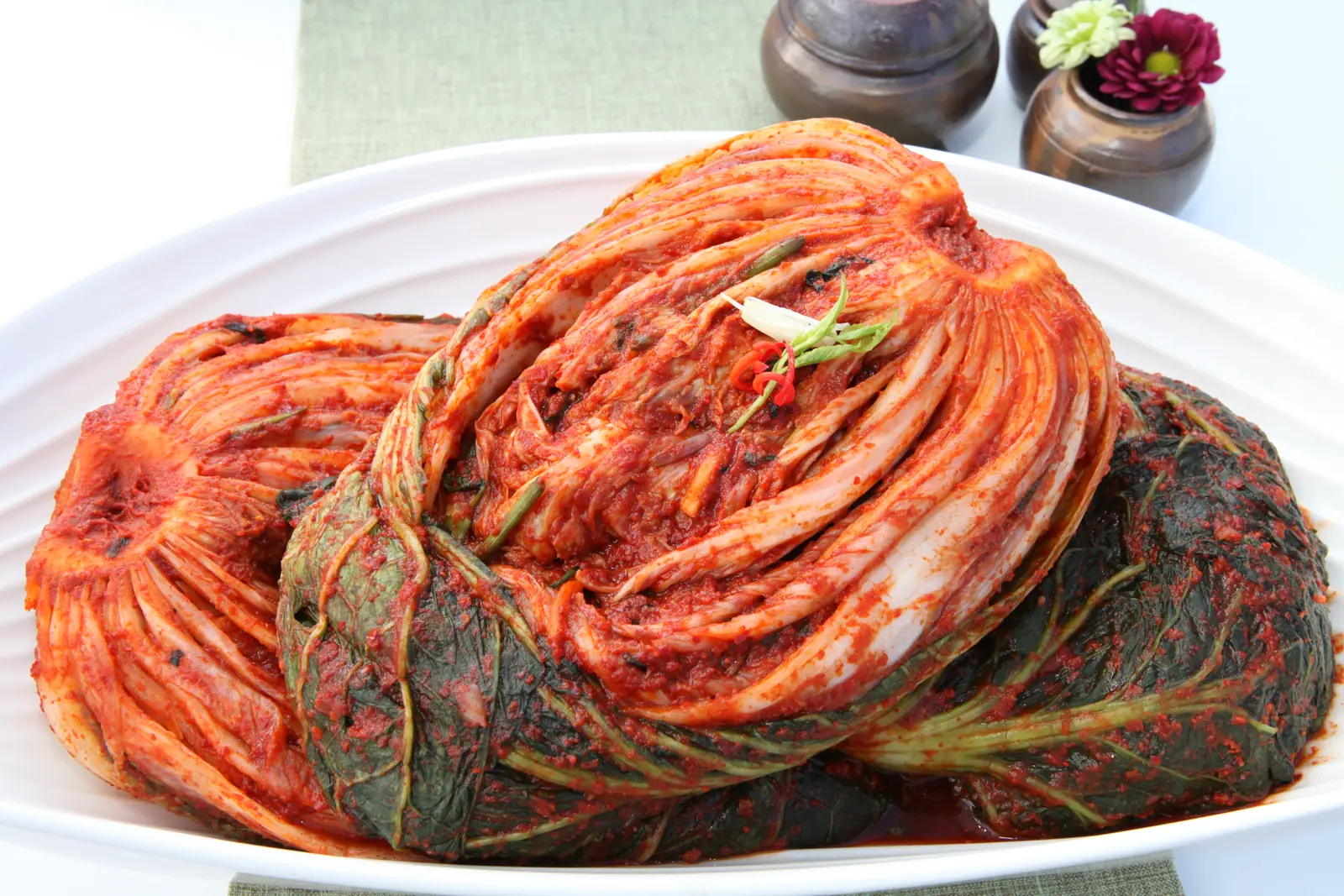
Whole heads of baechu kimchi coated in red gochugaru paste on a white platter South Korea flag South Korea 2h 35m
Dinner •Korean Kimjang Heritage

Baechu Kimchi

This kimchi recipe turns one head of napa cabbage into classic baechu kimchi: salted leaves packed with a bright red gochugaru paste, then left to ferment until tangy and fizzy. It is the spicy southern-style kimchi most people picture when they hear the word kimchi, and it keeps for weeks in the fridge. One serving is about 165 g.

Fermented & Fiery

Crisp, spicy, sour napa cabbage kimchi — Korea's everyday banchan, fermented at home in a jar.

Pairs Well With
Serve a small bowl with steamed rice, grilled meat or a fried egg.
Fermented / Gut Health

The Dinner Gazette

Never wonder what’s for dinner again

One email a week with easy dinner ideas from around the world — ingredients, steps and nutrition, tested in our kitchen first.

Delivered every Thursday morning. Unsubscribe anytime.