
Curated recipes from 193 countries  •  New seasonal Mediterranean issue out now

Overview

Singapore Laksa

Katong Laksa, Laksa Lemak, Singapore Laksa Lemak

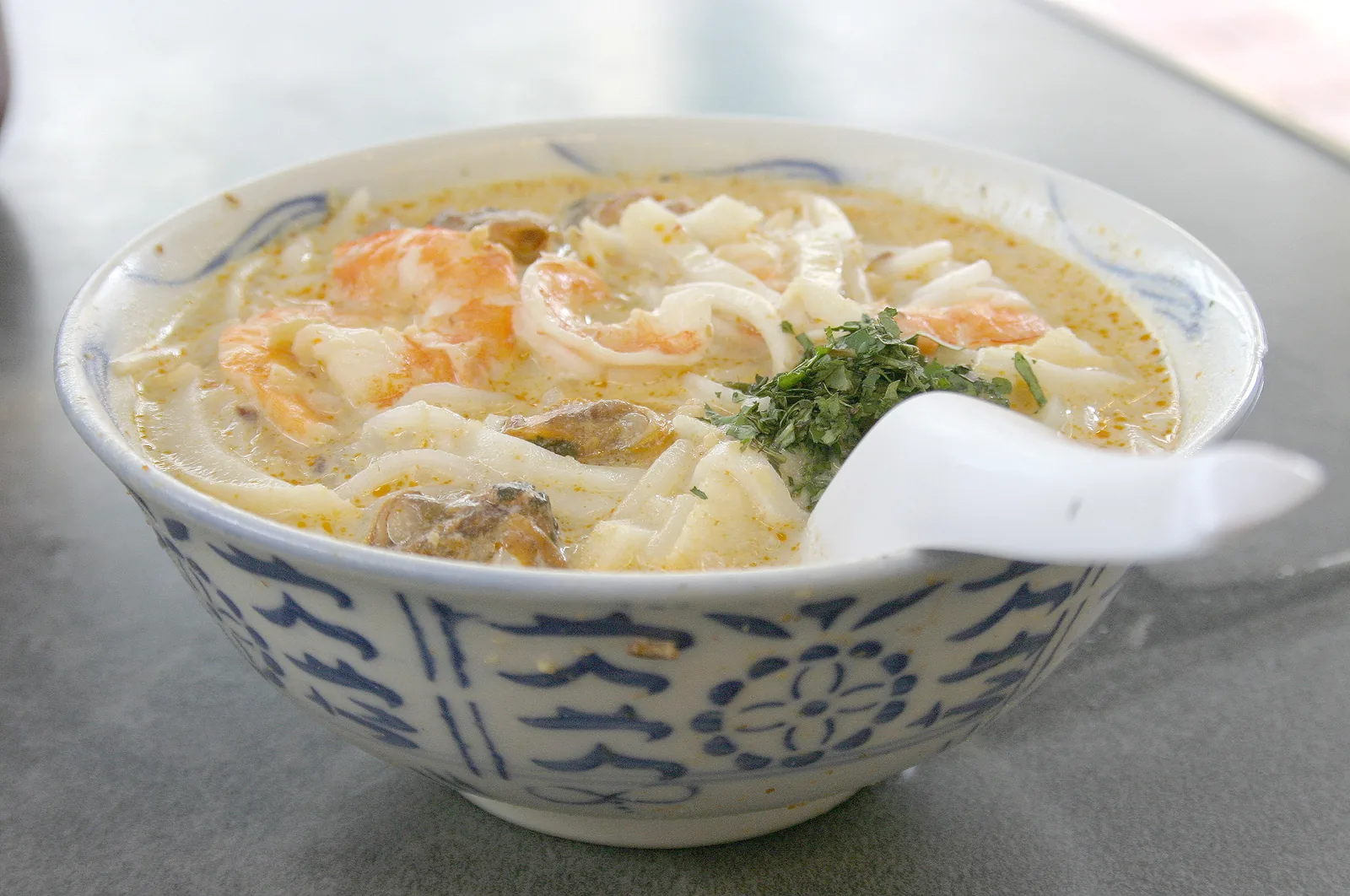
This singapore laksa recipe makes Katong-style laksa: thick rice noodles cut short so the bowl is eaten with a spoon, in a rich coconut broth thickened with ground dried shrimp, with prawns, cockles and fish cake. One serving is about 620 g.

Laksa grew out of Peranakan (Straits Chinese) kitchens, where Chinese noodle soups met Malay spice pastes and coconut milk. Katong laksa takes its name from the Katong neighbourhood in eastern Singapore; its noodles are cut into short pieces so the whole bowl can be eaten with a spoon, and its gravy is thickened with coconut milk and ground dried shrimp, giving it a characteristic sandy texture. This version keeps the Katong hallmarks — noodles cut short, prawns and cockles, laksa leaf, and no chicken or tofu puffs — so it stands apart from the Malaysian curry laksa.

Pairs well with: Otah, cucumber salad and iced lime tea

Provenance

Singapore flag Singapore

Katong Laksa Heritage

East & South Asia

Time Dedication

1h

25m prep • 35m cook

Batch Yield

4 Servings

808 kcal per serving

1 serving ≈ 620 g

Technical Skill

Intermediate

Intermediate (Spiced Broth)

Meal Timing & Digestive Fit

Breakfast

Not Advised

Lunch

Prime Metabolic Fit

Dinner

Ideal Hearty Main

Snack & Tea

Inappropriate

Soups & BrothsPasta & Noodles Occasions: Weekend lunches, rainy days, hawker-style family meals, when you want something rich and warming Cost: Moderate — about $5–6 per serving at home
A bowl of Katong laksa with short-cut rice noodles in a creamy coconut broth, topped with prawns, cockles and chopped laksa leaf, with a spoon

Katong Laksa Heritage

Photo: Meutia Chaerani / Indradi Soemardjan, CC BY 2.5, via Wikimedia Commons

The Heritage Formulary

Measured Ingredients

Estimated cost: Moderate — about $5–6 per serving at home (USD)

A good Katong laksa is judged by its gravy: rich and sandy from the ground dried shrimp, fragrant with laksa leaf, and never split or greasy.

Execution Methodology & Culinary Technique

Step-by-Step Cooking Guide

Active 1h
P

Prep Stage: Blend the Rempah and Ready the Seafood

25 Mins • Blender Work

Soak the dried chillies in hot water for 10 minutes, then blend all the rempah ingredients to a smooth paste. Peel and devein the prawns, rinse the cockles, slice the fish cake, chop the laksa leaf and soak the noodles in hot water.

Maestro Tip: Blend the paste until it is truly smooth — gritty paste makes a gritty broth.

  1. 1

    Blend the Rempah

    10 Mins No heat

    Soak 20g of dried red chillies in hot water for 10 minutes, then drain. Blend with 80g shallots, 20g garlic, 20g galangal, 10g fresh turmeric, 15g candlenuts, 20g dried shrimp, 15g shrimp paste, 20g lemongrass and 20 ml oil until completely smooth, adding a splash of water if the blender stalls.

    A smooth paste fries evenly and gives the broth its sandy, even texture.

    Done when: Paste is deep red-orange, smooth and fragrant.

  2. 2

    Fry the Paste and Build the Broth

    15 Mins Medium heat, about 160°C (320°F)

    Heat the remaining oil in a large pot over medium heat. Fry the rempah for 8–10 minutes, stirring constantly, until the oil separates at the edges and the paste smells deeply fragrant. Pour in the chicken stock and coconut milk, add the fish sauce and sugar, and simmer gently for 10 minutes — do not let it boil hard or the coconut milk will split.

    Frying the paste until the oil separates is what builds the laksa's colour and depth — do not rush it.

    Done when: Broth is orange-gold, fragrant and glossy, not split or greasy.

  3. 3

    Cook the Noodles Short

    8 Mins Rolling boil, 100°C (212°F)

    Boil the soaked noodles until just tender, about 4 minutes, then drain. While they are still hot, snip them into short, spoon-sized lengths with kitchen scissors — this is the Katong way, so the whole bowl can be eaten with a spoon and no chopsticks are needed. Divide between four warmed bowls.

    Cut the noodles while they are hot and wet; cold noodles stick together and resist the scissors.

    Done when: Noodles are tender with a slight bite, cut into short lengths.

  4. 4

    Poach the Seafood

    5 Mins Gentle simmer, about 90°C (194°F)

    Add the prawns, cockles and fish cake to the simmering broth and poach for 3–4 minutes, until the prawns turn pink and opaque, the cockles are just firm, and the fish cake is heated through. The seafood is done when the prawns reach 63°C (145°F) at the thickest part. Season with salt to taste.

    Do not overcook the seafood — prawns go rubbery in a minute past done.

    Done when: Prawns are pink and curled; cockles are firm; fish cake is hot through.

  5. 5

    Assemble and Serve

    2 Mins Serve hot; broth at about 85°C (185°F)

    Ladle the hot broth and seafood over the short noodles in each bowl, making sure every bowl gets prawns, cockles and fish cake. Scatter with laksa leaf and fried shallots, and serve at once with sambal and lime wedges on the side — and a spoon, not chopsticks.

    Serve immediately — the noodles keep soaking up broth, so a laksa left standing goes dry.

    Done when: Bowls are steaming, with seafood on top and herbs scattered over.

Finishing Touches & Plating

Ladle the hot broth over the short noodles so every bowl gets prawns, cockles and fish cake, scatter the laksa leaf and fried shallots, and set the sambal and lime on the table. Eat with a spoon, Katong style.

Nutritional Physiology & Benefits

Nutrition

Energy

808

kcal / serving

Protein

35g

Complete AA

Carbs

81g

Complex

Fats

39g

Healthy

Per serving (4 servings · 1 serving ≈ 620 g)
Energy808 kcal
Protein35 g
Carbohydrates81 g
Fat39 g
Fibre4.8 g
Sugar7.4 g
Sodium1676 mg
Per 100g
Energy130 kcal
Protein5.7 g
Carbohydrates13.1 g
Fat6.2 g
Fibre0.8 g
Sugar1.2 g
Sodium270 mg

Nutrition values are estimated — calculated from USDA FoodData Central values for the listed ingredients.

Vitamins & minerals: Vitamin A and C (chilli, laksa leaf), vitamin B12 and selenium (prawns, cockles), iron and zinc (cockles), iodine (seafood).

Warming and Satisfying

The hot, spiced coconut broth and the steam from the noodles make this a deeply warming bowl on a cold or rainy day.

Protein from the Sea

Prawns and cockles give about 35 g of protein per serving, with iron and zinc from the cockles, in a lean form.

Fresh Herbs, Big Flavour

Laksa leaf, lime and fried shallots add sharp, fresh flavour without extra salt or fat.

Food Pairings

What to Eat With

To optimize nutrient absorption and elevate the sensory depth, pair with these authentic accompaniments:

Sides

Otah (Spiced Fish Cake)

Grilled otah in banana leaf is the classic Katong partner — smoky, spiced fish cake beside the rich, creamy laksa.

Vegetables

Cucumber Salad

Cool, crisp cucumber with a little vinegar cuts through the rich coconut broth and refreshes the palate between spoonfuls.

Drinks

Iced Lime Tea

Cold, tart lime tea balances the coconut richness and the chilli heat in the same sip.

Full Menus

Fresh Fruit to Finish

A plate of pineapple or watermelon after the laksa cleanses the palate and lightens a rich lunch.

Complete menu

Serve the laksa as the main bowl with otah and a cool cucumber salad on the side, and finish with fresh fruit — the classic Katong lunch.

Digestive Guardrails

What NOT to Combine

To prevent digestive distress, sluggishness, or palate clash, avoid pairing the dish with these elements:

Extra Sambal on Top of a Hot Broth

The broth is already spicy; piling on extra sambal can irritate the stomach and overwhelm the coconut flavour. Add it a little at a time, to taste. This is general guidance, not medical advice.

A Second Coconut-Rich Dish on the Side

The broth is already rich in coconut fat, so pairing it with another coconut-heavy dish makes the meal very high in saturated fat. Keep the sides light and fresh. This is general guidance, not medical advice.

Gulping the Broth While It Is Boiling Hot

Laksa is served near boiling and the thick broth holds its heat; sipping too fast can scald the mouth and throat. Let each spoonful cool for a moment. This is general guidance, not medical advice.

General information only, not medical advice — consult a doctor for personal dietary decisions.

Who Should Eat It

Who Should Eat

  • General adultsA complete, filling lunch — protein, noodles and seafood in one rich bowl.
  • ChildrenSuitable from age 6+ with a mild rempah and the sambal left out; cut the noodles short and check for shellfish allergy first.
  • ElderlySoft noodles and tender seafood are easy to eat; keep the chilli mild and the broth lightly salted.
  • Pregnant womenSafe when the prawns and cockles are fully cooked through; keep the spice mild if it causes heartburn.
  • Breastfeeding womenA nourishing, protein-rich lunch; no restriction, but keep spicy food moderate if the baby is unsettled.
  • AthletesAbout 35 g of protein and 81 g of carbohydrate per serving make it a solid recovery lunch.
  • Weight gainEnergy-dense at about 808 kcal a bowl; a full portion with extra noodles suits a higher-energy diet.
  • Weight lossKeep the noodle portion modest, use light coconut milk and go easy on the fried shallots.

Health Conditions — Adjust or Avoid

Conditions

  • DiabetesThe noodles and the sugar in the broth raise blood sugar — keep the noodle portion modest and skip extra sugar. Ask your clinician about portion size.
  • High blood pressureThe broth is salty from fish sauce, shrimp paste and stock; drink less of the broth and skip extra salt. Ask your clinician about sodium limits.
  • Kidney diseaseHigh in sodium and protein, so portions matter; discuss frequency and portion size with your clinician.
  • GoutPrawns, cockles and dried shrimp are high in purines; a modest portion is usually fine, but ask your clinician if you have frequent flares.
  • Stomach issuesChilli, coconut fat and shrimp paste can irritate a sensitive stomach — keep the sambal out and eat slowly. Ask your clinician if symptoms persist.
  • Cardiovascular diseaseThe coconut milk is high in saturated fat; use light coconut milk and a smaller portion. Ask your clinician about fat intake.
  • Fatty liverKeep the portion modest and choose light coconut milk; the seafood itself is lean. Ask your clinician for personal advice.
  • Food allergiesContains shellfish (prawns, cockles, dried shrimp, shrimp paste), fish (fish sauce, fish cake) and tree nuts (candlenuts in the rempah). Check the fish cake label for wheat and the paste label for peanuts.
  • Special therapeutic dietsNot suitable as written for a low-sodium, low-fat or shellfish-free therapeutic diet; adapt the broth and toppings and ask your clinician or dietitian.

If you have a medical condition, consult your doctor before changing your diet.

Storage & Use

Storage & Use

How to store
Store the broth, noodles and toppings separately in airtight containers; noodles left in the broth go soggy.
In the fridge
Broth 3 days; cooked prawns, cockles and fish cake 2 days; cooked noodles 2 days.
In the freezer
Broth (without noodles or toppings) 2 months; noodles and seafood do not freeze well.
How to reheat
Bring the broth to a rolling boil, then simmer the seafood until steaming throughout; reheat to 74°C (165°F). Cook fresh noodles for serving.
Freezing recommended
Only the broth, without noodles or toppings — up to 2 months.
Signs it has spoiled
Sour or off smell, slimy seafood, or a separated, rancid-smelling broth.

More recipes to explore

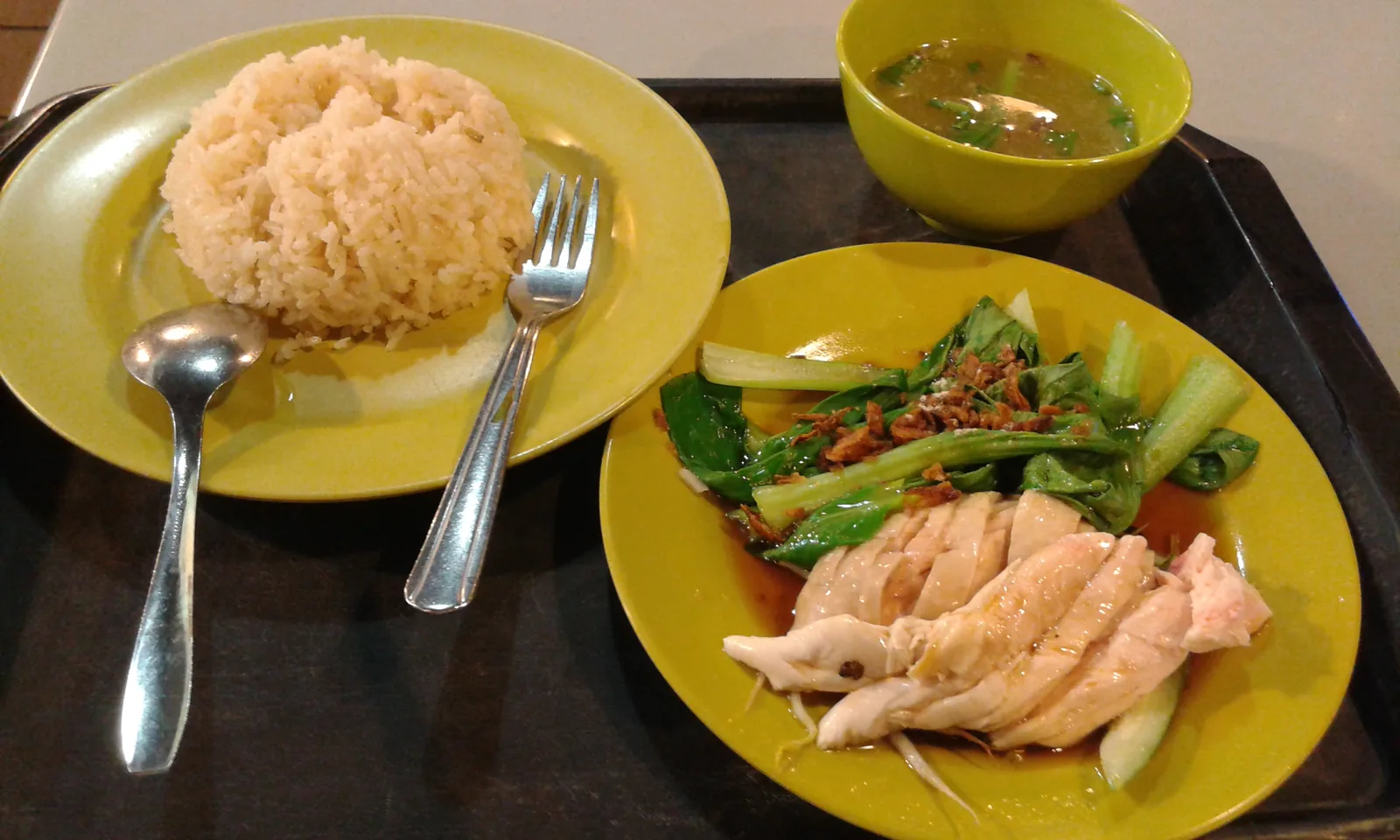
A hawker-centre tray of Hainanese chicken rice with sliced poached chicken, a mound of fragrant rice, greens and a bowl of clear soup Singapore flag Singapore 1h 30m
Dinner •Singaporean Heritage

Hainanese Chicken Rice

This hainanese chicken rice recipe poaches a whole chicken at a bare simmer, then cooks jasmine rice in the fragrant stock with chicken fat, ginger and pandan. It is served with fresh chilli sauce, ginger-scallion sauce and dark soy, plus cucumber and a bowl of the poaching broth. One serving is about 660 g.

Nourishing & Satisfying

Silky poached chicken with fragrant stock-cooked rice, fresh sauces and cucumber — a complete one-plate dinner.

Pairs Well With
Cucumber, a bowl of the poaching broth, and iced lime tea
High Protein
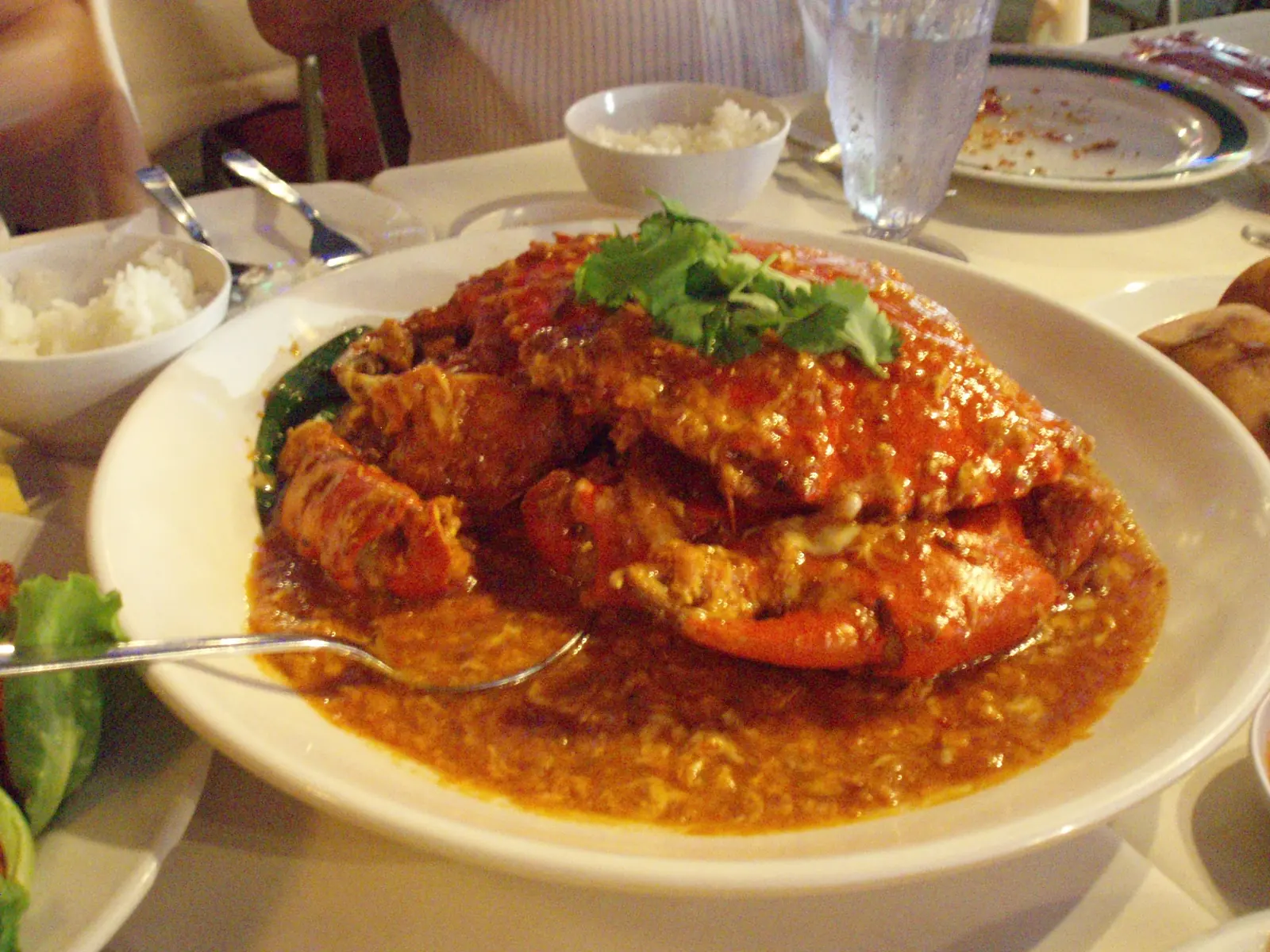
A whole chilli crab in a glossy red-orange tomato-chilli sauce with egg ribbons and coriander, served with mantou buns Singapore flag Singapore 55m
Dinner •Singaporean Heritage

Chilli Crab

This chilli crab recipe stir-fries mud crab in a sweet-spicy tomato-chilli sauce, finished with beaten egg ribbons, and serves it with steamed and fried mantou buns for mopping up the sauce. One serving is about 420 g.

Celebration & Sharing

Whole mud crab in a sweet-spicy tomato-chilli sauce with egg ribbons — a hands-on feast built for sharing.

Pairs Well With
Mantou buns, steamed rice and iced lime tea
High Protein
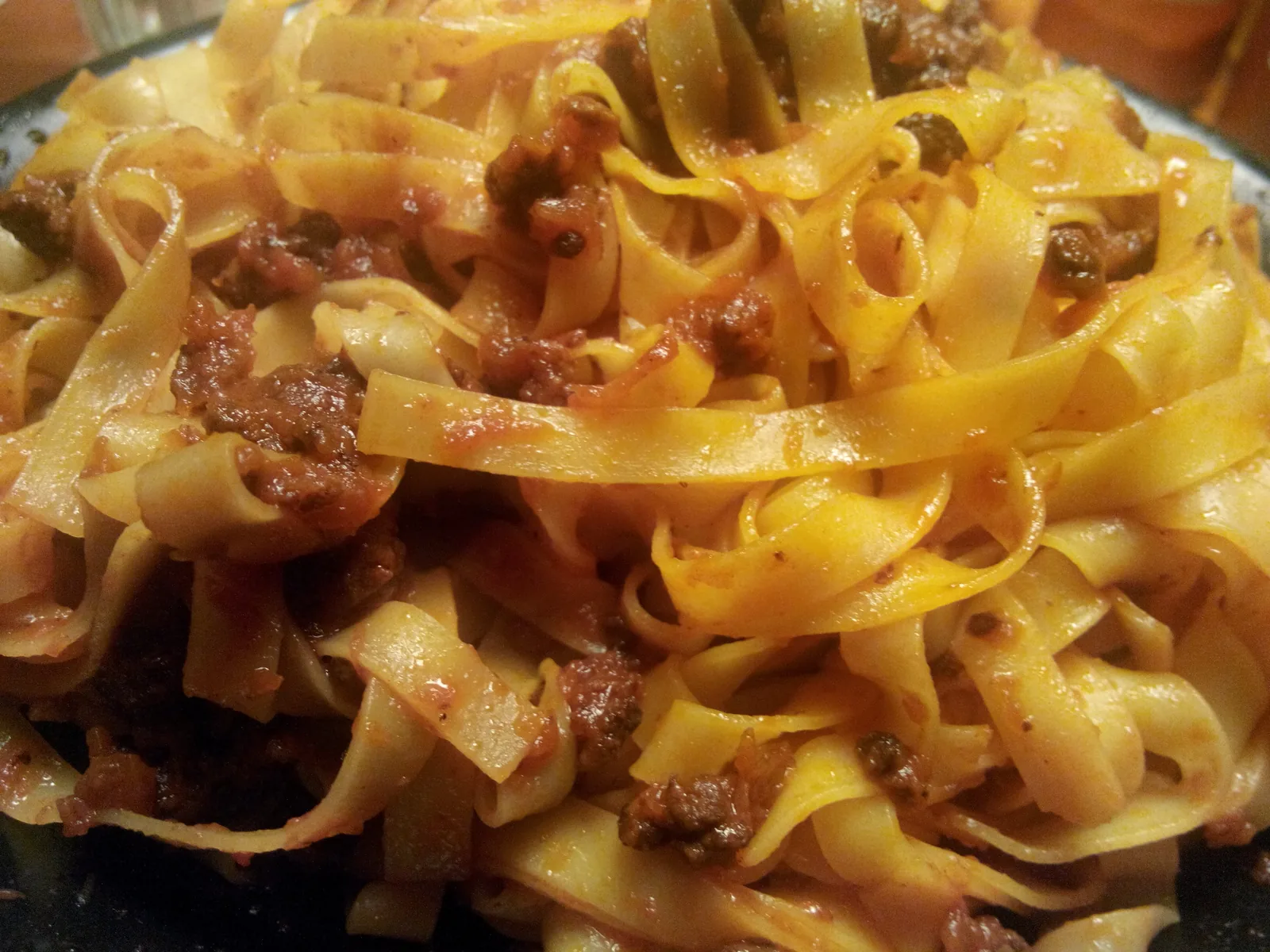
Tagliatelle al ragù Bolognese in a bowl with Parmigiano-Reggiano Italy flag Italy 4h 25m
Lunch •Emilia-Romagna

Tagliatelle al Ragù Bolognese

Slow-braised soffritto and coarse ground heritage meats layered over handmade egg yolk dough for mid-day stamina.

Lean Protein

Slow-simmered beef ragù tossed through fresh egg tagliatelle.

Pairs Well With
Bitter Radicchio & Aged Balsamico di Modena
Pasta & Noodles • High Protein
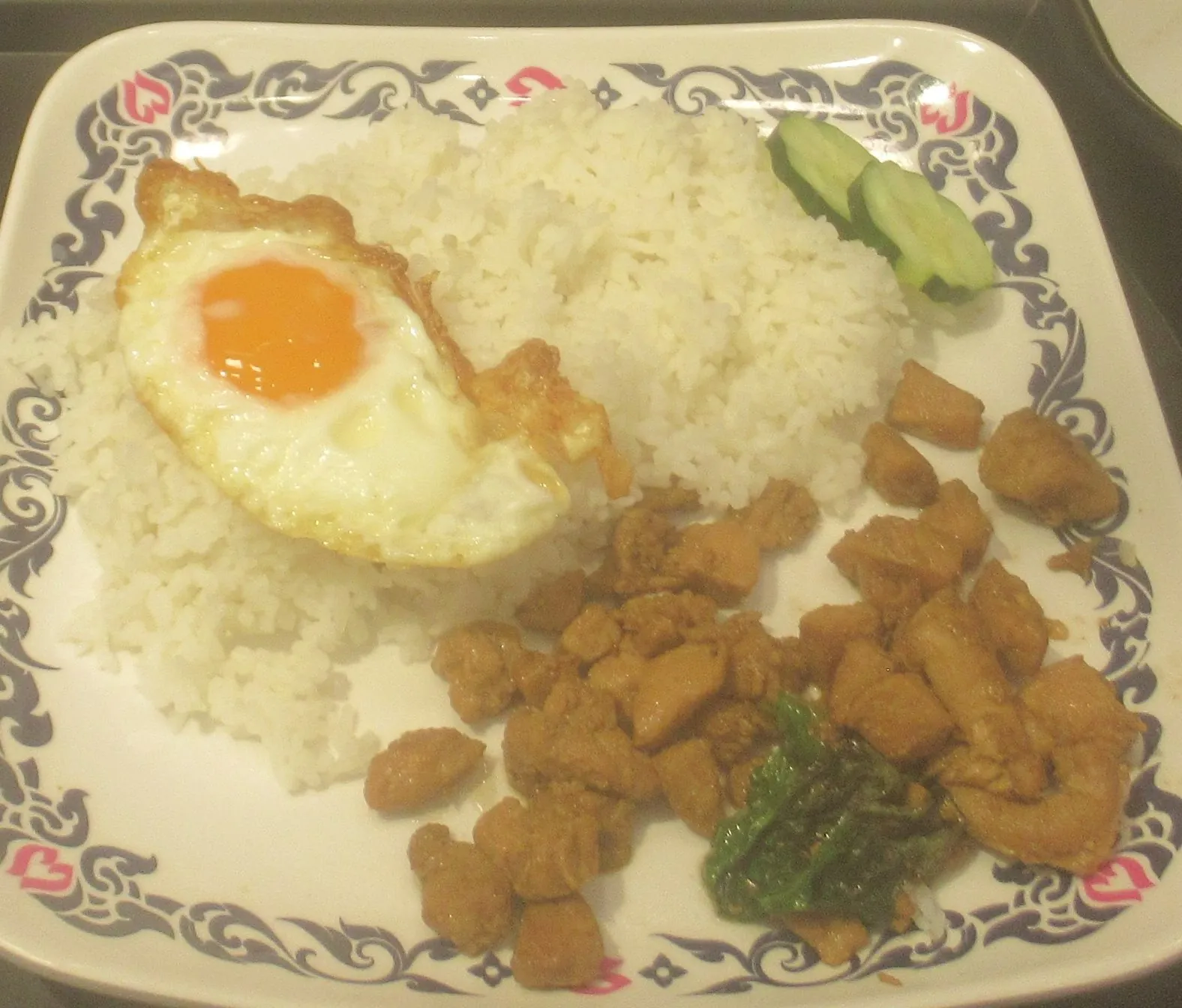
Pad kra pao gai — Thai holy basil chicken with fried egg and rice Thailand flag Thailand 30m
Lunch •Bangkok Street Flame

Pad Kra Pao Gai

High-heat wok flash of holy basil and crushed chillies over minced chicken, served over jasmine rice with a crispy-edged fried egg.

High Energy

Capsaicin brings the heat; holy basil adds a peppery, clove-like aroma.

Pairs Well With
Chilled Cucumber Salad & Fish Sauce Lime Dip
High Protein • Quick Prep (<30m)

The Dinner Gazette

Never wonder what’s for dinner again

One email a week with easy dinner ideas from around the world — ingredients, steps and nutrition, tested in our kitchen first.

Delivered every Thursday morning. Unsubscribe anytime.