
Curated recipes from 193 countries  •  New seasonal Mediterranean issue out now

Overview

Som Tam

Som Tam Thai — Thai Green Papaya Salad

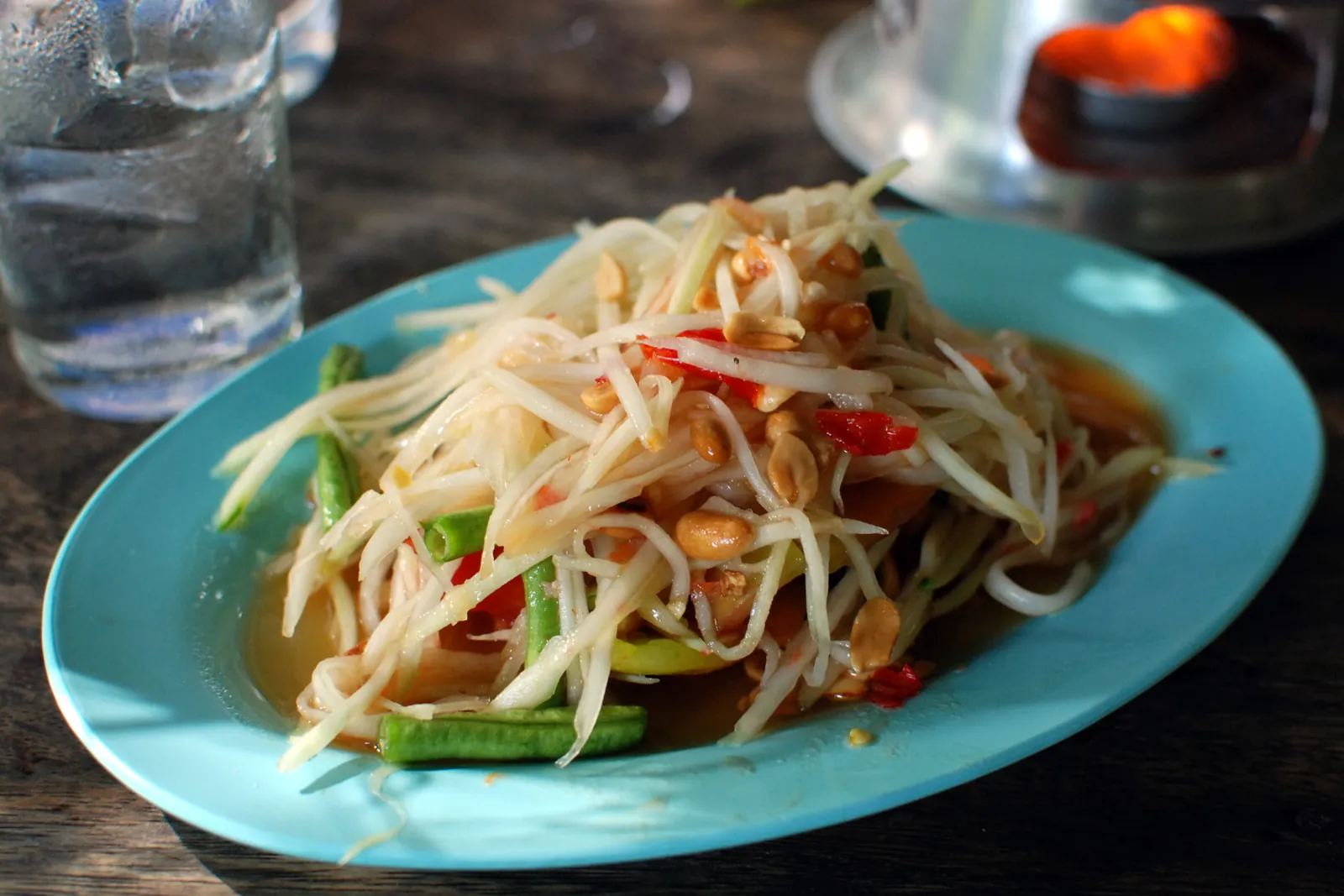
This som tam recipe pounds shredded green papaya with lime, bird's eye chillies, fish sauce, palm sugar, dried shrimp and peanuts in a mortar — Thailand's famous balance of sour, spicy, salty and sweet. One serving is about 250 g.

Som tam means 'sour pounding' — som for sour, tam for the pounding in the mortar. The salad comes from Isan, the Lao-speaking northeast of Thailand, where green papaya, chillies and lime were pounded together long before the dish travelled south to Bangkok. The central Thai version, som tam thai, adds peanuts and dried shrimp and leaves out the fermented fish (pla ra) of the Isan original. Today it is one of Thailand's most ordered dishes, eaten with sticky rice and grilled chicken.

Pairs well with: Sticky rice, grilled chicken and iced tea

Provenance

Thailand flag Thailand

Isan Thai Style

East & South Asia

Time Dedication

25m

20m prep • 5m cook

Batch Yield

4 Servings

172 kcal per serving

1 serving ≈ 250 g

Technical Skill

Easy

Easy (No Cooking)

Meal Timing & Digestive Fit

Breakfast

Not Advised

Lunch

Prime Metabolic Fit

Dinner

Ideal Hearty Main

Snack & Tea

Inappropriate

Quick Prep (<30m) Occasions: Hot days, light lunches, Thai meals, barbecues Cost: Low — about $2–3 per serving at home
A plate of som tam with shredded green papaya, long beans, peanuts, tomato and red chilli

Isan Thai Style

Photo: Takeaway, CC BY-SA 3.0, via Wikimedia Commons

The Heritage Formulary

Measured Ingredients

Estimated cost: Low — about $2–3 per serving at home (USD)

A true som tam is pounded in a mortar, not tossed — the shreds stay crisp and the dressing clings to every strand.

Execution Methodology & Culinary Technique

Step-by-Step Cooking Guide

Active 25m
P

Prep Stage: Shred Everything

20 Mins • Shredding & Measuring

Peel and shred the green papaya into long thin strips — a julienne peeler or a mandoline makes this fast, or shred it by hand with a knife. Cut the long beans, halve the tomatoes, shred the carrot, squeeze the limes and measure the fish sauce and palm sugar. Keep the peanuts aside for the end so they stay crunchy.

Maestro Tip: Taste a shred of the papaya: it should be crisp and almost flavourless, like a firm cucumber. If it is sweet or soft, it is too ripe for som tam.

  1. 1

    Pound the Dressing

    5 Mins No heat — about 20°C (68°F) room temperature

    Put the garlic and chillies in a large mortar and pound 3–4 times, just enough to break them open. Add the palm sugar and pound until it starts to dissolve, then pour in the lime juice and fish sauce and stir with the pestle until the sugar is gone. Taste the dressing now: it should be sour first, then salty, then sweet, with heat at the back.

    Taste the dressing before the papaya goes in — once the salad is pounded, it is much harder to fix.

    Done when: The dressing tastes bold and balanced — sour, salty and sweet at once, with a clear chilli warmth.

  2. 2

    Bruise the Beans

    2 Mins No heat — about 20°C (68°F) room temperature

    Add the long beans and pound 4–5 times to bruise them, then add the dried shrimp and pound twice more. The beans should bend and split, not turn to pulp.

    Count the pounds: bruising the beans lets them drink the dressing, but over-pounding makes them limp.

    Done when: The beans are bruised and flexible, the shrimp broken into small pieces.

  3. 3

    Pound the Salad

    5 Mins No heat — about 20°C (68°F) room temperature

    Add the shredded papaya, carrot and cherry tomatoes. Pound gently while turning the salad with a spoon — lift from the bottom, fold over, pound again. About 8–10 firm turns is enough.

    Turn and pound, don't just pound: the spoon keeps the dressing moving through the shreds instead of pooling at the bottom.

    Done when: The papaya is coated in dressing but still crisp, and the tomatoes are lightly crushed so their juice joins the dressing.

  4. 4

    Rest and Taste

    5 Mins No heat — about 20°C (68°F) room temperature

    Let the salad rest 5 minutes so the papaya softens slightly and takes up the dressing. Taste and adjust in tiny amounts — a squeeze more lime if it is flat, a pinch more palm sugar if it bites.

    Five minutes is enough; any longer and the shreds lose their crunch.

    Done when: The papaya has softened just a little and the dressing tastes settled, not sharp.

  5. 5

    Serve with Peanuts

    3 Mins No heat — serve at room temperature, about 20°C (68°F)

    Pile the salad onto a plate and scatter the roasted peanuts over the top. Serve at once, with sticky rice on the side.

    Peanuts go on last — mixed in too early, they turn soft in the dressing.

    Done when: The plate is piled high, the peanuts are still crunchy, and the dressing pools lightly at the edges.

Finishing Touches & Plating

Taste once more before serving and adjust in tiny amounts — a little more lime if it is flat, a little more palm sugar if it bites. Som tam is best eaten within the hour, while the papaya is still crisp.

Nutritional Physiology & Benefits

Nutrition

Energy

172

kcal / serving

Protein

7g

Complete AA

Carbs

27g

Complex

Fats

5g

Healthy

Per serving (4 servings · 1 serving ≈ 250 g)
Energy172 kcal
Protein7 g
Carbohydrates27 g
Fat5 g
Fibre4.7 g
Sugar18.2 g
Sodium715 mg
Per 100g
Energy69 kcal
Protein2.7 g
Carbohydrates10.9 g
Fat2.2 g
Fibre1.9 g
Sugar7.3 g
Sodium286 mg

Nutrition values are estimated — calculated from USDA FoodData Central values for the listed ingredients.

Vitamins & minerals: Vitamin C (papaya, lime, tomato), vitamin A (papaya, carrot, tomato), folate (long beans), vitamin E (peanuts).

Light and Fibre-Rich

Green papaya, tomato and lime give fibre and vitamin C in a salad that is only about 172 kcal a serving.

Small But Satisfying

Peanuts and dried shrimp add protein and healthy fats, so the salad is more filling than it looks.

Fresh and Fast

No cooking, no stove, no waiting — the whole salad is pounded together in one mortar in minutes.

Food Pairings

What to Eat With

To optimize nutrient absorption and elevate the sensory depth, pair with these authentic accompaniments:

Sides

Sticky Rice

Sticky rice is the classic partner — a ball of it soaks up the sour-spicy dressing and cools the chilli heat.

Vegetables

Raw Cabbage and Cucumber

Crisp raw cabbage and cucumber cool the palate and add crunch next to the pounded salad.

Drinks

Iced Tea

Cold, unsweetened Thai tea or iced water tames the chilli without adding more sugar to the dressing.

Full Menus

As an Isan Meal

Serve the salad with sticky rice and grilled chicken — the Isan meal the salad was made for.

Complete menu

Serve the som tam with sticky rice and grilled chicken (gai yang) — the rice soaks up the dressing and the chicken turns the salad into a full meal.

Digestive Guardrails

What NOT to Combine

To prevent digestive distress, sluggishness, or palate clash, avoid pairing the dish with these elements:

Keeping It Overnight

Som tam is a raw salad, so it should be eaten the same day it is made — after a day in the fridge the papaya goes soft and the dressing turns flat. This is general information, not medical advice.

Making It in a Blender

A blender turns the papaya to mush and the dressing to juice. The mortar's short, firm pounding is what keeps the shreds crisp and bruises the tomatoes just enough.

General information only, not medical advice — consult a doctor for personal dietary decisions.

Who Should Eat It

Who Should Eat

  • General adultsA light, crunchy lunch — refreshing on a hot day, and a good fresh side for richer dishes.
  • ChildrenMake a mild batch for children: skip the chillies, halve the fish sauce, and keep the peanuts out for under-5s.
  • ElderlyEasy to eat in small portions, but the raw papaya and beans are crunchy — chop the salad finer if chewing is hard.
  • Pregnant womenGenerally suitable; the dried shrimp and fish sauce are cooked and fermented, but keep the chilli modest and the salad fresh.
  • Breastfeeding womenGenerally suitable; eat a mild version if the baby seems sensitive to spicy food.
  • AthletesA fresh, light side rather than a main — pair it with grilled chicken or sticky rice for enough protein and carbs.
  • Weight gainNot a weight-gain food on its own — serve it with sticky rice and grilled pork or chicken.
  • Weight lossA good choice — about 172 kcal a serving, high in fibre, and the chilli and lime make a small plate feel generous.

Health Conditions — Adjust or Avoid

Conditions

  • DiabetesThe palm sugar and the papaya's natural sugars add up — keep the palm sugar to the amount given and ask your clinician about portion size.
  • High blood pressureMost of the sodium comes from the fish sauce; use the amount given and skip extra sauce. Ask your clinician about a suitable portion.
  • Kidney diseaseLimit the portion (potassium from papaya and tomato, sodium from fish sauce); ask your clinician about portion size.
  • GoutEat occasionally — dried shrimp and fish sauce are high in purines.
  • Stomach issuesChilli and raw vegetables can irritate a sensitive stomach — make a mild version with one chilli and no dried shrimp.
  • Cardiovascular diseaseA reasonable choice — the peanuts add unsaturated fat, but the fish sauce is salty, so keep the portion moderate.
  • Fatty liverA light, low-fat salad — keep the palm sugar modest and favour the vegetables.
  • Food allergiesContains peanuts, fish (fish sauce), crustaceans (dried shrimp). Not suitable for peanut, fish or shellfish allergy; do not substitute the fish sauce if you have a fish allergy.
  • Special therapeutic dietsIf you follow a prescribed low-sodium diet, reduce the fish sauce and add more lime juice, and check with your clinician.

If you have a medical condition, consult your doctor before changing your diet.

Storage & Use

Storage & Use

How to store
Store in an airtight container in the fridge and keep the peanuts separate.
In the fridge
Up to 1 day, covered; the papaya will soften.
In the freezer
Do not freeze — the raw salad does not survive freezing.
How to reheat
Do not reheat — serve cold or at room temperature.
Freezing recommended
No — this is a fresh, raw salad.
Signs it has spoiled
Sour or fermented smell beyond the normal lime tang, slimy papaya, or dull, darkened colour.

More recipes to explore

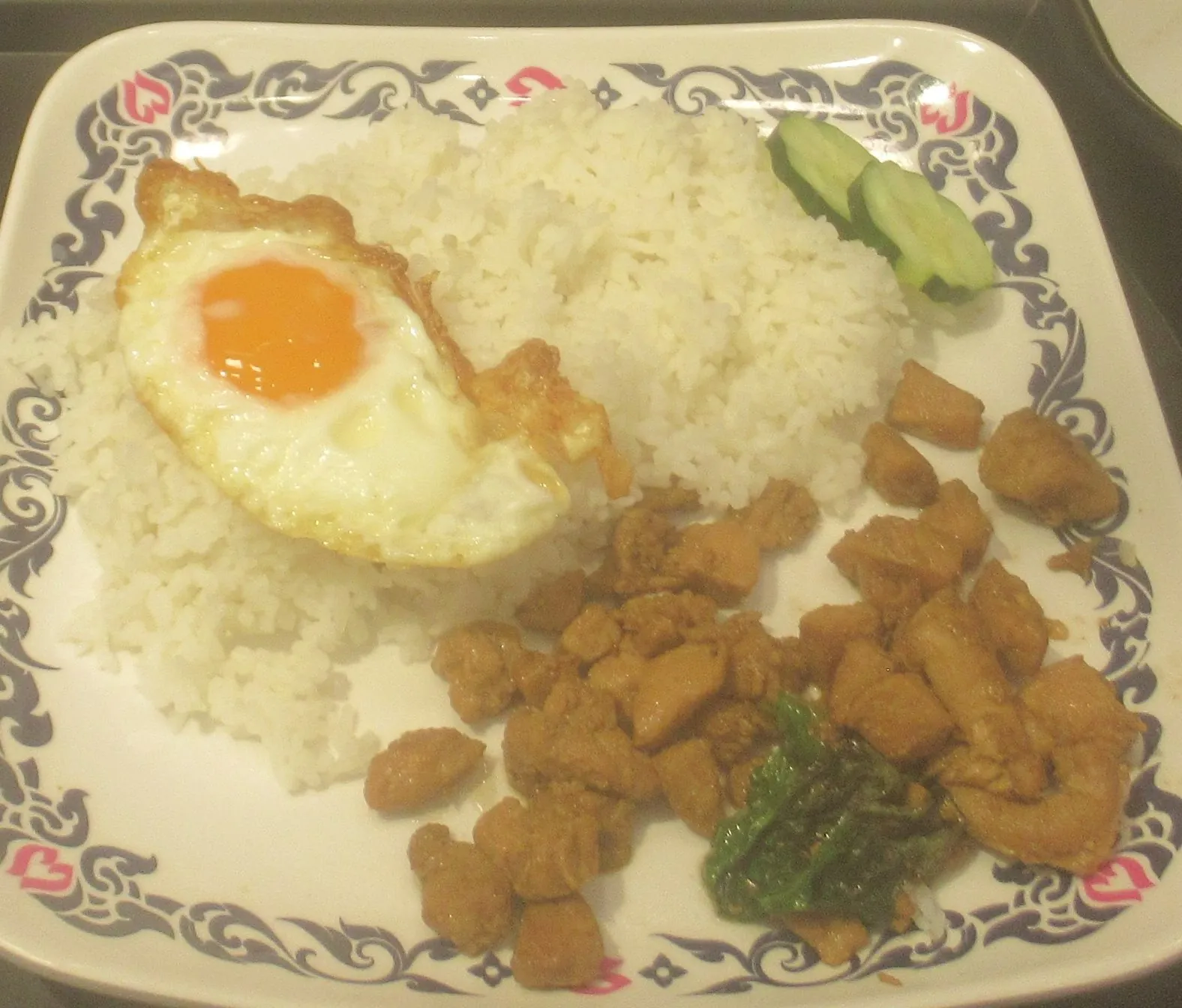
Pad kra pao gai — Thai holy basil chicken with fried egg and rice Thailand flag Thailand 30m
Lunch •Bangkok Street Flame

Pad Kra Pao Gai

High-heat wok flash of holy basil and crushed chillies over minced chicken, served over jasmine rice with a crispy-edged fried egg.

High Energy

Capsaicin brings the heat; holy basil adds a peppery, clove-like aroma.

Pairs Well With
Chilled Cucumber Salad & Fish Sauce Lime Dip
High Protein • Quick Prep (<30m)
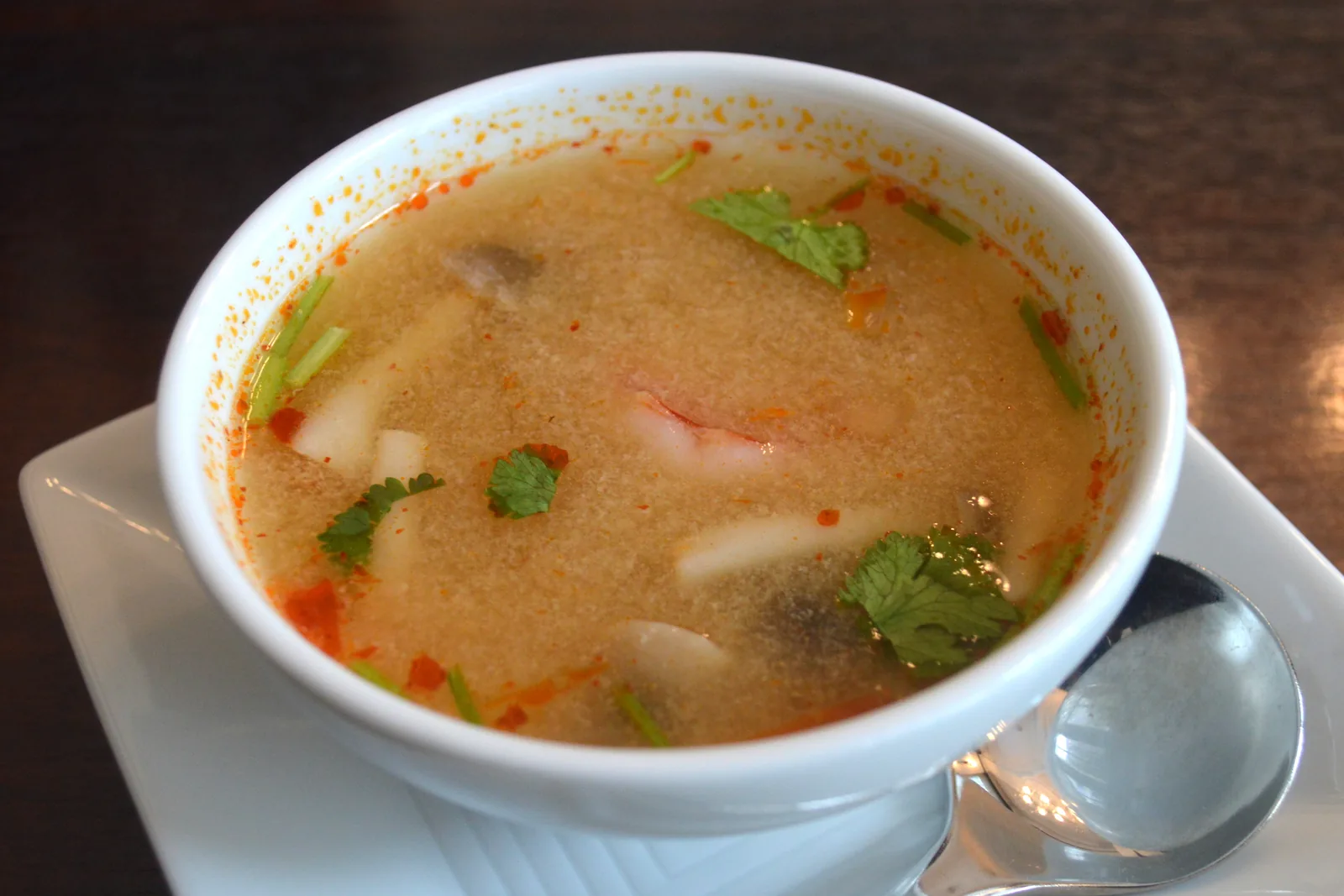
A white bowl of clear tom yum goong with a pink prawn, mushrooms and fresh cilantro Thailand flag Thailand 35m
Lunch •Central Thai Rivers

Tom Yum Goong

This tom yum goong recipe builds a clear, fiery-sour broth from lemongrass, galangal and makrut lime leaves, then finishes it with plump prawns, mushrooms and lime juice. One serving is about 460 g.

Comfort & Warmth

Hot, sour and fragrant prawn soup with lemongrass, galangal and lime.

Pairs Well With
Steamed jasmine rice and a cold Thai iced tea
Soups & Broths • High Protein
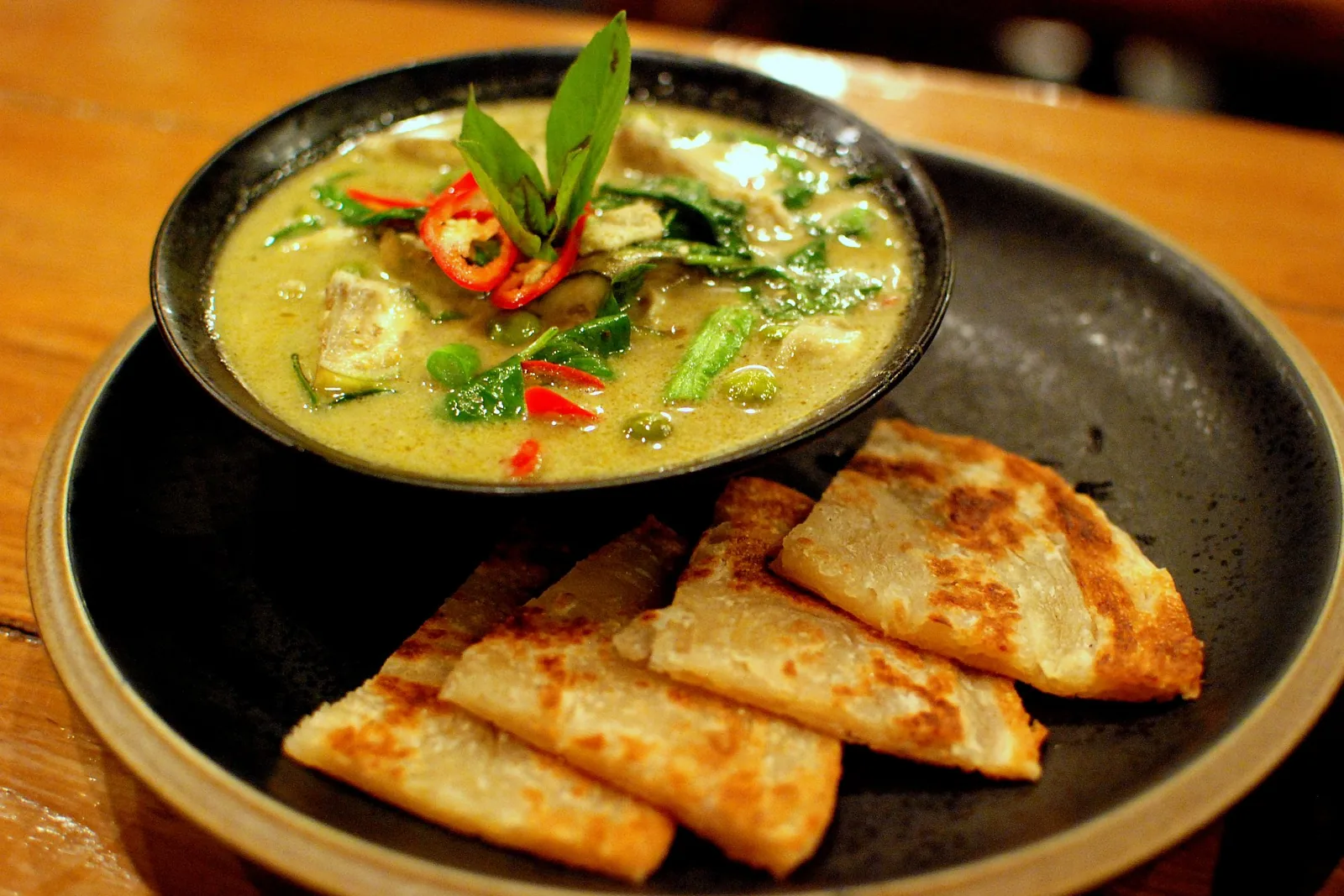
A black bowl of Thai green curry with chicken, Thai basil and red chilli, with roti on the side Thailand flag Thailand 40m
Dinner •Central Thai Classic

Thai Green Curry

This thai green curry recipe simmers chicken in coconut milk with green curry paste, Thai eggplant and bamboo shoots, finished with basil and a squeeze of lime. One serving is about 480 g, rice included.

Comfort & Warmth

Creamy coconut curry with green chillies, Thai basil and tender chicken.

Pairs Well With
Jasmine rice and a cucumber salad
High Protein
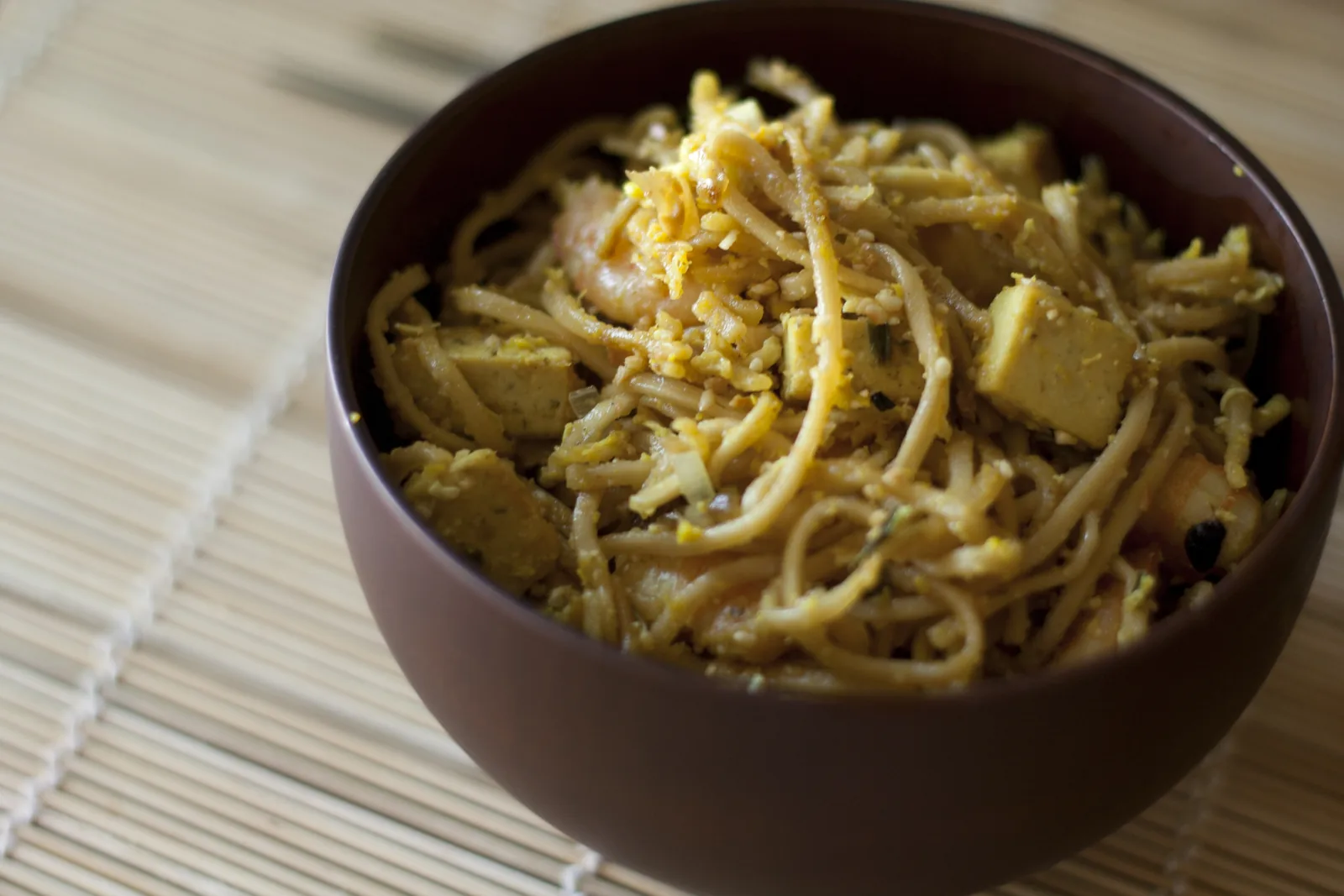
A dark bowl of pad thai with shrimp, tofu and egg, served on a bamboo mat Thailand flag Thailand 35m
Lunch •Thai Street-Food Classic

Pad Thai

This pad thai recipe stir-fries flat rice noodles with shrimp, egg and tofu in a tamarind, fish-sauce and palm-sugar glaze, finished with bean sprouts, peanuts and lime. One serving is about 350 g.

Street-Food Comfort

Stir-fried rice noodles in a sweet, sour and salty tamarind glaze, with shrimp, egg and tofu — the balance of flavours is the whole point.

Pairs Well With
Iced lime tea and a crisp cucumber salad
Pasta & Noodles

The Dinner Gazette

Never wonder what’s for dinner again

One email a week with easy dinner ideas from around the world — ingredients, steps and nutrition, tested in our kitchen first.

Delivered every Thursday morning. Unsubscribe anytime.