-
1
Saute the Onion, Garlic and Cumin
10 Mins
Medium heat, ~175°C (350°F)
Heat the oil in a large, heavy pot over medium heat. Add the chopped onion and cook for 5 minutes until soft and translucent, then stir in the crushed garlic and the cumin and cook for 1 more minute until fragrant. Do not let the garlic brown — burnt garlic turns the whole broth bitter.
Keep the heat at medium; the onion should soften and sweeten, not colour.
Done when: The onion is soft and clear, and the pot smells of garlic and cumin.
-
2
Simmer the Beef Ribs and Chalona
45 Mins
Gentle simmer, ~95°C (203°F)
Add the beef rib chunks and the drained chalona to the pot, pour in the water and half the salt, and bring it to a gentle simmer. Lower the heat, put the lid on slightly ajar and cook for 45 minutes, skimming off any foam that rises in the first 15 minutes. The dried lamb needs this long, slow simmer to turn tender and to season the broth.
Keep the heat low enough that the surface barely trembles; a hard boil toughens the meat and clouds the broth.
Done when: The beef yields easily to a fork, the chalona is tender right through, and the beef reaches 63°C (145°F) at its thickest part.
-
3
Add Papalisa, Potatoes and Carrots
25 Mins
Gentle simmer, ~95°C (203°F)
Lift the meats out onto a plate and keep them warm. Add the papalisa sticks, the potato chunks and the carrot rounds to the broth, pushing them down so they are covered. Simmer for 25 minutes until the papalisa is silky-tender and the potatoes are soft. Return the meats to the pot for the last 5 minutes so they heat through in the broth.
The papalisa cooks faster than the potato, so cut the potato chunks a little smaller than the papalisa sticks and they will finish together.
Done when: A knife slides into a potato with no resistance and a papalisa stick bends softly without breaking apart.
-
4
Add Broad Beans and Peas
10 Mins
Gentle simmer, ~95°C (203°F)
Stir in the broad beans and the peas and simmer for 10 minutes until they are bright green and tender. Stir in the oregano and the rest of the salt, then taste the broth and add a little more salt only if it needs it — the chalona has already salted the soup as it cooked, so it may need very little.
Taste before adding more salt; the broth concentrates as it simmers, and chalona is salty by nature.
Done when: The beans and peas are tender and bright, and the broth is well seasoned.
-
5
Rest, Then Ladle into Deep Bowls
5 Mins
Off the heat, covered
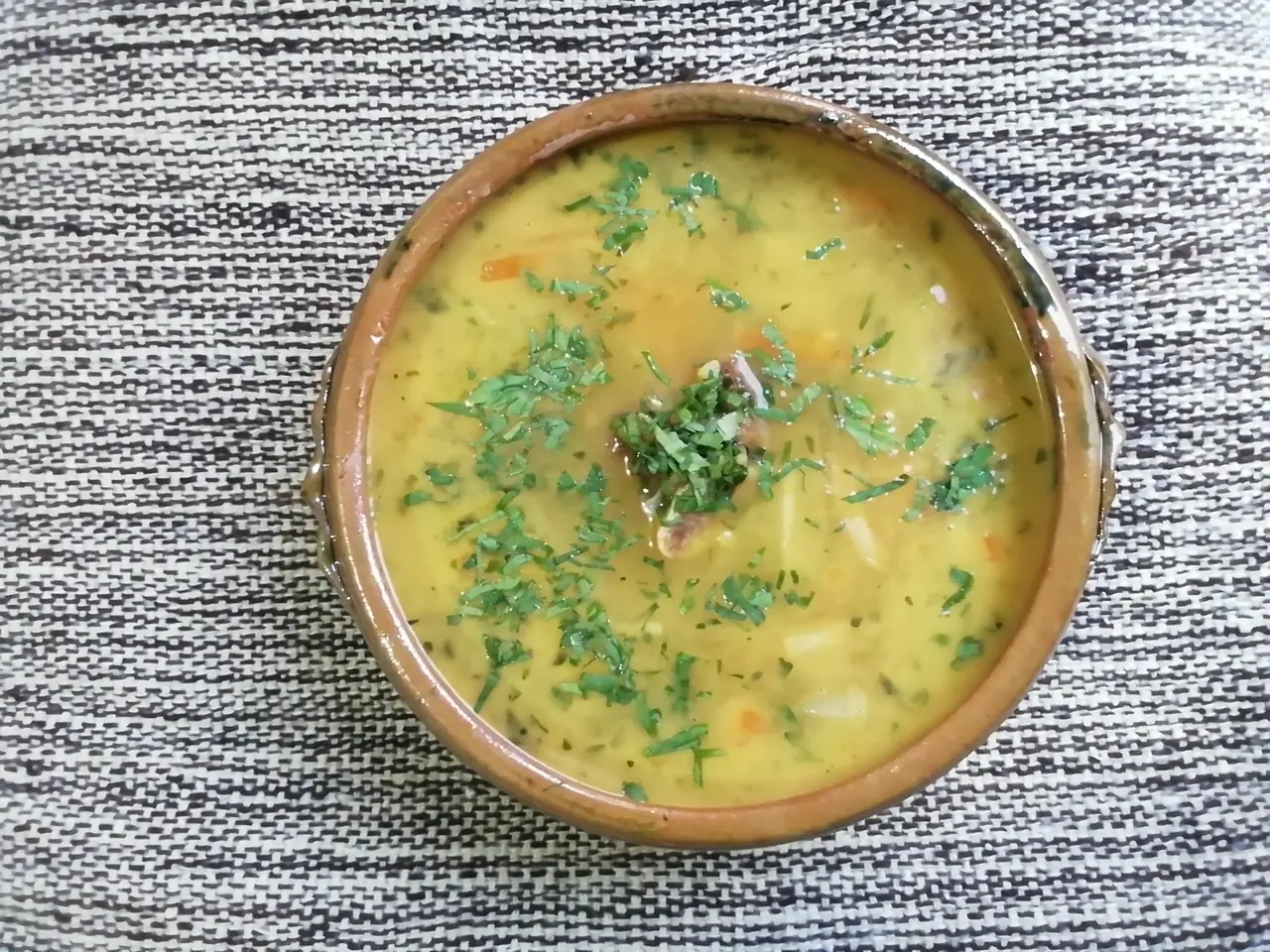
Take the pot off the heat, cover it and let it rest for 5 minutes so the meats relax and the broth settles. Ladle into deep bowls, giving each person beef, chalona, papalisa, potato and plenty of broth. Scatter the chopped parsley over the top and serve at once, while the soup is still steaming.
Serve the papalisa sticks on top, as in the photo — they are the piece everyone reaches for first.
Done when: Each bowl holds meat, papalisa and potato, with the broth hot and steaming.
auto_awesome Finishing Touches & Plating
Serve sopa de papalisa the way Bolivian valley families do: in deep bowls, with the papalisa on top and the parsley scattered over, crusty bread on the table for mopping up the broth, and llajwa salsa on the side for anyone who wants heat.

 Bolivia
2h 25m