

Curated recipes from 193 countries  •  New seasonal Mediterranean issue out now

Overview

Suikertaart

Flemish Sugar Tart, Tarte au Sucre, Suiker Taart

This suikertaart recipe makes the Flemish sugar tart: a soft yeasted dough pressed into a tin and topped with a custard of dark brown sugar, cream and egg, baked until the top turns golden and caramelised. It is best cut warm, with the sugar still soft. One serving is 1 slice, about 110 g.

Suikertaart is the sugar tart of Flanders, the low country shared by Belgium and northern France, where sugar beet has been grown for generations. It is a yeasted dough, like a soft brioche, pressed into a tin and covered with brown sugar and cream — in the classic Flemish version the cream is whisked with egg, so the topping bakes into a soft custard instead of a dry crust of sugar. It is the homely tart of Flemish bakeries, baked for coffee time and family Sundays.

Pairs well with: Unsweetened whipped cream and a cup of coffee

Provenance

Belgium flag Belgium

Flemish Heritage

Nordic & European

Time Dedication

2h

90m prep • 30m cook

Batch Yield

8 Servings

400 kcal per serving

1 serving ≈ 110 g

Technical Skill

Intermediate

Intermediate (Yeasted Dough)

Meal Timing & Digestive Fit

Breakfast

Not Advised

Lunch

Inappropriate

Dinner

Inappropriate

Snack & Tea

Ideal Light Bite

Occasions: Coffee time, family Sundays, bakery treats, festive afternoons Cost: Low — about $1–2 per slice at home
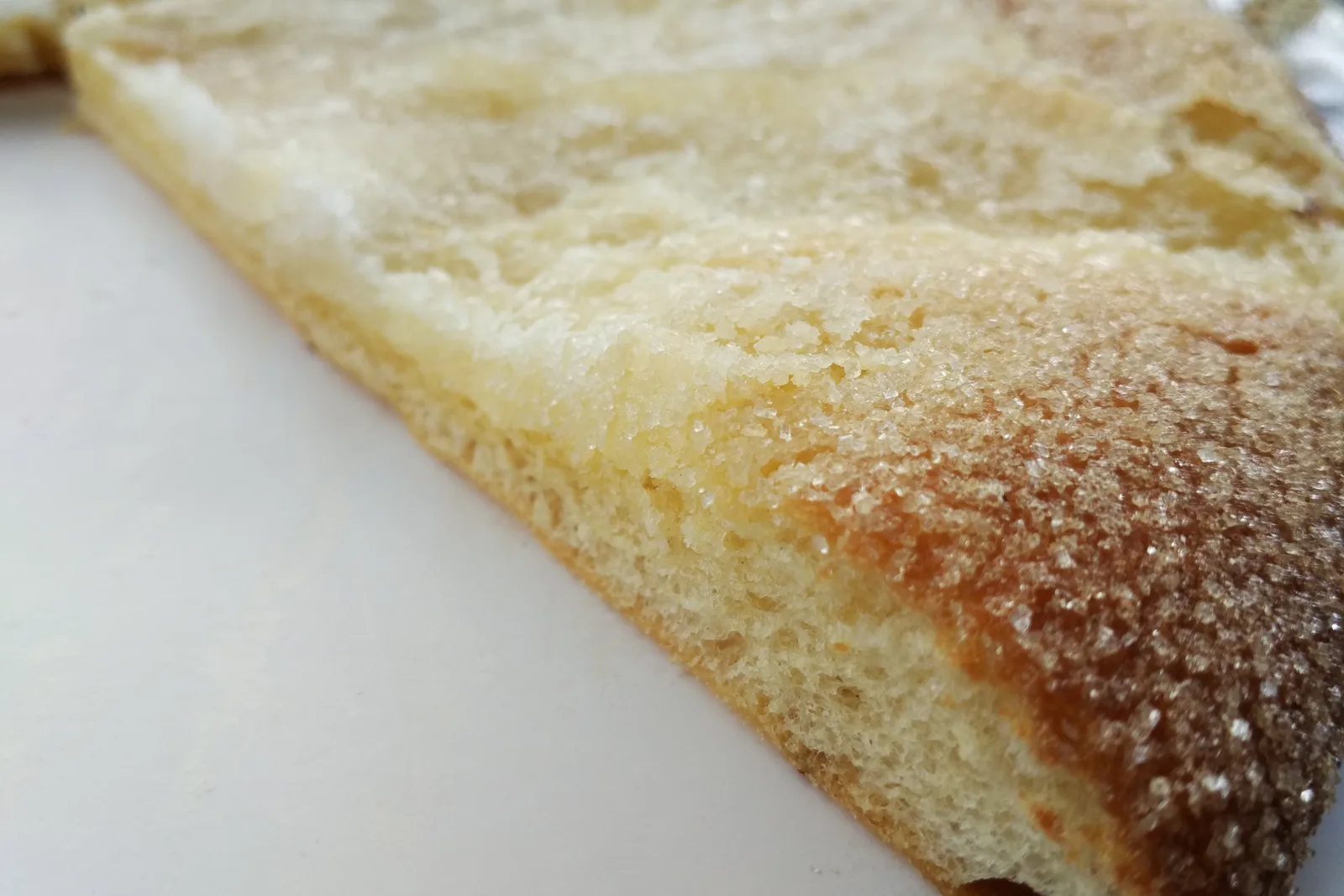
A close-up of a slice of suikertaart, golden sugar crystals glistening on a soft, pale crumb

Flemish Heritage

Photo: Popo le Chien, CC BY-SA 3.0, via Wikimedia Commons

The Heritage Formulary

Measured Ingredients

Estimated cost: Low — about $1–2 per slice at home (USD)

A good suikertaart is soft underneath and golden on top, with a custard that is silky, not rubbery, and sugar that has melted, not stayed gritty.

Execution Methodology & Culinary Technique

Step-by-Step Cooking Guide

Active 2h
P

Prep Stage: Make the Dough and the Custard

90 Mins • Kneading, Rising & Mixing

Knead a soft yeasted dough and let it rise until doubled, then press it into the tin. While it rises, whisk the custard: cream, eggs, brown sugar, butter and vanilla.

Maestro Tip: Make the custard while the dough rises — the tart comes together fast once the dough is ready.

  1. 1

    Make the yeasted dough

    15 Mins Warm milk, about 40°C (104°F)

    Stir the 7 g of yeast into the 120 ml of warm milk and leave it for 10 minutes until foamy. Mix the 300 g of flour, 20 g of caster sugar, 3 g of cinnamon and 4 g of salt in a bowl, then add the yeasty milk, the 50 g of beaten egg and the 40 g of soft butter. Knead for about 8 minutes until the dough is smooth and soft.

    The dough should be soft and smooth, not sticky — add a spoonful of flour only if it clings to your hands.

    Done when: Dough smooth, soft and springy; it pulls away from the bowl cleanly.

  2. 2

    Let the dough rise

    60 Mins Warm place, about 25°C (77°F)

    Shape the dough into a ball, put it in a lightly oiled bowl, and cover with a damp cloth. Leave it in a warm place for about 60 minutes, until it has doubled in size.

    A switched-off oven with the light on is a perfect warm spot.

    Done when: Dough doubled in size and soft when poked; the dent stays.

  3. 3

    Press the dough into the tin and add the filling

    15 Mins Room temperature, about 22°C (72°F)

    Butter a 26 cm tart tin. Press the dough into the tin with your palms, building a small edge up the sides. Whisk the 120 ml of cream with the 100 g of beaten eggs and the 5 g of vanilla, then whisk in the 150 g of brown sugar and the 60 g of melted butter until smooth. Pour the custard over the dough and spread it to the edges.

    Dimple the dough with your fingertips first — the custard settles into the hollows and bakes evenly.

    Done when: Dough pressed evenly into the tin, custard spread edge to edge.

  4. 4

    Bake until golden and set

    30 Mins Oven at 190°C (375°F)

    Bake at 190°C (375°F) for 25–30 minutes, until the top is deep golden and the custard is set but still soft in the middle. The sugar should be melted and glistening, not dry or gritty.

    If the top colours too fast, cover it loosely with foil for the last 10 minutes.

    Done when: Top deep golden and glistening; the custard trembles only slightly when the tin is shaken.

Finishing Touches & Plating

Let the suikertaart cool in the tin for 10 minutes, then cut it warm — the sugar top is soft and the custard is silky. A spoonful of unsweetened whipped cream on the side is the classic finish.

Nutritional Physiology & Benefits

Nutrition

Energy

400

kcal / serving

Protein

8g

Complete AA

Carbs

52g

Complex

Fats

18g

Healthy

Per serving (8 servings · 1 serving ≈ 110 g)
Energy400 kcal
Protein8 g
Carbohydrates52 g
Fat18 g
Fibre1.4 g
Sugar22.1 g
Sodium319 mg
Per 100g
Energy363 kcal
Protein6.8 g
Carbohydrates46.8 g
Fat16.6 g
Fibre1.3 g
Sugar20 g
Sodium290 mg

Nutrition values are estimated — calculated from USDA FoodData Central values for the listed ingredients.

Vitamins & minerals: Egg and cream add vitamin A, vitamin B12 and calcium; the flour provides B vitamins. All nutrition values are estimated.

A Tart of Few Ingredients

Flour, milk, butter, sugar, cream and egg — nothing more, and nothing hidden.

Simple Baking, Big Reward

One rise, one pour, one bake — and the oven turns plain dough into a caramel-topped tart.

Made to Share Warm

Eight slices from one tin, best eaten warm from the oven with coffee.

Food Pairings

What to Eat With

To optimize nutrient absorption and elevate the sensory depth, pair with these authentic accompaniments:

Sides

Unsweetened Whipped Cream

Cool, unsweetened cream balances the hot, caramel sweetness of the tart.

Drinks

Black Coffee

Bitter black coffee cuts the sugar and makes the caramel topping taste deeper.

Vegetables

Fresh Berries

A few raspberries or strawberries on the side add sharpness and colour to a very sweet plate.

Full Menus

Full Menu: Suikertaart, Cream, Coffee

Warm suikertaart with whipped cream and black coffee is the Flemish coffee table at its simplest.

Complete menu

Warm suikertaart with unsweetened whipped cream, fresh berries and black coffee — the Flemish coffee table.

Digestive Guardrails

What NOT to Combine

To prevent digestive distress, sluggishness, or palate clash, avoid pairing the dish with these elements:

Baking the Custard Too Long

An overbaked custard turns rubbery and the sugar top dries out. Take the tart out while the centre still trembles slightly. This is general food information, not medical advice.

Pouring Custard on Unrisen Dough

An unrisen base bakes dense and heavy under the custard. Wait until the dough has truly doubled before pressing it into the tin. This is general food information, not medical advice.

Cutting It Straight From the Oven

The custard needs 10 minutes to set, or it runs out of the slices. Cool it in the tin first. This is general food information, not medical advice.

General information only, not medical advice — consult a doctor for personal dietary decisions.

Who Should Eat It

Who Should Eat

  • General adultsA rich, sweet tart for most adults; one slice with coffee is a full portion.
  • ChildrenChildren love the sweet, soft slices; cut them small and let them cool a little first.
  • ElderlySoft and easy to eat; serve a small, warm slice and skip the extra cream if preferred.
  • Pregnant womenFreshly baked from a simple dough with eggs cooked through; eat it warm and freshly made. Ask your clinician if unsure.
  • Breastfeeding womenA filling, energy-rich slice for nursing mothers; pair it with milk or water rather than more coffee.
  • AthletesAbout 52 g of carbohydrate a slice — a fast energy snack after training, not a recovery meal on its own.
  • Weight gainAt 400 calories a slice, it is an easy way to add energy on a cold afternoon.
  • Weight lossA 400-calorie sugary slice; keep it to one slice and skip the whipped cream.

Health Conditions — Adjust or Avoid

Conditions

  • DiabetesAbout 52 g of carbohydrate and 22 g of sugar per slice; a small portion now and then, and never on an empty stomach. Ask your clinician about portions.
  • High blood pressureSodium is about 319 mg per slice, which is modest; the concern is the sugar, not the salt. Ask your clinician about portions.
  • Kidney diseaseLow in protein and high in sugar; keep the portion as stated and eat it infrequently if you are on a restricted diet. Ask your clinician.
  • GoutEggs and butter are moderate in purines; a normal portion now and then is usually better than a large one. Ask your clinician.
  • Stomach issuesVery sweet and rich; a small piece may be fine, but a whole slice can be heavy on a sensitive stomach. Ask your clinician if unsure.
  • Cardiovascular diseaseHigh in sugar, refined flour and saturated fat, so this is a sometimes treat rather than an everyday one. Ask your clinician about portions.
  • Fatty liverHigh in sugar and saturated fat; keep it occasional and pair it with berries rather than cream. Ask your clinician about portions.
  • Food allergiesContains gluten (wheat flour), milk (butter and cream) and egg — the filling eggs set the custard and cannot be left out. Do not serve it to anyone with a wheat, milk or egg allergy without a different recipe.
  • Special therapeutic dietsNot low-sugar, low-fat or gluten-free as written. It is vegetarian. Ask your clinician about any therapeutic diet.

If you have a medical condition, consult your doctor before changing your diet.

Storage & Use

Storage & Use

How to store
Cool fully, then cover the tin with foil or transfer slices to a sealed container.
In the fridge
Up to 3 days at 4°C (40°F) or below.
In the freezer
Freeze slices for up to 1 month at -18°C (0°F), wrapped tightly.
How to reheat
Warm in a hot oven at 180°C (350°F) for 5 minutes until the sugar softens again; do not microwave or the custard turns rubbery.
Freezing recommended
Yes — freeze slices and warm them to serve.
Signs it has spoiled
Sour smell, wet or weeping custard, or any mould — throw it away.

More recipes to explore

Moules-frites — a black pot of steamed mussels with herbs, served with golden fries at a Brussels brasserie Belgium flag Belgium 1h
Dinner •Brussels Brasserie Classic

Moules-Frites

This moules frites recipe makes the plate Belgium is proudest of: a black pot of mussels steamed open in white wine, shallots and cream, served with a heap of crisp, twice-cooked fries and a pot of mayonnaise. The mussels are sweet and briny, the broth is made for dipping, and the fries stay crisp if you keep them out of the pot. One serving is about 350 g.

Seaside Comfort

Sweet mussels steamed in white wine and cream, piled next to golden twice-cooked fries.

Pairs Well With
Crisp Belgian lager & mayonnaise
High Protein
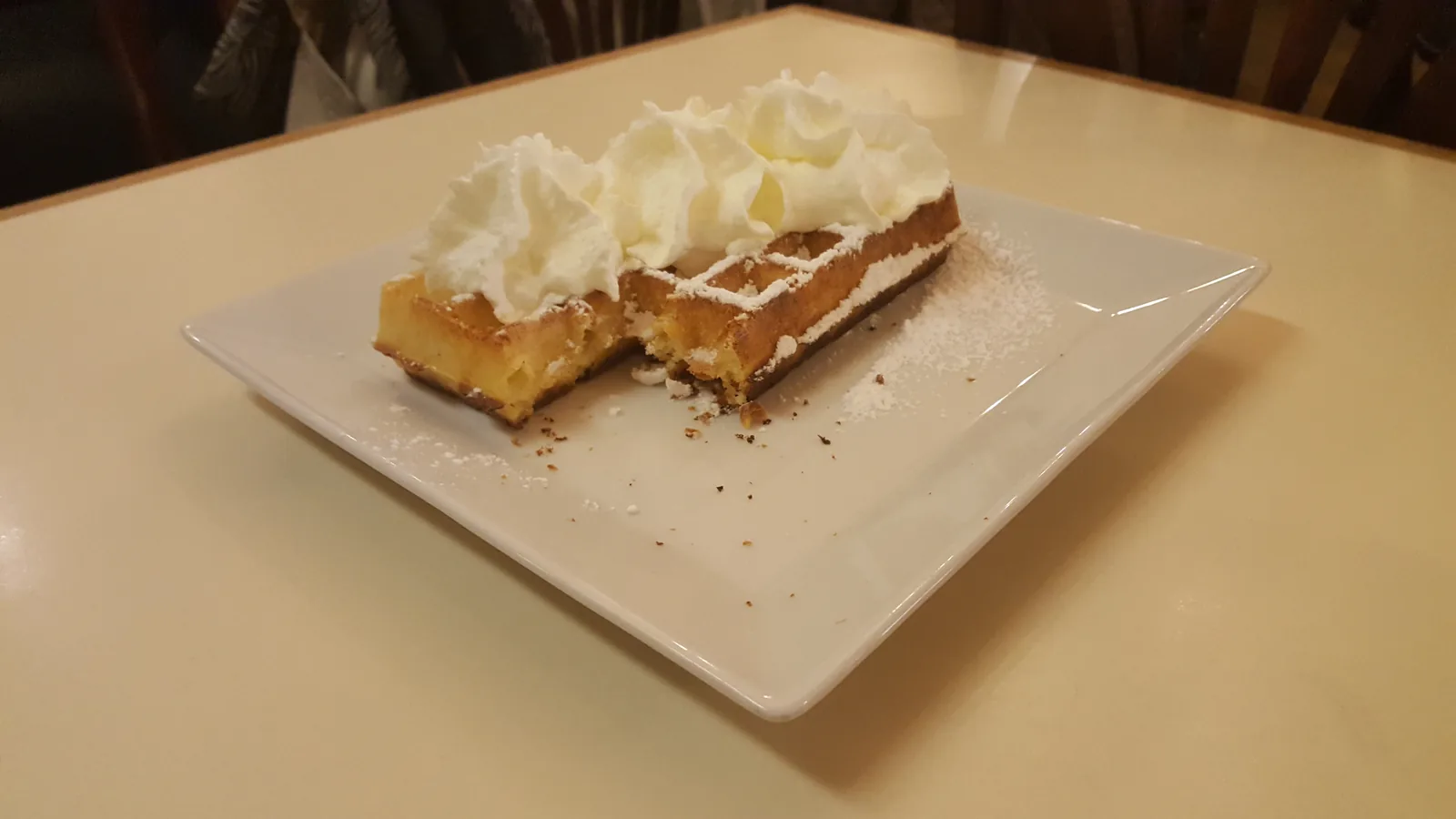
Belgian waffles — a golden Brussels waffle topped with whipped cream and icing sugar on a white plate Belgium flag Belgium 1h 35m
Breakfast •Brussels Bakery Classic

Belgian Waffles

This Belgian waffles recipe makes the light, yeasted kind: a risen batter cooked in a hot iron until the outside is crisp and golden and the inside stays soft and airy. The deep pockets hold butter, syrup or berries, and a dusting of icing sugar is all they really need. This recipe makes 8 waffles; one serving is 2 waffles, about 210 g. Nutrition is for the plain waffles, before toppings.

Weekend Breakfast Treat

Light, yeasted Brussels waffles with deep pockets, crisp outside and soft inside.

Pairs Well With
Strong coffee & fresh berries
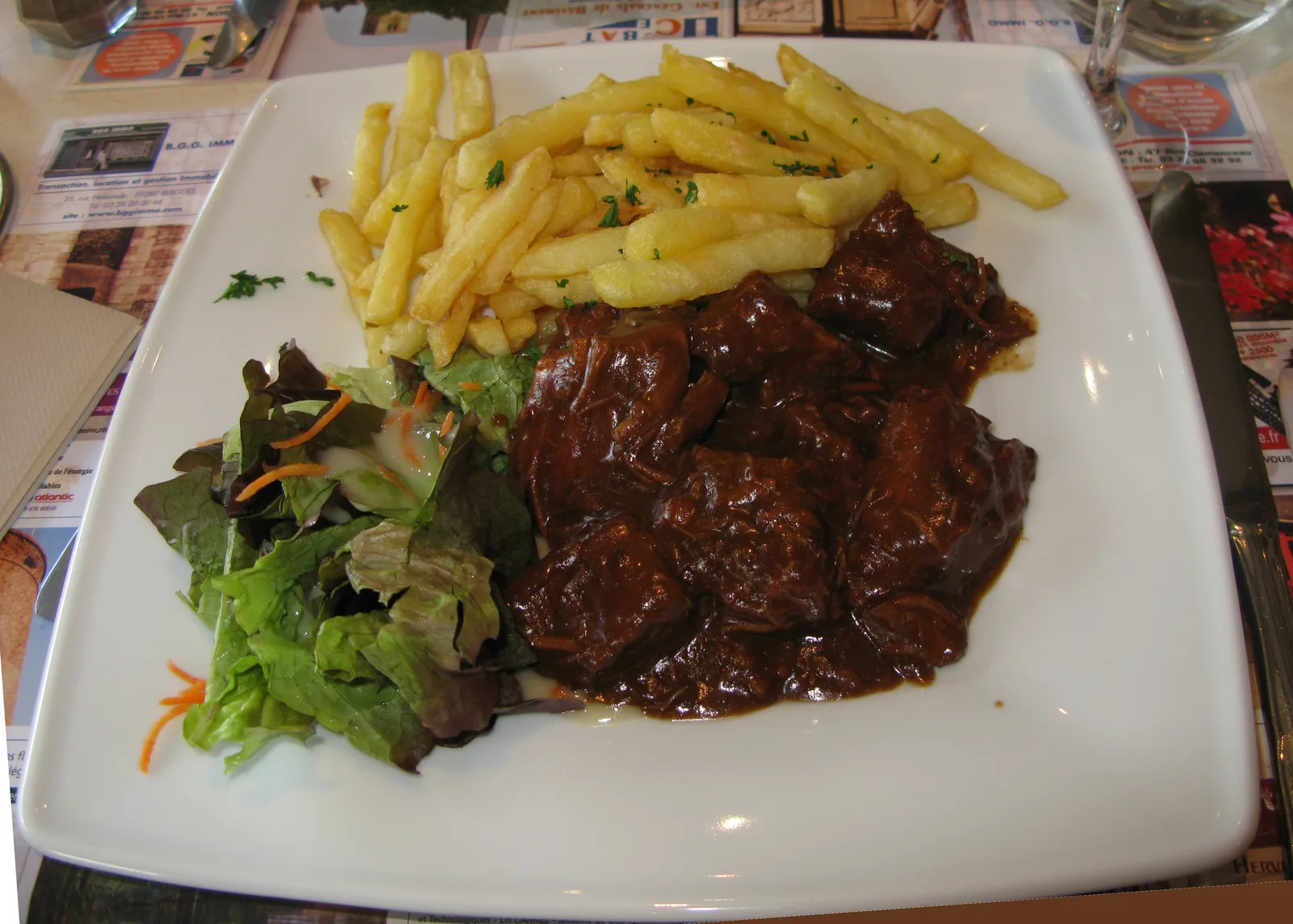
Carbonade flamande — dark beer-braised beef stew with fries and a small salad on a white plate Belgium flag Belgium 2h 55m
Dinner •Flemish Farmhouse Classic

Carbonade Flamande

This carbonade flamande recipe is Flanders' answer to the French beef stew: chunks of beef braised for hours in dark Belgian ale with sweet caramelised onions, thyme and bay, thickened the old way with slices of bread spread with mustard. The sauce turns dark, glossy and sweet-sour, and the beef goes spoon-tender. One serving is about 250 g, not counting the fries or potatoes served alongside.

Slow Sunday Comfort

Beef braised low and slow in dark Belgian ale with onions and mustard bread.

Pairs Well With
Dark Belgian ale & fries
High Protein
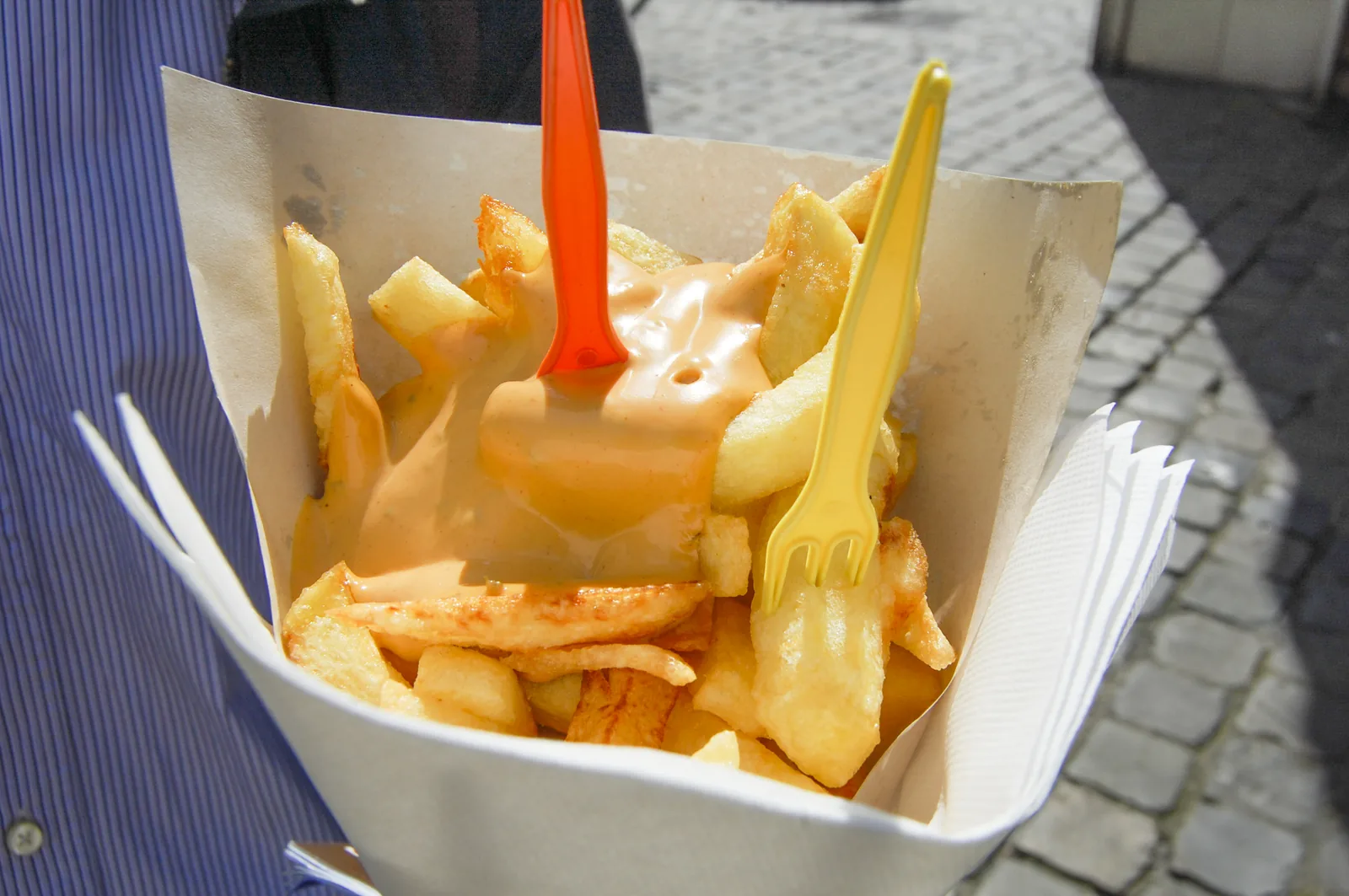
A paper cone of golden Belgian fries topped with andalouse sauce and two small plastic forks. Belgium flag Belgium 55m
Snack & Tea •Brussels Friterie Classic

Belgian Fries

Belgian fries are the real thing: thick batons of floury potato, fried twice — once gently to cook them through, once hot to shatter the outside — and served in a paper cone with andalouse sauce. One serving is about 253 g.

Crisp & Golden

Thick-cut potatoes fried twice in vegetable oil — crisp outside, fluffy inside, with andalouse sauce.

Pairs Well With
Serve hot in a paper cone with andalouse sauce and a cold lager.
Quick Prep (<30m)

The Dinner Gazette

Never wonder what’s for dinner again

One email a week with easy dinner ideas from around the world — ingredients, steps and nutrition, tested in our kitchen first.

Delivered every Thursday morning. Unsubscribe anytime.