
Curated recipes from 193 countries  •  New seasonal Mediterranean issue out now

Overview

Taillé aux Greubons

Fribourg Pork Crackling Bread, Greubons Loaf

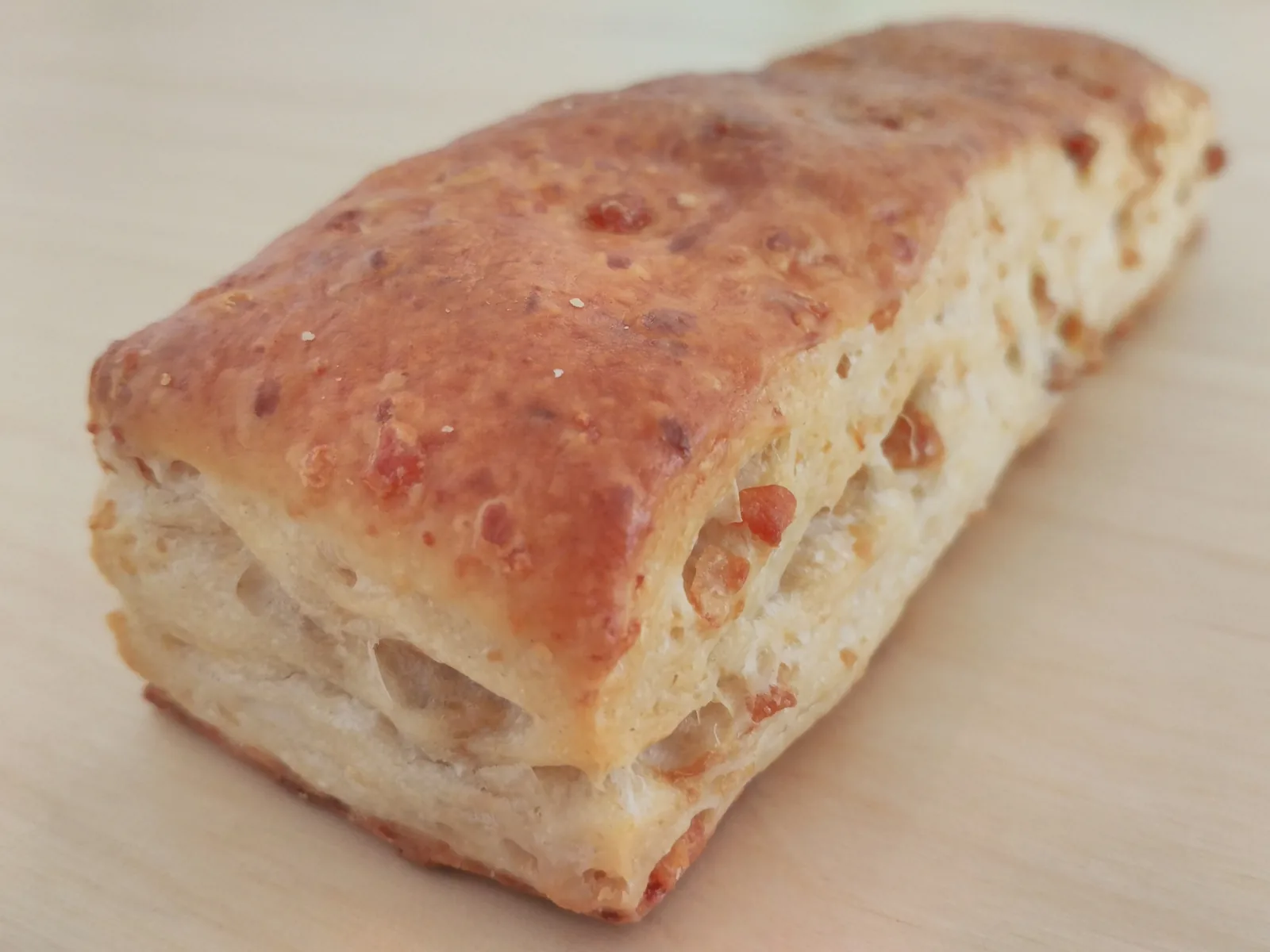
A soft white loaf from the canton of Fribourg, kneaded with greubons — the crisp cracklings left when pork fat is rendered for lard — and baked until the top is glossy and the crumb is studded with salty, crunchy pockets. It is sliced into fingers and eaten warm, usually with a glass of white wine. One serving is about 115 g.

Taillé aux greubons is the loaf of the canton of Fribourg, in French-speaking Switzerland. Greubons are the crisp cracklings left in the pan when pork fat is slowly rendered down to lard, and folding them into bread dough was the thrifty way to use every part of the pig. The loaf is a fixture of the Bénichon, Fribourg's traditional harvest festival, where it is eaten with cheese, cured meats and white wine.

Pairs well with: White wine, Gruyère & pickled vegetables

Provenance

Switzerland flag Switzerland

Fribourg Heritage

Nordic & European

Time Dedication

2h 35m

120m prep • 35m cook

Batch Yield

8 Servings

371 kcal per serving

1 serving ≈ 115 g

Technical Skill

Intermediate

Intermediate (Yeasted Loaf)

Meal Timing & Digestive Fit

Breakfast

Not Advised

Lunch

Inappropriate

Dinner

Inappropriate

Snack & Tea

Ideal Light Bite

Occasions: Snacks, harvest festivals, aperitifs, cheese boards Cost: Low — about $1–2 per serving at home
Tags: Pork Savory Baked
A golden loaf of taillé aux greubons with crisp pork crackling pieces visible in the crumb

Fribourg Heritage

Photo: Popo le Chien, CC BY-SA 3.0, via Wikimedia Commons

The Heritage Formulary

Measured Ingredients

Estimated cost: Low — about $1–2 per serving at home (USD)

A good taillé is golden and glossy on top, soft inside, and studded with cracklings that are still crisp — never soggy or lost in the crumb.

Execution Methodology & Culinary Technique

Step-by-Step Cooking Guide

Active 2h 35m
P

Prep Stage: Mix, Knead & Rise

120 Mins • Hands & Patience

Stir the yeast into the lukewarm water, mix with the flour and salt, then knead in the lard until the dough is smooth and elastic. Fold in the chopped greubons last, so they stay in crunchy pieces, then leave the dough to rise in a warm place for about 90 minutes until doubled.

Maestro Tip: Keep the greubons in coarse pieces — if they are chopped too fine, they vanish into the crumb.

  1. 1

    Mix the Dough

    10 Mins No heat

    Dissolve the yeast in the lukewarm water, then mix with the flour and salt into a shaggy dough.

    Keep the salt away from the yeast at first — salt slows it down.

    Done when: No dry flour left; the dough holds together.

  2. 2

    Knead in the Lard

    10 Mins No heat

    Knead for 10 minutes until smooth and elastic, working the softened lard in a spoonful at a time.

    The dough will feel greasy at first; keep kneading and it comes together.

    Done when: Smooth, springy dough that passes the windowpane test.

  3. 3

    Fold in the Greubons & Rise

    95 Mins Warm place, ~25°C (77°F)

    Fold in the cracklings, shape into a ball, cover and leave to rise for about 90 minutes until doubled.

    Fold, do not knead, so the cracklings stay in pieces.

    Done when: Doubled in size; a fingertip dent stays put.

  4. 4

    Shape & Glaze

    10 Mins No heat

    Shape into a flat oval loaf, score the top in a crosshatch, and brush with beaten egg.

    Score lightly — deep cuts let the cracklings fall out.

    Done when: An even oval, about 3 cm thick, glossy with egg wash.

  5. 5

    Bake

    35 Mins Oven at 200°C (390°F)

    Bake for 30–35 minutes until deep golden and the base sounds hollow when tapped; the centre should reach about 93°C (200°F). Cool for 10 minutes, then slice into fingers.

    If the top browns too fast, cover loosely with foil for the last 10 minutes.

    Done when: Deep golden crust, hollow tap on the base, fragrant with pork.

Finishing Touches & Plating

Slice the taillé into fingers while still warm and serve with Gruyère and pickles — it is at its best within a few hours of baking, when the cracklings are still crisp.

Nutritional Physiology & Benefits

Nutrition

Energy

371

kcal / serving

Protein

19g

Complete AA

Carbs

48g

Complex

Fats

11g

Healthy

Per serving (8 servings · 1 serving ≈ 115 g)
Energy371 kcal
Protein19 g
Carbohydrates48 g
Fat11 g
Fibre1.9 g
Sugar0.2 g
Sodium832 mg
Per 100g
Energy322 kcal
Protein16.2 g
Carbohydrates41.8 g
Fat9.2 g
Fibre1.7 g
Sugar0.2 g
Sodium723 mg

Nutrition values are estimated — calculated from USDA FoodData Central values for the listed ingredients.

Vitamins & minerals: B vitamins and iron (pork cracklings), thiamin (wheat flour), calcium (if served with cheese).

Slow, Satisfying Snack

A yeasted bread with real pork cracklings is dense and satisfying, so a small slice goes a long way.

Protein from the Cracklings

Greubons add about 19 g of protein per serving, unusual for a bread.

Nothing Wasted

Greubons are the cracklings left from rendering lard — this loaf turns a by-product into the main event.

Food Pairings

What to Eat With

To optimize nutrient absorption and elevate the sensory depth, pair with these authentic accompaniments:

Sides

Gruyère Cheese

Nutty Gruyère from the same canton melts against the warm, salty loaf.

Vegetables

Pickled Vegetables

Sharp pickles cut the richness of the pork fat and reset the palate.

Drinks

Fribourg White Wine

A dry local white wine is the traditional partner, light enough for a snack.

Black Tea

Unsweetened black tea works for a non-alcoholic pairing, its tannins balancing the fat.

Complete menu

Serve warm slices of taillé with Gruyère, pickled vegetables and a glass of Fribourg white wine as an aperitif, or with soup as a hearty snack.

Digestive Guardrails

What NOT to Combine

To prevent digestive distress, sluggishness, or palate clash, avoid pairing the dish with these elements:

Storing It in Plastic While Warm

Trapping steam in plastic softens the crust and the cracklings; cool on a rack first. This is general information, not medical advice.

Eating It Days Later Without Reheating

The cracklings go soft as the loaf stales; warm slices briefly in the oven to wake them up. This is general information, not medical advice.

General information only, not medical advice — consult a doctor for personal dietary decisions.

Who Should Eat It

Who Should Eat

  • General adultsA hearty, satisfying snack — best in modest slices, with cheese or pickles.
  • ChildrenSuitable for older children in small slices; the salty cracklings are usually a hit, but watch the salt overall.
  • ElderlySuitable in small portions; soft crumb and easy to eat, but mind the salt.
  • Pregnant womenGenerally suitable if the loaf is fully baked through; keep the portion modest because of the salt.
  • Breastfeeding womenGenerally suitable in modest portions.
  • AthletesA good energy-dense snack: carbohydrate plus about 19 g of protein per serving.
  • Weight gainA good choice — the loaf is energy-dense, so an extra slice adds up quickly.
  • Weight lossKeep to one small slice and pair it with pickles and salad rather than cheese.

Health Conditions — Adjust or Avoid

Conditions

  • DiabetesHigh in carbohydrate from the white flour; keep the slice small and pair it with protein. Ask your clinician if you are unsure.
  • High blood pressureHigh in sodium from the salt and cracklings; eat a small slice only. Ask your clinician if you are unsure.
  • Kidney diseaseLimit the portion: salt and protein are both high in this loaf. Ask your clinician about portion size.
  • GoutEat occasionally and in small portions — pork cracklings add purines. Ask your clinician if you are unsure.
  • Stomach issuesUsually well tolerated, but the pork fat can feel heavy; eat a small slice with pickles. Ask your clinician if you are unsure.
  • Cardiovascular diseaseHigh in saturated fat and salt; keep the portion small and balance it with vegetables. Ask your clinician if you are unsure.
  • Fatty liverKeep the portion small — this is an energy-dense, fatty loaf. Ask your clinician if you are unsure.
  • Food allergiesContains wheat (gluten), egg and pork. Do not serve to anyone with a gluten or egg allergy. Ask your clinician if you are unsure.
  • Special therapeutic dietsIf you follow a prescribed low-sodium or low-fat diet, this loaf does not fit well; check with your clinician.

If you have a medical condition, consult your doctor before changing your diet.

Storage & Use

Storage & Use

How to store
Cool completely on a wire rack, then wrap in a clean cloth or paper bag.
In the fridge
Not needed — keeps 2 days at room temperature.
In the freezer
2 months, sliced.
How to reheat
Warm slices in the oven at 180°C (350°F) for 5 minutes until heated through to 74°C (165°F) inside.
Freezing recommended
Yes — slice before freezing, up to 2 months.
Signs it has spoiled
Rancid smell from the pork fat, mould spots, or a sour taste.

More recipes to explore

A red fondue pot of melted cheese with bread cubes and a glass of white wine Switzerland flag Switzerland 40m
Dinner •Swiss Alpine Classic

Swiss Cheese Fondue

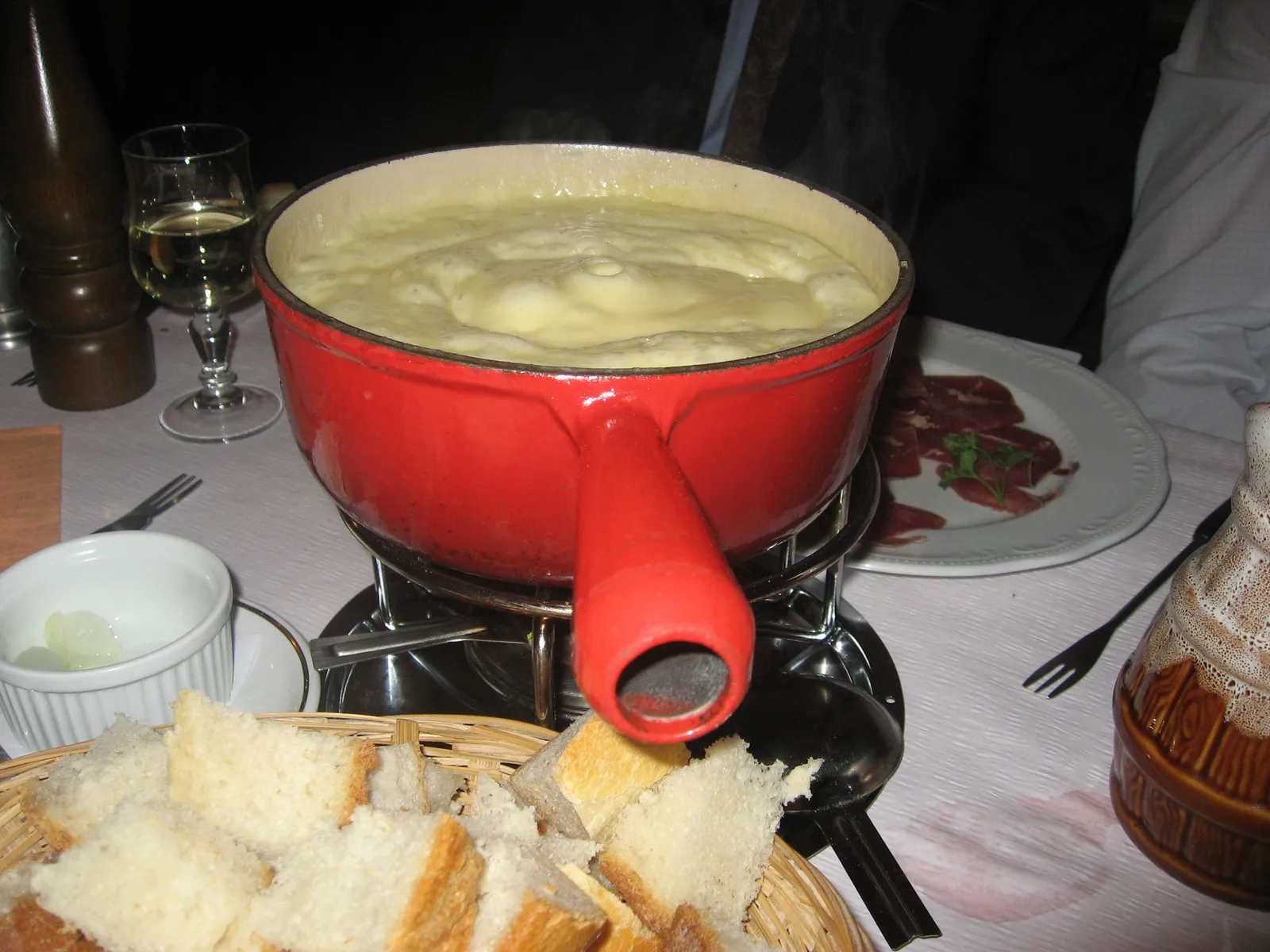
Swiss cheese fondue is the Alps in a pot: Gruyere and Emmental melted slowly into dry white wine with garlic and a splash of kirsch, kept warm at the table while everyone dips cubes of bread into the bubbling cheese. One serving is about 310 g.

Comfort & Togetherness

Gruyere and Emmental melted in white wine, shared from one pot.

Pairs Well With
Cubes of crusty bread, boiled potatoes and cornichons on the side
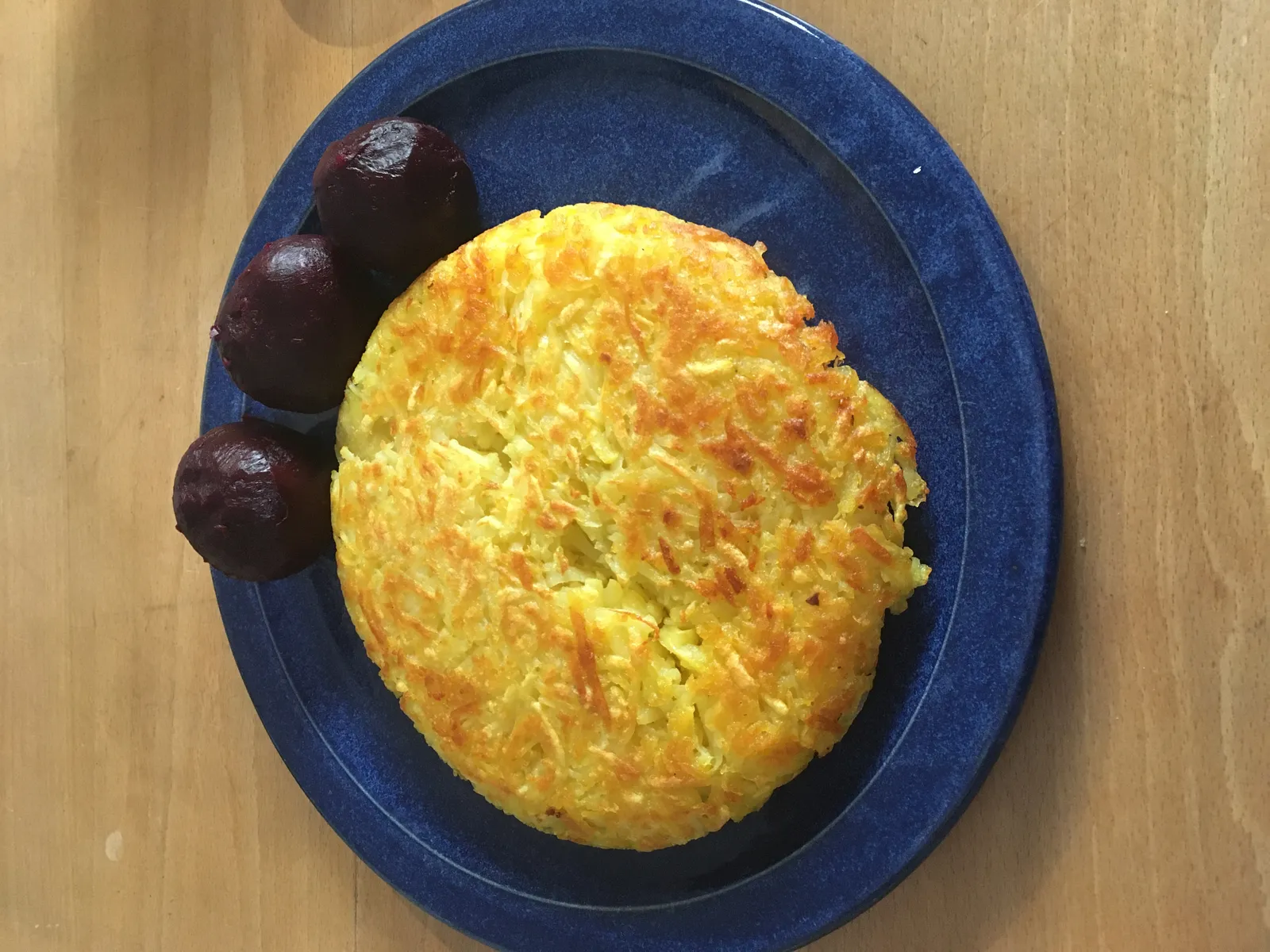
A large golden rosti potato cake on a blue plate Switzerland flag Switzerland 40m
Lunch •Bernese Farmhouse Classic

Rösti

Rösti is Switzerland's crisp potato cake: grated potato pressed into one large golden disc and fried in butter until the outside shatters and the inside stays soft, then topped with a fried egg. One serving is about 240 g.

Simple & Satisfying

One large crisp cake of grated potato, pan-fried in butter and topped with a fried egg.

Pairs Well With
A fried egg on top and a simple green salad with sharp vinaigrette
Quick Prep (<30m)
Melted raclette cheese scraped over a plate with boiled potatoes and pickles Switzerland flag Switzerland 40m
Dinner •Valais Alpine Classic

Raclette

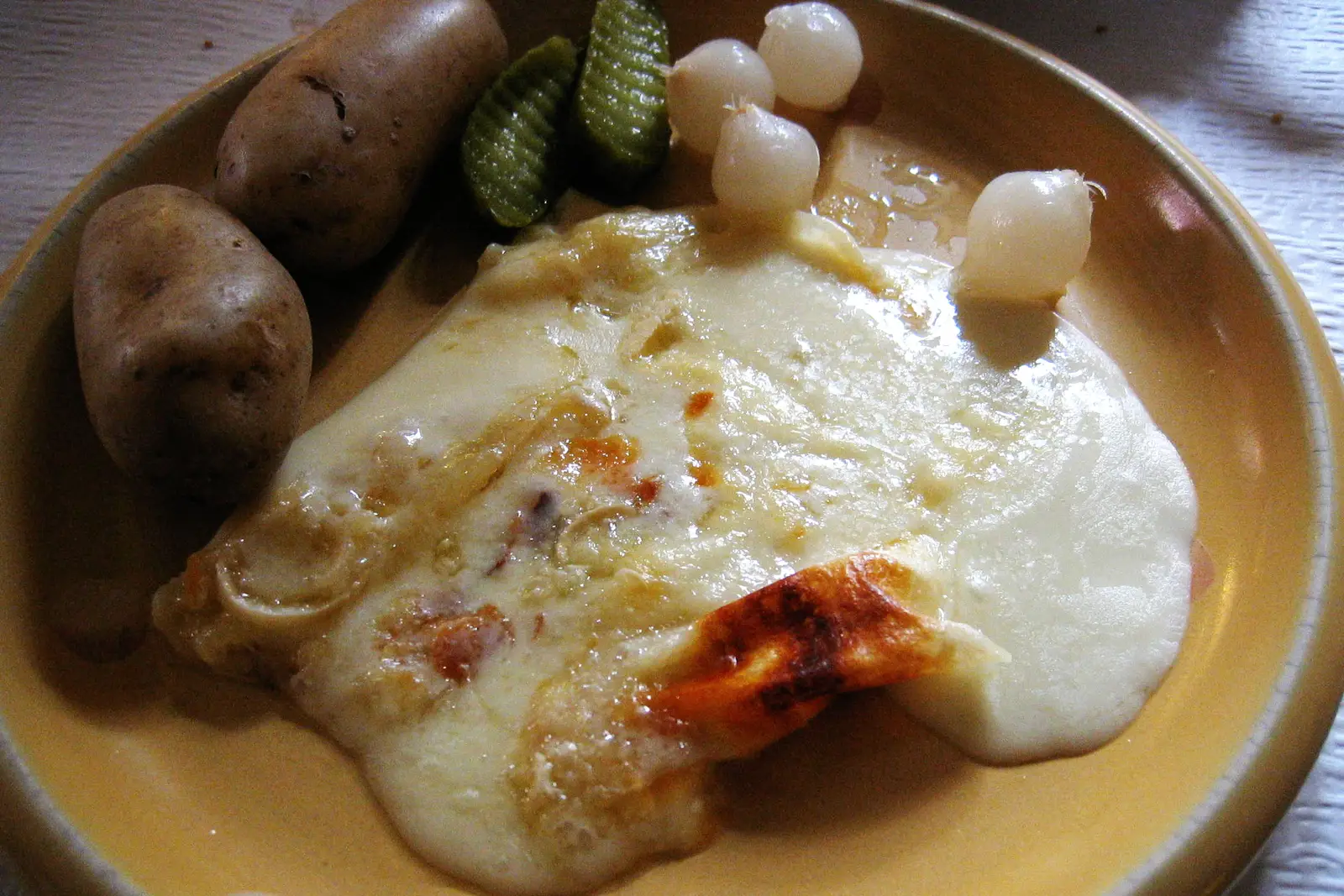
Raclette is the Swiss Alps' other great melted-cheese meal: a half-wheel of raclette cheese is warmed until the cut face bubbles, then scraped in ribbons over boiled potatoes, with cornichons and pickled onions to cut the richness. One serving is about 365 g.

Comfort & Togetherness

Melted raclette cheese scraped over boiled potatoes with pickles.

Pairs Well With
Boiled potatoes, cornichons, pickled onions and a green salad
A plate of Zürcher Geschnetzeltes — veal strips in cream sauce with a dollop of cream — beside golden rösti. Switzerland flag Switzerland 40m
Dinner •Zurich Classic

Zürcher Geschnetzeltes

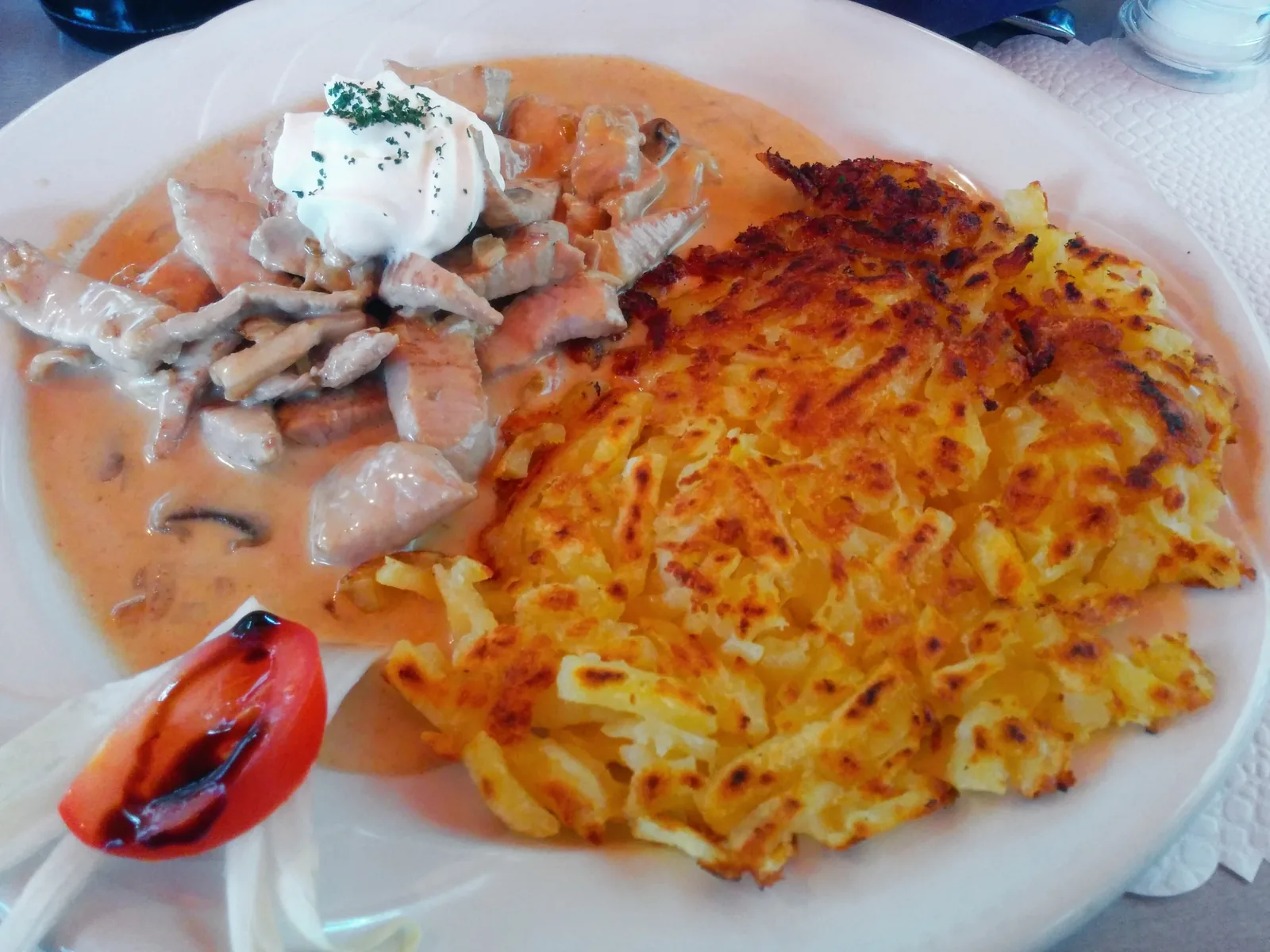
Zürcher Geschnetzeltes is Zurich's signature dish: thin strips of veal quickly seared, then finished in a white-wine and cream sauce with mushrooms and onion. One serving is about 335 g, before the rösti it is traditionally served with.

Rich & Comforting

Tender strips of veal in a white-wine cream sauce with mushrooms — Zurich's classic, with rösti.

Pairs Well With
Serve with golden rösti and a glass of dry Swiss white wine.
High Protein

The Dinner Gazette

Never wonder what’s for dinner again

One email a week with easy dinner ideas from around the world — ingredients, steps and nutrition, tested in our kitchen first.

Delivered every Thursday morning. Unsubscribe anytime.