
Curated recipes from 193 countries  •  New seasonal Mediterranean issue out now

Overview

Thai Coconut Ice Cream

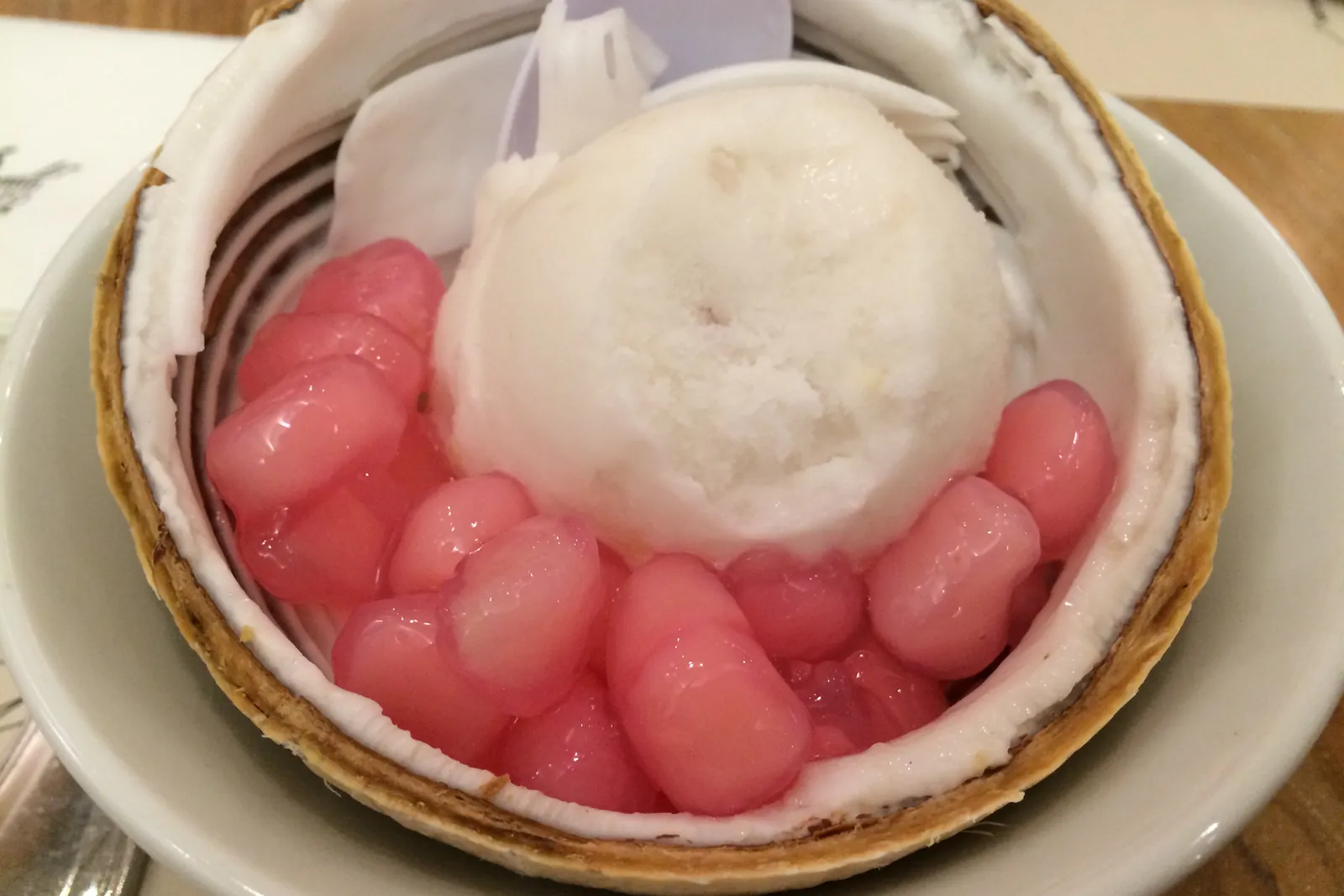
Thai coconut ice cream — itim kati, served in a coconut shell

Thai coconut ice cream is the dessert Bangkok street vendors scoop straight from a metal churn: coconut milk and cream frozen into something softer and silkier than Western ice cream, then piled into a coconut shell or a sweet bread roll with sticky rice, roasted peanuts and glossy red water chestnuts. It tastes of fresh coconut, not of a tin — rich, cold and floral, with a little crunch in every spoonful. One serving is about 257 g, toppings included.

Thai coconut ice cream, itim kati, is a street-vendor classic sold across Thailand from hand-cranked metal churns. Vendors scoop it into a halved coconut shell or a soft sweet bread roll, then pile on the toppings the customer points at — sticky rice, roasted peanuts, sweet corn and the pink water chestnuts called tub tim krob. It is softer and less sweet than Western ice cream, and it has been a fixture of Thai markets and temple fairs for generations.

Pairs well with: A cup of Thai iced tea and a walk in the evening heat

Provenance

Thailand flag Thailand

Bangkok Street Dessert

East & South Asia

Time Dedication

35m

20m prep • 15m cook

Batch Yield

6 Servings

628 kcal per serving

1 serving ≈ 257 g

Technical Skill

Easy

Easy (No Churn Needed)

Meal Timing & Digestive Fit

Breakfast

Not Advised

Lunch

Inappropriate

Dinner

Inappropriate

Snack & Tea

Ideal Light Bite

Occasions: Hot-weather desserts, street-food nights, Thai dinners, summer parties, family treats Cost: Low — about $2–3 per serving at home
A scoop of white Thai coconut ice cream in a coconut shell with pink water chestnuts and coconut flesh

Bangkok Street Dessert

Photo: Anilakeo, CC BY-SA 4.0, via Wikimedia Commons

The Heritage Formulary

Measured Ingredients

Estimated cost: Low — about $2–3 per serving at home (USD)

Made the street way: a real coconut custard base, beaten by hand as it freezes, served with warm sticky rice and crunchy peanuts.

Execution Methodology & Culinary Technique

Step-by-Step Cooking Guide

Active 35m
P

Prep Stage: Coconut, Yolks and the Toppings Tray

20 Mins • Whisking

Shake the coconut milk cans and measure everything out. Whisk the yolks with the sugar and cornstarch until pale, and stir the young coconut flesh into strips. Set out the toppings — warm sticky rice, crushed peanuts and the diced red water chestnuts — in small bowls so serving is quick once the ice cream is frozen.

Maestro Tip: Full-fat coconut milk is non-negotiable — light coconut milk makes icy, thin ice cream.

  1. 1

    Warm the Coconut Milk

    5 Mins Medium heat, about 80°C (175°F)

    Pour the coconut milk and coconut cream into a saucepan and warm gently until steaming and the sugar can dissolve — do not let it boil. Stir in the sugar and salt until dissolved.

    Boiling coconut milk can split it; steaming is enough.

    Done when: Milk steaming, sugar dissolved, no bubbles.

  2. 2

    Temper the Yolks

    5 Mins Medium heat, about 80°C (175°F)

    Whisk a ladle of the warm milk into the yolk mixture, then pour it all back into the pan. Cook gently, stirring constantly, for 3–4 minutes until the custard coats the back of a spoon. It must reach 74°C (165°F) so the yolks are safe to eat.

    Stirring constantly is what keeps the custard smooth.

    Done when: Custard coats a spoon and leaves a clean line.

  3. 3

    Chill the Base

    30 Mins Fridge, about 4°C (40°F)

    Strain the custard into a clean bowl, stir in the vanilla and the young coconut flesh, and chill in the fridge for at least 30 minutes until completely cold. A warm base freezes into ice crystals.

    Cold base, smooth ice cream — never skip the chill.

    Done when: Base cold to the touch, flesh evenly mixed.

  4. 4

    Freeze and Stir

    4 Hrs Freezer, about -18°C (0°F)

    Pour the cold base into a shallow freezer-safe container and freeze. Every 45 minutes, take it out and beat it well with a fork or whisk to break up ice crystals, 4–5 times in total. An ice cream maker does this job in 25 minutes if you have one.

    Beating is the whole trick of no-churn ice cream.

    Done when: Ice cream thick, scoopable, no large ice crystals.

  5. 5

    Scoop and Top

    5 Mins Serve frozen, below -5°C (23°F)

    Scoop the ice cream into coconut shells or small bowls, add a spoonful of warm sticky rice, a sprinkle of crushed peanuts and a few red water chestnut rubies. Serve immediately, before it melts.

    Warm sticky rice against cold ice cream is the classic Thai contrast.

    Done when: Ice cream scooped, toppings bright, served at once.

Finishing Touches & Plating

Scoop the ice cream into coconut shells or small bowls, top with sticky rice, peanuts and red rubies, and serve at once — Thai coconut ice cream melts fast in the heat, and that is half the fun.

Nutritional Physiology & Benefits

Nutrition

Energy

628

kcal / serving

Protein

7g

Complete AA

Carbs

48g

Complex

Fats

49g

Healthy

Per serving (6 servings · 1 serving ≈ 257 g)
Energy628 kcal
Protein7 g
Carbohydrates48 g
Fat49 g
Fibre4.9 g
Sugar31.2 g
Sodium183 mg
Per 100g
Energy244 kcal
Protein2.7 g
Carbohydrates18.6 g
Fat18.9 g
Fibre1.9 g
Sugar12.1 g
Sodium71 mg

Nutrition values are estimated — calculated from USDA FoodData Central values for the listed ingredients.

Vitamins & minerals: Vitamin E (peanuts), potassium and manganese (coconut), phosphorus (egg yolk), magnesium (peanuts, coconut).

Dairy-Free Creaminess

Coconut milk gives a rich, creamy texture with no dairy at all, so it suits people who avoid milk.

Real Coconut, Nothing Artificial

The flavour comes from coconut milk and fresh young coconut flesh, not from flavourings.

A Proper Energy Treat

With sticky rice and peanuts on top, one bowl is a genuinely satisfying dessert after a light meal.

Food Pairings

What to Eat With

To optimize nutrient absorption and elevate the sensory depth, pair with these authentic accompaniments:

Sides

Sweet Bread Roll

In Bangkok the ice cream is often scooped into a soft sweet roll — the bread soaks up the melting coconut cream.

Fresh Mango

Slices of ripe mango add a bright, juicy contrast to the rich, cold coconut.

Sweet Corn Kernels

Warm sweet corn is another street-vendor topping — its sweetness and pop work beautifully with coconut.

Drinks

Thai Iced Tea

Sweet, spiced Thai iced tea is the classic drink alongside — its tea and condensed milk notes echo the coconut.

Complete menu

Serve Thai coconut ice cream after a Thai dinner with Thai iced tea, or as the sweet end to a street-food evening.

Digestive Guardrails

What NOT to Combine

To prevent digestive distress, sluggishness, or palate clash, avoid pairing the dish with these elements:

Skipping the Stirring

A base left to freeze untouched turns into a solid block of ice — beating every 45 minutes is what makes it scoopable. This is general food guidance, not medical advice.

Using Light Coconut Milk

Light coconut milk has too little fat to freeze creamy; the ice cream turns icy and thin. This is general food guidance, not medical advice.

General information only, not medical advice — consult a doctor for personal dietary decisions.

Who Should Eat It

Who Should Eat

  • General adultsA rich dessert — one bowl after a light meal is plenty.
  • ChildrenChildren love it; serve a smaller scoop and watch the peanut topping for younger children.
  • ElderlySoft, cold and easy to eat — a small scoop is a pleasant treat.
  • Pregnant womenA sweet dessert; a small portion is fine occasionally, but check with your clinician.
  • Breastfeeding womenGenerally suitable in a small portion; the coconut and peanuts add energy.
  • AthletesA quick energy-dense treat after training — the sticky rice adds carbs.
  • Weight gainAn easy way to add energy — a full bowl with sticky rice and peanuts is calorie-rich.
  • Weight lossA rich, sweet dessert; keep the scoop small, skip the sticky rice, and save it for special occasions.

Health Conditions — Adjust or Avoid

Conditions

  • DiabetesHigh in sugar and carbs — keep the portion small and check with your clinician.
  • High blood pressureLow in sodium, but the salted peanuts add salt — use unsalted peanuts if salt is a concern.
  • Kidney diseaseModerate in protein and low in sodium; keep portions small and ask your clinician.
  • GoutPeanuts and coconut are low in purines; a small portion is usually fine.
  • Stomach issuesCold and creamy, usually gentle on the stomach; eat slowly if very cold food bothers you.
  • Cardiovascular diseaseHigh in saturated fat from coconut — enjoy occasionally, in a small bowl.
  • Fatty liverVery high in saturated fat and sugar — save it for special occasions and keep the portion small.
  • Food allergiesContains egg (yolk) and peanut. Check every label if you have an allergy.
  • Special therapeutic dietsIf you follow a prescribed low-sugar or low-fat diet, use less sugar and a smaller portion, and check with your clinician.

If you have a medical condition, consult your doctor before changing your diet.

Storage & Use

Storage & Use

How to store
Store in a sealed freezer-safe container with cling film pressed on the surface to stop ice crystals.
In the fridge
Does not keep in the fridge — it melts. Keep frozen.
In the freezer
Keeps up to 2 weeks in the freezer at -18°C (0°F) or below; best in the first week.
How to reheat
No reheating — let it soften on the counter for 5 minutes before scooping.
Freezing recommended
Yes — freezing is the point. Eat within 2 weeks for the best texture.
Signs it has spoiled
Large ice crystals, a stale freezer smell, or a grainy texture.

More recipes to explore

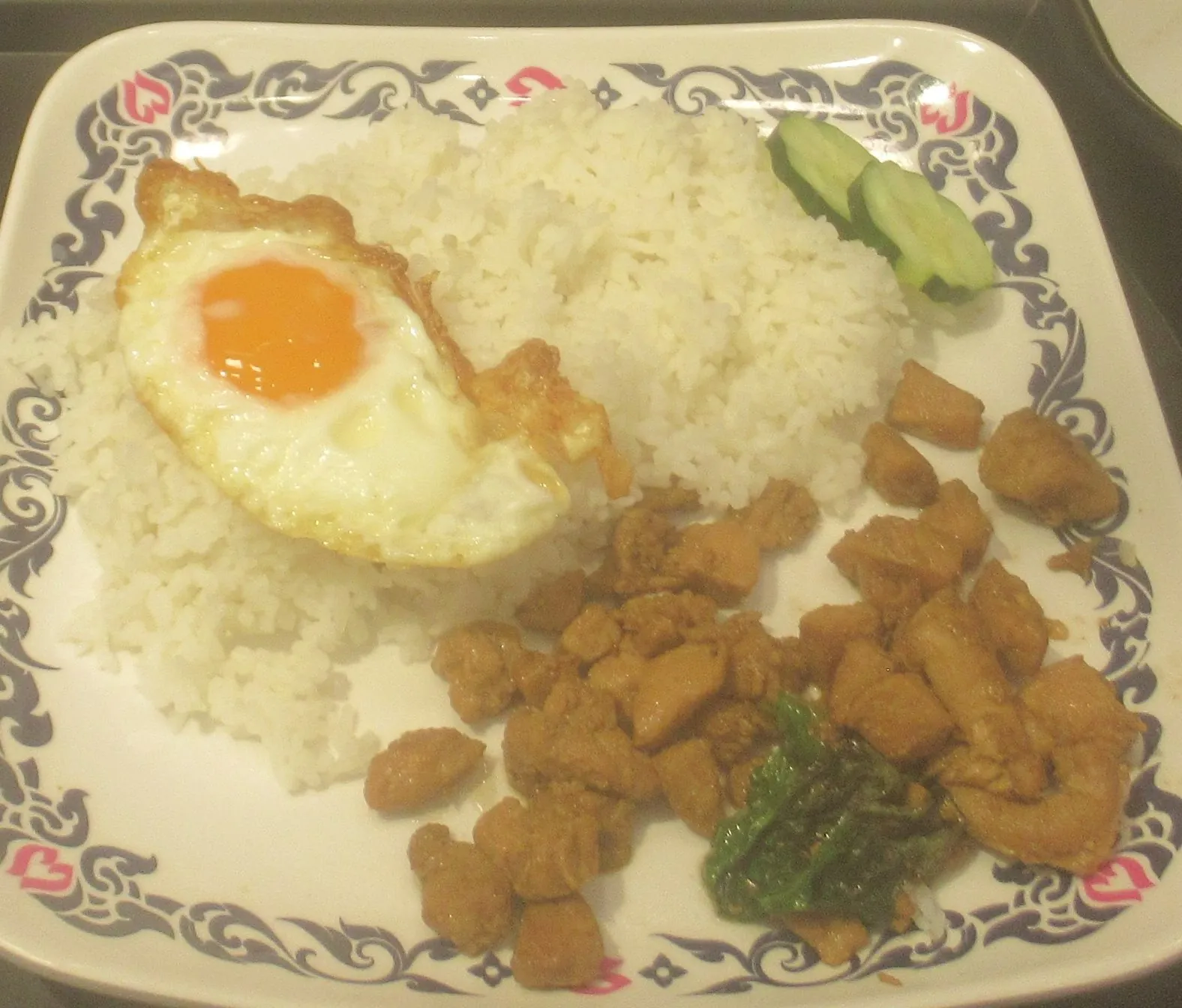
Pad kra pao gai — Thai holy basil chicken with fried egg and rice Thailand flag Thailand 30m
Lunch •Bangkok Street Flame

Pad Kra Pao Gai

High-heat wok flash of holy basil and crushed chillies over minced chicken, served over jasmine rice with a crispy-edged fried egg.

High Energy

Capsaicin brings the heat; holy basil adds a peppery, clove-like aroma.

Pairs Well With
Chilled Cucumber Salad & Fish Sauce Lime Dip
High Protein • Quick Prep (<30m)
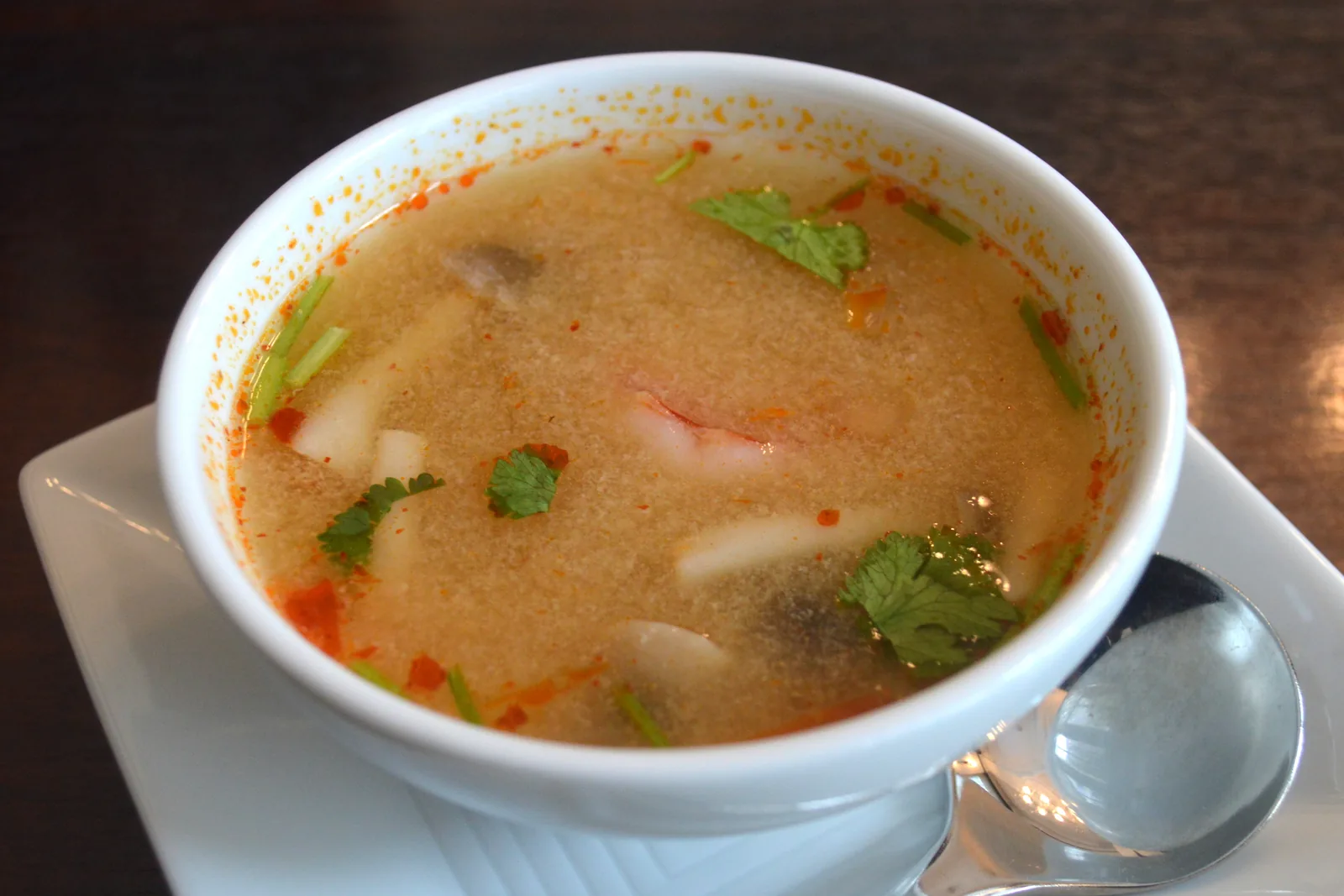
A white bowl of clear tom yum goong with a pink prawn, mushrooms and fresh cilantro Thailand flag Thailand 35m
Lunch •Central Thai Rivers

Tom Yum Goong

This tom yum goong recipe builds a clear, fiery-sour broth from lemongrass, galangal and makrut lime leaves, then finishes it with plump prawns, mushrooms and lime juice. One serving is about 460 g.

Comfort & Warmth

Hot, sour and fragrant prawn soup with lemongrass, galangal and lime.

Pairs Well With
Steamed jasmine rice and a cold Thai iced tea
Soups & Broths • High Protein
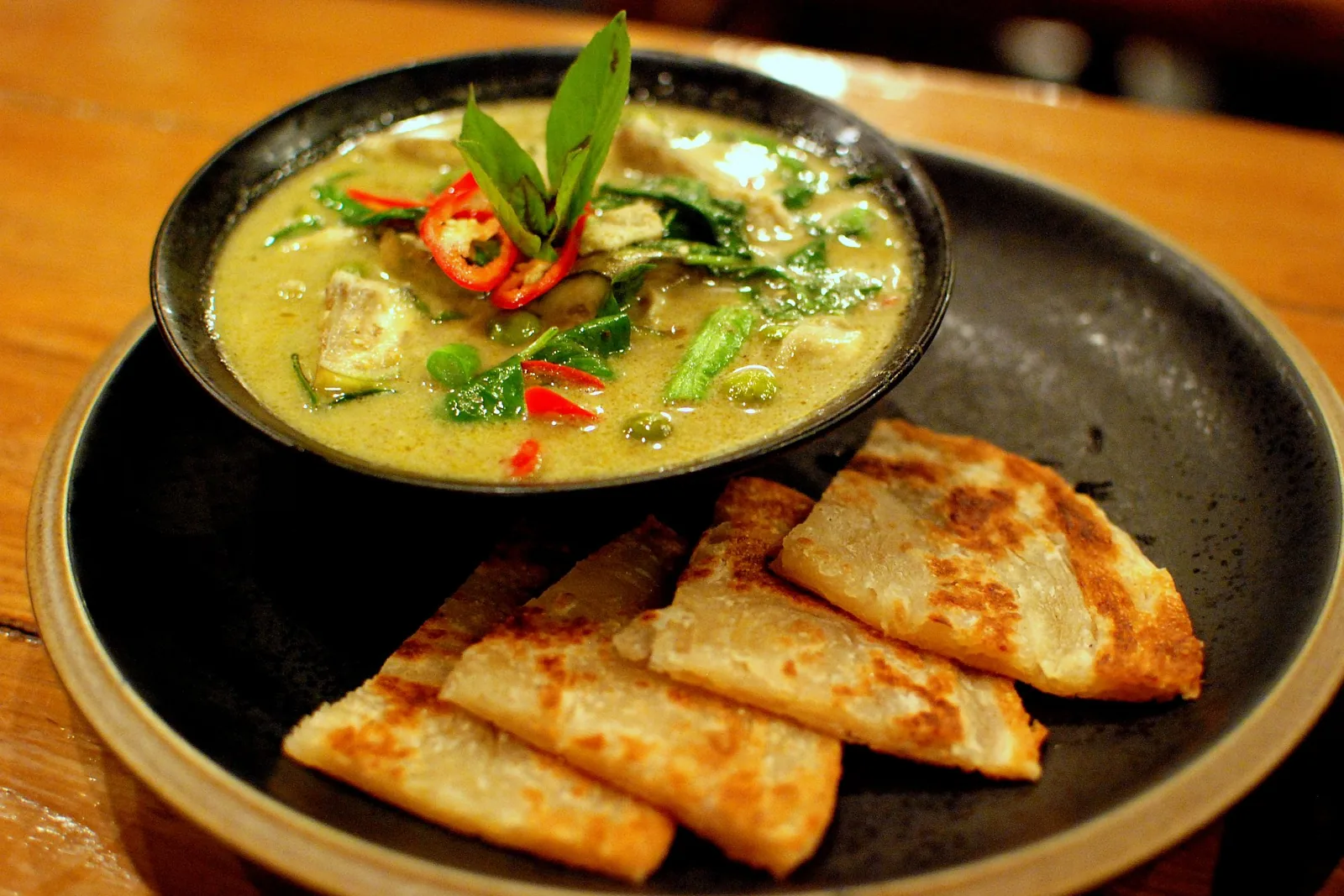
A black bowl of Thai green curry with chicken, Thai basil and red chilli, with roti on the side Thailand flag Thailand 40m
Dinner •Central Thai Classic

Thai Green Curry

This thai green curry recipe simmers chicken in coconut milk with green curry paste, Thai eggplant and bamboo shoots, finished with basil and a squeeze of lime. One serving is about 480 g, rice included.

Comfort & Warmth

Creamy coconut curry with green chillies, Thai basil and tender chicken.

Pairs Well With
Jasmine rice and a cucumber salad
High Protein
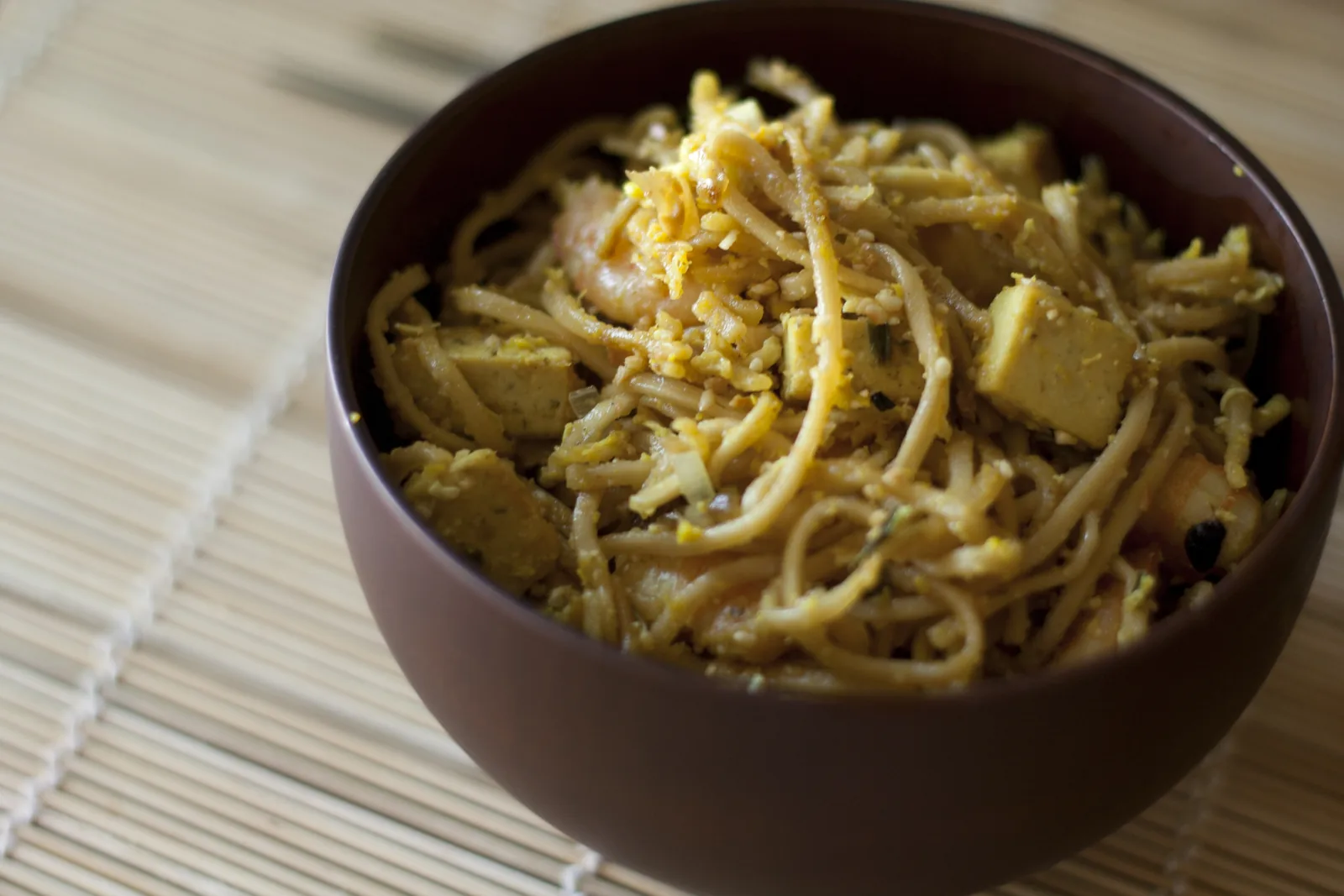
A dark bowl of pad thai with shrimp, tofu and egg, served on a bamboo mat Thailand flag Thailand 35m
Lunch •Thai Street-Food Classic

Pad Thai

This pad thai recipe stir-fries flat rice noodles with shrimp, egg and tofu in a tamarind, fish-sauce and palm-sugar glaze, finished with bean sprouts, peanuts and lime. One serving is about 350 g.

Street-Food Comfort

Stir-fried rice noodles in a sweet, sour and salty tamarind glaze, with shrimp, egg and tofu — the balance of flavours is the whole point.

Pairs Well With
Iced lime tea and a crisp cucumber salad
Pasta & Noodles

The Dinner Gazette

Never wonder what’s for dinner again

One email a week with easy dinner ideas from around the world — ingredients, steps and nutrition, tested in our kitchen first.

Delivered every Thursday morning. Unsubscribe anytime.