Curated recipes from 193 countries  •  New seasonal Mediterranean issue out now

Overview

Tirokafteri

Spicy Feta Dip, Tirosalata, Kopanisti-Style Feta Spread

This tirokafteri recipe is Greece's fiery feta dip: crumbled feta whipped with yogurt, roasted red pepper and hot green chilli until it is creamy, pink-tinged and properly spicy, with olive oil and lemon to round it out. It is the meze that makes the whole table reach for more bread — salty, tangy, and hot in the best way. One serving is about 152 g.

Tirokafteri, also called tirosalata, is a fixture of the Greek taverna table, where it sits alongside tzatziki and melitzanosalata as one of the three classic dips of the meze spread. Its name comes from the Greek words for cheese (tyri) and hot (kafteri), and it is exactly that: feta whipped with hot peppers until it is creamy and fiery. In northern Greece a similar spread called kopanisti is made by pounding feta with peppers in a mortar, and tirokafteri is its smoother, yogurt-softened cousin — a dip that turns a basket of bread and a glass of ouzo into a meal.

Pairs well with: Warm pita bread, cucumber sticks, grilled meats and a cold glass of ouzo or beer

Provenance

Greece flag Greece

Greek Taverna Classic

Mediterranean & Italy

Time Dedication

25m

10m prep • 15m cook

Batch Yield

4 Servings

332 kcal per serving

1 serving ≈ 152 g

Technical Skill

Easy

Easy (One Bowl)

Meal Timing & Digestive Fit

Breakfast

Not Advised

Lunch

Inappropriate

Dinner

Inappropriate

Snack & Tea

Ideal Light Bite

Quick Prep (<30m) Occasions: Meze spreads, taverna nights, summer barbecues, parties and light evening snacks Cost: Medium — about $3–4 per serving at home

Tirokafteri — a creamy white feta dip topped with strips of green pepper, served on a metal tray

Greek Taverna Classic

Photo: Alexander Baxevanis, CC BY 2.0, via Wikimedia Commons

The Heritage Formulary

Measured Ingredients

Estimated cost: Medium — about $3–4 per serving at home (USD)
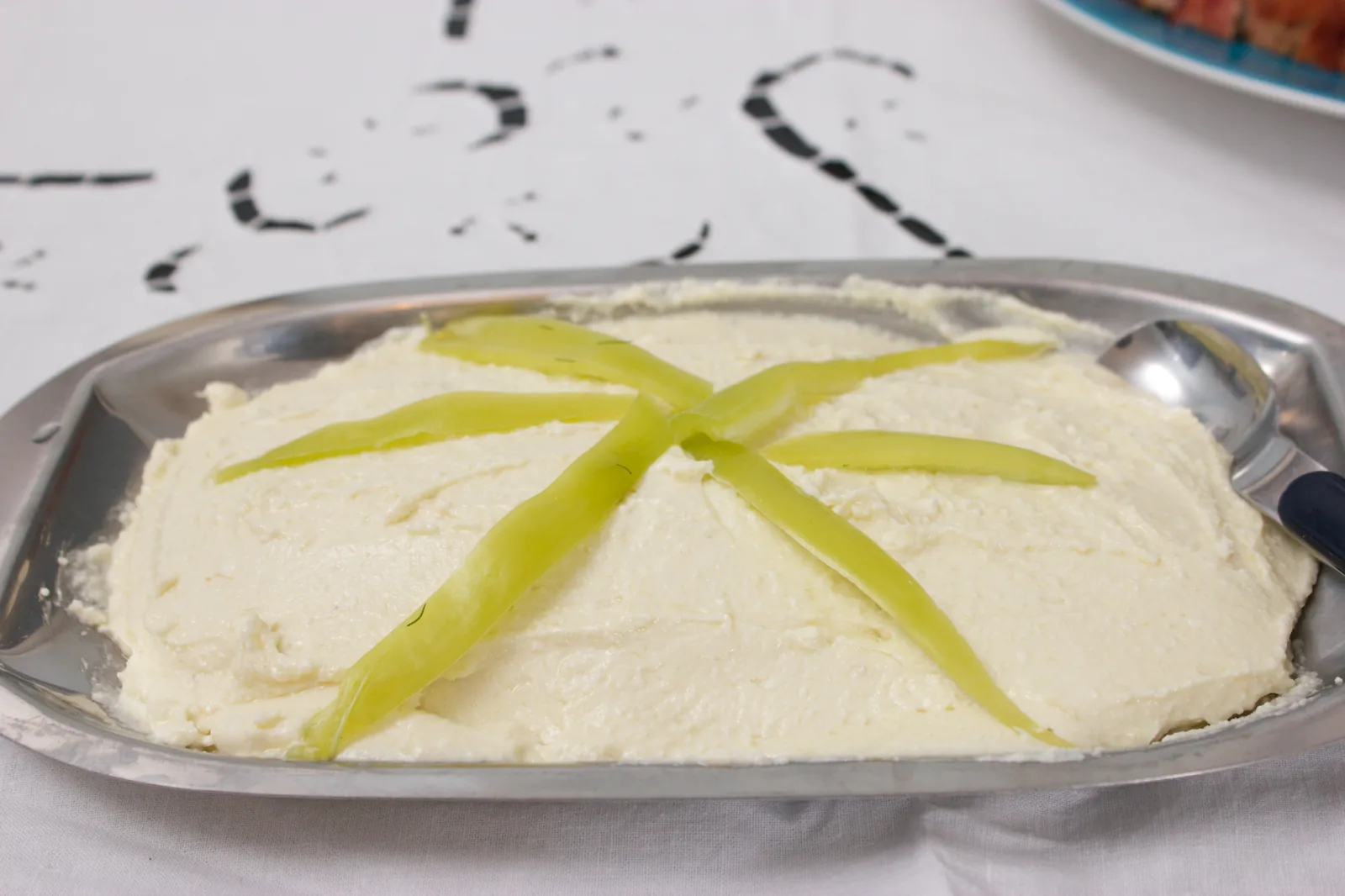
Good tirokafteri is creamy and pale pink, with visible flecks of pepper and a heat that builds slowly — never a smooth white paste, never bland.

Execution Methodology & Culinary Technique

Step-by-Step Cooking Guide

Active 25m
P

Prep Stage: Roast the Pepper and Soften the Feta

10 Mins • Hands-On, Plus 15 Min Roasting

Take the feta out of the fridge 20 minutes early so it softens — cold feta crumbles instead of blending. Roast the red pepper under a hot broiler until the skin blackens all over, then seal it in a bowl under cling film for 10 minutes so the skin steams loose; peel it, remove the seeds, and chop the flesh. Seed and finely chop the hot green chilli, grate the garlic, and measure out the yogurt, olive oil and lemon juice.

Maestro Tip: Taste a sliver of your chilli before you chop it — one chilli can be gentle and the next can be fierce. The heat of the whole dip depends on that one pepper.

  1. 1

    Roast and Peel the Red Pepper

    15 Mins • Roasting Broiler high, about 250°C (480°F)

    Set the oven broiler to high, about 250°C (480°F). Place the red pepper on a tray under the broiler and roast for 12–15 minutes, turning every few minutes, until the skin is blackened and blistered all over. Transfer it to a bowl, cover tightly with cling film, and leave it to steam for 10 minutes — the skin will peel off easily after that.

    Do not rush the blackening — a pale, under-roasted pepper stays tough and its skin will not peel. Black skin is the goal; the flesh underneath stays sweet.

    Done when: Skin blackened and blistered all over; the pepper is soft and collapsed.

  2. 2

    Blend the Feta, Pepper and Chilli

    5 Mins • Hands-On No heat

    Peel the blackened skin off the roasted pepper and pull out the stem and seeds. Chop the soft flesh roughly. In a food processor, add the crumbled feta, the roasted pepper, the chopped hot chilli, the grated garlic and the Greek yogurt. Pulse in short bursts until the mix is creamy but still has a little texture — about 20 seconds. Do not blend it smooth; tirokafteri should be a dip, not a sauce.

    Pulse, never run the processor continuously — 20 seconds too long and the dip turns into a runny sauce that will not stay on the bread.

    Done when: Creamy, pale-pink dip with visible flecks of pepper and chilli.

  3. 3

    Add the Oil, Taste and Rest

    3 Mins • Hands-On No heat; rest a few minutes

    With the processor off, drizzle in the olive oil and lemon juice and pulse twice more, just to combine. Taste the dip: add the salt only if it needs it — the feta is already salty — and add more chilli or lemon if you want it hotter or brighter. Scrape it into a bowl and let it rest for a few minutes so the flavours settle together.

    Always taste before adding salt. Two fetas can differ wildly in saltiness, and an over-salted dip cannot be fixed.

    Done when: Balanced dip — salty first, then tangy, then a slow build of heat.

  4. 4

    Plate and Serve

    2 Mins • Hands-On No heat; serve at room temperature

    Spoon the tirokafteri into a shallow bowl and smooth the top. Make a small well in the centre, drizzle in a little extra olive oil, and lay a few thin strips of green pepper over the top. Serve at room temperature with warm pita, cucumber sticks and whatever grilled meat is on the table.

    Let the dip come to room temperature before serving — cold feta dip tastes dull, and the chilli heat only shows itself once it warms up.

    Done when: A smooth, swirled bowl of pale-pink dip with a glisten of oil and green pepper on top.

Finishing Touches & Plating

Serve tirokafteri at room temperature, in a shallow bowl, with a swirl of olive oil and a few strips of green pepper on top. Set it out with warm pita and let everyone dig in — it is best shared, straight from the bowl, while the bread is still warm.

Nutritional Physiology & Benefits

Nutrition

Energy

332

kcal / serving

Protein

14g

Complete AA

Carbs

7g

Complex

Fats

28g

Healthy

Per serving (4 servings · 1 serving ≈ 152 g)
Energy332 kcal
Protein14 g
Carbohydrates7 g
Fat28 g
Fibre0.7 g
Sugar5.1 g
Sodium1043 mg
Per 100g
Energy218 kcal
Protein9.1 g
Carbohydrates4.6 g
Fat18.3 g
Fibre0.5 g
Sugar3.4 g
Sodium684 mg

Nutrition values are estimated — calculated from USDA FoodData Central values for the listed ingredients.

Vitamins & minerals: Calcium and phosphorus (feta), vitamin C and vitamin A (red pepper and chilli), vitamin B12 (yogurt). Nutrition values are estimated.

Protein That Fills You Up

About 13.9 g of protein per serving from the feta and yogurt makes this a genuinely filling meze, not just a flavoured spread.

Calcium & Vitamin C

Feta brings calcium and phosphorus for bones, and the roasted peppers add vitamin C and vitamin A — a dip with real nutrients behind the flavour.

Real Peppers, Real Olive Oil

The heat comes from fresh chilli and roasted peppers, not from a bottle of sauce, and the olive oil is the same heart-healthy fat used across the Mediterranean table.

Food Pairings

What to Eat With

To optimize nutrient absorption and elevate the sensory depth, pair with these authentic accompaniments:

Sides

Warm Pita Bread

Warm, soft pita is the classic partner — it scoops up the thick dip cleanly and its mild flavour lets the feta and chilli shine.

Grilled Souvlaki

The salty, spicy dip is the perfect counterpoint to smoky grilled chicken or lamb — the yogurt cools the meat while the chilli wakes it up.

Vegetables

Cucumber & Celery Sticks

Cool cucumber and celery sticks cut through the salt and heat of the dip and add a fresh crunch that bread cannot give.

Drinks

Cold Beer or Ouzo

A cold beer or a glass of ouzo over ice is the taverna way to cool the chilli heat after each spicy, salty bite.

Complete menu

Start with tirokafteri, tzatziki and warm pita, then grilled chicken souvlaki with Greek salad, and finish with fresh fruit — a classic taverna meze meal.

Digestive Guardrails

What NOT to Combine

To prevent digestive distress, sluggishness, or palate clash, avoid pairing the dish with these elements:

Large Portions for Salt-Sensitive People

Feta is very salty, and this dip concentrates it — a single serving carries about 1,043 mg of sodium. People watching their salt intake should eat a small portion and skip extra salt elsewhere in the meal. This is general food-safety information, not medical advice.

Very Hot Chilli for Sensitive Stomachs

The hot chilli peppers that give tirokafteri its kick can irritate a sensitive stomach and worsen heartburn. If you have reflux or gastritis, use a mild pepper or leave the chilli out entirely.

General information only, not medical advice — consult a doctor for personal dietary decisions.

Who Should Eat It

Who Should Eat

  • General adultsA rich, salty meze that most adults will love — best in a modest scoop with bread and vegetables, as part of a meze spread rather than a bowl on its own.
  • ChildrenSuitable from age 5+ only if the chilli is left out or kept very mild; the classic version is too hot and too salty for small children.
  • ElderlySuitable in a small portion, but the feta makes it salty — keep the portion modest and pair it with plenty of fresh vegetables.
  • Pregnant womenGenerally fine when made with pasteurised feta and kept refrigerated — check the feta is pasteurised, and do not eat dip that has sat out for hours.
  • Breastfeeding womenGenerally suitable; the protein and calcium are useful, though a very spicy version can make some babies fussy — keep the chilli moderate.
  • AthletesA useful protein-rich snack, about 13.9 g per serving, with calcium from the feta — pair it with bread for the carbohydrates training needs.
  • Weight gainA good choice — energy-dense from the feta and olive oil, and easy to eat a lot of with warm bread.
  • Weight lossTricky in large portions: the feta and oil are energy-dense. Keep it to a few spoonfuls and load the plate with cucumber and pepper sticks.

Health Conditions — Adjust or Avoid

Conditions

  • DiabetesLow in carbohydrate, so it has little effect on blood sugar — but watch the bread you eat with it, and ask your clinician.
  • High blood pressureThis dip is high in sodium from the feta; keep the portion small and do not add salt at the table. Ask your clinician.
  • Kidney diseaseFeta is high in sodium, potassium and phosphorus; keep portions small and ask your clinician.
  • GoutFeta is low in purines and generally fine in a modest portion — ask your clinician.
  • Stomach issuesHot chilli and raw garlic can irritate a sensitive stomach; use a mild pepper, less garlic, and eat slowly.
  • Cardiovascular diseaseFeta is high in saturated fat and salt; keep the portion modest and load the plate with raw vegetables. Ask your clinician.
  • Fatty liverKeep the portion small and the olive oil light — the dip is rich in fat. Ask your clinician.
  • Food allergiesContains milk (feta and yogurt). People with a milk allergy must avoid it entirely; check with your clinician if you are unsure.
  • Special therapeutic dietsIf you follow a prescribed low-sodium or low-fat diet, this dip is usually not suitable — check with your clinician.

If you have a medical condition, consult your doctor before changing your diet.

Storage & Use

Storage & Use

How to store
Store in an airtight container in the fridge. Bring to room temperature for 20 minutes before serving and stir in a fresh drizzle of oil.
In the fridge
Up to 4 days in a sealed container.
In the freezer
Do not freeze tirokafteri — the feta and yogurt separate and turn grainy when thawed.
How to reheat
Do not reheat — tirokafteri is served at room temperature or cold.
Freezing recommended
No.
Signs it has spoiled
Sour or sharp smell, watery separation that will not stir back in, or any mould.

More recipes to explore

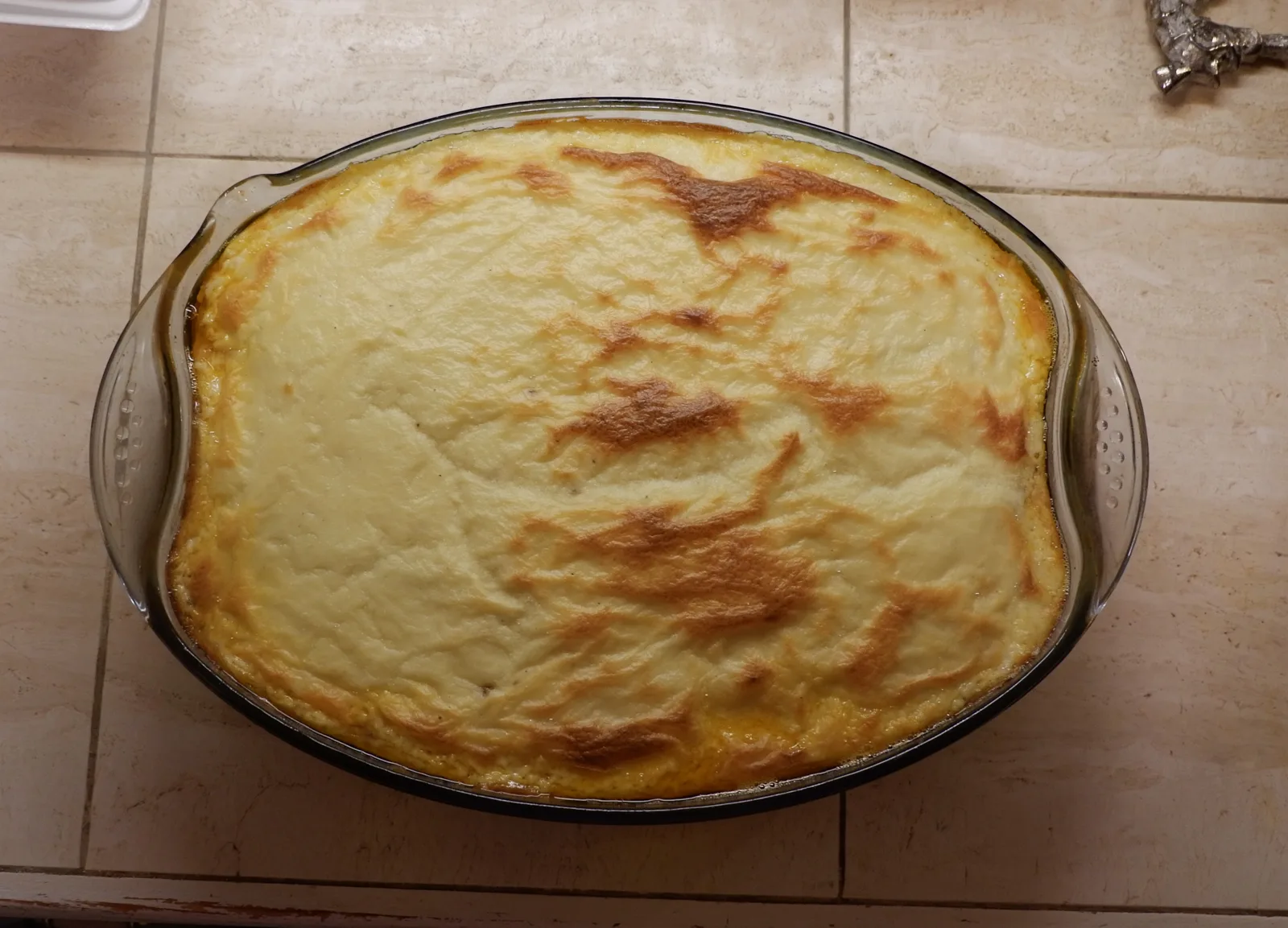
A whole Greek moussaka in a glass baking dish, its bechamel top baked golden brown with darker patches Greece flag Greece 2h
Dinner •Greek Classic

Greek Moussaka

Greek moussaka is a layered bake of fried aubergine and potato, a cinnamon-spiced beef sauce, and a thick bechamel that turns deep gold in the oven. It is the dish most Greek tavernas are judged by, and it is made for sharing at a slow family dinner. One serving is about 412 g.

Comfort & Warmth

A hearty layered bake built around aubergine, potatoes and a spiced meat sauce under a creamy bechamel topping.

Pairs Well With
Serve with a crisp Greek salad, warm bread and a glass of red wine.
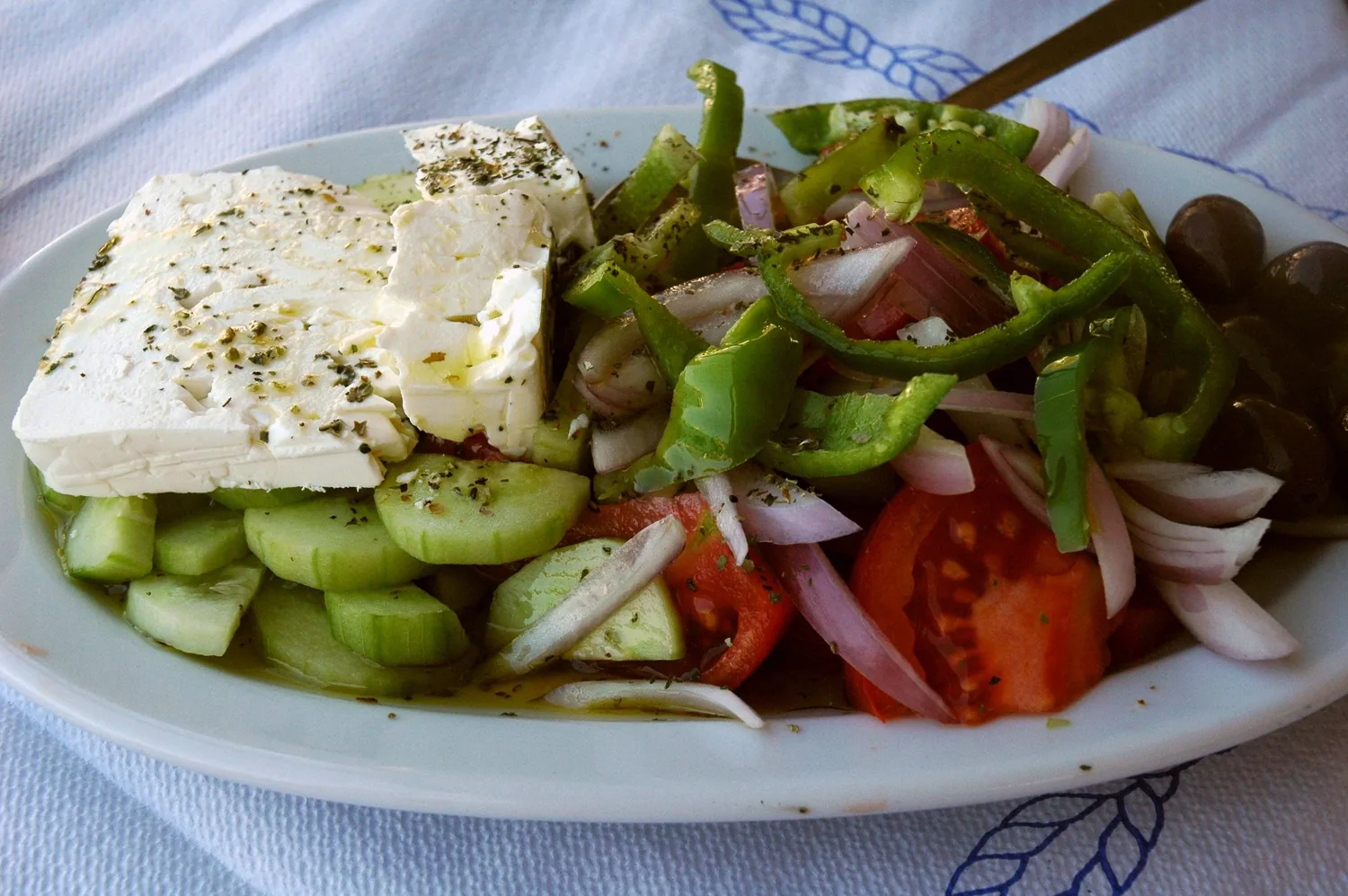
Greek salad (horiatiki) with a slab of feta sprinkled with oregano, Kalamata olives, tomato wedges, cucumber and red onion on a white plate Greece flag Greece 20m
Lunch •Aegean Table Classic

Greek Salad

This Greek salad recipe is the real horiatiki: chunky ripe tomatoes, peeled cucumber, red onion and green pepper, with Kalamata olives and a whole slab of feta on top, dressed with extra-virgin olive oil and dried Greek oregano. There is no lettuce and no heavy dressing — just summer vegetables at their best, ready in twenty minutes. One serving is about 411 g.

Fresh Summer Lunch

Crisp garden vegetables, salty feta and Kalamata olives under good olive oil — a bright, satisfying lunch with no cooking at all.

Pairs Well With
Crusty bread & grilled fish
Quick Prep (<30m)
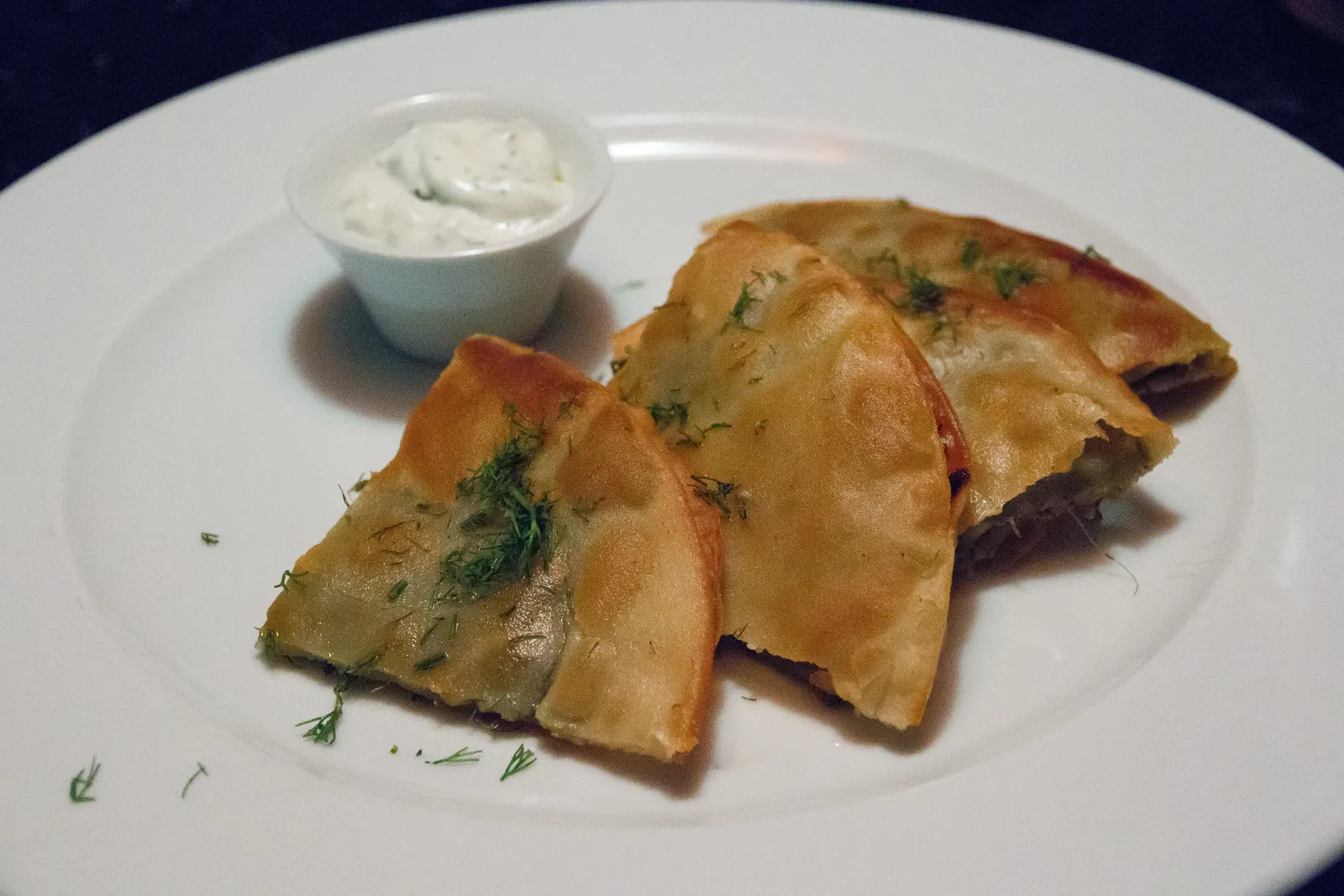
Golden spanakopita triangles sprinkled with fresh dill, served on a white plate with a small bowl of tzatziki Greece flag Greece 1h 20m
Lunch •Greek Bakery Classic

Spanakopita

This spanakopita recipe is the Greek spinach pie found in every bakery in Greece: paper-thin filo brushed with olive oil, layered over a filling of wilted spinach, salty feta, ricotta, leeks and a generous handful of fresh dill, then baked until the top shatters and the inside stays soft and savoury. It is the pie Greeks eat for lunch, take on picnics and set out on a mezze table. One serving is about 220 g.

Crisp Filo, Spinach & Feta

Layers of olive-oil-brushed filo wrapped around a spinach, feta, dill and leek filling, baked until golden and crisp.

Pairs Well With
Greek salad, tzatziki & lemon wedges
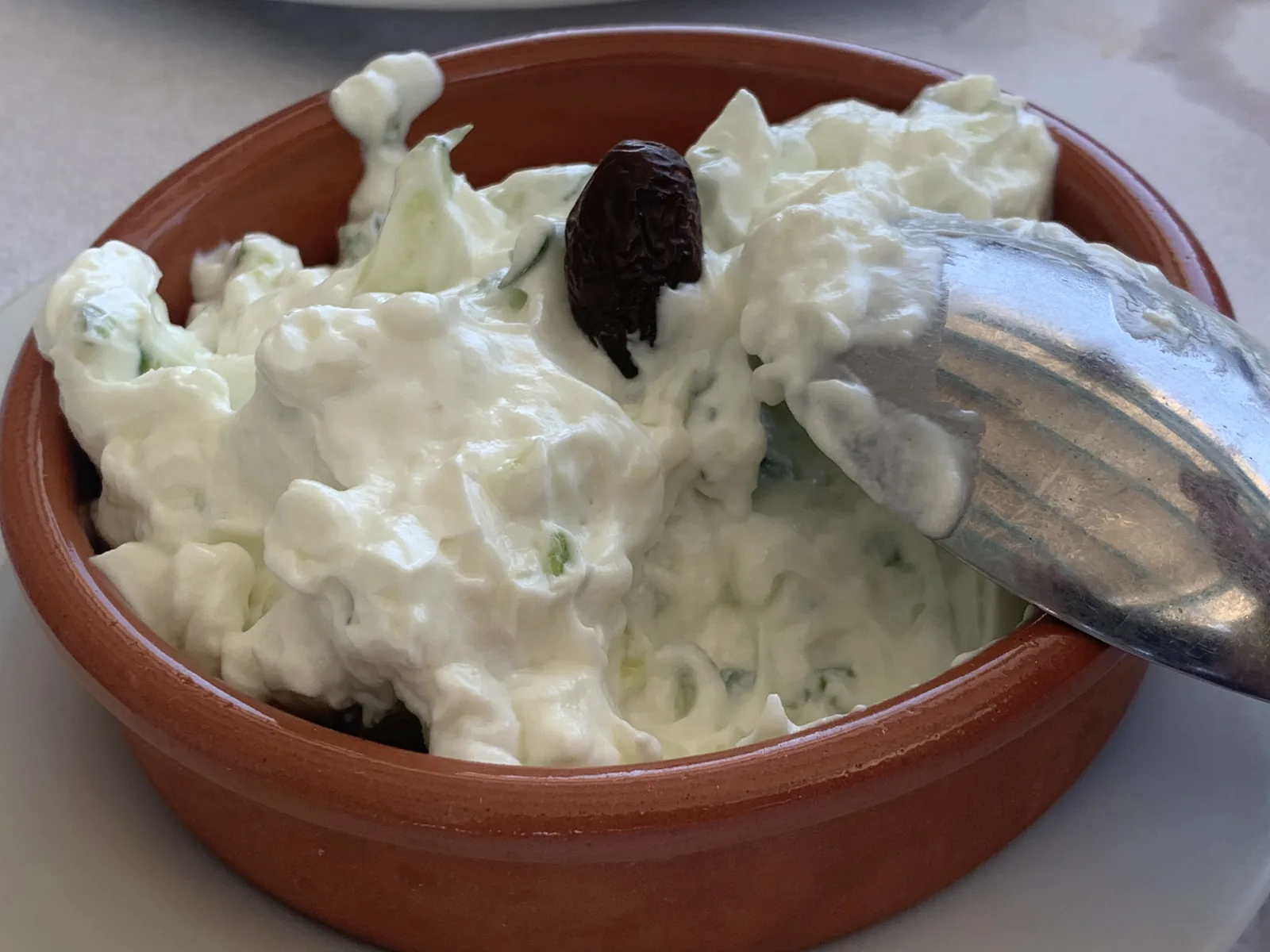
A terracotta bowl of thick white tzatziki with cucumber and a black olive, with a spoon Greece flag Greece 25m
Snack & Tea •Greek Meze Classic

Tzatziki

This tzatziki recipe is the real Greek version: thick strained yogurt, cucumber grated and squeezed bone dry, raw garlic, a thread of olive oil and a handful of dill. No cooking at all — just grating, squeezing and stirring — and the result is cool, creamy and sharp enough to cut through grilled meat. One serving is about 120 g.

Cool & Creamy

Thick Greek yogurt folded with grated cucumber, garlic and dill — the cool white dip at the heart of every Greek meze.

Pairs Well With
Spoon over grilled meat, or serve as a dip with warm pitta and raw vegetables.

The Dinner Gazette

Never wonder what’s for dinner again

One email a week with easy dinner ideas from around the world — ingredients, steps and nutrition, tested in our kitchen first.

Delivered every Thursday morning. Unsubscribe anytime.