Curated recipes from 193 countries  •  New seasonal Mediterranean issue out now

Overview

Tongan Keke 'Isite

Tongan Coconut Bread

Tongan keke isite recipe: soft yeasted loaves made with coconut milk and desiccated coconut, baked golden as eight small loaves with a tender, lightly sweet crumb. Unlike the Caribbean coconut breads raised with baking powder, this Tongan bake rises slowly on yeast, so the crumb is airy and bread-like rather than cake-like. One serving is about 110 g.

Keke 'isite is Tonga's coconut-milk sweet bread, baked at home for afternoon tea and family gatherings. Its name says what it is: keke, from the English word cake, and 'isite, yeast — a yeasted loaf rather than a quick bread. Coconut milk, pressed from the grated flesh of the coconut, gives the crumb its soft texture and gentle coconut flavour, and the dough is shaped into small individual loaves so a batch can be torn open and shared while still warm.

Pairs well with: Hot black tea, guava jam & fresh fruit

Provenance

Tonga flag Tonga

Tongan Heritage

Oceania & Pacific

Time Dedication

2h 25m

120m prep • 25m cook

Batch Yield

8 Servings

430 kcal per serving

1 serving ≈ 110 g

Technical Skill

Intermediate

Medium (Yeasted Bread)

Meal Timing & Digestive Fit

Breakfast

Not Advised

Lunch

Inappropriate

Dinner

Inappropriate

Snack & Tea

Ideal Light Bite

Occasions: Afternoon tea, family gatherings, weekend baking, lunchboxes, morning tea Cost: Low — about $0.40–0.55 per loaf at home
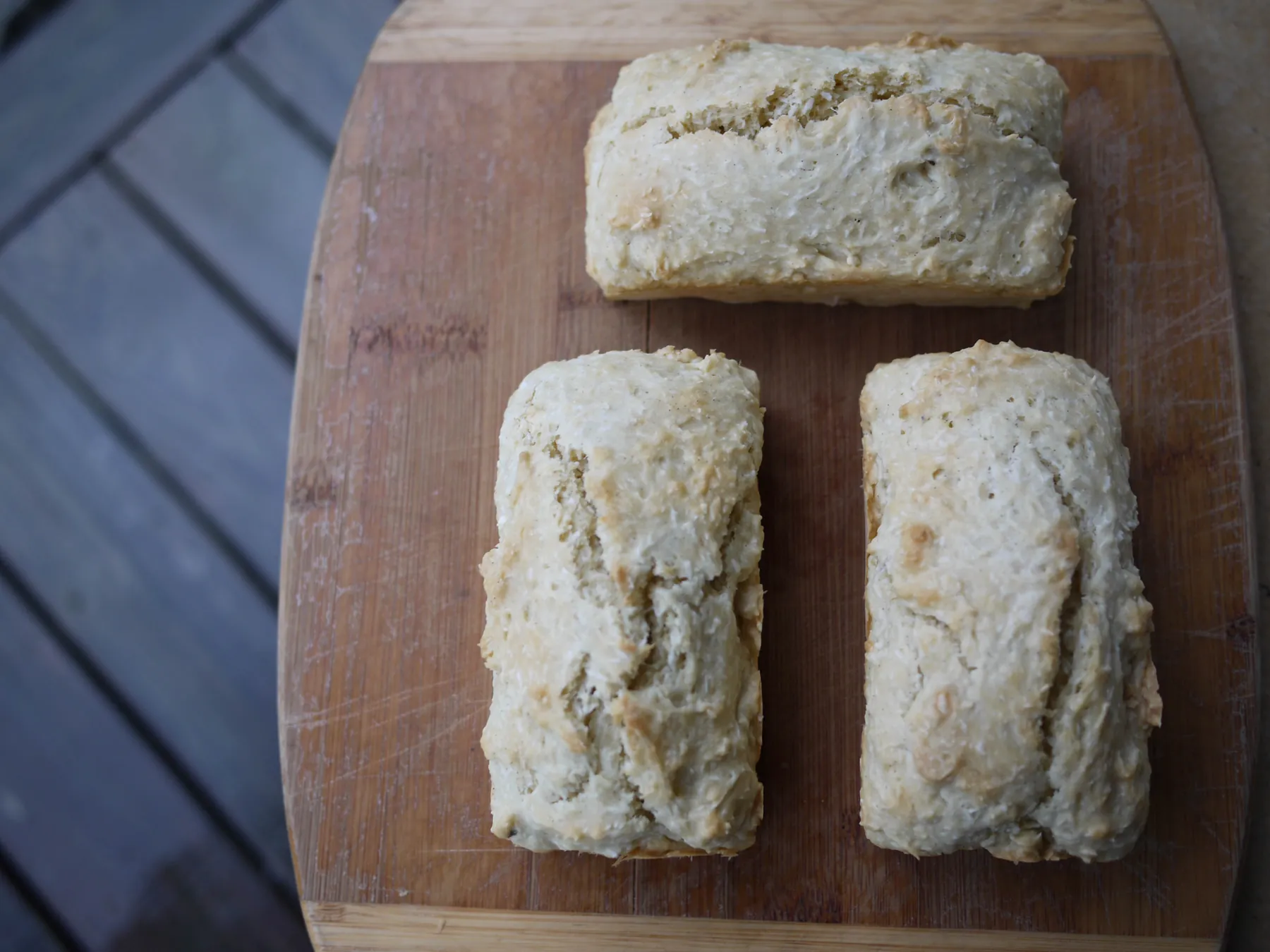
Three golden Tongan coconut bread loaves on a wooden board

Tongan Heritage

Photo: grongar (Rebecca Siegel), CC BY 2.0, via Flickr

The Heritage Formulary

Measured Ingredients

Estimated cost: Low — about $0.40–0.55 per loaf at home (USD)

A good keke 'isite is soft and airy with a deep golden crust, a tender coconut-scented crumb, and a gentle sweetness — never dense like a cake or heavy like a quick bread.

Execution Methodology & Culinary Technique

Step-by-Step Cooking Guide

Active 2h 25m
P

Prep Stage: Warm the Coconut Milk & Measure Everything

15 Mins • Warming & Measuring

Warm the 240ml coconut milk with the 60ml water until it feels lukewarm on your wrist — about 38°C (100°F). Stir in the vanilla extract. Measure the flour, sugar, desiccated coconut, coconut oil, yeast and salt into separate bowls so the dough comes together without hunting for ingredients mid-mix. Grease a large baking tray or line it with baking paper.

Maestro Tip: Temperature is the whole game with yeast: liquid hotter than about 43°C (110°F) kills it, and cold liquid makes the rise crawl. Lukewarm, like a comfortable bath, is right.

  1. 1

    Wake the Yeast in Coconut Milk

    10 Mins Liquid about 38°C (100°F)

    Pour the warm coconut milk and water into a large bowl, stir in 1 tablespoon of the 60g sugar and the 7g instant yeast, and leave it for 5–10 minutes until it turns frothy and smells faintly beery. That foam is your proof the yeast is alive — if nothing happens after 10 minutes, the yeast is dead and you need a fresh packet before going on.

    Instant yeast usually needs no blooming, but this quick check saves a loaf that never rises.

    Done when: A creamy foam, about 1 cm thick, covers the surface of the milk.

  2. 2

    Mix the Dough

    5 Mins Room temperature

    Add the 500g flour, the remaining sugar, the 80g desiccated coconut and the 1 tsp salt to the yeasty milk, then pour in the 30g melted and cooled coconut oil. Stir with a wooden spoon until a shaggy dough forms and no dry flour is left at the bottom of the bowl.

    Keep the salt mixed into the flour rather than dropping it straight onto the yeast — direct contact with salt can slow the yeast down.

    Done when: A rough, slightly sticky dough that holds together in one mass.

  3. 3

    Knead Until Smooth

    10 Mins Room temperature

    Turn the dough onto a lightly floured surface and knead for about 10 minutes, pushing it away with the heel of your hand, folding it back and turning it a quarter turn each time. The dough should go from rough and sticky to smooth, soft and springy. Add flour only a pinch at a time if it sticks — too much flour makes a dry loaf.

    Test it with the windowpane check: stretch a small piece thin — if it stretches without tearing, the gluten is ready.

    Done when: Smooth, soft dough that springs back slowly when poked.

  4. 4

    First Rise Until Doubled

    60 Mins Warm place, about 25–28°C (77–82°F)

    Shape the dough into a ball, put it in a lightly oiled bowl, cover with a clean tea towel or cling film, and leave it in a warm, draught-free spot for about 60 minutes until it has doubled in size. In a cool kitchen this can take 75–90 minutes — judge by size, not by the clock.

    A turned-off oven with the light on, or a spot near a warm stove, makes a good rising place.

    Done when: Doubled in size; a fingertip pressed in leaves a dent that fills back only slowly.

  5. 5

    Shape Small Loaves & Second Rise

    35 Mins Warm place, about 25–28°C (77–82°F)

    Punch the dough down gently, turn it out and divide it into 8 equal pieces. Roll each piece into a smooth oval loaf about 12 cm (5 inches) long and set them well apart on the prepared tray. Cover loosely and leave for 30 minutes until puffy and nearly doubled again. Meanwhile heat the oven to 190°C (375°F). Brush the tops lightly with a little extra coconut milk for a soft, golden shine.

    Equal pieces bake evenly — weigh them if you like, about 120g of dough each.

    Done when: Loaves look puffy and swollen, and a gentle poke leaves a small dent.

  6. 6

    Bake Until Golden

    20–25 Mins Oven 190°C (375°F)

    Bake on the middle rack at 190°C (375°F) for 20–25 minutes, until the loaves are deep golden on top and sound hollow when tapped underneath. The centre should reach about 93°C (200°F) on a thermometer. If the tops brown too fast, lay a sheet of foil loosely over the tray.

    Small loaves bake fast — start checking at 20 minutes, and trust the tap and the colour, not the clock alone.

    Done when: Deep golden crust, hollow tap underneath, soft crumb inside.

  7. 7

    Cool on a Rack

    15 Mins Room temperature

    Move the loaves to a wire rack and cool for at least 15 minutes before tearing into them. Cutting or pulling apart a hot yeast loaf crushes the crumb and lets the steam escape too fast, leaving the bread dry.

    Eat them the same day if you can — this bread is at its best warm from the oven, with jam.

    Done when: Loaves are warm, not hot, and hold their shape when pulled apart.

Finishing Touches & Plating

Serve the loaves warm, torn open and spread with a little guava jam, or plain with a cup of hot tea. In Tonga they are an afternoon snack as much as a breakfast bread — baked in a batch, shared around, and gone before they cool.

Nutritional Physiology & Benefits

Nutrition

Energy

430

kcal / serving

Protein

8g

Complete AA

Carbs

60g

Complex

Fats

18g

Healthy

Per serving (8 servings · 1 serving ≈ 110 g)
Energy430 kcal
Protein8 g
Carbohydrates60 g
Fat18 g
Fibre4.2 g
Sugar9.5 g
Sodium301 mg
Per 100g
Energy391 kcal
Protein7.4 g
Carbohydrates54.3 g
Fat16.4 g
Fibre3.8 g
Sugar8.7 g
Sodium273 mg

Nutrition values are estimated — calculated from USDA FoodData Central values for the listed ingredients.

Vitamins & minerals: B vitamins and iron (flour, yeast), manganese and copper (coconut), and small amounts of vitamin E and potassium (coconut milk).

Steady Afternoon Energy

Flour, coconut milk and a little sugar give a mix of carbohydrate and fat, so one small loaf keeps you going through the afternoon better than a plain white roll.

Fibre From Real Coconut

Desiccated coconut adds about 4.2 g of fibre per loaf, which supports normal digestion and helps the bread feel satisfying.

Simple, Homemade Ingredients

Flour, coconut milk, coconut, sugar, yeast, salt and vanilla — no preservatives, no dairy and no eggs, so you know exactly what is in it.

Food Pairings

What to Eat With

To optimize nutrient absorption and elevate the sensory depth, pair with these authentic accompaniments:

Drinks

Hot Black Tea

The classic match: unsweetened black tea cuts through the loaf's gentle sweetness and refreshes the palate between bites.

Sides

Guava Jam

A thin spread of tart guava jam turns a warm loaf into a teatime treat — the jam's sharpness plays against the mild coconut crumb.

Fresh Mango or Banana

Fresh tropical fruit adds moisture, acidity and vitamin C, lightening a soft, starchy loaf.

Full Menus

Tongan Afternoon Tea

Serve the loaves as the centre of a Tongan-style afternoon tea: warm keke 'isite, hot tea and fresh fruit on the side, shared family-style.

Complete menu

Start with a warm keke 'isite torn open with guava jam, a cup of hot black tea and a slice of fresh mango on the side; save a second loaf with a little guava jam for afternoon tea.

Digestive Guardrails

What NOT to Combine

To prevent digestive distress, sluggishness, or palate clash, avoid pairing the dish with these elements:

Sugary Drinks With the Loaf

One loaf already carries about 9.5 g of sugar, so sweetened juice or soft drinks add a large extra sugar load in one sitting. Water or unsweetened tea is the better match. This is general nutrition information, not medical advice.

Extra Sugar Spreads on Top

A thick layer of condensed milk or chocolate spread on an already sweet loaf pushes the sugar and energy of the snack much higher. If you want a spread, keep it thin. This is general nutrition information, not medical advice.

General information only, not medical advice — consult a doctor for personal dietary decisions.

Who Should Eat It

Who Should Eat

  • General adultsA satisfying snack — best as one loaf with tea, rather than several loaves at once.
  • ChildrenSuitable from age 2+ in small pieces; the loaf is soft and easy to chew. Keep portions small because it is sweet.
  • ElderlyGood choice — soft, moist and easy to chew; serve with tea and go easy on extra jam.
  • Pregnant womenGenerally suitable; the bread is fully baked through and contains no raw egg or alcohol. Keep to one loaf because of the sugar content.
  • Breastfeeding womenGenerally suitable as an energy-rich snack; keep portions moderate and drink water alongside.
  • AthletesUseful as a pre-training carbohydrate snack — one loaf about 1–2 hours before exercise, with water.
  • Weight gainA good choice — two loaves with guava jam and a glass of coconut milk add useful energy in a small volume.
  • Weight lossEnjoy half a loaf and pair it with fresh fruit and unsweetened tea, rather than jam and sweetened drinks.

Health Conditions — Adjust or Avoid

Conditions

  • DiabetesHigh in refined flour and sugar — keep to half a loaf, and pair it with protein such as an egg rather than eating it alone. Ask your clinician about portion size.
  • High blood pressureSodium is moderate at about 301 mg per loaf; avoid adding salty spreads on the same plate, and ask your clinician if you follow a low-sodium diet.
  • Kidney diseaseCoconut adds potassium and phosphorus, so keep portions small and ask your clinician whether this loaf fits your diet.
  • GoutThe loaf itself is low in purines, so it is generally fine in small portions; the bigger concern is rich spreads or fatty foods served with it.
  • Stomach issuesUsually gentle, but the coconut fibre and fat can feel heavy on a sensitive stomach — eat a small piece and chew well.
  • Cardiovascular diseaseCoconut milk and coconut oil are high in saturated fat, so treat this as an occasional food and keep the portion to one small loaf; ask your clinician about frequency.
  • Fatty liverHigh in sugar and saturated fat, so keep it occasional and small — half a loaf with fruit rather than a large portion spread thickly with jam. Ask your clinician if unsure.
  • Food allergiesContains gluten (wheat flour). Coconut is a tree nut for labelling purposes in some countries — check with your clinician if you have a tree-nut allergy. The loaf contains no dairy, egg or nuts.
  • Special therapeutic dietsIf you follow a prescribed low-sugar, low-sodium or low-saturated-fat diet, this loaf is unlikely to fit in its standard form — ask your clinician or dietitian before eating it.

If you have a medical condition, consult your doctor before changing your diet.

Storage & Use

Storage & Use

How to store
Cool completely, then wrap the loaves tightly in cling film or foil, or keep in an airtight container.
In the fridge
Up to 5 days in an airtight container; bring loaves to room temperature or warm lightly before eating.
In the freezer
Up to 3 months, wrapped individually; thaw at room temperature for about 30 minutes.
How to reheat
Warm loaves in a 160°C (320°F) oven for 5 minutes. Reheat to 74°C (165°F) if warming a whole stored loaf.
Freezing recommended
Yes — it freezes very well, so you can defrost one loaf at a time.
Signs it has spoiled
Mould spots, a sour or rancid smell, or a sticky, slimy surface — discard the whole loaf.

More recipes to explore

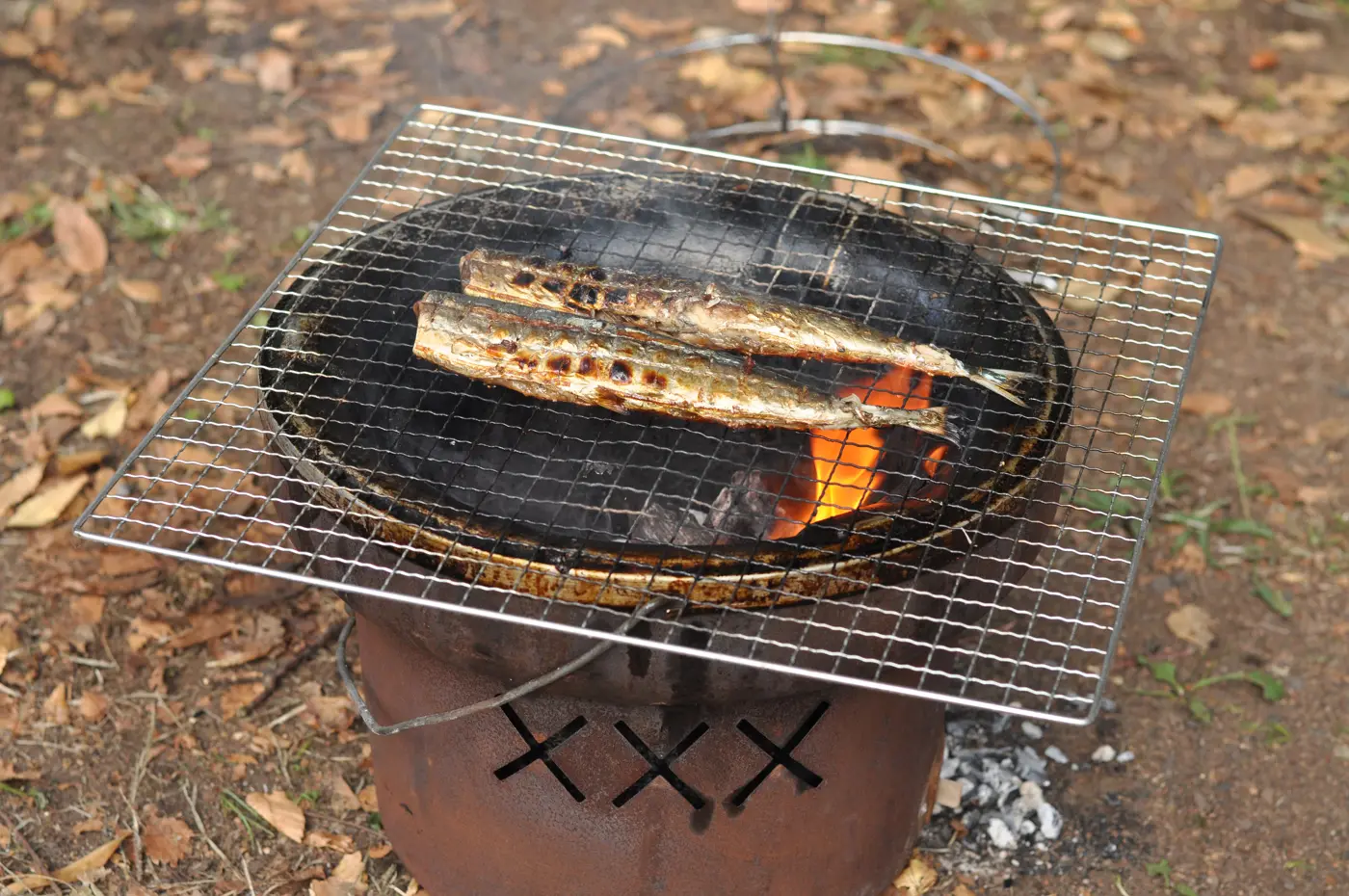
Two whole grilled sanma (Pacific saury) on a wire rack over a charcoal brazier, flames rising below Tonga flag Tonga 55m
Dinner •Tongan Reef Grill

Tongan Grilled Fish

This tongan grilled fish recipe starts with a whole red snapper, scored and rubbed with lime juice, coconut milk, garlic and ginger, then grilled over charcoal until the skin blisters and the flesh flakes cleanly off the bone. It is served the Tongan way, with boiled taro and a cool tomato and cucumber salad to cut through the smoke. One serving is about 501 g.

Smoky & Citrus-Bright

A whole reef fish grilled over charcoal with lime, coconut milk and ginger, served with boiled taro and a fresh tomato salad.

Pairs Well With
Boiled taro, tomato and cucumber salad, and a glass of 'otai
High Protein
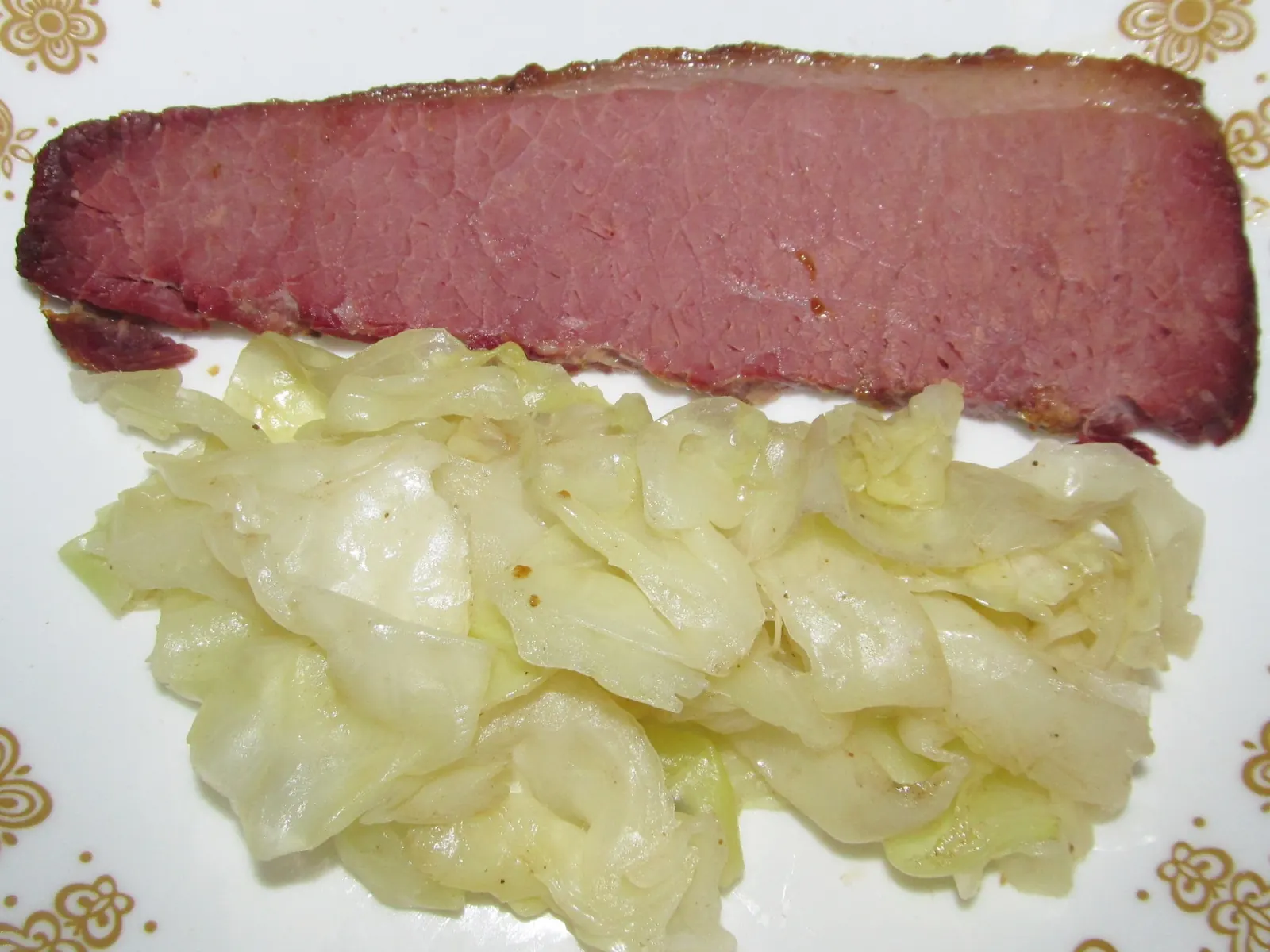
Sliced corned beef with cooked cabbage Tonga flag Tonga 3h 20m
Dinner •Tongan Home Cooking

Tongan Kapisi Pulu

This tongan kapisi pulu recipe starts with a whole corned beef brisket simmered gently in water with onion, garlic, peppercorns and bay leaves until it is tender enough to slice, then the cabbage goes into the same pot and cooks in the rich beef broth until soft and sweet. There is no coconut cream, no taro leaf and no parcel here — just sliced pink beef and a generous pile of cooked cabbage on the plate, the way Tongan families serve it. One serving is about 384 g.

Hearty & Comforting

Corned beef brisket simmered slowly with cabbage, onion and garlic, then sliced and served with the soft, savoury cabbage it cooked in.

Pairs Well With
Boiled taro, wholegrain mustard, and iced tea with lemon
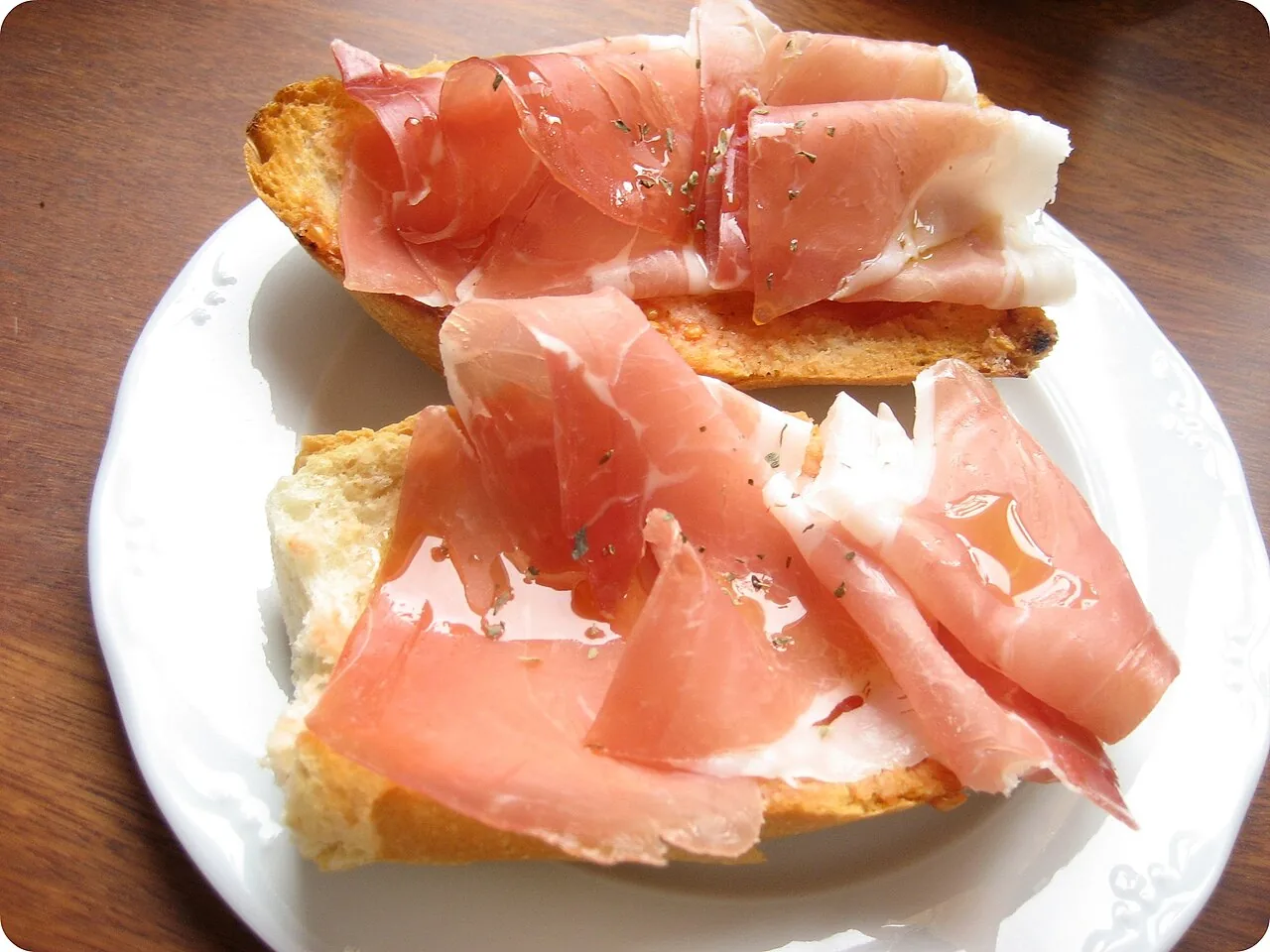
Pan con tomate with jamón ibérico on toasted bread Spain flag Spain 15m
Snack & Tea •Catalan Aperitivo

Pan con Tomate & Jamón Ibérico

Country bread rubbed with ripe Ramallet tomato, drizzled with cold-pressed Arbequina olive oil and topped with jamón ibérico.

Vascular Health

Toasted tomato bread with jamón ibérico, olive oil and olives.

Pairs Well With
Castelvetrano Olives & Sparkling Mineral Water
Quick Prep (<30m)
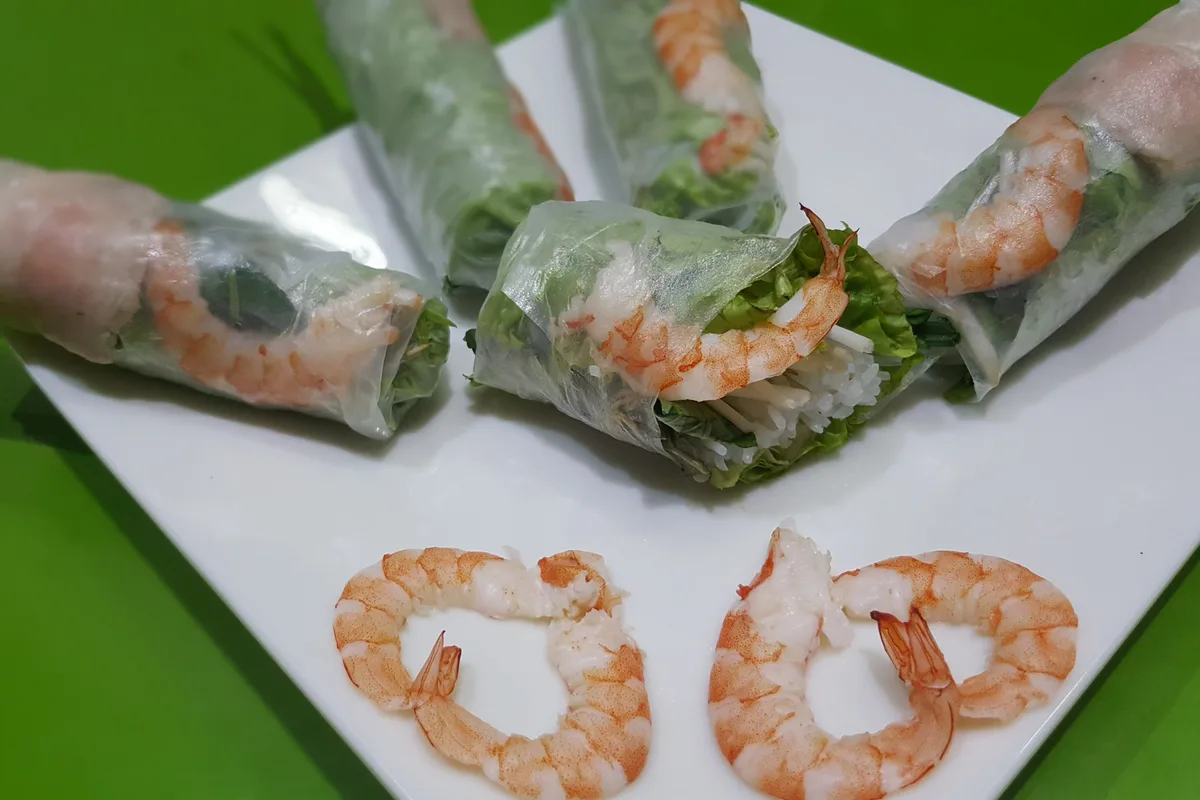
Gỏi cuốn — Vietnamese fresh spring rolls with prawn and pork Vietnam flag Vietnam 1h 5m
Snack & Tea •Saigon Refresh

Gỏi Cuốn Tôm Thịt

Fresh rice paper rolls filled with poached prawns, tender pork, rice vermicelli, lettuce, herbs and carrot, served with a peanut dipping sauce.

Light Digestion

Nothing is fried, so the rolls stay light and fresh — a cool, herb-filled snack for hot days.

Pairs Well With
Artisanal Peanut Dip & Fresh Lotus Root Water
High Protein

The Dinner Gazette

Never wonder what’s for dinner again

One email a week with easy dinner ideas from around the world — ingredients, steps and nutrition, tested in our kitchen first.

Delivered every Thursday morning. Unsubscribe anytime.