Curated recipes from 193 countries  •  New seasonal Mediterranean issue out now

Overview

Tongan Kapisi Pulu

Kapisi Pulu; Tongan Corned Beef and Cabbage

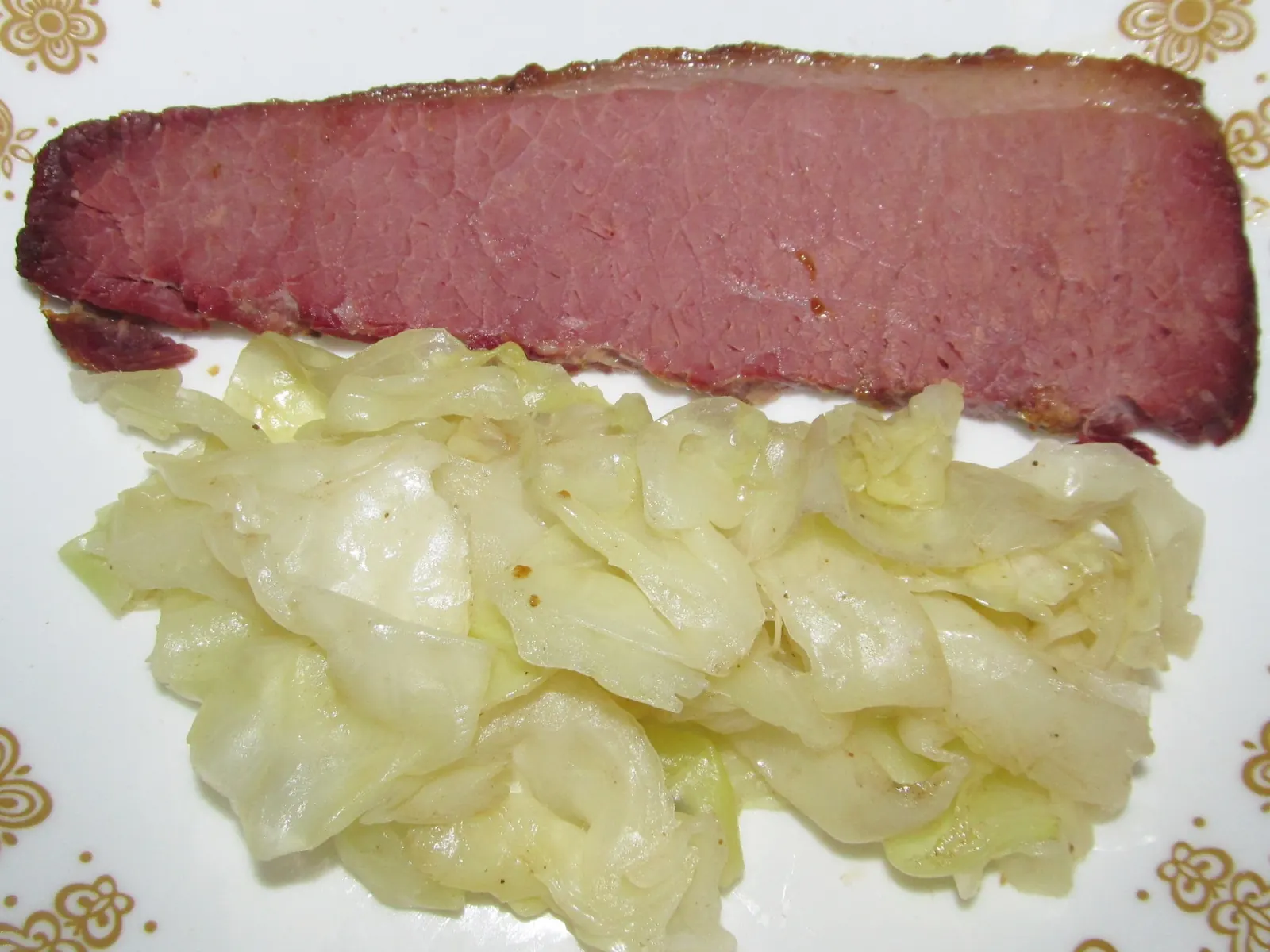
This tongan kapisi pulu recipe starts with a whole corned beef brisket simmered gently in water with onion, garlic, peppercorns and bay leaves until it is tender enough to slice, then the cabbage goes into the same pot and cooks in the rich beef broth until soft and sweet. There is no coconut cream, no taro leaf and no parcel here — just sliced pink beef and a generous pile of cooked cabbage on the plate, the way Tongan families serve it. One serving is about 384 g.

Kapisi pulu is one of Tonga's everyday home dishes: kapisi is the Tongan word for cabbage, and the dish is corned beef cooked slowly with cabbage, a pairing that arrived with trade and shipping and became a staple across the Pacific, where canned and cured beef kept well without refrigeration. In Tonga it is cooked in a pot on the stove or in the earth oven, the umu, and served simply — sliced beef and soft cabbage, with root crops from the garden alongside. Unlike the Samoan palusami, where corned beef is folded into taro leaves with coconut cream, kapisi pulu has no coconut cream, no leaf parcel and no wrapping at all: the beef and the cabbage share one pot, and that is the whole dish.

Pairs well with: Boiled taro, wholegrain mustard, and iced tea with lemon

Provenance

Tonga flag Tonga

Tongan Home Cooking

Oceania & Pacific

Time Dedication

3h 20m

20m prep • 180m cook

Batch Yield

4 Servings

513 kcal per serving

1 serving ≈ 384 g

Technical Skill

Easy

Easy (One Pot)

Meal Timing & Digestive Fit

Breakfast

Not Advised

Lunch

Hearty Midday Main

Dinner

Ideal Hearty Main

Snack & Tea

Inappropriate

Occasions: Family dinners, Sunday lunch, cold evenings, feeding a crowd from one pot Cost: Moderate — about $4–5 per serving at home
Sliced corned beef with cooked cabbage

Tongan Home Cooking

Photo: Willis Lam, CC BY-SA 2.0, via Wikimedia Commons

The Heritage Formulary

Measured Ingredients

Estimated cost: Moderate — about $4–5 per serving at home (USD)

A good kapisi pulu is judged by the beef: tender enough to slice cleanly across the grain, and cabbage that is soft and sweet, never mushy.

Execution Methodology & Culinary Technique

Step-by-Step Cooking Guide

Active 3h 20m
P

Prep Stage: Beef In, Cabbage Waiting

20 Mins • Rinsing and Cutting

Rinse the brisket, put it in the pot with the water, onion, garlic, peppercorns, bay leaves and the spice packet, and get it simmering. While the beef cooks, cut the cabbage into wedges through the core and leave them on a plate — they only go in for the last half hour, so there is no rush.

Maestro Tip: Do not add any salt at this stage. Corned beef is cured in brine and brings plenty of salt of its own — taste the broth before you even think about seasoning.

  1. 1

    Rinse and Start the Beef

    10 Mins Cold water rinse, then bring to 100°C (212°F)

    Rinse the brisket briefly under cold running water and place it fat-side up in a large pot. Add the 1.5 litres of water, the halved onion, crushed garlic, peppercorns, bay leaves and the spice packet from the brisket. Bring to a boil over high heat, then skim off any grey foam that rises.

    Skimming the foam in the first few minutes keeps the broth clear and the beef tasting clean, not muddy.

    Done when: The water is at a rolling boil, the foam is skimmed, and the beef is fully covered.

  2. 2

    Simmer Until Tender

    150 Mins Gentle simmer, 90–95°C (194–203°F)

    Turn the heat down so the water barely bubbles, put the lid on slightly ajar, and simmer for about 2 1/2 hours. Turn the brisket once halfway through. The beef is ready when a fork slides into the thickest part with almost no resistance and the internal temperature reaches at least 71°C (160°F) — for this cured cut, tenderness matters more than a single reading, so keep cooking until it yields easily.

    A hard boil will tighten the meat and make it tough — if the pot is bubbling hard, turn it down. Gentle heat is the whole secret of this dish.

    Done when: A fork goes in with almost no resistance, the meat feels soft all the way through, and the thickest part reads at least 71°C (160°F).

  3. 3

    Add the Cabbage

    30 Mins Gentle simmer, 90–95°C (194–203°F)

    Lift the brisket out onto a board and cover it loosely with foil to rest. Put the cabbage wedges into the hot broth, cut-side down, pushing them under the liquid, and simmer for 25–30 minutes until the thickest part of each wedge is soft and sweet when pierced with a knife. Lift the wedges out with a slotted spoon and keep them warm.

    Keep the wedges in large pieces through the core; shredded cabbage overcooks in minutes and turns to mush in this broth.

    Done when: A knife slides through the thickest part of a cabbage wedge easily, and the leaves are soft, glossy and sweet — not raw and crunchy, and not falling apart.

  4. 4

    Rest and Slice the Beef

    10 Mins Resting off the heat, ~60°C (140°F)

    Rest the brisket for 10 minutes, then slice it across the grain into slices about 1 cm thick. Slice against the grain — with the grain and the meat will be chewy no matter how long it simmered. Trim the fat cap to taste, leaving a little for flavour if you like.

    Let the meat rest before slicing or the juices run out onto the board and the slices come out dry.

    Done when: The slices are pink and juicy, hold together on the knife, and cut cleanly across the grain.

  5. 5

    Plate and Serve

    5 Mins Serve hot, ~65°C (149°F)

    Lay 3–4 slices of beef on each plate with a generous wedge of the cooked cabbage beside it, spoon a little of the hot broth over the cabbage, and serve at once with the onion halves from the pot if you like them.

    A spoonful of broth over the cabbage is all it needs — the cabbage has already taken on the beef's flavour in the pot.

    Done when: The plate is hot, the beef is pink and steaming, and the cabbage is glossy with broth.

Finishing Touches & Plating

Serve the sliced beef and cabbage hot, with a spoonful of the cooking broth over the cabbage and wholegrain mustard on the side for anyone who wants a sharp edge against the rich meat.

Nutritional Physiology & Benefits

Nutrition

Energy

513

kcal / serving

Protein

35g

Complete AA

Carbs

17g

Complex

Fats

34g

Healthy

Per serving (4 servings · 1 serving ≈ 384 g)
Energy513 kcal
Protein35 g
Carbohydrates17 g
Fat34 g
Fibre5.8 g
Sugar8.0 g
Sodium1753 mg
Per 100g
Energy134 kcal
Protein9.2 g
Carbohydrates4.5 g
Fat8.8 g
Fibre1.5 g
Sugar2.1 g
Sodium457 mg

Nutrition values are estimated — calculated from USDA FoodData Central values for the listed ingredients.

Vitamins & minerals: Vitamin C and vitamin K (cabbage), vitamin B12 and iron (corned beef), folate (cabbage, onion), potassium (cabbage). Nutrition values are estimated.

Plenty of Protein

Each serving gives about 35 g of protein from the beef, which makes this a genuinely filling dinner from a single pot.

Cabbage Does the Balancing

The cabbage brings about 5.8 g of fibre per serving plus vitamin C and vitamin K, and its gentle sweetness softens the saltiness of the cured beef.

Iron and Vitamin B12

Corned beef is a real source of iron and vitamin B12, the nutrients red meat is known for, and slow simmering keeps them in the meat rather than boiling them away.

Food Pairings

What to Eat With

To optimize nutrient absorption and elevate the sensory depth, pair with these authentic accompaniments:

Sides

Boiled Taro

Boiled taro is the Tongan starch for a rich meat dish — its mild, floury flesh soaks up the beef broth and gives the plate something gentle to sit beside the salty beef.

Vegetables

Fresh Tomato and Cucumber

A small plate of sliced tomato and cucumber adds cool crunch and acidity, which refreshes the palate between bites of rich, salty beef and soft cabbage.

Sauces

Wholegrain Mustard

A spoonful of wholegrain mustard on the side is the classic partner for corned beef — its sharp, vinegary bite cuts through the fat and wakes up the flavour of the meat.

Drinks

Iced Tea with Lemon

A tall glass of iced tea with lemon is cold, lightly tart and unsweetened against a hot, salty plate — it refreshes the palate without adding sugar or salt to an already rich dinner.

Complete menu

Serve the sliced corned beef and cabbage with boiled taro, a plate of fresh tomato and cucumber, and wholegrain mustard on the side, with a jug of iced tea with lemon on the table.

Digestive Guardrails

What NOT to Combine

To prevent digestive distress, sluggishness, or palate clash, avoid pairing the dish with these elements:

Do Not Add Extra Salt

Corned beef is cured in brine and already brings about 1,753 mg of sodium per serving. Adding salt to the pot or at the table pushes the sodium higher without improving the flavour — taste the broth first and leave the salt shaker off the table. This is general guidance, not medical advice.

A Heavy Creamy Sauce on Top

This dish is defined by the clean, salty flavour of the beef and the sweet softness of the cabbage. A heavy cream sauce smothers both and adds a lot of fat to a plate that is already rich — keep it to mustard and broth. This is general guidance, not medical advice.

Very Salty Sides With It

Because the beef itself is so salty, pairing it with another salty side — soy sauce, salted fish or heavily salted pickles — makes the whole meal hard on the palate and on sodium intake. Choose plain taro or fresh vegetables instead. This is general guidance, not medical advice.

General information only, not medical advice — consult a doctor for personal dietary decisions.

Who Should Eat It

Who Should Eat

  • General adultsA hearty, satisfying one-pot dinner — filling and simple, but note the high sodium, so keep the portion to one plate.
  • ChildrenSuitable in a small portion; cut the beef into small pieces, serve plenty of the soft cabbage, and skip the mustard for younger children.
  • ElderlyThe beef is soft and easy to chew once sliced thinly, and the cabbage is soft too — but the sodium is high, so a modest portion is best.
  • Pregnant womenGenerally suitable when the beef is cooked right through and served hot; keep the portion moderate because of the sodium, and eat it freshly cooked.
  • Breastfeeding womenGenerally suitable; the protein and iron support recovery, but keep the portion moderate because of the sodium.
  • AthletesA strong post-training meal: about 35 g of protein per serving, and the sodium helps replace salt lost in sweat — add taro for extra energy.
  • Weight gainA good choice — take a generous serving of beef and cabbage, and add boiled taro on the side.
  • Weight lossKeep the beef to 2–3 slices, load the plate with cabbage and fresh tomato and cucumber, and skip the taro.

Health Conditions — Adjust or Avoid

Conditions

  • DiabetesCarbs are modest (about 17 g per serving, mostly from cabbage and onion), so the dish itself is not a big blood-sugar driver — the main thing to watch is the portion of taro served with it. Ask your clinician about portion size.
  • High blood pressureSodium is very high (about 1,753 mg per serving) because the beef is cured in brine — this is not a good regular choice for a low-sodium diet. If you eat it, keep the portion small, skip the broth, and ask your clinician.
  • Kidney diseaseHigh sodium and a large protein load make this a dish to eat rarely and in a small portion, if at all — ask your clinician before eating it.
  • GoutRed meat is generally moderate to high in purines, and a large serving adds up — eat occasionally and in a modest portion. Ask your clinician.
  • Stomach issuesThe long-simmered beef and soft cabbage are usually gentle, but cabbage can cause gas and bloating, and mustard can irritate a sensitive stomach — skip the mustard and keep the cabbage portion modest. Ask your clinician if unsure.
  • Cardiovascular diseaseThe beef is high in saturated fat and sodium, so this is an occasional dish rather than a regular one — keep the portion small, trim the fat cap, and load the plate with cabbage and fresh vegetables. Ask your clinician.
  • Fatty liverA reasonable occasional choice in a modest portion — the cabbage and vegetables help, but the fat and sodium in the beef argue for keeping it infrequent. Ask your clinician.
  • Food allergiesContains beef; the spice packet may contain mustard seed or celery seed — check the packet label. Naturally gluten-free and dairy-free. Mustard allergy is the key risk with the suggested accompaniment.
  • Special therapeutic dietsIf you follow a prescribed low-sodium diet, this dish is generally not suitable because the cured beef is inherently salty — check with your clinician.

If you have a medical condition, consult your doctor before changing your diet.

Storage & Use

Storage & Use

How to store
Cool quickly and store the beef and cabbage together in an airtight container with a little of the cooking broth to keep them moist.
In the fridge
3–4 days.
In the freezer
Up to 2 months; freeze the beef in slices with a little broth, and the cabbage separately if you can.
How to reheat
Reheat gently in a covered pan with a splash of broth until steaming, and make sure it reaches 74°C (165°F) throughout.
Freezing recommended
Yes for the beef — it freezes well in slices with broth; the cabbage softens further on thawing, so freeze it only if needed.
Signs it has spoiled
Sour or off smell, slimy surface on the beef or cabbage, or any mould.

More recipes to explore

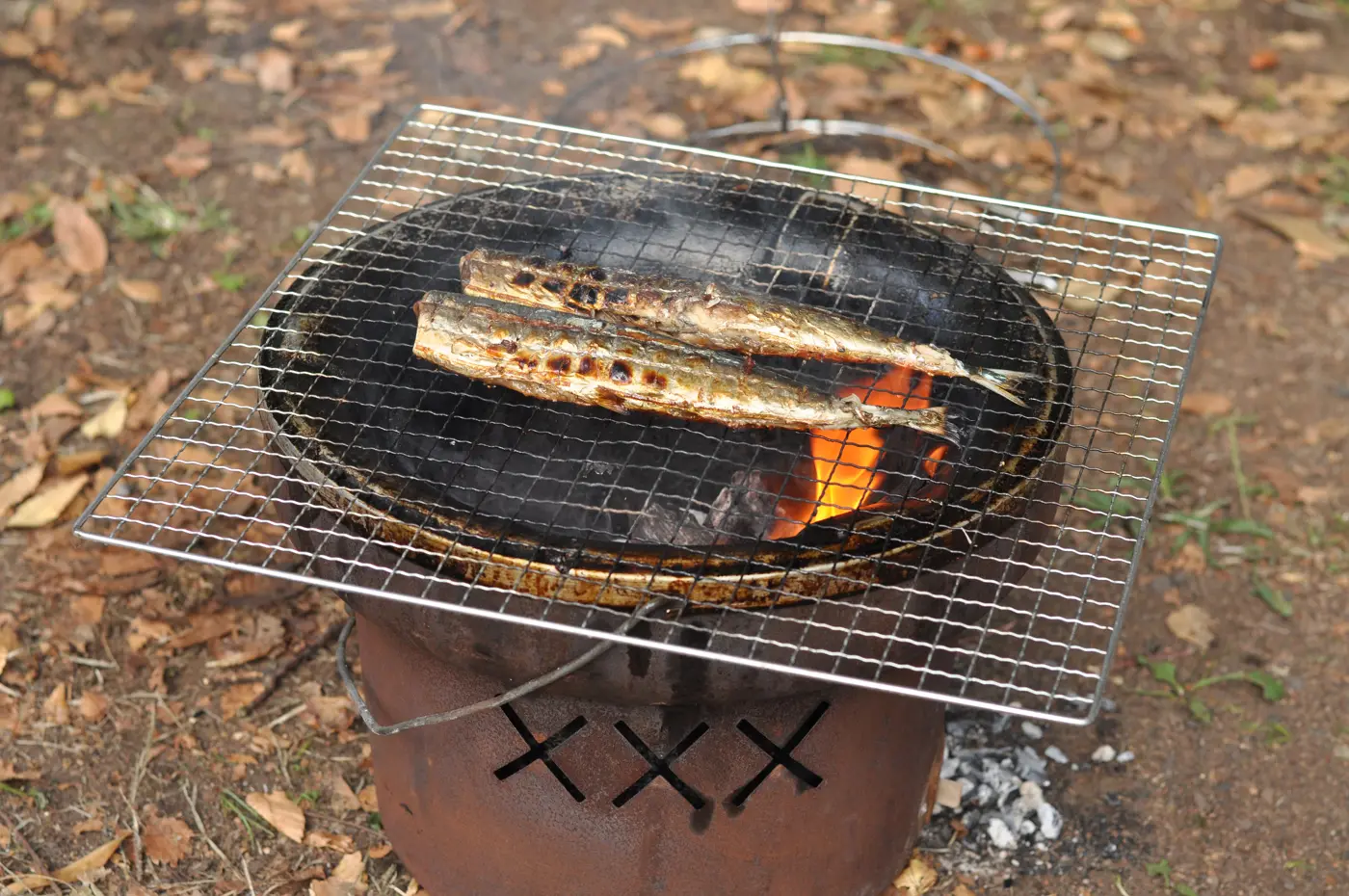
Two whole grilled sanma (Pacific saury) on a wire rack over a charcoal brazier, flames rising below Tonga flag Tonga 55m
Dinner •Tongan Reef Grill

Tongan Grilled Fish

This tongan grilled fish recipe starts with a whole red snapper, scored and rubbed with lime juice, coconut milk, garlic and ginger, then grilled over charcoal until the skin blisters and the flesh flakes cleanly off the bone. It is served the Tongan way, with boiled taro and a cool tomato and cucumber salad to cut through the smoke. One serving is about 501 g.

Smoky & Citrus-Bright

A whole reef fish grilled over charcoal with lime, coconut milk and ginger, served with boiled taro and a fresh tomato salad.

Pairs Well With
Boiled taro, tomato and cucumber salad, and a glass of 'otai
High Protein
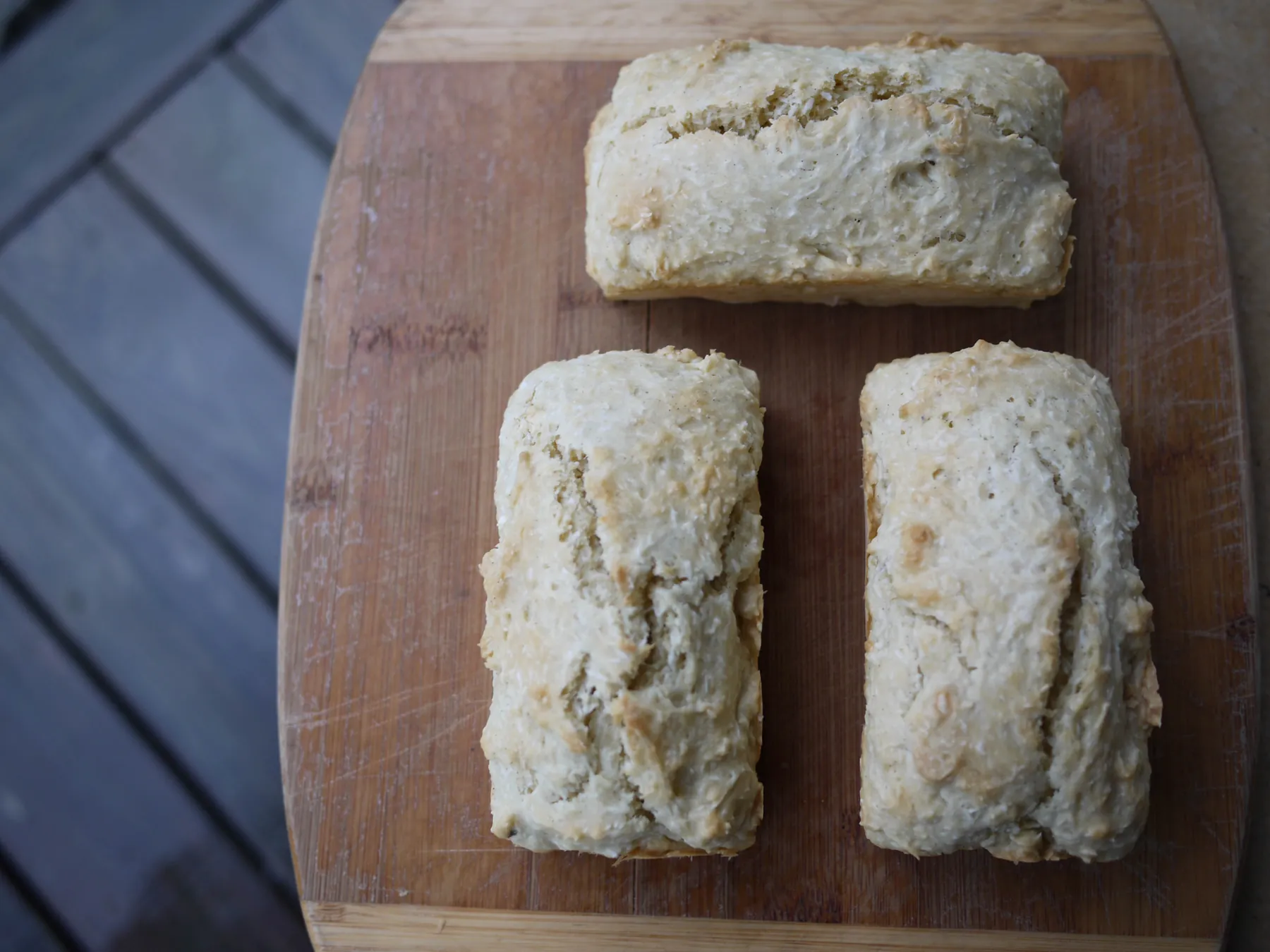
Three golden Tongan coconut bread loaves on a wooden board Tonga flag Tonga 2h 25m
Snack & Tea •Tongan Heritage

Tongan Keke 'Isite

Tongan keke isite recipe: soft yeasted loaves made with coconut milk and desiccated coconut, baked golden as eight small loaves with a tender, lightly sweet crumb. Unlike the Caribbean coconut breads raised with baking powder, this Tongan bake rises slowly on yeast, so the crumb is airy and bread-like rather than cake-like. One serving is about 110 g.

Comfort & Afternoon Tea

A soft, coconut-scented sweet bread for afternoon tea, best eaten warm from the oven.

Pairs Well With
Hot black tea, guava jam & fresh fruit
Bœuf bourguignon — French beef braised in red wine France flag France 4h
Dinner •Burgundy Terroir

Bœuf Bourguignon

Beef braised gently in red wine until the connective tissue melts into a velvet, gelatin-rich sauce — the classic Burgundy Sunday dinner.

Cellular Repair

Beef braised in red wine until spoon-tender, with mushrooms and pearl onions.

Pairs Well With
Parsnip Purée & Steamed French Haricots Verts
High Protein
Vietnamese braised pork belly with golden eggs in caramel sauce Vietnam flag Vietnam 1h 45m
Dinner •One Pot

Vietnamese Braised Pork and Eggs

Pork belly slowly braised in coconut water and caramel until meltingly tender, with golden eggs that soak up the sweet-savoury sauce — the Vietnamese family dish that tastes better the next day.

Comfort & Sustained Energy

Slow-braised pork belly and eggs in coconut water and caramel.

Pairs Well With
Steamed rice & pickled mustard greens
High Protein

The Dinner Gazette

Never wonder what’s for dinner again

One email a week with easy dinner ideas from around the world — ingredients, steps and nutrition, tested in our kitchen first.

Delivered every Thursday morning. Unsubscribe anytime.