
Curated recipes from 193 countries  •  New seasonal Mediterranean issue out now

Overview

Tongseng

Tongseng Kambing, Solo Goat Soup, Central Javanese Goat Stew

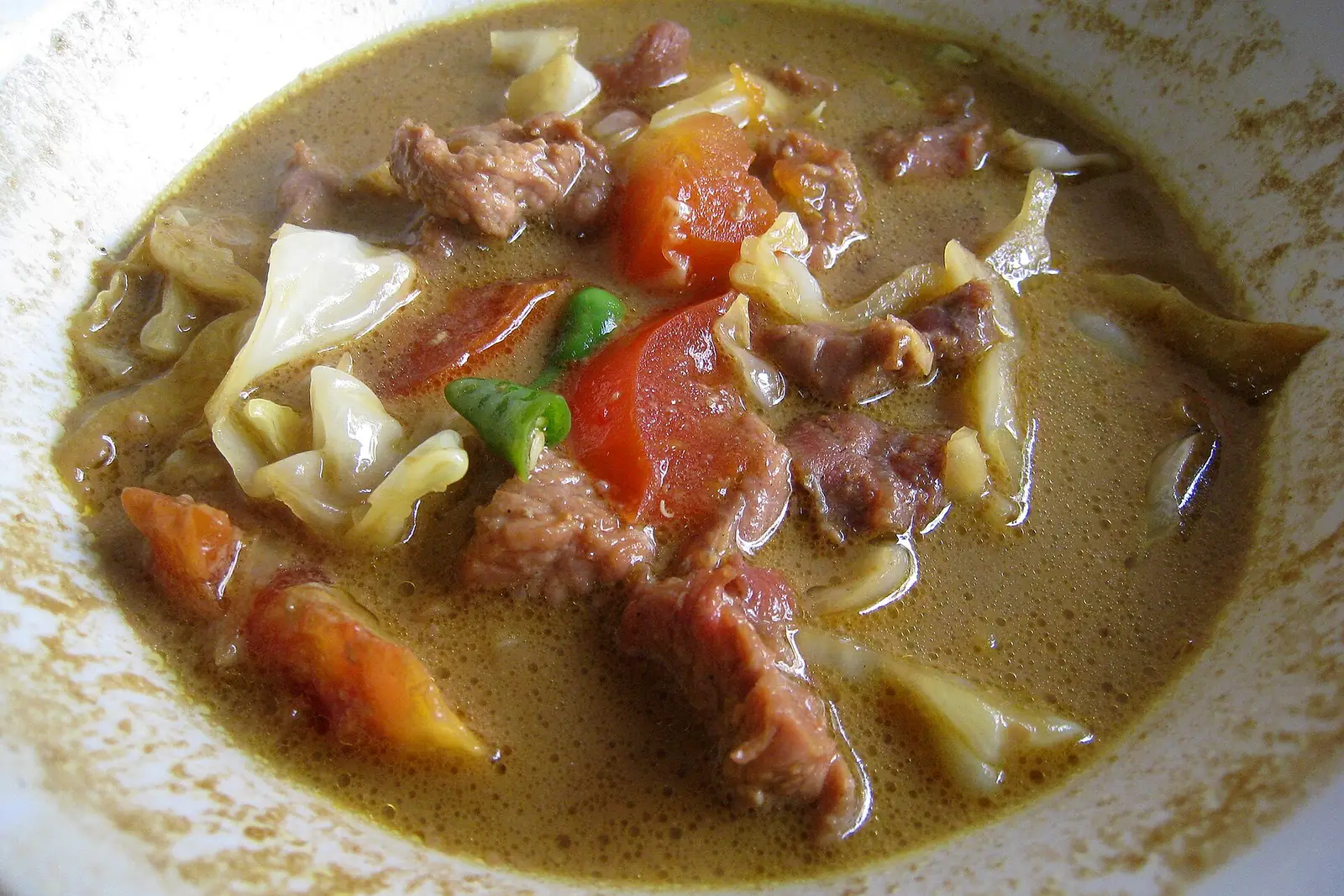
This tongseng recipe is the Central Javanese classic from Solo: tender chunks of goat simmered in a sweet-savoury broth darkened with kecap manis, then finished with crisp cabbage, tomato and whole bird's eye chillies. It is not a gulai — there is no turmeric-yellow coconut curry here; the kecap manis gives the soup its brown-gold colour and its sweet-savoury edge, and the vegetables go in at the very end so they stay fresh and crisp. One serving is about 412 g.

Tongseng comes from the Javanese word osengan, meaning stir-frying, and from the seng sound of the metal spoon hitting the wok. It is a meeting of two dishes: goat satay and gulai soup, brought together in the towns of Solo, Boyolali and Klaten in Central Java, where goat satay stalls are everywhere. Arab and Indian Muslim traders who settled in Java in the 18th and 19th centuries brought goat cooking and curry-style soups with them, and when the sugar plantations of southern Central Java began producing palm sugar and kecap manis, Javanese cooks stirred that sweet soy sauce into the gulai broth — giving tongseng its brown-gold colour and its sweet-savoury taste. The dish is still sold today by warung sate Solo, small stalls that serve satay, tongseng and gulai side by side.

Pairs well with: Hot steamed rice & sambal

Provenance

Indonesia flag Indonesia

Solo Heritage

East & South Asia

Time Dedication

1h 15m

25m prep • 50m cook

Batch Yield

4 Servings

395 kcal per serving

1 serving ≈ 412 g

Technical Skill

Intermediate

Medium (Spice Paste & Simmer)

Meal Timing & Digestive Fit

Breakfast

Not Advised

Lunch

Hearty Midday Main

Dinner

Ideal Hearty Main

Snack & Tea

Inappropriate

Soups & Broths Occasions: Family dinners, Eid al-Adha, celebrations, rainy evenings, warung nights Cost: Low — about $3–4 per serving at home
Tags: Spicy Savory Goat
A bowl of tongseng goat soup with tender meat, tomato, cabbage and green chillies in a brown-gold broth

Solo Heritage

Photo: Gunawan Kartapranata, CC BY-SA 3.0, via Wikimedia Commons

The Heritage Formulary

Measured Ingredients

Estimated cost: Low — about $3–4 per serving at home (USD)

A true tongseng is goat simmered in a kecap manis broth with cabbage and tomato added at the very end — sweet-savoury and brown-gold, never a turmeric-yellow coconut curry like gulai kambing.

Execution Methodology & Culinary Technique

Step-by-Step Cooking Guide

Active 1h 15m
P

Prep Stage: Spice Paste and Meat

25 Mins • Paste and Meat

Blend the shallots, garlic, ginger, galangal, coriander and black pepper into a thick, fragrant paste. Cut the goat into bite-sized chunks, shred the cabbage, wedge the tomatoes and slice the spring onions, keeping the vegetables aside — they go in at the very end.

Maestro Tip: Cut the goat into even chunks so it all turns tender at the same time, and keep the cabbage and tomato ready by the stove — the finish of a tongseng happens fast.

  1. 1

    Fry the Spice Paste

    10 Mins Medium heat, about 175°C (350°F)

    Heat the palm oil in a large pot over medium heat. Fry the blended spice paste with the bruised lemongrass for 5 to 6 minutes, stirring, until it darkens a shade, smells toasted and the oil separates at the edges.

    A paste that is still pale and raw-smelling will make the soup taste harsh — fry until the colour deepens.

    Done when: The paste is a shade darker, glossy with oil, and smells toasted rather than raw.

  2. 2

    Brown the Goat

    10 Mins Medium-high heat, about 190°C (375°F)

    Add the goat chunks to the pot and stir-fry for 8 to 10 minutes until the meat is browned on the outside and coated all over in the paste.

    Do not crowd the pot — if the meat steams instead of browning, cook it in two batches.

    Done when: Every piece is browned and slicked with the dark spice paste.

  3. 3

    Simmer in Kecap Manis

    35 Mins Low simmer, about 95°C (200°F)

    Pour in the water, coconut milk, kecap manis and tamarind paste, and add the salt. Bring to a gentle boil, then lower the heat, cover loosely and simmer for 30 to 35 minutes until the goat is tender. The broth should turn brown-gold and smell sweet-savoury — that colour is the kecap manis doing its work, and it is what sets tongseng apart from gulai, which has no sweet soy sauce and stays turmeric-yellow.

    Keep the simmer gentle, not rolling — a hard boil toughens the goat and clouds the broth.

    Done when: A chunk of goat yields easily to a fork and the broth tastes sweet, savoury and warmly spiced.

  4. 4

    Add Cabbage and Tomato

    5 Mins Medium heat, about 175°C (350°F)

    Stir in the shredded cabbage, tomato wedges and whole bird's eye chillies. Cook for just 3 to 5 minutes, until the cabbage wilts slightly but still has bite and the tomatoes are warm through.

    This is the step that makes a tongseng — overcook the vegetables and you lose the fresh, crisp contrast that defines the dish.

    Done when: The cabbage is glossy and just wilted, the tomatoes are warm but still hold their shape.

  5. 5

    Rest and Serve

    5 Mins Room temperature, about 20°C (68°F)

    Take the pot off the heat and rest for 5 minutes. Fish out the lemongrass stalk, taste and adjust the salt, then ladle into bowls and scatter over the spring onions and fried shallots. Serve hot with steamed rice.

    Serve the whole chillies on top so each person can bite one for heat, or leave it whole for a milder bowl.

    Done when: The soup is steaming, the vegetables are bright, and the broth is brown-gold.

Finishing Touches & Plating

Ladle the tongseng into deep bowls with plenty of broth, scatter over the spring onions and fried shallots, and set a mound of steamed rice beside it. The rice, the crisp cabbage and the sweet-savoury broth belong together — eat a spoonful of each in turn.

Nutritional Physiology & Benefits

Nutrition

Energy

395

kcal / serving

Protein

44g

Complete AA

Carbs

20g

Complex

Fats

16g

Healthy

Per serving (4 servings · 1 serving ≈ 412 g)
Energy395 kcal
Protein44 g
Carbohydrates20 g
Fat16 g
Fibre4.2 g
Sugar9.5 g
Sodium866 mg
Per 100g
Energy96 kcal
Protein10.7 g
Carbohydrates4.7 g
Fat3.8 g
Fibre1 g
Sugar2.3 g
Sodium210 mg

Nutrition values are estimated — calculated from USDA FoodData Central values for the listed ingredients.

Vitamins & minerals: Vitamin B12 and iron (goat meat), vitamin C and vitamin K (cabbage, tomato, chillies), potassium (tomato, shallots).

High-Protein Main

Each serving carries about 44 g of protein from the goat, which makes a bowl of tongseng a genuinely filling dinner.

Fresh Vegetables at the End

Cabbage and tomato go in last, so they keep their crunch, vitamin C and fibre instead of cooking down to nothing.

A Pantry of Fresh Spices

The broth is built from fresh ginger, galangal, lemongrass, garlic and shallots rather than a bottled sauce.

Food Pairings

What to Eat With

To optimize nutrient absorption and elevate the sensory depth, pair with these authentic accompaniments:

Sides

Steamed Rice

Plain steamed rice soaks up the sweet-savoury broth and cools the chilli heat, and it is how tongseng is always served in Solo.

Sauces

Sambal

A spoonful of fresh chilli sambal sharpens the sweet kecap manis broth for those who want more fire.

Vegetables

Cucumber and Tomato Salad

Cool, crisp cucumber with a little vinegar cuts through the rich broth and echoes the fresh vegetables in the soup.

Drinks

Iced Tea with Lime

Cold, unsweetened iced tea with lime refreshes the palate between spoonfuls of the hot, spiced soup.

Complete menu

Serve the tongseng as the centrepiece of a Javanese spread: steamed rice, a cucumber and tomato salad, sambal and iced tea with lime, with fried shallots scattered over the top.

Digestive Guardrails

What NOT to Combine

To prevent digestive distress, sluggishness, or palate clash, avoid pairing the dish with these elements:

Very Sweet Drinks With Tongseng

Sweet sodas double up on the kecap manis sweetness and dull the fresh chillies; water, iced tea or a light lager are the better match. This is general nutrition information, not medical advice.

Undercooked Goat

Goat stew meat must be simmered until fully tender and cooked right through; serving it underdone risks food-borne illness. This is a food-safety note, not medical advice.

General information only, not medical advice — consult a doctor for personal dietary decisions.

Who Should Eat It

Who Should Eat

  • General adultsA hearty, warming dinner; one bowl with rice is a full meal.
  • ChildrenThe goat is tender and the broth is sweet, but the chillies are hot — serve children a bowl without whole chillies and with extra rice.
  • ElderlyThe meat is soft and the soup is easy to eat; serve boneless pieces and hold back the whole chillies.
  • Pregnant womenGenerally fine when the goat is cooked right through and the soup is served piping hot; the chillies are a matter of taste, not safety.
  • Breastfeeding womenGenerally fine in a normal serving; the chilli heat does not pass into breast milk, though very spicy food can upset some mothers' stomachs.
  • AthletesA strong post-training main: about 44 g of protein per serving plus rice for carbohydrate recovery.
  • Weight gainA good choice: energy-dense, high in protein, and easy to eat in a generous portion with rice.
  • Weight lossTake a smaller portion of meat, load the bowl with cabbage and tomato, and keep the rice modest.

Health Conditions — Adjust or Avoid

Conditions

  • DiabetesModerate in carbohydrate (about 20 g per serving, mostly from kecap manis and vegetables) but the rice alongside adds up fast; keep the rice portion modest and ask your clinician about portion size.
  • High blood pressureHigh in sodium (about 866 mg per serving, mostly from the kecap manis and salt); enjoy occasionally and go easy on extra salty sambal, and ask your clinician about portion size.
  • Kidney diseaseHigh in protein and potassium from the goat and vegetables; a small serving is safest, and ask your clinician about portion size.
  • GoutGoat meat is rich in purines; eat occasionally and in a small portion, and ask your clinician about portion size.
  • Stomach issuesThe chillies and rich spice paste can be heavy on a sensitive stomach; a milder version with fewer chillies and no whole chillies is usually easier.
  • Cardiovascular diseaseModerate in fat from the goat and coconut milk; favour a smaller serving with extra cabbage and tomato.
  • Fatty liverRich in energy and saturated fat from the goat and coconut milk; keep it an occasional dish and favour a smaller portion with extra vegetables.
  • Food allergiesContains soy (kecap manis) and coconut. Naturally free of gluten, egg, dairy and nuts, but check the kecap manis label, as some brands contain wheat.
  • Special therapeutic dietsIf you follow a prescribed low-sodium or low-purine diet, take a small portion, use less kecap manis and salt, and check with your clinician.

If you have a medical condition, consult your doctor before changing your diet.

Storage & Use

Storage & Use

How to store
Cool quickly, then store in a sealed container with the broth covering the meat.
In the fridge
3 days in the fridge.
In the freezer
Up to 3 months, without the cabbage and tomato (add those fresh when reheating).
How to reheat
Reheat gently in a pot until simmering and the centre is hot, about 74°C (165°F); add fresh cabbage and tomato for the last 3 minutes.
Freezing recommended
Yes — the meat and broth freeze well for up to 3 months; freeze the vegetables separately or add fresh.
Signs it has spoiled
Sour smell, slimy meat, or mould on the surface.

More recipes to explore

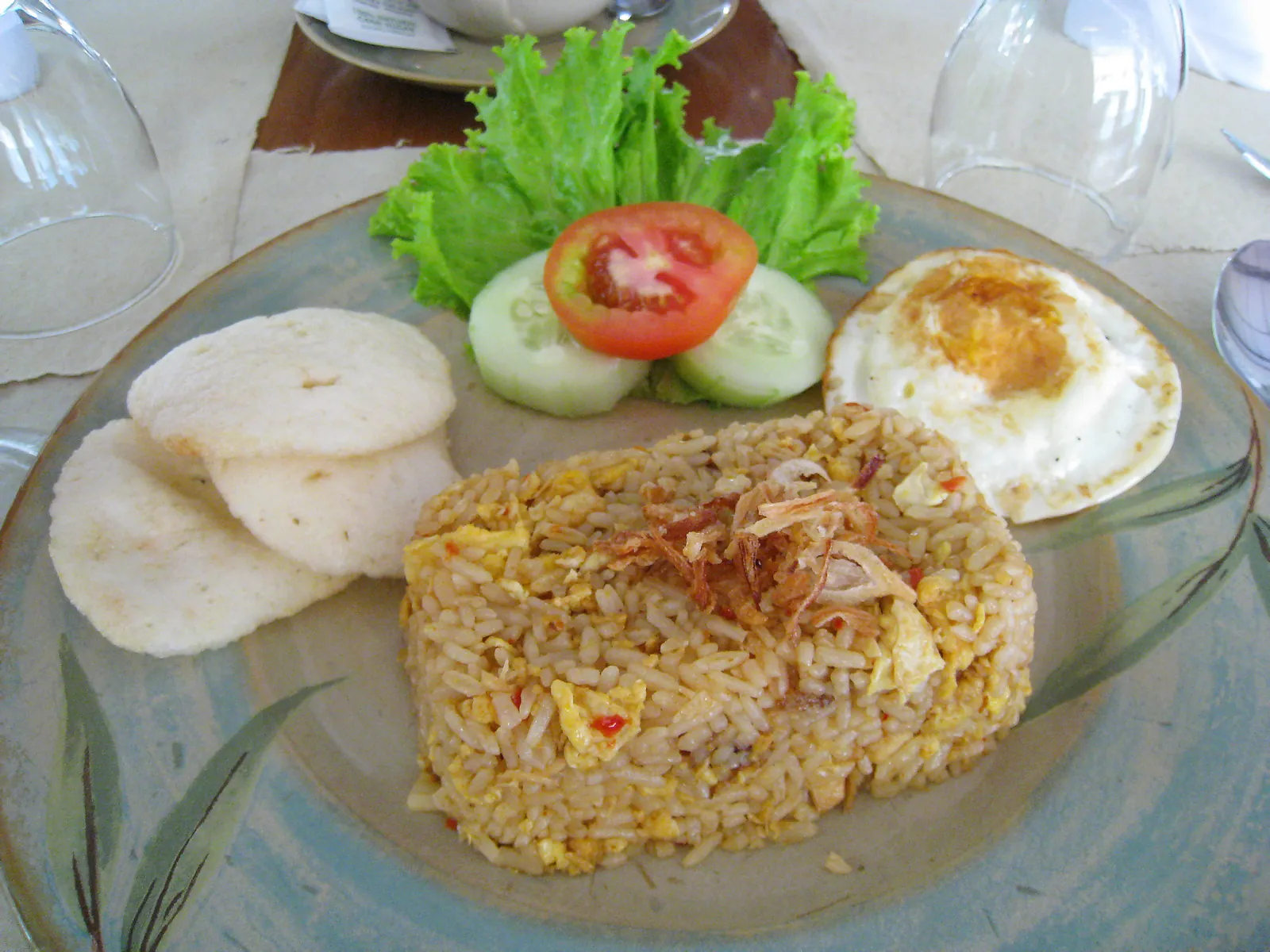
Indonesian nasi goreng — a mound of fried rice with egg and fried shallots, a fried egg, prawn crackers, cucumber, tomato and lettuce Indonesia flag Indonesia 35m
Dinner •Jakarta Street Classic

Indonesian Nasi Goreng

This Indonesian nasi goreng recipe turns a bowl of day-old rice into something far better than the sum of its parts: smoky, sweet-savoury grains coated in kecap manis, tossed with chicken, carrot and peas, and crowned with a fried egg and crunchy prawn crackers. It is the kind of dinner that comes together in one wok in about half an hour, and it tastes like a Jakarta street stall at its best. One serving is about 470 g.

Comfort & Satisfying

A one-wok dinner of sweet-savoury fried rice, chicken and a fried egg, served the Indonesian way with cucumber, tomato and prawn crackers.

Pairs Well With
A fried egg on top, cool cucumber and tomato, and a handful of prawn crackers, with iced tea to drink.
Quick Prep (<30m)
A plate of beef rendang — dark brown beef chunks coated in a dry, caramelised spice paste Indonesia flag Indonesia 4h
Dinner •West Sumatra Heritage

Beef Rendang

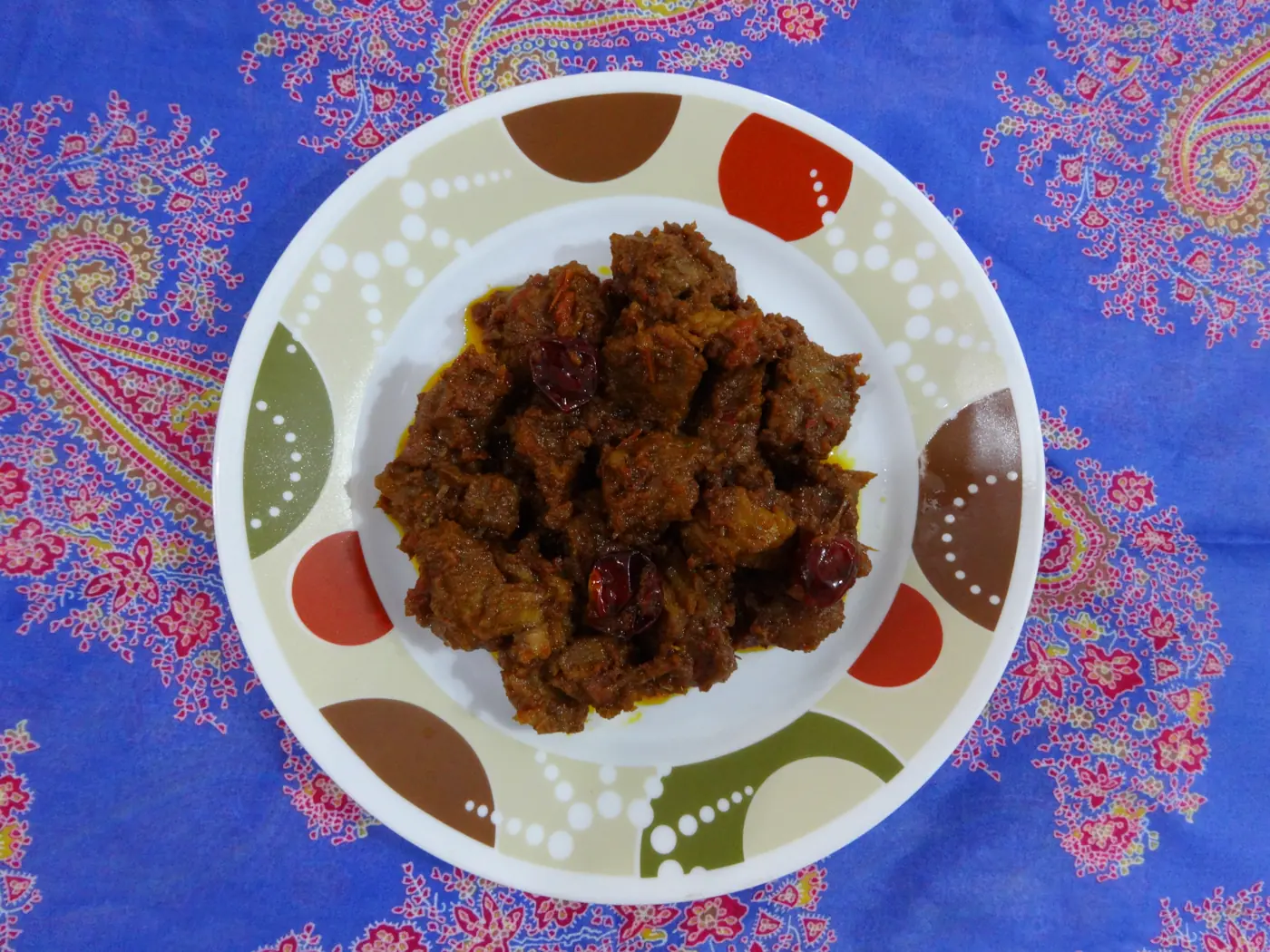
This beef rendang recipe slow-braises beef chuck in coconut milk with lemongrass, galangal, chillies and warm spices for about four hours, until the sauce has almost disappeared and the meat is coated in a dark, dry, caramelised spice paste. It is the Minangkabau dish from West Sumatra that sits at the heart of Padang cooking: deeply savoury, gently hot, and rich without being saucy. One serving is about 380 g.

Rich & Satisfying

Slow-braised beef in spiced coconut milk, reduced until the meat is coated in a dark, caramelised spice paste.

Pairs Well With
Steamed jasmine rice & pickled cucumber (acar timun)
High Protein
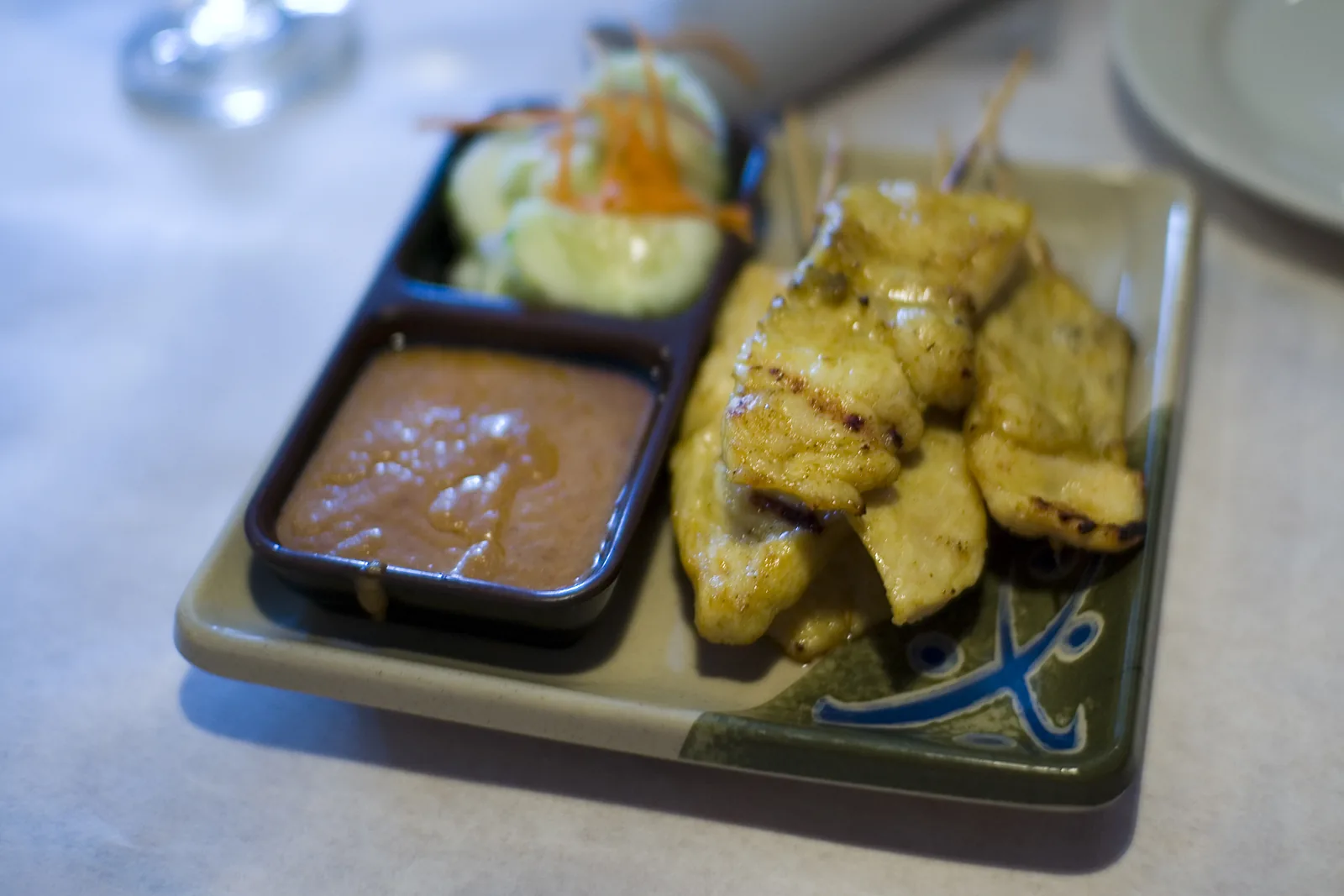
Grilled chicken satay skewers with peanut sauce and cucumber salad on a plate Indonesia flag Indonesia 45m
Dinner •Java Street Food

Chicken Satay

This chicken satay recipe turns chicken breast into golden, char-edged skewers marinated in turmeric, coconut milk, garlic and sweet soy sauce, then grilled and served with a warm, creamy peanut sauce. One serving is about 290 g: three skewers, a generous spoonful of peanut sauce and a cool cucumber-shallot salad. It is the Indonesian street-food classic — sate ayam — made for a weeknight grill.

High-Protein Grilling

Grilled chicken skewers in a turmeric-coconut marinade, served with a homemade peanut sauce — high in protein and cooked fast over high heat.

Pairs Well With
Lontong rice cakes and a cool cucumber-shallot salad balance the rich peanut sauce.
High Protein • Quick Prep (<30m)
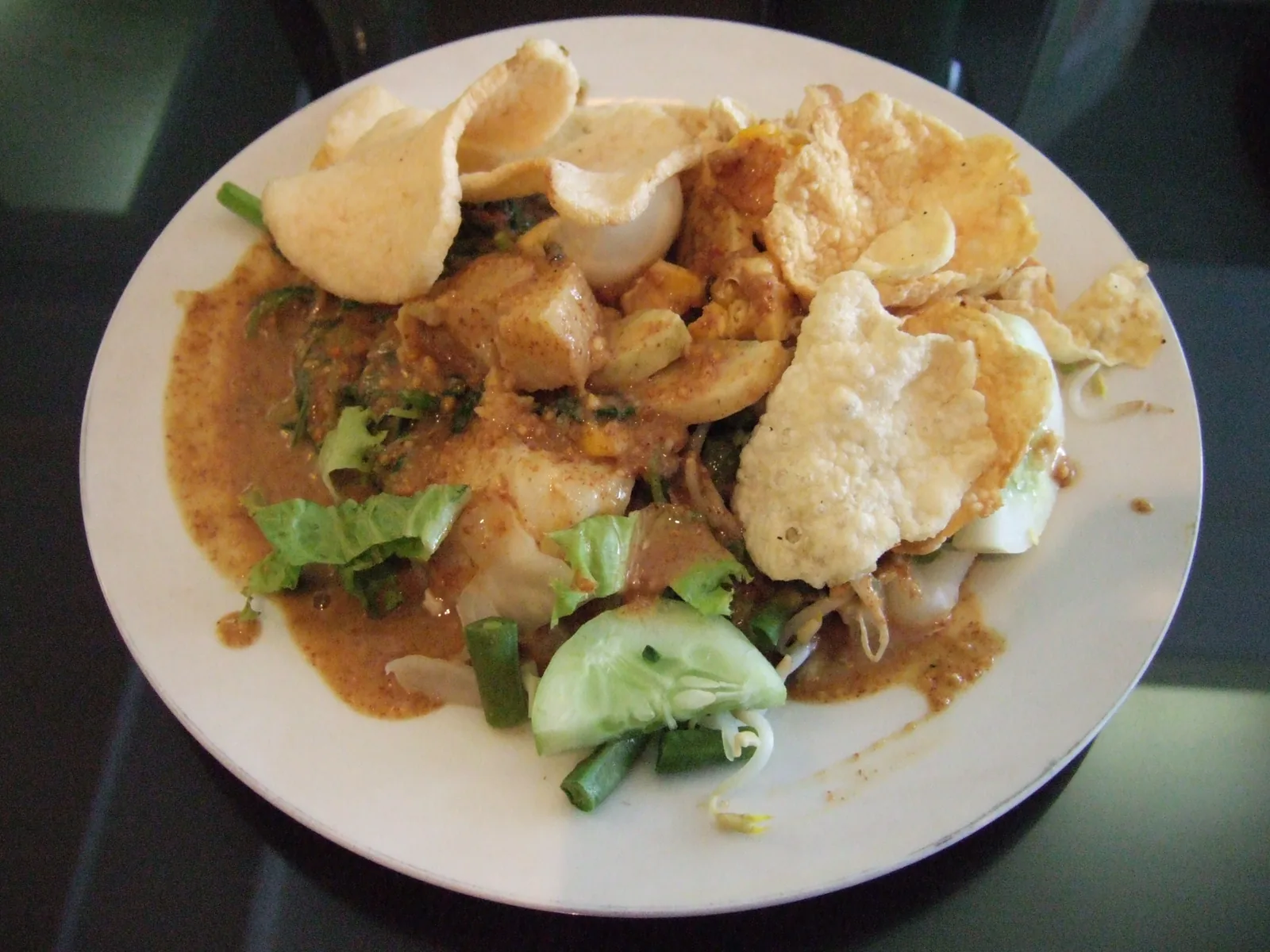
A plate of gado-gado: mixed vegetables, tofu and boiled egg coated in peanut sauce, topped with prawn crackers and cucumber slices. Indonesia flag Indonesia 45m
Lunch •Jakarta Street Food Classic

Gado-Gado

Gado-gado is Indonesia's best-loved salad: warm potatoes, green beans, cabbage, bean sprouts, cucumber and carrot, with fried tofu, boiled egg and crunchy prawn crackers, all coated in a thick, sweet-savoury peanut sauce. One serving is about 584 g.

Fresh & Filling

Warm vegetables, tofu and egg under a rich peanut sauce — a complete meat-free lunch.

Pairs Well With
Serve warm with prawn crackers on the side and a glass of iced tea.

The Dinner Gazette

Never wonder what’s for dinner again

One email a week with easy dinner ideas from around the world — ingredients, steps and nutrition, tested in our kitchen first.

Delivered every Thursday morning. Unsubscribe anytime.