
Curated recipes from 193 countries  •  New seasonal Mediterranean issue out now

Overview

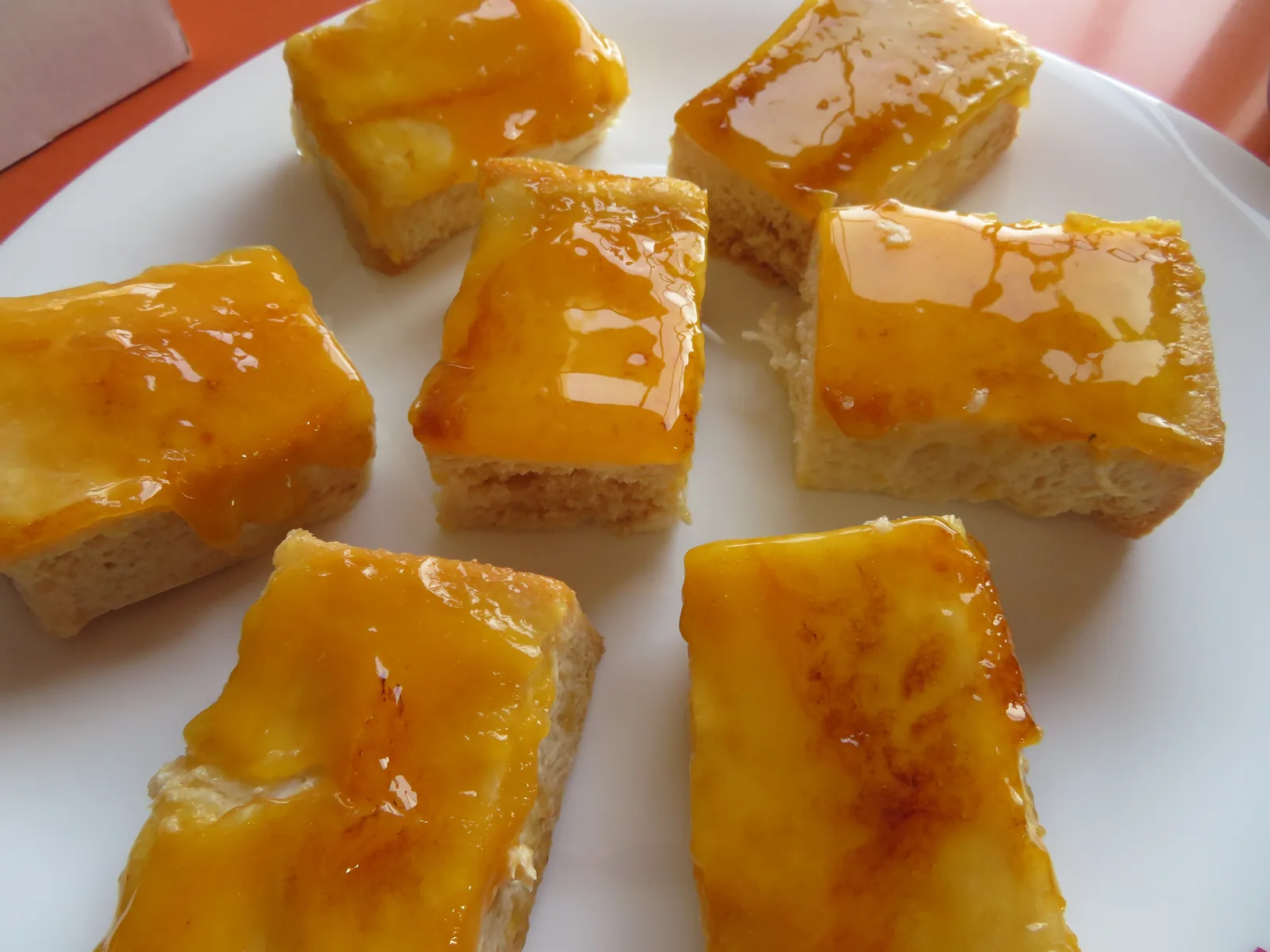
Torrijas

Spanish French Toast; Torrijas de Leche

Torrijas are Spain's answer to French toast, and the food of Holy Week: thick slices of day-old bread soaked in cinnamon-scented milk, dipped in beaten egg, fried in olive oil until golden, then rolled in cinnamon sugar and finished with a drizzle of honey. The outside turns crisp and caramelised while the inside stays soft and custardy, like the middle of a good bread pudding. One serving is about 210 g (2 slices).

Torrijas are first recorded in Spain in the 15th century, when they were given to new mothers and to the sick as a strengthening food. They became the food of Holy Week — Semana Santa — because the rules of Lent forbade meat, and a dish of bread, milk, egg and honey was both filling and permitted. Bakeries and home kitchens across Spain still make them every Easter, and the smell of cinnamon and fried bread is, for many Spaniards, the smell of the festival itself.

Pairs well with: Café con leche, fresh orange & a little honey

Provenance

Spain flag Spain

Spanish Classic

Mediterranean & Italy

Time Dedication

30m

15m prep • 15m cook

Batch Yield

4 Servings

424 kcal per serving

1 serving ≈ 210 g

Technical Skill

Intermediate

Medium (Frying)

Meal Timing & Digestive Fit

Breakfast

Prime Morning Fit

Lunch

Inappropriate

Dinner

Inappropriate

Snack & Tea

Inappropriate

Occasions: Holy Week, Easter, Sunday breakfasts, dessert after a light meal Cost: Low — about $1–2 per serving at home
Golden torrijas with a honey glaze arranged on a white plate

Spanish Classic

Photo: Juan Emilio Prades Bel, CC BY 4.0, via Wikimedia Commons

The Heritage Formulary

Measured Ingredients

Estimated cost: Low — about $1–2 per serving at home (USD)

A good torrija is crisp and caramelised outside, soft and custardy inside, and never greasy or soggy.

Execution Methodology & Culinary Technique

Step-by-Step Cooking Guide

Active 30m
P

Prep Stage: Slice the Bread and Warm the Milk

15 Mins • Prep

Cut the day-old bread into thick slices, about 2 cm each — thick enough to soak without falling apart. Warm the milk gently with the sugar, half the cinnamon, the lemon peel and the vanilla, then let it cool until it is just warm to the touch. Beat the eggs in a shallow dish and mix the coating sugar with the remaining cinnamon on a plate. Everything should be laid out before the first slice touches the pan.

Maestro Tip: Day-old bread is essential: fresh bread turns to mush in the milk. If your bread is fresh, toast the slices lightly first.

  1. 1

    Warm the Cinnamon Milk

    5 minutes Warm milk, about 80°C (175°F), then cooled to about 40°C (104°F)

    Warm the milk in a saucepan over medium heat, about 80°C (175°F), with the 50 g sugar, half the cinnamon, the lemon peel and the vanilla. Stir until the sugar dissolves, then take it off the heat and let it cool for 5 minutes until just warm — hot milk would cook the bread.

    Do not boil the milk: it skins over and the cinnamon turns bitter.

    Done when: Sugar dissolved; milk warm, not hot, to the touch.

  2. 2

    Soak the Bread

    3 minutes Warm milk, about 40°C (104°F)

    Lay the bread slices in a shallow dish and pour the warm milk over them. Leave for 2 minutes, then turn each slice once and leave for 1 more minute. The bread should be soaked through but still holding its shape — lift a slice and it should sag slightly, not break.

    Set a timer: a minute too long in the milk is the difference between a torrija and a puddle.

    Done when: Slices soaked through, soft but intact.

  3. 3

    Dip in Egg and Fry Until Golden

    8 minutes Medium heat, about 170°C (340°F)

    Heat the olive oil in a wide frying pan over medium heat, about 170°C (340°F). Dip each soaked slice in the beaten egg, coating both sides, and let the excess drip off. Fry 3 to 4 minutes per side until deep golden brown and crisp at the edges. Work in batches and top up the oil as needed.

    The oil must be hot before the bread goes in: if it sizzles weakly, the torrijas soak up oil instead of crisping.

    Done when: Deep golden brown on both sides; egg coating set and crisp.

  4. 4

    Coat in Cinnamon Sugar and Honey

    2 minutes Hot from the pan, about 80°C (175°F)

    Lift the torrijas out with a slotted spoon and drain briefly on kitchen paper. While still hot, roll each one in the cinnamon sugar so it sticks, then arrange on a plate and drizzle with honey.

    Coat them while they are hot — cold torrijas will not take the sugar.

    Done when: Coated in cinnamon sugar, glistening with honey.

  5. 5

    Serve Warm

    2 minutes Serving warm, about 60°C (140°F)

    Serve at once, while the outside is still crisp and the inside is warm and soft. Two slices per person with a café con leche is the classic way.

    Torrijas wait for no one: the crisp outside softens within minutes, so plate them and serve immediately.

    Done when: Served warm, crisp outside and custardy inside.

Finishing Touches & Plating

Roll the hot torrijas in cinnamon sugar, arrange them on a plate and drizzle with honey. Serve warm, with coffee — they are at their best within minutes of the pan.

Nutritional Physiology & Benefits

Nutrition

Energy

424

kcal / serving

Protein

12g

Complete AA

Carbs

70g

Complex

Fats

11g

Healthy

Per serving (4 servings · 1 serving ≈ 210 g)
Energy424 kcal
Protein12 g
Carbohydrates70 g
Fat11 g
Fibre2.7 g
Sugar35.6 g
Sodium433 mg
Per 100g
Energy202 kcal
Protein5.9 g
Carbohydrates33.2 g
Fat5.2 g
Fibre1.3 g
Sugar17 g
Sodium206 mg

Nutrition values are estimated — calculated from USDA FoodData Central values for the listed ingredients.

Vitamins & minerals: Calcium and vitamin B12 (milk, egg), vitamin D (egg), iron (bread, cinnamon).

Protein and Calcium from Milk and Egg

Milk and egg give the dish real protein and calcium, so it is far more nourishing than plain fried bread.

Quick, Satisfying Energy

A plate of torrijas gives quick, satisfying energy — which is exactly why it became the food of Holy Week, when people needed strength for long processions.

Stale Bread, Nothing Wasted

Day-old bread is the point, not a compromise: stale bread soaks up the milk without falling apart, so nothing is wasted.

Food Pairings

What to Eat With

To optimize nutrient absorption and elevate the sensory depth, pair with these authentic accompaniments:

Drinks

Café con Leche

A milky coffee matches the cinnamon and softens the sweetness, and it is how torrijas are eaten in Spain.

Vegetables

Fresh Orange Slices

Sharp, fresh orange cuts through the fried sweetness and cleans the palate between slices.

Sides

Yoghurt or Vanilla Ice Cream

A spoonful of thick yoghurt or a scoop of vanilla ice cream turns the torrijas into a proper dessert.

Full Menus

Light Meal, Then Torrijas

Keep the meal light before torrijas: a simple fish main, then torrijas and coffee to finish.

Complete menu

Serve two warm torrijas with a café con leche and a few slices of fresh orange; for a dessert menu, follow a light fish main with torrijas and coffee to finish.

Digestive Guardrails

What NOT to Combine

To prevent digestive distress, sluggishness, or palate clash, avoid pairing the dish with these elements:

A Large Plate on an Empty Stomach

Torrijas are fried in oil and coated in sugar and honey, so eating a large plate on an empty stomach can spike blood sugar and feel heavy; keep to a modest portion. This is general information, not medical advice.

Over-Soaking the Bread

Do not soak the bread until it falls apart: over-soaked slices disintegrate in the pan and absorb far too much oil. This is general information, not medical advice.

General information only, not medical advice — consult a doctor for personal dietary decisions.

Who Should Eat It

Who Should Eat

  • General adultsA sweet, comforting breakfast or dessert — two slices with coffee is a full, satisfying treat.
  • ChildrenChildren love torrijas, but they are sweet and fried, so keep portions to one or two slices and serve them as a treat, not an everyday breakfast.
  • ElderlySoft and easy to chew; serve warm with a little honey rather than a heavy coating of sugar.
  • Pregnant womenFine when freshly made and served hot; the eggs must be fully cooked through, and keep portions moderate because the dish is sweet.
  • Breastfeeding womenA comforting, energy-rich treat; enjoy a normal portion and drink water or milk alongside.
  • AthletesGood quick energy from bread, milk and honey; eat it after training rather than before, as fried food sits heavily.
  • Weight gainAn easy way to add energy: bread, milk, egg, sugar and honey in one sweet, appetising plate.
  • Weight lossAt about 424 kcal a serving with 36 g of sugar, keep torrijas an occasional treat and serve one slice with fresh fruit instead of two.

Health Conditions — Adjust or Avoid

Conditions

  • DiabetesHigh in sugar and refined carbohydrate, so keep to one slice and skip the honey; ask your clinician about your sugar target.
  • High blood pressureSalt is modest in this dish; the bigger concern is the sugar, so keep portions small and ask your clinician about your overall diet.
  • Kidney diseaseMilk, egg and bread add up in protein and potassium; keep the portion small and ask your clinician about your limits.
  • GoutEggs and bread are low in purines, so a normal portion is usually fine; ask your clinician if you have frequent flares.
  • Stomach issuesFried, sweet food can sit heavily; eat a small portion, slowly, and ask your clinician if symptoms persist.
  • Cardiovascular diseaseFried in oil with added sugar, so keep it an occasional treat in a small portion; ask your clinician about your fat and sugar targets.
  • Fatty liverHigh in sugar and fried, so enjoy rarely and in a small portion; ask your clinician about your overall diet.
  • Food allergiesContains gluten (bread), egg, milk and cinnamon; do not serve to anyone with an egg or milk allergy.
  • Special therapeutic dietsNot suitable for low-sugar, gluten-free or dairy-free diets without changes; if you follow a prescribed diet, ask your clinician before eating it.

If you have a medical condition, consult your doctor before changing your diet.

Storage & Use

Storage & Use

How to store
Store cooled torrijas in a single layer in an airtight container.
In the fridge
Keeps 1 day in the fridge at 4°C (40°F) or below, covered; the crisp coating softens overnight.
In the freezer
Do not freeze: the custardy centre turns watery and the coating goes soggy on thawing.
How to reheat
Warm in a hot oven at 180°C (350°F) for 5 minutes, or in a dry pan, until hot through, to 74°C (165°F); do not microwave, as it makes them soggy.
Freezing recommended
No — torrijas do not freeze well.
Signs it has spoiled
Sour milk smell, slimy surface, or mould on the bread.

More recipes to explore

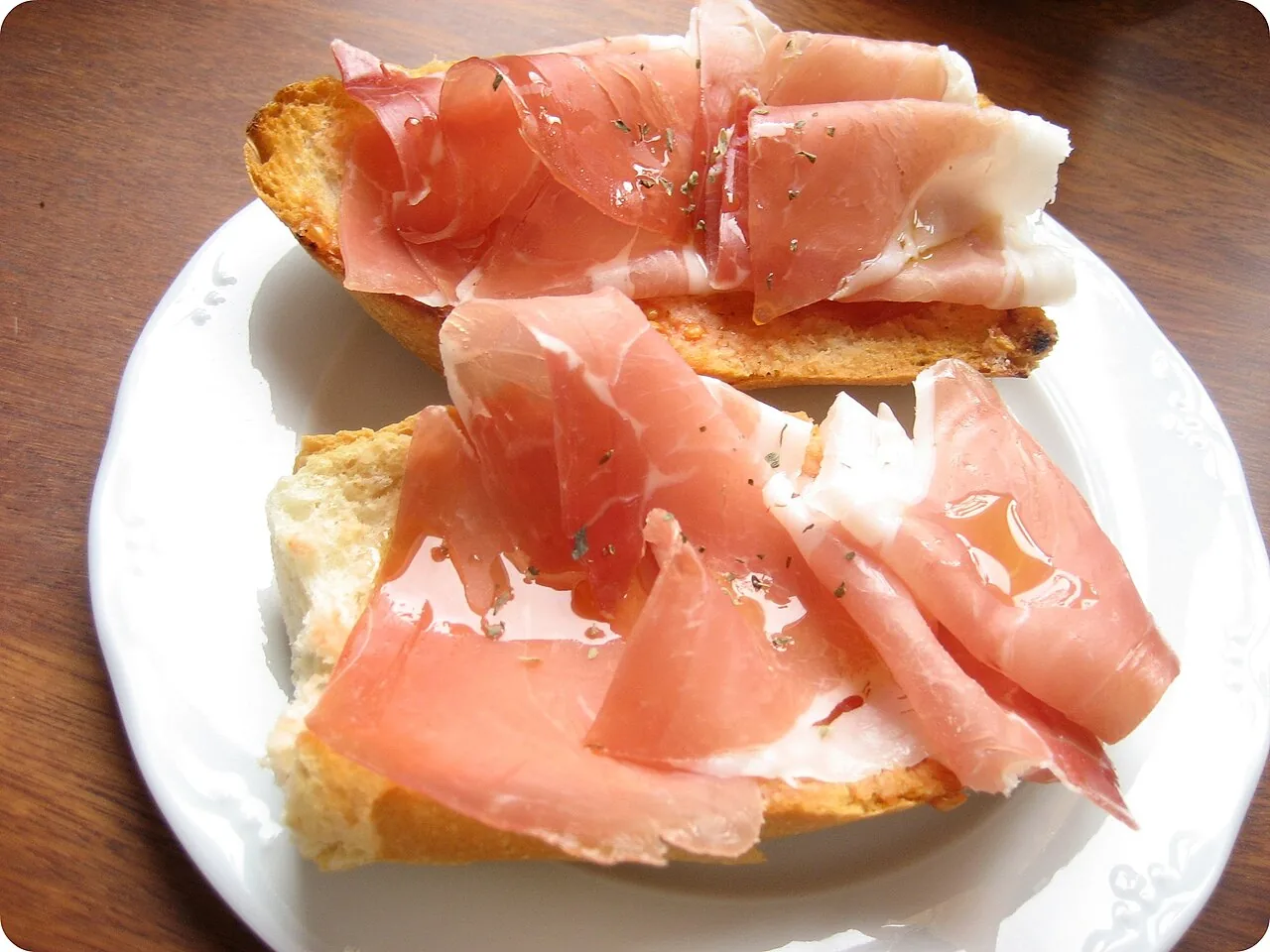
Pan con tomate with jamón ibérico on toasted bread Spain flag Spain 15m
Snack & Tea •Catalan Aperitivo

Pan con Tomate & Jamón Ibérico

Country bread rubbed with ripe Ramallet tomato, drizzled with cold-pressed Arbequina olive oil and topped with jamón ibérico.

Vascular Health

Toasted tomato bread with jamón ibérico, olive oil and olives.

Pairs Well With
Castelvetrano Olives & Sparkling Mineral Water
Quick Prep (<30m)
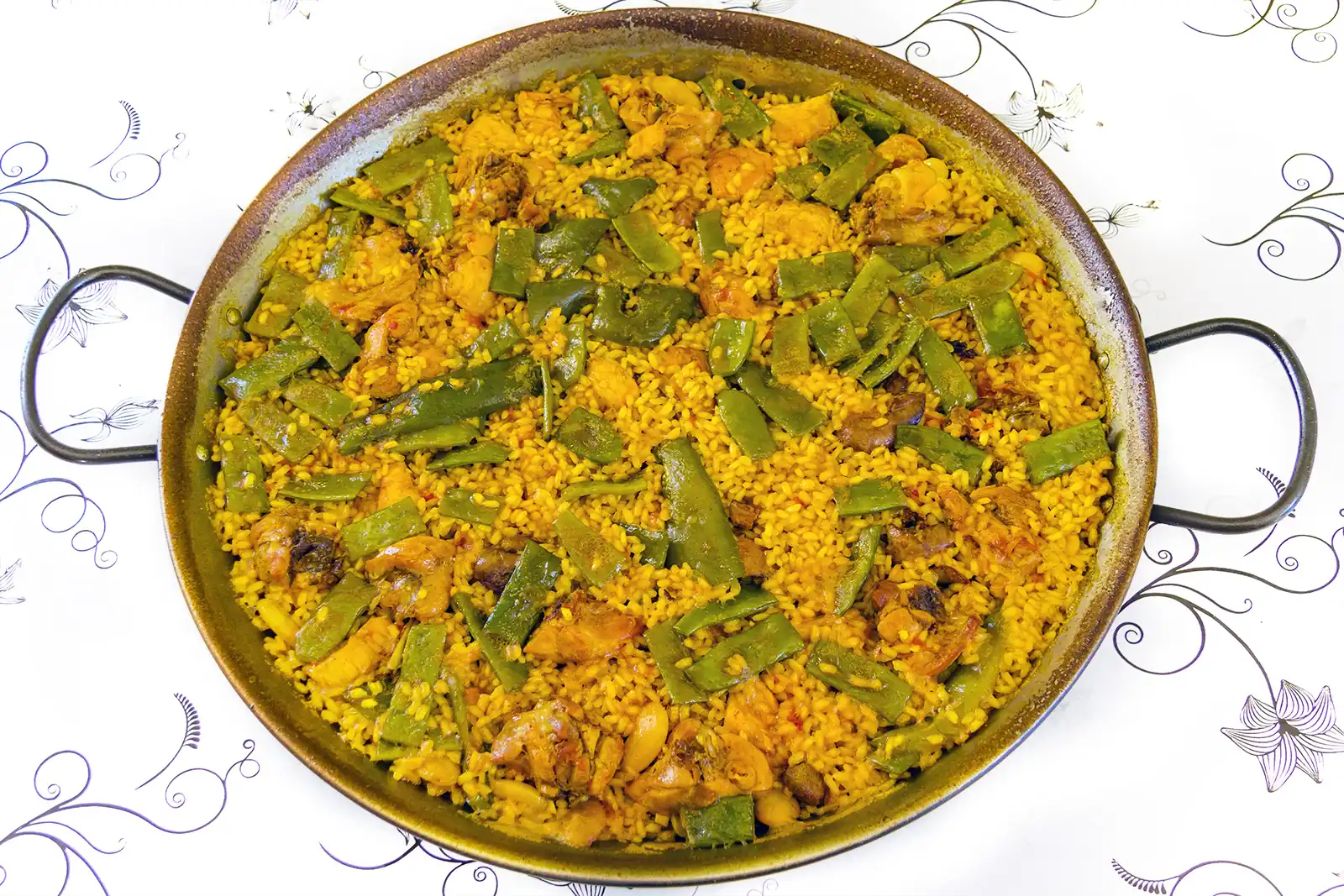
A wide paella pan of paella valenciana with saffron rice, green beans and chicken Spain flag Spain 1h 10m
Dinner •Valencia Rice Fields

Paella Valenciana

This paella valenciana recipe cooks Bomba rice in a wide, shallow pan with chicken, rabbit, green beans and garrofó beans, scented with saffron and rosemary. One serving is about 470 g.

Comfort & Warmth

Saffron rice cooked in a wide pan with chicken, rabbit and green beans.

Pairs Well With
A green salad and a glass of white wine
High Protein
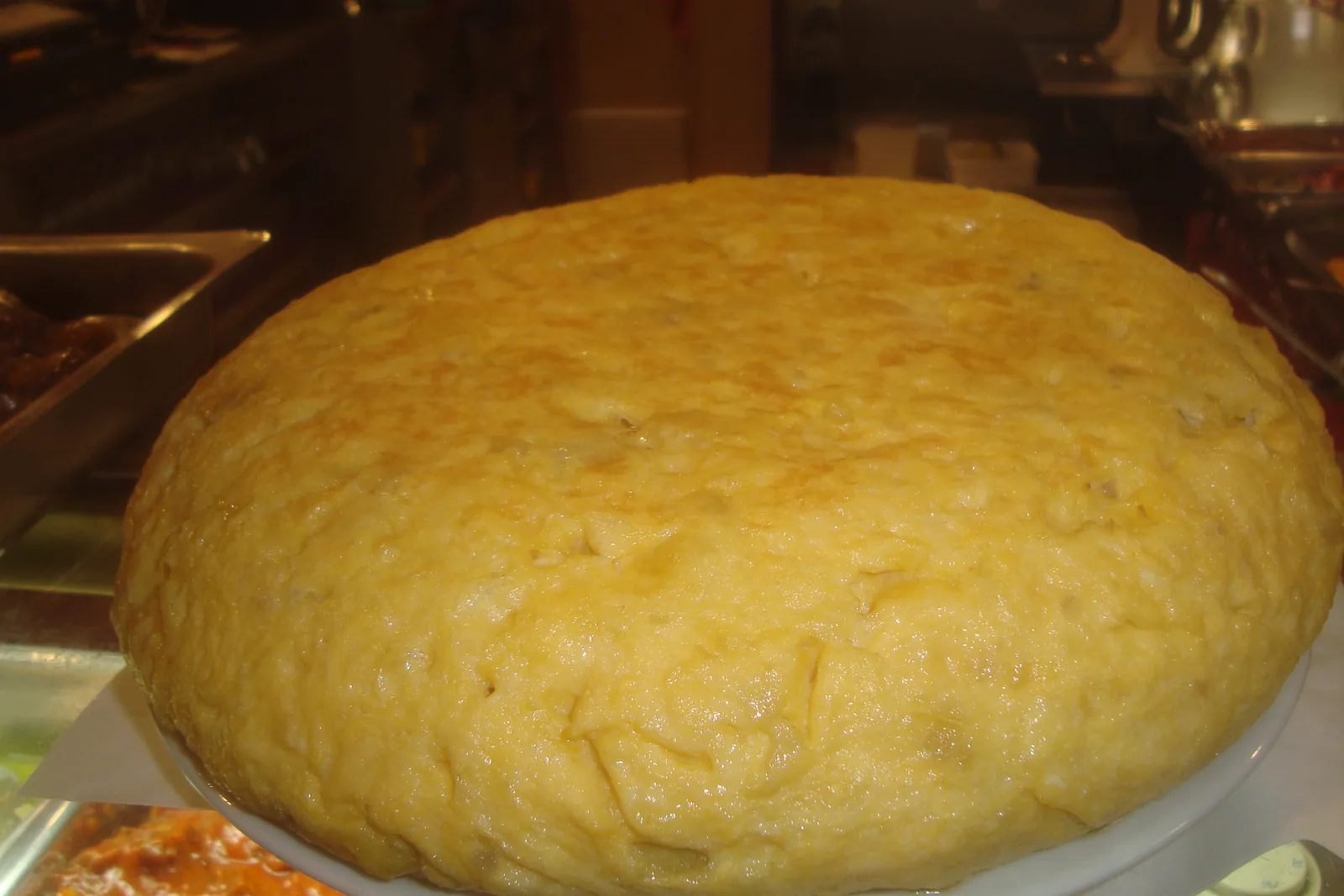
A whole golden tortilla española, a thick Spanish potato omelette, on a plate Spain flag Spain 55m
Snack & Tea •Navarre Bar Classic

Tortilla Española

This spanish tortilla recipe slowly cooks potatoes and onion in olive oil, folds them into beaten eggs, and turns out a thick, golden cake that is soft in the middle. One serving is about 220 g.

Comfort & Warmth

A thick, golden omelette of slow-cooked potatoes, onion and egg.

Pairs Well With
Pan con tomate and a glass of red wine
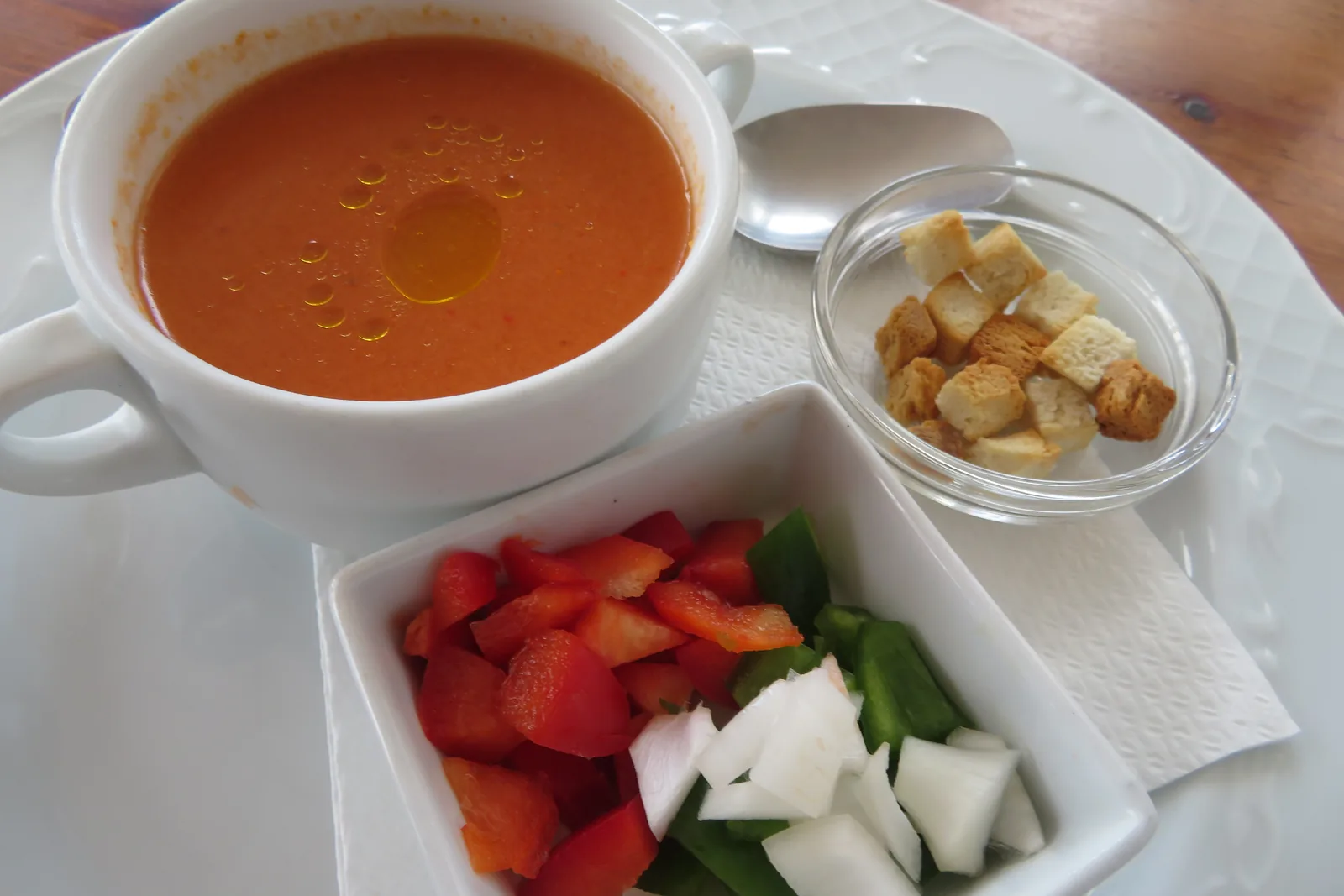
A cup of chilled orange-red gazpacho with olive oil, served with diced peppers and onion and a bowl of croutons Spain flag Spain 20m
Lunch •Andalusian Classic

Gazpacho

This gazpacho recipe is the Andalusian classic: ripe tomatoes, cucumber, green pepper, onion and garlic blended raw with bread, sherry vinegar and olive oil, then chilled until ice cold. One serving is about 395 g. It takes 20 minutes plus chilling, and there is no cooking at all.

Light & Refreshing

Chilled raw tomato soup blended with cucumber, pepper and olive oil, served cold with diced vegetables and croutons.

Pairs Well With
Croutons, diced vegetables & crusty bread
Soups & Broths • Quick Prep (<30m)

The Dinner Gazette

Never wonder what’s for dinner again

One email a week with easy dinner ideas from around the world — ingredients, steps and nutrition, tested in our kitchen first.

Delivered every Thursday morning. Unsubscribe anytime.