Curated recipes from 193 countries  •  New seasonal Mediterranean issue out now

Overview

Tortas de Pescado

Salvadoran Fish Cakes, Tortas de Pescado en Salsa de Tomate

This tortas de pescado recipe turns flaked red snapper into golden, egg-bound fish cakes, fried crisp and served in a simple tomato sauce with white rice. It is the dinner Salvadoran families make through Lent, when fish replaces meat at the table, and the cakes are just as good on any meat-free night. One serving is about 450 g.

Tortas de pescado are a Lenten staple across El Salvador and Central America. Catholic families traditionally eat no meat on Fridays in Lent, and dried fish — mackerel or red snapper — keeps without refrigeration, so it becomes the centre of the meal. The fish is soaked to soften it, flaked, bound with beaten egg, fried into patties and served in tomato sauce with rice. The same egg-bound patty appears across the region under the same name, with each household's sauce and seasoning differing a little.

Pairs well with: Tomato sauce, white rice and curtido

Provenance

El Salvador flag El Salvador

Salvadoran Lenten Classic

Latin America & Caribbean

Time Dedication

1h

25m prep • 35m cook

Batch Yield

4 Servings

533 kcal per serving

1 serving ≈ 450 g

Technical Skill

Intermediate

Medium (Shaping & Frying)

Meal Timing & Digestive Fit

Breakfast

Not Advised

Lunch

Hearty Midday Main

Dinner

Ideal Hearty Main

Snack & Tea

Inappropriate

High Protein Occasions: Lenten Fridays, family dinners, meat-free days, Salvadoran celebrations Cost: Medium — about $3–4 per serving at home
Tags: Fish Savory Fried
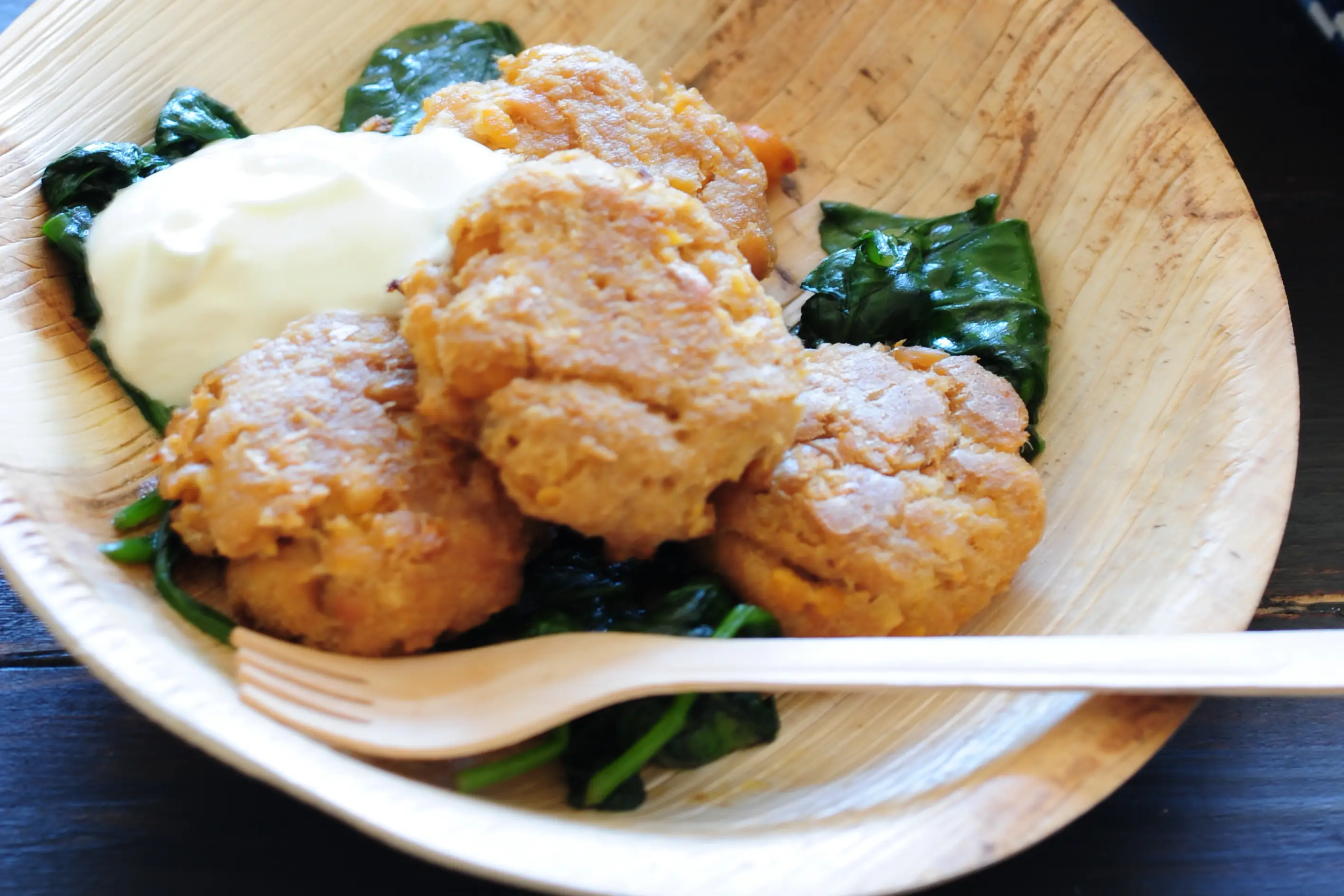
Golden fried fish cakes on wilted spinach with a dollop of white sauce in a palm-leaf bowl, with a wooden fork

Salvadoran Lenten Classic

Photo: jules, CC BY 2.0, via Wikimedia Commons

The Heritage Formulary

Measured Ingredients

Estimated cost: Medium — about $3–4 per serving at home (USD)

A Salvadoran Lenten classic: flaked fish bound with beaten egg, fried golden and served in tomato sauce with rice.

Execution Methodology & Culinary Technique

Step-by-Step Cooking Guide

Active 1h
P

Prep Stage: Rice, Fish & Sauce

25 Mins

Start the rice first — it cooks on its own while you work on the fish. Rinse the rice, set it simmering, then poach the snapper until it flakes, chop the onion, cilantro and garlic, and beat the eggs. Have the tomatoes chopped and the sauce pan ready before the tortas de pescado go into the oil, so everything lands on the plate hot at the same time.

Maestro Tip: Flake the fish while it is still warm — cold fish is harder to flake cleanly and the cakes will not bind as well.

  1. 1

    Cook the Rice

    20 Mins Simmer, ~95°C (200°F)

    Rinse 200 g of dry rice under cold water until the water runs clear. Put it in a saucepan with 400 ml of cold water, bring to a boil, then cover, turn the heat to low and simmer for 15 minutes. Take it off the heat and rest, covered, for 5 minutes, then fluff with a fork. Leave the lid on to keep it warm while you make the cakes.

    Do not lift the lid while the rice simmers — the trapped steam is what finishes the grains.

    Done when: Grains are tender and separate, with no water left in the pan.

  2. 2

    Poach and Flake the Snapper

    10 Mins Gentle simmer, ~90°C (195°F); fish cooked to 63°C (145°F)

    Put the snapper chunks in a saucepan, cover with cold water and bring to a gentle simmer — never a rolling boil. Poach for 6–8 minutes, until the fish is opaque all the way through and flakes easily. Drain well, let it cool just enough to handle, then flake it into a bowl with a fork, picking out any small bones as you go.

    Drain the fish thoroughly and press it lightly — wet fish makes a loose mixture that falls apart in the pan.

    Done when: Fish is opaque white and flakes into small, even shreds with no raw, glassy centre.

  3. 3

    Mix and Shape the Cakes

    10 Mins No heat

    Add the beaten eggs, flour, 80 g onion, cilantro, 10 g garlic, 2 g salt and the black pepper to the flaked fish and mix with your hands until everything holds together. Rest the mixture for 5 minutes so the flour hydrates, then shape it into 12 flat, round cakes, each about 7 cm across and 1.5 cm thick. Lay them on a tray lined with baking paper.

    Wet your hands lightly before shaping — the egg mixture is sticky, and wet hands keep the cakes smooth.

    Done when: 12 even cakes that hold their shape when lifted and do not crack at the edges.

  4. 4

    Make the Tomato Sauce

    15 Mins Medium heat; simmer ~95°C (200°F)

    Heat the 10 ml of oil in a saucepan over medium heat. Cook the 60 g onion and 5 g garlic for about 3 minutes until soft and fragrant, then add the chopped tomatoes and 1 g salt. Simmer gently for about 10 minutes, stirring now and then, until the tomatoes collapse into a thick, spoonable sauce. Keep it warm over the lowest heat.

    If the tomatoes are pale or sharp, simmer 2 minutes longer — time, not sugar, is what sweetens a tomato sauce.

    Done when: Sauce is thick enough to coat a spoon and no longer watery.

  5. 5

    Fry the Cakes Golden

    12 Mins Oil at 175°C (350°F); fish cooked to 63°C (145°F)

    Heat the frying oil to 175°C (350°F). Slide the cakes in 4 at a time and fry for about 3 minutes per side, until deep golden brown and crisp all over. Lift out with a slotted spoon and drain on a wire rack, not paper towels, so the crust stays crisp. The tortas de pescado are done when the centre is hot, opaque and flakes cleanly.

    Fry in small batches — crowding the pan drops the oil temperature and the cakes soak up oil instead of crisping.

    Done when: Deep golden and crisp outside, hot and opaque inside, with no raw fish in the centre.

  6. 6

    Serve in Sauce with Rice

    3 Mins Serve hot, ~60°C (140°F)

    Spoon a ladle of the warm tomato sauce onto each plate, set 3 hot cakes on top of the sauce, and add a mound of the fluffy rice alongside. Serve at once, while the crust is still crisp.

    Sauce under the cakes, not over them — pouring sauce on top softens the crust you just fried.

    Done when: Cakes are crisp, sauce is hot, and the rice is steaming.

Finishing Touches & Plating

Spoon the warm tomato sauce under the crisp cakes at the table, so the crust stays golden while the sauce waits underneath, with the rice fluffy alongside. The photo shows the cakes with a spoonful of white sauce over wilted greens — a serving variation; the recipe below serves them in the traditional tomato sauce.

Nutritional Physiology & Benefits

Nutrition

Energy

533

kcal / serving

Protein

35g

Complete AA

Carbs

57g

Complex

Fats

17g

Healthy

Per serving (4 servings · 1 serving ≈ 450 g)
Energy533 kcal
Protein35 g
Carbohydrates57 g
Fat17 g
Fibre2.9 g
Sugar4.4 g
Sodium417 mg
Per 100g
Energy118 kcal
Protein7.8 g
Carbohydrates12.6 g
Fat3.8 g
Fibre0.6 g
Sugar1 g
Sodium93 mg

Nutrition values are estimated — calculated from USDA FoodData Central values for the listed ingredients.

Vitamins & minerals: Vitamin B12 and selenium (red snapper), vitamin D (fish and egg), vitamin C and lycopene (tomatoes), potassium (fish, tomatoes and rice), iron (egg and fish).

Lean Protein from Fish

About 35.2 g of protein per serving from red snapper and egg — the fish does the filling work, with the rice supplying the energy.

B12 and Selenium

Red snapper is a natural source of vitamin B12 and selenium, which support normal red blood cell formation and immune function.

Tomatoes and Fresh Herbs

The tomato sauce brings vitamin C and lycopene, and the fresh cilantro adds bright flavour without extra fat or salt.

Food Pairings

What to Eat With

To optimize nutrient absorption and elevate the sensory depth, pair with these authentic accompaniments:

Sides

White Rice

Plain white rice is the essential partner — it soaks up the tomato sauce and turns the cakes from a snack into a full dinner.

Warm Corn Tortillas

Warm corn tortillas are the other way to eat them — tear, scoop up cake and sauce together, and let the tortilla catch every drop.

Vegetables

Curtido

Salvadoran curtido, the tangy pickled cabbage slaw, cuts through the richness of the fried cakes with vinegar crunch — the classic Salvadoran balance.

Drinks

Iced Hibiscus Agua Fresca

A cold, tart hibiscus drink refreshes the palate after the fried cakes and the warm tomato sauce, and it is the drink Salvadoran families serve with the meal.

Full Menus

Salvadoran Lenten Dinner

Serve the cakes in tomato sauce with rice, curtido and warm tortillas, then finish with fresh fruit — the full Lenten table in one sitting.

Complete menu

Serve the cakes in tomato sauce with white rice, curtido and warm corn tortillas, then finish with fresh mango or pineapple for a full Salvadoran Lenten dinner.

Digestive Guardrails

What NOT to Combine

To prevent digestive distress, sluggishness, or palate clash, avoid pairing the dish with these elements:

Undercooked Centres

A thick cake can look golden outside while the centre is still raw. Keep the cakes thin and even, and check the centre is opaque and reaches 63°C (145°F) before serving. This is general information, not medical advice.

Dried Fish That Was Not Soaked

If you use the traditional dried mackerel, it must be soaked for 12 hours in several changes of water first — unsoaked dried fish makes cakes that are far too salty to eat. This is general information, not medical advice.

General information only, not medical advice — consult a doctor for personal dietary decisions.

Who Should Eat It

Who Should Eat

  • General adultsA hearty dinner — 3 cakes in tomato sauce with rice is a satisfying plate.
  • ChildrenSuitable for children who eat fish; the cakes are soft inside and easy to eat — serve 2 cakes with plenty of rice and check for small bones.
  • ElderlySoft and easy to chew once the crust is broken — serve a modest portion with soft rice and the sauce spooned over.
  • Pregnant womenGenerally suitable when the cakes are cooked through to the centre; red snapper is a low-mercury fish, but keep the portion moderate and eat the cakes freshly fried.
  • Breastfeeding womenGenerally suitable; the lean fish protein and rice give steady energy — drink water alongside.
  • AthletesA good post-training dinner: about 35.2 g of protein per serving with rice for carbohydrates to refuel.
  • Weight gainA good choice — energy-dense at about 533 kcal a serving, and easy to eat a full portion.
  • Weight lossTake 2 cakes instead of 3, load the plate with curtido, and keep the rice to a small mound.

Health Conditions — Adjust or Avoid

Conditions

  • DiabetesThe rice is the main source of carbohydrates — keep the rice portion small and load up on curtido instead. Ask your clinician about portion size.
  • High blood pressureLow in sodium as written with fresh fish, but the dried-fish version is much saltier — use fresh snapper and keep the salt as measured. Ask your clinician about portion size.
  • Kidney diseaseFish and tomatoes are high in potassium; eat in a small portion and ask your clinician first.
  • GoutFish is moderate in purines, so an occasional plate is usually fine — keep the portion to 2 cakes. Ask your clinician about frequency.
  • Stomach issuesFried food can feel heavy — eat slowly, take 2 cakes, and avoid eating them on an empty stomach. Ask your clinician if symptoms persist.
  • Cardiovascular diseaseFried in oil, so an occasional dinner rather than a weekly habit; keep the portion to 2 cakes and balance the rest of the day. Ask your clinician about portion size.
  • Fatty liverFried and served with white rice — keep it occasional and small, and pair it with curtido. Ask your clinician about portion size.
  • Food allergiesContains fish (red snapper), egg and wheat (flour). The dried-fish version is much saltier. Ask your clinician if you have a fish or egg allergy.
  • Special therapeutic dietsIf you follow a prescribed low-sodium diet, use fresh fish only, never the dried version, and check with your clinician before eating.

If you have a medical condition, consult your doctor before changing your diet.

Storage & Use

Storage & Use

How to store
Cool quickly and store the cakes and the sauce in separate airtight containers.
In the fridge
2 days for the cakes; 3 days for the tomato sauce.
In the freezer
1 month, uncooked patties only; cooked cakes do not freeze well.
How to reheat
Reheat the cakes in a hot oven at 180°C (350°F) for 10 minutes until hot through, 74°C (165°F) in the centre; warm the sauce separately in a small pan. Do not microwave the cakes.
Freezing recommended
Yes — freeze the shaped, uncooked patties for up to 1 month and fry from frozen, adding 1 minute per side.
Signs it has spoiled
Sour or strong fishy smell, slimy cakes, or mould on the sauce.

More recipes to explore

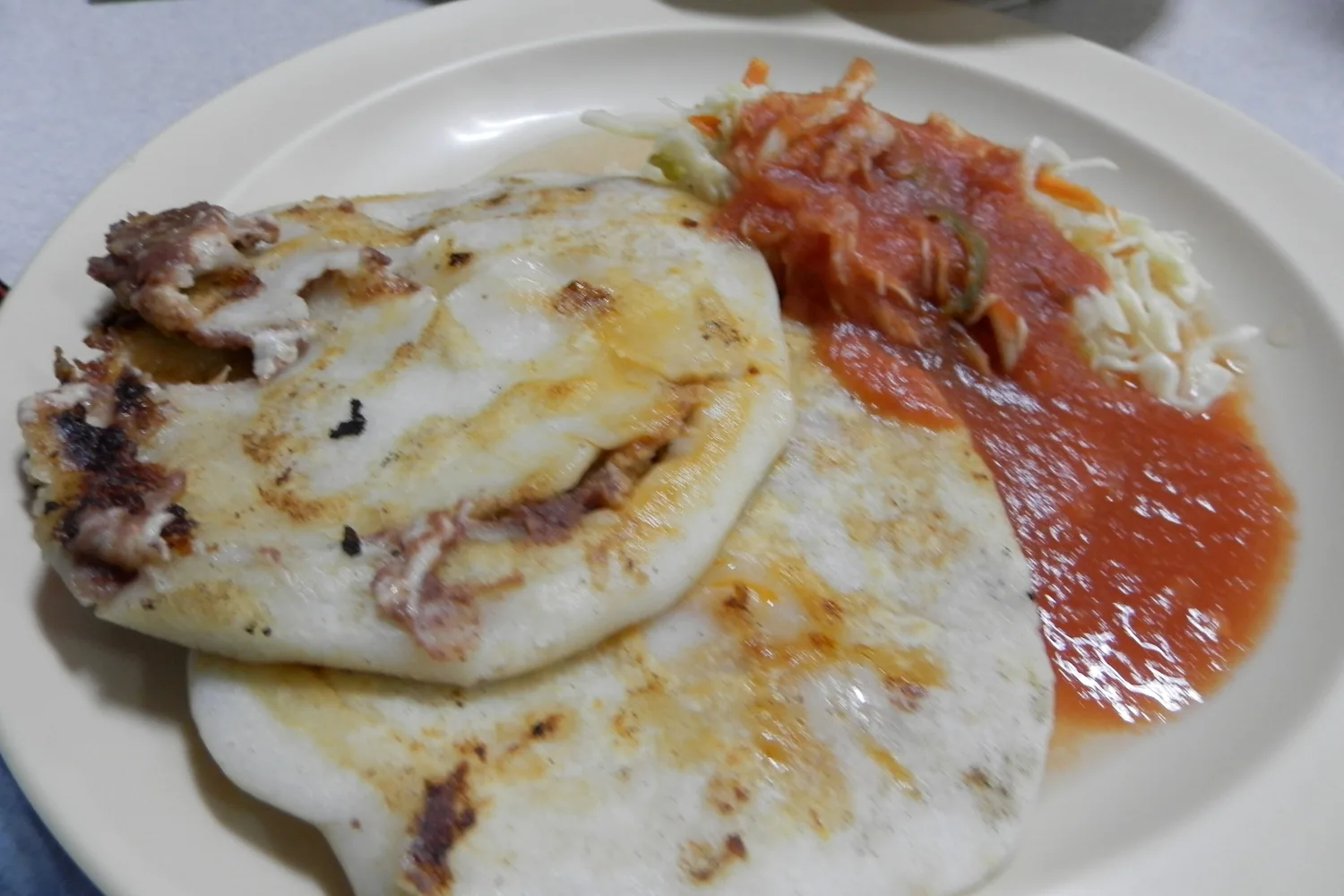
Two golden griddled pupusas on a plate with curtido cabbage slaw and red tomato salsa, melted cheese showing at the edge El Salvador flag El Salvador 1h 15m
Lunch •San Salvador Heritage

Pupusas

This pupusas recipe makes the stuffed corn cakes El Salvador is known for: soft nixtamalized masa wrapped around a molten filling of seasoned pork, refried beans and quesillo-style cheese, then griddled until the outside is golden and speckled and the cheese runs when you bite in. They are eaten hot, straight off the comal, with a pile of tangy curtido cabbage slaw and tomato salsa on the side. One serving is two pupusas, about 330 g.

Comfort & Warmth

El Salvador's national dish: thick corn masa cakes stuffed with pork, beans and melted cheese, griddled on a hot comal and served with curtido.

Pairs Well With
Curtido (pickled cabbage slaw) and salsa roja, with a cold horchata or tamarind drink on the side.
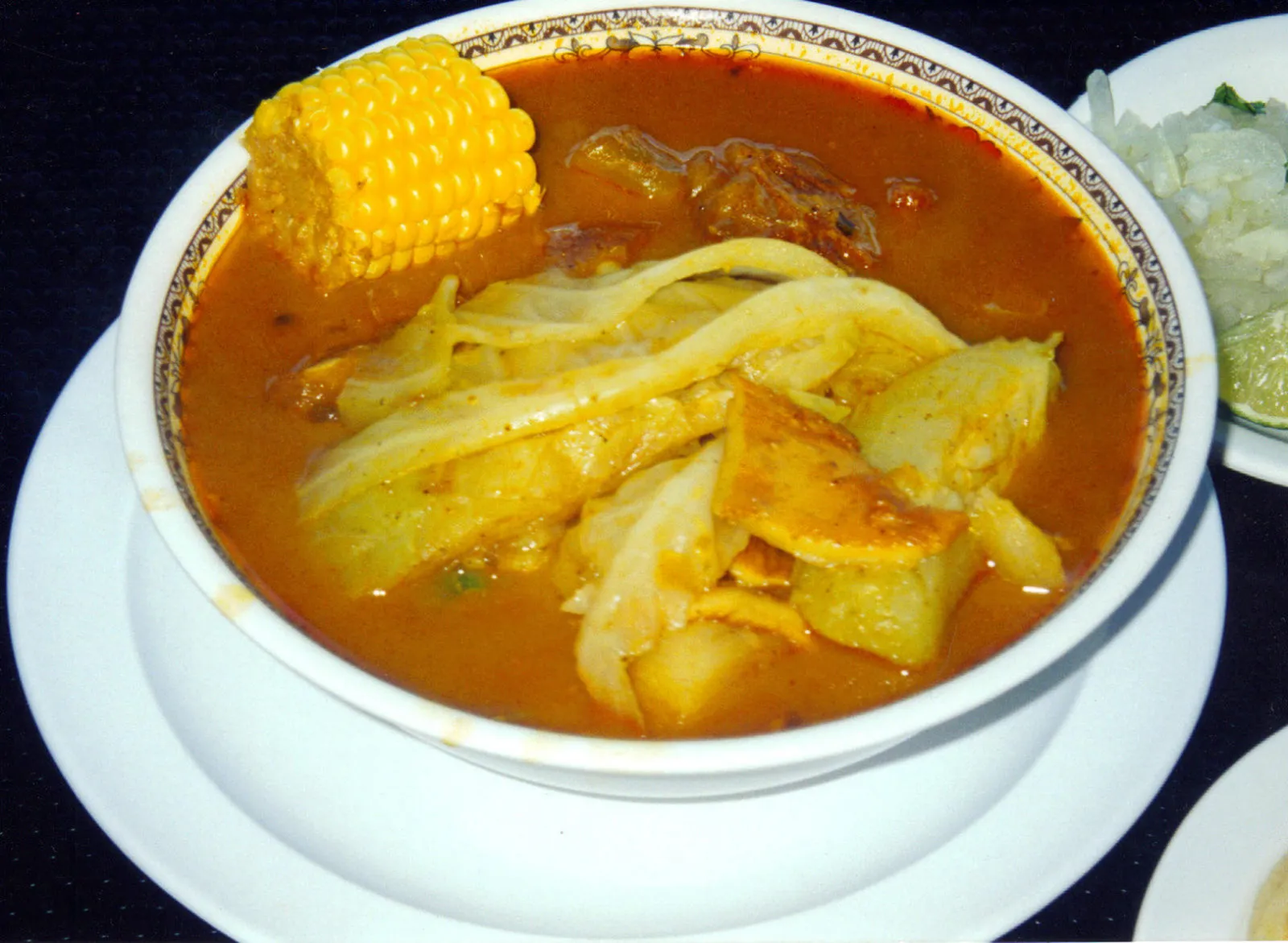
A bowl of sopa de pata, orange-red achiote broth with corn on the cob, cabbage and chunks of yuca El Salvador flag El Salvador 4h 5m
Lunch •Salvadoran Heritage

Sopa de Pata

This sopa de pata recipe is El Salvador's most famous soup: cow's feet and tripe simmered for hours until the broth turns rich and gelatinous, then loaded with yuca, chayote, corn, green plantain and cabbage, and coloured a warm orange-red with achiote. It is a weekend lunch in Salvadoran homes, served steaming hot with lime wedges and warm tortillas for squeezing and scooping. One serving is about 640 g, soup and vegetables together.

Comfort & Warmth

El Salvador's slow-simmered cow's foot and tripe soup, thick with yuca, corn and chayote in a red achiote broth.

Pairs Well With
Warm corn tortillas and lime wedges, with a little chopped onion and cilantro on the side.
Soups & Broths
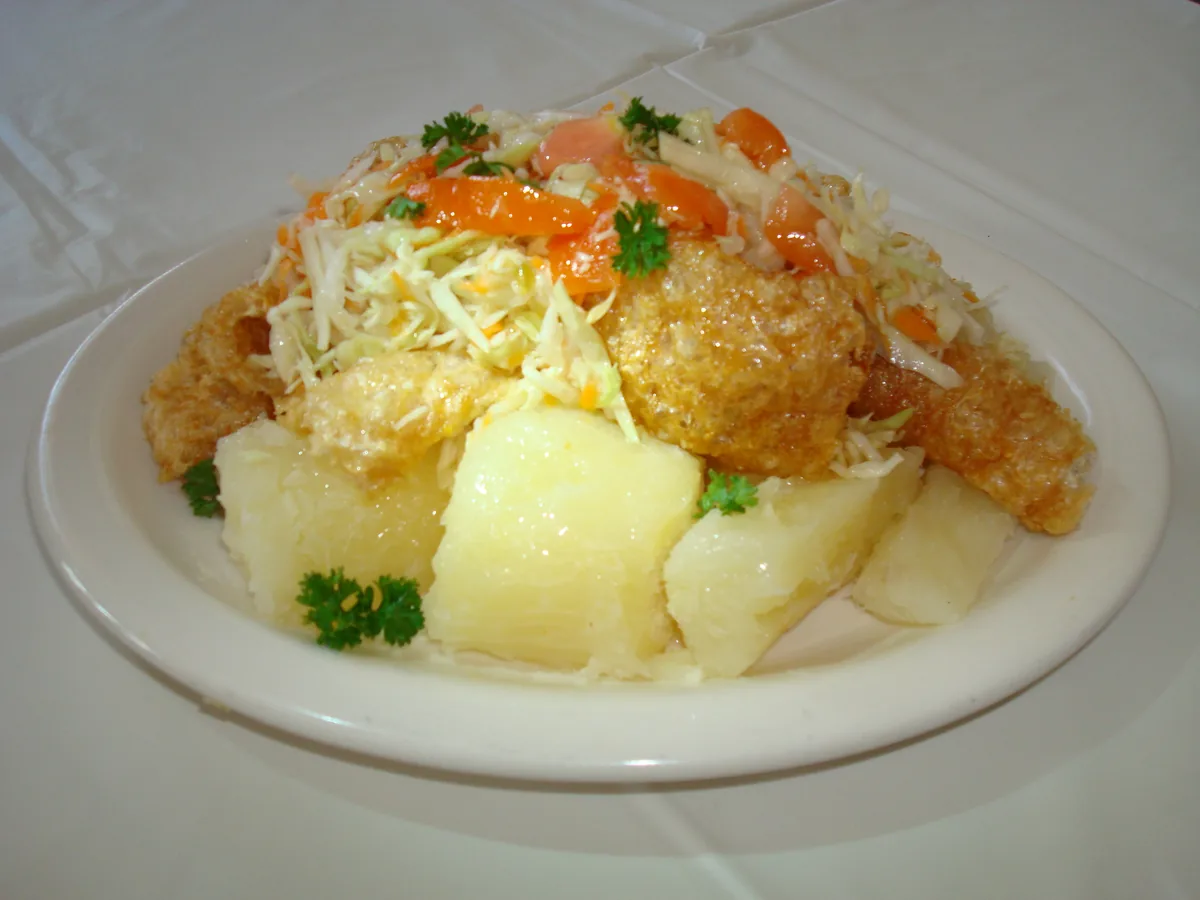
A plate of yuca con chicharron — boiled cassava chunks topped with golden crispy pork cracklings and shredded cabbage, carrot and tomato slaw El Salvador flag El Salvador 1h 35m
Lunch •Salvadoran Street-Food Classic

Yuca con Chicharrón

This yuca con chicharron recipe is the Salvadoran street-food plate: cassava boiled until soft and fluffy, topped with pork belly simmered until tender and then fried crisp in its own fat, with tangy curtido cabbage slaw and fresh tomato salsa on the side. It is the same trio of yuca, chicharron and cabbage slaw that is sold from market stalls across El Salvador. One serving is about 590 g.

Comfort & Energy

Tender boiled cassava with crisp fried pork, tangy curtido and fresh tomato salsa — a filling Salvadoran street-food plate.

Pairs Well With
Warm corn tortillas, fried plantains and a cold horchata or limeade
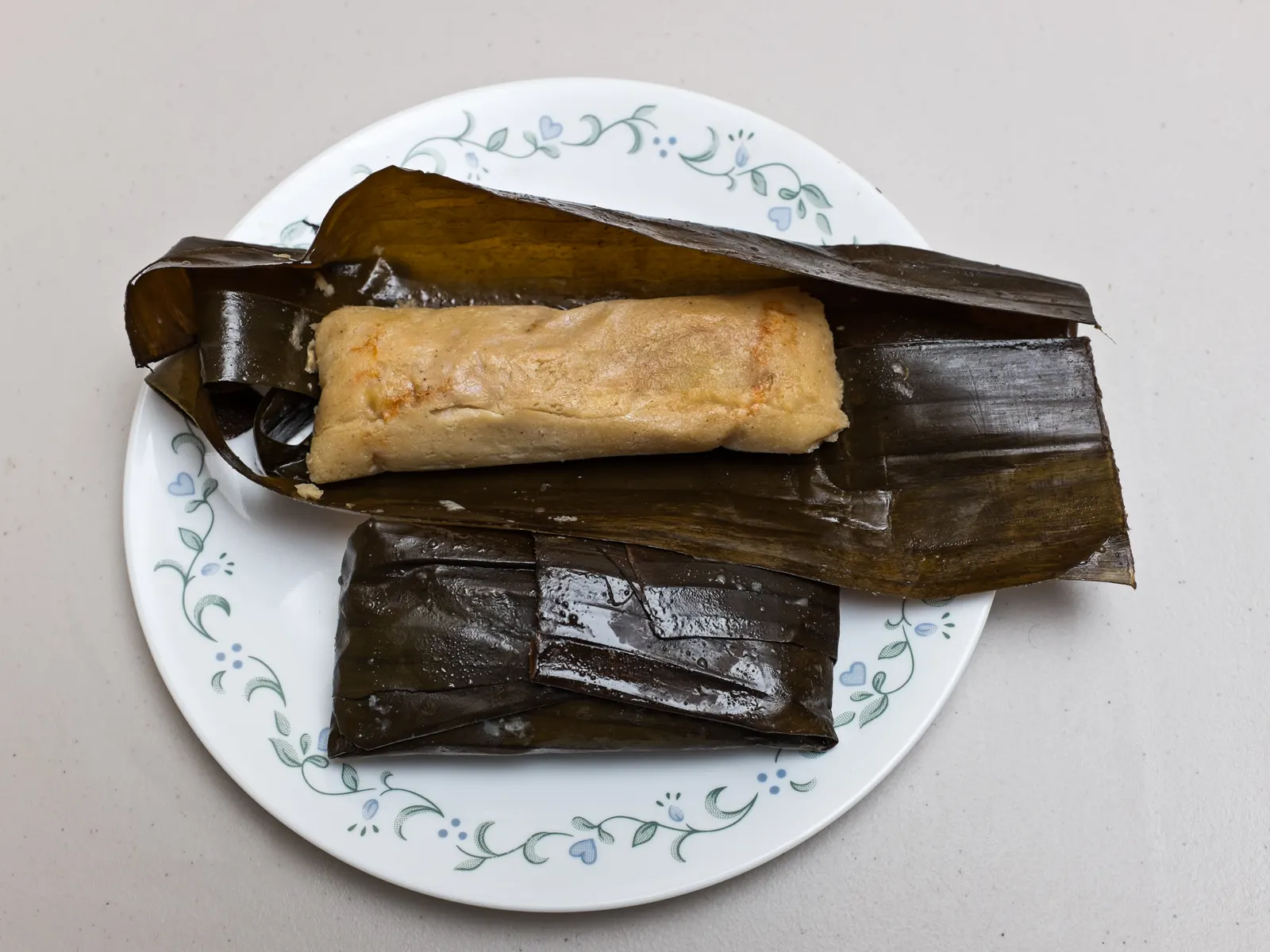
Two Salvadoran chicken tamales on a plate, one unwrapped from its banana leaf showing soft golden masa El Salvador flag El Salvador 3h 30m
Dinner •Salvadoran Heritage

Tamales de Gallina

This tamales de gallina recipe makes soft Salvadoran chicken tamales the traditional way: a pre-cooked corn masa spread on banana leaves, wrapped around shredded chicken, potato, chickpeas, olives and capers, then steamed until tender. One serving (two tamales) is about 458 g. The banana leaf gives the masa a gentle, grassy scent that corn husks never quite match.

Hearty & Festive

A filling, protein-rich festive main built around corn masa, chicken and vegetables.

Pairs Well With
Serve warm with curtido, the Salvadoran pickled cabbage slaw, and a mild tomato salsa.

The Dinner Gazette

Never wonder what’s for dinner again

One email a week with easy dinner ideas from around the world — ingredients, steps and nutrition, tested in our kitchen first.

Delivered every Thursday morning. Unsubscribe anytime.