Curated recipes from 193 countries  •  New seasonal Mediterranean issue out now

Overview

Tostones con Salami

Tostones with fried Dominican salami, Platano frito con salami

This tostones con salami recipe fries green plantain twice until golden and crisp, then piles the tostones with slices of fried Dominican salami for the salty street-food snack found on corners across the Dominican Republic. One serving is about 278 g.

Tostones are the twice-fried green plantain of the Spanish-speaking Caribbean, and in the Dominican Republic they are street food as much as a side dish — sold by vendors and eaten by hand, hot from the oil. Dominican salami, a firm cured pork sausage, is fried in slices until its edges crisp and its fat turns glossy, and it is the natural partner for the salty crunch of the plantain. Together with fried cheese and avocado they make up the everyday Dominican plate that needs no cutlery and no occasion.

Pairs well with: Fried cheese, avocado and lime wedges

Provenance

Dominican Republic flag Dominican Republic

Dominican Street-Food Classic

Latin America & Caribbean

Time Dedication

40m

15m prep • 25m cook

Batch Yield

4 Servings

784 kcal per serving

1 serving ≈ 278 g

Technical Skill

Easy

Easy (Twice-Fried)

Meal Timing & Digestive Fit

Breakfast

Not Advised

Lunch

Inappropriate

Dinner

Inappropriate

Snack & Tea

Ideal Light Bite

Quick Prep (<30m) Occasions: Afternoon snack, street food, party food, game day, family gatherings Cost: Low — about $2–3 per serving at home
Tags: Pork Savory Fried
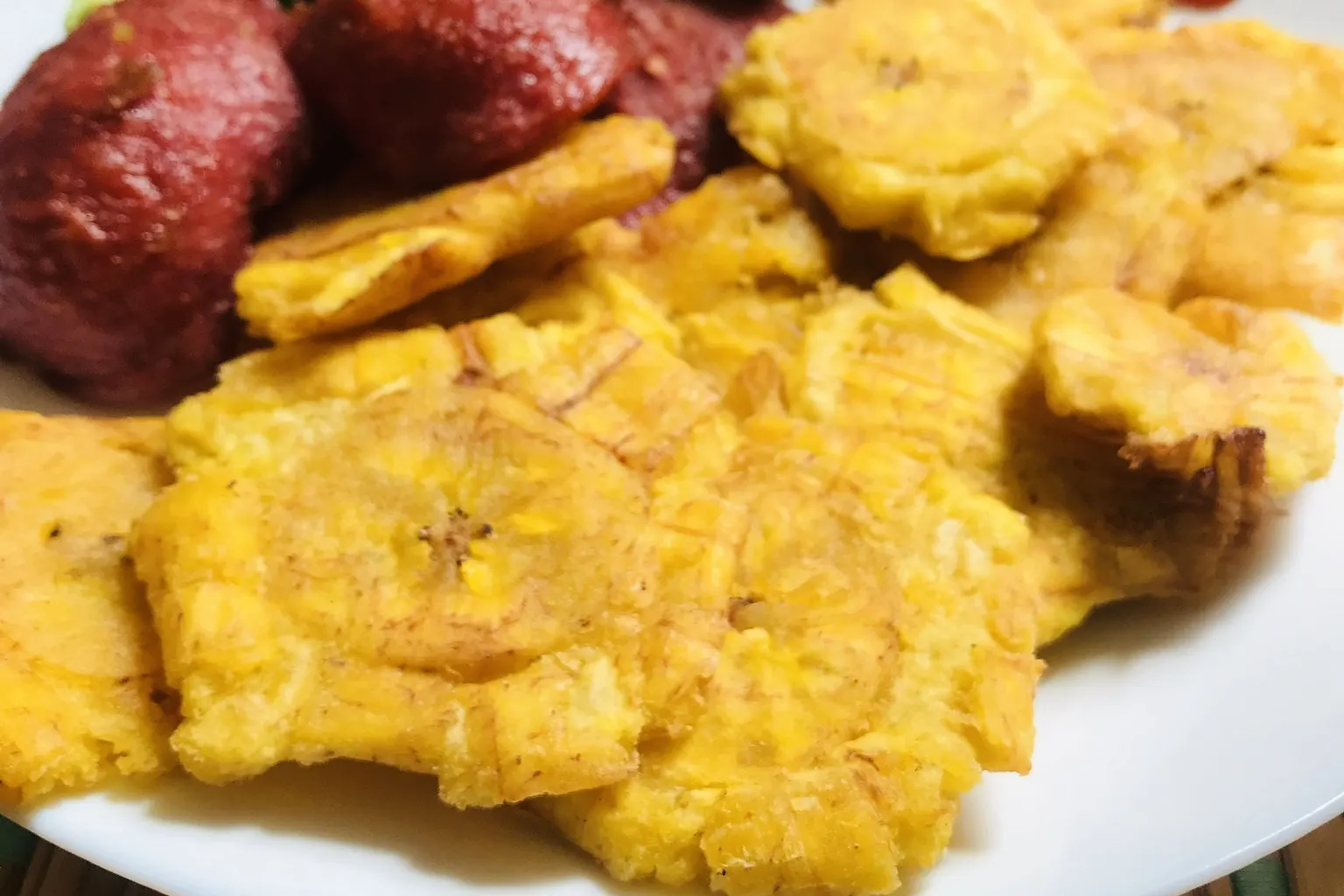
Golden twice-fried tostones piled on a white plate with fried red Dominican salami slices

Dominican Street-Food Classic

Photo: Arlene Campusano, CC BY-SA 4.0, via Wikimedia Commons

The Heritage Formulary

Measured Ingredients

Estimated cost: Low — about $2–3 per serving at home (USD)

True tostones con salami uses green plantain, fried until soft, smashed flat and fried a second time until golden and crisp, with salami fried until its edges brown — never made from ripe plantain.

Execution Methodology & Culinary Technique

Step-by-Step Cooking Guide

Active 40m
P

Peel the plantains and heat the oil

15 minutes

Peel the green plantains and cut them into rounds about 2.5 cm thick. Slice the salami into rounds about 5 mm thick. Pour the oil into a wide, heavy pan to a depth of about 2 cm and heat it over medium-high heat until a test piece sizzles at once. Have a flat-bottomed glass or a tostonera and a plate lined with paper towels ready.

Maestro Tip: Green plantain skin does not peel like a banana — score it lengthways first and it will come off in strips.

  1. 1

    Peel and cut the plantains

    5 minutes Room temperature (20°C / 68°F)

    Cut off both ends of each plantain, score the skin lengthways in 2–3 places, and peel it off in strips. Cut the flesh into rounds about 2.5 cm thick and pat them dry.

    Dry rounds spatter less in hot oil and brown more evenly.

    Done when: Rounds are even, about 2.5 cm thick, with dry surfaces.

  2. 2

    First fry until tender

    8 minutes Medium-high heat (175°C / 350°F)

    Slide the plantain rounds into the hot oil in a single layer, without crowding the pan. Fry for about 3–4 minutes per side until they are pale gold and a knife slides in easily. Lift them out and drain on paper towels for a minute.

    Do not brown them yet — the first fry is only about cooking them through.

    Done when: Plantain rounds are pale gold and tender right through when pierced.

  3. 3

    Smash the rounds flat

    5 minutes Room temperature (20°C / 68°F)

    While still hot, place each round on a board and press it flat with the bottom of a glass or a tostonera, to about 5 mm thick. Work gently so the round flattens into a disc instead of breaking apart.

    Smash while hot — cold rounds crack instead of flattening.

    Done when: Each round is a flat disc about 5 mm thick, holding together at the edges.

  4. 4

    Fry the salami until crisp at the edges

    6 minutes Medium-high heat (175°C / 350°F)

    Fry the salami slices in the same hot oil, a few at a time, for about 2–3 minutes per side until they are deep red with browned, slightly curled edges and the fat has turned glossy. Lift them out and drain on paper towels.

    Salami fries fast and goes from crisp to burnt quickly — watch the edges, not the clock.

    Done when: Salami slices are deep red, crisp at the edges and glossy with rendered fat.

  5. 5

    Second fry until crisp and golden

    6 minutes Medium-high heat (190°C / 375°F)

    Return the flattened plantain discs to the hot oil and fry for about 2–3 minutes per side until deep golden, crisp and blistered at the edges. Lift out and drain on fresh paper towels.

    The hotter second fry is what makes them crisp — the oil should be actively bubbling around each disc.

    Done when: Tostones are deep gold, rigid when lifted, and crackle as they cool.

  6. 6

    Salt and serve hot

    2 minutes Room temperature (20°C / 68°F)

    Shower the hot tostones with the fine salt while the oil is still glistening, so it sticks. Pile them on a plate, lay the fried salami slices over the top, and serve at once with the lime wedges.

    Salt them the moment they leave the oil — salt will not stick once they cool and dry.

    Done when: Tostones are salty, crisp and still hot in the middle; the salami is warm and crisp-edged.

Finishing Touches & Plating

Pile the hot tostones on a plate, lay the crisp salami slices over the top, and serve at once with lime wedges — with fried cheese and avocado on the side if you want the full Dominican plate.

Nutritional Physiology & Benefits

Nutrition

Energy

784

kcal / serving

Protein

28g

Complete AA

Carbs

67g

Complex

Fats

49g

Healthy

Per serving (4 servings · 1 serving ≈ 278 g)
Energy784 kcal
Protein28 g
Carbohydrates67 g
Fat49 g
Fibre4.6 g
Sugar30.0 g
Sodium2259 mg
Per 100g
Energy282 kcal
Protein9.9 g
Carbohydrates24.2 g
Fat17.6 g
Fibre1.7 g
Sugar10.8 g
Sodium812 mg

Nutrition values are estimated — calculated from USDA FoodData Central values for the listed ingredients.

Vitamins & minerals: Potassium, vitamin C and vitamin B6 from the green plantain, with iron and zinc from the salami. All nutrition values are estimated.

Fibre from green plantain

About 4.6 g of fibre per serving from the green plantain, including resistant starch that feeds gut bacteria — a snack that is genuinely filling.

Potassium and steady energy

Green plantain is rich in potassium and slow starch, giving about 67.4 g of carbohydrates per serving for steady energy without added sugar.

Protein from the salami

About 27.6 g of protein per serving, most of it from the fried salami, makes this a much more substantial snack than plantain on its own.

Food Pairings

What to Eat With

To optimize nutrient absorption and elevate the sensory depth, pair with these authentic accompaniments:

Sides

Fried cheese (queso frito)

Slices of white frying cheese, fried until golden outside and soft inside, are the classic third element of the Dominican plate — their mild creaminess balances the salty salami.

Vegetables

Avocado

Ripe avocado adds cool, buttery richness that softens the salt and crunch of the plate, and its healthy fats round out a snack that is otherwise all fry.

Drinks

Cold beer or fresh lime juice

A cold lager or a glass of fresh lime juice cools the palate after salty fried food and keeps the snack feeling light.

Sauces

Garlic mojo

Garlic, lime juice and olive oil make mojo, the classic dip for tostones — its sharp acidity cuts through the frying oil and makes the crisp plantain taste brighter.

Complete menu

Serve the tostones con salami with fried cheese, avocado and a cold beer or fresh lime juice — the classic Dominican street-food plate.

Digestive Guardrails

What NOT to Combine

To prevent digestive distress, sluggishness, or palate clash, avoid pairing the dish with these elements:

Ripe yellow plantains

Ripe plantains are sweet and soft — they fry up caramelised and floppy, and they cannot be smashed and crisped the way green plantains can. Save ripe plantains for maduros and use firm green ones here.

Letting them sit

Tostones lose their shatter within minutes as steam softens them. Fry the second batch while the first is being eaten, and serve each batch the moment it leaves the oil.

Very dark reused oil

Oil that has been used many times tastes bitter and smokes at a lower temperature, which makes the tostones greasy instead of crisp. Use fresh oil, or oil used once for frying vegetables. This is general guidance, not medical advice.

General information only, not medical advice — consult a doctor for personal dietary decisions.

Who Should Eat It

Who Should Eat

  • General adultsOne serving of about 784 kcal makes a substantial snack or a light lunch. Enjoy it hot and balance the salt with avocado or a salad on the side.
  • ChildrenChildren love the salty crunch and the fried salami. Cut the tostones into halves for small hands, let them cool for a minute, and keep the salami portion small because it is very salty.
  • ElderlySoft enough to eat once the crisp edge is bitten off, but the salami is salty and chewy — serve a small portion with soft avocado and skip the extra salt for older adults.
  • Pregnant womenThe plantain and salami are both fully cooked, with no raw ingredients. Keep the portion moderate because of the salt, and drink water with it.
  • Breastfeeding womenA starchy, energy-rich snack that works well between meals. Pair with avocado for healthy fats and keep the salami portion modest.
  • AthletesAbout 67.4 g of carbohydrates and 27.6 g of protein per serving gives energy and protein after training — but the frying oil and salt mean it works best as an occasional post-training snack, not a daily one.
  • Weight gainAt 784 kcal per serving with filling resistant starch and protein, this is an easy way to add energy. Add fried cheese and avocado if you need more.
  • Weight lossAt 784 kcal and 49.0 g of fat per serving, this is a heavy snack — one small serving with a big salad, or tostones with avocado instead of the salami, is the lighter choice.

Health Conditions — Adjust or Avoid

Conditions

  • DiabetesAbout 67.4 g of carbohydrates per serving, mostly starch from the plantain, so portion size matters and blood sugar should be monitored. A half serving with avocado and salad is the lighter plate; ask your clinician or dietitian for a portion that fits your plan.
  • High blood pressureAbout 2259 mg of sodium per serving, mostly from the cured salami. This is a very salty dish — keep the salami portion small, skip the added salt, and ask your clinician about your own sodium limits.
  • Kidney diseaseGreen plantain is high in potassium and the salami is very high in sodium, so people with kidney disease should keep portions small and ask their clinician before eating this snack.
  • GoutCured pork salami is rich and the dish is high in sodium, so people with gout should keep the salami portion small and eat it only occasionally; ask your clinician for guidance.
  • Stomach issuesFried food can sit heavily for sensitive stomachs. Eat slowly, keep the portion small, and choose freshly fried tostones over ones that have gone cold and greasy; ask your clinician if symptoms persist.
  • Cardiovascular diseaseAbout 49.0 g of fat per serving, much of it from the fried salami, so this is a rich dish. A small portion with avocado and salad, rather than a full plate, is the lighter way to enjoy it; ask your clinician about what fits your heart-health plan.
  • Fatty liverFried in oil with fatty cured meat, so the fat adds up quickly. A small serving with vegetables is the moderate choice; ask your clinician for a portion that fits your plan.
  • Food allergiesContains pork (salami). Contains no egg, milk, wheat, nuts or seafood. If the oil has been reused to fry other foods, check for cross-contact with allergens.
  • Special therapeutic dietsThe high sodium and fat from the salami mean this dish does not fit low-sodium, low-fat or very-low-carbohydrate plans. Ask your clinician or dietitian before including it in a therapeutic meal plan.

If you have a medical condition, consult your doctor before changing your diet.

Storage & Use

Storage & Use

How to store
Tostones con salami is best eaten at once. If you must store them, cool completely and keep the tostones and salami in separate airtight containers lined with paper towels.
In the fridge
1 day in the refrigerator; the tostones will soften and the salami will firm up.
In the freezer
Freeze the once-fried, smashed plantain discs (before the second fry) for up to 1 month; fry straight from frozen for the second fry. Do not freeze the fried salami.
How to reheat
Re-crisp the tostones in a hot oven at 200°C (400°F) for 5 minutes; warm the salami briefly in a dry pan. Reheat to 74°C (165°F) throughout.
Freezing recommended
Yes for the once-fried smashed discs, up to 1 month — the best way to prep ahead.
Signs it has spoiled
Sour smell, sliminess or mould means they should be thrown away.

More recipes to explore

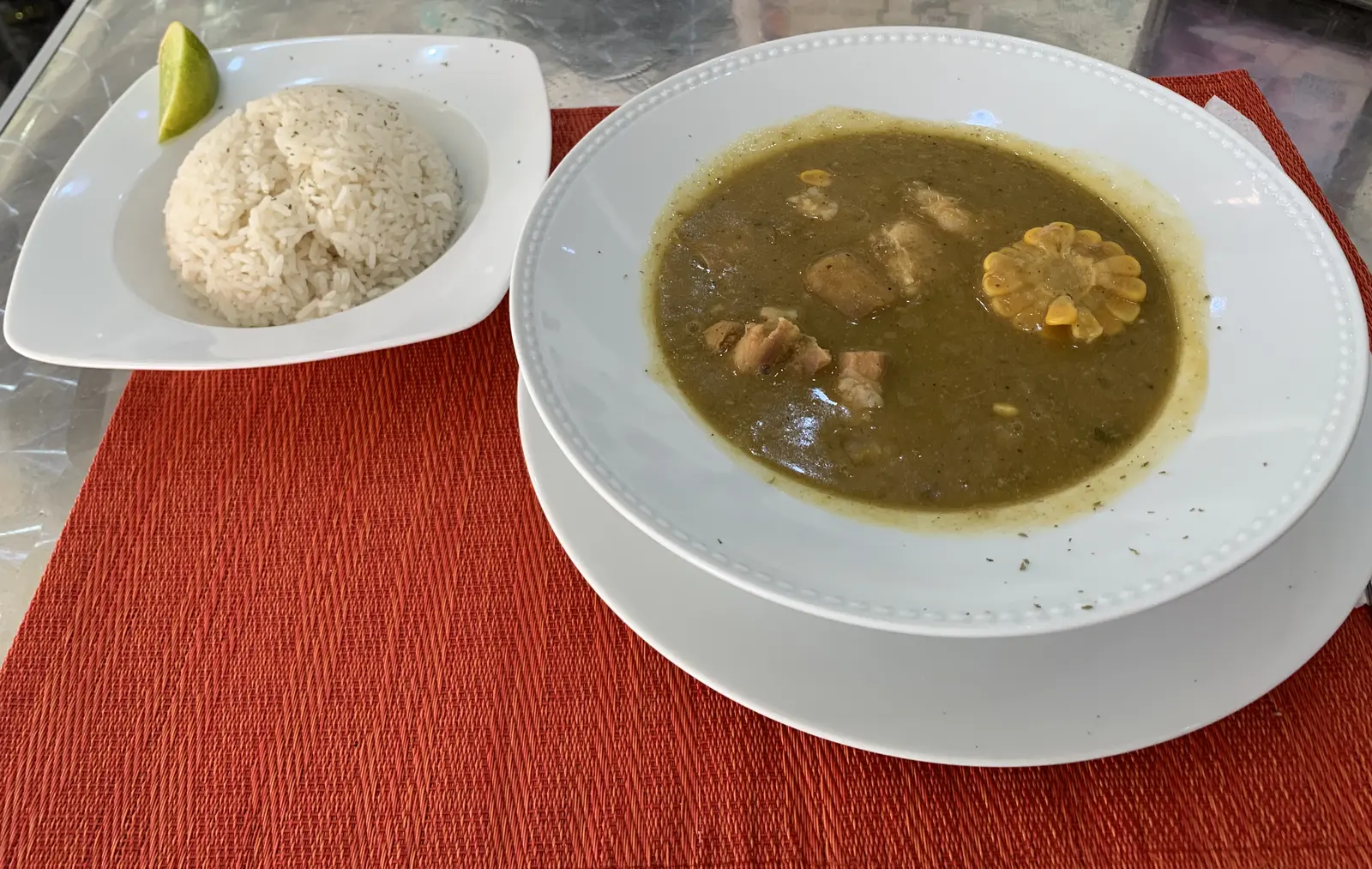
A bowl of Dominican sancocho stew with meat and a round of corn, served with white rice and a lime wedge Dominican Republic flag Dominican Republic 3h 15m
Dinner •Dominican Heritage

Sancocho Dominicano

This sancocho dominicano recipe simmers beef, pork ribs, chicken and longaniza sausage together with yuca, yautía, ñame, green plantain, pumpkin and corn until the broth turns thick and golden. The yautía slowly melts into the pot and gives the soup its signature body, while a squeeze of lime at the table brightens every spoonful. One serving is about 560 g.

Comfort & Warmth

A thick, slow-simmered celebration stew of mixed meats and starchy root vegetables, served hot in deep bowls with white rice on the side.

Pairs Well With
White rice, ripe avocado & lime wedges
Soups & Broths
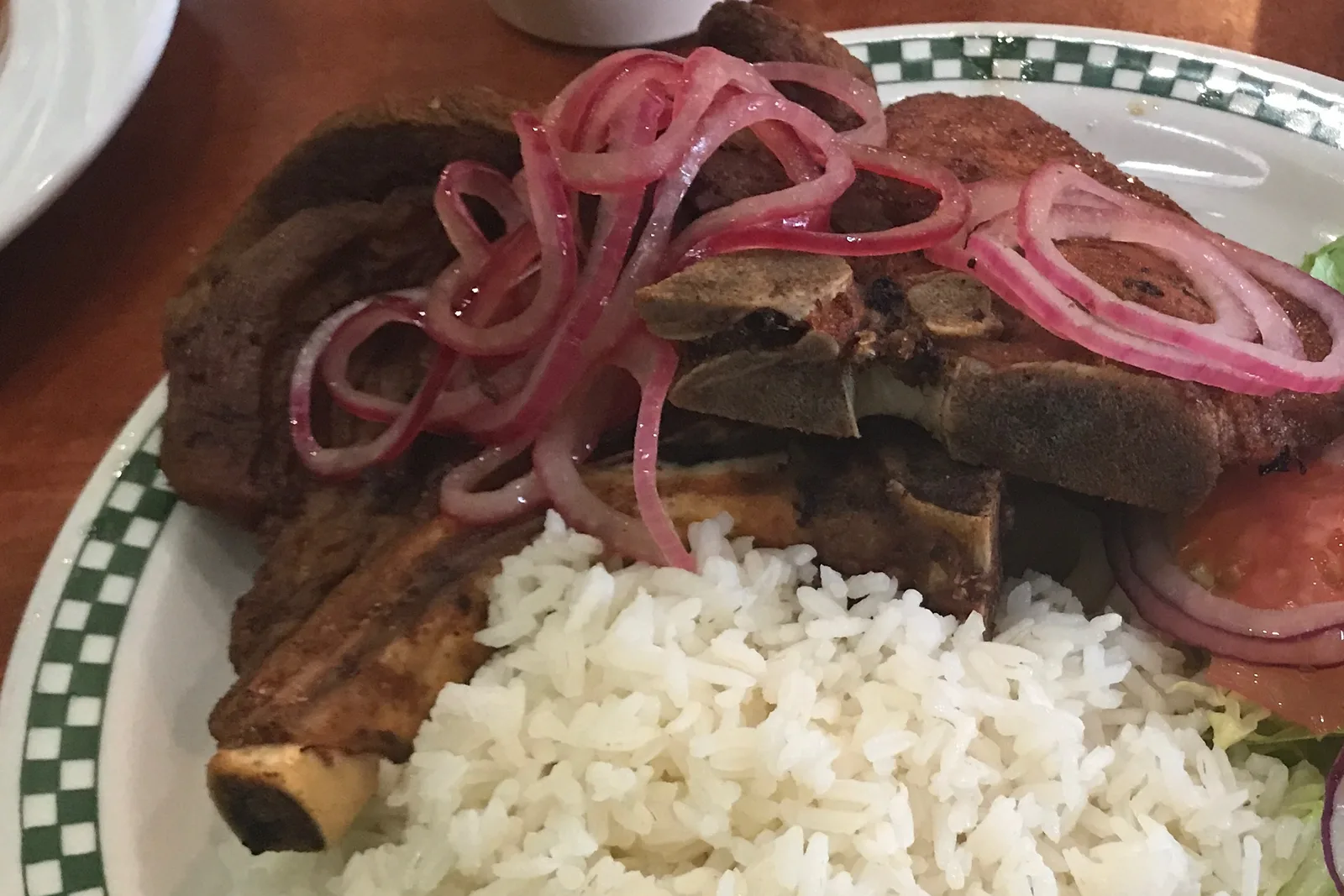
A La Bandera Dominicana plate with white rice, braised meat topped with pickled red onions, tomato and lettuce salad, with a cup of bean stew and tostones beside it Dominican Republic flag Dominican Republic 1h 30m
Lunch •Dominican Republic's National Lunch Plate

La Bandera Dominicana

This la bandera dominicana recipe makes the Dominican Republic's national lunch: a mound of white rice (arroz blanco) next to red beans stewed with squash (habichuelas guisadas) and chicken braised in sofrito and tomato (pollo guisado), with crisp twice-fried green plantains (tostones) and a fresh tomato and lettuce salad. The name means 'the flag', because the white rice, red beans and meat echo the colours of the Dominican flag. One serving is about 695 g.

Hearty & Satisfying

White rice, stewed red beans, braised chicken, tostones and salad on one plate — the lunch the Dominican Republic eats every day.

Pairs Well With
A tall glass of morir soñando, the Dominican orange-and-milk drink
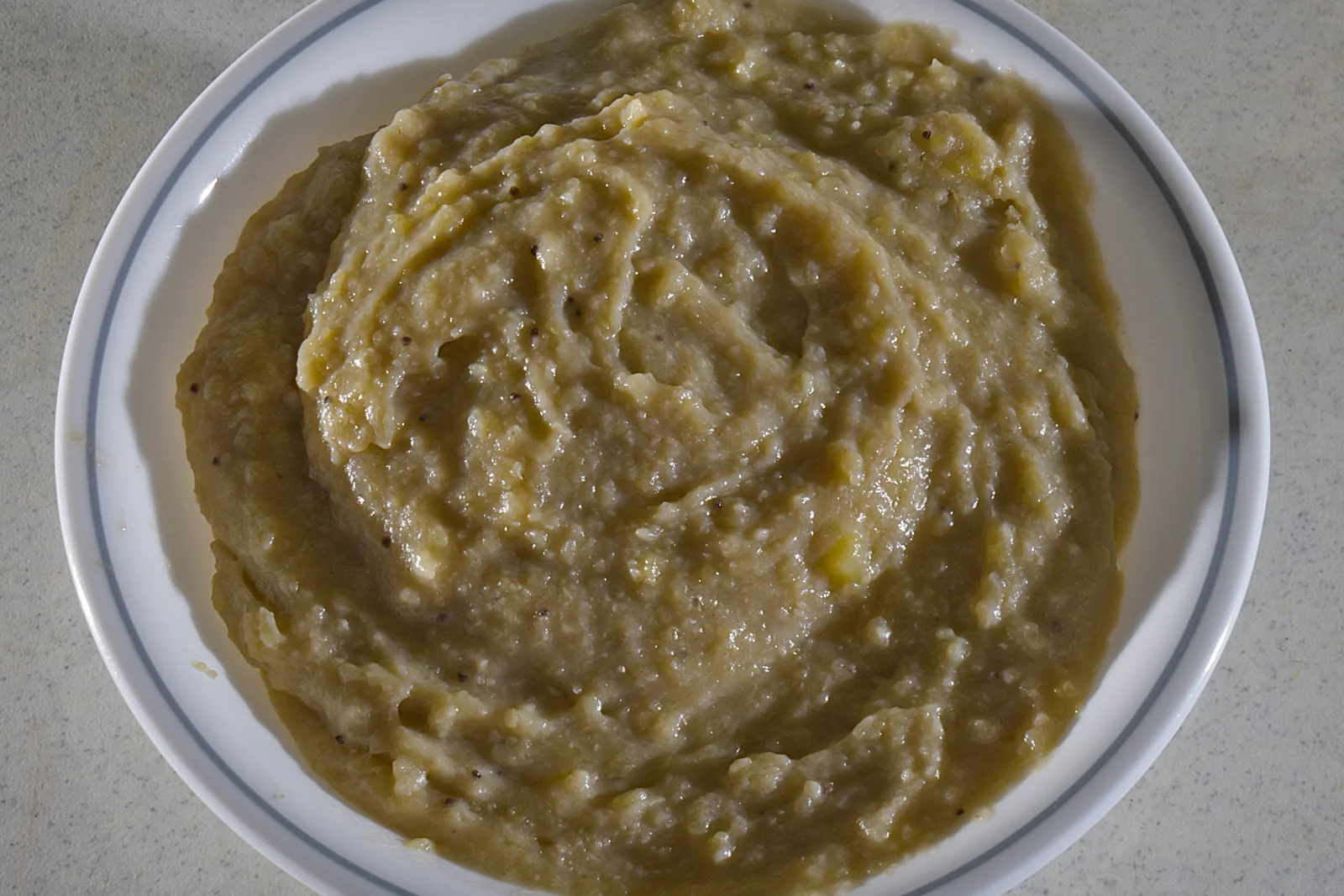
A bowl of smooth mashed green plantain (mangú) in a white bowl Dominican Republic flag Dominican Republic 40m
Breakfast •Dominican Breakfast Classic

Mangú Dominicano

Green plantains are boiled until tender, then mashed silky-smooth with butter and a little of their own cooking water, and finished with a tangle of red onions softened in vinegar and oil. It is the Dominican Republic's national breakfast dish, mild, starchy and comforting, with the sharp onions doing all the talking. One serving is about 280 g.

Hearty Breakfast Energy

Boiled green plantains mashed with butter and topped with tangy sautéed onions for a filling, slow-burning start to the day.

Pairs Well With
Sautéed red onions, fried eggs, fried cheese and fried Dominican salami (Los Tres Golpes)
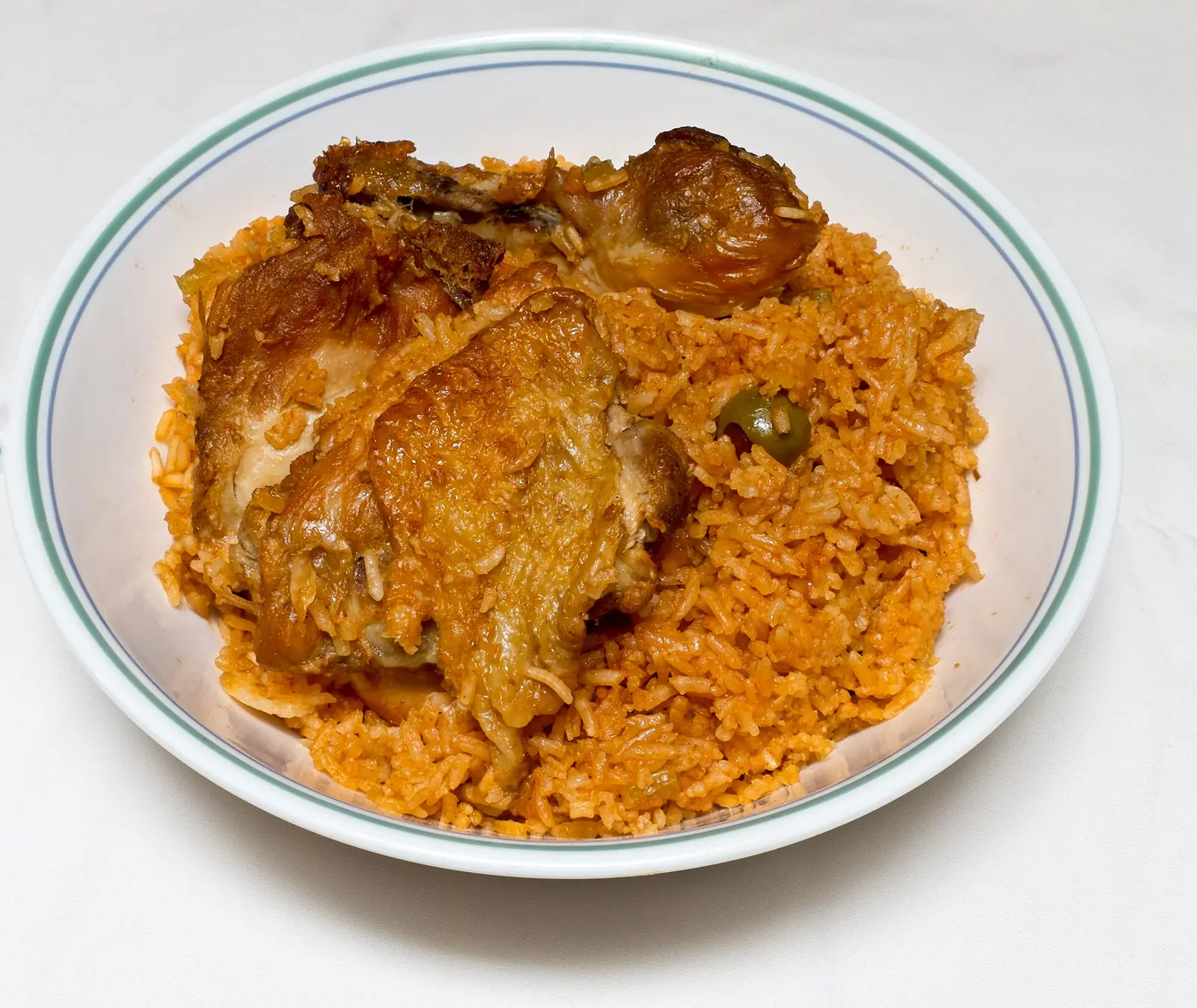
A white bowl of orange-red locrio de pollo with browned chicken pieces and a green olive on a white tablecloth Dominican Republic flag Dominican Republic 1h 20m
Dinner •Dominican One-Pot Classic

Locrio de Pollo

This locrio de pollo recipe starts with bone-in chicken thighs browned in a dark caramel — the quemado that gives the dish its deep colour — then simmers long-grain rice in the same pot with sofrito, tomato paste, pumpkin and green olives until every grain is orange-red and fragrant. It is a true one-pot dinner, and the crispy toasted rice at the bottom, the concón, is the prize everyone fights over. One serving is about 400 g.

Family Comfort

Bone-in chicken browned in caramelised sugar, then simmered with rice, sofrito, tomato, pumpkin and olives in one pot — the Dominican family dinner.

Pairs Well With
Fried plantains, avocado & green salad
High Protein

The Dinner Gazette

Never wonder what’s for dinner again

One email a week with easy dinner ideas from around the world — ingredients, steps and nutrition, tested in our kitchen first.

Delivered every Thursday morning. Unsubscribe anytime.