Curated recipes from 193 countries  •  New seasonal Mediterranean issue out now

Overview

Tunisian Couscous with Lamb and Harissa

Kouskous, Kesksou, Couscous Tunisien

This tunisian couscous recipe steams fine semolina over a bubbling pot of lamb in a deep-red harissa and tomato broth, with chickpeas, cabbage, pumpkin, potato, carrot and zucchini. The harissa goes into the broth itself — not just on the side — so the grain turns orange-red and carries real heat. One serving is about 625 g.

Couscous — tiny pearls of steamed semolina — comes from the Berber peoples of North Africa, where it has been rolled by hand and steamed over a simmering stew for centuries. In Tunisia it is the national dish, and the Tunisian version has its own marks: the sauce is always red, because tomato paste and harissa are fried into the broth before anything else goes in, and the spice is tabil, the Tunisian blend of ground coriander and caraway. Unlike the Moroccan version, which is often vegetarian and mild, and the Algerian version, where harissa is served on the side, Tunisian couscous cooks the harissa into the pot — the grain itself turns orange-red. In 2020 UNESCO inscribed the knowledge and practices of couscous on its Representative List of the Intangible Cultural Heritage of Humanity, jointly for Morocco, Algeria, Mauritania and Tunisia.

Pairs well with: Fried green peppers, boiled eggs and hot mint tea

Provenance

Tunisia flag Tunisia

Tunis Friday Table

Middle Eastern

Time Dedication

2h 5m

30m prep • 95m cook

Batch Yield

4 Servings

1127 kcal per serving

1 serving ≈ 625 g

Technical Skill

Intermediate

Intermediate (Steaming)

Meal Timing & Digestive Fit

Breakfast

Not Advised

Lunch

Hearty Midday Main

Dinner

Ideal Hearty Main

Snack & Tea

Inappropriate

Occasions: Friday family lunch, celebrations, feeding a crowd Cost: Low — about $3–4 per serving at home
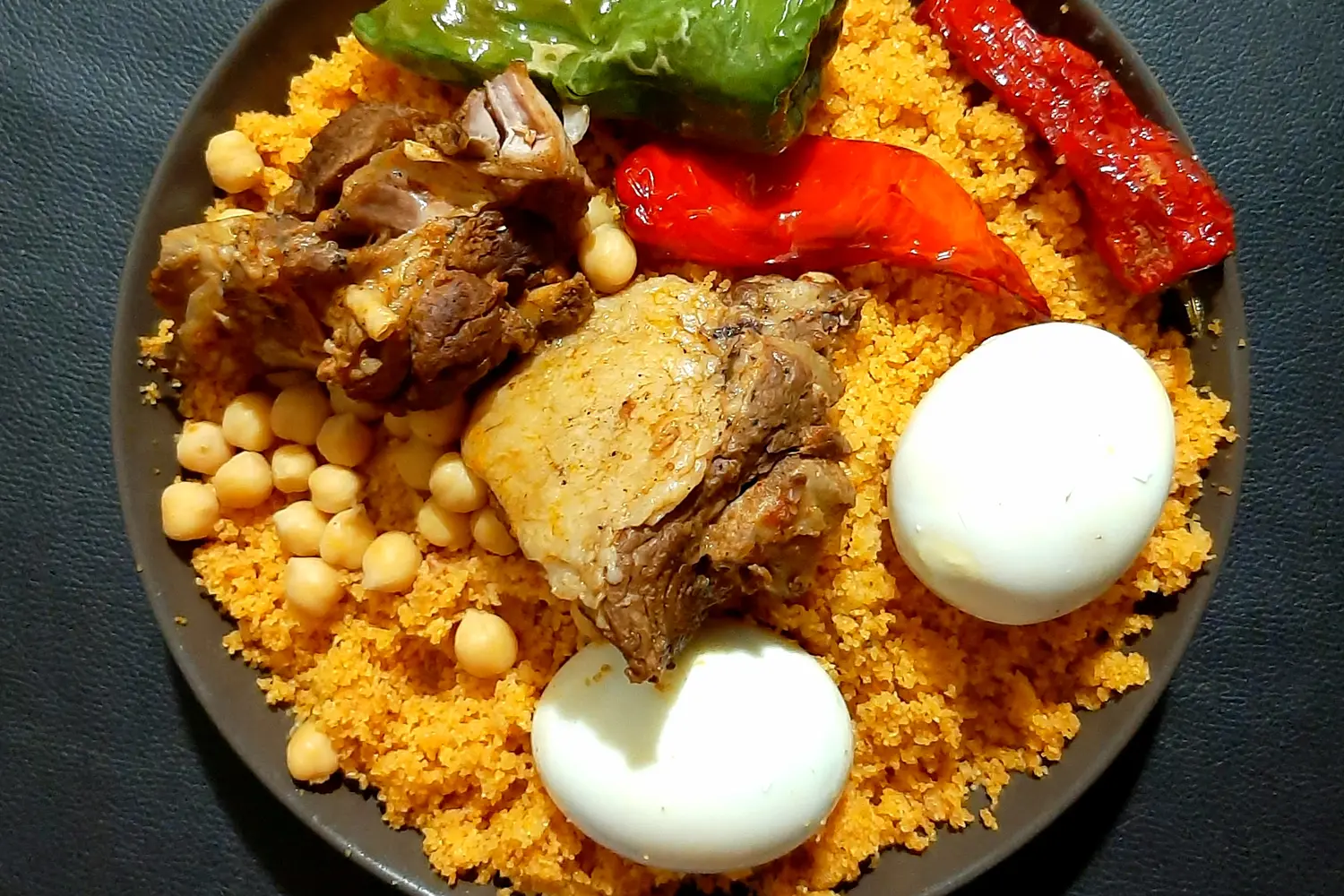
A plate of Tunisian couscous: orange-red steamed semolina with lamb, chickpeas, fried green and red peppers and two boiled eggs

Tunis Friday Table

Photo: Habib M'henni, CC BY 4.0, via Wikimedia Commons

The Heritage Formulary

Measured Ingredients

Estimated cost: Low — about $3–4 per serving at home (USD)

Good Tunisian couscous is light and separate, never clumped — each grain should be fluffy enough to soak up the red harissa broth.

Execution Methodology & Culinary Technique

Step-by-Step Cooking Guide

Active 2h 5m
P

Prep Stage: Soak, Cut and Mix the Tabil

30 Mins • Knife Work

Soak the chickpeas overnight if using dried, then drain. Cut the lamb into large bone-in pieces and chop the pumpkin, potato, carrot and zucchini into large chunks. Cut the cabbage into thick wedges, slice the onion, and mix the tabil — ground coriander and caraway — with the cumin and turmeric in a small bowl so it is ready to go. Boil the eggs for 10 minutes, cool and peel them.

Maestro Tip: Cut the vegetables large: small pieces dissolve into the sauce during the long simmer, and the cabbage wedges should stay in one piece.

  1. 1

    Brown the Lamb and Build the Red Broth

    15 Mins Medium-high heat, ~190°C (375°F)

    Heat 2 tablespoons of the olive oil in a large pot. Fry the lamb pieces until browned on all sides, about 8 minutes, then add the sliced onion and fry for 5 minutes more until soft. Stir in the garlic, the tabil spices — cumin, turmeric, coriander and caraway — and fry for 1 minute until fragrant. Now add the tomato paste and the harissa and fry for 2 minutes more until the oil turns deep red: this is the step that makes the broth Tunisian, because the harissa goes into the pot, not just on the side.

    Frying the tomato paste and harissa in oil first is what carries their colour and heat through the whole broth — and through the couscous itself.

    Done when: The lamb is browned and the oil in the pot is deep red.

  2. 2

    Simmer the Lamb and Hard Vegetables

    50 Mins Gentle simmer, ~95°C (203°F)

    Add 1.2 litres of water, the salt, the chickpeas, pumpkin, potato and carrot. Bring to a gentle simmer, cover, and cook for 40 minutes until the lamb is nearly tender and the broth is red and thickening. The lamb should reach at least 71°C (160°F) at its thickest point.

    Keep the simmer gentle — hard boiling breaks the vegetables apart before the lamb is done.

    Done when: The lamb is nearly tender and the broth is red and thickening.

  3. 3

    Steam the Couscous Three Times

    25 Mins Steaming, 100°C (212°F)

    Put the couscous in a wide bowl, sprinkle with 350 ml of boiling water and a pinch of salt, cover and leave for 5 minutes. Fluff with a fork, drizzle with a spoonful of oil, and steam for 10 minutes over the broth in a steamer basket. Tip it back into the bowl, sprinkle with a ladle of the red broth, fluff again, and steam for a final 10 minutes — the grain should turn orange-red as it drinks in the harissa broth.

    Fluffing between steams is the secret to light, separate grains — and the ladle of broth is what colours the couscous Tunisian red.

    Done when: The couscous is fluffy, separate, steaming and orange-red.

  4. 4

    Add the Cabbage and Zucchini, Fry the Peppers

    15 Mins Gentle simmer, ~95°C (203°F)

    Add the cabbage wedges and zucchini to the broth and simmer for 10 minutes more until just tender. Meanwhile, fry the green peppers in the remaining olive oil for 3 minutes until blistered and soft.

    The cabbage should be tender but still holding its wedge shape — if it falls apart, it went in too early.

    Done when: The zucchini is tender, the cabbage is soft but intact, and the peppers are blistered.

  5. 5

    Serve Mounded on a Platter

    5 Mins Serve hot, ~70°C (158°F)

    Mound the steamed couscous on a wide platter, ladle the red broth and vegetables over the top, and place the lamb pieces in the middle. Scatter the chickpeas, lay the fried green peppers on top, halve the boiled eggs around the edge, sprinkle with parsley, and serve the extra broth in a jug.

    Serve it in the middle of the table — Tunisian couscous is a sharing dish.

    Done when: The platter is mounded high, steaming, and the red broth glistens.

Finishing Touches & Plating

Mound the steamed couscous on a wide platter, ladle the red harissa broth and vegetables over the top, and place the lamb pieces in the middle. Scatter the chickpeas, lay the fried green peppers on top, halve the boiled eggs around the edge, and serve the extra broth in a jug so everyone can add more.

Nutritional Physiology & Benefits

Nutrition

Energy

1127

kcal / serving

Protein

54g

Complete AA

Carbs

121g

Complex

Fats

49g

Healthy

Per serving (4 servings · 1 serving ≈ 625 g)
Energy1127 kcal
Protein54 g
Carbohydrates121 g
Fat49 g
Fibre16.9 g
Sugar16.4 g
Sodium797 mg
Per 100g
Energy180 kcal
Protein8.6 g
Carbohydrates19.4 g
Fat7.8 g
Fibre2.7 g
Sugar2.6 g
Sodium128 mg

Nutrition values are estimated — calculated from USDA FoodData Central values for the listed ingredients.

Vitamins & minerals: Vitamin A (pumpkin, carrot), vitamin C (peppers, tomato), folate and iron (chickpeas, lamb), vitamin K (cabbage, parsley).

Lamb, Chickpeas and Five Vegetables

Pumpkin, carrot, potato, zucchini, cabbage and chickpeas bring fibre, colour and a wide range of vitamins to a single plate.

Slow, Steady Energy

Couscous and chickpeas release their energy gradually, so the meal keeps you full long after dinner without a heavy feeling.

Steamed, Not Fried

The couscous is steamed over the broth, never fried, so the dish stays light for how filling it is.

Food Pairings

What to Eat With

To optimize nutrient absorption and elevate the sensory depth, pair with these authentic accompaniments:

Vegetables

Fried Green Peppers

A whole fried green pepper on top is the classic Tunisian finish — its gentle heat and soft flesh cut through the rich lamb and sweet pumpkin.

Sides

Boiled Eggs

Halved boiled eggs are a traditional Tunisian garnish for couscous — their mild, creamy yolk softens the harissa heat and adds extra protein.

Drinks

Mint Tea

Sweet, hot mint tea is the classic finish after a rich, spicy couscous — it settles the stomach and cools the palate.

Full Menus

As a Friday Family Meal

Serve the couscous in the middle of the table with the broth in a jug, so everyone builds their own plate — that is how Tunisian families eat it on Fridays.

Complete menu

Serve the couscous in the middle of the table with the lamb broth and vegetables, fried green peppers and boiled eggs on the side, and finish with hot mint tea.

Digestive Guardrails

What NOT to Combine

To prevent digestive distress, sluggishness, or palate clash, avoid pairing the dish with these elements:

A Heavy Cream Sauce

The broth is light, red and spiced; a heavy cream or cheese sauce would smother the vegetables and clash with the harissa. Keep the toppings simple. This is general guidance, not medical advice.

Too Much Harissa at Once

Tunisian couscous is meant to be spicy, not punishing. Harissa varies a lot in heat between brands — start with one tablespoon in the broth, taste, and add more only if you want it. This is general guidance, not medical advice.

General information only, not medical advice — consult a doctor for personal dietary decisions.

Who Should Eat It

Who Should Eat

  • General adultsA complete, balanced dinner — grains, legumes, lamb and five vegetables in one plate.
  • ChildrenExcellent for children from age 2+; the vegetables are soft and sweet. Serve the fried peppers separately and keep the broth mild for young children.
  • ElderlyVery suitable — soft, warm, easy to chew, and easy to digest.
  • Pregnant womenGenerally suitable; the chickpeas and vegetables add folate and iron. Keep the harissa mild and make sure the lamb is cooked through.
  • Breastfeeding womenGenerally suitable; the fibre and plant protein support recovery — keep portions satisfying.
  • AthletesA good pre-training meal: complex carbs plus lamb, chickpeas and egg for lasting energy, eaten 2–3 hours before exercise.
  • Weight gainA good choice — take a generous second helping of couscous and broth.
  • Weight lossA good choice — the dish is filling for its calories; keep the couscous portion modest and load up on vegetables.

Health Conditions — Adjust or Avoid

Conditions

  • DiabetesThe couscous is the main source of carbs — keep it to about a cup cooked and ask your clinician about portion size.
  • High blood pressureMost of the sodium comes from added salt and harissa; season lightly and use a mild harissa. Ask your clinician about a suitable portion.
  • Kidney diseaseLimit the broth and chickpeas (potassium); ask your clinician about portion size.
  • GoutEat occasionally and in smaller portions — lamb and chickpeas are moderately high in purines.
  • Stomach issuesThe dish is usually gentle, but harissa and raw onion can irritate a sensitive stomach — use the harissa sparingly.
  • Cardiovascular diseaseA rich dish with saturated fat from lamb — enjoy occasionally and keep the portion moderate.
  • Fatty liverKeep the portion modest and favour the vegetables over extra couscous.
  • Food allergiesContains wheat (couscous is semolina) and egg (boiled eggs). Not suitable for coeliac disease or egg allergy — leave the eggs out if needed.
  • Special therapeutic dietsIf you follow a prescribed low-sodium or low-potassium diet, use less salt and harissa and a smaller chickpea portion, and check with your clinician.

If you have a medical condition, consult your doctor before changing your diet.

Storage & Use

Storage & Use

How to store
Cool quickly and store the couscous and broth separately in airtight containers.
In the fridge
Broth 4 days; cooked couscous 3 days; boiled eggs 3 days, peeled.
In the freezer
Broth 3 months; couscous 2 months.
How to reheat
Reheat the broth until it simmers and the lamb reaches 74°C (165°F). Steam or microwave the couscous with a splash of water to fluff it again.
Freezing recommended
Yes — the broth freezes very well for up to 3 months.
Signs it has spoiled
Sour smell, slimy vegetables, or mould on the couscous.

More recipes to explore

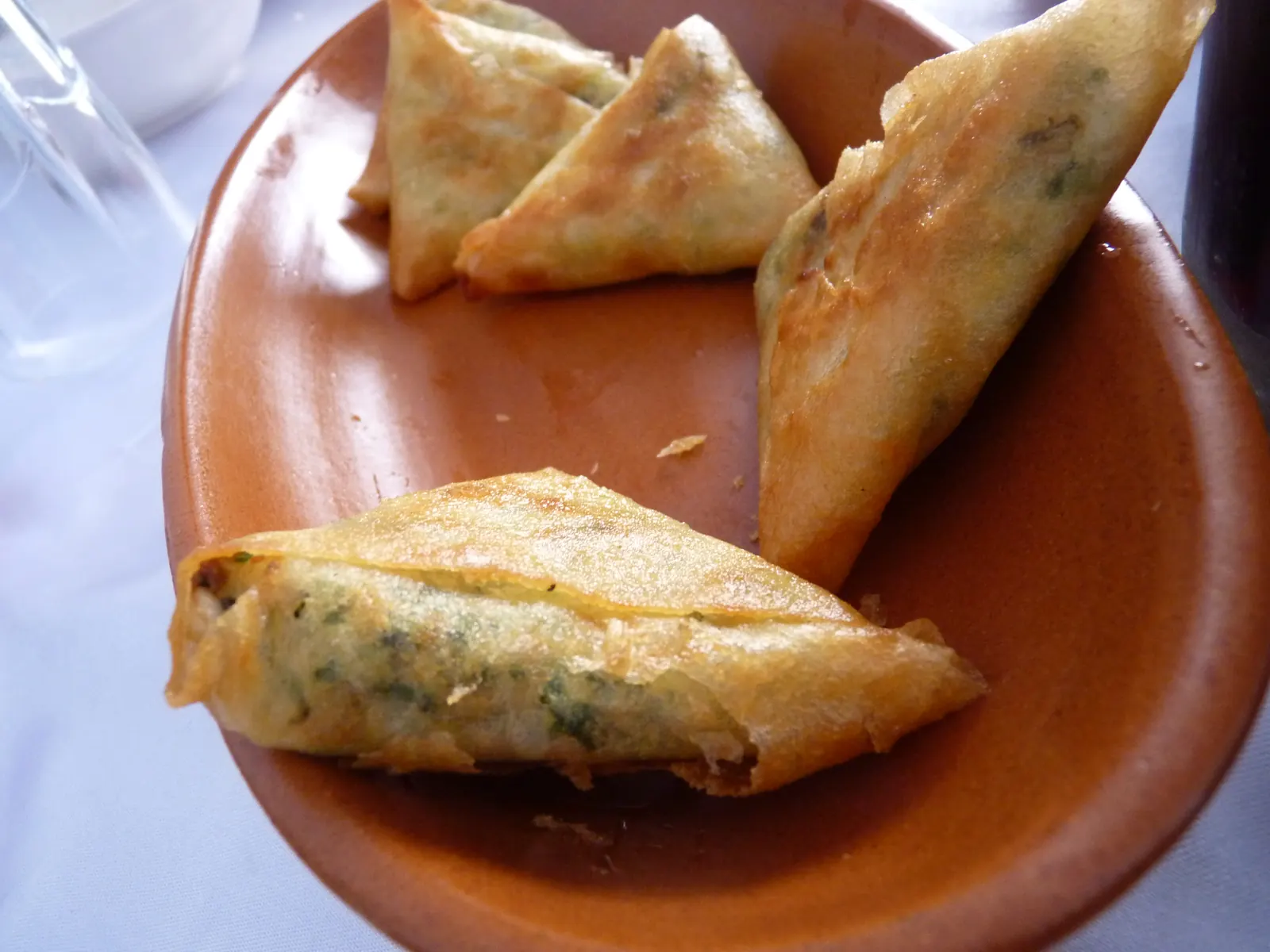
Golden triangular Tunisian brik pastries with herbs visible through the crisp pastry, served on a terracotta plate in Kairouan Tunisia flag Tunisia 35m
Snack & Tea •Tunis Street Food

Tunisian Brik

Tunisian brik is a paper-thin sheet of malsouka pastry folded into a triangle around a whole raw egg, flaked tuna, mashed potato, capers, parsley and a dab of harissa, then fried in hot olive oil for just a couple of minutes until golden and blistered. The white sets while the yolk stays runny, so the first bite floods the crisp shell with warm yolk. This is the classic brik à l'œuf sold by street vendors in Tunis and served to open festive meals. One serving (two briks) is about 275 g.

Crisp & Satisfying

A shatteringly crisp fried pastry around a runny egg, tuna and capers — the snack Tunisia eats with its fingers, hot from the oil.

Pairs Well With
Lemon wedges & mint tea
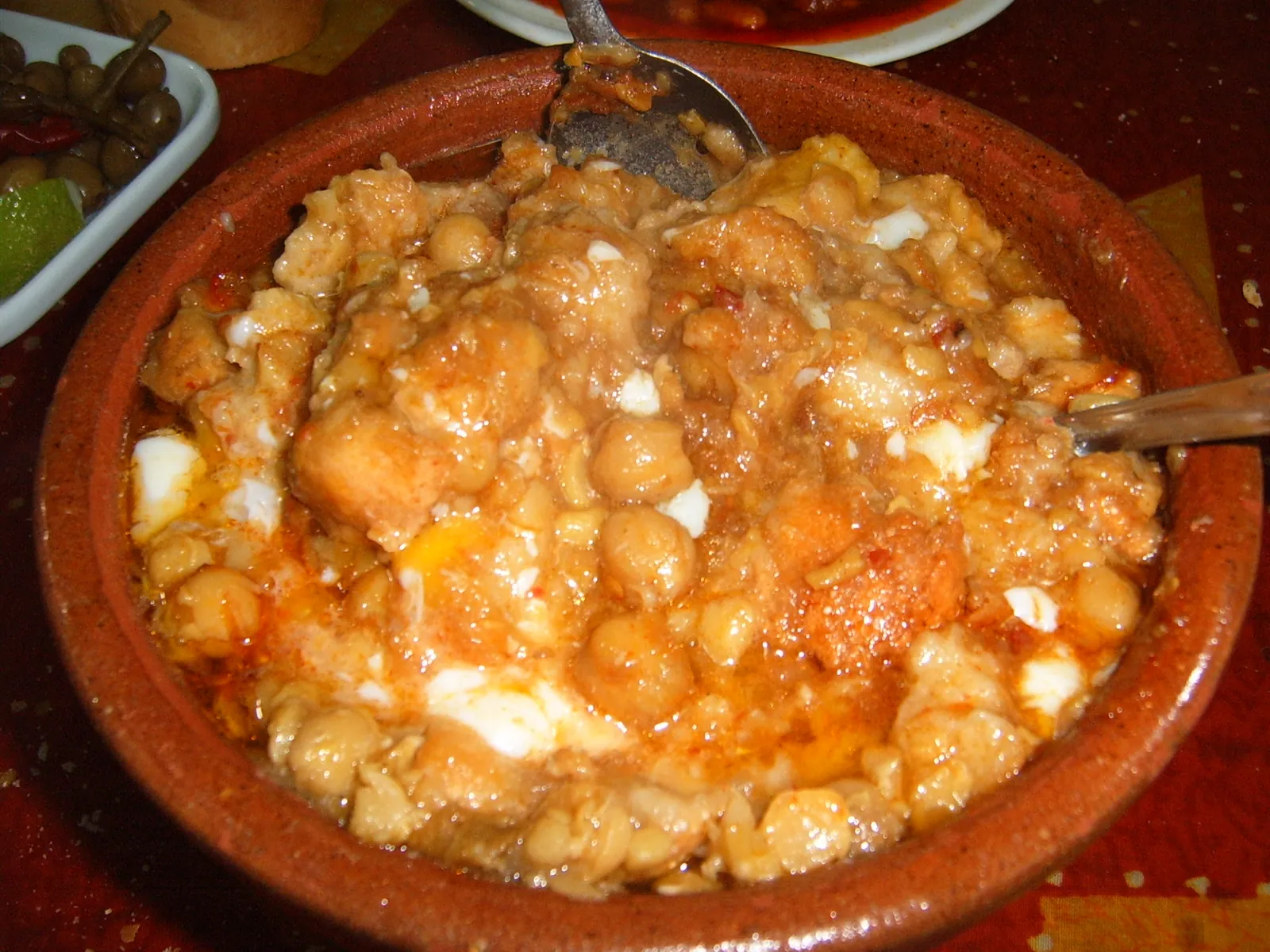
A clay bowl of Tunisian lablabi — chickpeas in spiced broth with egg and soaked bread Tunisia flag Tunisia 50m
Lunch •Tunis Street Food

Tunisian Lablabi

This lablabi recipe makes Tunisia's garlicky chickpea soup, simmered with cumin and harissa and ladled over pieces of stale crusty bread that drink up the broth. Each diner seasons their own bowl with lemon, olive oil and more harissa. One serving is about 509 g.

Comfort & Warmth

A warming, garlicky chickpea soup ladled over torn bread that soaks up the broth.

Pairs Well With
Serve with a spoonful of harissa, lemon wedges and a simple green salad on the side.
Soups & Broths
Bœuf bourguignon — French beef braised in red wine France flag France 4h
Dinner •Burgundy Terroir

Bœuf Bourguignon

Beef braised gently in red wine until the connective tissue melts into a velvet, gelatin-rich sauce — the classic Burgundy Sunday dinner.

Cellular Repair

Beef braised in red wine until spoon-tender, with mushrooms and pearl onions.

Pairs Well With
Parsnip Purée & Steamed French Haricots Verts
High Protein
Vietnamese braised pork belly with golden eggs in caramel sauce Vietnam flag Vietnam 1h 45m
Dinner •One Pot

Vietnamese Braised Pork and Eggs

Pork belly slowly braised in coconut water and caramel until meltingly tender, with golden eggs that soak up the sweet-savoury sauce — the Vietnamese family dish that tastes better the next day.

Comfort & Sustained Energy

Slow-braised pork belly and eggs in coconut water and caramel.

Pairs Well With
Steamed rice & pickled mustard greens
High Protein

The Dinner Gazette

Never wonder what’s for dinner again

One email a week with easy dinner ideas from around the world — ingredients, steps and nutrition, tested in our kitchen first.

Delivered every Thursday morning. Unsubscribe anytime.