
Curated recipes from 193 countries  •  New seasonal Mediterranean issue out now

Overview

Tunisian Lablabi

Lablebi, Leblebi

This lablabi recipe makes Tunisia's garlicky chickpea soup, simmered with cumin and harissa and ladled over pieces of stale crusty bread that drink up the broth. Each diner seasons their own bowl with lemon, olive oil and more harissa. One serving is about 509 g.

Lablabi is the everyday bowl of Tunis, sold for a few coins in small street restaurants and eaten for breakfast, lunch and late at night. It grew out of thrift: chickpeas simmered in a garlicky, cumin-scented broth and ladled over yesterday's bread, so nothing went to waste. Each bowl is finished at the table with harissa, lemon, olive oil, capers and sometimes a poached egg or a little tuna, which is why no two bowls in Tunis taste quite the same.

Pairs well with: Serve with a spoonful of harissa, lemon wedges and a simple green salad on the side.

Provenance

Tunisia flag Tunisia

Tunis Street Food

Middle Eastern

Time Dedication

50m

15m prep • 35m cook

Batch Yield

4 Servings

497 kcal per serving

1 serving ≈ 509 g

Technical Skill

Easy

Easy (One Pot)

Meal Timing & Digestive Fit

Breakfast

Not Advised

Lunch

Prime Metabolic Fit

Dinner

Ideal Hearty Main

Snack & Tea

Inappropriate

Soups & Broths Occasions: Cold-weather lunches, late-night suppers, and using up a loaf of stale bread Cost: Low — about $2–3 per serving at home
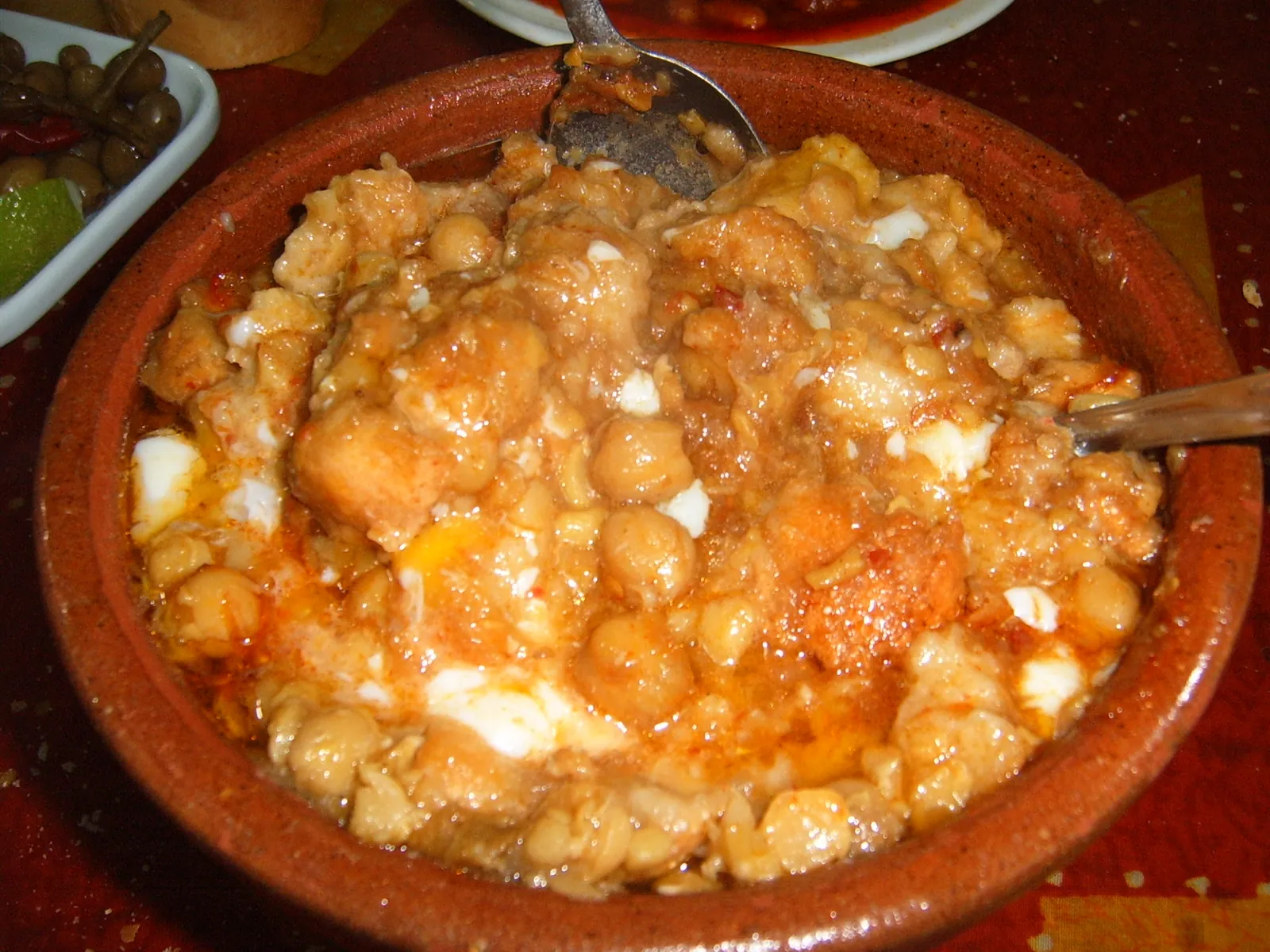
A clay bowl of Tunisian lablabi — chickpeas in spiced broth with egg and soaked bread

Tunis Street Food

Photo: Drmaik, CC BY-SA 3.0, via Wikimedia Commons

The Heritage Formulary

Measured Ingredients

Estimated cost: Low — about $2–3 per serving at home (USD)

A simple, traditional Tunisian street-food soup made from chickpeas, garlic, cumin, harissa and stale bread.

Execution Methodology & Culinary Technique

Step-by-Step Cooking Guide

Active 50m
P

Prep Stage: Chop, Tear and Measure

15 Mins • Knife Work

Chop the onion and garlic, tear the stale bread into rough pieces, squeeze the lemon and measure out the cumin, harissa and olive oil. If you are starting from dried chickpeas, soak them overnight and boil until tender before you begin — the soup itself only needs cooked chickpeas.

Maestro Tip: Tear the bread rather than slicing it — the rough edges soak up the broth better.

  1. 1

    Build the Garlic-Cumin Base

    10 Mins Medium heat, ~160°C (320°F)

    Heat half the olive oil in a large pot. Fry the onion for 5 minutes until soft and translucent, then add the garlic and ground cumin and fry for 1 minute more until fragrant. Stir in the harissa paste and fry for another minute so the chilli colours the oil.

    Do not let the garlic brown — it turns bitter and the whole pot tastes burnt.

    Done when: The onion is soft and the oil is stained red-orange with harissa.

  2. 2

    Simmer the Chickpeas

    15 Mins Gentle simmer, ~95°C (200°F)

    Add the chickpeas and the water (or chickpea cooking liquid) to the pot and bring to a gentle simmer. Cook for 15 minutes so the chickpeas take on the garlic, cumin and harissa flavours, then stir in the lemon juice and salt. Taste and adjust — it should be garlicky, warmly spiced and bright from the lemon.

    Keep it at a bare simmer, not a rolling boil, so the chickpeas stay whole and the broth stays thin.

    Done when: The chickpeas are hot through and the broth tastes seasoned and fragrant.

  3. 3

    Poach the Eggs (Optional)

    5 Mins Gentle simmer, ~95°C (200°F)

    If you are serving the traditional egg topping, slide the eggs one at a time into the gently simmering soup, cover the pot and cook for 3–4 minutes until the whites are fully set. The yolks should be just beginning to thicken — cook the eggs until the whites are completely set and the yolk reaches 71°C (160°F).

    Crack each egg into a cup first so a broken yolk never goes into the pot, and do not stir while the eggs set.

    Done when: Egg whites fully set and opaque, yolks just thickened.

  4. 4

    Ladle Over the Bread

    5 Mins Serving hot, above 60°C (140°F)

    Divide the torn bread between four deep bowls. Ladle the hot chickpeas and broth over the bread, lifting an egg into each bowl if you poached them, and leave the bowls for 1–2 minutes so the bread softens and drinks up the broth.

    Serve at once — the bread keeps soaking, so the first spoonfuls should still have some texture.

    Done when: The bread is softened but not dissolved, with broth still visible in the bowl.

  5. 5

    Top and Serve

    5 Mins No heat — serve at once, about 20°C (68°F) at the table

    Finish each bowl with a drizzle of the remaining olive oil, a spoonful of harissa for those who want more heat, the capers and the chopped parsley. Put lemon wedges on the table so everyone can season their own bowl.

    Set the harissa and lemon on the table, not in the pot — in Tunis every diner seasons their own bowl.

    Done when: Hot bowls, glossy with olive oil, with the toppings bright against the broth.

Finishing Touches & Plating

Eat lablabi with a spoon, breaking up the softened bread as you go and stirring in more harissa or lemon to taste. The bowl is meant to be finished while it is still hot, with the bread soft but not yet dissolved.

Nutritional Physiology & Benefits

Nutrition

Energy

497

kcal / serving

Protein

20g

Complete AA

Carbs

77g

Complex

Fats

13g

Healthy

Per serving (4 servings · 1 serving ≈ 509 g)
Energy497 kcal
Protein20 g
Carbohydrates77 g
Fat13 g
Fibre14.3 g
Sugar12.3 g
Sodium840 mg
Per 100g
Energy98 kcal
Protein3.9 g
Carbohydrates15.1 g
Fat2.6 g
Fibre2.8 g
Sugar2.4 g
Sodium165 mg

Nutrition values are estimated — calculated from USDA FoodData Central values for the listed ingredients.

Vitamins & minerals: Folate, iron and manganese from the chickpeas, vitamin C from the lemon juice and parsley, and vitamin K from the parsley. Nutrition values are estimated.

Fibre-Rich Chickpeas

Chickpeas provide about 14 g of fibre per serving, which supports digestion and helps the meal feel filling.

Steady Energy

Chickpeas and bread supply complex carbohydrates and about 20 g of protein per serving, giving steady energy rather than a quick spike.

Plant-Based Protein

The chickpea base is naturally vegan and cholesterol-free, with iron and folate from the legumes.

Food Pairings

What to Eat With

To optimize nutrient absorption and elevate the sensory depth, pair with these authentic accompaniments:

Vegetables

Simple Green Salad

A crisp salad with lemon dressing cuts through the rich, garlicky broth and adds freshness to a soft, warm bowl.

Sides

Extra Crusty Bread

More crusty bread on the side is the traditional way to mop up the last of the spiced broth.

Drinks

Mint Tea

Sweet mint tea is the classic Tunisian accompaniment — its sweetness balances the harissa heat.

Full Menus

As a First Course

A smaller bowl works as a warming first course before grilled fish or a Tunisian couscous main, because it opens the meal without filling you up.

Complete menu

Start with a small bowl of lablabi, then follow with grilled fish and a green salad, finishing with mint tea — a light Tunisian lunch that still feels complete.

Digestive Guardrails

What NOT to Combine

To prevent digestive distress, sluggishness, or palate clash, avoid pairing the dish with these elements:

Very Spicy Food on an Empty Stomach

Harissa can irritate an empty or sensitive stomach, so if you are prone to heartburn, use less harissa and eat the soup with bread rather than on its own. This is general information, not medical advice — ask your clinician if you are unsure.

Undercooked Eggs

If you add the egg topping, poach the eggs until the whites are fully set and the yolks reach 71°C (160°F). Raw or runny eggs carry a risk of salmonella, especially for children, older adults and pregnant women. This is general information, not medical advice.

Gluten in the Bread

The bread is a core part of lablabi and contains gluten. People with coeliac disease or gluten sensitivity should use a certified gluten-free loaf or leave the bread out. This is general information, not medical advice.

General information only, not medical advice — consult a doctor for personal dietary decisions.

Who Should Eat It

Who Should Eat

  • General adultsA complete, filling lunch — chickpeas, bread and olive oil in one bowl.
  • ChildrenSuitable from about age 2, but keep the harissa very mild and make sure the egg, if used, is fully cooked.
  • ElderlyExcellent — soft, warm and easy to eat; the bread soaks up the broth so nothing needs much chewing.
  • Pregnant womenGenerally suitable; the chickpeas add folate and iron. Skip the egg topping or cook it until fully set, and keep the harissa moderate.
  • Breastfeeding womenGenerally suitable; the protein, fluids and fibre support recovery — eat a full, satisfying portion.
  • AthletesA good recovery meal after training: complex carbs, about 20 g of protein and plenty of fluids and salt.
  • Weight gainEasy to make more energy-dense — add an extra egg, more olive oil and a second slice of bread.
  • Weight lossFilling for its calories thanks to the fibre, but watch the bread portion — use about 40 g of bread per bowl and load up on the chickpeas instead.

Health Conditions — Adjust or Avoid

Conditions

  • DiabetesChickpeas raise blood sugar slowly, but the bread is the part to watch — keep it to about 40 g per bowl and ask your clinician about a suitable portion.
  • High blood pressureMost of the sodium comes from the salt, harissa and capers; use low-sodium chickpeas, rinse the capers well and season lightly. Ask your clinician about a suitable portion.
  • Kidney diseaseChickpeas and bread are both sources of potassium and phosphate, so keep the portion modest and ask your clinician before making this a regular meal.
  • GoutEat occasionally and in smaller portions — chickpeas are moderately high in purines. Ask your clinician about how often this fits your diet.
  • Stomach issuesThe soup is usually gentle, but harissa, garlic and lemon can irritate a sensitive stomach — use less harissa and skip the lemon if it bothers you. Ask your clinician if symptoms persist.
  • Cardiovascular diseaseThe chickpea and olive oil base fits a heart-friendly pattern, but the sodium is fairly high — use less salt and harissa. Ask your clinician about a suitable portion.
  • Fatty liverA plant-based, high-fibre bowl with little saturated fat, which fits the usual dietary pattern for fatty liver — keep the bread portion moderate. Ask your clinician about a suitable portion.
  • Food allergiesContains gluten from the bread and egg if the topping is used; harissa pastes sometimes contain mustard or sulphites, so check the label. Ask your clinician if you have a known allergy.
  • Special therapeutic dietsThe vegan base suits most plant-based diets; for a gluten-free version use certified gluten-free bread. Ask your clinician or dietitian before using this dish in a prescribed diet.

If you have a medical condition, consult your doctor before changing your diet.

Storage & Use

Storage & Use

How to store
Cool the chickpea soup quickly and store it in an airtight container; keep the bread separate so it does not turn to mush.
In the fridge
Soup: 4 days in the fridge at 4°C (39°F) or below. Bread and toppings kept separate.
In the freezer
Soup without the bread: 3 months.
How to reheat
Reheat the soup gently until it simmers, stirring often; reheat to 74°C (165°F). Ladle over fresh torn bread — do not reheat the bread in the soup.
Freezing recommended
Yes — the chickpea soup freezes very well for up to 3 months; freeze without the bread or the egg.
Signs it has spoiled
Sour smell, mould on the surface, or a fizzy, fermented taste.

More recipes to explore

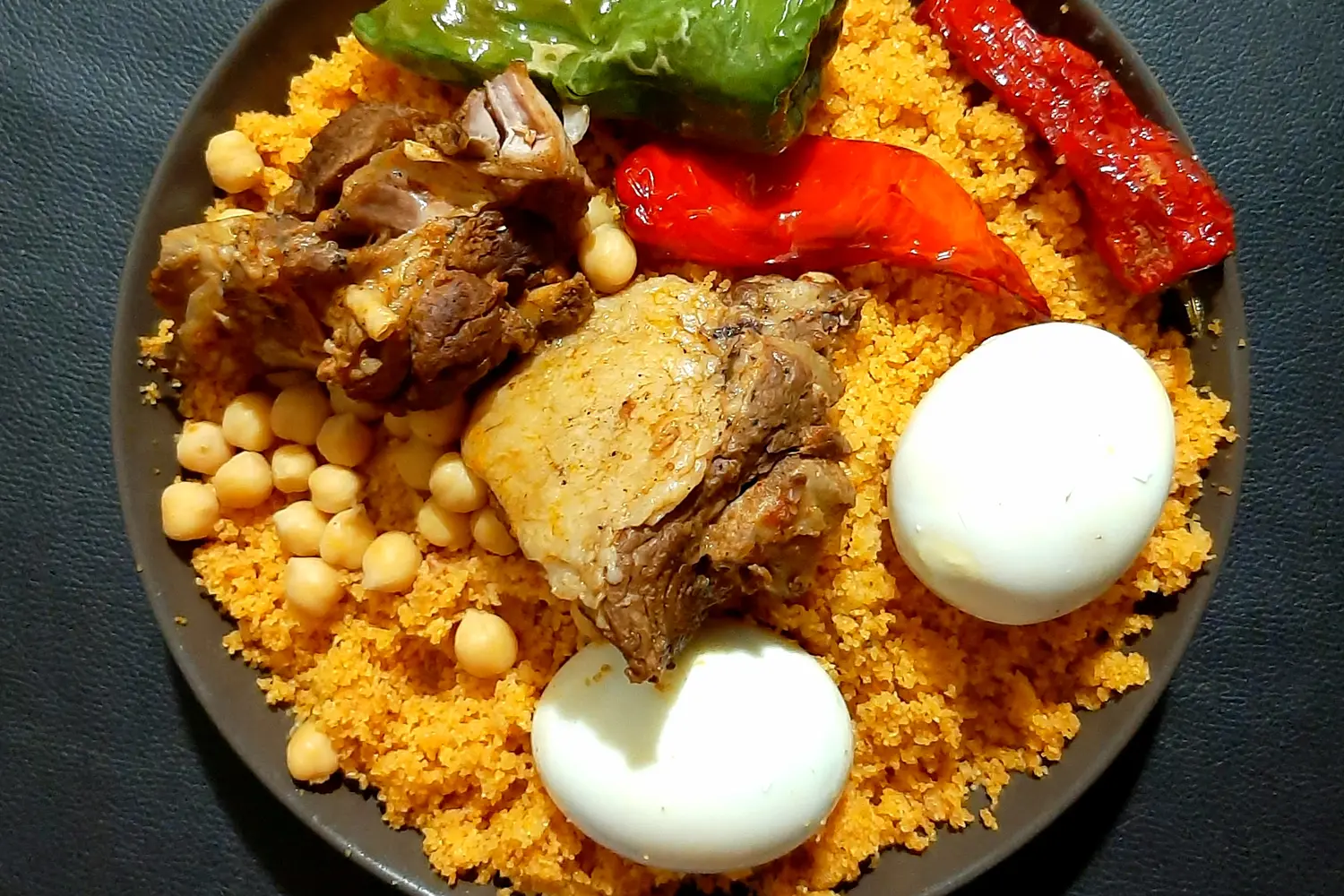
A plate of Tunisian couscous: orange-red steamed semolina with lamb, chickpeas, fried green and red peppers and two boiled eggs Tunisia flag Tunisia 2h 5m
Dinner •Tunis Friday Table

Tunisian Couscous with Lamb and Harissa

This tunisian couscous recipe steams fine semolina over a bubbling pot of lamb in a deep-red harissa and tomato broth, with chickpeas, cabbage, pumpkin, potato, carrot and zucchini. The harissa goes into the broth itself — not just on the side — so the grain turns orange-red and carries real heat. One serving is about 625 g.

Comfort & Warmth

Fine steamed semolina coloured orange-red by a harissa lamb broth, with chickpeas, cabbage and slow-cooked vegetables.

Pairs Well With
Fried green peppers, boiled eggs and hot mint tea
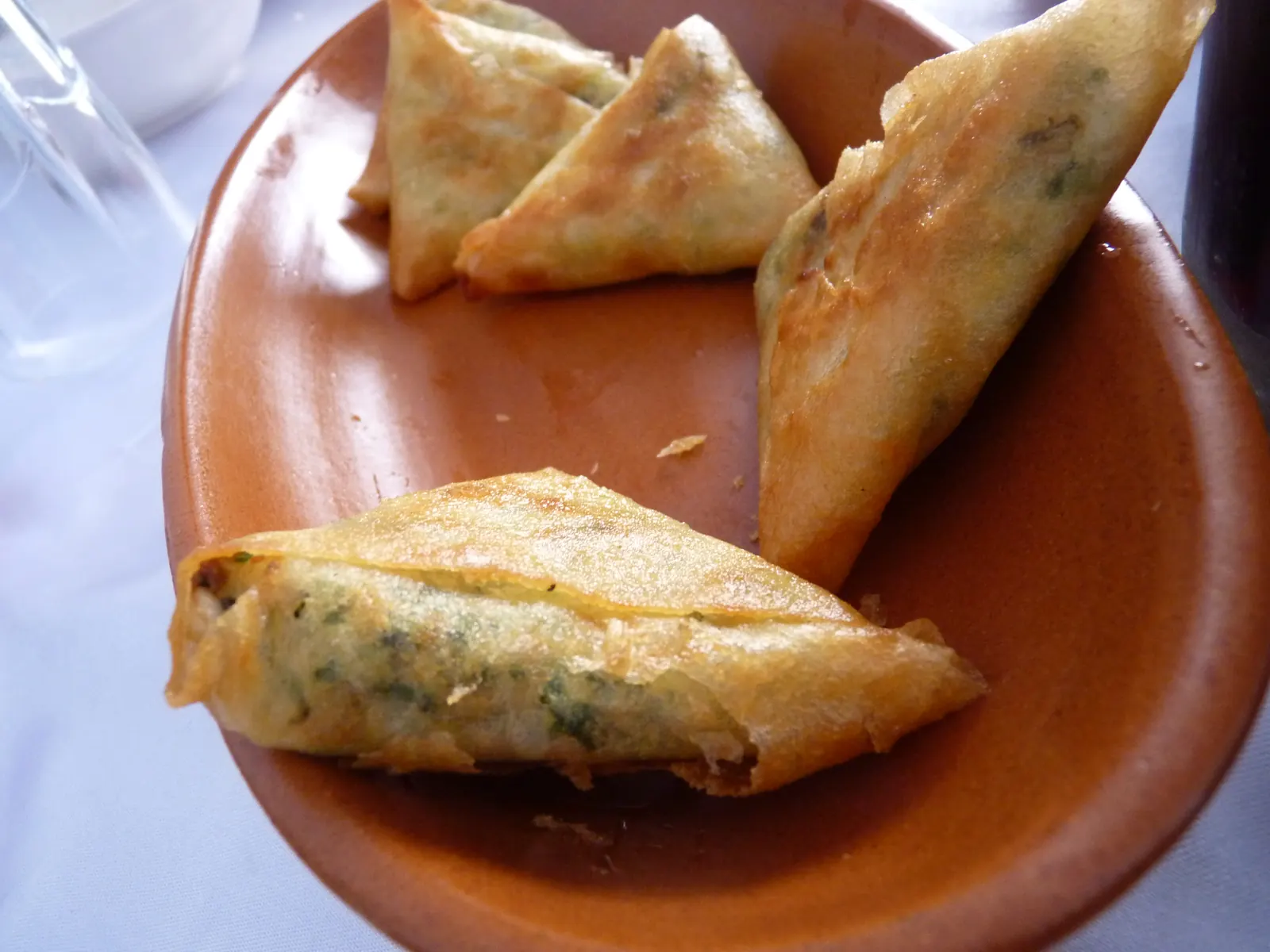
Golden triangular Tunisian brik pastries with herbs visible through the crisp pastry, served on a terracotta plate in Kairouan Tunisia flag Tunisia 35m
Snack & Tea •Tunis Street Food

Tunisian Brik

Tunisian brik is a paper-thin sheet of malsouka pastry folded into a triangle around a whole raw egg, flaked tuna, mashed potato, capers, parsley and a dab of harissa, then fried in hot olive oil for just a couple of minutes until golden and blistered. The white sets while the yolk stays runny, so the first bite floods the crisp shell with warm yolk. This is the classic brik à l'œuf sold by street vendors in Tunis and served to open festive meals. One serving (two briks) is about 275 g.

Crisp & Satisfying

A shatteringly crisp fried pastry around a runny egg, tuna and capers — the snack Tunisia eats with its fingers, hot from the oil.

Pairs Well With
Lemon wedges & mint tea
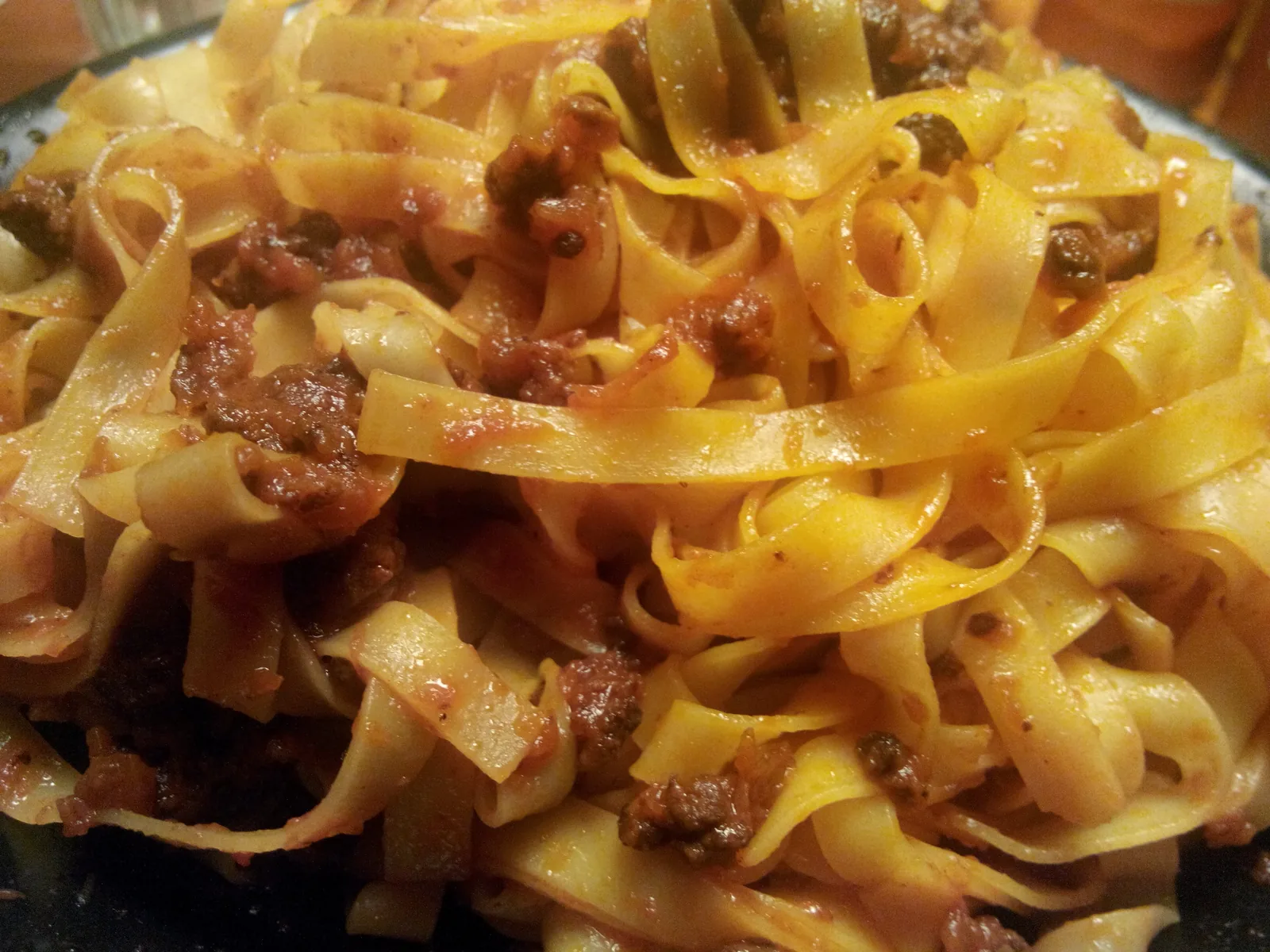
Tagliatelle al ragù Bolognese in a bowl with Parmigiano-Reggiano Italy flag Italy 4h 25m
Lunch •Emilia-Romagna

Tagliatelle al Ragù Bolognese

Slow-braised soffritto and coarse ground heritage meats layered over handmade egg yolk dough for mid-day stamina.

Lean Protein

Slow-simmered beef ragù tossed through fresh egg tagliatelle.

Pairs Well With
Bitter Radicchio & Aged Balsamico di Modena
Pasta & Noodles • High Protein
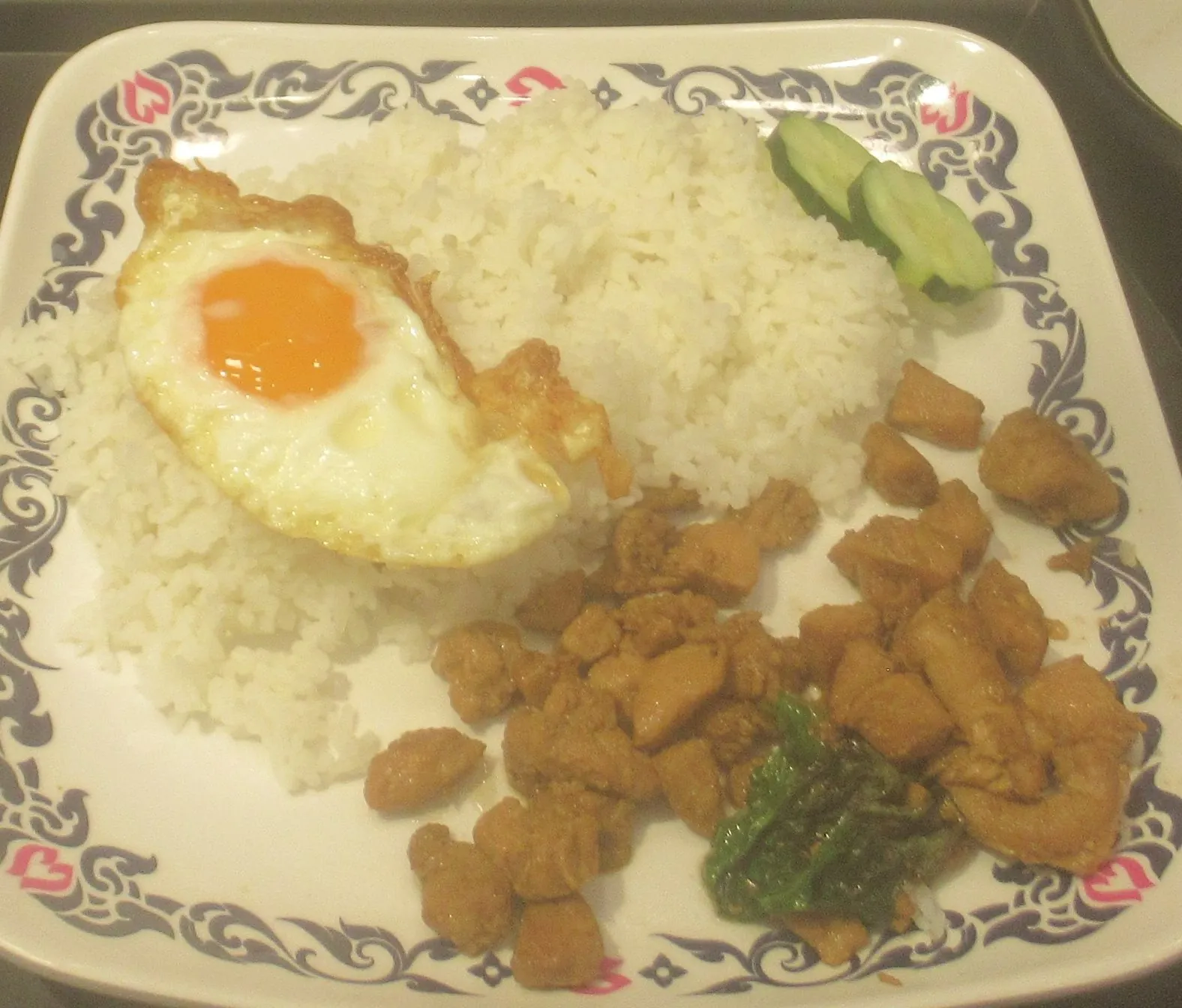
Pad kra pao gai — Thai holy basil chicken with fried egg and rice Thailand flag Thailand 30m
Lunch •Bangkok Street Flame

Pad Kra Pao Gai

High-heat wok flash of holy basil and crushed chillies over minced chicken, served over jasmine rice with a crispy-edged fried egg.

High Energy

Capsaicin brings the heat; holy basil adds a peppery, clove-like aroma.

Pairs Well With
Chilled Cucumber Salad & Fish Sauce Lime Dip
High Protein • Quick Prep (<30m)

The Dinner Gazette

Never wonder what’s for dinner again

One email a week with easy dinner ideas from around the world — ingredients, steps and nutrition, tested in our kitchen first.

Delivered every Thursday morning. Unsubscribe anytime.