
Curated recipes from 193 countries  •  New seasonal Mediterranean issue out now

Overview

Turkmen Celpek

Turkmen Chalpak, Chalpyak, Shelpek

This turkmen celpek recipe makes a paper-thin, large, crisp flatbread from a plain dough of flour, milk, water and salt, rolled almost see-through and fried in hot oil for only seconds on each side until pale gold and blistered. It is not a thick, soft, topped flatbread like Hungarian langos, and it is not a small, puffy disc like Uruguayan torta fritas: celpek is wide, flat, crisp and plain, and it is eaten warm, torn by hand, with tea. One serving is about 90 g.

Shelpek, called celpek in Turkmen and chalpak in Uzbek, is a traditional flatbread eaten across Central Asia, made by the Oghuz Turks. Its base is as simple as bread gets — flour, water or milk, and salt, with some recipes adding a little sugar and baking soda — and the dough is rolled into flat disks and fried in hot vegetable oil until golden. It is eaten with butter, honey, jam or tea, and it can also sit beside meat or dairy dishes. In the Kazakh tradition, seven shelpeks are fried on Thursdays, and the scent of the frying bread is believed to nourish the ancestors. The Turkmen version keeps the same plain, paper-thin form: a wide, crisp bread for tea time, not a filled pie and not a baked loaf.

Pairs well with: Hot green tea, honey & butter

Provenance

Turkmenistan flag Turkmenistan

Turkmen Heritage

East & South Asia

Time Dedication

55m

40m prep • 15m cook

Batch Yield

8 Servings

299 kcal per serving

1 serving ≈ 90 g

Technical Skill

Easy

Easy (Roll & Fry)

Meal Timing & Digestive Fit

Breakfast

Not Advised

Lunch

Inappropriate

Dinner

Inappropriate

Snack & Tea

Ideal Light Bite

Occasions: Tea time, Friday gatherings, family visits, Nowruz, Ramadan evenings Cost: Low — about $1–2 per serving at home
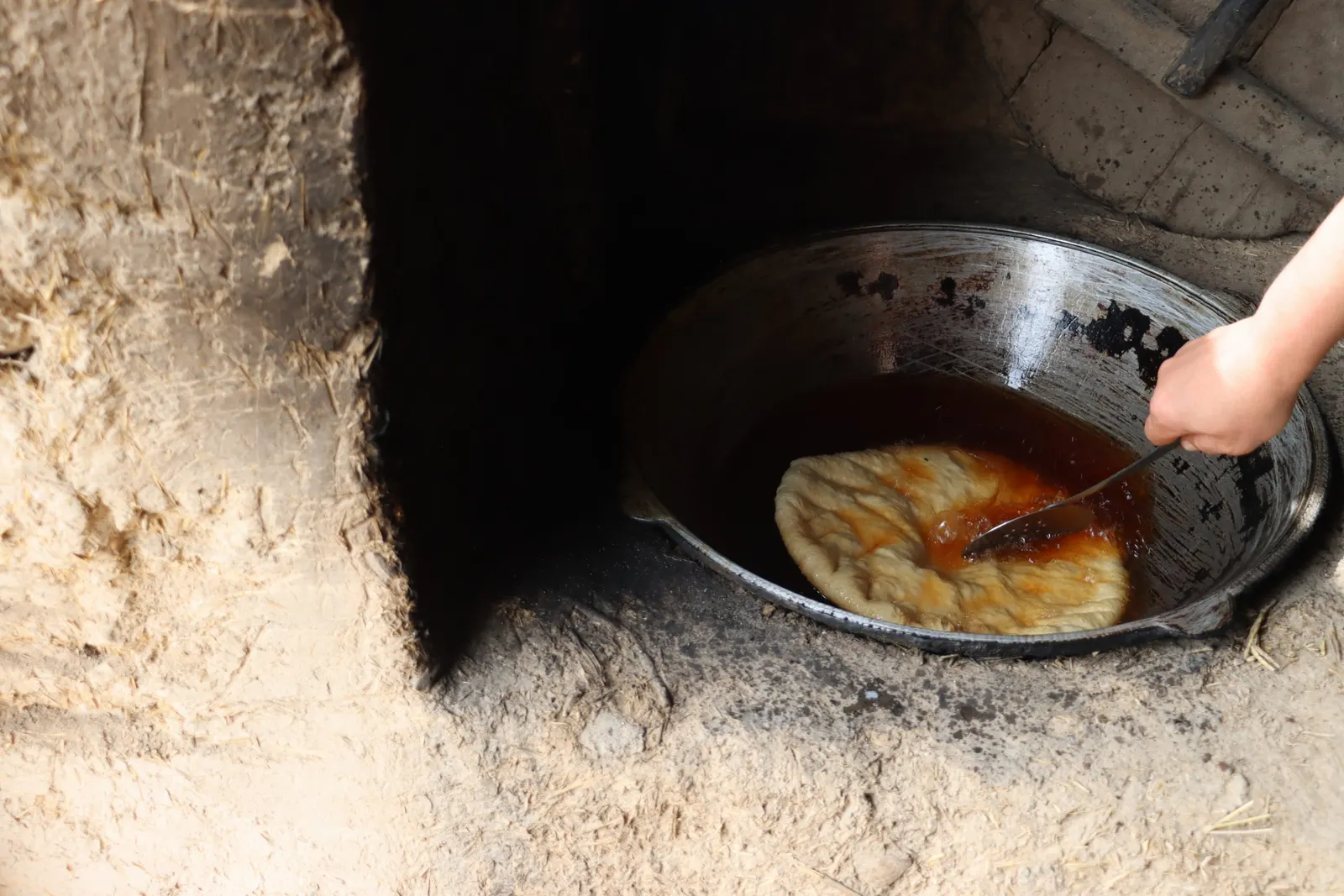
A round chalpak flatbread frying in golden oil in a kazan over a clay oven

Turkmen Heritage

Photo: Sinchalak Musulmon, CC BY-SA 4.0, via Wikimedia Commons

The Heritage Formulary

Measured Ingredients

Estimated cost: Low — about $1–2 per serving at home (USD)

A true celpek is judged by its thinness: wide, almost see-through, pale gold and blistered, crisp at the edges — never thick, soft or doughy in the middle.

Execution Methodology & Culinary Technique

Step-by-Step Cooking Guide

Active 55m
P

Prep Stage: Mix, Rest & Roll Paper-Thin

40 Mins • Mixing, Resting & Rolling

Weigh the flour into a large bowl and whisk in the salt, sugar and baking soda. Warm the milk and water together until just warm to the touch, about 40°C (104°F). Pour the warm liquid into the flour and mix to a shaggy dough, then knead on a lightly floured surface for 8 minutes until smooth and soft. Cover and rest for 20 minutes, then divide into 8 equal pieces and roll each one, on a lightly floured surface, into a paper-thin round about 25 cm across.

Maestro Tip: Thin is the whole point of celpek: hold the rolled round up to the light and you should almost see your hand through it. A thick round fries up soft and doughy instead of crisp, so keep rolling until it is 2 mm or less.

  1. 1

    Mix and Knead a Soft Dough

    10 Mins Liquid at about 40°C (104°F)

    Put the flour in a large bowl and whisk in the salt, sugar and baking soda so the soda is spread evenly. Make a well in the middle, pour in the warm milk and warm water, and stir with a spoon until a shaggy dough forms. Turn it out onto a surface dusted with a little of the measured flour and knead for 8 minutes until smooth, soft and no longer sticky.

    If the dough feels dry, wet your hands rather than pouring in more water; if it sticks, dust with a pinch of flour, not a handful.

    Done when: The dough is smooth, soft and springs back slowly when pressed with a fingertip.

  2. 2

    Rest the Dough

    20 Mins Room temperature, about 22°C (72°F)

    Shape the dough into a ball, put it back in the bowl, cover with a clean cloth or plate, and leave it at room temperature for 20 minutes. This short rest relaxes the gluten, which is what lets you roll the rounds paper-thin without them springing back.

    Do not skip the rest: un-rested dough fights the rolling pin, and you will end up with thick rounds that fry soft instead of crisp.

    Done when: The dough feels relaxed and rolls out easily instead of shrinking back.

  3. 3

    Roll Each Round Paper-Thin

    10 Mins Room temperature, about 22°C (72°F)

    Divide the dough into 8 equal pieces and roll each into a ball. On a lightly floured surface, roll one ball at a time into a round about 25 cm (10 in) across and no more than 2 mm thick, turning it a quarter-turn between rolls so it stays round. Keep the other balls covered while you work so they do not dry out.

    Roll from the centre outwards, and lift and turn the round often so it does not stick. A little flour on the pin helps, but too much flour burns in the oil and leaves dark specks.

    Done when: Each round is wide, even and almost see-through at the edges; you can almost see your hand through it.

  4. 4

    Heat the Oil Until It Shimmers

    5 Mins Oil at about 180°C (350°F)

    Pour the sunflower oil into a wide, deep frying pan or kazan to a depth of about 2 cm and heat over medium-high heat until it reaches about 180°C (350°F). Test with a scrap of dough: it should sizzle at once and rise to the surface, and the oil should shimmer without smoking.

    Hot oil is the difference between crisp and greasy. If the oil is too cool, the bread soaks it up; if it smokes, turn the heat down and let it settle before frying.

    Done when: The oil shimmers and a scrap of dough sizzles and rises immediately.

  5. 5

    Fry Each Round for Seconds Only

    10 Mins Oil at about 180°C (350°F)

    Lay one round gently into the hot oil, away from you so it does not splash. It will puff and blister almost at once. Fry for about 15 seconds, then turn with tongs or a fork and fry the second side for about 15 seconds more, until pale gold with darker golden blisters. Lift out, let the oil drip off for a few seconds, and drain on paper towels. Fry the remaining rounds the same way, letting the oil come back up to heat between batches.

    Work one round at a time and do not walk away: at this heat a celpek goes from pale gold to dark brown in seconds. Turn it with tongs, not a fork through the middle, so you do not tear the thin bread.

    Done when: Each celpek is pale gold, blistered and crisp at the edges, and it crackles faintly as it cools.

Finishing Touches & Plating

Stack the celpek loosely on a plate, not pressed flat, so the steam escapes and they stay crisp. Serve warm, torn by hand, within 15 minutes of frying — this turkmen celpek recipe is at its best while the edges are still crackling.

Nutritional Physiology & Benefits

Nutrition

Energy

299

kcal / serving

Protein

7g

Complete AA

Carbs

50g

Complex

Fats

7g

Healthy

Per serving (8 servings · 1 serving ≈ 90 g)
Energy299 kcal
Protein7 g
Carbohydrates50 g
Fat7 g
Fibre1.7 g
Sugar2.3 g
Sodium405 mg
Per 100g
Energy332 kcal
Protein8 g
Carbohydrates55.3 g
Fat8.2 g
Fibre1.9 g
Sugar2.6 g
Sodium450 mg

Nutrition values are estimated — calculated from USDA FoodData Central values for the listed ingredients.

Vitamins & minerals: Thiamin, riboflavin, niacin and folate from the enriched flour, calcium from the milk, and iron from the flour. Nutrition values are estimated.

Quick Energy for Tea Time

One flatbread gives about 50 g of carbohydrate for quick energy, with a little protein from the flour and milk — a useful tea-time bite between meals.

A Short, Honest Ingredient List

Just flour, milk, water, salt, sugar and a pinch of baking soda: no preservatives, no flavourings, and nothing you cannot pronounce.

B Vitamins and Iron from the Flour

The enriched flour brings thiamin, riboflavin, niacin, folate and iron, and the milk adds calcium — small amounts, but they are part of the bread itself, not added on top.

Food Pairings

What to Eat With

To optimize nutrient absorption and elevate the sensory depth, pair with these authentic accompaniments:

Drinks

Hot Green Tea

Hot green tea is the classic partner across Turkmenistan, where the word for tea can also mean sitting down for a meal or a visit. The hot, slightly bitter tea cuts the richness of the fried bread and is the reason celpek is a tea-time food.

More Pairings

Honey or Butter

A spoonful of honey or a smear of butter melts into the warm, blistered bread and turns a plain snack into something sweet and comforting — the way shelpek is most often eaten, with butter, honey or jam.

Sides

White Cheese or Thick Yoghurt

A sharp, salty white cheese or a bowl of thick yoghurt gives a cool, tangy contrast to the hot, crisp bread, and the two together make a light, satisfying snack.

Fresh Fruit

Fresh grapes, melon or apricots, when in season, give a juicy, sweet freshness after the fried bread and keep the snack from feeling heavy.

Soups

Shurpa or Another Hot Soup

Torn celpek is the bread for scooping up a hot, brothy soup: it softens just enough to carry the broth without falling apart, and it turns a plain soup into a fuller meal.

Complete menu

Serve warm celpek torn by hand with hot green tea, honey and butter, a small plate of white cheese, and fresh fruit to finish — a light Turkmen tea-time spread, not a heavy dinner.

Digestive Guardrails

What NOT to Combine

To prevent digestive distress, sluggishness, or palate clash, avoid pairing the dish with these elements:

Another Deep-Fried Dish at the Same Time

Celpek is already fried in oil, so serving it with another deep-fried dish doubles the fat in one snack and leaves most people feeling heavy and sluggish. Pair it with tea, fruit or yoghurt instead. This is general information, not medical advice.

Wrapping Hot Celpek Tightly

Stacking the hot breads tightly or wrapping them while they are still warm traps steam, and the crisp rounds go soft and limp within minutes. Stack them loosely and leave them uncovered until serving. This is general cooking advice, not medical advice.

Re-Frying to Reheat

Reheating a fried flatbread in oil makes it greasy and tough. Warm it briefly in a dry pan or a hot oven instead. This is general cooking advice, not medical advice.

General information only, not medical advice — consult a doctor for personal dietary decisions.

Who Should Eat It

Who Should Eat

  • General adultsA light, crisp tea-time snack — one or two rounds with tea is usually enough, as it is fried and filling.
  • ChildrenChildren usually love the crisp, blistered bread with honey; tear it into small pieces, serve it warm rather than hot, and watch the hot oil step is done by an adult.
  • ElderlySoft enough to tear easily once cooled a little, but it is fried, so a small portion with tea suits most older eaters better than a large one.
  • Pregnant womenMade from cooked flour, milk and salt, so it is fine in moderation; keep the portion modest because it is fried, and ask your clinician if you are limiting fried foods.
  • Breastfeeding womenA quick, energy-rich snack between feeds; pair it with tea and fruit rather than eating several rounds on their own.
  • AthletesThe carbohydrate gives quick energy, so it works as a snack after training, but it is low in protein — pair it with cheese or yoghurt to refuel properly.
  • Weight gainEnergy-dense for its weight, so it suits people who need extra calories — two rounds with honey and butter add up quickly.
  • Weight lossAbout 299 kcal per round and easy to eat more than one, so keep it to a single round with tea and fruit, and skip the butter and honey.

Health Conditions — Adjust or Avoid

Conditions

  • DiabetesAbout 50 g of carbohydrate per round, mostly fast-digesting starch, so keep it to one round and pair it with protein such as cheese or yoghurt rather than honey; ask your clinician about portions.
  • High blood pressureContains about 405 mg sodium per serving, mostly from the added salt and baking soda; use a little less salt and skip salty cheese alongside it if you need to limit sodium, and ask your clinician.
  • Kidney diseaseModerate in protein and fairly salty for a snack, so keep portions small and do not eat it every day if you are limiting sodium or potassium; ask your clinician before eating it regularly.
  • GoutA plain flour bread with no meat or seafood, so it is low in purines; the main concern is the frying oil and the portion size, so keep it to one round and ask your clinician if unsure.
  • Stomach issuesFried food can feel heavy and may trigger reflux or discomfort; eat it warm rather than hot, keep the portion small, and skip it on a bad day — ask your clinician if symptoms persist.
  • Cardiovascular diseaseFried in oil and low in fibre, so treat it as an occasional tea-time snack rather than an everyday bread, and ask your clinician.
  • Fatty liverEnergy-dense and fried, so keep the portion to one round, avoid adding butter and honey, and ask your clinician.
  • Food allergiesContains wheat (gluten) and milk. It contains no egg, nuts, peanuts, soy or seafood as written. Tell your host about any allergy, and do not eat it if you have coeliac disease or a milk allergy.
  • Special therapeutic dietsThis is a fried white-flour bread that does not fit gluten-free, low-sodium, low-fat or low-carbohydrate therapeutic diets without changes; ask your clinician or dietitian before adapting it.

If you have a medical condition, consult your doctor before changing your diet.

Storage & Use

Storage & Use

How to store
Cool completely, uncovered, then store in a paper bag or a loosely closed container at room temperature.
In the fridge
Up to 2 days, wrapped; it will soften in the fridge.
In the freezer
Up to 1 month, layered between sheets of baking paper.
How to reheat
Warm in a dry pan over medium heat, about 175°C (350°F) in the oven, or a hot oven for 2–3 minutes until crisp again; do not re-fry in oil. Heat until hot throughout.
Freezing recommended
Only if needed — it is best eaten fresh, within hours of frying.
Signs it has spoiled
Stale, soft or chewy texture, rancid oil smell, or mould.

More recipes to explore

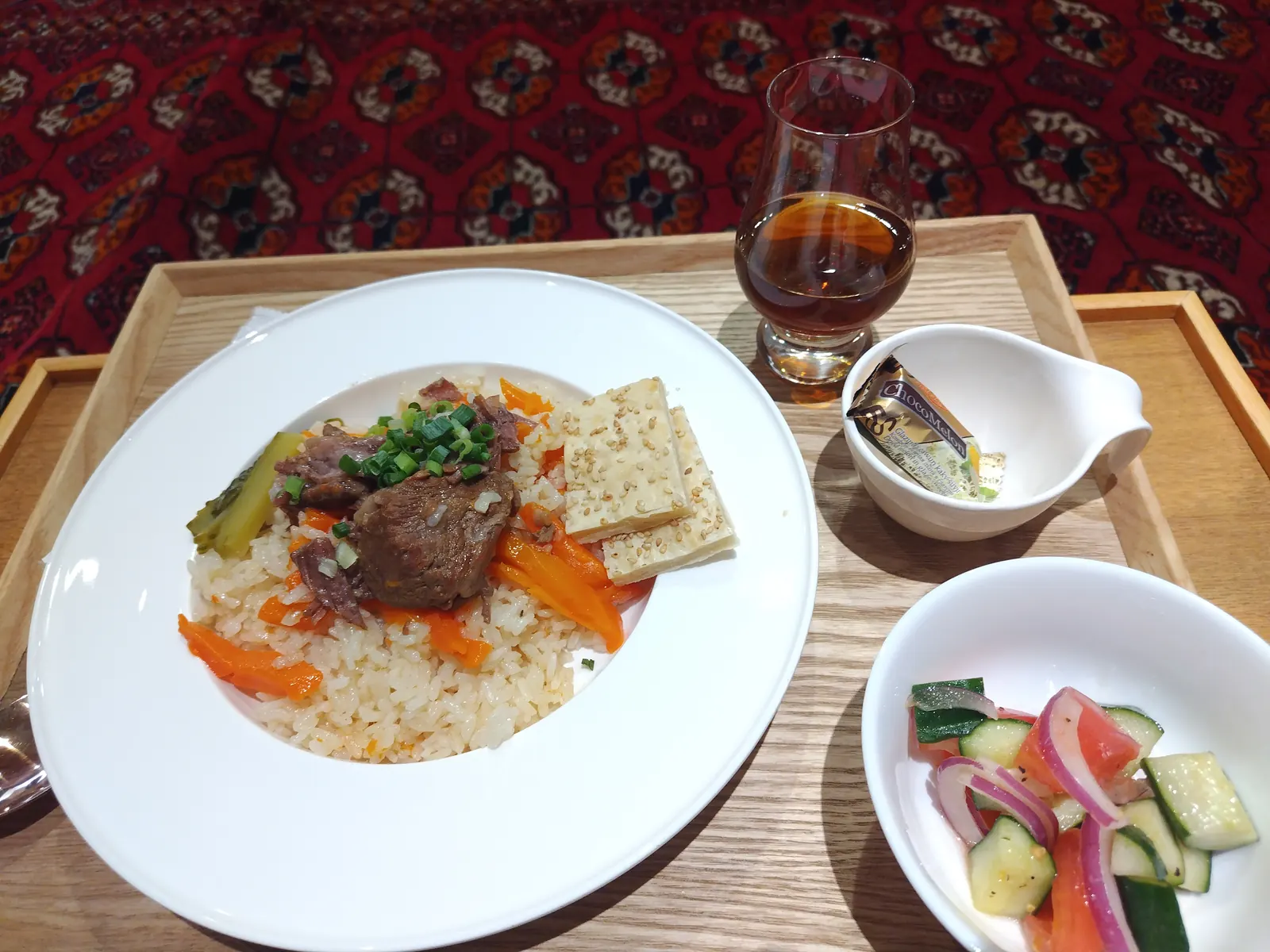
Turkmen plov — a mound of long-grain rice with orange carrot sticks and tender lamb on a white plate, with a tomato-cucumber salad beside it Turkmenistan flag Turkmenistan 2h 10m
Dinner •Turkmen Heritage

Turkmen Plov

This turkmen plov recipe is Turkmenistan's festive one-pot pilaf: long-grain rice steamed over a rich base of browned lamb, thick-cut orange carrots, onions and a whole head of garlic, seasoned lightly with cumin and coriander. Unlike Uzbek plov, which uses devzira rice and yellow carrots, and unlike Azerbaijani plov, where the rice is cooked separately with saffron, the Turkmen version cooks everything in a single pot and is mixed before serving. One serving is about 390 g.

Celebration Rice

Long-grain rice steamed over browned lamb, thick-cut carrots and onions in one pot — Turkmenistan's festive pilaf, served mixed from a big warmed plate.

Pairs Well With
Tomato-onion salad, fresh herbs & hot black tea
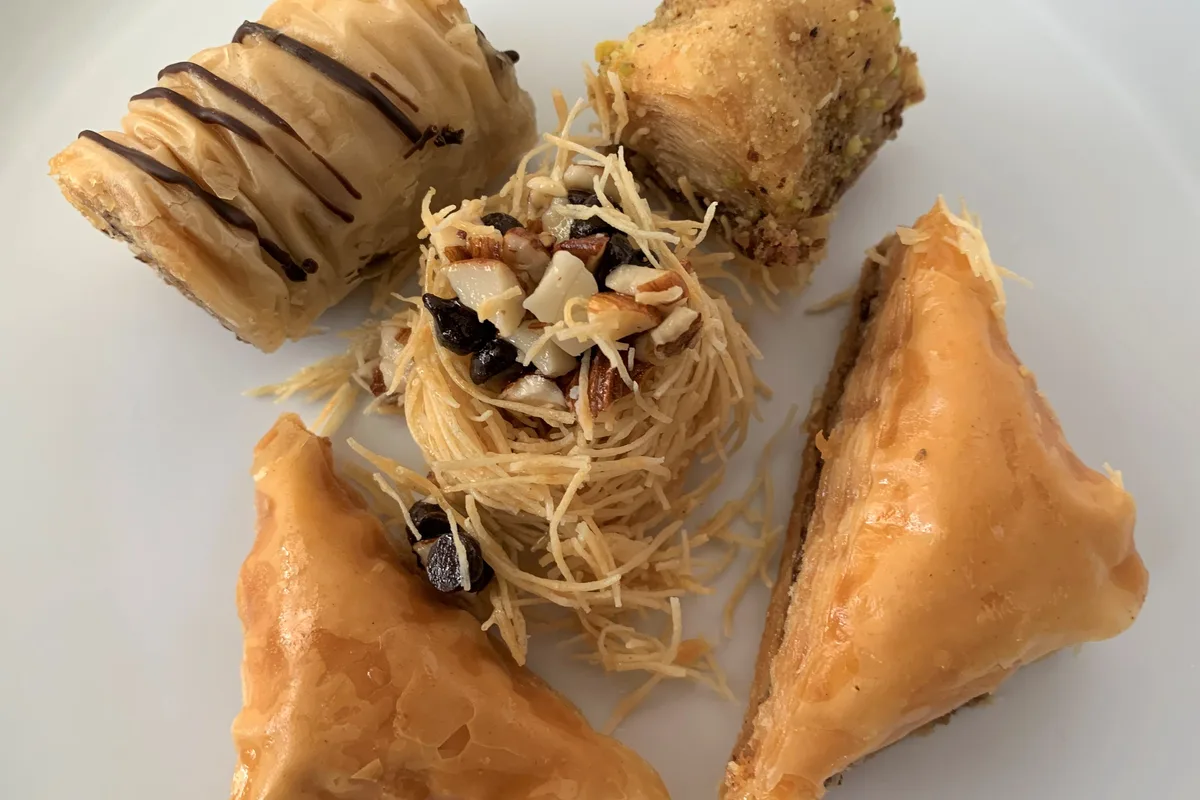
Assorted golden baklava pieces, including triangles and rolls, arranged on a white plate Turkmenistan flag Turkmenistan 1h 20m
Snack & Tea •Turkmen Heritage

Turkmen Pakhlava

This Turkmen pakhlava recipe layers paper-thin filo pastry with cinnamon-spiced walnuts, bakes it golden in butter, and soaks it in a lemon-honey syrup until every diamond glistens. It is the sweet Turkmen families set out with green tea at festive gatherings. One serving is about 121 g.

Festive Sweet

Crisp filo layers, spiced walnuts and honey syrup, served in small pieces with tea at celebrations.

Pairs Well With
Hot green tea and fresh fruit
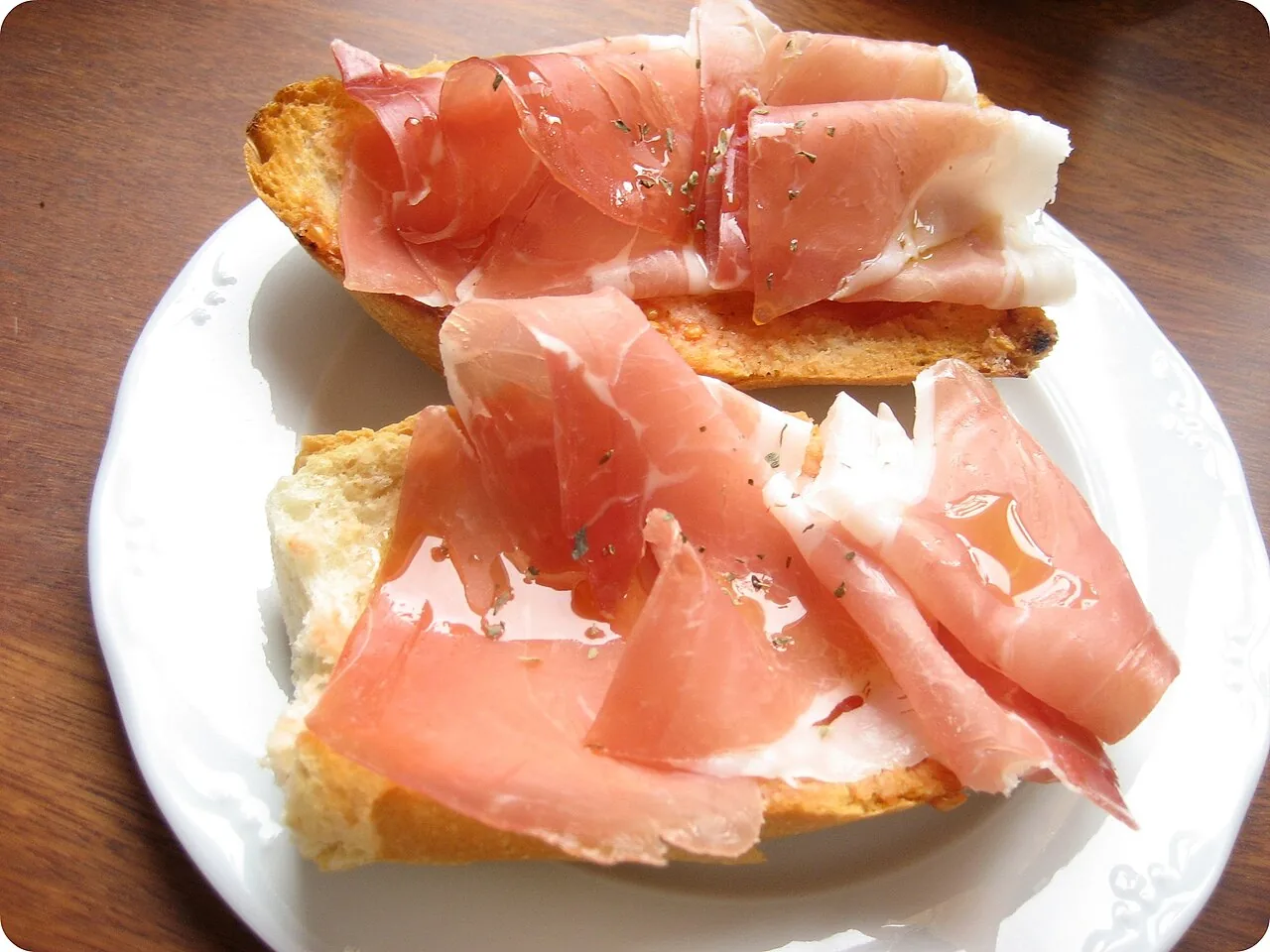
Pan con tomate with jamón ibérico on toasted bread Spain flag Spain 15m
Snack & Tea •Catalan Aperitivo

Pan con Tomate & Jamón Ibérico

Country bread rubbed with ripe Ramallet tomato, drizzled with cold-pressed Arbequina olive oil and topped with jamón ibérico.

Vascular Health

Toasted tomato bread with jamón ibérico, olive oil and olives.

Pairs Well With
Castelvetrano Olives & Sparkling Mineral Water
Quick Prep (<30m)
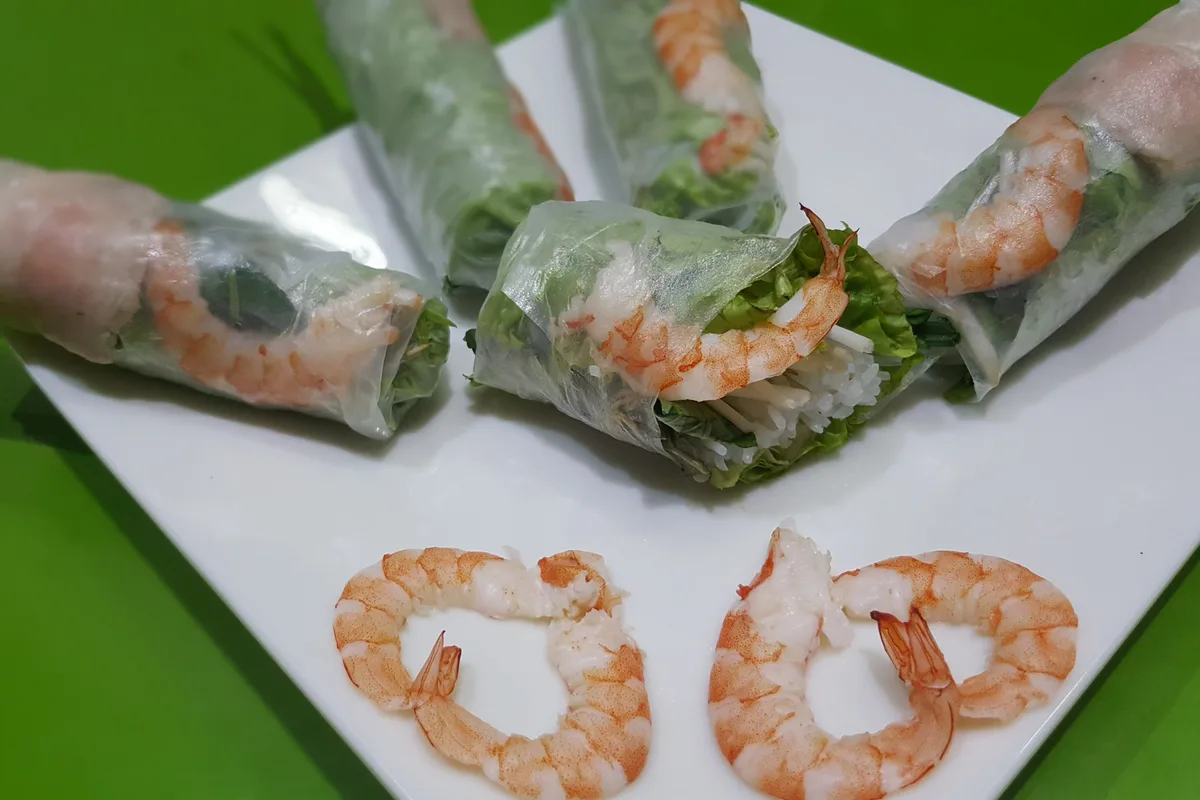
Gỏi cuốn — Vietnamese fresh spring rolls with prawn and pork Vietnam flag Vietnam 1h 5m
Snack & Tea •Saigon Refresh

Gỏi Cuốn Tôm Thịt

Fresh rice paper rolls filled with poached prawns, tender pork, rice vermicelli, lettuce, herbs and carrot, served with a peanut dipping sauce.

Light Digestion

Nothing is fried, so the rolls stay light and fresh — a cool, herb-filled snack for hot days.

Pairs Well With
Artisanal Peanut Dip & Fresh Lotus Root Water
High Protein

The Dinner Gazette

Never wonder what’s for dinner again

One email a week with easy dinner ideas from around the world — ingredients, steps and nutrition, tested in our kitchen first.

Delivered every Thursday morning. Unsubscribe anytime.