Curated recipes from 193 countries  •  New seasonal Mediterranean issue out now

Overview

Turkmen Plov

Turkmen Palow, Turkmen Palaw

This turkmen plov recipe is Turkmenistan's festive one-pot pilaf: long-grain rice steamed over a rich base of browned lamb, thick-cut orange carrots, onions and a whole head of garlic, seasoned lightly with cumin and coriander. Unlike Uzbek plov, which uses devzira rice and yellow carrots, and unlike Azerbaijani plov, where the rice is cooked separately with saffron, the Turkmen version cooks everything in a single pot and is mixed before serving. One serving is about 390 g.

Plov is the festive dish of Turkmenistan, served at every wedding, holiday and family celebration, and the Turkmen version — called palow or palaw — has its own clear identity inside the wider Central Asian pilaf family. It uses plain long-grain rice rather than the reddish devzira rice prized in Uzbekistan's Fergana Valley, orange carrots cut into small thick sticks rather than the thin yellow-carrot matchsticks of Tashkent plov, and a lighter hand with spice: salt, pepper, cumin and coriander, with a whole head of garlic steamed in the rice. There is no saffron and no separate dried-fruit topping, as in Azerbaijani plov, and no crisp crust at the bottom of the pot — the rice cooks in one pot over the meat and carrot base, is mixed before serving, and is piled onto a big warmed plate with a fresh tomato and onion salad. Tajik plov, by contrast, is famously eaten at the early-morning wedding feast, while Turkmen plov is a lunch or dinner centrepiece.

Pairs well with: Tomato-onion salad, fresh herbs & hot black tea

Provenance

Turkmenistan flag Turkmenistan

Turkmen Heritage

East & South Asia

Time Dedication

2h 10m

30m prep • 100m cook

Batch Yield

6 Servings

723 kcal per serving

1 serving ≈ 390 g

Technical Skill

Intermediate

Intermediate (One-Pot Steaming)

Meal Timing & Digestive Fit

Breakfast

Not Advised

Lunch

Hearty Midday Main

Dinner

Ideal Hearty Main

Snack & Tea

Inappropriate

Occasions: Weddings, holidays, family celebrations, Nowruz, Sunday lunch Cost: Moderate — about $4–5 per serving at home
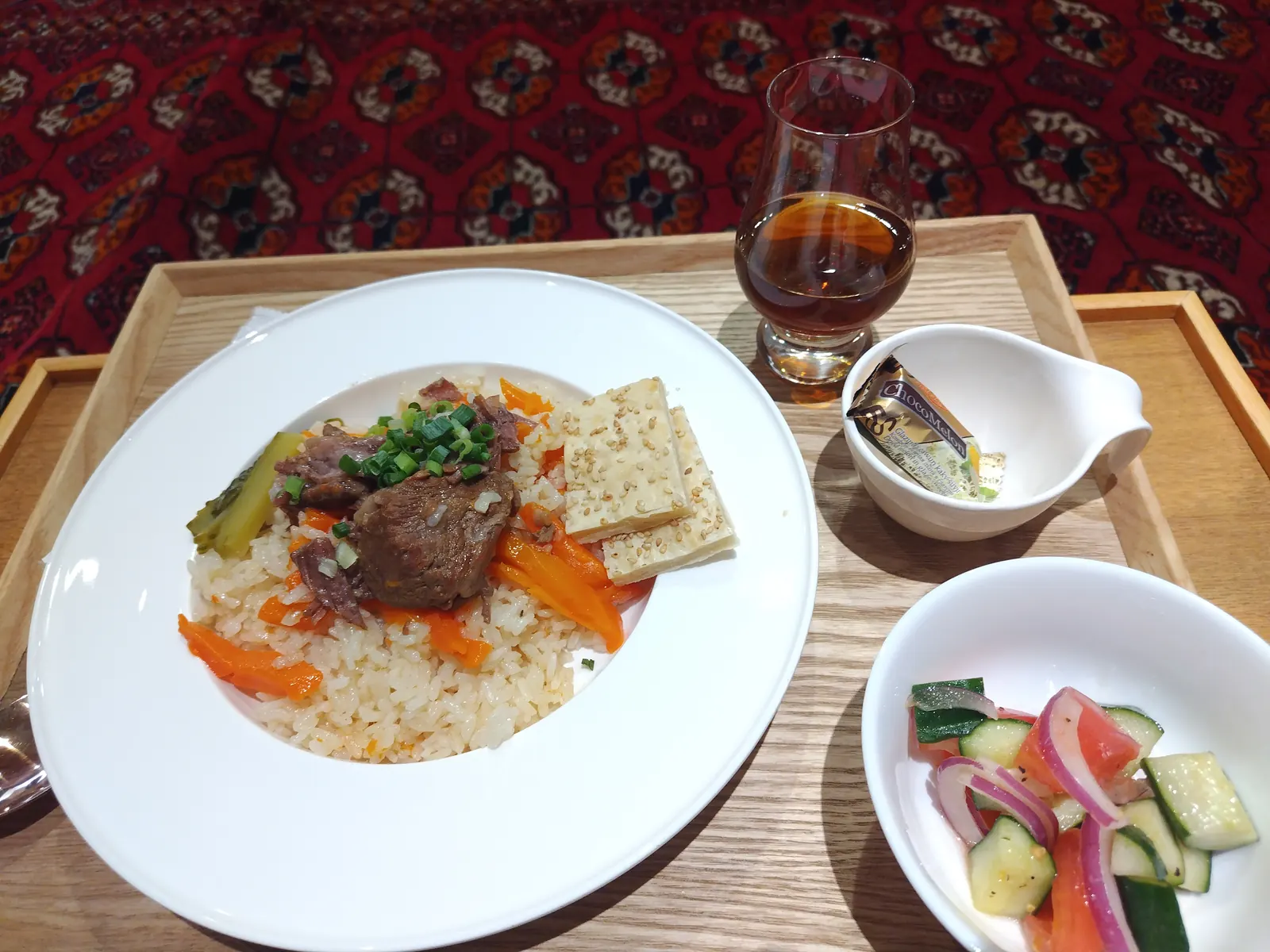
Turkmen plov — a mound of long-grain rice with orange carrot sticks and tender lamb on a white plate, with a tomato-cucumber salad beside it

Turkmen Heritage

Photo: 妖精書士, CC0, via Wikimedia Commons

The Heritage Formulary

Measured Ingredients

Estimated cost: Moderate — about $4–5 per serving at home (USD)

A true Turkmen plov is judged by its grains: separate and fluffy, with sweet, intact carrot sticks and tender lamb mixed through — never sticky, never stirred while steaming.

Execution Methodology & Culinary Technique

Step-by-Step Cooking Guide

Active 2h 10m
P

Prep Stage: Wash, Soak & Cut

30 Mins • Soaking

Wash the long-grain rice in several changes of cold water until the water runs clear, then cover with cold water and soak for 30 minutes. Meanwhile cut the lamb into matchbox-sized chunks, slice the onions into thin half-rings, cut the carrots into small thick sticks, and clean the whole head of garlic. Measure out the oil, cumin, coriander, salt and pepper, and bring the water to a boil.

Maestro Tip: Washing the rice until the water runs clear is what keeps the grains separate instead of sticky — do not skip it, and do not cut the carrots thin: thick sticks stay sweet and intact, which is the Turkmen cut.

  1. 1

    Brown the Lamb in Batches

    15 Mins Very high heat, ~220°C (425°F)

    Heat the oil in a large heavy pot or kazan over very high heat until it shimmers. Deep-fry the lamb in 3–4 batches for 3–4 minutes per batch, turning once, until golden-brown on all sides. Lift each batch out with a slotted spoon and set aside.

    Do not crowd the pot — the meat must fry, not steam. Working in batches is the difference between golden lamb and grey, boiled lamb.

    Done when: Lamb is deep golden-brown on the outside; the oil is hot and clear.

  2. 2

    Fry the Onions, Then Build the Zirvak

    20 Mins Medium-high heat, ~190°C (375°F)

    Lower the heat slightly and fry the sliced onions in the same oil until golden brown, about 5 minutes, stirring so they do not burn. Return the lamb to the pot, stir in the cumin, coriander, salt and pepper, then add the carrot sticks and cook, stirring from time to time, for 15–20 minutes until the carrots begin to wilt and brown a little at the edges.

    The onion, carrot and meat base is the zirvak — its flavour carries the whole dish, so let the carrots soften properly before any water goes in.

    Done when: Onions are golden, carrots are wilted and lightly browned at the edges.

  3. 3

    Simmer the Zirvak Until Tender

    30 Mins Medium heat, ~160°C (320°F), then a gentle simmer

    Lower the heat to medium and pour in just enough hot water to cover the meat and vegetables. Simmer gently, without stirring, until nearly all the water has evaporated and the lamb is tender and juicy, about 30 minutes. Taste and add a little more salt if needed — the base should taste slightly over-salted at this stage, as the rice will absorb it.

    Do not stir during this simmer. The lamb must reach at least 63°C (145°F) all the way through; simmering it in the zirvak takes it well past that.

    Done when: Lamb is tender when pressed with a spoon; most of the water has cooked away.

  4. 4

    Layer the Rice and Garlic — Do Not Stir

    10 Mins Highest heat, ~230°C (450°F)

    Turn the heat to the highest setting. Drain the soaked rice well and spread it in one even layer over the meat and vegetables — do not mix it in. Push the whole head of garlic down into the centre of the rice. Place a spoon or ladle flat on the rice and carefully pour boiling water over it so the layer is not washed away, until the water sits about 2 cm above the rice. Season the water with a little more salt.

    Pouring over a spoon keeps the rice layer intact. From this point on, do not stir the rice — stirring is what turns plov into porridge.

    Done when: Rice sits in a flat, even layer with the garlic buried in the middle and water just covering it.

  5. 5

    Boil, Then Steam Until Fluffy

    35 Mins High heat to boil, then lowest heat to steam, ~100°C (212°F)

    Let the water boil rapidly. When it has dropped to the level of the rice, poke several holes through the rice to the bottom of the pot with a chopstick to check the water level and let steam escape. When the water is absorbed and the rice is still slightly al dente, reduce the heat to the absolute minimum, cover the pot tightly with its lid and steam for 20 minutes. Turn the heat off and leave the pot covered for 5 minutes more.

    A tight lid matters — wrap it in a clean tea towel if it does not seal well, so the steam stays in and the grains finish fluffy.

    Done when: Rice is tender and separate, with no water left at the bottom; the garlic is soft and mellow when squeezed.

Finishing Touches & Plating

Lift out the garlic head and set it on a separate plate. Carefully mix the rice with the lamb and carrots, taste and add a pinch more salt if the rice is bland, then let it stand for 5 minutes. This turkmen plov is best served hot, piled onto a big warmed plate with the soft garlic on top, and with a thinly sliced tomato, sweet onion and chilli salad alongside.

Nutritional Physiology & Benefits

Nutrition

Energy

723

kcal / serving

Protein

29g

Complete AA

Carbs

81g

Complex

Fats

30g

Healthy

Per serving (6 servings · 1 serving ≈ 390 g)
Energy723 kcal
Protein29 g
Carbohydrates81 g
Fat30 g
Fibre4.5 g
Sugar5.8 g
Sodium652 mg
Per 100g
Energy185 kcal
Protein7.5 g
Carbohydrates20.8 g
Fat7.8 g
Fibre1.1 g
Sugar1.5 g
Sodium167 mg

Nutrition values are estimated — calculated from USDA FoodData Central values for the listed ingredients.

Vitamins & minerals: Iron and zinc (lamb), vitamin A and potassium (carrots), vitamin C and B6 (onion and garlic). Nutrition values are estimated.

A Complete One-Pot Meal

Rice, lamb, carrots and onions in a single dish give carbohydrate, protein, fibre, iron and vitamin A in every serving.

Sweetness from Carrots, Not Sugar

The sweetness in this plov comes from the long-cooked carrots, which also bring fibre, potassium and vitamin A — no added sugar and no dried fruit topping.

Gentle, Simple Spicing

Just cumin, coriander, salt and pepper flavour the pot, with a whole head of garlic steamed inside for a mellow, savoury note without any heat or artificial colouring.

Food Pairings

What to Eat With

To optimize nutrient absorption and elevate the sensory depth, pair with these authentic accompaniments:

Vegetables

Tomato, Sweet Onion & Chilli Salad

The classic partner: thinly sliced tomato, sweet onion, chilli and salt, served raw. Its sharp, juicy freshness cuts the richness of the lamb fat and resets the palate between spoonfuls.

Fresh Herbs (Coriander, Dill, Spring Onion)

A plate of fresh herbs eaten by the handful adds a cool, green bite that balances the warm, oily rice and lifts the whole dish.

Pickled Cucumber or Tomato

Sharp pickles give a sour crunch that contrasts with the soft, sweet carrots and rich lamb, keeping a large serving from feeling heavy.

Drinks

Hot Black Tea

Hot black tea is the usual drink with plov across Central Asia: it is served after the meal, and its warmth and tannins help the rich, oily rice feel lighter.

Sides

Flatbread (Non or Lavash)

Warm flatbread is used to scoop up the rice and mop up the oily juices at the bottom of the plate — it is part of the meal, not just a side.

Complete menu

Serve the plov piled on a big warmed plate with the soft garlic on top, a tomato, sweet onion and chilli salad and a plate of fresh herbs on the side, warm flatbread for scooping, and hot black tea to finish.

Digestive Guardrails

What NOT to Combine

To prevent digestive distress, sluggishness, or palate clash, avoid pairing the dish with these elements:

Very Sweet Desserts Straight After

Plov is already rich and filling, so a sugary dessert on top of it adds a large dose of sugar and fat to an already heavy meal; fresh fruit or tea is the lighter finish. This is general information, not medical advice.

Stirring the Rice While It Steams

Lifting the lid and stirring during the steaming step breaks the grains and lets the steam escape, leaving soggy, clumped rice. This is general cooking advice, not medical advice.

Grating the Carrots

Grated carrots dissolve into the rice and make it mushy and overly sweet. The Turkmen cut — small thick sticks — keeps the carrots intact and the grains separate. This is general cooking advice, not medical advice.

General information only, not medical advice — consult a doctor for personal dietary decisions.

Who Should Eat It

Who Should Eat

  • General adultsA rich celebration dish — lamb, rice and oil in a generous, filling serving. One plate is usually enough.
  • ChildrenChildren usually love the mild, sweet carrots and fluffy rice; cut the lamb small and serve the soft garlic separately, as the whole head can be a choking hazard for very young children.
  • ElderlySoft, well-cooked lamb and fluffy rice are easy to eat; serve a smaller portion, as it is rich and filling.
  • Pregnant womenLamb cooked to at least 63°C (145°F) and served hot is fine; keep portions moderate and ask your clinician about rich, high-fat meals if unsure.
  • Breastfeeding womenA filling, energy-rich meal that suits breastfeeding; the carrots and onions add fibre and vitamin A.
  • AthletesHigh in carbohydrate and protein, so it refuels well after training — but it is heavy, so eat it a few hours before, not right before, exercise.
  • Weight gainEnergy-dense with lamb, oil and rice, so it suits people who need extra calories.
  • Weight lossVery energy-dense, so keep the rice portion modest and load the plate with the tomato-onion salad and fresh herbs.

Health Conditions — Adjust or Avoid

Conditions

  • DiabetesHigh in carbohydrate from the rice, so keep the rice portion modest and fill the rest of the plate with salad and herbs; ask your clinician about portions.
  • High blood pressureContains about 652 mg sodium per serving, mostly from the added salt; use less salt and skip extra salty pickles if you need to limit sodium, and ask your clinician.
  • Kidney diseaseRich in protein and potassium from the lamb, rice and carrots, and fairly salty, so keep portions small and ask your clinician before eating it regularly.
  • GoutLamb and a large meat portion can raise uric acid; eat a smaller portion of lamb with more rice and salad, and ask your clinician.
  • Stomach issuesThe oil and rich lamb can feel heavy; eat slowly, keep the portion modest and skip the raw chilli in the salad if it bothers you, and ask your clinician if symptoms persist.
  • Cardiovascular diseaseHigh in saturated fat from the lamb and cooking oil, so treat it as an occasional celebration dish rather than everyday food, and ask your clinician.
  • Fatty liverEnergy-dense and rich in fat, so keep the portion small, use the least oil that still browns the meat, and ask your clinician.
  • Food allergiesContains no gluten, egg, dairy, nuts or seafood as written, but check the flatbread served alongside it, which usually contains wheat; tell your host about any allergy.
  • Special therapeutic dietsThis is a traditional high-energy, high-carbohydrate dish that does not fit low-fat, low-sodium or low-carbohydrate therapeutic diets without changes; ask your clinician or dietitian before adapting it.

If you have a medical condition, consult your doctor before changing your diet.

Storage & Use

Storage & Use

How to store
Cool quickly, within 2 hours, and store in airtight containers in the fridge.
In the fridge
Up to 3 days.
In the freezer
Up to 2 months.
How to reheat
Reheat with a splash of water, covered, until steaming hot throughout, to 74°C (165°F).
Freezing recommended
Yes, up to 2 months; freeze in single portions for the best texture.
Signs it has spoiled
Sour or off smell, slimy rice, or mould.

More recipes to explore

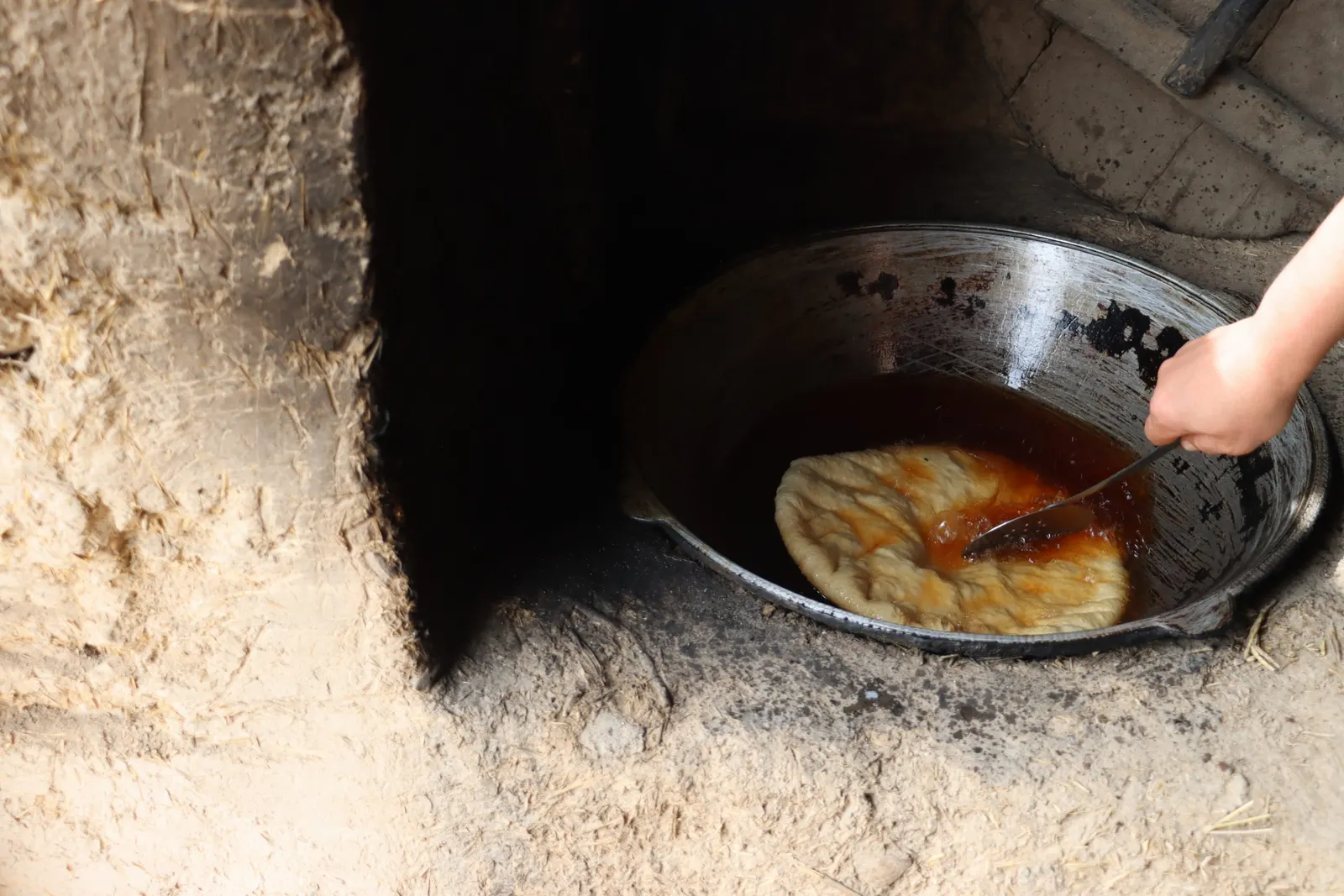
A round chalpak flatbread frying in golden oil in a kazan over a clay oven Turkmenistan flag Turkmenistan 55m
Snack & Tea •Turkmen Heritage

Turkmen Celpek

This turkmen celpek recipe makes a paper-thin, large, crisp flatbread from a plain dough of flour, milk, water and salt, rolled almost see-through and fried in hot oil for only seconds on each side until pale gold and blistered. It is not a thick, soft, topped flatbread like Hungarian langos, and it is not a small, puffy disc like Uruguayan torta fritas: celpek is wide, flat, crisp and plain, and it is eaten warm, torn by hand, with tea. One serving is about 90 g.

Tea-Time Flatbread

A paper-thin, crisp flatbread fried in hot oil in seconds, made to tear and share with hot tea.

Pairs Well With
Hot green tea, honey & butter
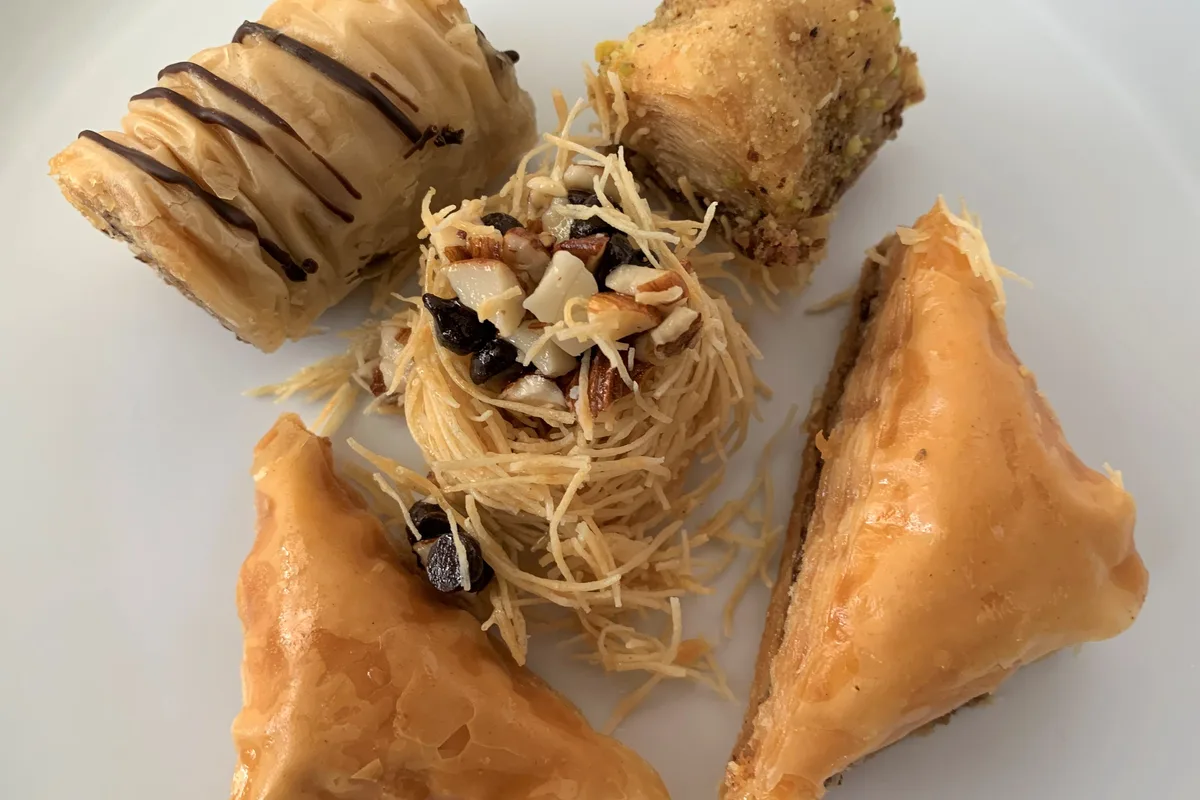
Assorted golden baklava pieces, including triangles and rolls, arranged on a white plate Turkmenistan flag Turkmenistan 1h 20m
Snack & Tea •Turkmen Heritage

Turkmen Pakhlava

This Turkmen pakhlava recipe layers paper-thin filo pastry with cinnamon-spiced walnuts, bakes it golden in butter, and soaks it in a lemon-honey syrup until every diamond glistens. It is the sweet Turkmen families set out with green tea at festive gatherings. One serving is about 121 g.

Festive Sweet

Crisp filo layers, spiced walnuts and honey syrup, served in small pieces with tea at celebrations.

Pairs Well With
Hot green tea and fresh fruit
Bœuf bourguignon — French beef braised in red wine France flag France 4h
Dinner •Burgundy Terroir

Bœuf Bourguignon

Beef braised gently in red wine until the connective tissue melts into a velvet, gelatin-rich sauce — the classic Burgundy Sunday dinner.

Cellular Repair

Beef braised in red wine until spoon-tender, with mushrooms and pearl onions.

Pairs Well With
Parsnip Purée & Steamed French Haricots Verts
High Protein
Vietnamese braised pork belly with golden eggs in caramel sauce Vietnam flag Vietnam 1h 45m
Dinner •One Pot

Vietnamese Braised Pork and Eggs

Pork belly slowly braised in coconut water and caramel until meltingly tender, with golden eggs that soak up the sweet-savoury sauce — the Vietnamese family dish that tastes better the next day.

Comfort & Sustained Energy

Slow-braised pork belly and eggs in coconut water and caramel.

Pairs Well With
Steamed rice & pickled mustard greens
High Protein

The Dinner Gazette

Never wonder what’s for dinner again

One email a week with easy dinner ideas from around the world — ingredients, steps and nutrition, tested in our kitchen first.

Delivered every Thursday morning. Unsubscribe anytime.