Curated recipes from 193 countries  •  New seasonal Mediterranean issue out now

Overview

Uruguayan Torta de Manzana

Torta de Manzana, Uruguayan Apple Cake, Bizcocho de Manzana

This uruguayan torta de manzana recipe bakes a soft butter sponge around sliced apples, scented with cinnamon, vanilla and lemon zest, and finished with a dusting of powdered sugar. It is the apple cake of Uruguayan home baking — a 24 cm round cake that comes out of the oven golden, smells of cinnamon, and is cut into thick slices while it is still a little warm. One serving is about 155 g.

Apple sponge cake is a home-baking staple across the Rio de la Plata, where Spanish and Italian immigrant baking traditions met orchards that grow apples well. In Uruguay the torta de manzana is a classic merienda cake — baked in a round pan, cut into thick slices, and served in the afternoon with mate. There is no single official version: every family has its own balance of butter, apples and cinnamon, and the cake in this recipe follows the most common home pattern, a creamed butter sponge with sliced apples on top.

Pairs well with: Serve a warm slice with vanilla ice cream and a cup of mate or coffee

Provenance

Uruguay flag Uruguay

Montevideo Heritage

Latin America & Caribbean

Time Dedication

1h 15m

25m prep • 50m cook

Batch Yield

8 Servings

392 kcal per serving

1 serving ≈ 155 g

Technical Skill

Intermediate

Easy (Home Baking)

Meal Timing & Digestive Fit

Breakfast

Not Advised

Lunch

Inappropriate

Dinner

Inappropriate

Snack & Tea

Ideal Light Bite

Occasions: Afternoon mate, family gatherings, birthdays, weekend baking Cost: Low — about $1 per serving at home
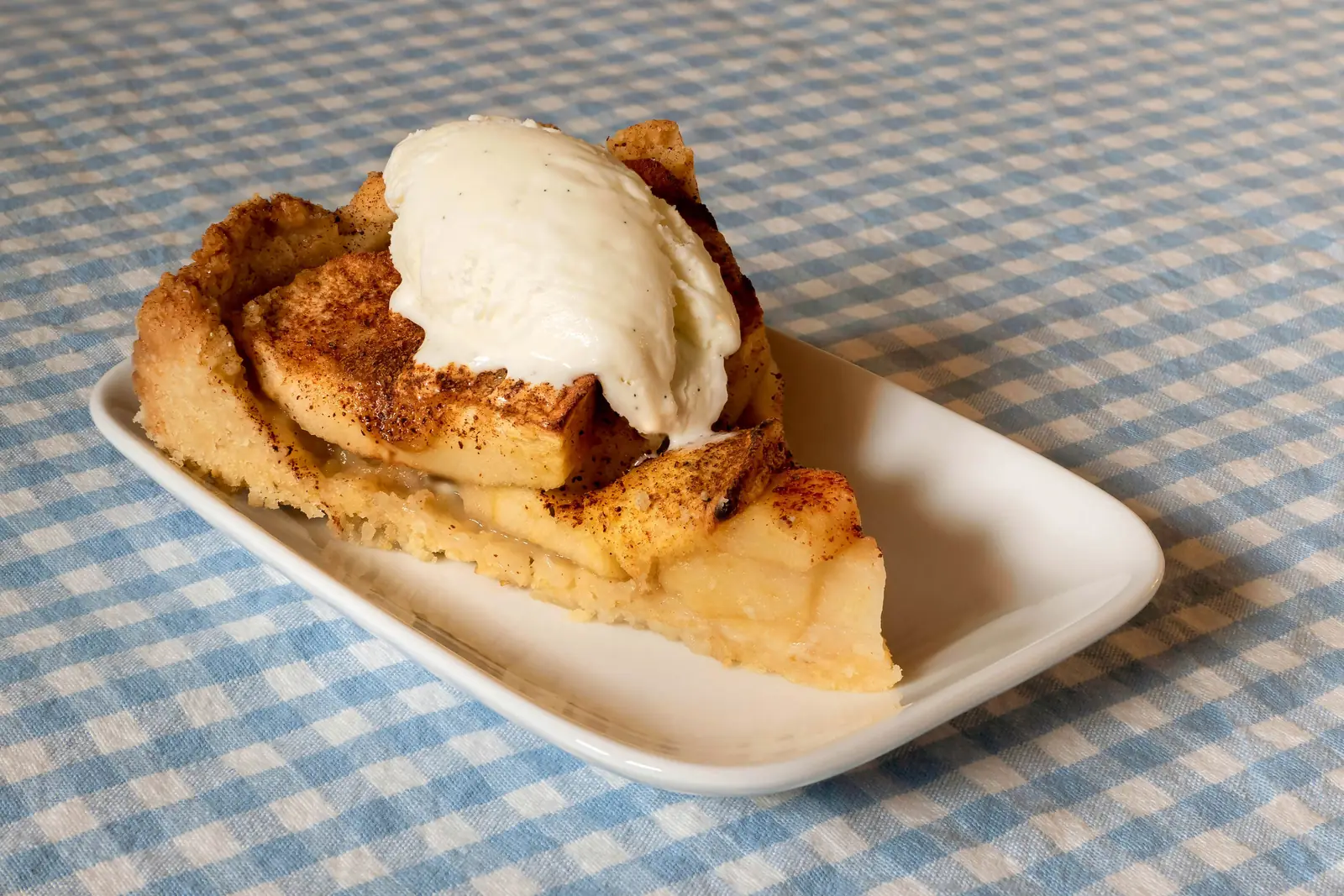
A slice of golden apple cake topped with a scoop of vanilla ice cream on a white plate

Montevideo Heritage

Photo: W.carter, CC0, via Wikimedia Commons

The Heritage Formulary

Measured Ingredients

Estimated cost: Low — about $1 per serving at home (USD)

A good torta de manzana is soft and moist, deep golden on top, with the apple slices visible in every slice — never dry, sunken or underbaked in the middle.

Execution Methodology & Culinary Technique

Step-by-Step Cooking Guide

Active 1h 15m
P

Slice the Apples and Cream the Butter

25 Mins

Peel and core the apples and slice them thinly, about 3 mm thick, then toss them with the lemon zest so they stay pale. Grease a 24 cm round cake pan with the reserved 10g of butter and line the base with baking paper. Beat the soft butter with the sugar until pale and creamy, about 3 minutes, then beat in the eggs one at a time, then the vanilla.

Maestro Tip: Slice the apples last-minute and toss them with the lemon zest straight away — cut apples brown in minutes, and brown apples make a dull-looking cake.

  1. 1

    Heat the Oven and Prepare the Pan

    5 Mins 180°C (350°F)

    Heat the oven to 180°C (350°F). Grease a 24 cm round cake pan with the reserved 10g of butter, line the base with baking paper, and grease the paper lightly too.

    Lining the base is what lets the cake come out in one piece — a sponge this soft sticks fast to an unlined pan.

    Done when: Oven at 180°C (350°F); pan greased and lined.

  2. 2

    Cream the Butter, Sugar and Eggs

    10 Mins Room temperature

    Beat the 120g of soft butter with the 180g of sugar in a large bowl until pale, fluffy and creamy, about 3 minutes. Beat in the 3 eggs one at a time, mixing well after each one, then stir in the vanilla extract and the lemon zest.

    Add the eggs one at a time and beat well between them — if they go in all at once the mixture can curdle and the sponge turns heavy.

    Done when: A pale, fluffy cream with the eggs fully mixed in and no streaks of butter.

  3. 3

    Fold in the Flour and the Apples

    10 Mins Room temperature

    Sift the 250g of flour with the 8g of baking powder, 2g of the cinnamon and the 2g of salt. Fold half the flour mixture into the butter and eggs, then half the 120g of milk, then the rest of the flour and the rest of the milk, folding gently until just combined. Fold in half of the sliced apples.

    Stop folding as soon as the flour disappears — overmixing knocks the air out and the sponge comes out tough instead of soft.

    Done when: A thick, smooth batter with apple slices folded through and no pockets of dry flour.

  4. 4

    Top with Apple Slices and Bake

    50 Mins 180°C (350°F)

    Scrape the batter into the prepared pan and smooth the top. Arrange the remaining apple slices in overlapping circles over the top and sprinkle them with the remaining 1g of cinnamon. Bake for 45 to 50 minutes, until deep golden, until the cake springs back when pressed lightly, and until a skewer pushed into the centre comes out clean.

    If the top browns too fast, lay a loose sheet of foil over the pan for the last 10 minutes — the apples on top catch colour before the middle is done.

    Done when: Deep golden top, springy to the touch, and a clean skewer from the centre.

  5. 5

    Cool and Dust with Sugar

    15 Mins Room temperature

    Leave the cake in the pan for 10 minutes, then turn it out onto a wire rack and leave it until just warm. Dust the top with the 10g of powdered sugar through a small sieve.

    Cutting a hot sponge crushes the crumb — 10 minutes in the pan and a few more on the rack is what keeps the slices neat.

    Done when: A warm cake, out of the pan in one piece, dusted white with sugar.

  6. 6

    Slice and Serve

    5 Mins Warm, about 60°C (140°F)

    Cut the cake into 8 slices with a sharp knife, wiping the blade between cuts. Serve warm, on its own or with a scoop of vanilla ice cream.

    A hot knife wiped clean between slices gives neat edges instead of a torn crumb.

    Done when: Eight even slices, the apple layers visible in each one.

Finishing Touches & Plating

Dust the warm cake with powdered sugar, cut it into 8 slices, and serve while it is still a little warm — on its own, or with a scoop of vanilla ice cream melting over the top.

Nutritional Physiology & Benefits

Nutrition

Energy

392

kcal / serving

Protein

6g

Complete AA

Carbs

57g

Complex

Fats

16g

Healthy

Per serving (8 servings · 1 serving ≈ 155 g)
Energy392 kcal
Protein6 g
Carbohydrates57 g
Fat16 g
Fibre1.9 g
Sugar31.0 g
Sodium341 mg
Per 100g
Energy253 kcal
Protein4.1 g
Carbohydrates36.9 g
Fat10.2 g
Fibre1.2 g
Sugar20 g
Sodium220 mg

Nutrition values are estimated — calculated from USDA FoodData Central values for the listed ingredients.

Vitamins & minerals: Vitamin C and potassium (apples), calcium and vitamin B12 (milk and eggs), and iron (flour).

Real Fruit in Every Slice

Each 155 g serving carries about 60 g of apple — real fruit, not flavouring — with about 1.9 g of fibre and vitamin C from the apples themselves.

Simple, Honest Ingredients

Flour, butter, eggs, milk, sugar and apples — nothing artificial, nothing you cannot pronounce, just a home cake made from the pantry.

Warm and Comforting

A warm, cinnamon-scented sponge with soft baked apples is the kind of slice that slows an afternoon down, especially with a cup of mate.

Food Pairings

What to Eat With

To optimize nutrient absorption and elevate the sensory depth, pair with these authentic accompaniments:

Sides

Vanilla Ice Cream

A scoop of vanilla ice cream melts over the warm slice, and its cool creaminess balances the cinnamon-spiced apples — it is the serving shown in the photo.

Drinks

Mate

Bitter, grassy mate is the classic Uruguayan partner for this cake — it cuts the sweetness and is how the cake is usually eaten, passed around in the afternoon.

Coffee

A cup of coffee, black or with milk, stands up to the buttery sponge and turns one slice into a proper afternoon break.

Full Menus

Afternoon Mate Spread

Serve the cake as the centre of an afternoon mate spread, sliced and passed around while the mate goes around the table, with a bowl of fresh fruit on the side.

Complete menu

Serve a warm slice of torta de manzana with vanilla ice cream and a cup of mate, then a bowl of fresh fruit, for a classic Uruguayan afternoon break.

Digestive Guardrails

What NOT to Combine

To prevent digestive distress, sluggishness, or palate clash, avoid pairing the dish with these elements:

Cutting It While Piping Hot

A sponge straight from the oven is fragile — cutting it hot crushes the crumb and the slices fall apart, and the filling can scald the mouth. Let it rest 10 minutes in the pan first. This is general information, not medical advice.

Leaving It Uncovered

The sponge dries out fast in the open air and goes stale within a day. Keep the cake covered or in a sealed container once it is cool. This is general information, not medical advice.

General information only, not medical advice — consult a doctor for personal dietary decisions.

Who Should Eat It

Who Should Eat

  • General adultsA sweet, buttery slice — one 155 g serving with mate or coffee is a classic afternoon break for most adults.
  • ChildrenSoft, sweet and easy to eat — a small slice is a favourite with children, served warm, not hot.
  • ElderlySoft to chew and gentle on the teeth, but it is sweet — one slice is plenty, with a cup of tea or mate.
  • Pregnant womenA homemade cake with no alcohol and nothing raw, but it is high in sugar at about 31.0 g a serving — one slice is enough, and ask your clinician if you are unsure.
  • Breastfeeding womenA comforting slice between feeds, with about 392 kcal a serving — one slice with a drink is plenty.
  • AthletesA quick source of energy after training, with about 57.2 g of carbohydrate a serving — good with a protein-rich meal, not on its own.
  • Weight gainAt about 392 kcal a serving with butter, sugar and eggs, this cake is an easy way to add energy to the day.
  • Weight lossA 155 g slice is 392 kcal with about 31.0 g of sugar, so a half slice with a cup of mate is the lighter choice.

Health Conditions — Adjust or Avoid

Conditions

  • DiabetesAbout 57.2 g of carbohydrate and 31.0 g of sugar a serving, so a half slice is the safer choice; ask your clinician about a suitable serving.
  • High blood pressureSodium is about 341 mg a serving, mostly from the butter, baking powder and salt — one slice is fine for most people, and ask your clinician if you are unsure.
  • Kidney diseaseThe cake is low in protein at about 6.4 g a serving, but the sugar and potassium from the apples matter — ask your clinician whether it fits your diet.
  • GoutNo meat, seafood or alcohol in this cake, so purines are not a concern — the sugar is the thing to watch; ask your clinician if you are unsure.
  • Stomach issuesA rich, buttery cake — eat a small slice slowly and avoid eating it on an empty stomach if rich food bothers you; ask your clinician if symptoms persist.
  • Cardiovascular diseaseAbout 15.8 g of fat a serving, much of it saturated fat from the butter, so keep to one slice; ask your clinician if you are unsure.
  • Fatty liverA sugary, buttery cake, so a small slice now and then is better than a large slice every day; ask your clinician if you are unsure.
  • Food allergiesContains gluten (wheat flour), egg and milk (butter and milk). No peanut, tree nut, fish or shellfish.
  • Special therapeutic dietsThis is a sweet everyday cake, not a therapeutic food; anyone on a special diet should ask their clinician before eating it.

If you have a medical condition, consult your doctor before changing your diet.

Storage & Use

Storage & Use

How to store
Cool completely, then keep covered or in a sealed container at room temperature.
In the fridge
3 days in a sealed container; bring back to room temperature or warm briefly before serving.
In the freezer
Up to 2 months, sliced and wrapped; thaw at room temperature.
How to reheat
Warm a slice in a low oven at 150°C (300°F) for 5 minutes, or 20 seconds in the microwave, until just warm — do not overheat or the sponge dries out.
Freezing recommended
Yes — it freezes well in slices.
Signs it has spoiled
A sour smell, a slimy surface, or any mould.

More recipes to explore

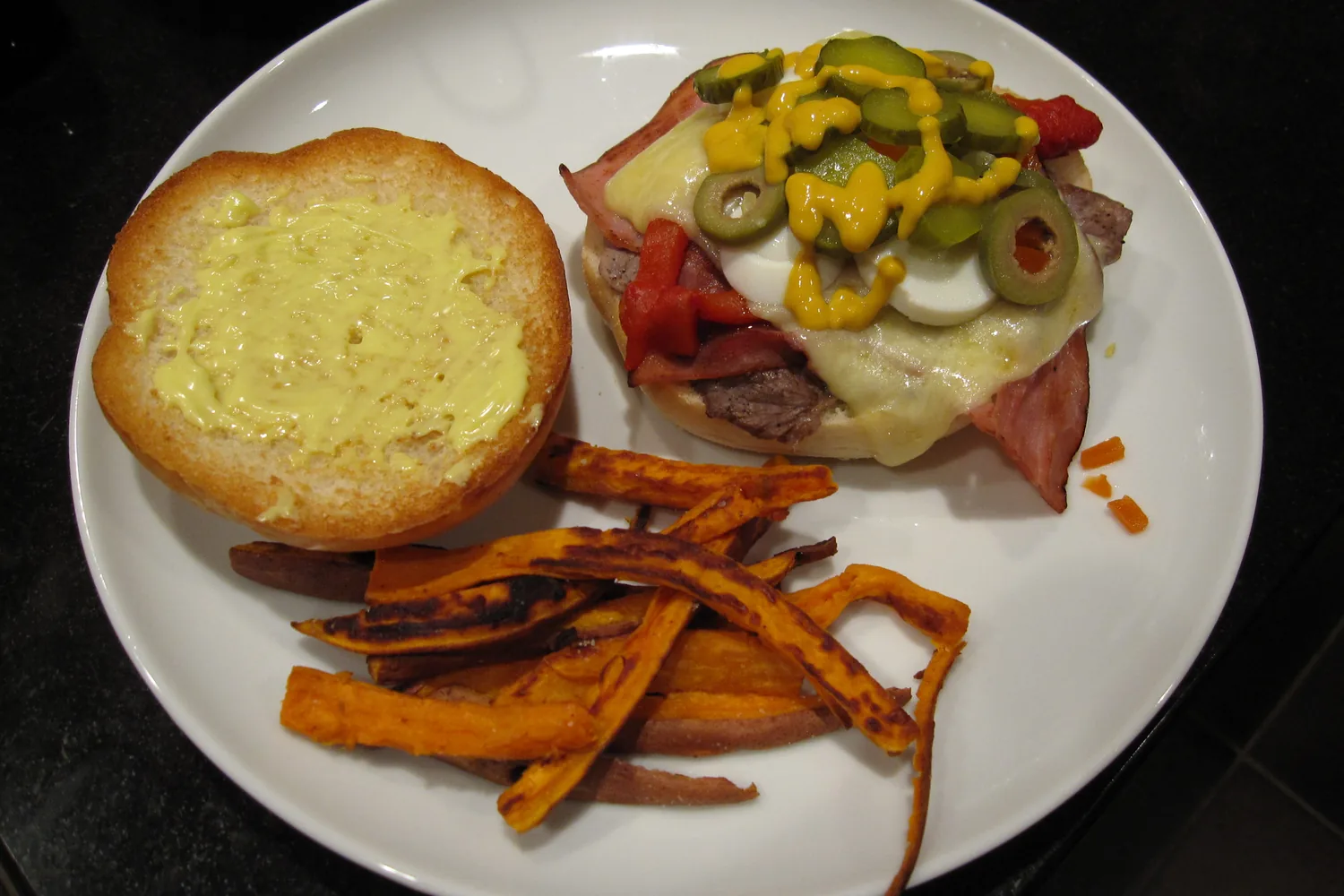
An open chivito sandwich on a white plate: a bun topped with grilled steak, ham, melted mozzarella, sliced hard-boiled egg, green olives, pickles and mustard, with sweet potato fries beside it Uruguay flag Uruguay 35m
Lunch •Punta del Este Classic

Chivito

This chivito recipe builds Uruguay's national sandwich: a thin grilled steak layered with ham, crisp bacon, melted mozzarella and a fried egg, finished with tomato, lettuce, green olives, mayonnaise and mustard in a soft toasted roll. One serving is about 445 g. It is a big, messy, deeply satisfying lunch that comes together in about 35 minutes.

Comfort & Warmth

A towering Uruguayan sandwich of grilled steak, ham, bacon, melted mozzarella and a fried egg in a soft roll.

Pairs Well With
French fries and a cold lager or a glass of Uruguayan tannat
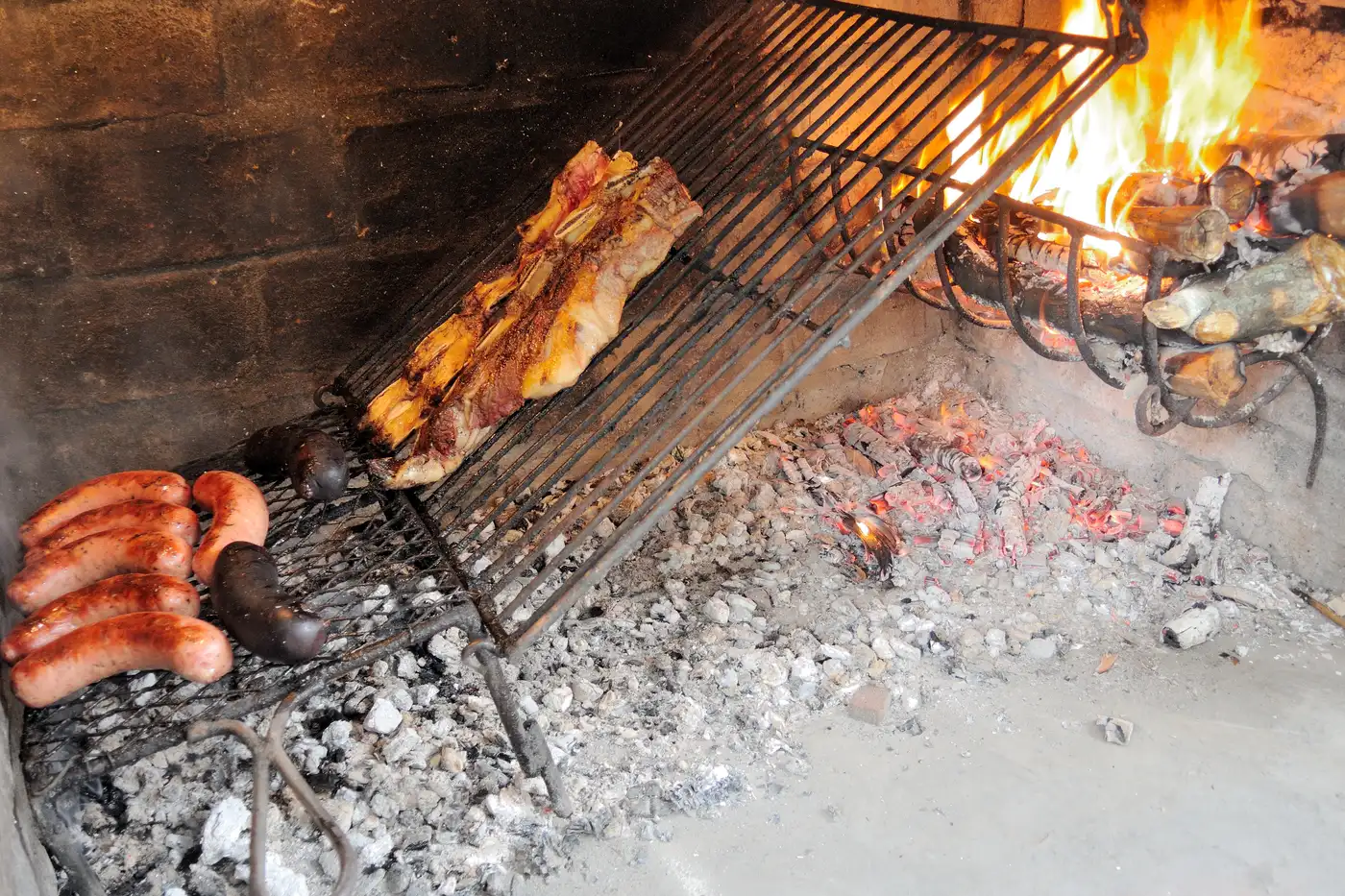
Beef short ribs, chorizo and morcilla grilling over wood embers on a Uruguayan parrilla Uruguay flag Uruguay 2h
Dinner •Montevideo Parrilla Heritage

Uruguayan Asado

Uruguayan asado is a mixed grill cooked slowly over wood embers on the parrilla, the iron grill that stands at the centre of Uruguayan family life. Beef short ribs, flank and skirt steak go on first, followed by chorizo and morcilla, all seasoned with nothing but coarse salt, and the meal is served piece by piece as each cut is ready, with chimichurri and salsa criolla on the table. One serving is about 425 g.

High-Protein & Satisfying

A slow mixed grill of beef cuts, chorizo and morcilla over wood embers, served with chimichurri and salsa criolla — the heart of the Uruguayan Sunday asado.

Pairs Well With
Salsa criolla & ensalada rusa
High Protein
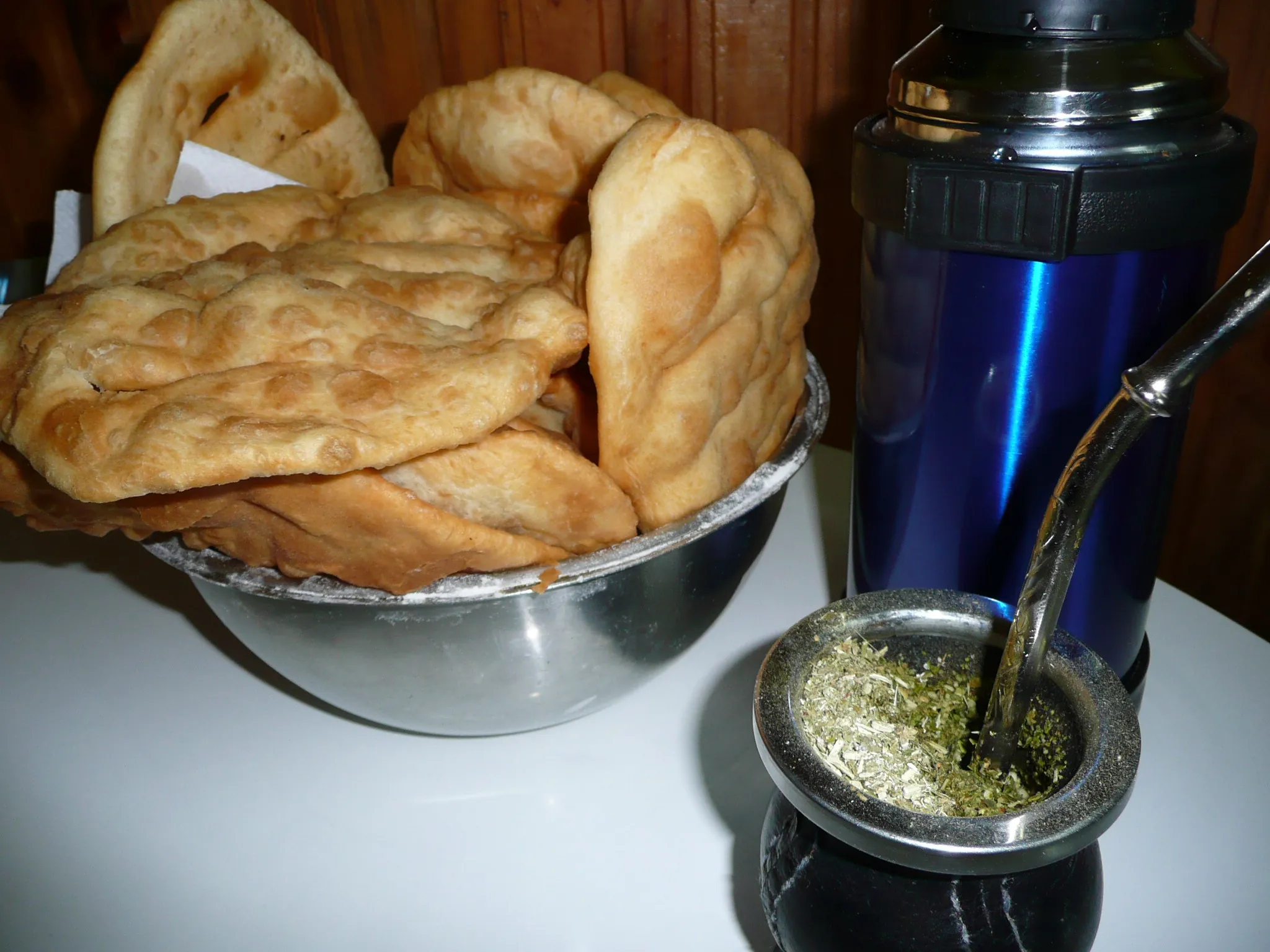
A bowl of golden torta fritas beside a mate gourd with a metal straw and a blue thermos Uruguay flag Uruguay 40m
Snack & Tea •Uruguay's Rainy-Day Snack

Torta Fritas

Torta fritas are Uruguay's beloved rainy-day snack: thin rounds of wheat-flour dough, fried until puffed and golden, then eaten plain, dusted with sugar or spread with dulce de leche. When the clouds roll in over Montevideo, home kitchens and street stalls start frying, and the smell of hot dough means it is time for mate. One serving is about 170 g.

Comfort & Warmth

Golden discs of fried wheat dough, crisp outside and soft inside, made for grey rainy afternoons with a hot mate.

Pairs Well With
Hot mate, dulce de leche and a dusting of sugar
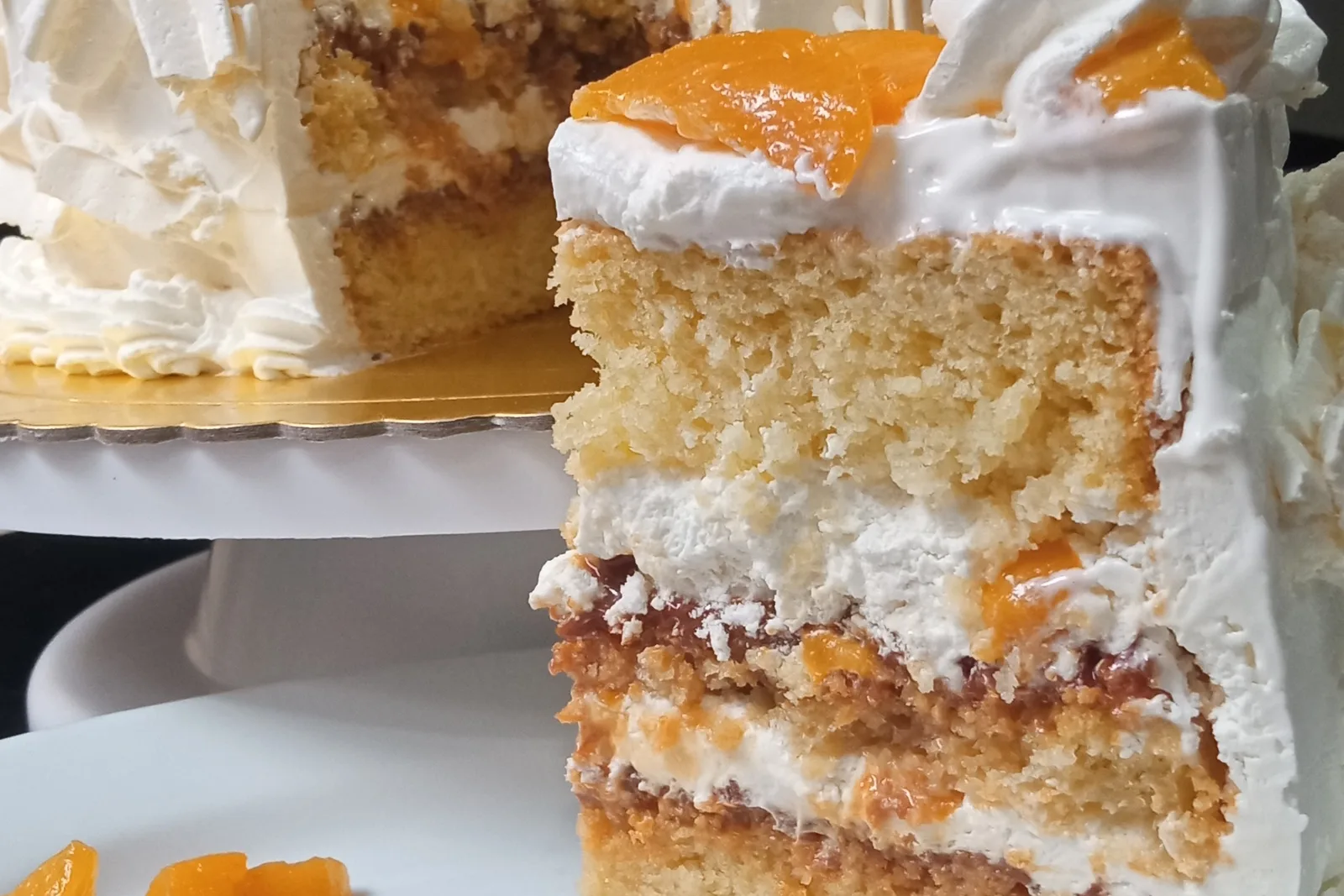
A slice of chaja cake with sponge, whipped cream, dulce de leche and peach layers, with the whole meringue-topped cake behind it Uruguay flag Uruguay 2h 45m
Snack & Tea •Paysandú Heritage

Chaja

This chaja recipe builds Uruguay's most original dessert layer by layer: a soft sponge cake soaked in peach syrup, crisp meringue, sweet whipped cream, peaches in syrup and dulce de leche, finished with crushed meringue all over the outside. It was created in Paysandú in 1927 and named after the chaja bird, whose soft white plumage the cake is said to resemble. One serving is about 195 g.

Celebration & Sharing

A cloud-light Uruguayan layer cake of sponge, crisp meringue, whipped cream, peaches and dulce de leche — Paysandú's most original dessert.

Pairs Well With
A slice of chaja with coffee or mate, at a birthday or Sunday table

The Dinner Gazette

Never wonder what’s for dinner again

One email a week with easy dinner ideas from around the world — ingredients, steps and nutrition, tested in our kitchen first.

Delivered every Thursday morning. Unsubscribe anytime.