Curated recipes from 193 countries  •  New seasonal Mediterranean issue out now

Overview

Vitel Tonne

Vitello Tonnato, Veal with Tuna Sauce

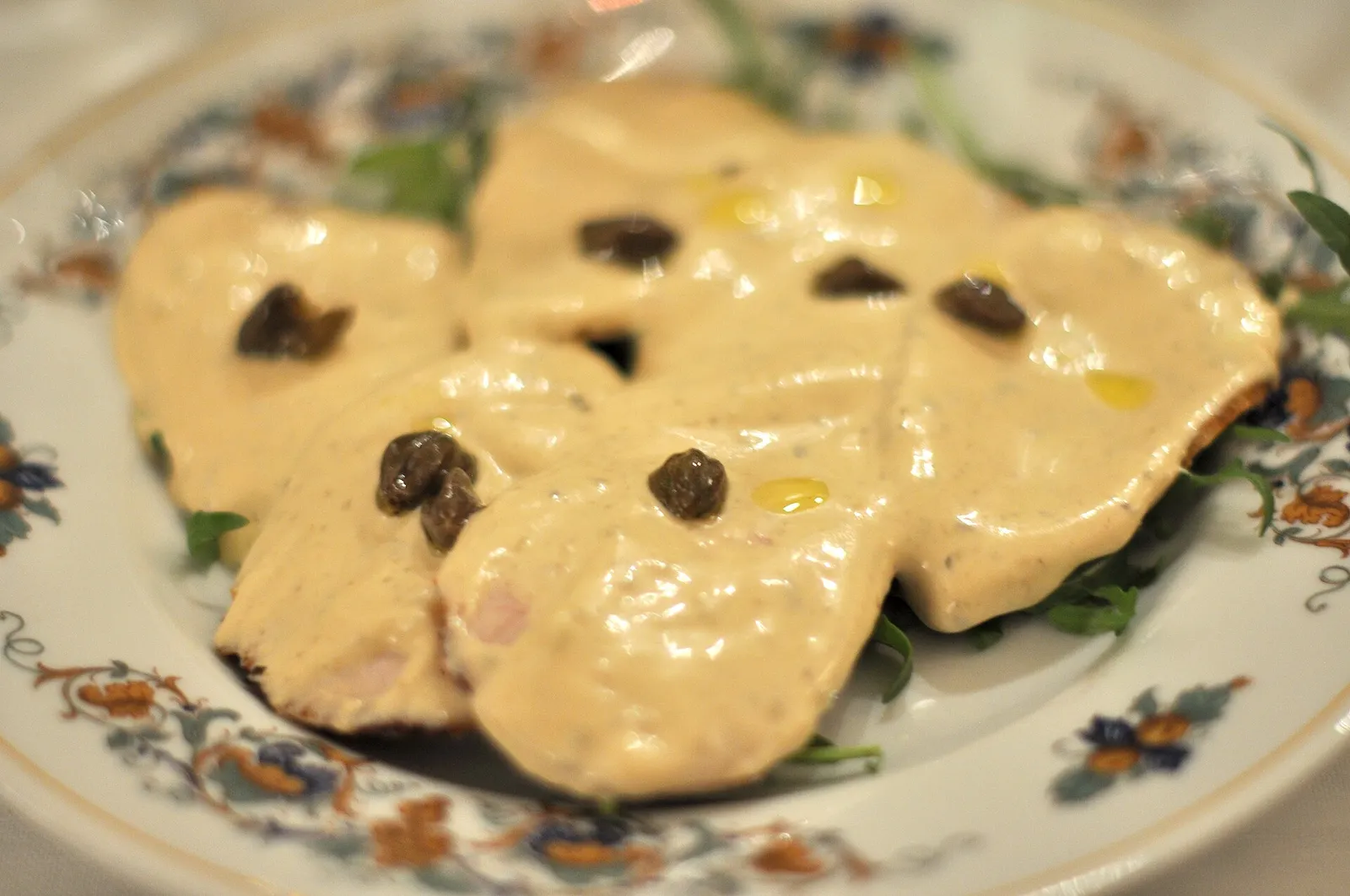
Vitel tonne is cold, thinly sliced poached veal layered with a silky sauce of tuna, mayonnaise, anchovies, capers and lemon, finished with extra capers and peppery arugula. It is the dish Argentine families bring out for Christmas Eve and New Year's Eve, cooked a day ahead so the flavours can settle. One serving is about 180 g.

Vitello tonnato comes from Piedmont in north-west Italy, where cold sliced veal under a tuna sauce has been a classic since the 1800s. Italian immigrants carried it to Argentina in the great migration of the late 1800s and early 1900s, and there it became vitel tonne — a fixture of the Christmas Eve and New Year's Eve table. In Argentina it is often made with beef eye of round (peceto) as well as veal, and it is always prepared a day ahead.

Pairs well with: Serve with crusty bread, a simple green salad and a glass of chilled Torrontés or sparkling wine.

Provenance

Argentina flag Argentina

Argentine Christmas Classic

Latin America & Caribbean

Time Dedication

1h 40m

25m prep • 75m cook

Batch Yield

6 Servings

382 kcal per serving

1 serving ≈ 180 g

Technical Skill

Intermediate

Medium (Poach & Chill)

Meal Timing & Digestive Fit

Breakfast

Not Advised

Lunch

Hearty Midday Main

Dinner

Ideal Hearty Main

Snack & Tea

Inappropriate

High Protein Occasions: Christmas Eve, New Year's Eve, festive family lunches, summer gatherings Cost: Moderate — about $5–6 per serving at home
A close-up plate of vitel tonne — thin slices of cold veal covered in a creamy pale tuna sauce, dotted with dark capers and a drizzle of olive oil, over fresh arugula

Argentine Christmas Classic

Photo: cyclonebill, CC BY-SA 2.0, via Wikimedia Commons

The Heritage Formulary

Measured Ingredients

Estimated cost: Moderate — about $5–6 per serving at home (USD)

The veal is poached gently, chilled before slicing, and the tuna sauce is blended completely smooth and tasted for salt before serving.

Execution Methodology & Culinary Technique

Step-by-Step Cooking Guide

Active 1h 40m
P

Set up the poach and the sauce

25 minutes

Tie the veal, chop the poaching vegetables and measure the sauce ingredients before the pot goes on — once the veal is poaching you cannot slice it, and the sauce comes together in minutes.

Maestro Tip: Chill the serving platter in the fridge now; cold veal on a cold plate stays firm and slices cleanly.

  1. 1

    Poach the veal gently

    75 minutes Simmer at 85°C (185°F); veal to 63°C (145°F)

    Put the tied veal, water, wine, carrot, celery, onion, bay leaves, peppercorns and a pinch of salt in a large pot. Bring just to a boil, skim off any foam, then turn the heat down so the liquid barely trembles at about 85°C (185°F). Cover loosely and poach for 70–75 minutes until a thermometer in the thickest part reads at least 63°C (145°F). Lift the veal out and rest it for 10 minutes.

    Never let the pot boil hard — a rolling boil tightens the meat and turns it grey and stringy.

    Done when: The thermometer reads at least 63°C (145°F) in the thickest part; the meat is pale pink, firm and juicy, not grey.

  2. 2

    Chill the veal until cold and firm

    4 hours (inactive) Chill at 4°C (40°F)

    Wrap the rested veal tightly in cling film, set it on a plate and refrigerate for at least 4 hours, ideally overnight. Cold veal is the whole trick: warm veal tears and crumbles under the knife.

    Make the sauce while the veal chills — it also improves after a few hours in the fridge.

    Done when: The veal is cold all the way through and firm to the touch, and a knife slides through it without tearing.

  3. 3

    Blend the tuna sauce

    10 minutes No cooking heat; serve chilled at 4°C (40°F)

    Put the drained tuna, mayonnaise, anchovies, 30 g of the capers, lemon juice, olive oil and mustard in a blender. Blend until completely smooth and pale, then thin with 2–3 tablespoons of the strained poaching liquid until it falls from a spoon in a slow ribbon. Taste and add salt only if it needs it — the anchovies and capers are already salty.

    Blend longer than you think: a grainy sauce is the most common fault. If it is too thick, add poaching liquid a spoon at a time.

    Done when: The sauce is silky, pale cream-coloured and coats the back of a spoon without any visible flakes.

  4. 4

    Slice the veal paper-thin

    10 minutes Keep chilled at 4°C (40°F)

    Unwrap the cold veal, remove the string and slice across the grain with a long, sharp knife into slices 2–3 mm thick. Work slowly and keep the slices overlapping on a tray as you go.

    A long carving knife drawn in one smooth stroke cuts far thinner than a short knife sawing back and forth.

    Done when: The slices are even, 2–3 mm thick, and hold together instead of shredding.

  5. 5

    Layer the veal and sauce it

    10 minutes Serve chilled at 4°C (40°F)

    Arrange the slices overlapping in a single layer on the chilled platter, spoon the sauce over them in an even coat, then cover loosely and refrigerate for at least 30 minutes so the sauce settles into the meat.

    Sauce the platter, not the slices one by one — the sauce finds its own level and every slice gets coated.

    Done when: Every slice is coated, the sauce has settled, and the platter is cold to the touch.

  6. 6

    Garnish and serve

    5 minutes Serve chilled at 4°C (40°F)

    Scatter the reserved whole capers and the arugula over the top, drizzle with a little more olive oil, grind black pepper over it and tuck the lemon wedges around the edge. Serve straight from the fridge with crusty bread.

    Garnish at the last minute so the arugula stays perky and the capers keep their pop.

    Done when: The capers are scattered, the arugula is bright green and the platter looks ready for the table.

  7. 7

    Rest, then serve

    10 minutes Serve chilled at 4°C (40°F)

    Bring the platter out 10 minutes before eating so it is cool rather than ice-cold, and let guests squeeze lemon over their own portion.

    Do not leave the platter out for more than 2 hours — the mayonnaise and fish sauce must stay cold.

    Done when: The veal is cool, the sauce is creamy and the capers still pop with salt.

Finishing Touches & Plating

Let the sauced platter rest in the fridge for at least 30 minutes before serving so the sauce settles into the veal, and bring it out 10 minutes early so it is cool, not ice-cold.

Nutritional Physiology & Benefits

Nutrition

Energy

382

kcal / serving

Protein

38g

Complete AA

Carbs

1g

Complex

Fats

24g

Healthy

Per serving (6 servings · 1 serving ≈ 180 g)
Energy382 kcal
Protein38 g
Carbohydrates1 g
Fat24 g
Fibre0.5 g
Sugar0.3 g
Sodium823 mg
Per 100g
Energy212 kcal
Protein21.2 g
Carbohydrates0.8 g
Fat13.3 g
Fibre0.3 g
Sugar0.2 g
Sodium457 mg

Nutrition values are estimated — calculated from USDA FoodData Central values for the listed ingredients.

Vitamins & minerals: Provides vitamin B12 and selenium from the tuna and veal, iron and zinc from the veal, and vitamin K from the arugula and capers.

High in protein

One serving gives about 38 g of protein from veal and tuna, which supports muscle maintenance as part of a balanced diet.

Iron, zinc and B12

Veal and tuna are natural sources of iron, zinc and vitamin B12, nutrients that help carry oxygen in the blood and support normal energy metabolism.

Cooked ahead, no last-minute frying

The veal is poached and chilled a day ahead, so there is no hot oil or last-minute cooking — the host can simply sauce and serve.

Food Pairings

What to Eat With

To optimize nutrient absorption and elevate the sensory depth, pair with these authentic accompaniments:

Sides

Crusty bread

Crusty bread is the right tool for the sauce: it soaks up the creamy tuna sauce that the fork leaves behind, so nothing is wasted.

Vegetables

Arugula and tomato salad

Peppery arugula and sharp tomato cut through the richness of the mayonnaise and tuna sauce and keep the plate feeling fresh.

Drinks

Chilled Torrontés or sparkling wine

A cold, aromatic white wine with bright acidity lifts the fatty sauce and matches the festive, celebratory mood of the dish.

Full Menus

Christmas Eve menu

Vitel tonne sits at the centre of the Argentine Christmas Eve table, followed by roast meats and salads — its cold, make-ahead nature frees the kitchen for the rest of the feast.

Complete menu

Start with vitel tonne and crusty bread, follow with a green salad and roast vegetables, and finish with fresh fruit and sparkling wine.

Digestive Guardrails

What NOT to Combine

To prevent digestive distress, sluggishness, or palate clash, avoid pairing the dish with these elements:

Do not leave it out for hours

This is a cold dish built on mayonnaise and fish. Keep it refrigerated and do not leave it at room temperature for more than 2 hours, as bacteria grow quickly in the danger zone. This is general information, not medical advice.

Do not reheat it

Reheating splits the mayonnaise sauce and toughens the veal. If slices are left over, eat them cold within 3 days rather than warming them. This is general information, not medical advice.

General information only, not medical advice — consult a doctor for personal dietary decisions.

Who Should Eat It

Who Should Eat

  • General adultsA rich, high-protein festive main; enjoy a moderate portion and balance it with salad and bread.
  • ChildrenChildren can eat it once the veal is fully cooked and chilled; the sauce is salty, so give small portions and check for fish and egg allergies first.
  • ElderlyA soft, easy-to-chew cold dish, but the sauce is salty and rich — a smaller portion with salad suits most older adults.
  • Pregnant womenThe veal is fully cooked and the tuna is light canned tuna, which is lower in mercury than white tuna; keep portions moderate and ask your clinician about fish intake in pregnancy.
  • Breastfeeding womenFully cooked veal and light canned tuna in moderate portions are generally suitable; keep portions moderate and ask your clinician if you are unsure.
  • AthletesAbout 38 g of protein per serving makes it a strong post-training meal; pair it with bread or potatoes for the carbohydrates training needs.
  • Weight gainEnergy-dense from mayonnaise and olive oil, with plenty of protein — a useful calorie-dense option for anyone trying to gain weight.
  • Weight lossRich and high in fat from the sauce, so keep the portion small, load the plate with salad, and go easy on the bread.

Health Conditions — Adjust or Avoid

Conditions

  • DiabetesAlmost no carbohydrate (about 1.4 g per serving), but the sauce is salty and rich — keep portions moderate and ask your clinician.
  • High blood pressureAbout 823 mg of sodium per serving from anchovies, capers and salt; a smaller portion and a low-salt version of the sauce help — ask your clinician.
  • Kidney diseaseHigh in protein and sodium, which can strain the kidneys; keep portions small and ask your clinician before eating it regularly.
  • GoutVeal and tuna are both purine-rich, and anchovies are very high in purines; people prone to gout should eat it rarely and ask your clinician.
  • Stomach issuesThe sauce is rich and acidic from lemon and mayonnaise, which can trouble sensitive stomachs; a small portion with plain bread is gentler — ask your clinician.
  • Cardiovascular diseaseHigh in saturated fat from mayonnaise and oil; keep portions moderate and balance the meal with vegetables — ask your clinician.
  • Fatty liverRich in fat and calories from the sauce; a small portion with salad is the safer way to enjoy it — ask your clinician.
  • Food allergiesContains fish (tuna, anchovy), egg (mayonnaise) and mustard. Do not serve to anyone with a fish or egg allergy, and ask your clinician about alternatives.
  • Special therapeutic dietsLow in carbohydrate and high in protein, but the sodium and fat need care; adapt the sauce (yogurt instead of mayonnaise) only with guidance — ask your clinician.

If you have a medical condition, consult your doctor before changing your diet.

Storage & Use

Storage & Use

How to store
Cover the platter tightly with cling film or transfer slices and sauce to a sealed container and refrigerate.
In the fridge
Up to 3 days at 4°C (40°F) or below.
In the freezer
Not recommended — freezing splits the mayonnaise sauce and dries the veal.
How to reheat
Do not reheat. Serve cold; if you must warm leftover plain veal slices, reheat them to 74°C (165°F) and make a fresh sauce.
Freezing recommended
No
Signs it has spoiled
Sour or off smell, slimy sauce, discoloured veal or a sharp fishy odour — discard if any of these appear.

More recipes to explore

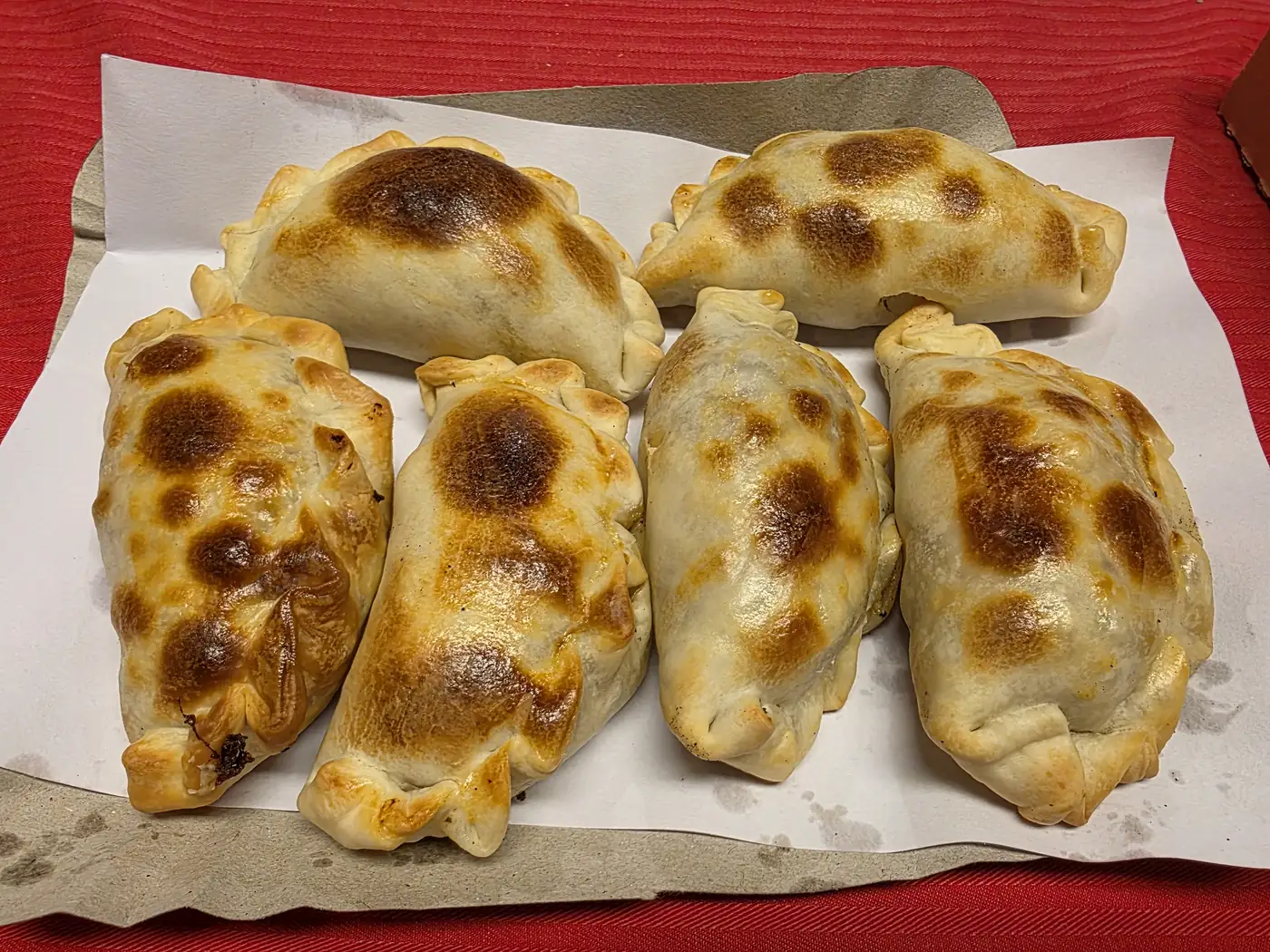
Golden baked Argentine beef empanadas with crimped edges on a plate Argentina flag Argentina 1h 25m
Lunch •Buenos Aires Heritage

Argentine Empanadas

Argentine empanadas are half-moon pastries of short, flaky wheat pastry — no yeast, no puff — folded over a savoury filling of seasoned ground beef, onion, hard-boiled egg, green olives and a few raisins, then sealed with the classic rope crimp called the repulgue and baked until deep gold. This is the beef empanada de carne found in bakeries and rotisseries across Buenos Aires. One serving (two empanadas) is about 260 g.

Hearty & Satisfying

Golden baked pastry wrapped around spiced beef, olive and egg — the hand-held lunch Argentina runs on.

Pairs Well With
Chimichurri & a simple green salad
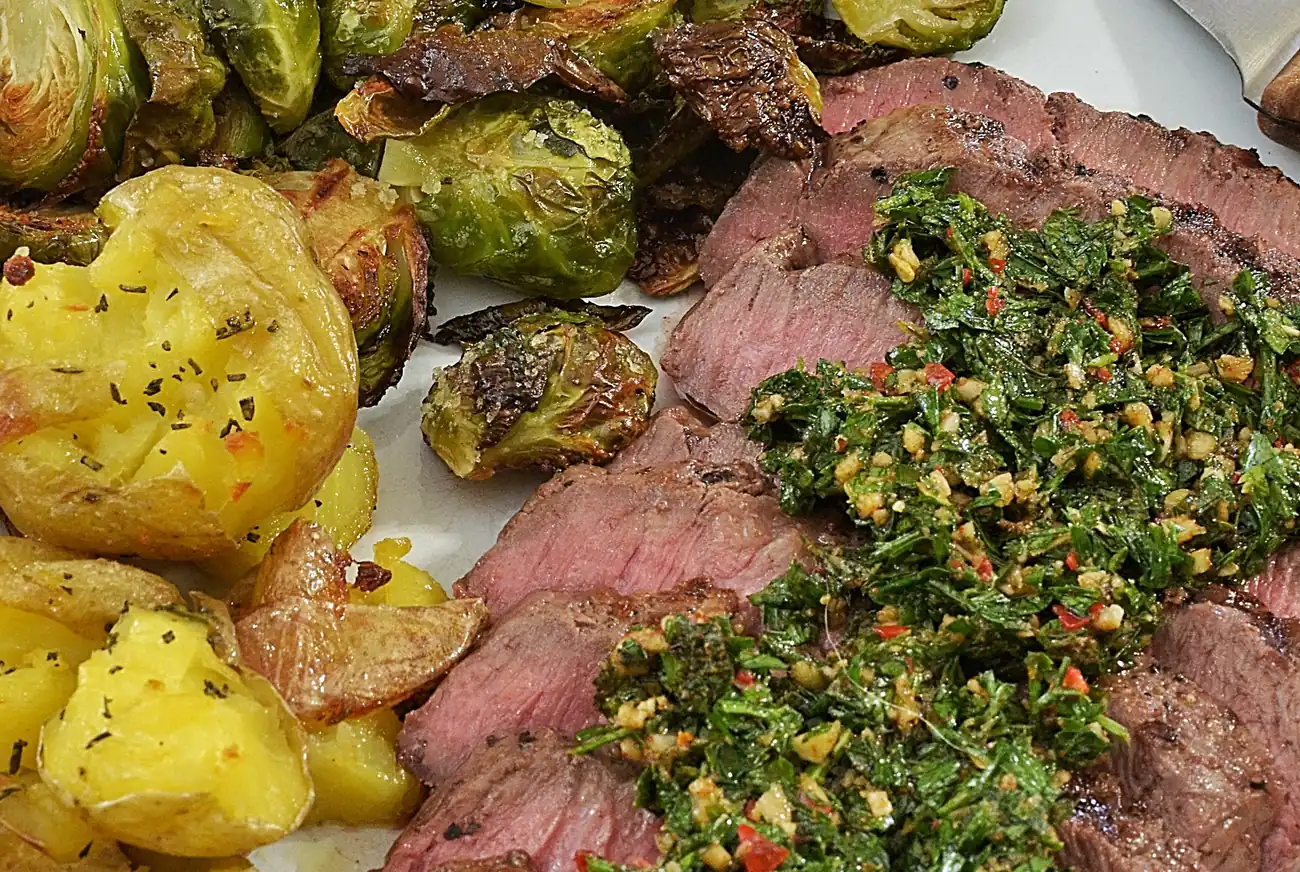
Sliced flat iron steak topped with green chimichurri on a plate Argentina flag Argentina 32m
Dinner •Pampas Asado Heritage

Chimichurri Steak

Chimichurri steak is the centrepiece of the Argentine asado: a thick sirloin grilled over high heat until charred outside and juicy inside, rested, sliced, and served with chimichurri — the raw sauce of parsley, garlic, oregano, red wine vinegar and olive oil that Argentina puts on almost everything grilled. The sauce is made first so its flavours can meld while the steak cooks. One serving is about 215 g.

High-Protein & Satisfying

A thick grilled sirloin, rested and sliced, drowned in bright garlicky chimichurri — the heart of the Argentine asado.

Pairs Well With
Roasted potatoes & grilled vegetables
High Protein
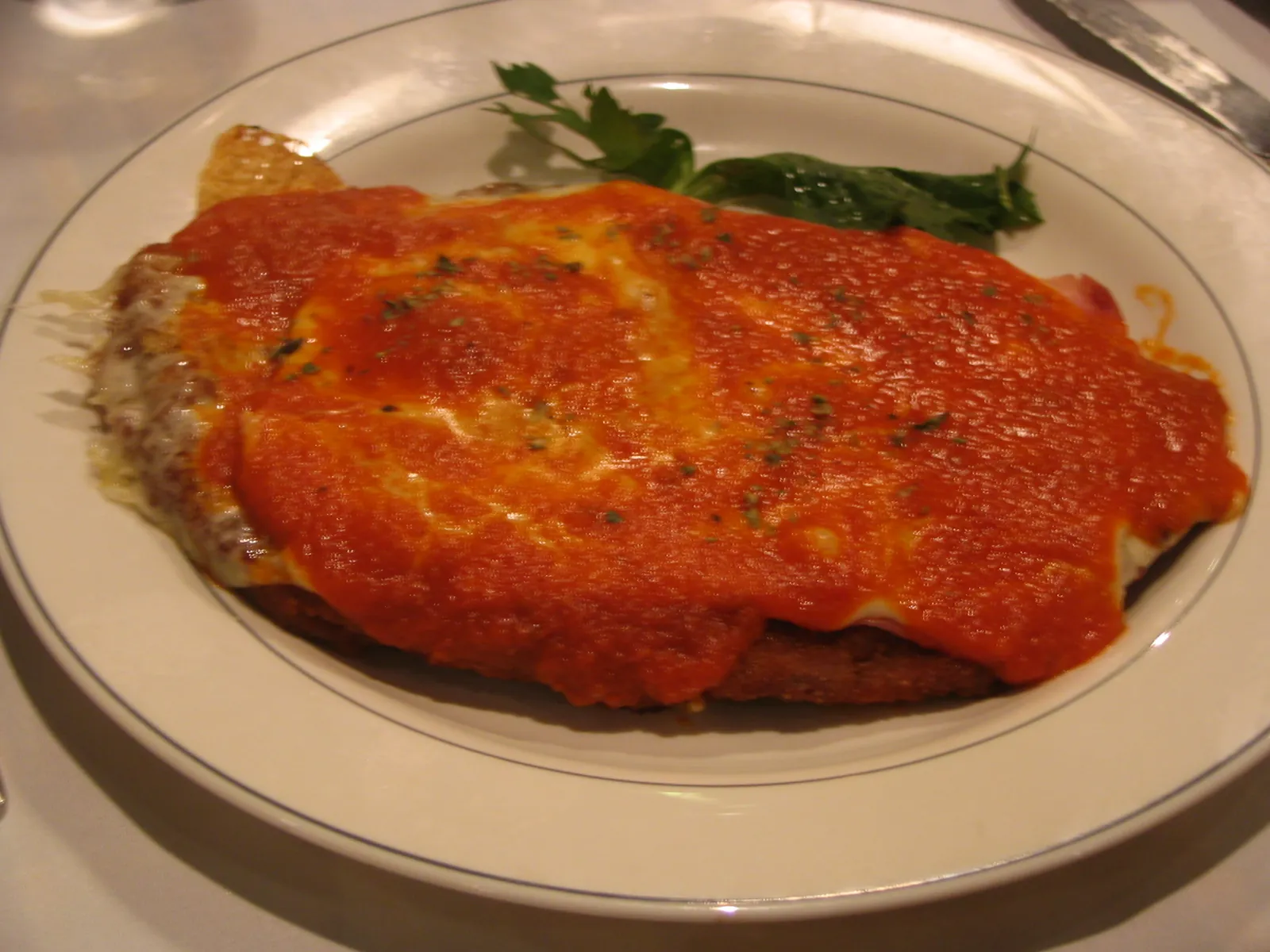
Breaded milanesa steak topped with tomato sauce and melted cheese Argentina flag Argentina 45m
Dinner •Buenos Aires Heritage

Milanesa a la Napolitana

Milanesa a la napolitana starts as a milanesa — a thin beef steak pounded flat, dredged in flour and egg, coated in breadcrumbs and fried until crisp — and then becomes something else entirely: topped with tomato sauce, a slice of ham and a blanket of mozzarella, it goes back into the oven until the cheese bubbles. It is the dish Argentine families order at the neighbourhood bodegon, always with French fries. One serving is about 350 g, before the fries.

Comforting & Satisfying

A crisp breaded steak, fried golden, then finished in the oven under tomato sauce, ham and bubbling mozzarella — Argentina's favourite comfort plate.

Pairs Well With
French fries & a green salad
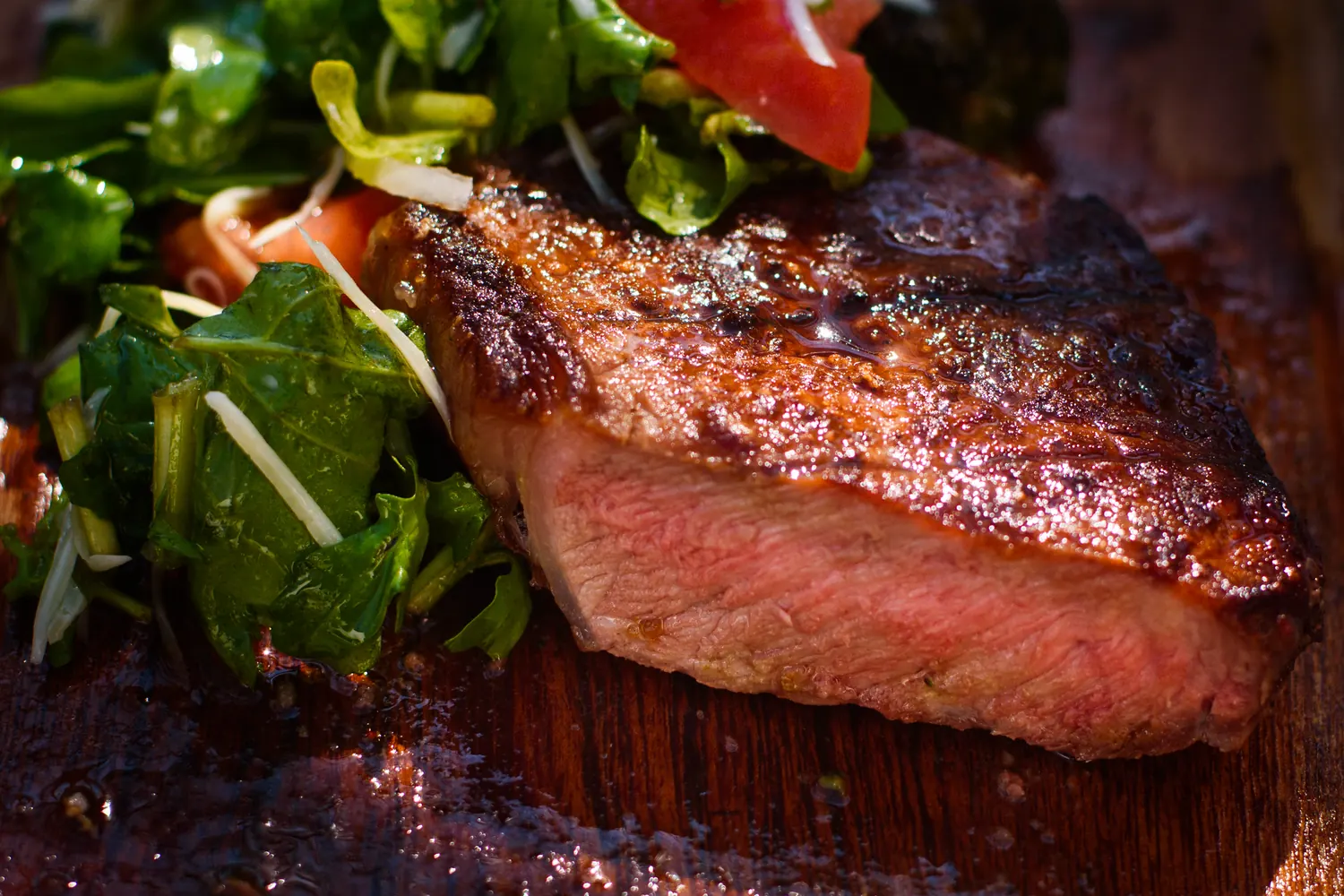
A grilled bife de chorizo steak, pink inside, with green salad on a wooden board Argentina flag Argentina 2h 30m
Dinner •Buenos Aires Parrilla Heritage

Argentine Asado

This argentine asado recipe is the full Sunday parrillada: tira de asado, vacio, entrana and bife de chorizo, plus chorizo, morcilla, mollejas and chinchulines, all cooked slowly over quebracho charcoal embers and seasoned with nothing but coarse salt. It opens with provoleta, grilled provolone with oregano, and the meat is served piece by piece as each cut is ready, with chimichurri and salsa criolla on the table. One serving is about 460 g.

High-Protein & Satisfying

A slow mixed grill of beef cuts, chorizo, morcilla and achuras over quebracho embers, opened with grilled provoleta and served with chimichurri and salsa criolla.

Pairs Well With
Chimichurri, salsa criolla & Malbec
High Protein

The Dinner Gazette

Never wonder what’s for dinner again

One email a week with easy dinner ideas from around the world — ingredients, steps and nutrition, tested in our kitchen first.

Delivered every Thursday morning. Unsubscribe anytime.