
Curated recipes from 193 countries  •  New seasonal Mediterranean issue out now

Overview

Youvetsi

Giouvetsi, Yiouvetsi, Greek Beef and Orzo Bake

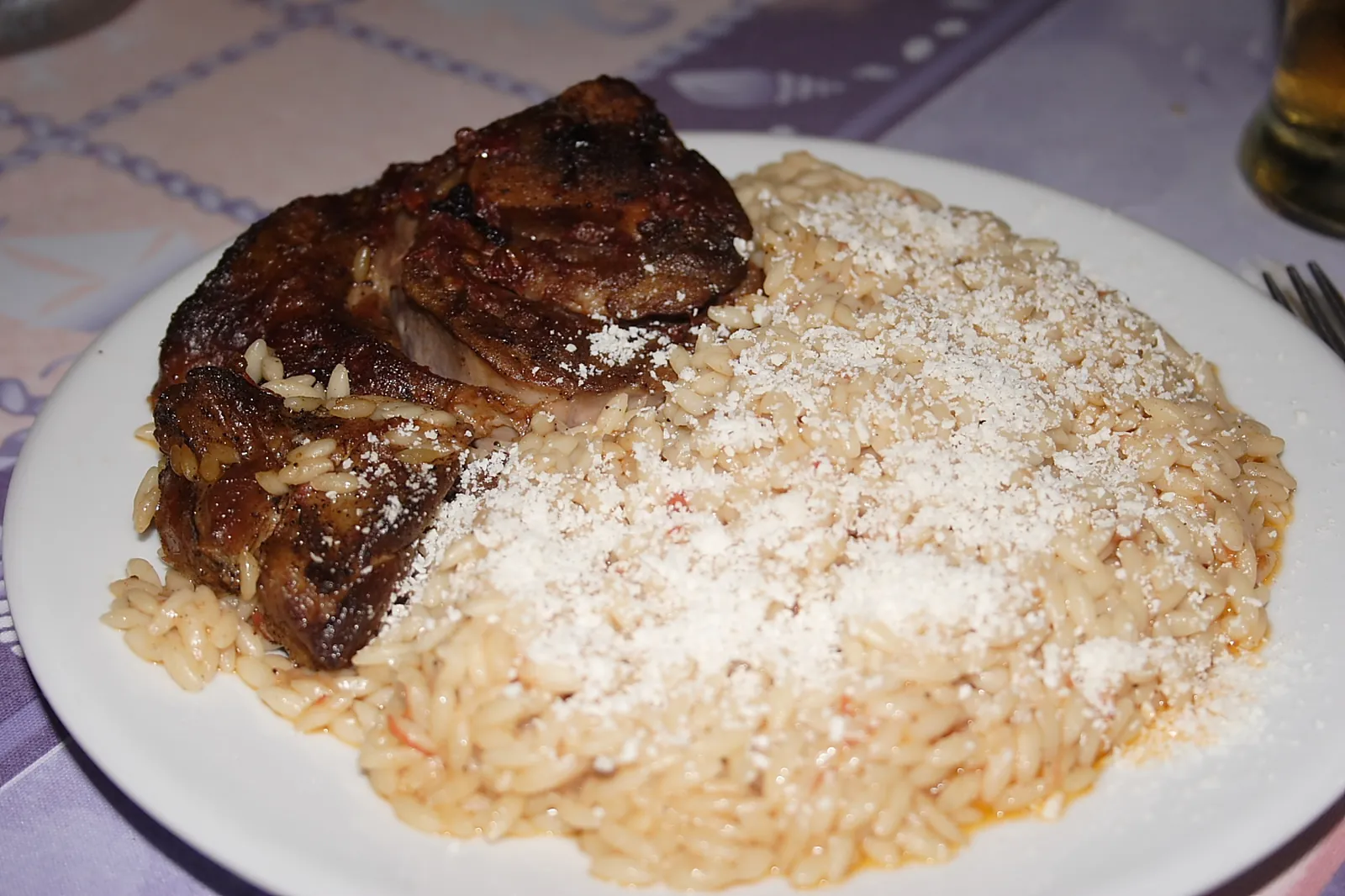
This youvetsi recipe slow-braises beef in a cinnamon-spiced tomato sauce with red wine, then bakes it with orzo so the pasta soaks up every drop, and finishes it with grated cheese. One serving is about 350 g.

Youvetsi takes its name from the Turkish güveç, the clay pot it was traditionally baked in, and it grew up during the Ottoman centuries in Greece. The meat — beef, lamb or chicken — is braised in a tomato sauce spiced with cinnamon and bay, and the orzo, called kritharaki or 'little barley' in Greek, cooks in the same sauce so it soaks up every drop. Unlike pastitsio, its layered cousin, youvetsi has no béchamel: the orzo itself thickens the dish, and it is served with grated cheese on top.

Pairs well with: Greek salad, crusty bread and a glass of red wine

Provenance

Greece flag Greece

Greek Clay-Pot Classic

Mediterranean & Italy

Time Dedication

2h

20m prep • 100m cook

Batch Yield

6 Servings

564 kcal per serving

1 serving ≈ 350 g

Technical Skill

Intermediate

Medium (Slow Baked)

Meal Timing & Digestive Fit

Breakfast

Not Advised

Lunch

Hearty Midday Main

Dinner

Ideal Hearty Main

Snack & Tea

Inappropriate

Pasta & Noodles Occasions: Sunday family dinners, cold-weather comfort food, make-ahead meals, dinner parties Cost: Medium — about $4–5 per serving at home
Youvetsi — baked orzo with braised beef and grated cheese on a plate

Greek Clay-Pot Classic

Photo: Robert Kindermann, CC BY-SA 2.5, via Wikimedia Commons

The Heritage Formulary

Measured Ingredients

Estimated cost: Medium — about $4–5 per serving at home (USD)

A real youvetsi is moist, never dry — if the orzo drinks the sauce too fast, add a splash of hot stock. Nutrition is estimated from USDA values.

Execution Methodology & Culinary Technique

Step-by-Step Cooking Guide

Active 2h
P

Prep Stage: Cut, Chop and Measure

20 Mins • Knife Work

Cut the beef into even chunks about 4 cm across, chop the onion, mince the garlic, and grate the cheese. Measure out the wine, stock, tomato paste, cinnamon and oregano, and have a deep ovenproof dish (about 30 x 20 cm / 12 x 8 inches) ready.

Maestro Tip: Cut the beef into even chunks so it all turns tender at the same time.

  1. 1

    Brown the Beef

    10 Mins High heat, about 200°C (400°F)

    Heat half the olive oil in a large ovenproof pot until it shimmers. Brown the beef in batches, turning the pieces until they have a deep brown crust on all sides, then lift them out.

    Brown in batches — a crowded pot steams the meat instead of browning it.

    Done when: Deep brown crust on all sides, no grey patches.

  2. 2

    Build the Tomato Sauce

    8 Mins Medium heat, about 175°C (350°F)

    Add the rest of the oil, soften the onion for 4 minutes, then add the garlic, tomato paste, cinnamon and oregano and cook for 1 minute. Pour in the wine and let it bubble for 1 minute, then add the tomatoes, sugar and warm stock.

    Cooking the tomato paste until it darkens takes the raw edge off the sauce.

    Done when: Sauce darkened and fragrant, wine smell gone.

  3. 3

    Braise Until Tender

    50 Mins Low simmer, about 95°C (200°F)

    Return the beef to the pot, cover, and simmer gently for 45–50 minutes until the meat yields easily to a fork. Season with the salt.

    A gentle simmer keeps the beef tender — a hard boil tightens it up.

    Done when: Beef pulls apart with a fork, sauce thick and glossy.

  4. 4

    Bake with the Orzo

    30 Mins 180°C (350°F)

    Heat the oven to 180°C (350°F). Stir the orzo into the pot, adding a splash of hot water if the sauce looks thick, then cover and bake for 25–30 minutes, stirring once halfway through.

    Orzo drinks liquid fast — keep a jug of hot stock nearby in case the dish looks dry.

    Done when: Orzo tender and creamy, sauce thick enough to coat a spoon.

  5. 5

    Rest and Serve

    10 Mins Resting

    Take the pot out of the oven and rest it, covered, for 10 minutes so the orzo settles. Serve straight from the dish with the grated cheese showered over the top.

    The rest lets the orzo finish absorbing the sauce without overcooking.

    Done when: Orzo settled and moist, cheese melting on top.

Finishing Touches & Plating

Rest the youvetsi for 10 minutes so the orzo settles, then serve straight from the dish with grated cheese on top.

Nutritional Physiology & Benefits

Nutrition

Energy

564

kcal / serving

Protein

38g

Complete AA

Carbs

54g

Complex

Fats

20g

Healthy

Per serving (6 servings · 1 serving ≈ 350 g)
Energy564 kcal
Protein38 g
Carbohydrates54 g
Fat20 g
Fibre3.8 g
Sugar7.1 g
Sodium828 mg
Per 100g
Energy161 kcal
Protein10.8 g
Carbohydrates15.5 g
Fat5.6 g
Fibre1.1 g
Sugar2 g
Sodium237 mg

Nutrition values are estimated — calculated from USDA FoodData Central values for the listed ingredients.

Vitamins & minerals: Provides iron and B12 from the beef, lycopene from the cooked tomatoes, and calcium from the cheese. Nutrition is estimated.

High in Protein

About 38 g of protein per serving from the beef and cheese — a genuinely filling family dinner.

Iron and B12

Beef is a natural source of iron and vitamin B12, both of which the body uses to make healthy red blood cells.

Lycopene from Cooked Tomatoes

Slow-simmered tomatoes are a source of lycopene, and the olive oil in the sauce helps the body absorb it.

Food Pairings

What to Eat With

To optimize nutrient absorption and elevate the sensory depth, pair with these authentic accompaniments:

Vegetables

Greek Salad

Cool tomato, cucumber, olives and feta cut through the rich beef and reset the palate between bites.

Sides

Crusty Bread

Bread is made for the edges of the dish — it scoops up the tomato sauce that escapes the spoon.

Drinks

Red Wine

A medium-bodied red wine matches the cinnamon-spiced beef and stands up to the rich sauce.

Full Menus

A Greek Sunday Table

Serve youvetsi as the main dish with a Greek salad and crusty bread, and finish with Greek yogurt and honey.

Complete menu

Serve youvetsi as the main dish with a Greek salad and crusty bread, and finish with Greek yogurt and honey.

Digestive Guardrails

What NOT to Combine

To prevent digestive distress, sluggishness, or palate clash, avoid pairing the dish with these elements:

Adding the Orzo Without Enough Liquid

Orzo drinks sauce fast and can turn the dish dry and stodgy, so keep hot stock nearby and stir once during the bake. This is general food information, not medical advice.

Skipping the Rest

Serving straight from the oven leaves the orzo loose and the sauce thin; the 10-minute rest is what lets it settle into a creamy bake. This is general food information, not medical advice.

General information only, not medical advice — consult a doctor for personal dietary decisions.

Who Should Eat It

Who Should Eat

  • General adultsA rich, comforting Sunday dinner — one generous spoonful is a full meal.
  • ChildrenMild, soft and cheesy, and children usually love it; serve it warm rather than piping hot.
  • ElderlySoft and easy to chew; the beef is spoon-tender, so serve warm rather than very hot.
  • Pregnant womenFine when the beef is fully cooked through and the dish is served hot.
  • Breastfeeding womenA nourishing, protein-rich meal; the cinnamon and herbs are mild and pose no usual concern.
  • AthletesGreat recovery food — about 38 g of protein and 54 g of carbohydrate per serving; eat it after training.
  • Weight gainEasy to enrich: take a larger portion and add bread on the side.
  • Weight lossAt 564 kcal a serving this is a big meal — enjoy a smaller portion with a large Greek salad.

Health Conditions — Adjust or Avoid

Conditions

  • DiabetesOrzo is the main carb source — about 54 g per serving. Keep to a smaller portion and ask your clinician about portion size.
  • High blood pressureThe dish carries about 828 mg of sodium per serving. Use low-sodium stock and less salt in the sauce; ask your clinician about your sodium target.
  • Kidney diseaseThis dish is high in protein, sodium and potassium, so it may not suit a restricted diet. Ask your clinician before making it a regular meal.
  • GoutBeef is moderately high in purines. Enjoy occasionally in a small portion, and ask your clinician if flare-ups are frequent.
  • Stomach issuesRich tomato sauce can bother reflux or a sensitive stomach; use less tomato paste and serve the dish warm rather than very hot. Ask your clinician if symptoms persist.
  • Cardiovascular diseaseBeef and cheese add saturated fat, so keep portions moderate and favour salad on the side. Ask your clinician about fitting it into your eating plan.
  • Fatty liverA rich dish — enjoy it occasionally and in a moderate portion with plenty of salad. Ask your clinician for personal guidance.
  • Food allergiesContains wheat (orzo) and milk (cheese). Gluten-free orzo and a hard dairy-free cheese can be used, but check the labels.
  • Special therapeutic dietsNot suitable for vegetarian, vegan or gluten-free diets as written. A vegetarian version can use mushrooms and chickpeas in the same tomato sauce.

If you have a medical condition, consult your doctor before changing your diet.

Storage & Use

Storage & Use

How to store
Cool completely, cover the dish tightly and refrigerate; the orzo keeps absorbing sauce, so add a splash of stock when reheating.
In the fridge
3 days at 4°C (40°F) or below.
In the freezer
Baked youvetsi freezes well for up to 2 months; wrap portions individually.
How to reheat
Reheat covered in an oven at 180°C (350°F) for 20–25 minutes until hot through at 74°C (165°F), with a splash of stock.
Freezing recommended
Yes — baked, up to 2 months; thaw in the fridge overnight before reheating.
Signs it has spoiled
Sour smell, mould on the surface, or a slimy orzo layer.

More recipes to explore

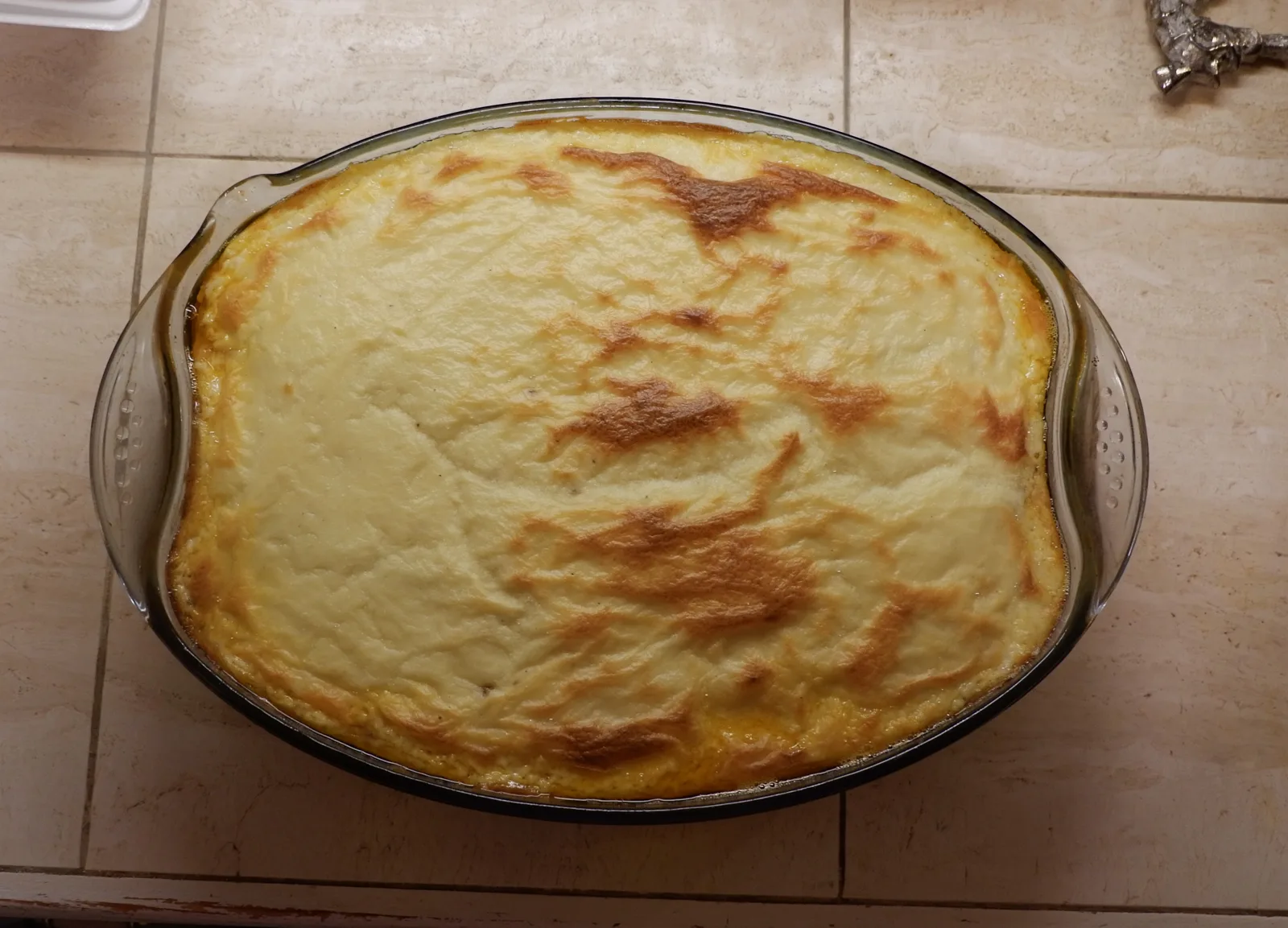
A whole Greek moussaka in a glass baking dish, its bechamel top baked golden brown with darker patches Greece flag Greece 2h
Dinner •Greek Classic

Greek Moussaka

Greek moussaka is a layered bake of fried aubergine and potato, a cinnamon-spiced beef sauce, and a thick bechamel that turns deep gold in the oven. It is the dish most Greek tavernas are judged by, and it is made for sharing at a slow family dinner. One serving is about 412 g.

Comfort & Warmth

A hearty layered bake built around aubergine, potatoes and a spiced meat sauce under a creamy bechamel topping.

Pairs Well With
Serve with a crisp Greek salad, warm bread and a glass of red wine.
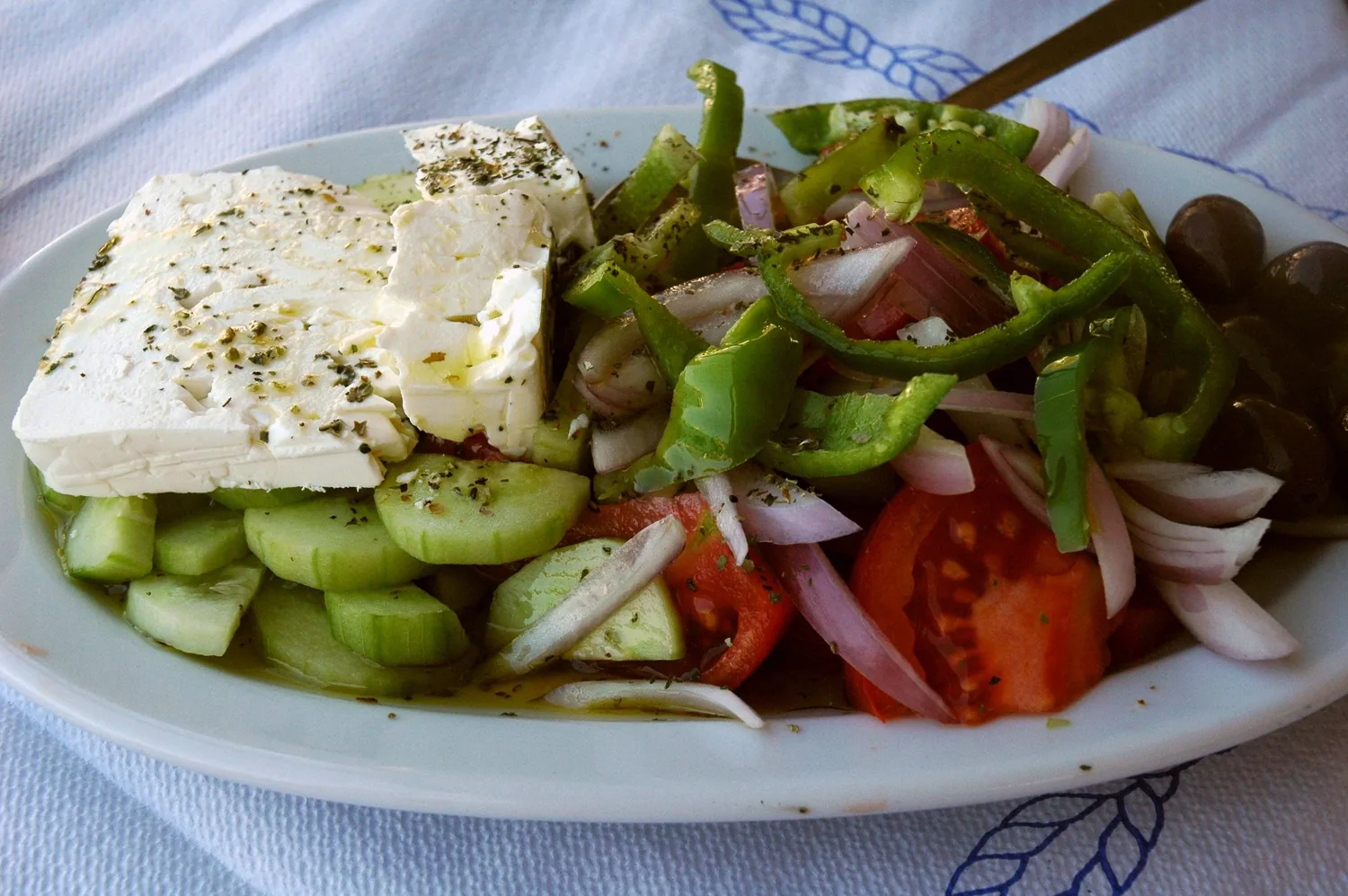
Greek salad (horiatiki) with a slab of feta sprinkled with oregano, Kalamata olives, tomato wedges, cucumber and red onion on a white plate Greece flag Greece 20m
Lunch •Aegean Table Classic

Greek Salad

This Greek salad recipe is the real horiatiki: chunky ripe tomatoes, peeled cucumber, red onion and green pepper, with Kalamata olives and a whole slab of feta on top, dressed with extra-virgin olive oil and dried Greek oregano. There is no lettuce and no heavy dressing — just summer vegetables at their best, ready in twenty minutes. One serving is about 411 g.

Fresh Summer Lunch

Crisp garden vegetables, salty feta and Kalamata olives under good olive oil — a bright, satisfying lunch with no cooking at all.

Pairs Well With
Crusty bread & grilled fish
Quick Prep (<30m)
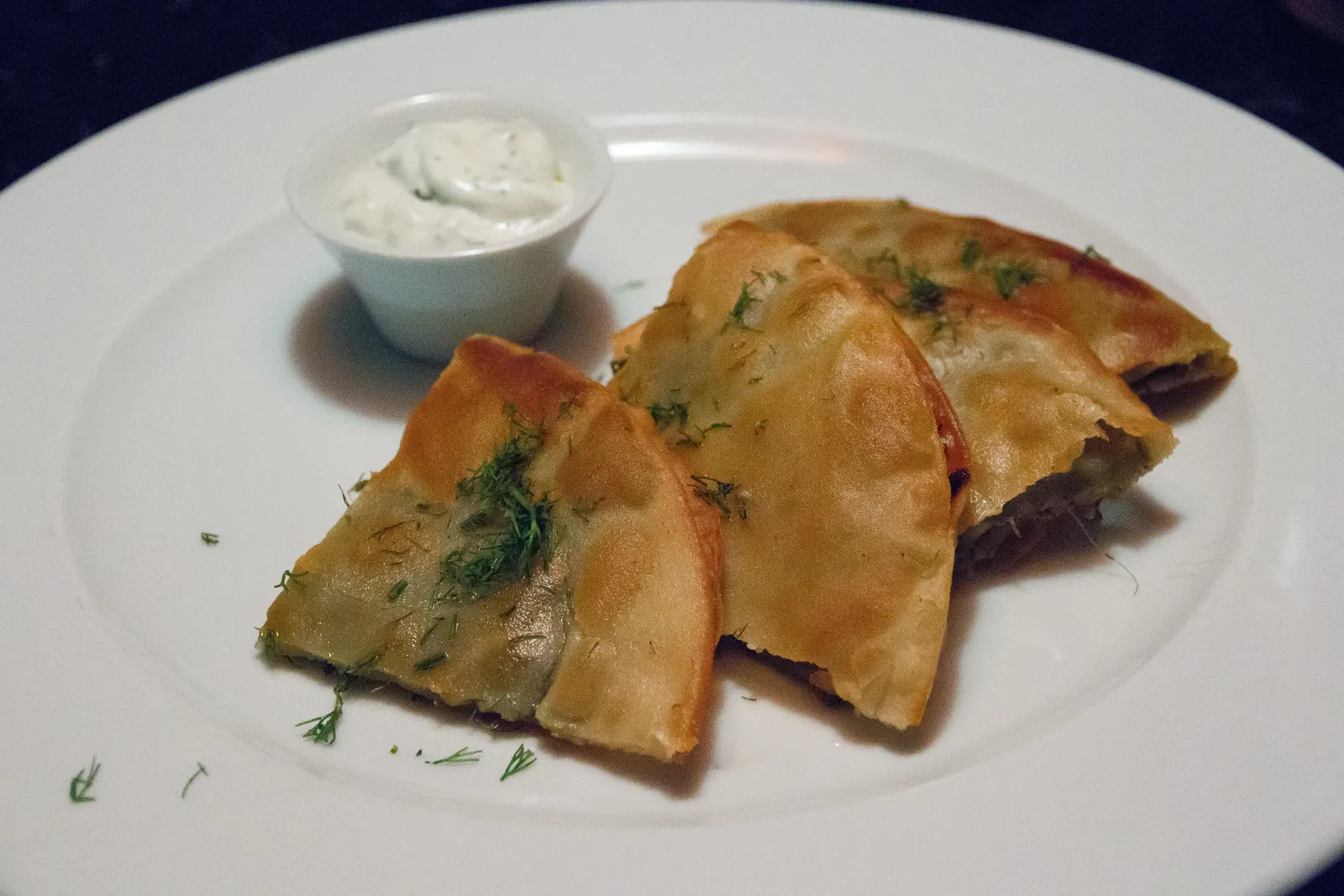
Golden spanakopita triangles sprinkled with fresh dill, served on a white plate with a small bowl of tzatziki Greece flag Greece 1h 20m
Lunch •Greek Bakery Classic

Spanakopita

This spanakopita recipe is the Greek spinach pie found in every bakery in Greece: paper-thin filo brushed with olive oil, layered over a filling of wilted spinach, salty feta, ricotta, leeks and a generous handful of fresh dill, then baked until the top shatters and the inside stays soft and savoury. It is the pie Greeks eat for lunch, take on picnics and set out on a mezze table. One serving is about 220 g.

Crisp Filo, Spinach & Feta

Layers of olive-oil-brushed filo wrapped around a spinach, feta, dill and leek filling, baked until golden and crisp.

Pairs Well With
Greek salad, tzatziki & lemon wedges
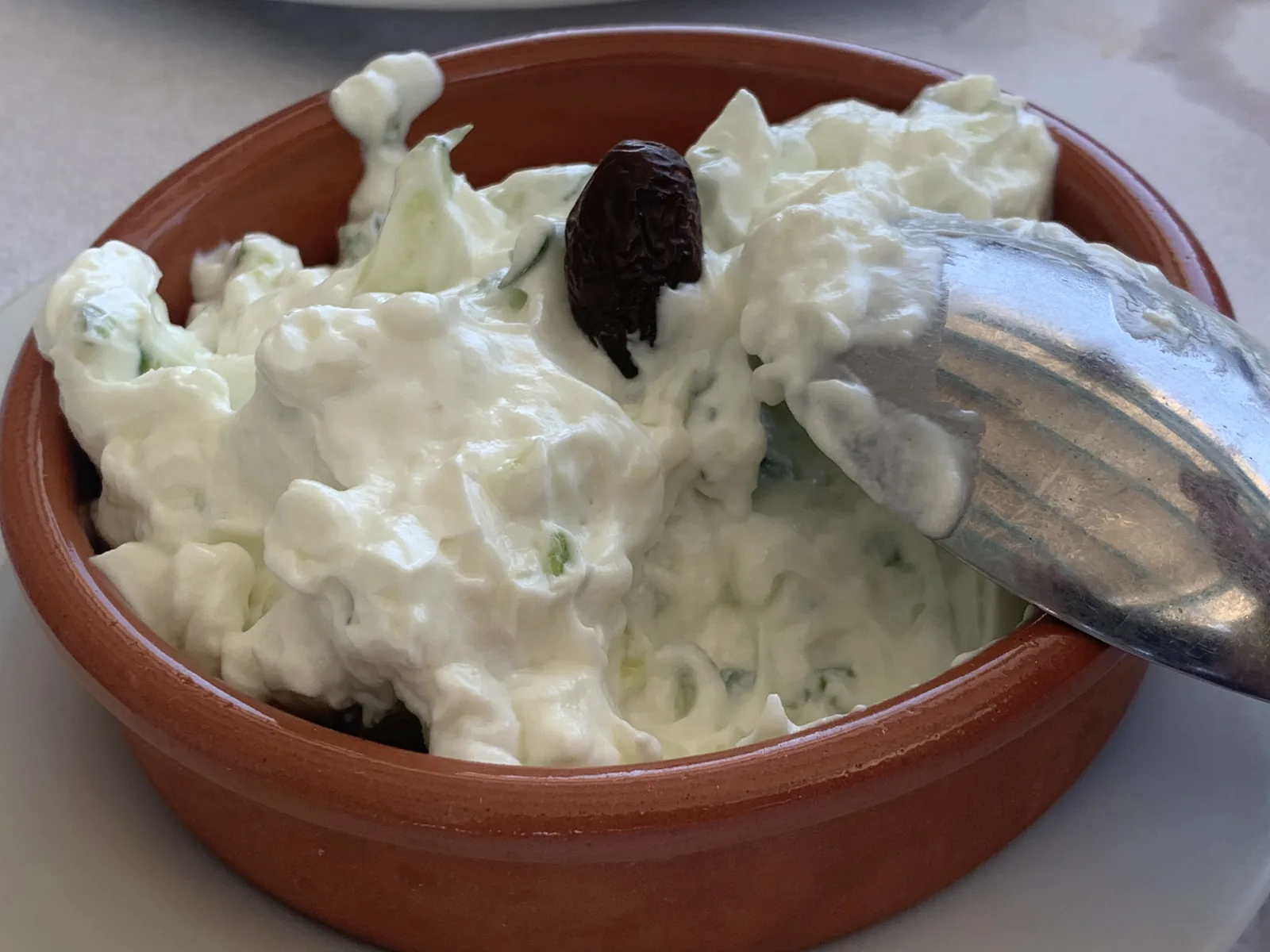
A terracotta bowl of thick white tzatziki with cucumber and a black olive, with a spoon Greece flag Greece 25m
Snack & Tea •Greek Meze Classic

Tzatziki

This tzatziki recipe is the real Greek version: thick strained yogurt, cucumber grated and squeezed bone dry, raw garlic, a thread of olive oil and a handful of dill. No cooking at all — just grating, squeezing and stirring — and the result is cool, creamy and sharp enough to cut through grilled meat. One serving is about 120 g.

Cool & Creamy

Thick Greek yogurt folded with grated cucumber, garlic and dill — the cool white dip at the heart of every Greek meze.

Pairs Well With
Spoon over grilled meat, or serve as a dip with warm pitta and raw vegetables.

The Dinner Gazette

Never wonder what’s for dinner again

One email a week with easy dinner ideas from around the world — ingredients, steps and nutrition, tested in our kitchen first.

Delivered every Thursday morning. Unsubscribe anytime.