Curated recipes from 193 countries  •  New seasonal Mediterranean issue out now

Overview

Zaru Soba

Cold Soba Noodles, Zaru Soba Noodles, Chilled Buckwheat Noodles

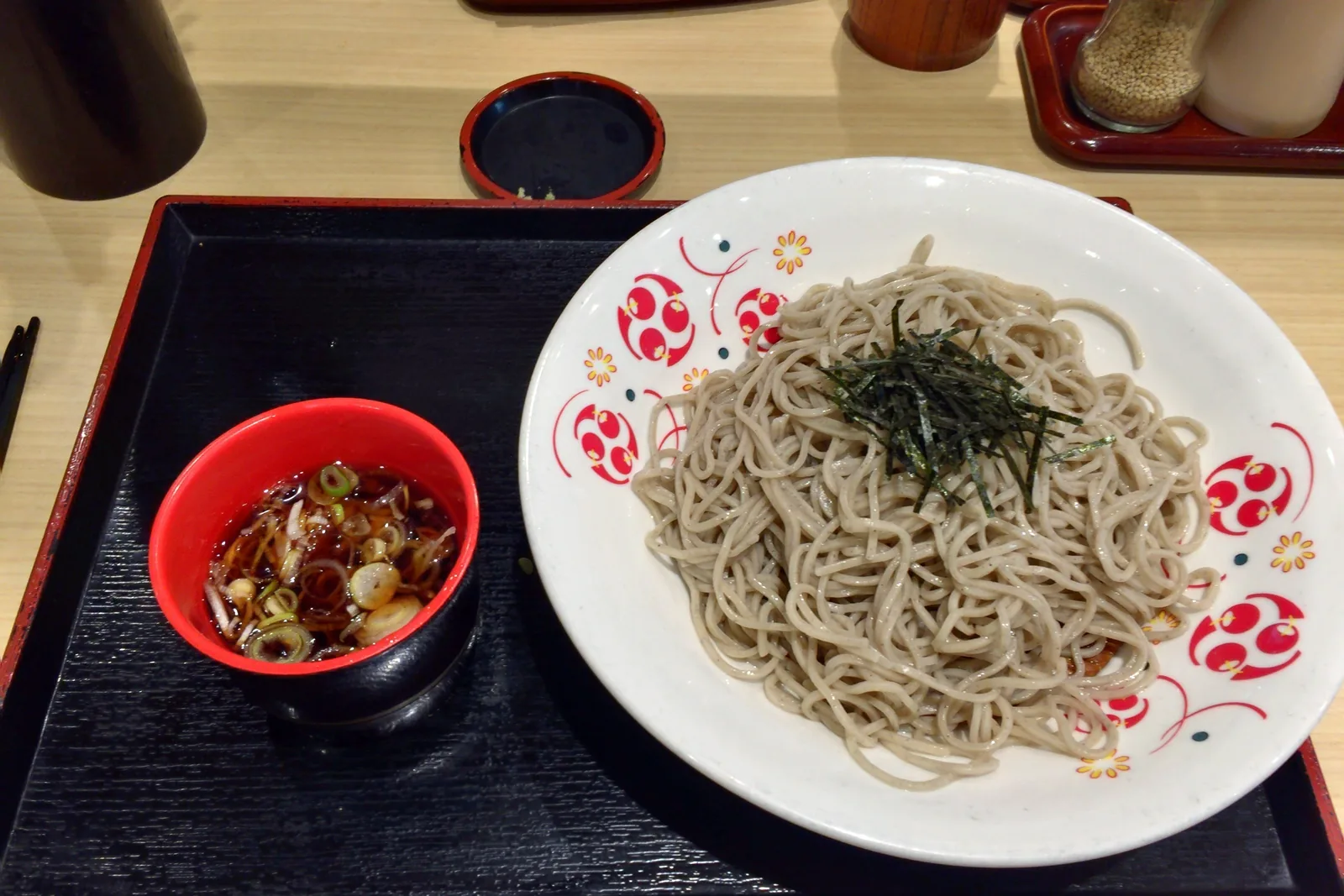
This zaru soba recipe makes Japan's classic chilled buckwheat noodles: nutty soba served cold on a plate with a savoury-sweet mentsuyu dipping sauce, grated daikon, green onion and a dab of wasabi. You cook the noodles, chill them in cold water, and dip each bite — no hot broth, no heavy sauce. One serving is about 312 g, noodles, dipping sauce and toppings together.

Soba noodles made from buckwheat have been eaten in Japan since at least the Edo period (1603–1868), when soba shops spread through Edo, now Tokyo, as fast food for busy townspeople. Serving the noodles chilled on a bamboo strainer — a zaru — with a dipping sauce became the classic summer way to eat them, because the cold noodles and salty-sweet mentsuyu are refreshing in the heat. The dish is still a fixture of Tokyo soba shops, where the test of a good shop is the quality of its noodles and its dipping sauce.

Pairs well with: Tempura, a small bowl of pickled vegetables, and iced green tea.

Provenance

Japan flag Japan

Japanese Heritage

East & South Asia

Time Dedication

30m

15m prep • 15m cook

Batch Yield

4 Servings

345 kcal per serving

1 serving ≈ 312 g

Technical Skill

Easy

Easy (No-Cook Sauce)

Meal Timing & Digestive Fit

Breakfast

Not Advised

Lunch

Prime Metabolic Fit

Dinner

Ideal Hearty Main

Snack & Tea

Inappropriate

Pasta & NoodlesQuick Prep (<30m) Occasions: Hot summer days, light lunches, quick weekday meals, when you want something cold and refreshing Cost: Low — about $2–3 per serving at home
Chilled soba noodles topped with shredded nori on a plate beside a red bowl of mentsuyu dipping sauce with sliced green onion

Japanese Heritage

Photo: nakashi, CC BY-SA 2.0, via Wikimedia Commons

The Heritage Formulary

Measured Ingredients

Estimated cost: Low — about $2–3 per serving at home (USD)

Good zaru soba is judged by the noodles: cold, separate and springy, with a clear nutty buckwheat flavour, and a dipping sauce that is salty first and sweet second.

Execution Methodology & Culinary Technique

Step-by-Step Cooking Guide

Active 30m
P

Prep Stage: Dashi, Sauce and Toppings

15 Mins • Simmering & Slicing

Start the dashi first, because it needs to cool before it meets the noodles. While it simmers, slice the green onion, grate the daikon and shred the nori, so everything is ready the moment the noodles come out of the pot.

Maestro Tip: Grate the daikon at the last minute — it loses its fresh bite if it sits in the fridge.

  1. 1

    Make the Quick Dashi

    10 Mins Gentle simmer, about 90°C (194°F)

    Put the 300 ml of water and the kombu in a small pot. Heat gently until small bubbles appear around the edge, about 5 minutes, then lift out the kombu before the water boils. Add the bonito flakes, turn off the heat and leave for 3 minutes, then strain through a fine sieve. You should have about 280 ml of clear, lightly smoky dashi.

    Never boil the kombu — boiling makes the dashi bitter and slimy.

    Done when: The dashi is clear, pale gold and smells gently of the sea.

  2. 2

    Mix the Mentsuyu Dipping Sauce

    5 Mins Gentle simmer, about 90°C (194°F)

    Pour the dashi back into the pot and add the soy sauce, mirin, sake and sugar. Warm over low heat for 2–3 minutes, stirring until the sugar dissolves. Do not boil it. Take off the heat and chill in the fridge for at least 10 minutes, or in a bowl of ice water if you are in a hurry.

    Chill the sauce properly — lukewarm mentsuyu makes the cold noodles taste flat.

    Done when: The sauce tastes clearly salty first, then sweet, with a smoky depth underneath.

  3. 3

    Cook and Chill the Noodles

    8 Mins Rolling boil, 100°C (212°F)

    Bring a large pot of unsalted water to a rolling boil. Add the soba and stir at once so the strands do not stick. Cook for 4–5 minutes, following the packet time, until just tender with a slight bite. Drain into a colander and rinse under cold running water, rubbing the noodles gently with your hands until the water runs clear and the noodles feel cold.

    Rinsing off the starch is what gives zaru soba its clean, slippery texture — skip it and the noodles clump.

    Done when: The noodles are cold, separate and springy, with no starchy film.

  4. 4

    Prepare the Toppings

    5 Mins No heat

    Stir the sliced green onion and grated daikon into the chilled mentsuyu, or serve them in small dishes on the side. Put a small dab of wasabi on each plate and scatter the shredded nori and sesame seeds over the noodles.

    Keep the wasabi on the side rather than in the sauce, so each person controls the heat.

    Done when: Everything is cold, crisp and ready to eat.

  5. 5

    Serve and Dip

    2 Mins Serve chilled, about 10°C (50°F)

    Divide the cold noodles between four plates or bamboo strainers. Give each person a small bowl of the chilled mentsuyu. To eat, pick up a small bundle of noodles with chopsticks, dip it briefly in the sauce — do not soak it — and eat at once. Refill the sauce bowls as needed.

    Dip, do not drown: a quick dip seasons the noodles, a long soak makes them soggy and far too salty.

    Done when: The noodles are cold and nutty, the sauce salty-sweet, and every bite is clean and refreshing.

Finishing Touches & Plating

Serve the noodles as soon as they are chilled — zaru soba waits for no one, and the noodles stiffen if they sit. Keep extra mentsuyu in a small jug on the table.

Nutritional Physiology & Benefits

Nutrition

Energy

345

kcal / serving

Protein

16g

Complete AA

Carbs

69g

Complex

Fats

2g

Healthy

Per serving (4 servings · 1 serving ≈ 312 g)
Energy345 kcal
Protein16 g
Carbohydrates69 g
Fat2 g
Fibre4.3 g
Sugar6.0 g
Sodium878 mg
Per 100g
Energy110 kcal
Protein5 g
Carbohydrates22.2 g
Fat0.7 g
Fibre1.4 g
Sugar1.9 g
Sodium281 mg

Nutrition values are estimated — calculated from USDA FoodData Central values for the listed ingredients.

Vitamins & minerals: Buckwheat supplies B vitamins, magnesium and manganese; daikon and green onion add vitamin C, and nori adds iodine and iron.

Light and Easy to Digest

Cold buckwheat noodles with a light dipping sauce feel refreshing rather than heavy, which is why this is Japan's classic hot-weather lunch.

Steady Energy from Buckwheat

Buckwheat is a whole grain with fibre and slow-digesting carbohydrate, so one serving of about 345 kcal keeps you going without a heavy, sleepy feeling.

Low in Fat

At about 2.2 g of fat per serving, this is one of the lightest noodle dishes you can make, with the flavour coming from the sauce rather than oil.

Food Pairings

What to Eat With

To optimize nutrient absorption and elevate the sensory depth, pair with these authentic accompaniments:

Sides

Vegetable or Shrimp Tempura

Crisp, hot tempura is the classic partner: the crunch and warmth contrast beautifully with the cold, slippery noodles.

Vegetables

Pickled Cucumber or Pickled Ginger

Something sharp and pickled resets the palate between bites of noodles and keeps the meal feeling light.

Drinks

Iced Green Tea

Cold, unsweetened green tea washes down the salty dipping sauce without adding sugar or competing flavours.

Full Menus

As a Japanese Summer Lunch

Serve the zaru soba with tempura and pickles, and finish with a slice of chilled melon — the way a Tokyo soba shop would serve it on a hot day.

Complete menu

Serve the zaru soba with a small plate of vegetable tempura and pickled cucumber, with iced green tea to drink — a light, complete Japanese summer lunch.

Digestive Guardrails

What NOT to Combine

To prevent digestive distress, sluggishness, or palate clash, avoid pairing the dish with these elements:

Leaving Cooked Noodles in Hot Water

Soba left standing in hot water overcooks in minutes and turns soft and gummy; always drain and chill it at once. This is general cooking guidance, not medical advice.

Drinking the Dipping Sauce Like Soup

Mentsuyu is far saltier than a soup broth — it is made for dipping, not drinking. A small bowl of sauce is meant to last the whole plate of noodles. This is general guidance, not medical advice.

General information only, not medical advice — consult a doctor for personal dietary decisions.

Who Should Eat It

Who Should Eat

  • General adultsA light, satisfying lunch — nutty noodles, a salty-sweet dip and almost no fat.
  • ChildrenSuitable from age 6+; the noodles are easy to eat, but keep the wasabi off their portion and the sauce mild.
  • ElderlySoft, cold noodles are easy to chew and swallow; serve a smaller portion of sauce because of the salt.
  • Pregnant womenGenerally suitable; the noodles are fully cooked and the sauce is heated, but keep the salt moderate.
  • Breastfeeding womenGenerally suitable; the buckwheat, fluids and light energy support recovery — keep the salt moderate.
  • AthletesA good light lunch, but low in protein and calories for heavy training — add tempura shrimp or a boiled egg on the side.
  • Weight gainA poor choice on its own at about 345 kcal — add tempura, a boiled egg and a larger noodle portion.
  • Weight lossA good choice: filling, high in fibre and low in fat at about 345 kcal; just do not drink the leftover dipping sauce.

Health Conditions — Adjust or Avoid

Conditions

  • DiabetesThe noodles are mostly carbohydrate — keep the noodle portion modest and load up on daikon and green onion. Ask your clinician about portion size.
  • High blood pressureMost of the sodium sits in the dipping sauce; dip lightly and do not drink the sauce. Ask your clinician about a suitable portion.
  • Kidney diseaseLimit the dipping sauce and the soy sauce; the protein load is modest, but the salt is the issue. Ask your clinician about portion size.
  • GoutBuckwheat and soy sauce are moderately high in purines; eat occasionally and in a modest portion.
  • Stomach issuesCold noodles and wasabi can bother a sensitive stomach — skip the wasabi and eat a smaller portion.
  • Cardiovascular diseaseVery low in fat and rich in whole-grain fibre, which suits a heart-friendly pattern; watch the salt in the sauce. Ask your clinician about frequency.
  • Fatty liverA light, low-fat choice that fits well; keep the sugar in the sauce modest and favour the noodles and vegetables.
  • Food allergiesContains buckwheat (some people are allergic to buckwheat), gluten (most soba contains wheat; use 100% buckwheat juwari soba for a gluten-free version), soy, fish (bonito) and sesame. Check the noodle label.
  • Special therapeutic dietsIf you follow a prescribed low-sodium diet, use low-sodium soy sauce and dilute the mentsuyu with extra dashi, and check with your clinician.

If you have a medical condition, consult your doctor before changing your diet.

Storage & Use

Storage & Use

How to store
Store the noodles and the dipping sauce separately in airtight containers; cooked soba goes stiff and clumps if left in sauce.
In the fridge
Mentsuyu 5 days; cooked noodles 1 day at best.
In the freezer
Mentsuyu (without toppings) 1 month; cooked noodles do not freeze well.
How to reheat
Do not reheat the noodles — cook them fresh. Warm the sauce gently if you want it warm, but zaru soba is served cold.
Freezing recommended
Only the sauce, without toppings — up to 1 month.
Signs it has spoiled
Sour or off smell, slimy noodles, or a cloudy sauce.

More recipes to explore

Sliced tamagoyaki rolled omelette wrapped in nori on a blue plate Japan flag Japan 25m
Breakfast •Edo Traditional

Tamagoyaki, Miso & Gohan

Dashi-infused rolled omelet served with live cultured miso broth and sea kelp for foundational gastrointestinal conditioning. One serving is about 580 g.

Digestive Gut Health

Silky rolled omelette with miso soup and steamed rice.

Pairs Well With
Fermented Natto & Sencha Green Tea
High Protein • Fermented / Gut Health • Quick Prep (<30m)
Salmon sushi rolls topped with salmon and lemon wedges on a wooden board, with wasabi Japan flag Japan 1h
Lunch •Edo-Style Sushi

Salmon Sushi Rolls (Maki)

This salmon sushi rolls recipe shows how to season sushi rice, slice sashimi-grade salmon and roll neat maki with cucumber and avocado. One serving is about 393 g — one full roll, cut into 8 pieces.

Light & Fresh

Sushi rice, sashimi-grade salmon and cucumber rolled in nori — light, fresh and protein-rich.

Pairs Well With
Miso soup, pickled ginger and a pot of green tea
A bowl of tonkotsu ramen with chashu pork, a soft egg, spring onion and pickled ginger Japan flag Japan 3h 30m
Lunch •Hakata Yatai Style

Tonkotsu Ramen

This tonkotsu ramen recipe uses a pressure cooker to get the milky, pork-bone broth that normally takes all day, then builds the bowl with thin noodles, chashu pork and a soft egg. One serving is about 760 g.

Rich & Warming

Milky pork-bone broth, thin noodles, chashu pork and a soft egg — the richest bowl in ramen.

Pairs Well With
Gyoza, pickled ginger and a cold beer or iced barley tea
Soups & Broths • High Protein
A plate of spicy tuna uramaki rolls with pickled ginger and wasabi, the pink tuna filling visible in the cut rolls Japan flag Japan 1h
Lunch •American Sushi Classic

Spicy Tuna Roll

This spicy tuna roll recipe shows how to season sushi rice, chop sashimi-grade tuna with spicy mayo, and roll neat rice-outside uramaki with cucumber and avocado. One serving is about 355 g — one full roll, cut into 8 pieces.

Light & Fresh

A cool, light sushi roll with raw tuna, cucumber and avocado — fresh, filling and quick to assemble once the rice is ready.

Pairs Well With
Miso soup, pickled ginger and iced green tea

The Dinner Gazette

Never wonder what’s for dinner again

One email a week with easy dinner ideas from around the world — ingredients, steps and nutrition, tested in our kitchen first.

Delivered every Thursday morning. Unsubscribe anytime.