
Curated recipes from 193 countries  •  New seasonal Mediterranean issue out now

Overview

Zimbabwean Mopane Worms

Madora, Amacimbi, Mopane Worms

Zimbabwean mopane worms are the dried caterpillars of the emperor moth, soaked until plump, then fried with onion, tomato, garlic and chilli until crisp at the edges. This mopane worms recipe serves 4 in 60 minutes, and the worms turn out savoury, chewy-crisp and deeply seasoned. One serving is about 210 g.

Mopane worms are the caterpillars of the emperor moth, Gonimbrasia belina, which feeds on the mopane trees of southern Africa. In Zimbabwe they are called madora in Shona and amacimbi in Ndebele, and they have been gathered by hand for generations: women and children pick the fat caterpillars from the trees in the rainy season, squeeze out the gut, boil them in salted water and dry them in the sun, so a harvest that lasts weeks can feed a family for months. Dried, they are sold in markets across the country and eaten as a crisp snack or fried with tomato and onion and served with sadza — a delicacy in the cities and a staple in the villages. The trade in mopane worms is a multi-million-rand industry across southern Africa.

Pairs well with: Sadza (stiff maize porridge) and leafy greens

Provenance

Zimbabwe flag Zimbabwe

Zimbabwe Heritage

African Heritage

Time Dedication

1h

30m prep • 30m cook

Batch Yield

4 Servings

295 kcal per serving

1 serving ≈ 210 g

Technical Skill

Intermediate

Medium (Soak + Fry)

Meal Timing & Digestive Fit

Breakfast

Not Advised

Lunch

Hearty Midday Main

Dinner

Ideal Hearty Main

Snack & Tea

Inappropriate

High Protein Occasions: Family dinner, harvest season, adventurous eating, protein-rich meals Cost: Low — about $2.50 per serving at home
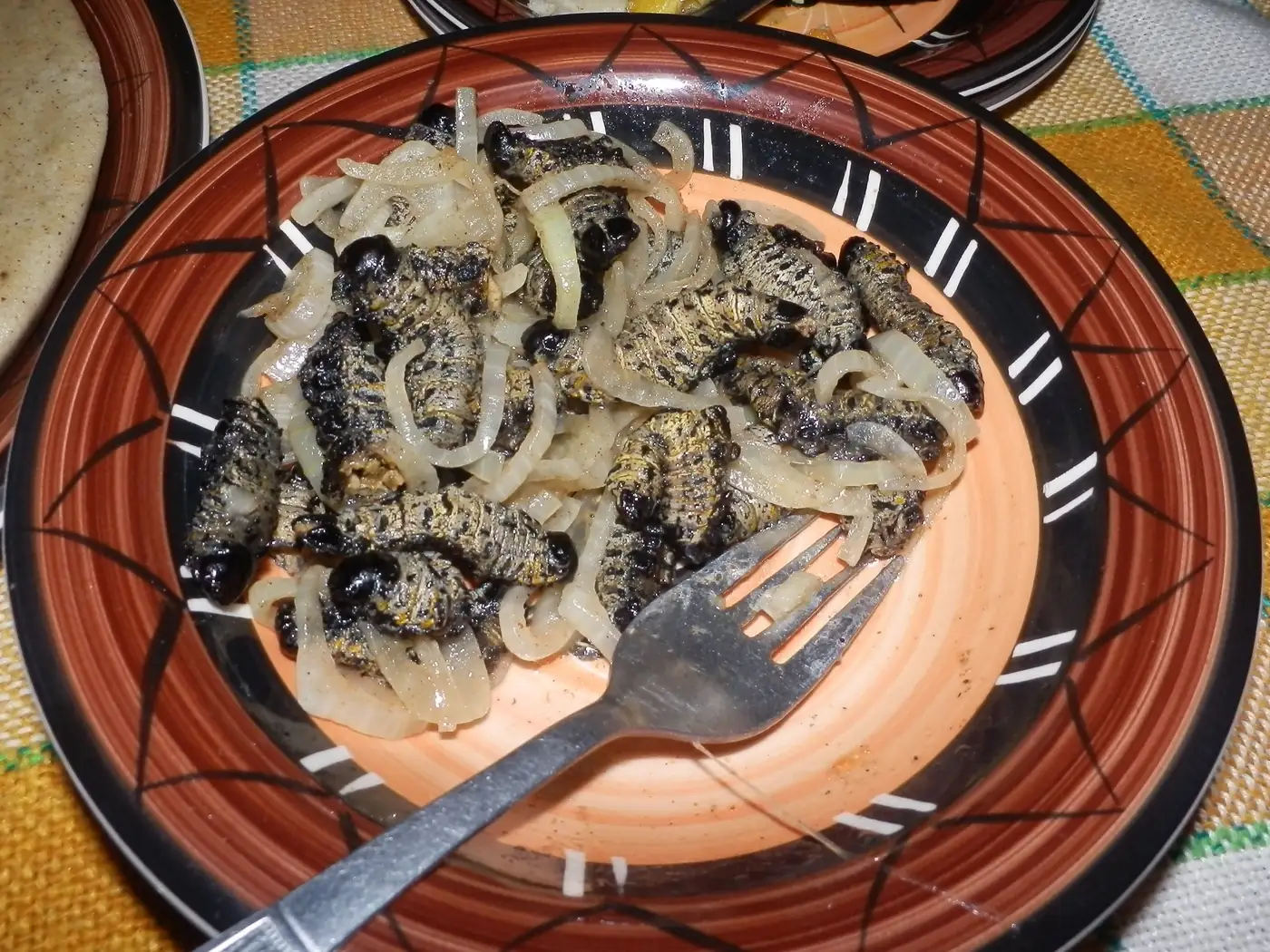
Cooked mopane worms served with softened onions on a patterned plate

Zimbabwe Heritage

Photo: ComQuat, CC BY-SA 3.0, via Wikimedia Commons

The Heritage Formulary

Measured Ingredients

Estimated cost: Low — about $2.50 per serving at home (USD)

Good mopane worms are crisp at the edges and chewy inside, dark golden and well seasoned — never soggy, gritty or undercooked.

Execution Methodology & Culinary Technique

Step-by-Step Cooking Guide

Active 1h
P

Prep Stage: Soak First, Chop While You Wait

30 Mins • Soak + Chop

Start the soak before anything else: dried mopane worms need about 30 minutes in hot water to turn plump again. While they soak, slice the onion, dice the tomatoes and mince the garlic, ginger and chilli, so the pan work runs without stopping once the worms are ready.

Maestro Tip: Soak in boiling water, not cold — it rehydrates the worms in 30 minutes instead of hours, and it also helps clean them.

  1. 1

    Soak the Dried Worms

    30 Mins • Soaking Boiling water, 100°C (212°F), then standing

    Put the dried mopane worms in a large bowl and pour over enough boiling water to cover them by a few centimetres. Leave them to soak for 30 minutes, until they swell and turn soft and plump. Drain in a colander, rinse well under cold running water, and squeeze them gently to remove excess water.

    Rinsing after the soak washes away grit and any leftover salt from drying — do not skip it.

    Done when: Worms are plump, soft and clean, roughly double their dried size.

  2. 2

    Boil Briefly to Finish Cleaning

    5 Mins • Boiling Rolling boil, 100°C (212°F)

    Put the rinsed worms in a pot with fresh water, bring to a rolling boil, and boil for 5 minutes. Drain again and set aside. This short boil makes sure they are fully clean and evenly tender before frying.

    Keep the boil short — a long boil turns the worms mushy before they ever reach the pan.

    Done when: Worms are hot, tender and drained, ready for the pan.

  3. 3

    Fry the Onion and Aromatics

    5 Mins • Medium-High Heat Medium-high heat, about 180°C (350°F)

    Heat the oil in a large, wide pan over medium-high heat. Add the sliced onion and fry for about 3 minutes until soft and translucent, then add the garlic, ginger and chilli and fry for 2 more minutes until fragrant. Do not let the garlic brown.

    A wide pan lets the onions fry instead of steam, which is what builds the flavour base.

    Done when: Onions are soft and golden at the edges; the pan smells of garlic and ginger.

  4. 4

    Add Tomato and Build the Sauce

    10 Mins • Medium Heat Medium heat, about 160°C (320°F)

    Add the diced tomatoes and salt, stir well, and cook for about 10 minutes, stirring now and then, until the tomatoes break down into a thick, jammy sauce that coats the spoon. If the pan looks dry, add a tablespoon of water.

    Let the tomatoes cook right down — a watery tomato mix makes soggy worms instead of crisp ones.

    Done when: A thick, deep-red sauce with almost no loose liquid.

  5. 5

    Fry the Worms Until Crisp

    10 Mins • Medium-High Heat Medium-high heat, about 180°C (350°F)

    Add the drained worms to the pan and fry for about 10 minutes, stirring and turning them so every side touches the pan. They are done when the edges turn crisp and dark golden and the worms feel firm and chewy-crisp when you bite one. Taste and adjust the salt, then serve hot.

    Do not crowd the pan — if the worms steam instead of fry, cook them in two batches.

    Done when: Worms are crisp at the edges, dark golden, and chewy-crisp inside; the sauce clings to them.

Finishing Touches & Plating

Serve the mopane worms hot, straight from the pan, piled beside sadza so the stiff porridge can scoop up the tomato sauce. Eat them while the edges are still crisp — they soften as they cool.

Nutritional Physiology & Benefits

Nutrition

Energy

295

kcal / serving

Protein

30g

Complete AA

Carbs

12g

Complex

Fats

15g

Healthy

Per serving (4 servings · 1 serving ≈ 210 g)
Energy295 kcal
Protein30 g
Carbohydrates12 g
Fat15 g
Fibre6.7 g
Sugar3.8 g
Sodium497 mg
Per 100g
Energy140 kcal
Protein14.5 g
Carbohydrates5.7 g
Fat6.9 g
Fibre3.2 g
Sugar1.8 g
Sodium237 mg

Nutrition values are estimated — calculated from USDA FoodData Central values for the listed ingredients.

Vitamins & minerals: Very rich in iron and zinc, with calcium and B vitamins; mopane worms are also a notable source of protein. Nutrition values are estimated.

Exceptional Protein

A 210 g serving supplies about 30 g of protein — more than most meat dishes of the same weight — because dried mopane worms are roughly 58% protein by dry weight.

Rich in Iron and Zinc

Mopane worms are a notable source of iron and zinc, minerals that support healthy blood and immune function, in amounts well above most meats.

Low-Carbon, Traditional Protein

Harvested from mopane trees in season and sun-dried for storage, mopane worms are a local protein that needs no farmland, feed or refrigeration to produce.

Food Pairings

What to Eat With

To optimize nutrient absorption and elevate the sensory depth, pair with these authentic accompaniments:

Sides

Sadza (Stiff Maize Porridge)

Sadza is the classic partner: its mild, starchy bulk balances the salty, spicy worms, and a piece torn off scoops up the tomato sauce perfectly.

Vegetables

Braised Leafy Greens

Muriwo or other braised greens add freshness and a slight bitterness that cuts through the rich, fried worms, and they complete the traditional plate.

Drinks

Mahewu or Cold Water

A cold, lightly sour mahewu or a glass of cold water cools the chilli heat and cleanses the palate between bites.

Sauces

Peri-Peri Sauce on the Side

For chilli lovers, a spoonful of peri-peri sauce on the side adds heat without changing the dish — add it at the table, not in the pan.

Complete menu

Serve the fried mopane worms with a mound of sadza and braised leafy greens, and a cold drink such as mahewu or water to drink.

Digestive Guardrails

What NOT to Combine

To prevent digestive distress, sluggishness, or palate clash, avoid pairing the dish with these elements:

Shellfish Allergy — Ask First

Insects such as mopane worms share proteins with shellfish, so people with a shrimp, prawn or crab allergy may react to them. If you have a shellfish allergy, do not eat mopane worms without asking your clinician first. This is general information, not medical advice.

Eating Them Undercooked or from an Unknown Seller

Dried mopane worms must be soaked, rinsed, boiled and fried right through; undercooked or poorly stored worms can carry grit and microbes. Buy from a seller you trust, and never eat worms that smell damp, musty or off.

General information only, not medical advice — consult a doctor for personal dietary decisions.

Who Should Eat It

Who Should Eat

  • General adultsA strong protein choice for most adults, but try a small portion first if you have never eaten insects.
  • ChildrenChildren can eat them in small portions once cooked through, but the chilli and chewy texture suit older children better; keep the chilli out for young children.
  • ElderlyHigh in protein, iron and zinc, which many older adults need; chew well, as the worms are chewy, and keep portions modest.
  • Pregnant womenRich in iron and protein, which are valuable in pregnancy, but buy from a trusted source and eat them freshly cooked and piping hot; ask your clinician if unsure.
  • Breastfeeding womenA protein- and iron-rich food that supports breastfeeding needs; keep the chilli mild and the portion moderate.
  • AthletesAbout 30 g of protein per serving makes this a genuine recovery meal after training — pair it with sadza for carbohydrate.
  • Weight gainEnergy- and protein-dense; a larger portion with sadza and greens adds calories without much cost.
  • Weight lossProtein-rich and filling, which helps control appetite, but watch the frying oil and the salt; keep the portion to about 150 g.

Health Conditions — Adjust or Avoid

Conditions

  • DiabetesLow in carbohydrate at about 12 g per serving, so it fits a lower-carb plate; pair with greens rather than a large mound of sadza — ask your clinician.
  • High blood pressureSodium is moderate at about 497 mg per serving, mostly from the salt added in cooking; do not add more at the table — ask your clinician.
  • Kidney diseaseVery high in protein and rich in potassium and phosphorus, so portions matter if you follow a kidney-restricted diet — ask your clinician.
  • GoutHigh in protein and purines, so keep the portion moderate and do not eat it daily if you manage gout — ask your clinician.
  • Stomach issuesFried and spicy, which can irritate a sensitive stomach; eat a small portion, go easy on the chilli, and chew well.
  • Cardiovascular diseaseHigh in protein with mostly unsaturated fats from the worms, but it is fried — keep the oil to the recipe amount and the portion moderate — ask your clinician.
  • Fatty liverLow in carbohydrate and filling, but fried in oil; keep the portion moderate and pair with greens — ask your clinician.
  • Food allergiesMay trigger reactions in people with shellfish allergy (shared proteins), and contains no gluten, peanut or dairy. If you have a shellfish allergy, ask your clinician before eating.
  • Special therapeutic dietsHigh-protein, low-carbohydrate profile suits some therapeutic diets, but the shellfish cross-reactivity and high protein rule it out for others — ask your clinician or dietitian.

If you have a medical condition, consult your doctor before changing your diet.

Storage & Use

Storage & Use

How to store
Cool quickly, then store in an airtight container. Dried, uncooked worms keep in a sealed jar in a cool, dry place.
In the fridge
2 days, in an airtight container.
In the freezer
1 month, in portions.
How to reheat
Re-fry in a hot, lightly oiled pan for 3–4 minutes until hot all the way through, to 74°C (165°F), to bring back the crisp edges.
Freezing recommended
Cooked worms freeze acceptably, but they lose crispness — best eaten fresh.
Signs it has spoiled
Sour or musty smell, slimy texture, or mould.

More recipes to explore

A bowl of smooth golden pumpkin porridge Zimbabwe flag Zimbabwe 50m
Breakfast •Zimbabwe Heritage

Zimbabwean Nhopi

Zimbabwean nhopi is a soft, spoonable porridge of cornmeal, mashed pumpkin and peanut butter, cooked until smooth and golden. This nhopi recipe makes 4 bowls in 50 minutes, and the pumpkin gives it a natural sweetness while the peanut butter adds richness and staying power. One serving is about 350 g.

Comfort & Warmth

Soft cornmeal porridge enriched with sweet pumpkin and peanut butter — a gentle, filling Zimbabwean breakfast.

Pairs Well With
Steamed leafy greens or a glass of milk
Smooth pale maize porridge in a cooking pot Zimbabwe flag Zimbabwe 25m
Breakfast •Zimbabwe Heritage

Zimbabwean Bota

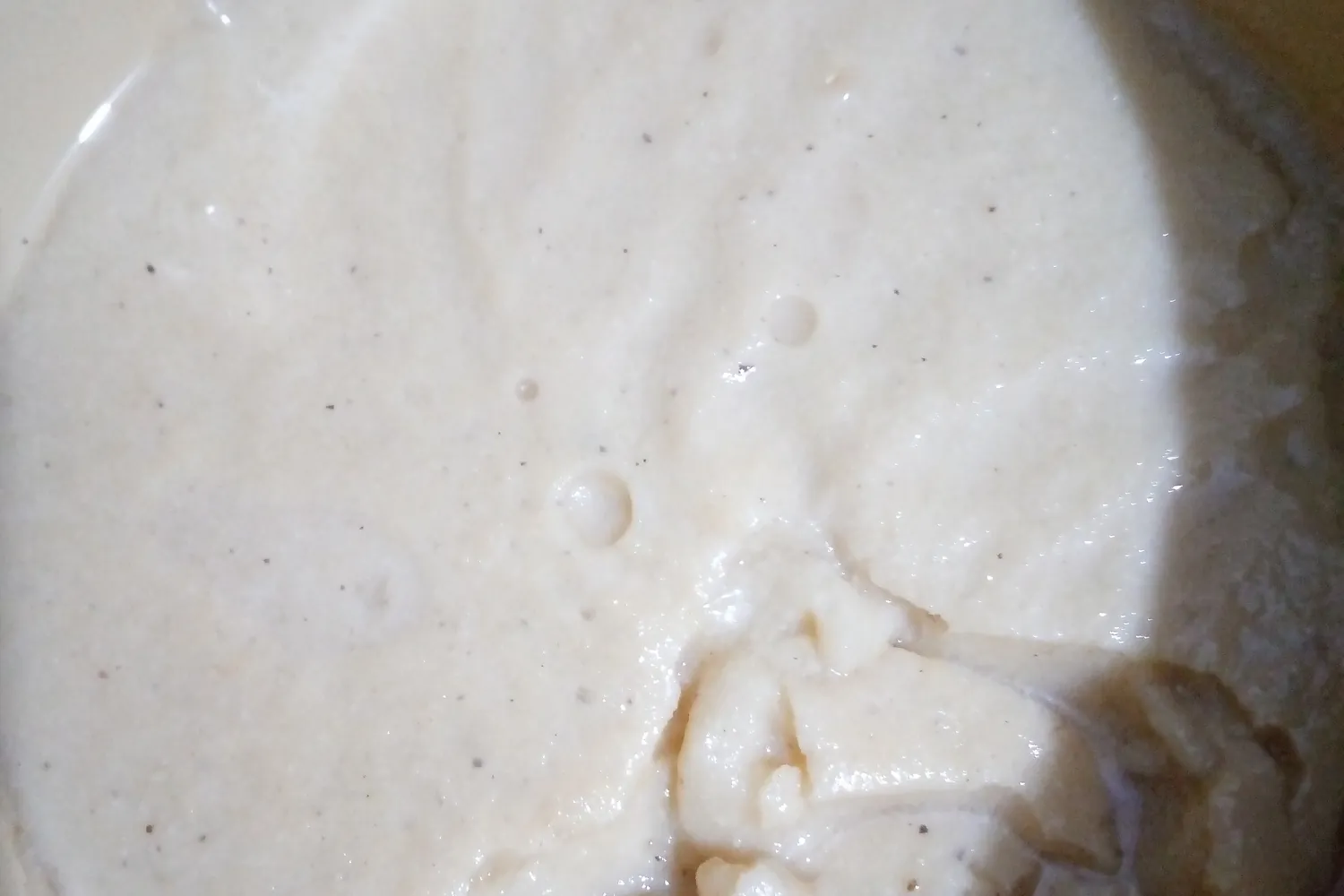
Zimbabwean bota is a thin, soft maize porridge, cooked smooth with water and finished with oat milk and a little sugar. This zimbabwean bota recipe makes 4 bowls in 25 minutes, and it stays pourable and silky, never stiff — the kind of porridge you eat with a spoon, not your hands. One serving is about 380 g.

Comfort & Warmth

A thin, silky maize porridge with oat milk — the plain, gentle breakfast that starts the day in Zimbabwe.

Pairs Well With
Fresh fruit, bread, or a cup of tea
Bœuf bourguignon — French beef braised in red wine France flag France 4h
Dinner •Burgundy Terroir

Bœuf Bourguignon

Beef braised gently in red wine until the connective tissue melts into a velvet, gelatin-rich sauce — the classic Burgundy Sunday dinner.

Cellular Repair

Beef braised in red wine until spoon-tender, with mushrooms and pearl onions.

Pairs Well With
Parsnip Purée & Steamed French Haricots Verts
High Protein
Vietnamese braised pork belly with golden eggs in caramel sauce Vietnam flag Vietnam 1h 45m
Dinner •One Pot

Vietnamese Braised Pork and Eggs

Pork belly slowly braised in coconut water and caramel until meltingly tender, with golden eggs that soak up the sweet-savoury sauce — the Vietnamese family dish that tastes better the next day.

Comfort & Sustained Energy

Slow-braised pork belly and eggs in coconut water and caramel.

Pairs Well With
Steamed rice & pickled mustard greens
High Protein

The Dinner Gazette

Never wonder what’s for dinner again

One email a week with easy dinner ideas from around the world — ingredients, steps and nutrition, tested in our kitchen first.

Delivered every Thursday morning. Unsubscribe anytime.



