
Curated recipes from 193 countries  •  New seasonal Mediterranean issue out now

Overview

Zimbabwean Bota

Bota, Maize Porridge

Zimbabwean bota is a thin, soft maize porridge, cooked smooth with water and finished with oat milk and a little sugar. This zimbabwean bota recipe makes 4 bowls in 25 minutes, and it stays pourable and silky, never stiff — the kind of porridge you eat with a spoon, not your hands. One serving is about 380 g.

Bota is the breakfast Zimbabwe wakes up to. Maize meal and water are all it strictly needs, and in many homes the pot goes on first thing, before the day's work begins, with milk and sugar added at the table to each person's taste. It is the soft, thin cousin of sadza: the same maize meal, but with far more water and a shorter cook, so it stays pourable and spoonable instead of firm enough to tear. Schoolchildren eat it before class, farm workers eat it before the fields, and it costs very little — which is exactly why it has lasted.

Pairs well with: Fresh fruit, bread, or a cup of tea

Provenance

Zimbabwe flag Zimbabwe

Zimbabwe Heritage

African Heritage

Time Dedication

25m

5m prep • 20m cook

Batch Yield

4 Servings

182 kcal per serving

1 serving ≈ 380 g

Technical Skill

Easy

Easy (One Pot)

Meal Timing & Digestive Fit

Breakfast

Prime Morning Fit

Lunch

Inappropriate

Dinner

Inappropriate

Snack & Tea

Inappropriate

Occasions: Everyday breakfast, family mornings, school days, budget meals Cost: Low — about $0.60 per serving at home
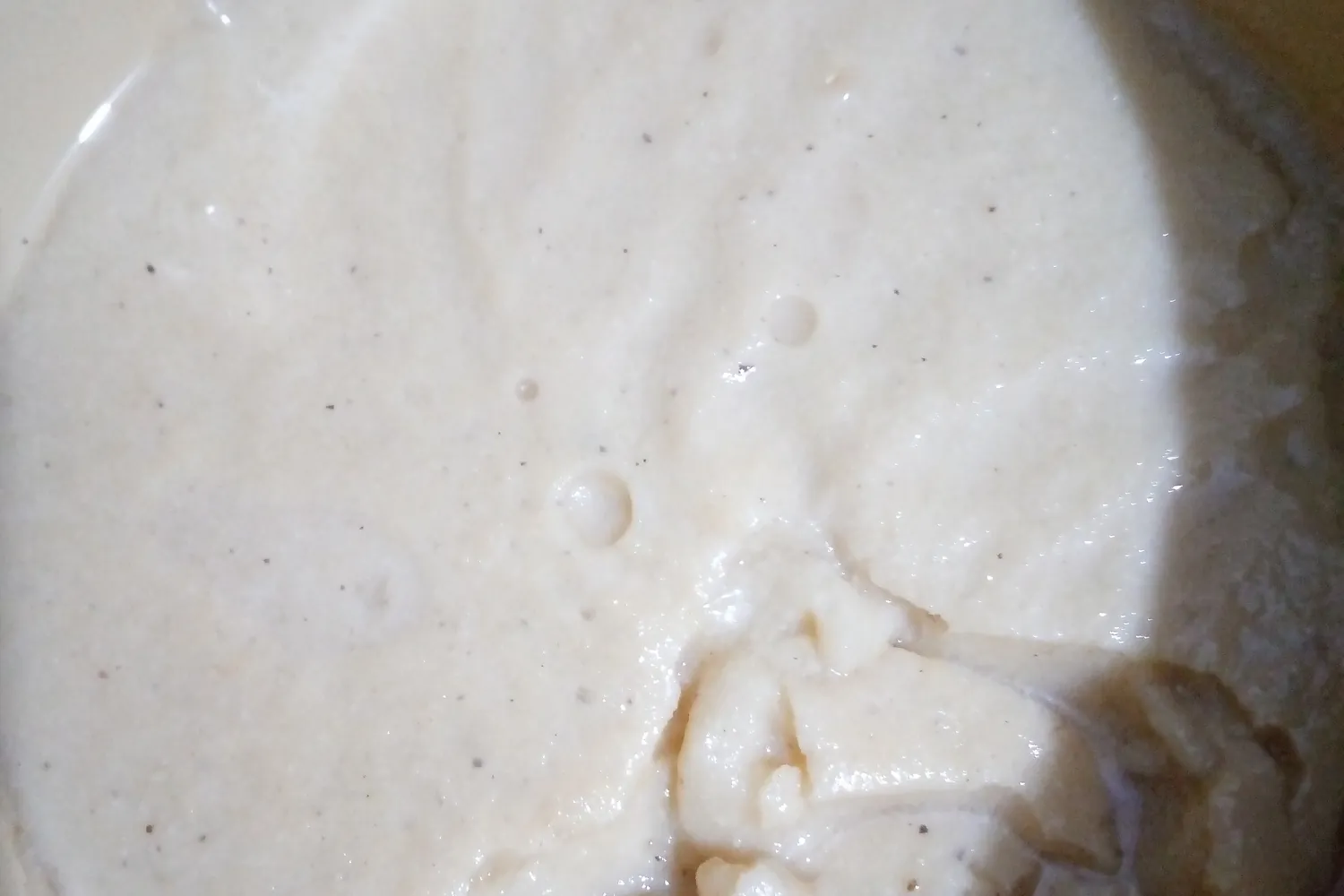
Smooth pale maize porridge in a cooking pot

Zimbabwe Heritage

Photo: Tesleemah, CC BY-SA 4.0, via Wikimedia Commons

The Heritage Formulary

Measured Ingredients

Estimated cost: Low — about $0.60 per serving at home (USD)

A good bota is thin, silky and pourable, pale and creamy from the milk — never stiff, lumpy or floury-tasting.

Execution Methodology & Culinary Technique

Step-by-Step Cooking Guide

Active 25m
P

Prep Stage: Meal Measured, Water On

5 Mins • One Pot

Bota has almost no prep: measure the maize meal into a bowl, put the water on to boil, and set the oat milk, sugar and salt beside the stove. Everything goes in while the pot is hot, so having it all within reach is the whole job.

Maestro Tip: Keep the 250 ml of water for the slurry separate — mixing the meal with cold water first is what stops lumps.

  1. 1

    Make the Maize Slurry

    2 Mins • No Heat Room temperature, about 20°C (68°F)

    Put the maize meal in a bowl and pour in the reserved 250 ml (1 cup) of cold water. Stir with a whisk or fork until it is a completely smooth, thin paste with no dry flecks and no lumps.

    Cold water first, always — dry meal dropped into boiling water clumps instantly and never smooths out.

    Done when: A thin, smooth paste, like pouring cream.

  2. 2

    Boil the Water

    5 Mins • High Heat Rolling boil, 100°C (212°F)

    Put the remaining 750 ml (3 1/4 cups) of water and the salt in a medium pot and bring to a full rolling boil over high heat.

    A heavy-bottomed pot stops the porridge catching later.

    Done when: Water at a hard, rolling boil.

  3. 3

    Pour in the Slurry and Stir

    3 Mins • Medium Heat Gentle boil, about 98°C (208°F)

    Turn the heat to medium and pour the slurry into the boiling water in a slow, steady stream, whisking or stirring constantly with a wooden spoon. Keep stirring as it thickens — within a minute or two it will turn from cloudy water into a smooth, pale porridge.

    Pour slowly and do not stop stirring until the porridge has thickened; that first minute decides whether it is silky or lumpy.

    Done when: Smooth, pale porridge that coats the spoon and falls in ribbons.

  4. 4

    Simmer Until Silky

    10 Mins • Low Heat Low simmer, about 90°C (194°F)

    Turn the heat to low, cover the pot loosely, and simmer for about 10 minutes, stirring every couple of minutes and scraping the bottom. The raw, floury taste should cook away and the porridge should stay thin and pourable — if it thickens too much, stir in a splash of hot water.

    Bota is a thin porridge: it should pour slowly from a ladle, never mound up like stiff sadza.

    Done when: Silky and pourable, with no raw flour taste.

  5. 5

    Finish with Oat Milk

    5 Mins • Low Heat Low heat, about 85°C (185°F)

    Take the pot off the fiercest heat and stir in the oat milk and sugar until the porridge turns creamy and pale. Taste and add a little more sugar only if you like it sweeter. Ladle into bowls and serve hot, with a little extra cold oat milk on the table for anyone who wants it thinner.

    Add the oat milk at the end so it stays fresh-tasting and does not boil over.

    Done when: Creamy, pale and pourable; a spoonful falls back into the bowl in a smooth ribbon.

Finishing Touches & Plating

Serve bota hot in deep bowls, with cold oat milk, sugar and sliced fruit on the table so each person finishes their own bowl. Eat it with a spoon while it is still steaming — it thickens as it cools.

Nutritional Physiology & Benefits

Nutrition

Energy

182

kcal / serving

Protein

4g

Complete AA

Carbs

34g

Complex

Fats

4g

Healthy

Per serving (4 servings · 1 serving ≈ 380 g)
Energy182 kcal
Protein4 g
Carbohydrates34 g
Fat4 g
Fibre3.2 g
Sugar6.8 g
Sodium256 mg
Per 100g
Energy48 kcal
Protein1.1 g
Carbohydrates9 g
Fat1 g
Fibre0.8 g
Sugar1.8 g
Sodium67 mg

Nutrition values are estimated — calculated from USDA FoodData Central values for the listed ingredients.

Vitamins & minerals: B vitamins and magnesium from maize meal, and calcium from fortified oat milk (check the carton). Nutrition values are estimated.

Gentle, Easy Breakfast

Thin, smooth and low in fat, bota is easy to chew, swallow and digest — a kind start to the day for sensitive stomachs.

Steady Morning Energy

A 380 g bowl supplies about 34 g of carbohydrate from maize meal and oat milk, enough to carry you to lunch without a heavy feeling.

Dairy-Free and Light

Oat milk keeps the porridge creamy without any dairy, so the bowl stays light, low in fat and suitable for a dairy-free breakfast.

Food Pairings

What to Eat With

To optimize nutrient absorption and elevate the sensory depth, pair with these authentic accompaniments:

Sides

Fresh Fruit

Sliced banana, mango or pawpaw on top adds natural sweetness, colour and vitamin C, and the soft fruit suits the soft porridge.

Bread with Jam

A slice of bread with jam alongside turns a light porridge into a fuller breakfast and gives something to chew against the spoonable bota.

Drinks

Tea with Oat Milk

A cup of tea with oat milk is a mild, unhurried partner for bota — warm and gentle, just like the porridge.

More Pairings

Boiled Egg on the Side

A soft-boiled egg served beside the bowl adds protein and makes the light porridge into a fuller breakfast, without changing the porridge itself.

Complete menu

Serve a bowl of hot bota with sliced banana or mango and a slice of bread with jam, and a cup of tea with oat milk to drink.

Digestive Guardrails

What NOT to Combine

To prevent digestive distress, sluggishness, or palate clash, avoid pairing the dish with these elements:

Oat Milk and Gluten — Check the Carton

This bota is dairy-free, but oat milk is sometimes made from oats that contain gluten, so anyone avoiding gluten should choose a carton labelled gluten-free. If you use dairy milk instead, the dish is no longer dairy-free. This is general information, not medical advice.

Cooking It Thick Like Sadza

Bota is a thin breakfast porridge, not the stiff maize dough eaten at lunch. If you use too little water or cook it too long it turns stiff and heavy — add hot water a splash at a time until it pours slowly from the ladle.

General information only, not medical advice — consult a doctor for personal dietary decisions.

Who Should Eat It

Who Should Eat

  • General adultsA light, affordable breakfast for most adults; add fruit or a boiled egg on the side for a fuller meal.
  • ChildrenChildren usually love it — soft, mildly sweet and easy to eat; serve warm, not hot, and watch the sugar.
  • ElderlySoft, smooth and gentle on digestion, and fortified oat milk adds calcium — a kind breakfast for older adults.
  • Pregnant womenMaize and fortified oat milk supply steady energy and calcium; keep the sugar light and ask your clinician about portion size.
  • Breastfeeding womenA filling, low-cost breakfast that supports breastfeeding energy needs; fortified oat milk adds useful calcium.
  • AthletesLight enough to eat before a morning session, with steady carbohydrate; eat it at least an hour before training.
  • Weight gainCheap and energy-dense; a second bowl, or bread and fruit alongside, adds calories easily.
  • Weight lossKeep the bowl to about 250 g and skip the sugar to keep the calories down.

Health Conditions — Adjust or Avoid

Conditions

  • DiabetesAbout 34 g of carbohydrate per serving; skip the sugar and keep the portion to about 250 g — ask your clinician.
  • High blood pressureLow in sodium at about 258 mg per serving; do not add extra salt.
  • Kidney diseasePlain maize and oat milk are gentle in normal portions; ask your clinician if you follow a restricted diet.
  • GoutVery low in purines, so it is generally a safe choice; still check your overall daily pattern with your clinician.
  • Stomach issuesSoft, smooth and low in fat — usually easy on the stomach; eat it warm and slowly.
  • Cardiovascular diseaseLow in sodium and low in saturated fat; a naturally light choice — ask your clinician.
  • Fatty liverLow in fat overall and dairy-free; a naturally light choice — ask your clinician.
  • Food allergiesContains maize and oat milk — check for corn sensitivity, and choose gluten-free oat milk if you avoid gluten.
  • Special therapeutic dietsSoft texture and simple ingredients suit many therapeutic diets, including dairy-free plans — ask your clinician or dietitian.

If you have a medical condition, consult your doctor before changing your diet.

Storage & Use

Storage & Use

How to store
Cool quickly, then store in a covered container.
In the fridge
2 days, covered.
In the freezer
1 month, in portions.
How to reheat
Warm gently in a pot over low heat with a splash of milk or water, stirring until hot all the way through, to 74°C (165°F); it will need thinning.
Freezing recommended
Possible, but it loses silkiness — best eaten fresh.
Signs it has spoiled
Sour smell, grey skin on top, or mould.

More recipes to explore

A bowl of smooth golden pumpkin porridge Zimbabwe flag Zimbabwe 50m
Breakfast •Zimbabwe Heritage

Zimbabwean Nhopi

Zimbabwean nhopi is a soft, spoonable porridge of cornmeal, mashed pumpkin and peanut butter, cooked until smooth and golden. This nhopi recipe makes 4 bowls in 50 minutes, and the pumpkin gives it a natural sweetness while the peanut butter adds richness and staying power. One serving is about 350 g.

Comfort & Warmth

Soft cornmeal porridge enriched with sweet pumpkin and peanut butter — a gentle, filling Zimbabwean breakfast.

Pairs Well With
Steamed leafy greens or a glass of milk
Cooked mopane worms served with softened onions on a patterned plate Zimbabwe flag Zimbabwe 1h
Dinner •Zimbabwe Heritage

Zimbabwean Mopane Worms

Zimbabwean mopane worms are the dried caterpillars of the emperor moth, soaked until plump, then fried with onion, tomato, garlic and chilli until crisp at the edges. This mopane worms recipe serves 4 in 60 minutes, and the worms turn out savoury, chewy-crisp and deeply seasoned. One serving is about 210 g.

High-Protein Energy

Dried mopane caterpillars, rehydrated and fried crisp with onion, tomato and chilli — Zimbabwe's famous protein dish.

Pairs Well With
Sadza (stiff maize porridge) and leafy greens
High Protein
A bowl of Vietnamese phở bò with rare beef, rice noodles and fresh herbs Vietnam flag Vietnam 3h 30m
Breakfast •Hanoi Heritage

Phở Bò Tái Nạm

Slow-simmered star anise and cinnamon bone broth with hand-cut rice noodles, supplying clean restorative warmth and collagen. One serving is about 775 g.

Immunity & Warming

Slow-simmered bone broth with rice noodles, rare beef and fresh herbs.

Pairs Well With
Crispy quẩy, fresh lime & sawtooth coriander
Soups & Broths • High Protein
Golden butter croissants on a wooden board France flag France 20m
Breakfast •Parisian Boulangerie

Croissant au Beurre & Café

Laminated cultured butter pastry paired with washed Arabica, for a slow, pleasurable Parisian morning — best with a little protein alongside. One serving is about 390 g.

Sustained Focus

Flaky all-butter croissant with café au lait, Comté and green apple.

Pairs Well With
Comté cheese wedge & Green apple slices
Quick Prep (<30m)

The Dinner Gazette

Never wonder what’s for dinner again

One email a week with easy dinner ideas from around the world — ingredients, steps and nutrition, tested in our kitchen first.

Delivered every Thursday morning. Unsubscribe anytime.