Ingredient Guides
The Pantry Staples Every World Kitchen Shares
From a market in Bangkok to a farmhouse in Tuscany, cooks reach for the same handful of staples: rice, dried beans, good oil, salt, garlic, chillies and something sour. Stock these, and dinner in any cuisine is suddenly within reach.
By the Dinner Ideas editors • November 5, 2026 • 725 words
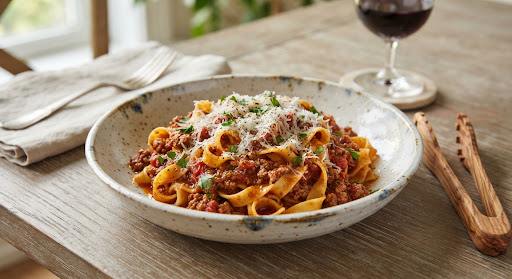
Walk into a kitchen in Bangkok, Naples, Oaxaca or Dakar, and the cupboards look different at first glance — until you look closer. Behind the local labels sit the same building blocks: a grain, a legume, a fat, salt, an allium, heat, and something sour. These are the staples that every food culture in the world has independently settled on, because they keep well, cost little, and turn almost anything into dinner.
1. A grain that anchors the mealRice feeds more than half the planet, and for good reason: it is cheap, it stores for years, and it soaks up sauces like nothing else. Jasmine rice perfumes a Thai curry, basmati stands tall beside a stew, and short-grain rice turns creamy in a risotto. Pasta plays the same role across the Mediterranean, and in West Africa it is millet and sorghum. Keep one long-grain and one short-grain rice in the cupboard, and you always have a base for a meal.
2. Dried beans and lentilsBeans are the quiet workhorse of world cooking: chickpeas in the Middle East, black beans in Latin America, kidney beans in the Caribbean, lentils across South Asia. They bring protein, fibre and a satisfying, creamy texture for pennies. Dried beans cost less than canned and taste better, but canned beans are the weeknight hero — rinse them well and they are ready in seconds. Lentils need no soaking at all and cook in twenty minutes.
3. Good oil, and a second oneEvery cuisine has its fat of choice: extra-virgin olive oil in the Mediterranean, groundnut oil in West Africa, sesame oil in East Asia, ghee in India. The lesson is not which oil, but that you need two — one flavourful oil for dressing and finishing, and one neutral, high-heat oil for frying. A small bottle of toasted sesame oil is worth its weight in gold: a few drops at the end of cooking perfume a whole pan of noodles or vegetables.
4. Salt, and how to use itSalt is the single most important ingredient in any kitchen. Beyond the shaker, keep a box of kosher or flaky sea salt for cooking — its larger crystals are easier to pinch and distribute evenly — and a small pot of flaky salt for finishing, where its crunch matters. Taste as you cook and season in layers, not all at once at the end: a dish salted early tastes seasoned through, while a dish salted only at the table tastes salty on the surface.
5. The alliums: onion, garlic, shallotAlmost every savoury dish on earth starts the same way: an onion softening in oil, garlic joining it a minute later. Onions bring sweetness, garlic brings bite, shallots bring a gentle, almost wine-like note. Keep them in a cool, dark, ventilated spot — never in the fridge, where they go soft — and they will last for weeks. Ginger belongs in this family too, especially for Asian cooking; store it in the freezer and grate it frozen.
6. Heat and sournessChillies appear in nearly every tropical cuisine for a reason: capsaicin wakes up the palate and makes simple food exciting. Dried chillies, chilli flakes and a bottle of hot sauce cover most needs. Just as important is acid — the squeeze of lemon, the splash of vinegar, the spoonful of tamarind or lime that lifts a rich dish and makes flavours distinct. If a dish tastes flat, it almost always needs salt or acid before it needs anything else.
7. The flavour pastes and saucesA few small jars multiply what your pantry can do: tomato paste for depth, soy sauce for salt and umami, fish sauce for the same in Southeast Asian cooking, and a jar of mustard. Tomato paste, fried in oil for a minute before liquid is added, gives stews and ragùs a richness that fresh tomatoes alone cannot match.
Stock it once, cook for monthsNone of these staples is exotic, and none needs a special shop. Bought in one trip, they cost less than two takeaway dinners and they last for months. With them on the shelf, the question at six o’clock stops being “what can I possibly cook?” and becomes “which country shall we visit tonight?” — because the distance between your kitchen and the world’s tables is exactly one well-stocked cupboard.
 Vietnam
 France
 Japan
 Mexico