Curated recipes from 193 countries  •  New seasonal Mediterranean issue out now

Overview

Alexandrian Liver

Kebda Eskandarani; Kebda Iskandarani

This alexandrian liver recipe flash-fries beef liver with garlic, cumin and green chillies, finished with lemon and served in baladi bread. One serving is about 200 g.

Kebda Eskandarani — Alexandrian liver — is one of Egypt's most loved street foods, sold from carts and small shops across Alexandria. Thin strips of beef or water-buffalo liver are marinated in garlic, cumin and lemon, flash-fried with green chillies and peppers, and stuffed into baladi bread. It is a different preparation from the Lebanese sautéed liver with garlic and lemon: the Alexandrian version is defined by its heavy cumin, its chilli heat and its quick, high-heat fry.

Pairs well with: Baladi bread, pickles and tahini

Provenance

Egypt flag Egypt

Alexandria Street Food

Middle Eastern

Time Dedication

55m

40m prep • 15m cook

Batch Yield

4 Servings

300 kcal per serving

1 serving ≈ 200 g

Technical Skill

Intermediate

Intermediate (Quick Fry)

Meal Timing & Digestive Fit

Breakfast

Not Advised

Lunch

Prime Metabolic Fit

Dinner

Ideal Hearty Main

Snack & Tea

Inappropriate

High Protein Occasions: Street-food nights, quick lunches, sandwich suppers, Egyptian-themed meals Cost: Low — about $2–3 per serving at home
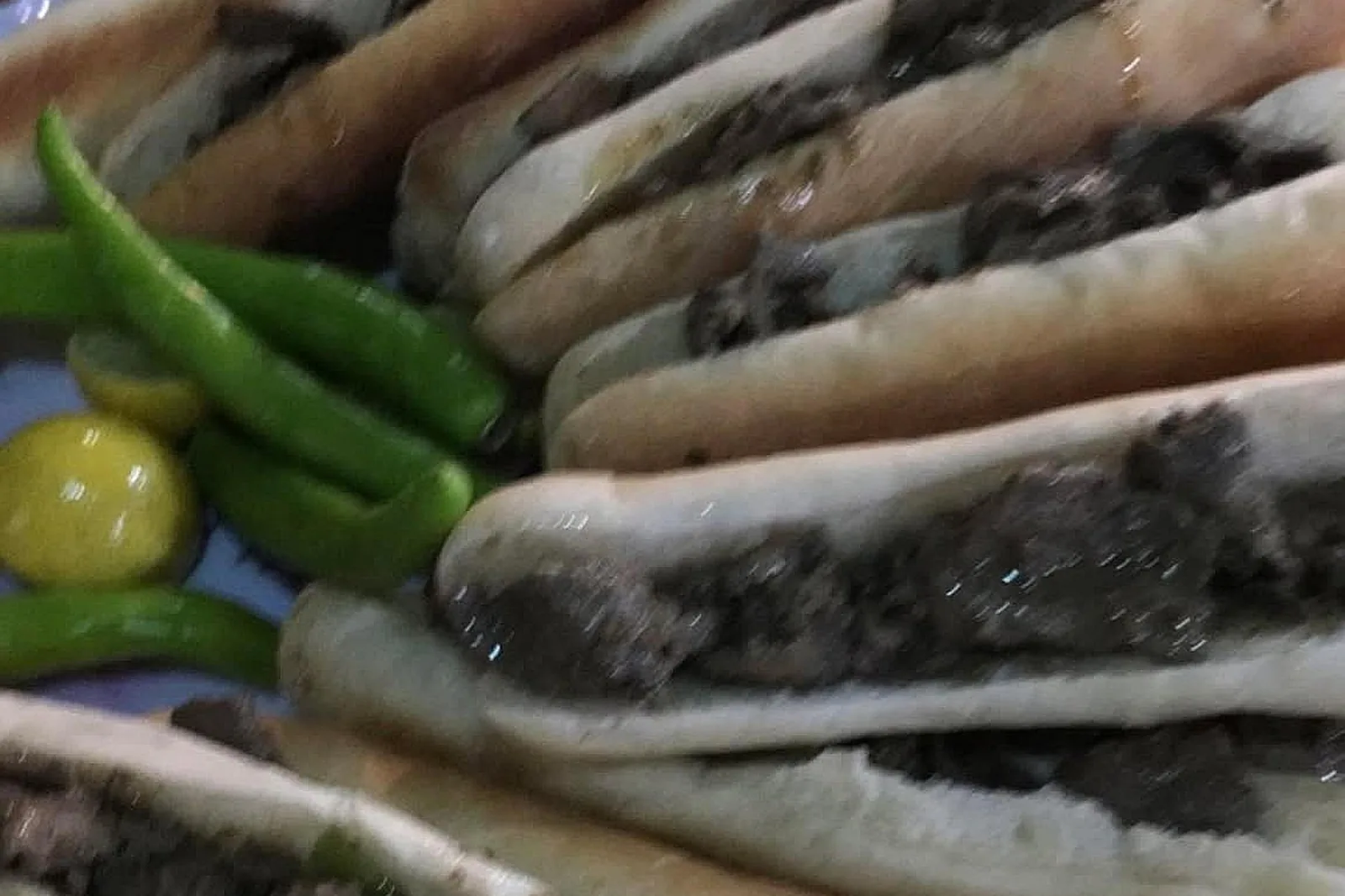
Alexandrian liver sandwiches filled with spiced fried liver, with green chillies and lemon on the side

Alexandria Street Food

Photo: Turnopoems, CC BY-SA 4.0, via Wikimedia Commons

The Heritage Formulary

Measured Ingredients

Estimated cost: Low — about $2–3 per serving at home (USD)

Made the Alexandrian way: thin liver strips marinated in garlic and cumin, flash-fried with green chillies and finished with lemon.

Execution Methodology & Culinary Technique

Step-by-Step Cooking Guide

Active 55m
P

Prep Stage: Slice and Marinate the Liver

40 Mins • Slicing & Marinating

Slice the liver into thin strips, about 5 mm thick — thin slices cook in minutes and stay tender. Mix half the garlic with the lemon juice, vinegar, cumin, coriander, chilli powder, black pepper and salt, toss with the liver and marinate for 30 minutes in the fridge. Slice the peppers and chillies while you wait.

Maestro Tip: Half-frozen liver slices far more thinly than soft liver — chill it well first.

  1. 1

    Slice the Liver

    10 Mins Cold, ~4°C (39°F)

    Rinse the liver under cold water and pat it completely dry. Trim away any membranes or tough veins, then slice across the grain into thin strips about 5 mm thick.

    Thin and even is the whole secret: thick pieces turn tough before the middle cooks.

    Done when: The strips are even, thin and free of membrane.

  2. 2

    Marinate

    30 Mins Cold, ~4°C (39°F)

    Combine half the minced garlic with 30 ml of the lemon juice, the vinegar, cumin, coriander, chilli powder, black pepper and salt. Toss with the liver strips, cover and marinate in the fridge for 30 minutes.

    Do not marinate longer than 45 minutes — the acid starts to firm the liver.

    Done when: Every strip is coated and the marinade smells strongly of garlic and cumin.

  3. 3

    Fry the Peppers

    3 Mins High heat, ~200°C (400°F)

    Heat the oil in a large skillet or wok until it shimmers. Fry the green pepper and hot chillies for 2–3 minutes until just softened, then push to the side of the pan.

    Very hot oil, quick fry: the peppers should stay bright green, not brown.

    Done when: The peppers are softened and bright, with a little char at the edges.

  4. 4

    Flash-Fry the Liver

    4 Mins High heat, ~200°C (400°F)

    Add the liver in a single layer and fry for 3–4 minutes, stirring often, until browned outside and just cooked through — the centre must reach 71°C (160°F). Work in two batches if the pan is crowded.

    Crowding the pan steams the liver instead of frying it, and steamed liver is tough.

    Done when: The strips are browned outside, tender inside, and the pan juices run clear.

  5. 5

    Add Garlic, Spices and Lemon

    2 Mins High heat, ~200°C (400°F)

    Stir in the diced tomato and the remaining garlic, toss for 30 seconds until fragrant, then pour in the remaining 30 ml of lemon juice and toss for 30 seconds more so it deglazes the pan.

    The lemon goes in last — it brightens the dish instead of cooking away.

    Done when: The pan smells of garlic and lemon and the sauce clings to the liver.

  6. 6

    Rest and Serve

    5 Mins Hot, ~70°C (158°F)

    Rest for 2 minutes, then pile the liver into warm baladi bread with the peppers, or serve on a plate with pickles and tahini.

    A short rest lets the juices settle back into the liver.

    Done when: The sandwiches are stuffed full and the liver is juicy, not dry.

Finishing Touches & Plating

Serve immediately while the liver is hot and juicy, with extra lemon wedges and pickled chillies on the side.

Nutritional Physiology & Benefits

Nutrition

Energy

300

kcal / serving

Protein

27g

Complete AA

Carbs

14g

Complex

Fats

16g

Healthy

Per serving (4 servings · 1 serving ≈ 200 g)
Energy300 kcal
Protein27 g
Carbohydrates14 g
Fat16 g
Fibre2.2 g
Sugar2.6 g
Sodium482 mg
Per 100g
Energy150 kcal
Protein13.6 g
Carbohydrates6.7 g
Fat7.8 g
Fibre1.1 g
Sugar1.3 g
Sodium241 mg

Nutrition values are estimated — calculated from USDA FoodData Central values for the listed ingredients.

Vitamins & minerals: Vitamin A and B12 (liver), iron (liver), vitamin C (peppers, lemon), folate (liver).

Protein and Iron Powerhouse

Liver is one of the most nutrient-dense foods there is: about 27 g of protein per serving, plus iron and vitamin B12 in amounts few other foods match.

Fast, Fresh Cooking

A four-minute fry keeps the liver tender and the peppers bright — no long cooking, no heavy sauces.

Big Flavour, Small Pan

Garlic, cumin, chillies and lemon do all the work — the dish needs no cream, butter or long ingredient list.

Food Pairings

What to Eat With

To optimize nutrient absorption and elevate the sensory depth, pair with these authentic accompaniments:

Sides

Baladi Bread

Soft baladi bread is the classic wrap: it soaks up the pan juices and turns the spicy liver into a handheld sandwich.

Vegetables

Pickled Vegetables

Sharp pickles cut through the richness of the liver and reset the palate between bites.

Sauces

Tahini

Creamy tahini cools the chilli heat and adds a nutty note that suits the earthy liver.

Drinks

Fresh Lemon Mint Drink

A cold lemon-mint drink echoes the lemon in the dish and cools the chilli burn.

Complete menu

Serve the liver in warm baladi bread with pickles and tahini, with a tomato-cucumber salad and a cold lemon-mint drink.

Digestive Guardrails

What NOT to Combine

To prevent digestive distress, sluggishness, or palate clash, avoid pairing the dish with these elements:

Do Not Eat Rare or Undercooked

Liver must be cooked through to 71°C (160°F) — undercooked liver can carry bacteria. Never serve it pink in the middle. This is general information, not medical advice.

Avoid Eating Liver Every Day

Liver is extremely high in vitamin A and cholesterol, so it is a once-in-a-while food, not a daily one — especially in pregnancy, when excess vitamin A is a concern. This is general information, not medical advice.

General information only, not medical advice — consult a doctor for personal dietary decisions.

Who Should Eat It

Who Should Eat

  • General adultsA nutrient-dense meal — enjoy it occasionally, not weekly, because of the vitamin A and cholesterol.
  • ChildrenOnly a small portion, and only well cooked; the chilli heat is usually too much for young children.
  • ElderlyExcellent iron and B12, which older adults often need — keep portions small and the chilli mild.
  • Pregnant womenAvoid or eat only very rarely and in a small portion: liver's very high vitamin A can be harmful in pregnancy. Ask your clinician first.
  • Breastfeeding womenA small, occasional portion is fine; the iron and B12 are useful. Ask your clinician for personal advice.
  • AthletesOutstanding for iron and protein after training — one of the best recovery foods in small, occasional portions.
  • Weight gainNutrient-dense and satisfying, with 300 kcal per serving plus bread.
  • Weight lossHigh in protein for few calories, so it is filling — serve with salad instead of extra bread.

Health Conditions — Adjust or Avoid

Conditions

  • DiabetesLow in carbohydrate and sugar, so it has little effect on blood sugar — watch the bread portion instead. Ask your clinician for personal advice.
  • High blood pressureSodium is moderate at 482 mg; skip extra salt and salty pickles. Ask your clinician for personal advice.
  • Kidney diseaseVery high in protein and phosphorus, so it is usually not suitable. Ask your clinician for personal advice.
  • GoutLiver is very high in purines and can trigger gout attacks — best avoided. Ask your clinician for personal advice.
  • Stomach issuesRich and spicy; the chillies and fried liver can upset sensitive stomachs. Ask your clinician for personal advice.
  • Cardiovascular diseaseHigh in cholesterol and saturated fat, so keep it a rare, small portion. Ask your clinician for personal advice.
  • Fatty liverHigh in cholesterol and vitamin A; an occasional small portion only. Ask your clinician for personal advice.
  • Food allergiesNo common allergens in the liver itself, but check the bread (wheat/gluten) and tahini (sesame). Ask your clinician for personal advice.
  • Special therapeutic dietsNot suitable for low-purine, low-cholesterol or vegetarian diets; fits high-protein and low-carbohydrate diets. Ask your clinician for personal advice.

If you have a medical condition, consult your doctor before changing your diet.

Storage & Use

Storage & Use

How to store
Cool quickly and store in a covered container in the fridge.
In the fridge
2 days in the fridge.
In the freezer
1 month (texture softens on thawing).
How to reheat
Reheat gently in a pan until steaming hot, at least 74°C (165°F) — do not overcook or it turns tough.
Freezing recommended
No — best eaten fresh; freezing makes the liver grainy.
Signs it has spoiled
Sour or ammonia smell, grey colour, or slimy surface.

More recipes to explore

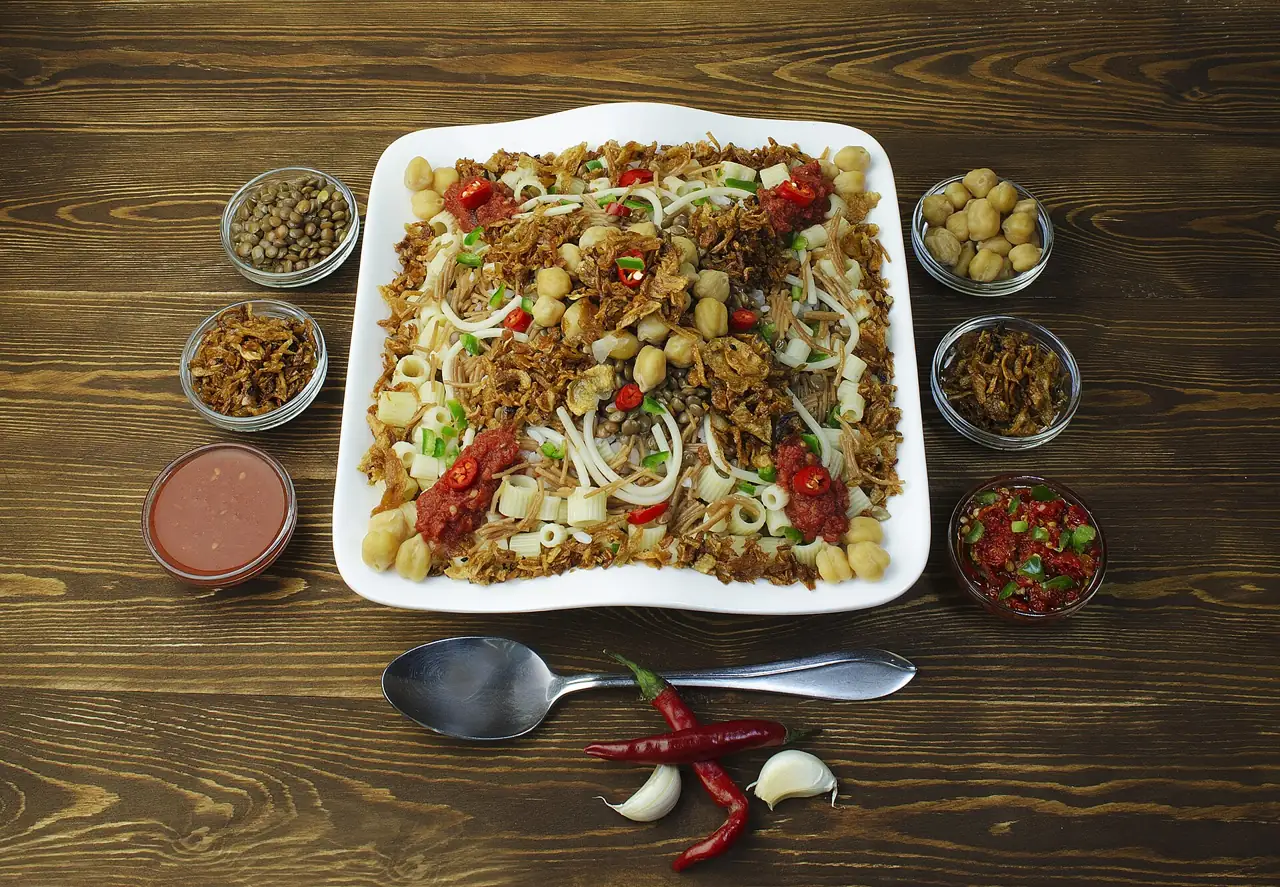
A platter of Egyptian koshari with rice, lentils, macaroni, chickpeas, crispy fried onions and tomato sauce Egypt flag Egypt 1h 15m
Dinner •Cairo Street Food

Egyptian Koshari

This egyptian koshari recipe builds Egypt's national dish at home: brown lentils and short-grain rice cooked with toasted vermicelli, layered with macaroni and chickpeas, then topped with a spiced tomato sauce, garlic vinegar and a heap of crispy fried onions. One serving is about 600 g.

Comfort & Warmth

Layers of lentils, rice and pasta with a spiced tomato sauce and crispy onions.

Pairs Well With
Garlic vinegar (daqqa), hot sauce and pickled vegetables
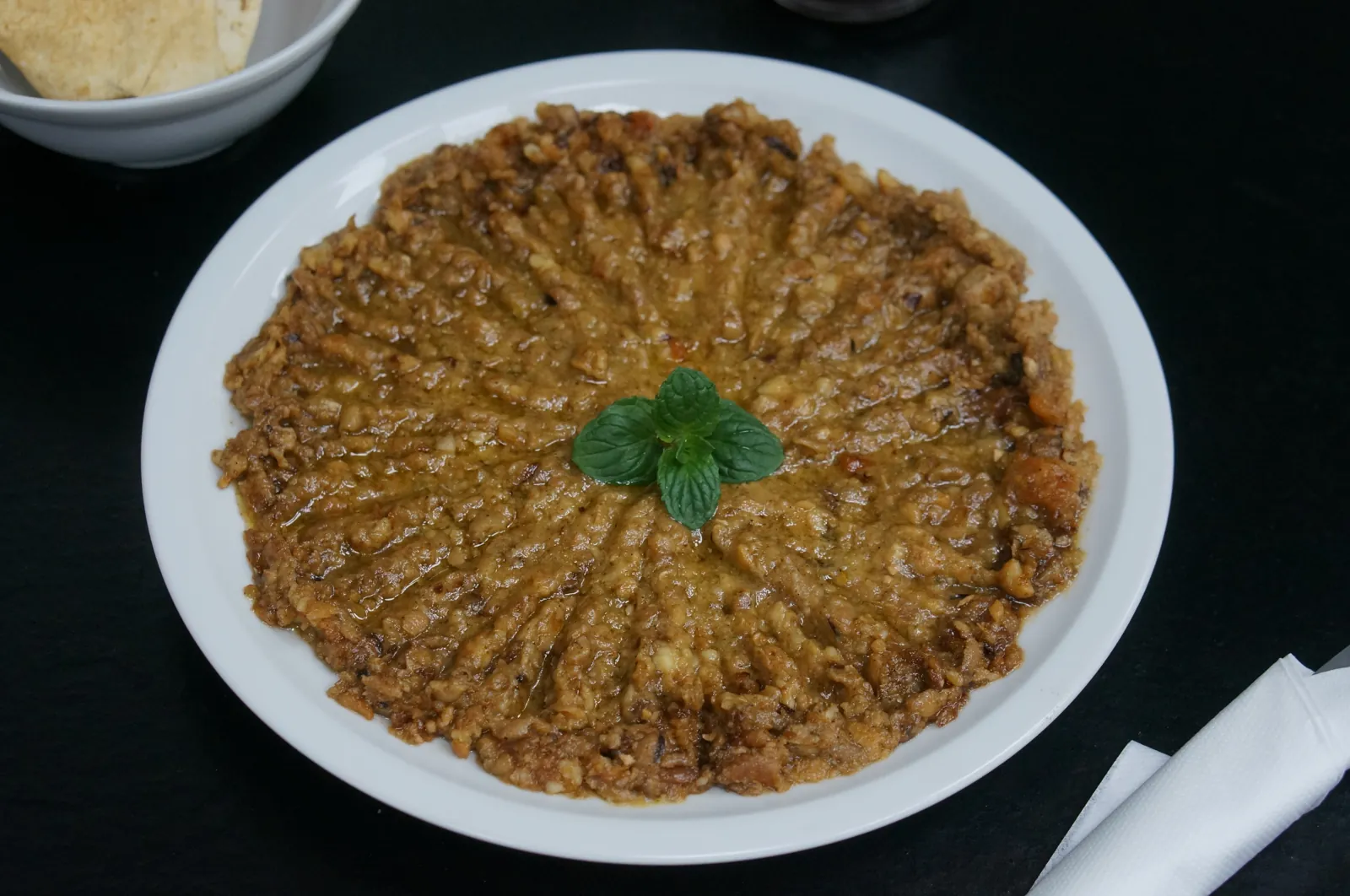
A white plate of mashed ful medames glistening with olive oil, garnished with fresh mint, with flatbread in a bowl beside it Egypt flag Egypt 1h 45m
Breakfast •Cairo Breakfast

Ful Medames

Ful medames is Egypt's beloved breakfast of fava beans simmered until soft, then lightly mashed and dressed with olive oil, lemon juice, garlic and cumin. It is creamy, tangy and deeply savoury, scooped up with warm flatbread. One serving is about 283 g.

Plant Protein & Energy

Slow-cooked fava beans with olive oil give steady energy and 15.9 g of protein per serving, with no meat at all.

Pairs Well With
Warm baladi bread, pickled vegetables and a boiled egg
High Protein
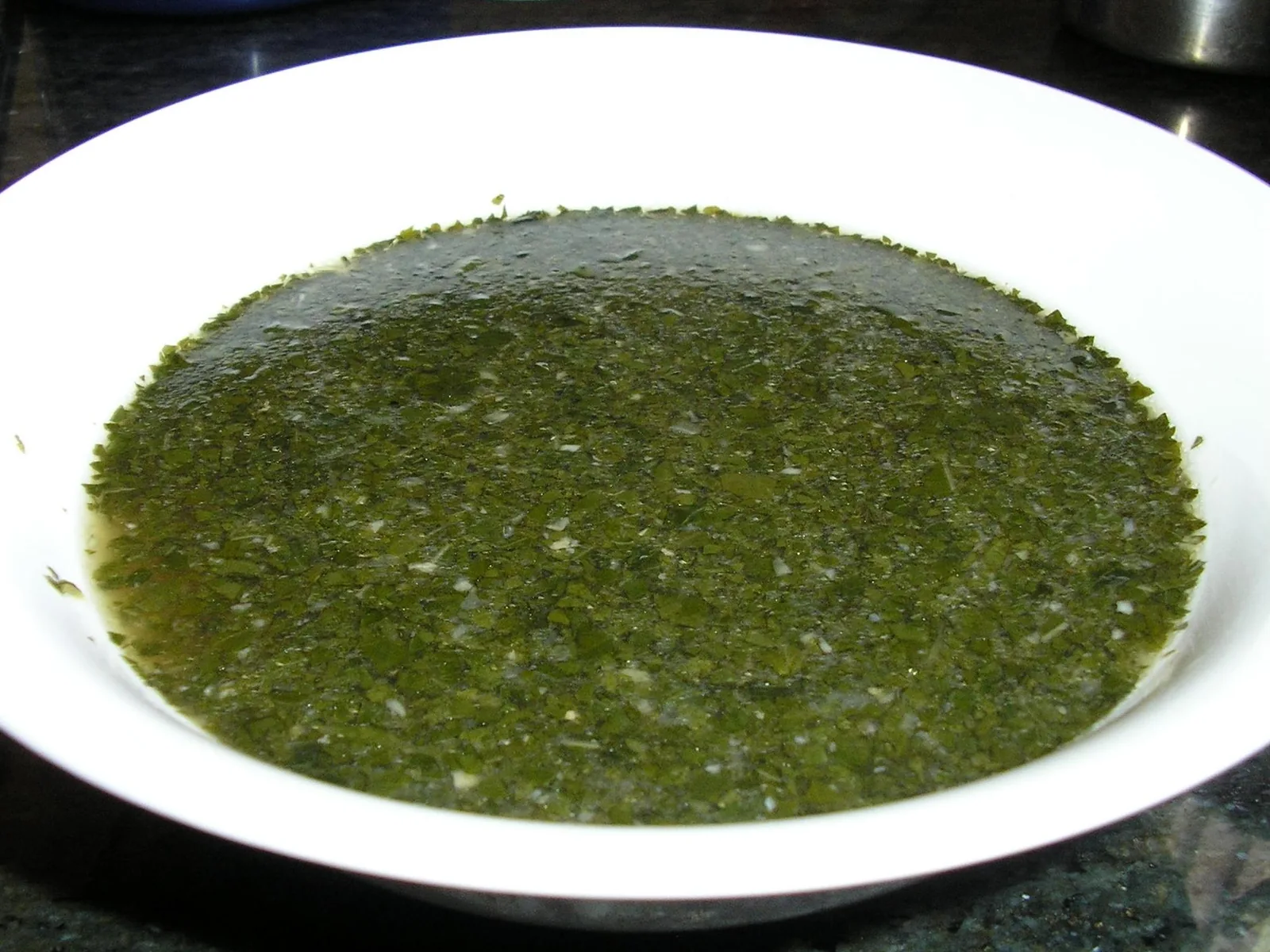
A white bowl of bright green molokhia soup made from finely chopped jute leaves Egypt flag Egypt 1h 15m
Dinner •Egyptian Family Table

Molokhia

This molokhia recipe turns finely chopped jute leaves into Egypt's beloved green soup: simmered briefly in a rich chicken broth, then finished with ta'leya — garlic and ground coriander fried in ghee until it sizzles. Ladled over white rice with a squeeze of lemon, it is slippery, garlicky and deeply comforting. One serving is about 550 g.

Comfort & Warmth

A bright green jute-leaf soup simmered in chicken broth and finished with a sizzling garlic and coriander ta'leya.

Pairs Well With
White rice, lemon wedges and browned chicken pieces
Soups & Broths
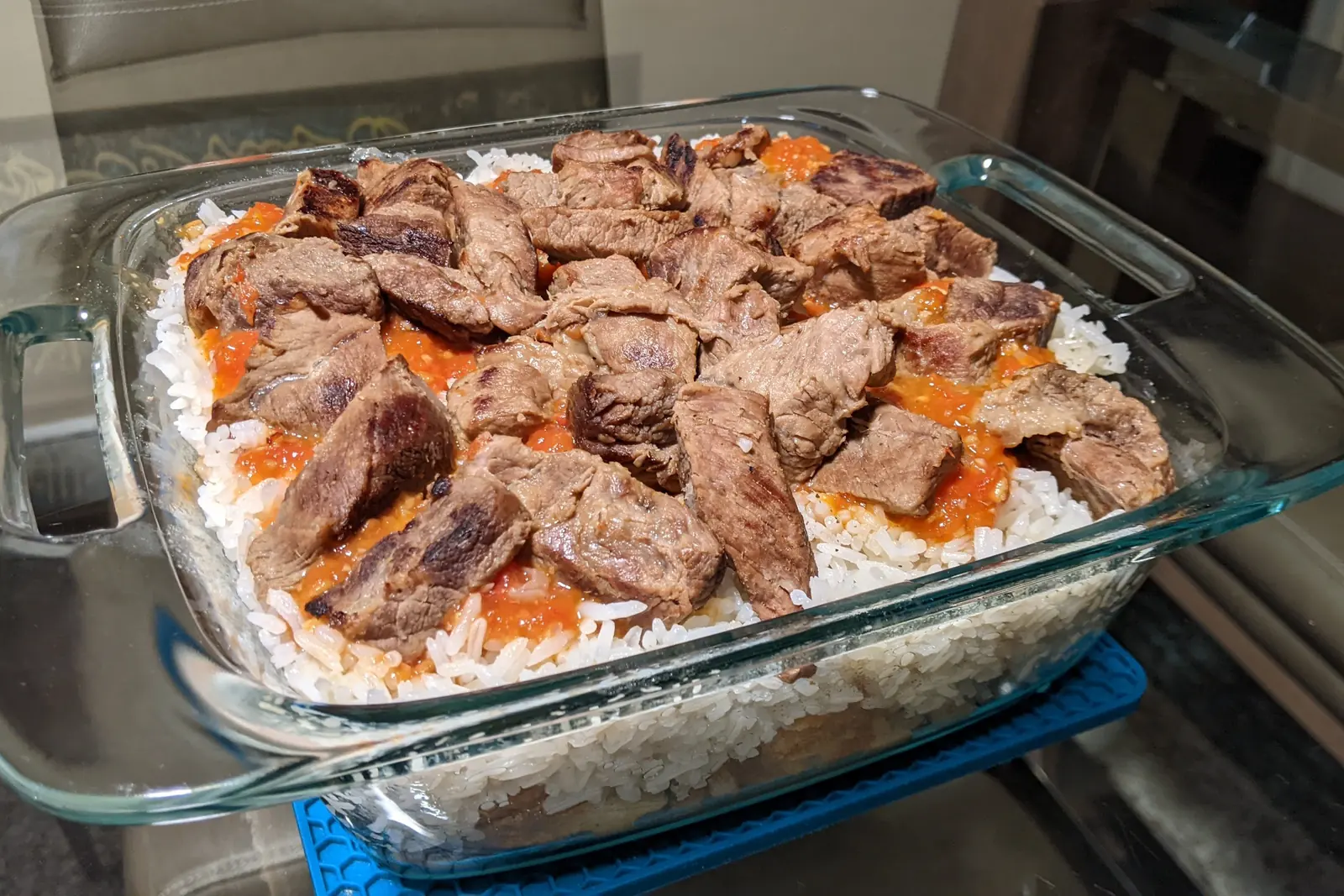
Egyptian fattah in a glass dish: white rice topped with tomato sauce and chunks of beef Egypt flag Egypt 2h 20m
Dinner •Cairo Heritage

Egyptian Fattah

Egyptian fattah is the dish Egypt celebrates with: crisp toasted bread soaked in beef broth, a deep layer of fluffy rice, tender chunks of beef, and a garlicky tomato-vinegar sauce spooned over the top. This egyptian fattah recipe is the Eid al-Adha classic — built in layers in one big dish, and carried to the table for everyone to share. One serving is about 330 g.

Feast & Celebration

Crisp bread, fluffy rice, tender beef and garlicky tomato sauce layered in one generous sharing dish.

Pairs Well With
Green salad, pickles and mint tea.
High Protein

The Dinner Gazette

Never wonder what’s for dinner again

One email a week with easy dinner ideas from around the world — ingredients, steps and nutrition, tested in our kitchen first.

Delivered every Thursday morning. Unsubscribe anytime.