

Curated recipes from 193 countries  •  New seasonal Mediterranean issue out now

Overview

Aligot

Cheesy Whipped Potatoes, Aligot de l'Aubrac

Silky mashed potatoes beaten with melted Tomme fraîche until they stretch into long ribbons. This aligot recipe is the Aubrac classic: floury potatoes, butter, cream and a mountain of young cheese, worked hard with a wooden spoon. One serving is about 400 g.

Aligot comes from the Aubrac, a high, windswept plateau in the Massif Central of south-central France. The monks of the Aubrac hospice fed a version of it to pilgrims walking the Way of St James toward Spain — the original was made with bread, and potatoes took over once they became common in the region. In the mountain burons, the stone shepherds' huts of the plateau, it is still beaten by hand with a wooden spoon and served piping hot with sausage.

Pairs well with: Grilled Toulouse sausage, green salad & red wine

Provenance

France flag France

Aubrac Mountain Classic

Nordic & European

Time Dedication

50m

20m prep • 30m cook

Batch Yield

4 Servings

843 kcal per serving

1 serving ≈ 400 g

Technical Skill

Intermediate

Intermediate (Arm Workout)

Meal Timing & Digestive Fit

Breakfast

Not Advised

Lunch

Hearty Midday Main

Dinner

Ideal Hearty Main

Snack & Tea

Inappropriate

Occasions: Winter dinners, celebrations, sausage nights, French bistro meals Cost: Moderate — about $4–5 per serving at home
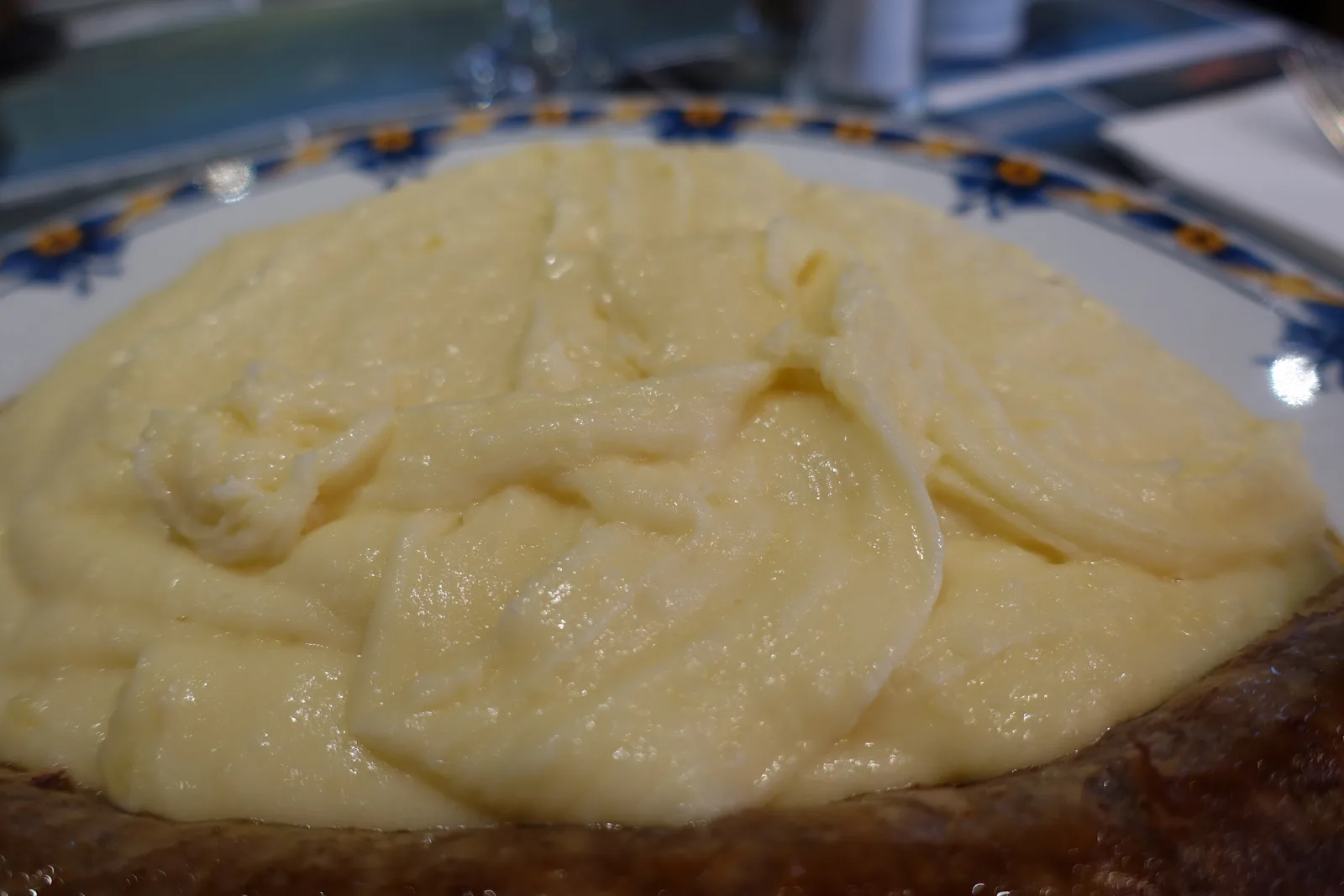
A plate of aligot, creamy stretchy mashed potatoes with melted cheese, in a restaurant in Paris

Aubrac Mountain Classic

Photo: Guilhem Vellut, CC BY 2.0, via Wikimedia Commons

The Heritage Formulary

Measured Ingredients

Estimated cost: Moderate — about $4–5 per serving at home (USD)

A true aligot is judged by the stretch: lift the spoon and the ribbons should hold without breaking.

Execution Methodology & Culinary Technique

Step-by-Step Cooking Guide

Active 50m
P

Prep Stage: Cube, Slice & Warm

20 Mins • Knife Work

Peel and cube the potatoes, and put the garlic in with them. Cut the tomme fraîche into thin strips and leave it at room temperature for 30 minutes — cold cheese dropped into hot mash seizes instead of melting. Warm the cream gently.

Maestro Tip: Room-temperature cheese is the difference between silky aligot and a lumpy one.

  1. 1

    Boil the Potatoes

    20 Mins • Boil Rolling boil, 100°C / 212°F, then simmer

    Put the potatoes and garlic in a large pot, cover with cold salted water and bring to a boil. Simmer 20 minutes until the potatoes fall apart when pierced with a knife. Drain very well and return the pot to low heat for 1 minute to dry the potatoes out.

    Drying the potatoes in the hot pot keeps the mash from going watery.

    Done when: Potatoes are completely tender and crumble at a touch.

  2. 2

    Rice & Enrich the Mash

    5 Mins • Mash Low heat, ~70°C / 158°F

    Push the hot potatoes through a ricer or food mill back into the warm pot. Stir in the cubed butter and the warm cream until the mash is completely smooth and glossy.

    Never use a food processor — it makes the potatoes gluey. A ricer or food mill is the only way.

    Done when: Mash is smooth, with no lumps at all.

  3. 3

    Beat in the Cheese

    10 Mins • Beat Low heat, ~70°C / 158°F

    Set the pot over low heat. Add the tomme fraîche a handful at a time, stirring constantly with a sturdy wooden spoon in figure-of-eight movements. Wait for each handful to melt before adding the next.

    Keep the heat low: if the mixture boils, the cheese splits and the fat leaks out.

    Done when: Cheese is fully melted and the mixture is smooth and elastic.

  4. 4

    Stretch Until It Ribbons

    5 Mins • Stretch Low heat, ~70°C / 158°F

    Keep stirring and lifting the spoon high, stretching the aligot up and letting it fall back. After 3–4 minutes of hard beating, the mixture turns silky and pulls into long ribbons. Season with salt and a pinch of pepper.

    This is an arm workout — switch hands if you need to, but do not stop stirring.

    Done when: A lifted spoon pulls ribbons that hold for several seconds before falling.

  5. 5

    Serve Immediately

    2 Mins • Serve Serve hot, ~70°C / 158°F

    Spoon the aligot into warm bowls or onto warm plates next to the sausage. Serve immediately, while it is still stretchy.

    Warm the plates first — cold plates kill the stretch in seconds.

    Done when: Aligot is piping hot and stretches when lifted.

Finishing Touches & Plating

Lift the spoon high and let the aligot fall back in ribbons — that stretch is the whole point. Serve immediately in a warm bowl: aligot waits for no one, and it firms up fast as it cools.

Nutritional Physiology & Benefits

Nutrition

Energy

843

kcal / serving

Protein

29g

Complete AA

Carbs

48g

Complex

Fats

61g

Healthy

Per serving (4 servings · 1 serving ≈ 400 g)
Energy843 kcal
Protein29 g
Carbohydrates48 g
Fat61 g
Fibre5.5 g
Sugar4.4 g
Sodium409 mg
Per 100g
Energy211 kcal
Protein7.1 g
Carbohydrates12 g
Fat15.2 g
Fibre1.4 g
Sugar1.1 g
Sodium102 mg

Nutrition values are estimated — calculated from USDA FoodData Central values for the listed ingredients.

Vitamins & minerals: Vitamin C and potassium (potatoes), calcium and phosphorus (Tomme fraîche), vitamin A (butter, cream), vitamin B12 (cheese).

Comforting and Filling

Potatoes supply vitamin C and potassium, and the dish is naturally gluten-free.

Calcium-Rich Cheese

Tomme fraîche, butter and cream supply calcium and phosphorus — about 29 g of protein per serving.

Serious Cold-Weather Energy

With about 48 g of carbohydrate and 843 kcal per serving, aligot is a serious energy dish for cold days and hard work.

Food Pairings

What to Eat With

To optimize nutrient absorption and elevate the sensory depth, pair with these authentic accompaniments:

Sides

Grilled Toulouse Sausage

The classic partner: salty, garlicky Toulouse sausage cuts through the rich cheese and gives the soft aligot something to hold onto.

Vegetables

Green Salad With Mustard Vinaigrette

A sharp green salad with a mustard vinaigrette refreshes the palate between spoonfuls of the very rich mash.

Drinks

Red Wine From the Aveyron

A red wine from the Aveyron or the Auvergne stands up to the cheese without fighting it, and it is what the burons of Aubrac would pour.

Complete menu

Serve the aligot as the centrepiece with grilled Toulouse sausage and a sharp green salad; finish with a glass of red wine from the Aveyron.

Digestive Guardrails

What NOT to Combine

To prevent digestive distress, sluggishness, or palate clash, avoid pairing the dish with these elements:

Extra Butter or Cheese on Top

Aligot is already very rich in saturated fat from cheese, butter and cream. Piling on extra butter or a cheese topping adds a lot more saturated fat in one meal. This is general information, not medical advice.

A Second Helping Straight Away

A second helping straight away is easy to regret — at 843 kcal a serving, aligot is one of the most energy-dense dishes on the site. Wait ten minutes before deciding whether you are still hungry. This is general information, not medical advice.

General information only, not medical advice — consult a doctor for personal dietary decisions.

Who Should Eat It

Who Should Eat

  • General adultsA rich, satisfying dish — one 400 g serving is a full meal at 843 kcal; pair it with sausage and salad.
  • ChildrenChildren usually love it — soft, mild and cheesy. Serve a small portion with sausage, and skip the extra pepper.
  • ElderlyA good choice — soft, warm and easy to eat, with calcium from the cheese; keep the portion modest and the salt light.
  • Pregnant womenGenerally suitable; the cheese is melted into piping-hot mash. If you are unsure about the cheese, ask your clinician.
  • Breastfeeding womenGenerally suitable; the cheese and potatoes supply calcium and energy. Keep the portion modest — it is very rich.
  • AthletesA strong energy meal — about 48 g of carbohydrate per serving with protein from the cheese; best after a long training session.
  • Weight gainAn excellent choice — energy-dense and easy to eat a lot of; serve with sausage for extra protein.
  • Weight lossEat a small portion (about half a serving) with a large green salad and lean protein, and skip the sausage.

Health Conditions — Adjust or Avoid

Conditions

  • DiabetesThe dish is high in carbohydrate from potatoes — keep the portion small (about 200 g) and pair it with salad and lean protein; check with your clinician.
  • High blood pressureTomme fraîche itself is unsalted, but butter and cream add sodium; keep the added salt light and the portion modest.
  • Kidney diseasePotatoes are high in potassium and the cheese adds protein and phosphorus; keep the portion small and ask your clinician about portion size.
  • GoutEat occasionally and in smaller portions — cheese and cream are rich foods best kept as a treat.
  • Stomach issuesA very rich, fatty dish can trigger discomfort or reflux in sensitive people; eat a small portion and go easy on the butter.
  • Cardiovascular diseaseThe dish is high in saturated fat from cheese, butter and cream; keep the portion small and eat it occasionally rather than weekly.
  • Fatty liverKeep the portion to about half a serving and pair it with vegetables and lean protein; the dish is very energy-dense.
  • Food allergiesContains milk (cheese, butter, cream). Naturally gluten-free. If you use the mozzarella and Gruyère substitute, the allergens are the same.
  • Special therapeutic dietsIf you follow a prescribed low-fat or low-sodium diet, this dish is hard to fit — ask your clinician before eating a full portion.

If you have a medical condition, consult your doctor before changing your diet.

Storage & Use

Storage & Use

How to store
Cool quickly and store in an airtight container with cling film pressed onto the surface.
In the fridge
2 days in an airtight container.
In the freezer
Not recommended — the cheese and potato texture turns grainy on thawing.
How to reheat
Warm gently in a pan over low heat with a splash of milk or cream, stirring constantly, until hot throughout (74°C / 165°F). It will be creamy but will not stretch like fresh aligot.
Freezing recommended
No — aligot is best eaten fresh; reheated aligot never stretches the same way.
Signs it has spoiled
Sour smell, grey colour, or a slimy surface.

More recipes to explore

Golden butter croissants on a wooden board France flag France 20m
Breakfast •Parisian Boulangerie

Croissant au Beurre & Café

Laminated cultured butter pastry paired with washed Arabica, for a slow, pleasurable Parisian morning — best with a little protein alongside. One serving is about 390 g.

Sustained Focus

Flaky all-butter croissant with café au lait, Comté and green apple.

Pairs Well With
Comté cheese wedge & Green apple slices
Quick Prep (<30m)

Bœuf bourguignon — French beef braised in red wine France flag France 4h
Dinner •Burgundy Terroir

Bœuf Bourguignon

Beef braised gently in red wine until the connective tissue melts into a velvet, gelatin-rich sauce — the classic Burgundy Sunday dinner.

Cellular Repair

Beef braised in red wine until spoon-tender, with mushrooms and pearl onions.

Pairs Well With
Parsnip Purée & Steamed French Haricots Verts
High Protein
A mound of classic ratatouille with eggplant, zucchini, tomato and onion on a white plate France flag France 1h 15m
Dinner •Nice Provençal

Ratatouille

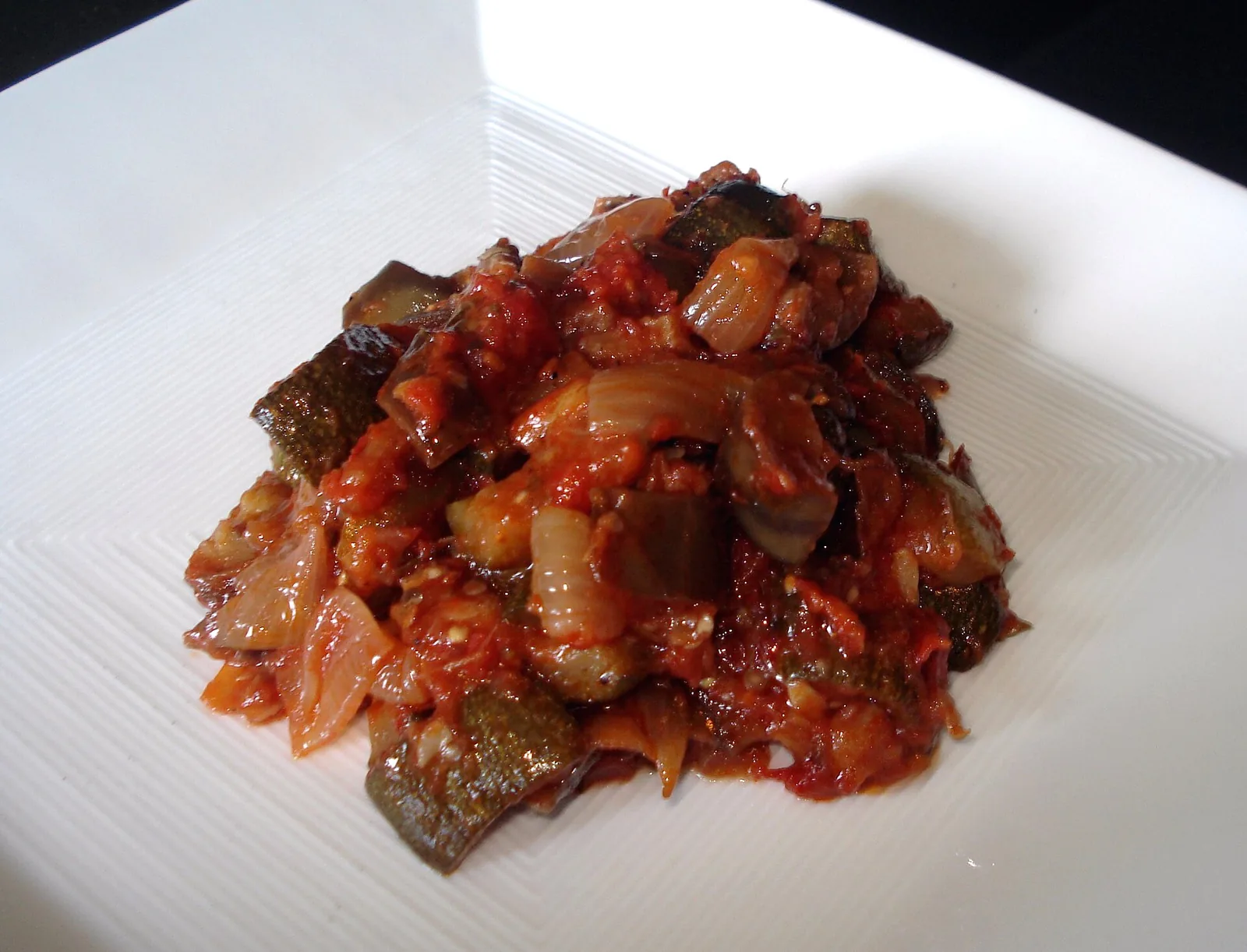
This ratatouille recipe cooks eggplant, zucchini, peppers and tomatoes separately first, so each vegetable keeps its own texture, then brings them together for a slow, fragrant simmer. One serving is about 400 g.

Light & Vegetable-Rich

Slow-simmered summer vegetables in olive oil — light, fragrant and full of fibre.

Pairs Well With
Crusty sourdough bread, grilled fish or a fried egg
A bowl of coq au vin with a braised chicken leg in dark red wine sauce with mushrooms and onions, greens on the side France flag France 1h 40m
Dinner •Burgundy Classic

Coq au Vin

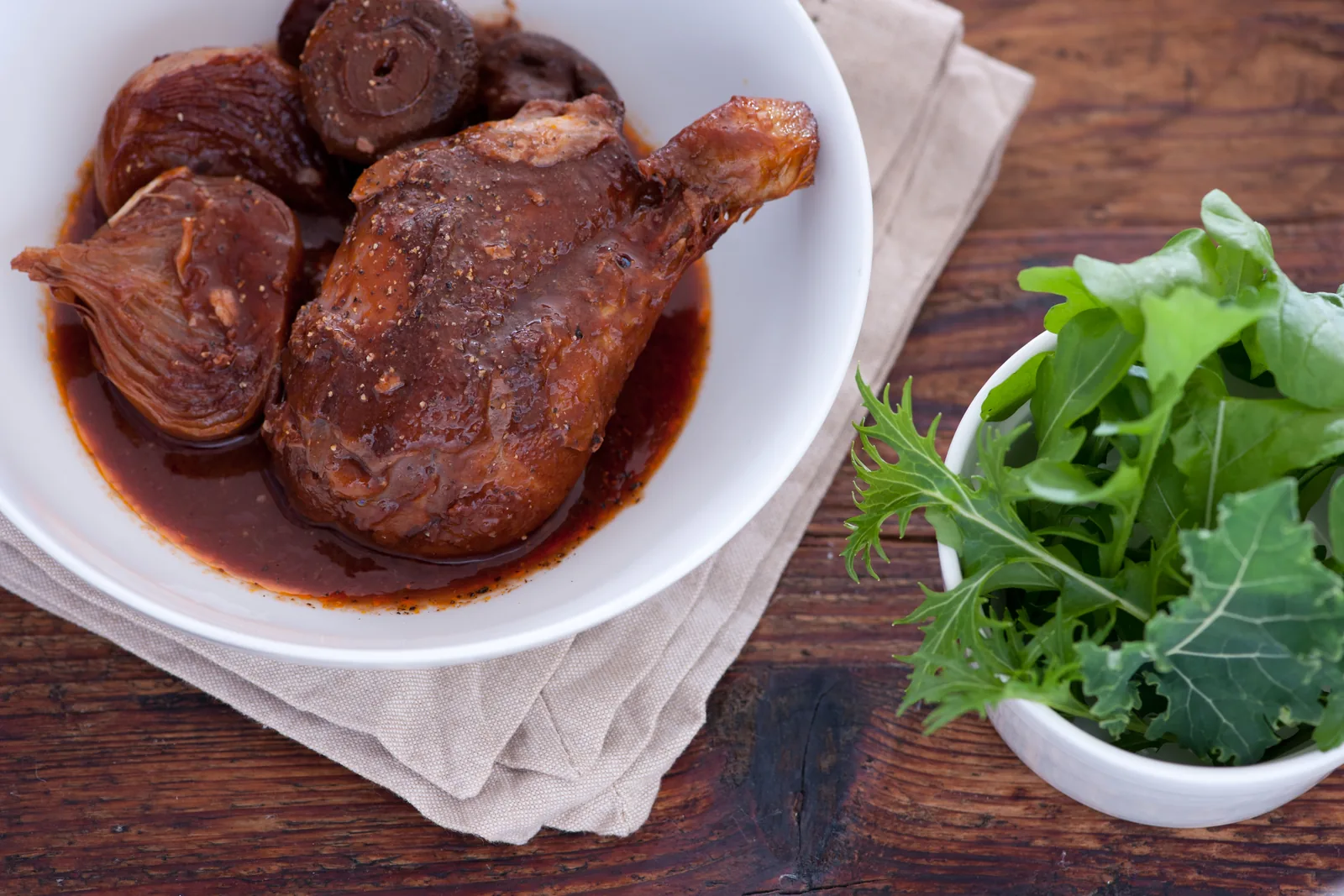
This coq au vin recipe is the Burgundy classic: chicken thighs browned with bacon, then braised in red wine with mushrooms, pearl onions and carrots until the meat is tender and the sauce is dark and glossy. One serving is about 375 g. It takes 1 hour 40 minutes, most of it hands-off while the pot simmers.

Comfort & Warmth

Chicken braised slowly in red wine with mushrooms, pearl onions and bacon until it falls off the bone.

Pairs Well With
Mashed potatoes, crusty bread & Burgundy wine

The Dinner Gazette

Never wonder what’s for dinner again

One email a week with easy dinner ideas from around the world — ingredients, steps and nutrition, tested in our kitchen first.

Delivered every Thursday morning. Unsubscribe anytime.