
Curated recipes from 193 countries  •  New seasonal Mediterranean issue out now

Overview

Baileys Chocolate Truffles

Irish Cream Chocolate Truffles, Baileys Truffles

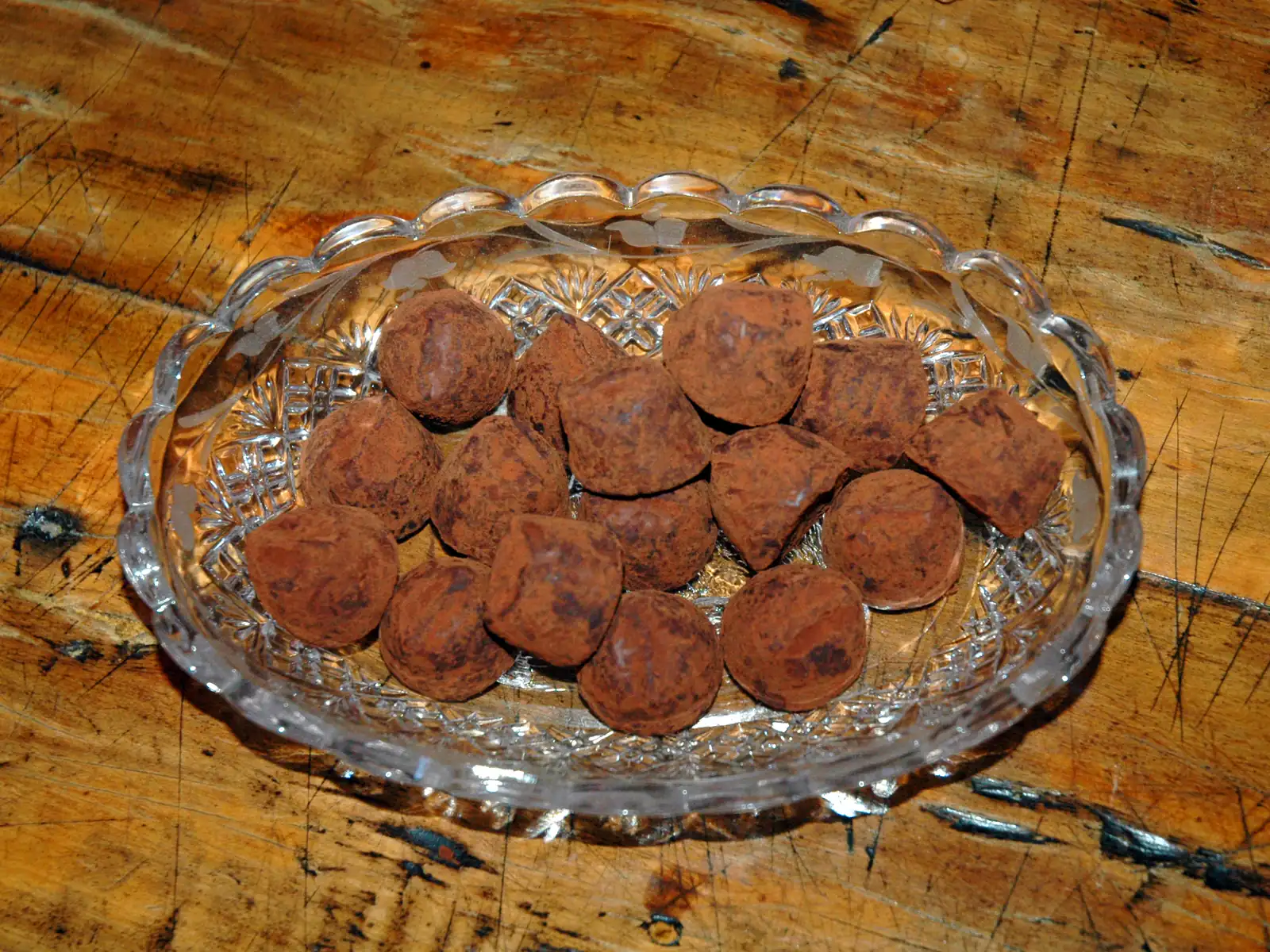
This baileys chocolate truffles recipe melts dark chocolate with hot cream, stirs in Baileys Irish Cream and butter, then chills the ganache until firm enough to roll. Each truffle is shaped by hand and dusted with cocoa for a rich, creamy bite with a gentle Irish cream warmth. One serving is about 48 g, two truffles.

Baileys Irish Cream was first sold in Ireland in 1974, created in Dublin by blending Irish whiskey with cream, and it quickly became the flavour of Irish celebrations from St. Patrick's Day to Christmas. Chocolate truffles take their name from the truffle fungus they resemble, and the ganache truffle is credited to French patissier Louis Dufour in Chambery in 1895 — Irish cooks adopted the form and made it their own by flavouring the ganache with Baileys.

Pairs well with: Espresso & black coffee

Provenance

Ireland flag Ireland

Irish Heritage

Nordic & European

Time Dedication

2h 35m

145m prep • 10m cook

Batch Yield

12 Servings

221 kcal per serving

1 serving ≈ 48 g

Technical Skill

Easy

Easy (No-Bake)

Meal Timing & Digestive Fit

Breakfast

Not Advised

Lunch

Inappropriate

Dinner

Inappropriate

Snack & Tea

Ideal Light Bite

Occasions: St. Patrick's Day, Christmas, Valentine's Day, gift boxes, dessert tables Cost: Low — about $1 per serving at home
A glass dish of cocoa-dusted chocolate truffles on a wooden table

Irish Heritage

Photo: Rdsmith4, CC BY-SA 2.5, via Wikimedia Commons

The Heritage Formulary

Measured Ingredients

Estimated cost: Low — about $1 per serving at home (USD)

Equal parts care in the melt and the chill: hot cream, smooth ganache, two hours in the fridge, rolled by hand in cocoa.

Execution Methodology & Culinary Technique

Step-by-Step Cooking Guide

Active 2h 35m
P

Prep Stage: Chop, Measure & Set Up

25 Mins active + 2 Hours chilling • Chopping & Measuring

Truffles are just ganache: chocolate melted into hot cream, flavoured with Baileys, then chilled until firm enough to roll. Chop the chocolate finely so it melts without overheating, measure the cream and Baileys, sift the cocoa into a shallow bowl for rolling, and clear space in the fridge for the bowl of ganache.

Maestro Tip: Finely chopped chocolate is the whole trick — big chunks stay solid while the cream cools, and the ganache turns grainy.

  1. 1

    Heat the Cream

    10 Mins Gentle heat, about 85°C (185°F)

    Pour the 120 ml of heavy cream into a small saucepan and warm it over medium-low heat until it is steaming and small bubbles appear around the edge, about 85°C (185°F). Do not let it boil — boiling cream can split the ganache. Take the pan off the heat as soon as it steams.

    If the cream boils, let it cool for a minute before pouring it over the chocolate.

    Done when: Steaming hot with bubbles only at the edge; no rolling boil.

  2. 2

    Make the Ganache

    5 Mins No heat — residual heat only

    Put the 340 g of chopped chocolate in a heatproof bowl. Pour the hot cream over it, add the 60 ml of Baileys, the 15 g of softened butter, the vanilla and the pinch of salt. Leave it untouched for 2 minutes, then stir slowly from the centre outward until the mixture is completely smooth and glossy.

    Stirring from the centre keeps air out — whisking fast whips bubbles into the ganache and dulls the finish.

    Done when: Smooth, glossy ganache with no visible chocolate pieces.

  3. 3

    Chill Until Firm

    120 Mins Fridge, 4°C (40°F) or below

    Cover the bowl with cling film, pressing it onto the surface of the ganache so no skin forms, and refrigerate for about 2 hours until the ganache is firm enough to scoop and hold its shape. It should feel like cold, stiff butter — if a spoon leaves a clean dent that holds, it is ready.

    Do not freeze the ganache to hurry it: frozen edges crack when rolled, while the centre stays soft.

    Done when: Firm all the way through; a spoon leaves a clean dent that holds its shape.

  4. 4

    Roll and Coat

    20 Mins No heat — hands and fridge

    Scoop the ganache with a teaspoon, about 20 g per truffle, and roll each scoop quickly between cool palms into a ball — 24 truffles in total. Drop each ball into the sifted cocoa and roll it until fully coated, then set it in a paper case or on a lined tray. Work quickly so the truffles do not soften, and chill the finished tray for 30 minutes before serving.

    Rinse your hands in cold water and dry them between batches — warm hands melt ganache faster than anything else.

    Done when: Round truffles, evenly dusted with cocoa, holding their shape at room temperature for serving.

Finishing Touches & Plating

Chill the finished truffles for 30 minutes so the cocoa coating sets, then serve two per person at room temperature for the softest centre, or pile them in a bowl for a dessert table.

Nutritional Physiology & Benefits

Nutrition

Energy

221

kcal / serving

Protein

2g

Complete AA

Carbs

20g

Complex

Fats

15g

Healthy

Per serving (12 servings · 1 serving ≈ 48 g)
Energy221 kcal
Protein2 g
Carbohydrates20 g
Fat15 g
Fibre2.9 g
Sugar15.0 g
Sodium44 mg
Per 100g
Energy464 kcal
Protein4.9 g
Carbohydrates42.7 g
Fat30.4 g
Fibre6.1 g
Sugar31.4 g
Sodium92 mg

Nutrition values are estimated — calculated from USDA FoodData Central values for the listed ingredients.

Vitamins & minerals: Dark chocolate supplies iron and magnesium, cocoa adds fibre, and the cream and butter add calcium and vitamin A. All nutrition values are estimated.

Quick Energy for Celebrations

One serving of two truffles gives about 221 kcal, mostly from chocolate and cream — a small, rich treat rather than a meal.

Fibre and Minerals from Cocoa

Dark chocolate and cocoa supply about 2.9 g of fibre per serving, plus iron and magnesium from the cocoa itself.

Five Real Ingredients

Chocolate, cream, Baileys, butter and cocoa — no baking, no preservatives, nothing hidden in the ganache.

Food Pairings

What to Eat With

To optimize nutrient absorption and elevate the sensory depth, pair with these authentic accompaniments:

Drinks

Espresso or Black Coffee

Bitter coffee cuts through the rich ganache and lifts the Irish cream flavour — the classic after-dinner pairing for chocolate truffles.

A Small Glass of Baileys on Ice

Serving the same Irish cream alongside echoes the flavour inside the truffles and makes a coherent dessert course.

Sides

Fresh Berries

Raspberries or strawberries add sharpness and freshness next to the truffles, and their acidity balances the sweetness.

Full Menus

St. Patrick's Day Dessert Table

Truffles finish an Irish dinner perfectly — serve them after beef and Guinness stew or Irish stew, with coffee, as the sweet end of the meal.

Complete menu

Serve two Baileys chocolate truffles per person with espresso and fresh raspberries after an Irish dinner such as beef and Guinness stew.

Digestive Guardrails

What NOT to Combine

To prevent digestive distress, sluggishness, or palate clash, avoid pairing the dish with these elements:

Serving to Children

These truffles contain Baileys Irish Cream, which is alcoholic and is not cooked off — the alcohol stays in the ganache. Keep them for adults only and store them out of children's reach. This is general food information, not medical advice.

Leaving Them Warm for Hours

Ganache softens quickly at warm room temperature and the cream in it spoils — do not leave truffles out for more than about 2 hours, and keep the tray refrigerated until serving. This is general food information, not medical advice.

General information only, not medical advice — consult a doctor for personal dietary decisions.

Who Should Eat It

Who Should Eat

  • General adultsA rich treat — two truffles, about 221 kcal; enjoy them after dinner, not as a snack all day.
  • ChildrenNot suitable for children: the Baileys is alcoholic and is not cooked off, so the alcohol stays in the truffles.
  • ElderlySoft and easy to eat; one truffle with coffee is plenty, as they are very rich and sweet.
  • Pregnant womenNot recommended during pregnancy because the truffles contain alcohol that is not cooked off. Ask your clinician.
  • Breastfeeding womenNot recommended while breastfeeding because the truffles contain alcohol. Ask your clinician.
  • AthletesA quick energy-dense treat after a celebration, not a training food — about 20.3 g of carbohydrate and 14.5 g of fat per serving.
  • Weight gainAn easy way to add energy — two truffles with coffee add about 221 kcal without feeling like a meal.
  • Weight lossTake one truffle instead of two and enjoy it slowly with black coffee; a full serving is very energy-dense for its size.

Health Conditions — Adjust or Avoid

Conditions

  • DiabetesEach serving has about 20.3 g of carbohydrate and 15.0 g of sugar, so keep it to one truffle and skip other sweets that day. Ask your clinician about portions.
  • High blood pressureSodium is low at about 44 mg per serving, but the truffles are rich and sweet — one truffle is a sensible portion. Ask your clinician.
  • Kidney diseaseChocolate is high in potassium and phosphorus, which matter for some kidney diets — a single truffle may be the limit. Ask your clinician before eating them.
  • GoutChocolate truffles are low in purines, so the truffles themselves are usually fine; the alcohol in Baileys is the concern for gout. Ask your clinician.
  • Stomach issuesRich chocolate and cream can trouble a sensitive stomach — eat one truffle slowly, after food rather than on an empty stomach. Ask your clinician if symptoms persist.
  • Cardiovascular diseaseEach serving has about 14.5 g of fat, mostly saturated, so keep it to one truffle as an occasional treat. Ask your clinician.
  • Fatty liverThese truffles are high in sugar and saturated fat, so they are best as a rare treat — one truffle, not a full serving. Ask your clinician.
  • Food allergiesContains milk (cream, butter, Baileys) and may contain traces of nuts from the chocolate. Baileys contains alcohol. Ask your clinician if you have a food allergy.
  • Special therapeutic dietsNaturally gluten-free with certified gluten-free chocolate, but the alcohol cannot be removed without changing the dish — an alcohol-free version uses cream instead of Baileys. Ask your clinician or dietitian before adapting it.

If you have a medical condition, consult your doctor before changing your diet.

Storage & Use

Storage & Use

How to store
Keep the truffles in a single layer in an airtight container, with baking paper between layers.
In the fridge
Up to 2 weeks in the fridge at 4°C (40°F) or below.
In the freezer
Up to 3 months; freeze in a single layer, then bag once solid. Thaw overnight in the fridge.
How to reheat
Do not reheat — serve chilled or bring to room temperature for 20 minutes before eating.
Freezing recommended
Yes — truffles freeze well; thaw overnight in the fridge for the best texture.
Signs it has spoiled
Sour or off smell, white bloom that tastes stale, or any mould.

More recipes to explore

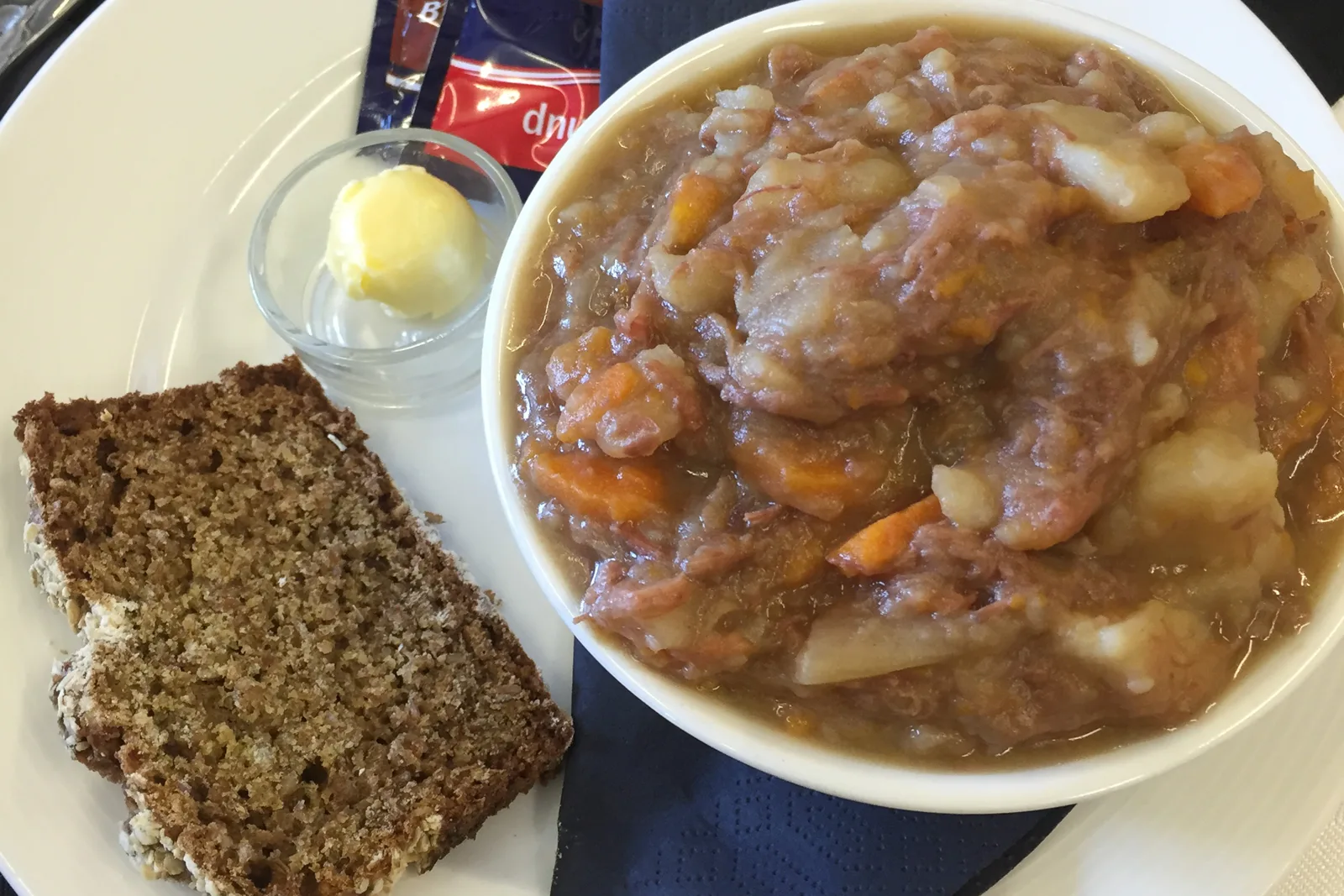
A bowl of Irish stew with lamb, carrots and potatoes in a thick gravy, served with a slice of brown soda bread and butter Ireland flag Ireland 2h 25m
Dinner •Irish Heritage

Irish Stew

This irish stew recipe braises lamb shoulder with potatoes, carrots, onions and leeks in a covered pot until the meat is meltingly tender and the potatoes thicken the juices into a rich gravy. One serving is about 433 g, served with soda bread.

Comfort & Warmth

Lamb, potato, carrot and onion braised slowly in their own juices until the meat falls apart — a stew, not a soup, thick with potato and barely any liquid.

Pairs Well With
Soda bread, butter & parsley
Soups & Broths • High Protein
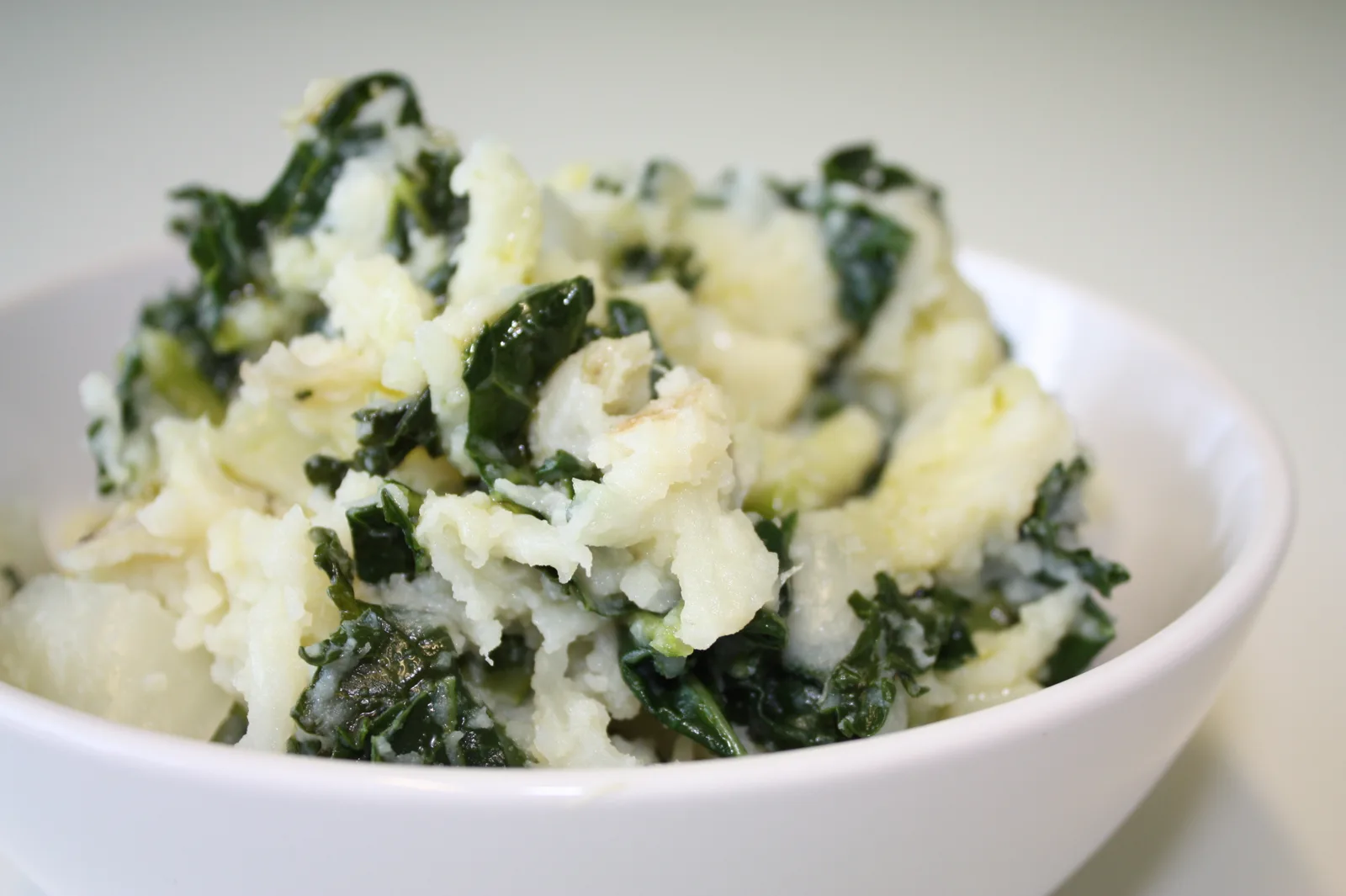
A white bowl of colcannon, creamy mashed potato marbled with dark green kale Ireland flag Ireland 40m
Dinner •Irish Heritage

Colcannon

This colcannon recipe mashes floury potatoes with butter and milk, then folds in wilted kale and scallions until the greens marble through the mash. One serving is about 325 g, served hot with a well of melted butter on top.

Comfort & Warmth

Fluffy mashed potato folded with buttery kale and scallions, served with a melting well of butter in the middle — Ireland’s simplest, warmest side dish.

Pairs Well With
Melted butter, ham & boiled bacon
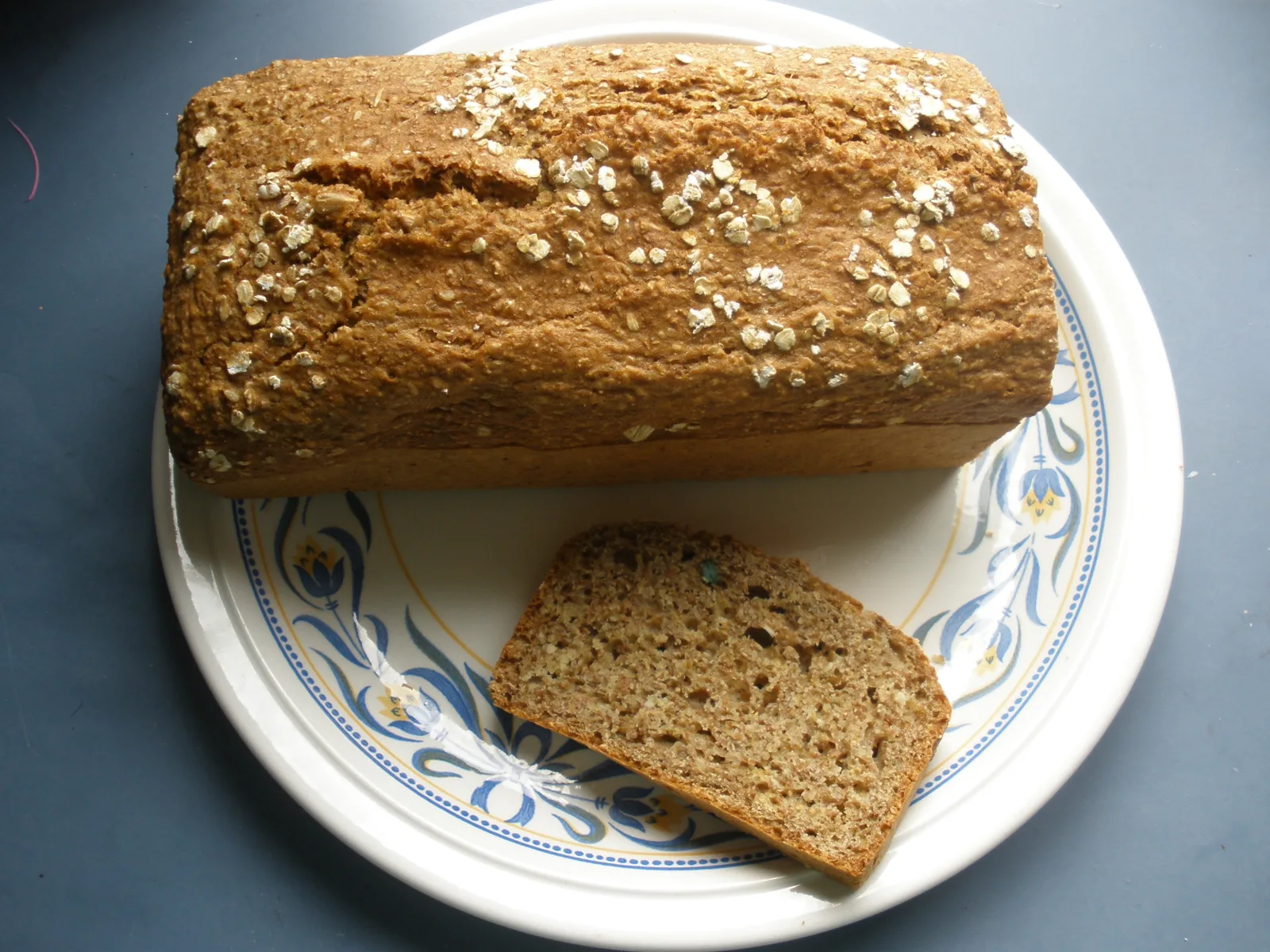
A brown Irish soda bread loaf with rolled oats on top, with a slice cut, on a patterned plate Ireland flag Ireland 55m
Breakfast •Irish Heritage

Irish Soda Bread

This irish soda bread recipe mixes wholemeal and white flour with buttermilk, baking soda and a little honey into a soft dough, shaped by hand and baked until the crust is deep brown and the crumb is tender. One serving is about 79 g, one thick slice.

Comfort & Warmth

A rustic wholemeal loaf raised by baking soda, not yeast — mixed in minutes, baked in under an hour, and best eaten warm with butter.

Pairs Well With
Butter, jam & smoked salmon
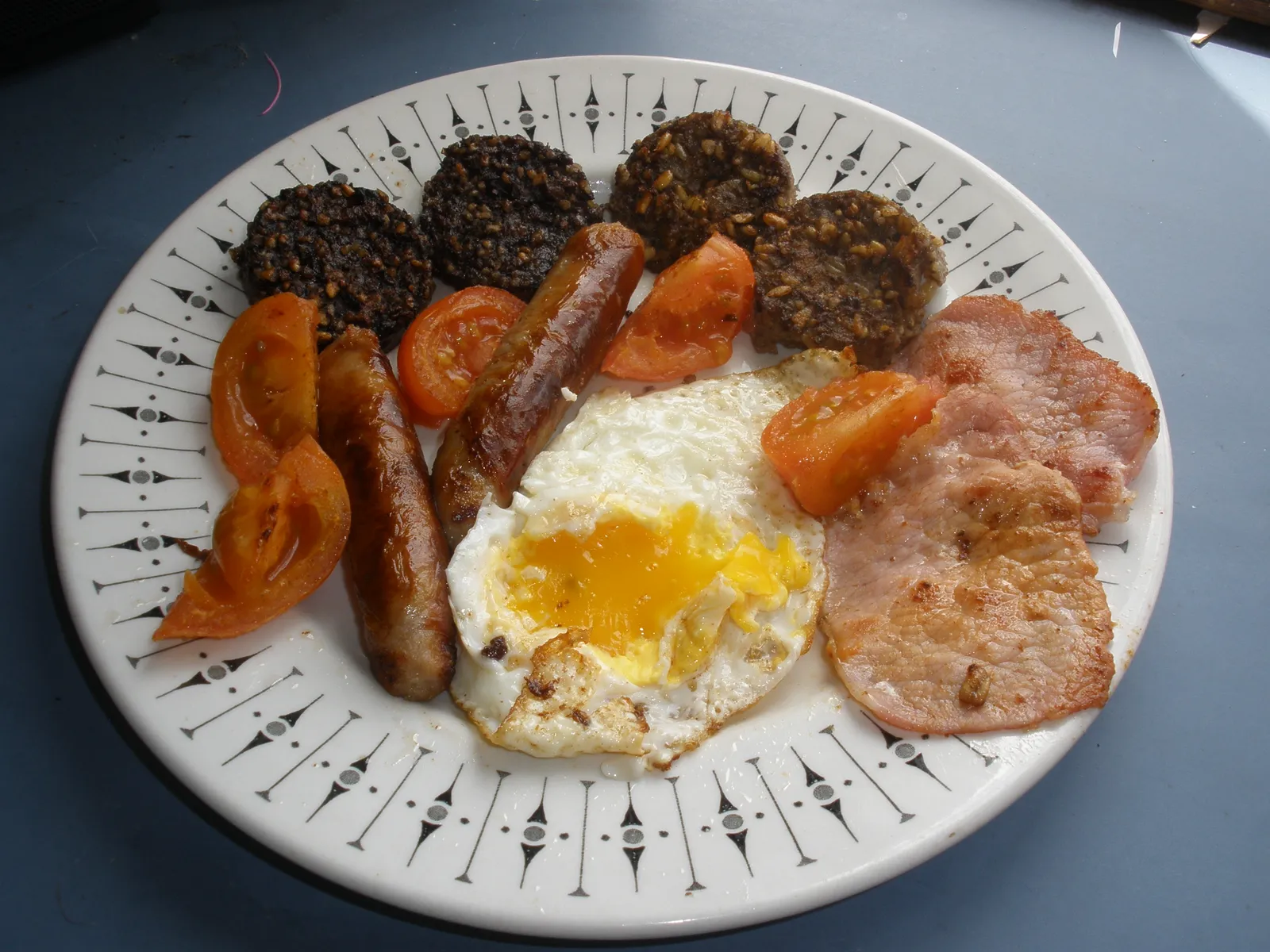
A full Irish breakfast plate with fried egg, rashers, sausages, black and white pudding slices and grilled tomato Ireland flag Ireland 40m
Breakfast •Irish Breakfast Classic

Full Irish Breakfast

A full Irish breakfast is Ireland's great fry-up: pork sausages, back bacon rashers, fried eggs, slices of black and white pudding, grilled tomatoes and mushrooms, with buttered soda bread and potato farls on the side. What sets it apart from the English fry-up is the pair of puddings — dark, crumbly black pudding and pale, oaty white pudding — plus soda bread and potato farls instead of toast and beans. One serving is about 425 g.

Hearty & Filling

Pork sausages, rashers, eggs, black and white pudding, tomato, mushrooms, soda bread and potato farls on one plate.

Pairs Well With
Buttered soda bread, potato farls and a strong cup of tea
High Protein

The Dinner Gazette

Never wonder what’s for dinner again

One email a week with easy dinner ideas from around the world — ingredients, steps and nutrition, tested in our kitchen first.

Delivered every Thursday morning. Unsubscribe anytime.