Curated recipes from 193 countries  •  New seasonal Mediterranean issue out now

Overview

Full Irish Breakfast

The Full Irish — Fry-Up with Black and White Pudding, Soda Bread and Potato Farls

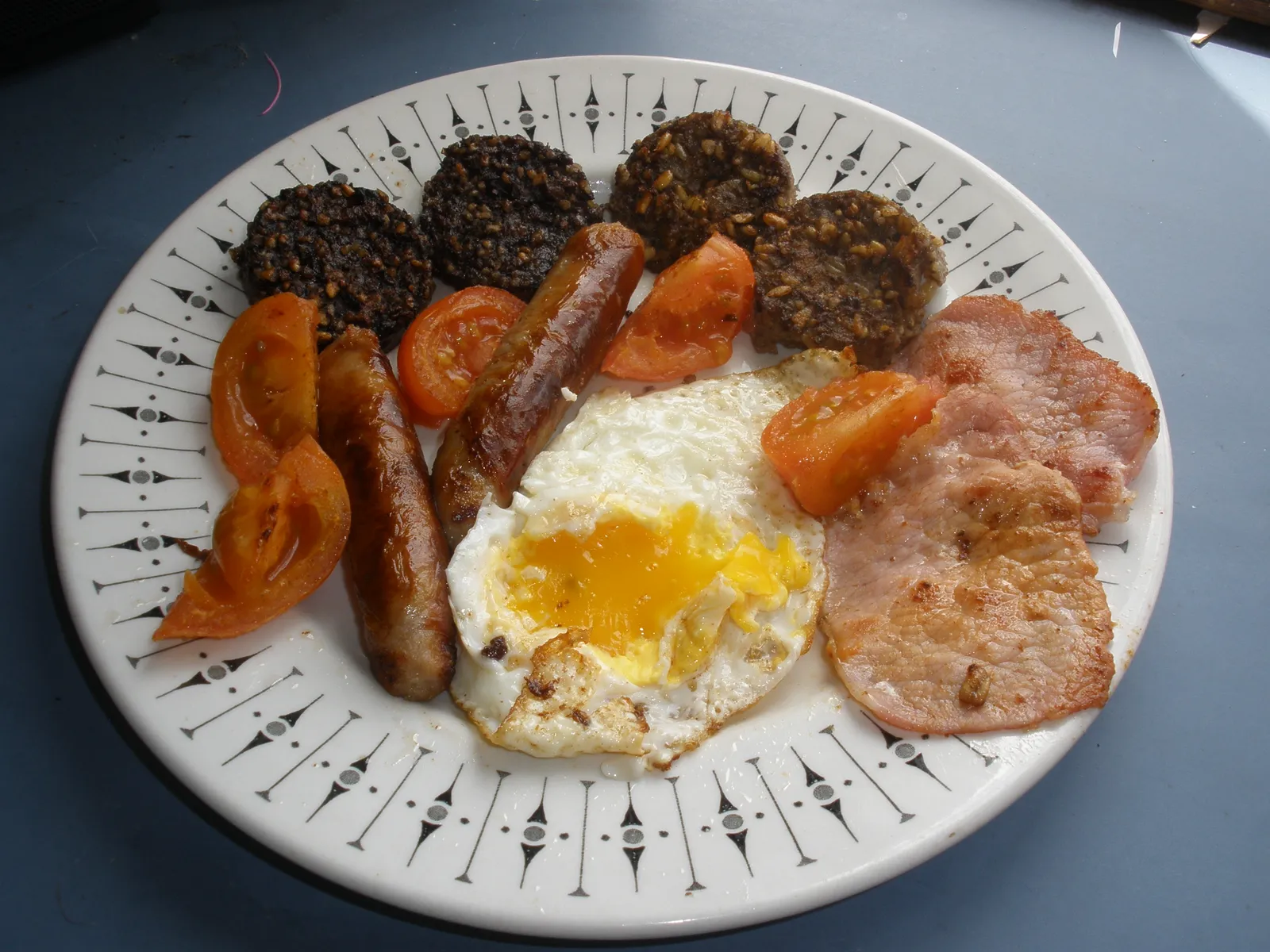
A full Irish breakfast is Ireland's great fry-up: pork sausages, back bacon rashers, fried eggs, slices of black and white pudding, grilled tomatoes and mushrooms, with buttered soda bread and potato farls on the side. What sets it apart from the English fry-up is the pair of puddings — dark, crumbly black pudding and pale, oaty white pudding — plus soda bread and potato farls instead of toast and beans. One serving is about 425 g.

The full Irish grew from the farmhouse breakfast of rural Ireland, where a big fried meal of pork, eggs and potato bread set workers up for a long day in the fields. Black pudding has been made in Clonakilty, County Cork, since the 1880s, and soda bread and potato farls — the breads of a home without an oven — became the plate's signature sides. Together, the two puddings, soda bread and farls are what make the breakfast Irish rather than English.

Pairs well with: Buttered soda bread, potato farls and a strong cup of tea

Provenance

Ireland flag Ireland

Irish Breakfast Classic

Nordic & European

Time Dedication

40m

10m prep • 30m cook

Batch Yield

4 Servings

1006 kcal per serving

1 serving ≈ 425 g

Technical Skill

Easy

Easy (One Pan Fry-Up)

Meal Timing & Digestive Fit

Breakfast

Prime Morning Fit

Lunch

Inappropriate

Dinner

Inappropriate

Snack & Tea

Inappropriate

High Protein Occasions: Weekend breakfasts, brunch, lazy mornings, St. Patrick's Day, celebrations Cost: Medium — about $4–5 per serving at home
A full Irish breakfast plate with fried egg, rashers, sausages, black and white pudding slices and grilled tomato

Irish Breakfast Classic

Photo: O'Dea, CC BY-SA 4.0, via Wikimedia Commons

The Heritage Formulary

Measured Ingredients

Estimated cost: Medium — about $4–5 per serving at home (USD)

A true full Irish is cooked in one pan, served hot on a warm plate, and always carries both black and white pudding.

Execution Methodology & Culinary Technique

Step-by-Step Cooking Guide

Active 40m
P

Prep Stage: One Pan, Everything Ready

10 Mins • Knife Work

Halve the mushrooms and tomatoes, slice both puddings, and cut the soda bread. A full Irish is a race against the clock once the pan is hot, so everything must be ready before the first sausage goes in — and the black and white pudding slices should sit side by side so you can tell them apart on the plate.

Maestro Tip: Warm the plates first — a cold plate cools a fry-up in minutes.

  1. 1

    Fry the Sausages and Rashers

    12 Mins Medium heat, about 170°C (340°F)

    Heat the oil in a large pan and fry the sausages slowly, turning often, until browned all over and cooked through to 74°C (165°F). Add the rashers halfway and fry until the edges crisp.

    Slow sausages stay juicy; rushed ones burst and dry out.

    Done when: Sausages browned all over, rashers crisp at the edges.

  2. 2

    Fry the Black and White Pudding

    8 Mins Medium heat, about 170°C (340°F)

    Push the sausages and rashers to the side and fry the black pudding slices until crisp at the edges, about 3 minutes per side, then do the same with the white pudding until golden. Keep the two puddings on opposite sides of the pan so they do not mix up.

    The puddings need a hot pan to crisp — do not move them around.

    Done when: Black pudding dark and crisp at the edges, white pudding golden.

  3. 3

    Fry the Potato Farls and Mushrooms

    8 Mins Medium heat, about 170°C (340°F)

    Lay the potato farls in the pan juices and fry until golden on both sides, about 3 minutes per side. Add the mushrooms and fry until golden and tender.

    The farls soak up the pan juices — that is where their flavour comes from.

    Done when: Farls golden on both sides, mushrooms golden and tender.

  4. 4

    Grill the Tomatoes and Fry the Eggs

    5 Mins Medium heat, about 160°C (320°F)

    Grill the tomatoes cut-side down in the pan until softened and lightly charred. Fry the eggs in the pan juices until the whites are set and the yolks are still runny, about 3 minutes. Season lightly.

    A lid on the pan for the last minute sets the white over the yolk.

    Done when: Whites fully set, yolks bright and runny; tomatoes soft and lightly charred.

  5. 5

    Butter the Soda Bread and Serve

    5 Mins Serve at once, above 60°C (140°F)

    Butter the soda bread and build each plate: sausages, rashers, eggs, a slice of black pudding and a slice of white pudding, farls, mushrooms and tomato, with buttered soda bread on the side. Serve immediately with a strong cup of tea.

    Everything lands on the plate at the same time, still hot.

    Done when: A full plate, steaming hot, with both puddings, farls and buttered soda bread.

Finishing Touches & Plating

A full Irish is a weekend meal, not a weekday one — take your time, eat it hot, and let the soda bread and farls mop up the egg yolk.

Nutritional Physiology & Benefits

Nutrition

Energy

1006

kcal / serving

Protein

37g

Complete AA

Carbs

62g

Complex

Fats

67g

Healthy

Per serving (4 servings · 1 serving ≈ 425 g)
Energy1006 kcal
Protein37 g
Carbohydrates62 g
Fat67 g
Fibre3.8 g
Sugar4.3 g
Sodium2100 mg
Per 100g
Energy237 kcal
Protein8.6 g
Carbohydrates14.5 g
Fat15.7 g
Fibre0.9 g
Sugar1 g
Sodium494 mg

Nutrition values are estimated — calculated from USDA FoodData Central values for the listed ingredients.

Vitamins & minerals: Vitamin B12 and iron (black pudding, bacon, sausage), vitamin D (egg), vitamin C (tomato, mushrooms), niacin and thiamin (pork).

High Protein

With about 37 g of protein per serving, a full Irish keeps you full until well past lunchtime.

Iron Rich

Bacon, sausage and especially black pudding are rich in iron, which supports normal red blood cell formation.

Two Puddings, Two Textures

Black pudding brings iron and a deep savoury note, while white pudding adds oatmeal and a milder, crumbly bite.

Food Pairings

What to Eat With

To optimize nutrient absorption and elevate the sensory depth, pair with these authentic accompaniments:

Sides

Buttered Soda Bread

Soda bread is the Irish answer to toast — its crumb soaks up egg yolk and pan juices, and it is what makes the plate Irish rather than English.

Potato Farls

Fried potato farls add a soft, golden, starchy counterpoint to the salty meats and are a classic of the Ulster fry.

Drinks

Strong Black Tea

A strong cup of tea with milk is the classic full Irish drink, cutting through the fried food.

Sauces

Brown Sauce or Ketchup

A spoonful of brown sauce or ketchup adds sharpness that lifts the whole plate.

Complete menu

Serve the full Irish breakfast with buttered soda bread, potato farls and brown sauce or ketchup, and finish with a strong black tea.

Digestive Guardrails

What NOT to Combine

To prevent digestive distress, sluggishness, or palate clash, avoid pairing the dish with these elements:

Eating It Every Day

A full Irish is high in saturated fat and salt, so it is best as a weekend treat rather than a daily breakfast. This is general food guidance, not medical advice.

Cooking Everything on High Heat

High heat burns the rashers and puddings before the sausages cook through — medium heat and patience give an even fry-up. This is general food guidance, not medical advice.

General information only, not medical advice — consult a doctor for personal dietary decisions.

Who Should Eat It

Who Should Eat

  • General adultsA very hearty breakfast — one full plate is a meal in itself, best saved for weekends.
  • ChildrenChildren love a fry-up; serve smaller portions with well-cooked eggs and skip the puddings if they dislike them.
  • ElderlyRich and salty — a smaller plate with extra tomato and mushrooms is the best way to enjoy it.
  • Pregnant womenEggs should be fully cooked through and rashers well cooked; keep the portion moderate and check with your clinician.
  • Breastfeeding womenGenerally suitable occasionally; the iron and protein are useful, but the meal is high in fat and salt.
  • AthletesA high-energy, high-protein breakfast after a hard morning session — add extra soda bread for more carbs.
  • Weight gainAn excellent choice — a full plate with extra soda bread and farls adds energy easily.
  • Weight lossBest enjoyed rarely; grill instead of frying, skip the puddings, and load the plate with mushrooms and tomato.

Health Conditions — Adjust or Avoid

Conditions

  • DiabetesSoda bread and farls add carbs — keep the bread modest and check with your clinician.
  • High blood pressureRashers, sausages and both puddings are very salty — keep the portion small and skip extra salt.
  • Kidney diseaseHigh in sodium and protein; keep portions small and ask your clinician.
  • GoutProcessed pork is moderately high in purines — eat occasionally and in a small portion.
  • Stomach issuesA fried breakfast can be heavy; a small plate with grilled tomato and mushrooms is gentlest.
  • Cardiovascular diseaseHigh in saturated fat and salt — enjoy rarely, grilled rather than fried, in a small portion.
  • Fatty liverA very rich meal — save it for special occasions and keep the portion small.
  • Food allergiesContains egg, milk (butter), gluten (soda bread, farls, sausages, puddings) and sulphites (sausages). Check every label if you have an allergy.
  • Special therapeutic dietsIf you follow a prescribed low-sodium or low-fat diet, grill everything and skip the puddings, and check with your clinician.

If you have a medical condition, consult your doctor before changing your diet.

Storage & Use

Storage & Use

How to store
Cool leftovers quickly and store each item separately in covered containers in the fridge; do not store the soda bread or farls with the meat.
In the fridge
Cooked sausages, rashers and puddings keep 2 days in the fridge at 4°C (40°F) or below.
In the freezer
Cooked sausages and rashers freeze for up to 1 month; eggs and farls do not freeze well.
How to reheat
Reheat in a pan or oven until steaming hot throughout, to 74°C (165°F); fry eggs fresh.
Freezing recommended
Only for the sausages and rashers, up to 1 month.
Signs it has spoiled
Sour smell, slimy meat, or grey discolouration.

More recipes to explore

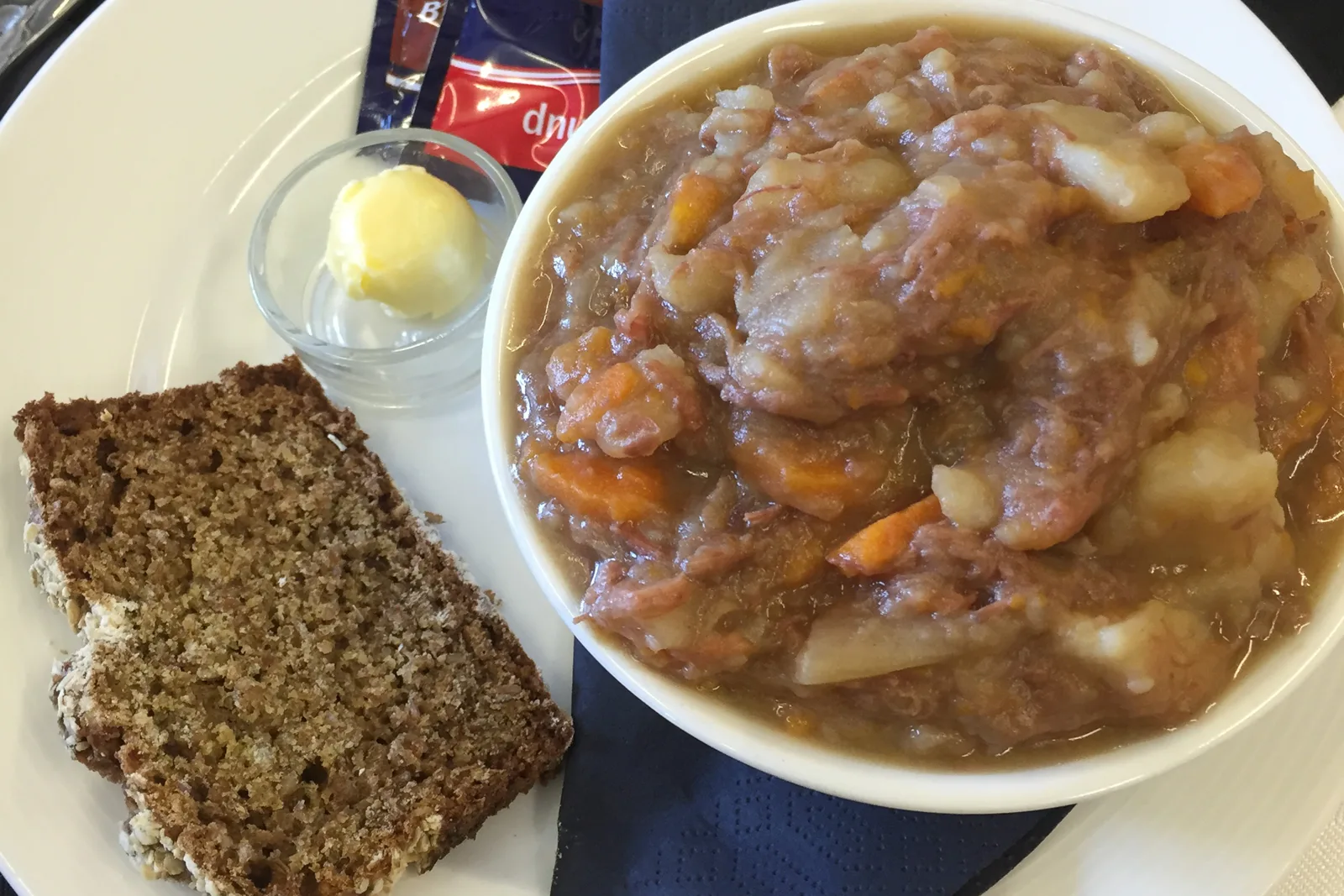
A bowl of Irish stew with lamb, carrots and potatoes in a thick gravy, served with a slice of brown soda bread and butter Ireland flag Ireland 2h 25m
Dinner •Irish Heritage

Irish Stew

This irish stew recipe braises lamb shoulder with potatoes, carrots, onions and leeks in a covered pot until the meat is meltingly tender and the potatoes thicken the juices into a rich gravy. One serving is about 433 g, served with soda bread.

Comfort & Warmth

Lamb, potato, carrot and onion braised slowly in their own juices until the meat falls apart — a stew, not a soup, thick with potato and barely any liquid.

Pairs Well With
Soda bread, butter & parsley
Soups & Broths • High Protein
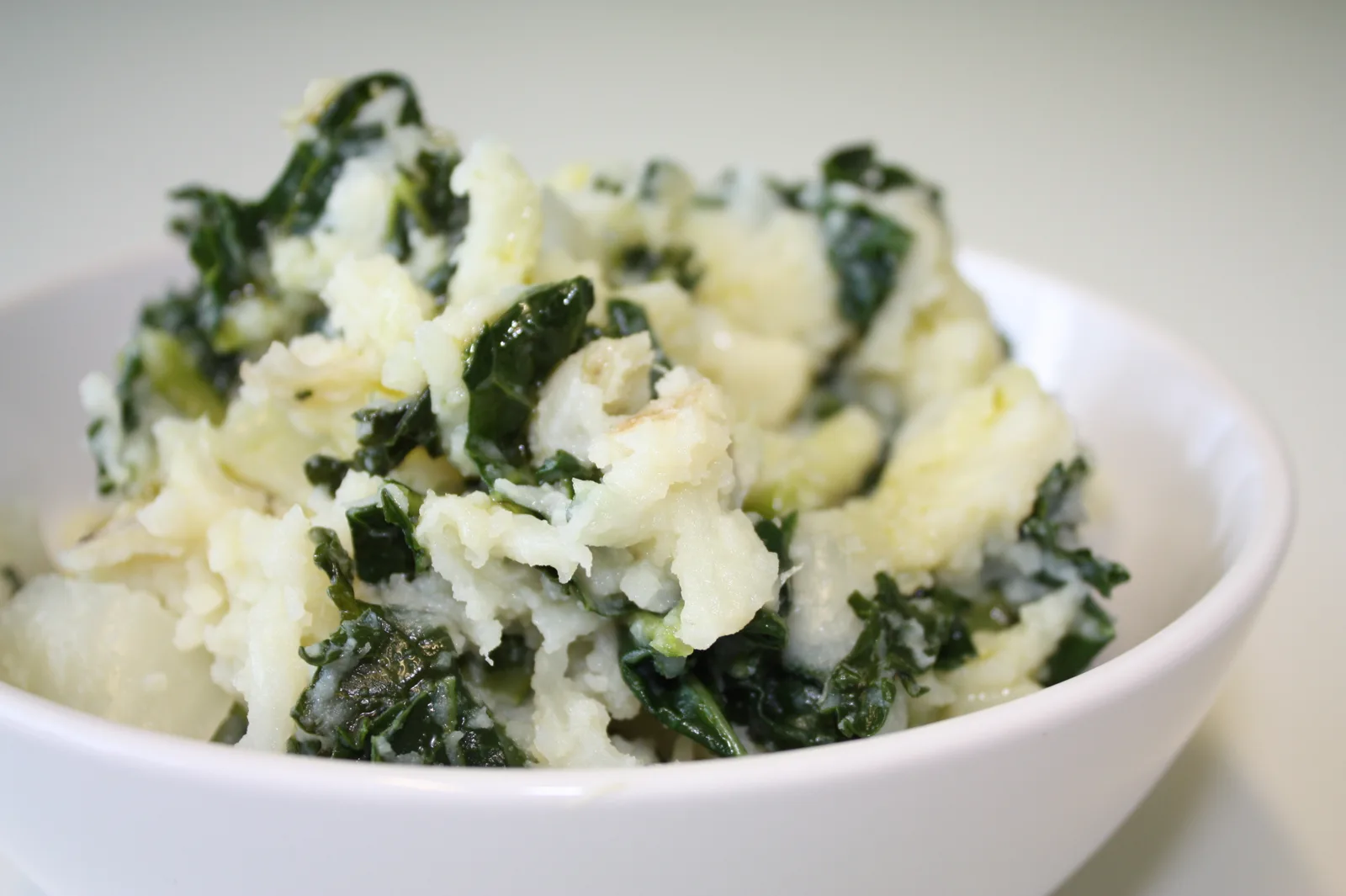
A white bowl of colcannon, creamy mashed potato marbled with dark green kale Ireland flag Ireland 40m
Dinner •Irish Heritage

Colcannon

This colcannon recipe mashes floury potatoes with butter and milk, then folds in wilted kale and scallions until the greens marble through the mash. One serving is about 325 g, served hot with a well of melted butter on top.

Comfort & Warmth

Fluffy mashed potato folded with buttery kale and scallions, served with a melting well of butter in the middle — Ireland’s simplest, warmest side dish.

Pairs Well With
Melted butter, ham & boiled bacon
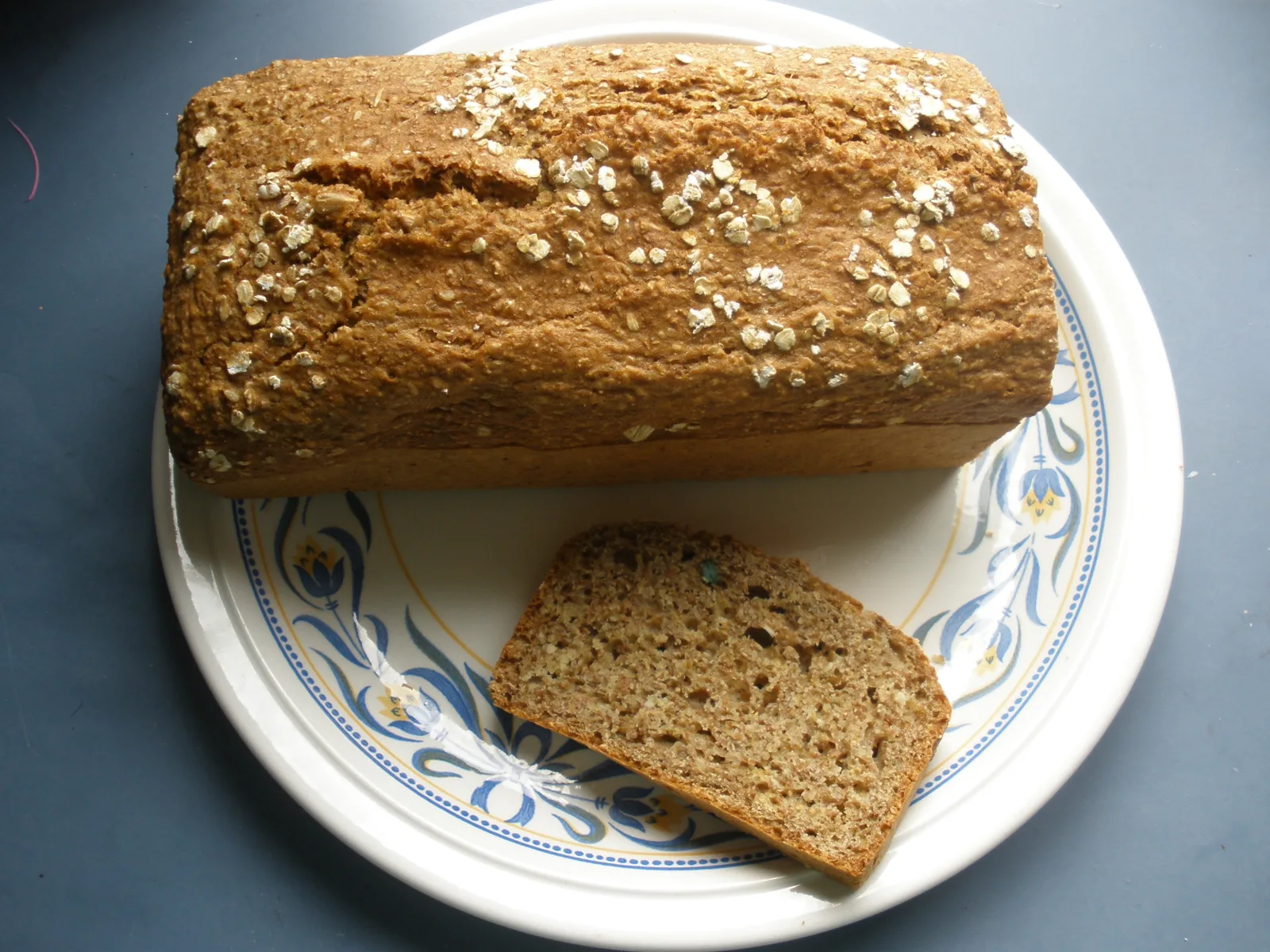
A brown Irish soda bread loaf with rolled oats on top, with a slice cut, on a patterned plate Ireland flag Ireland 55m
Breakfast •Irish Heritage

Irish Soda Bread

This irish soda bread recipe mixes wholemeal and white flour with buttermilk, baking soda and a little honey into a soft dough, shaped by hand and baked until the crust is deep brown and the crumb is tender. One serving is about 79 g, one thick slice.

Comfort & Warmth

A rustic wholemeal loaf raised by baking soda, not yeast — mixed in minutes, baked in under an hour, and best eaten warm with butter.

Pairs Well With
Butter, jam & smoked salmon
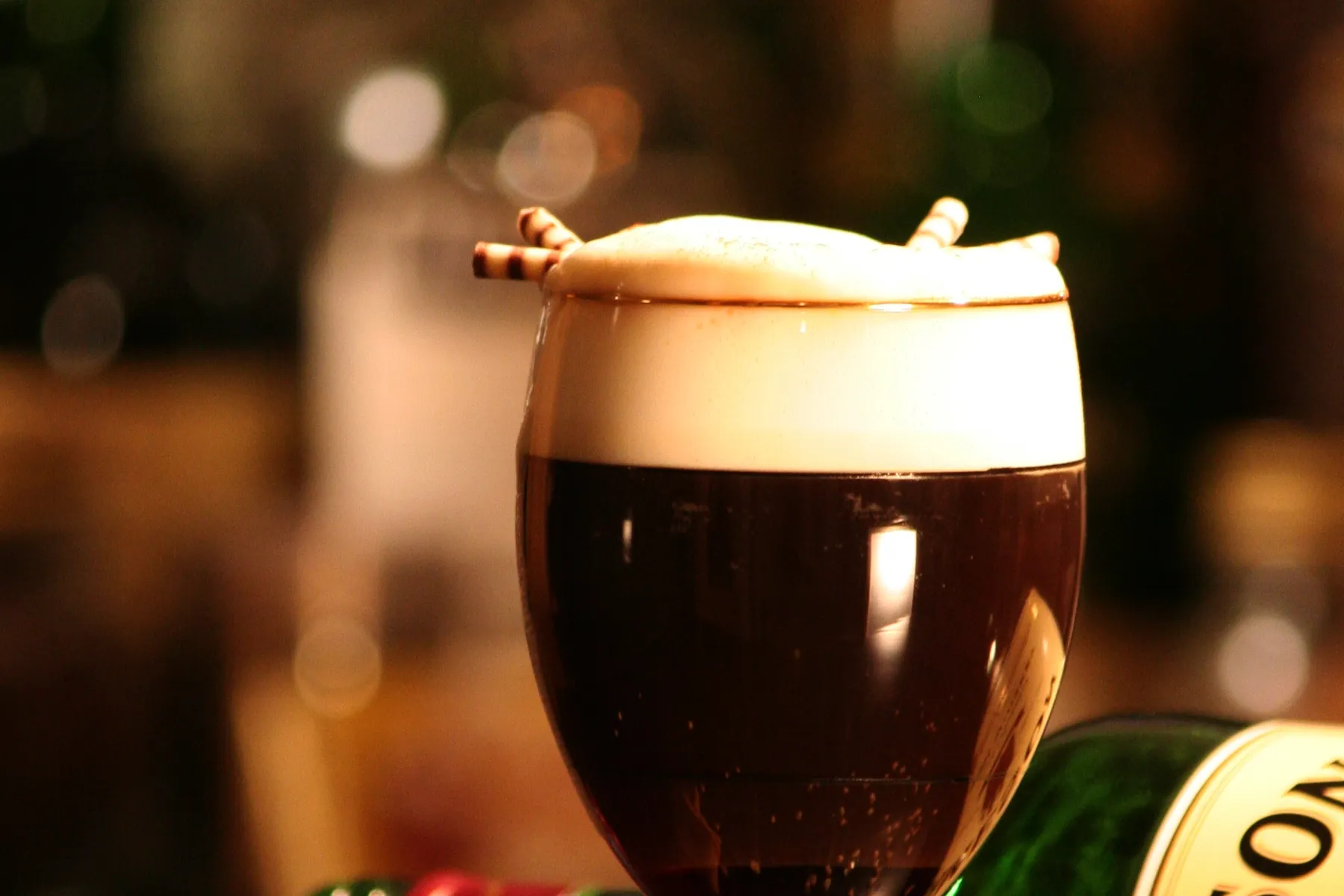
A glass of Irish coffee with a thick layer of cream floating on top, with a bottle of Irish whiskey behind it Ireland flag Ireland 10m
Snack & Tea •Irish Heritage

Irish Coffee

Irish coffee is Ireland's world-famous drink: hot coffee, a measure of Irish whiskey and brown sugar, topped with a thick layer of cold cream that floats on the surface and is sipped through, never stirred in. It was created to warm cold travellers, and it still does the job in ten minutes. One serving is about 263 g.

Warm & Comforting

Hot coffee, Irish whiskey and brown sugar, topped with a layer of cold cream floated on top.

Pairs Well With
Shortbread biscuits or a small piece of dark chocolate
Quick Prep (<30m)

The Dinner Gazette

Never wonder what’s for dinner again

One email a week with easy dinner ideas from around the world — ingredients, steps and nutrition, tested in our kitchen first.

Delivered every Thursday morning. Unsubscribe anytime.