Curated recipes from 193 countries  •  New seasonal Mediterranean issue out now

Overview

Bamya

Bamya Yemeği, Zeytinyağlı Bamya, Turkish Okra Stew

This bamya recipe is the Turkish okra stew cooked the meat-free way: whole okra pods simmered gently in olive oil with onion, garlic, tomato and lemon until tender, with a pinch of sugar to round out the sour edge. It is the Anatolian home dish that is served warm with bread or rice, and the same pot, cooled, is eaten as zeytinyağlı bamya. One serving is about 344 g.

Bamya is simply the Turkish word for okra, and the stew has been cooked across Anatolia for centuries, travelling with okra itself from Africa through the Middle East. The Turkish version is known for its sweet-and-sour balance — lemon juice and a pinch of sugar against ripe tomato — and in its meat-free form, cooked in olive oil, it is one of the classic zeytinyağlı dishes, served at room temperature as part of a meze spread or between courses at ceremonial feasts to cleanse the palate. Okra stews appear across the whole region, from Egypt to Greece, but the Turkish lemon-and-olive-oil version is the one most Turkish families cook at home.

Pairs well with: Serve warm with crusty bread or pilav rice, with a spoonful of plain yoghurt if you like and a simple green salad.

Provenance

Turkey flag Turkey

Anatolian Home Cooking

Middle Eastern

Time Dedication

50m

15m prep • 35m cook

Batch Yield

4 Servings

185 kcal per serving

1 serving ≈ 344 g

Technical Skill

Easy

Easy (One Pot)

Meal Timing & Digestive Fit

Breakfast

Not Advised

Lunch

Hearty Midday Main

Dinner

Ideal Hearty Main

Snack & Tea

Inappropriate

Occasions: Family dinners, summer lunches, vegetarian meals, Ramadan tables, meze spreads Cost: Low — about $2–3 per serving at home
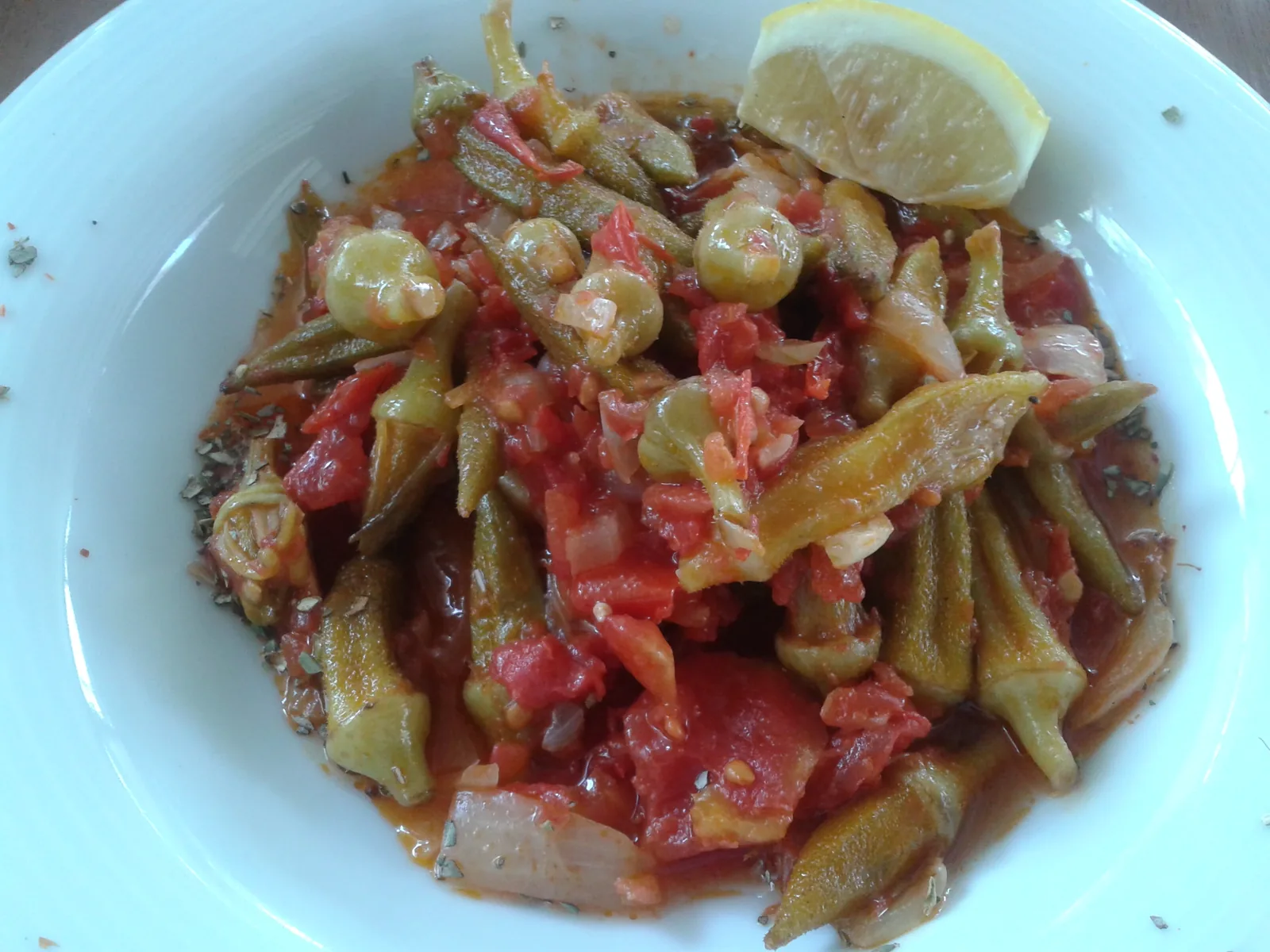
Meat-free Turkish bamya — okra pods in a tomato and olive oil sauce with a lemon wedge

Anatolian Home Cooking

Photo: E4024, CC BY-SA 4.0, via Wikimedia Commons

The Heritage Formulary

Measured Ingredients

Estimated cost: Low — about $2–3 per serving at home (USD)

Good bamya has whole, tender pods in a glossy tomato sauce — never broken pods, never a slimy pot, and the lemon should be the first thing you taste.

Execution Methodology & Culinary Technique

Step-by-Step Cooking Guide

Active 50m
P

Prep Stage: Trim, Chop, Measure

15 Mins • Knife, Board & Pot

Trim the okra by cutting the stem into a small cone — do not cut the pod open, or the seeds spill and the stew turns slimy. Peel and chop the tomatoes and onion, slice the garlic, and measure out the paste, lemon and oil so everything is ready before the pot gets hot.

Maestro Tip: Trim the okra in a cone, never straight across — cutting into the pod is the main reason okra stews go slimy.

  1. 1

    Soften the onion and garlic

    6 minutes Medium heat 160°C (320°F)

    Warm the olive oil (45 ml) in a wide, heavy pot over medium heat, about 160°C (320°F). Add the onion (150 g) and cook for 5 minutes until soft and pale gold, then add the garlic (12 g) and cook for 1 minute more until it smells sweet.

    Keep the garlic moving — browned garlic turns bitter and the whole stew tastes of it.

    Done when: Onion soft and pale gold, garlic fragrant, not browned.

  2. 2

    Build the tomato sauce

    7 minutes Medium heat 160°C (320°F)

    Stir in the tomato paste (30 g) and cook for 2 minutes until it darkens a shade, then add the chopped tomatoes (400 g), the sugar (5 g), the salt (5 g) and the red pepper flakes (2 g). Cook for 5 minutes, stirring, until the tomatoes collapse into a thick sauce.

    Frying the paste first takes away its raw, tinny taste and deepens the sauce.

    Done when: Tomatoes collapsed into a thick, deep red sauce.

  3. 3

    Add the okra, water and lemon

    3 minutes Simmer 95°C (200°F)

    Lay the trimmed okra (500 g) into the sauce in a single layer if you can, pour in the hot water (300 ml) and the lemon juice (30 ml), and bring to a gentle simmer. Do not stir hard — shake the pot gently instead so the pods stay whole.

    Adding the lemon juice now, rather than at the end, helps keep the okra firm and cuts the slime.

    Done when: Okra sitting in sauce, liquid just simmering, pods unbroken.

  4. 4

    Simmer gently until tender

    25 minutes Low simmer 90°C (195°F)

    Cover the pot, turn the heat to low, and simmer gently for 25 minutes until the okra is completely tender when pierced with a knife and the sauce has thickened around it. Lift the lid once halfway through to shake the pot, but do not stir with a spoon.

    If the sauce gets too thick before the okra is tender, add a splash of hot water — never cold, which shocks the pods.

    Done when: Okra tender right through, sauce thick and glossy, pods still whole.

  5. 5

    Rest and serve

    5 minutes Room temperature, about 20°C (68°F)

    Take the pot off the heat and leave it covered for 5 minutes. Sprinkle the dried mint (2 g) over the top, taste for salt and lemon, and serve warm with bread or rice — or cool it to room temperature for the classic olive-oil style.

    Bamya tastes even better the next day, once the lemon and tomato have had time to settle into the okra.

    Done when: Stew rested, mint scattered, sauce glossy, flavours balanced.

Finishing Touches & Plating

Taste and adjust before serving: a little more lemon if you want it brighter, a pinch more sugar if the tomato is too sharp. Serve warm with the lemon wedge on the side, or cool it to room temperature for the classic olive-oil style — either way, spoon plenty of the tomato sauce over the top.

Nutritional Physiology & Benefits

Nutrition

Energy

185

kcal / serving

Protein

4g

Complete AA

Carbs

22g

Complex

Fats

11g

Healthy

Per serving (4 servings · 1 serving ≈ 344 g)
Energy185 kcal
Protein4 g
Carbohydrates22 g
Fat11 g
Fibre6.6 g
Sugar8.5 g
Sodium505 mg
Per 100g
Energy54 kcal
Protein1.3 g
Carbohydrates6.3 g
Fat3.2 g
Fibre1.9 g
Sugar2.5 g
Sodium147 mg

Nutrition values are estimated — calculated from USDA FoodData Central values for the listed ingredients.

Vitamins & minerals: Vitamin C and folate from the okra and tomatoes, vitamin K from the okra, and vitamin A from the tomato sauce. Nutrition values are estimated.

High in fibre from the okra

Okra brings about 6.6 g of fibre per serving, along with the soluble fibre that gives it its texture, which is why the stew keeps you full for hours.

Vitamin C, folate and vitamin K

Each serving carries vitamin C and folate from the okra and tomatoes, plus vitamin K from the okra, as part of a varied diet.

Olive oil and tomato goodness

Cooked in olive oil with tomatoes, onion and garlic, the stew is rich in plant compounds from the vegetables and low in saturated fat.

Food Pairings

What to Eat With

To optimize nutrient absorption and elevate the sensory depth, pair with these authentic accompaniments:

Sides

Crusty bread

Crusty bread is the classic partner — it soaks up the tomato and olive oil sauce, which is half the pleasure of the dish.

Pilav rice

Pilav rice turns the stew into a full dinner and its mild flavour lets the sour lemon and tomato shine.

Sauces

Plain yoghurt

A spoonful of plain yoghurt cools the sharp lemon edge and adds a creamy contrast to the tender okra.

Drinks

Ayran

Ayran, the salted yoghurt drink, is the traditional Turkish table drink with a tangy stew like this.

Complete menu

Serve bamya with crusty bread or pilav rice, a spoonful of plain yoghurt on the side if you like, and a simple green salad to finish the plate.

Digestive Guardrails

What NOT to Combine

To prevent digestive distress, sluggishness, or palate clash, avoid pairing the dish with these elements:

Stirring the okra too hard

Stirring okra hard while it cooks breaks the pods and releases the slimy texture most people dislike. Stir gently, once or twice, and let it simmer undisturbed. This is general information, not medical advice.

Serving without mentioning the tomato base

Okra is not one of the major allergens, but the dish is cooked in a tomato sauce, so anyone with a tomato sensitivity should know. This is general information, not medical advice.

General information only, not medical advice — consult a doctor for personal dietary decisions.

Who Should Eat It

Who Should Eat

  • General adultsA hearty, tangy stew as written; one serving of about 344 g with bread or rice makes a full light dinner.
  • ChildrenChildren often like the tomato sauce but may pick out the okra — cut the pods into smaller pieces and leave out the red pepper flakes for their portion.
  • ElderlySoft, easy to chew and gentle on the stomach, but the lemon and tomato make it quite sharp — serve a modest portion with plenty of bread.
  • Pregnant womenFine as written; the okra is cooked through and there is no meat or raw ingredient involved. Wash the vegetables well and ask your clinician if unsure.
  • Breastfeeding womenFine in a normal portion; okra is a good source of folate, and nothing in the stew is a concern for breastfeeding.
  • AthletesA useful vegetable side with about 185 kcal and 6.6 g of fibre a serving, but it is too light to be a recovery meal on its own — pair it with rice and a protein main.
  • Weight gainAt 185 kcal a serving this stew will not add much energy; treat it as a side and get your calories from rice, bread and the main dish.
  • Weight lossA good choice at 185 kcal a serving — mostly vegetables and fibre, with olive oil for staying power. Keep the bread portion modest.

Health Conditions — Adjust or Avoid

Conditions

  • DiabetesOne serving carries about 21.6 g of carbohydrate, mostly from the okra and tomato, with 6.6 g of fibre slowing digestion. The 1 tsp of sugar can be left out. Ask your clinician about portion size.
  • High blood pressureAt about 505 mg of sodium per serving, mostly from the added salt, this is a moderately salty stew. Use less salt and ask your clinician.
  • Kidney diseaseOkra and tomatoes are moderately high in potassium, so the stew may not fit a restricted diet. Ask your clinician or dietitian before eating it.
  • GoutVery low in purines as written, so it is not a concern for most people with gout. Ask your clinician if you have gout.
  • Stomach issuesTomato and lemon make this stew quite acidic, which can trigger reflux for some people. If that is you, use less lemon juice. Ask your clinician if symptoms persist.
  • Cardiovascular diseaseLow in saturated fat and cooked in olive oil, so it fits well into a heart-friendly pattern of eating. Watch the salt and ask your clinician about how often it fits your diet.
  • Fatty liverLight and plant-based as written, so it fits easily into a lighter meal. Ask your clinician for personalised advice.
  • Food allergiesFree of the major allergens as written — no gluten, dairy, egg, nuts, soy or fish. Ask your clinician if you have a food allergy.
  • Special therapeutic dietsSuitable for vegan and gluten-free diets as written. For a low-sodium version, cut the salt in half and lean on the lemon for flavour. Ask your clinician or dietitian before adapting it.

If you have a medical condition, consult your doctor before changing your diet.

Storage & Use

Storage & Use

How to store
Store in a sealed container once completely cool; keep the sauce over the okra so it does not dry out.
In the fridge
Keeps 4 days in the fridge at 4°C (40°F) or below in a sealed container.
In the freezer
Freezes well for up to 3 months in a sealed container; thaw overnight in the fridge.
How to reheat
Reheat gently in a covered pan over low heat until steaming hot, to 74°C (165°F); add a splash of water if the sauce has thickened.
Freezing recommended
Yes, up to 3 months.
Signs it has spoiled
Sour smell beyond the normal lemon tang, slimy surface film, or visible mould — discard if any appear.

More recipes to explore

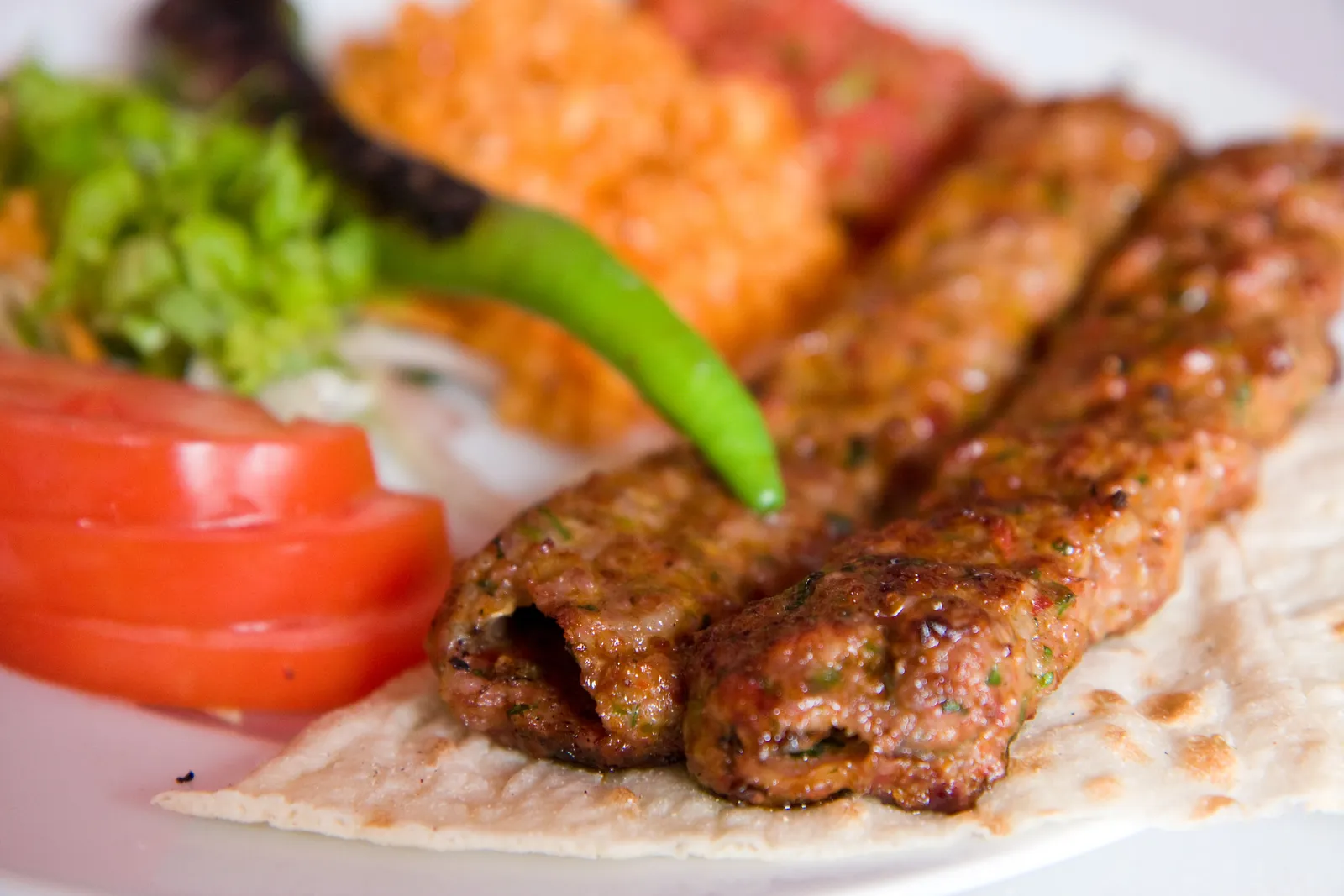
Adana kebab — long grilled minced-meat skewers on lavash with tomato, green chilli and salad Turkey flag Turkey 50m
Dinner •Adana Heritage

Adana Kebab

This adana kebab recipe is Adana's famous charcoal-grilled skewer: hand-minced lamb and beef mixed with lamb tail fat, sweet red pepper and pul biber, pressed onto wide flat skewers and grilled over glowing charcoal until the edges char and the juices run. It is served on warm lavash with grilled tomato, green chillies and a sharp sumac onion salad. One serving is about 439 g.

Adana's Charcoal-Grilled Icon

Hand-minced lamb and beef with tail fat and pul biber, pressed onto wide flat skewers and grilled over charcoal until charred at the edges — Adana's famous kebab.

Pairs Well With
Lavash, grilled tomato & sumac onion salad
High Protein
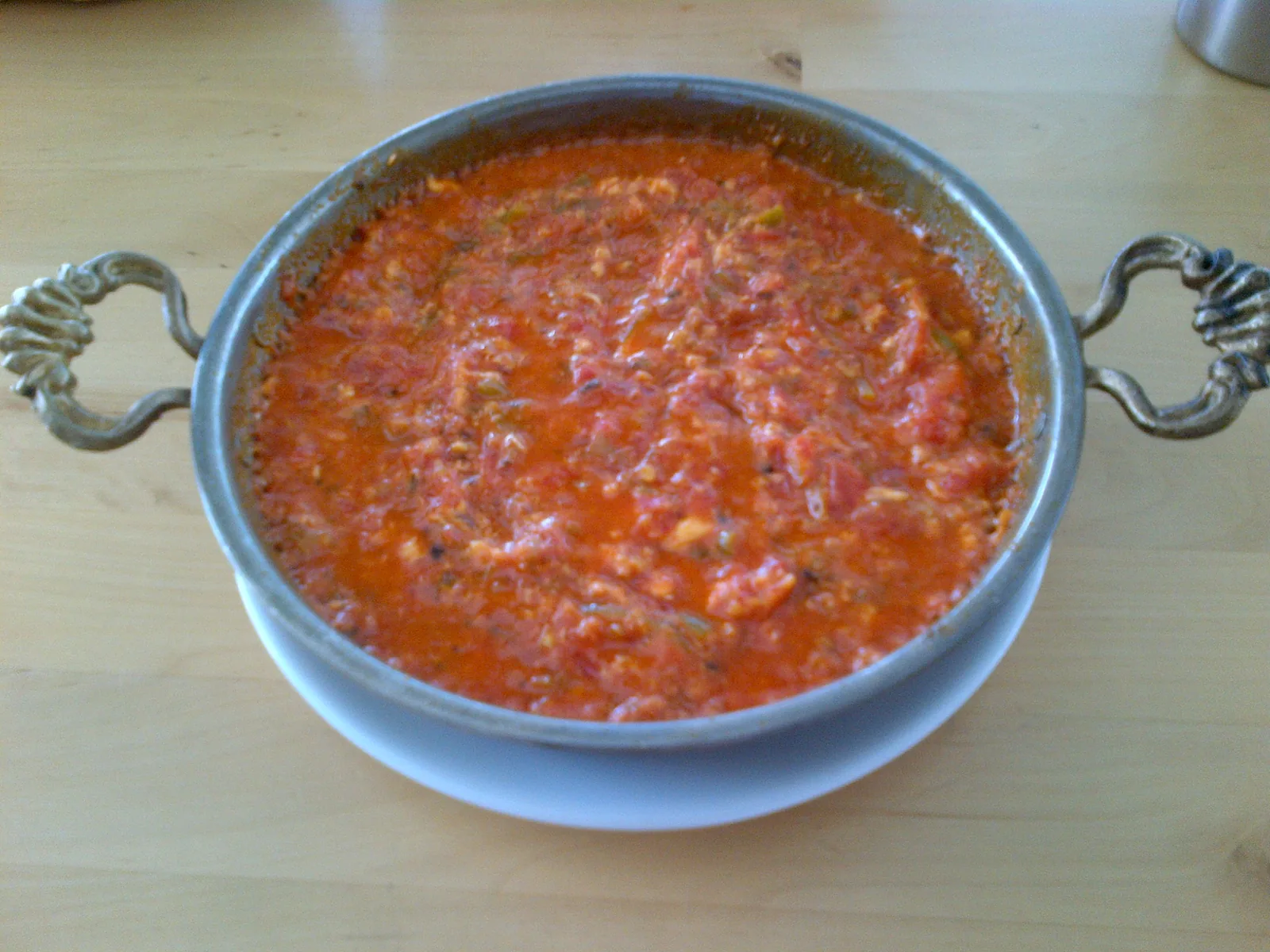
Menemen in a copper sahan pan — soft scrambled eggs stirred through a red tomato and green pepper sauce Turkey flag Turkey 30m
Breakfast •Izmir Breakfast Table

Menemen

This menemen recipe stirs beaten eggs into a soft tomato and green pepper sauce until they set into creamy curds — never poached whole, the way shakshuka does it. Cooked in one pan and served straight from it with bread, it is the classic Turkish breakfast. One serving is about 300 g.

Comfort & Warmth

Beaten eggs stirred into a soft tomato and green pepper sauce, scooped up with warm bread.

Pairs Well With
Crusty white bread, Turkish tea and sliced cucumber and tomato
Quick Prep (<30m)
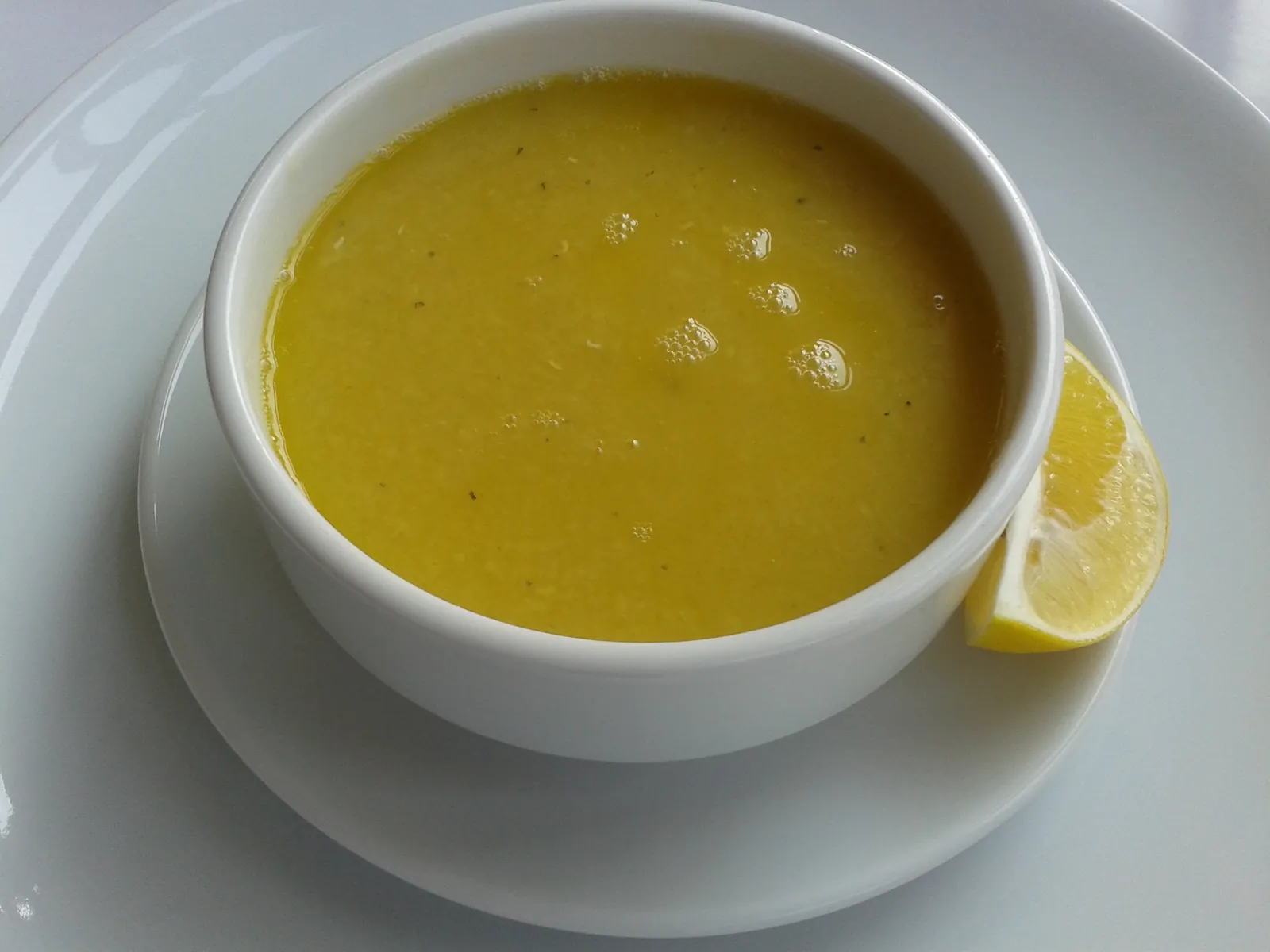
A white bowl of smooth golden Turkish lentil soup with a lemon wedge on the side Turkey flag Turkey 45m
Lunch •Ankara Lokanta Classic

Turkish Lentil Soup

This turkish lentil soup recipe turns red lentils, onion, carrot and potato into a smooth, golden soup, finished with lemon and a drizzle of paprika butter. One serving is about 325 g.

Comfort & Warmth

A silky red lentil soup, light enough for lunch and warm enough for a cold day.

Pairs Well With
Warm pide bread, lemon wedges and ayran
Soups & Broths
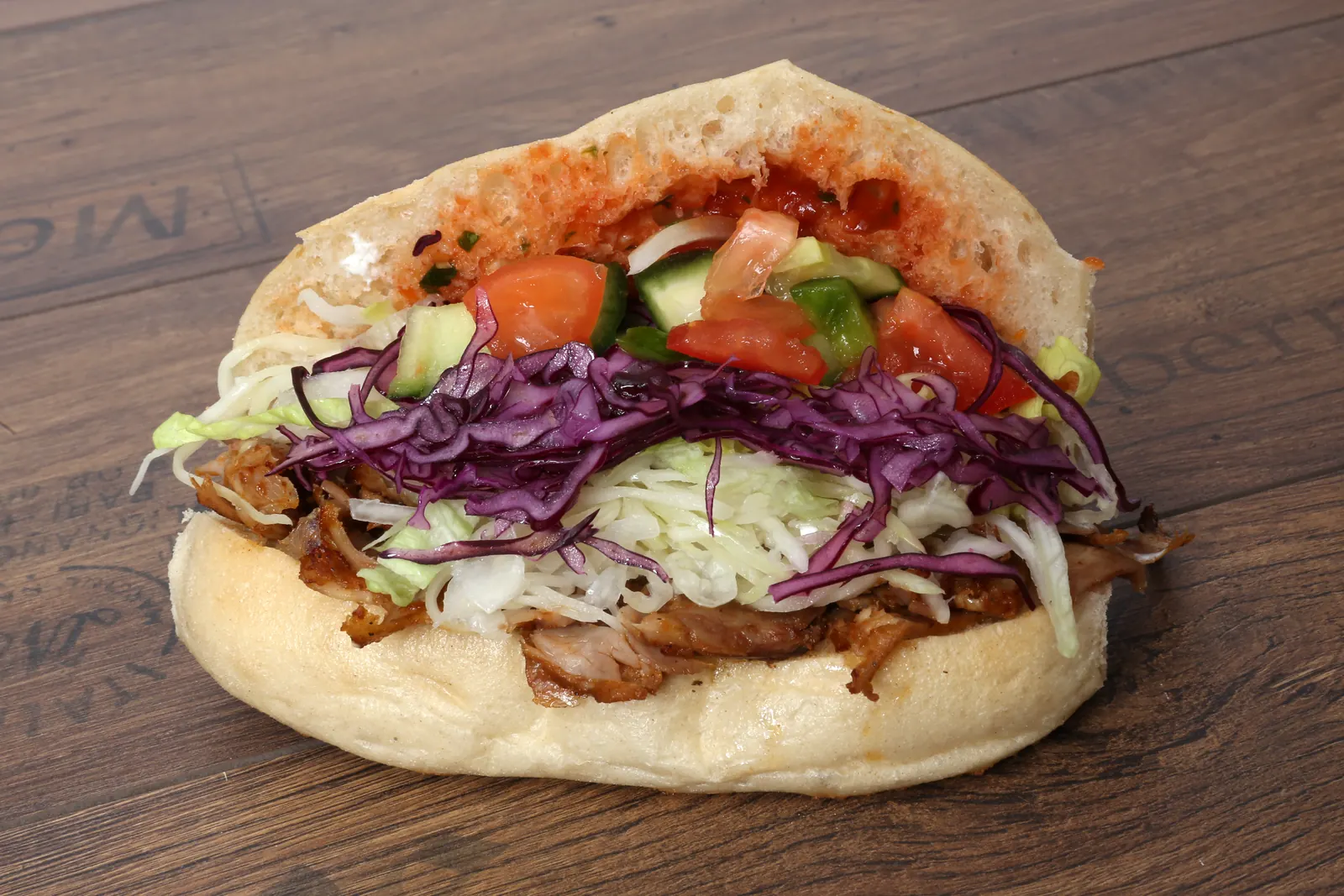
A doner kebab in flatbread filled with sliced lamb, red and white cabbage, tomato and cucumber Turkey flag Turkey 2h 55m
Dinner •Bursa Spit-Roast Heritage

Doner Kebab

This doner kebab recipe brings the Turkish spit-roast home: lamb leg marinated in yogurt, onion and spices, seared until charred at the edges, then sliced thin and tucked into warm pitta bread with crisp salad and a cool garlic yogurt sauce. No vertical spit needed — a ripping-hot pan does the job. One serving is about 415 g.

Charcoal-Grilled & Juicy

Home-style doner kebab — yogurt-marinated lamb, sliced thin and piled into warm pitta with salad and garlic sauce.

Pairs Well With
Serve in warm pitta with salad, garlic sauce and a little chilli sauce.
High Protein

The Dinner Gazette

Never wonder what’s for dinner again

One email a week with easy dinner ideas from around the world — ingredients, steps and nutrition, tested in our kitchen first.

Delivered every Thursday morning. Unsubscribe anytime.