Curated recipes from 193 countries  •  New seasonal Mediterranean issue out now

Overview

Doner Kebab

Döner kebab, döner kebap

This doner kebab recipe brings the Turkish spit-roast home: lamb leg marinated in yogurt, onion and spices, seared until charred at the edges, then sliced thin and tucked into warm pitta bread with crisp salad and a cool garlic yogurt sauce. No vertical spit needed — a ripping-hot pan does the job. One serving is about 415 g.

Doner kebab means turning roast in Turkish, and the dish is meat cooked on a vertical rotisserie, sliced off as it turns. The earliest known photograph of a doner seller dates to 1855 in the Ottoman Empire, and the modern form took shape in Bursa in the 19th century, where the meat was stacked on a spit and carved to order. From Turkey it travelled the world, and the Berlin-style doner in pitta bread became one of Europe's best-known street foods.

Pairs well with: Serve in warm pitta with salad, garlic sauce and a little chilli sauce.

Provenance

Turkey flag Turkey

Bursa Spit-Roast Heritage

Middle Eastern

Time Dedication

2h 55m

150m prep • 25m cook

Batch Yield

4 Servings

713 kcal per serving

1 serving ≈ 415 g

Technical Skill

Intermediate

Medium (Grill & Slice)

Meal Timing & Digestive Fit

Breakfast

Not Advised

Lunch

Hearty Midday Main

Dinner

Ideal Hearty Main

Snack & Tea

Inappropriate

High Protein Occasions: Weeknight dinners, casual gatherings, late-night snacks, barbecue alternatives Cost: Medium — about $4–5 per serving at home
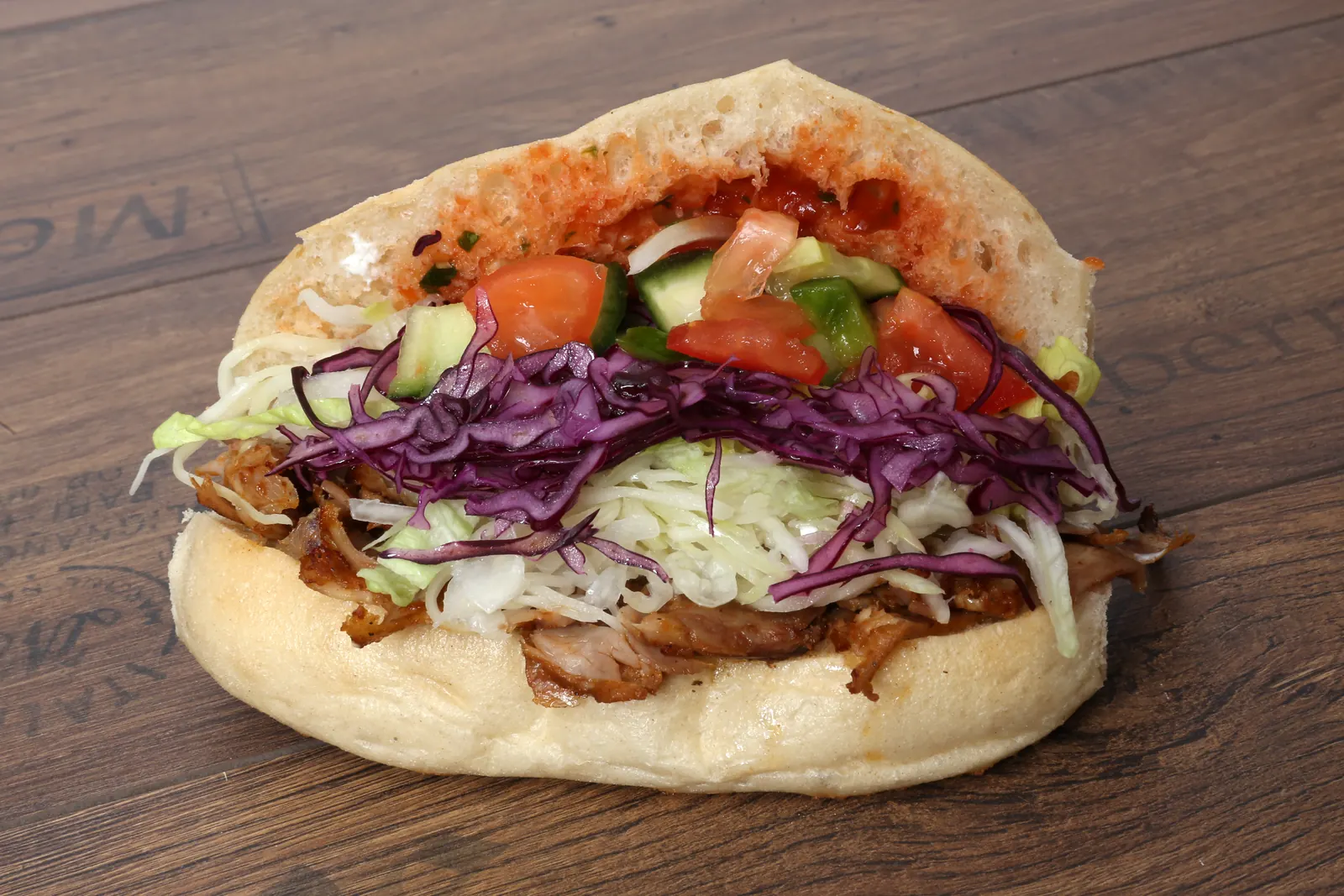
A doner kebab in flatbread filled with sliced lamb, red and white cabbage, tomato and cucumber

Bursa Spit-Roast Heritage

Photo: Tim Reckmann, CC BY 2.0, via Wikimedia Commons

The Heritage Formulary

Measured Ingredients

Estimated cost: Medium — about $4–5 per serving at home (USD)

Good doner is sliced paper-thin, charred at the edges and juicy inside, piled into a warm pitta with cold crisp salad — never thick chunks of plain grilled meat.

Execution Methodology & Culinary Technique

Step-by-Step Cooking Guide

Active 2h 55m
P

Prep Stage: Marinate, Chop, Mix

25 Mins active + 2 hours marinating • Bowl, Board & Pan

Mix the marinade and coat the lamb first — it needs 2 hours in the fridge while you shred the salad and stir the garlic sauce together. Slice the salad just before cooking so it stays crisp, and warm the pittas at the very end.

Maestro Tip: Start the marinade before anything else; the 2 hours of waiting is when all the other prep happens.

  1. 1

    Marinate the lamb

    2 hours Fridge 4°C (40°F)

    Stir the yogurt (100 g), grated onion (150 g), crushed garlic (12 g), tomato paste (30 g), olive oil (15 ml), lemon juice (30 ml), cumin (3 g), paprika (3 g), oregano (2 g), black pepper (1 g) and salt (5 g) into a smooth paste. Rub it all over the butterflied lamb leg (700 g), cover, and refrigerate for 2 hours — overnight is even better.

    Score the thick parts of the lamb lightly so the marinade reaches the middle.

    Done when: Meat evenly coated, marinade clinging, no bare patches.

  2. 2

    Make the garlic sauce and salad

    15 minutes Room temperature, about 20°C (68°F)

    Whisk the yogurt (160 g) with the lemon juice (10 ml), finely crushed garlic (6 g) and salt (1 g) until smooth, then chill. Toss the shredded lettuce (160 g), sliced tomato (240 g), cucumber (160 g) and red onion rings (80 g) together in a bowl and season lightly.

    Crush the garlic to a paste with the flat of a knife and a pinch of salt — it disappears into the sauce instead of staying in chunks.

    Done when: Sauce smooth and tangy, salad crisp and lightly seasoned.

  3. 3

    Sear the lamb

    12 minutes High heat 220°C (425°F)

    Heat a large heavy pan or griddle over high heat until it just starts to smoke. Lift the lamb out of the marinade, shake off the excess, and sear for 5 to 6 minutes a side until deeply browned and charred at the edges. The centre should reach at least 63°C (145°F) for lamb, and 71°C (160°F) if you prefer it cooked through.

    Do not move the meat for the first 3 minutes — that is when the crust forms.

    Done when: Deep brown crust, charred edges, juices running clear.

  4. 4

    Rest and slice thin

    8 minutes Room temperature, about 20°C (68°F)

    Rest the lamb for 5 minutes so the juices settle, then slice it as thinly as you can across the grain with a sharp knife. Thin slices are the whole point of doner — thick chunks are just grilled lamb.

    A long sharp knife and a steady hand matter more than speed here.

    Done when: Thin, even slices, pink or cooked through to your liking.

  5. 5

    Warm the pittas and build

    5 minutes Medium heat 180°C (350°F)

    Warm the pittas (360 g) in a dry pan or oven for 1 to 2 minutes a side until soft and puffed. Split each pitta, spoon in a quarter of the sliced lamb, pile in the salad, and finish with a generous spoonful of garlic sauce.

    Warm pittas tear less and hold the filling without splitting.

    Done when: Pittas soft and warm, filling piled high, sauce dripping slightly.

Finishing Touches & Plating

Serve the doner kebabs at once, while the lamb is still hot and the salad is cold and crisp — the contrast between hot meat and cold salad is what makes a doner work. Add chilli sauce at the table for anyone who wants heat.

Nutritional Physiology & Benefits

Nutrition

Energy

713

kcal / serving

Protein

60g

Complete AA

Carbs

68g

Complex

Fats

22g

Healthy

Per serving (4 servings · 1 serving ≈ 415 g)
Energy713 kcal
Protein60 g
Carbohydrates68 g
Fat22 g
Fibre5.3 g
Sugar10.4 g
Sodium1144 mg
Per 100g
Energy172 kcal
Protein14.4 g
Carbohydrates16.4 g
Fat5.4 g
Fibre1.3 g
Sugar2.5 g
Sodium276 mg

Nutrition values are estimated — calculated from USDA FoodData Central values for the listed ingredients.

Vitamins & minerals: Vitamin B12, zinc and iron from the lamb, vitamin C from the tomato and lemon, and vitamin A from the salad vegetables. Nutrition values are estimated.

Very high in protein

Each serving carries about 59.7 g of protein from the lamb and yogurt, which helps keep you full for hours after the meal.

Iron, zinc and B12

Lamb is a rich source of iron, zinc and vitamin B12, nutrients that support normal energy levels and immune function as part of a varied diet.

Fresh salad in every bite

Lettuce, tomato, cucumber and onion add fibre, vitamin C and crunch, and they lighten a rich, meaty filling.

Food Pairings

What to Eat With

To optimize nutrient absorption and elevate the sensory depth, pair with these authentic accompaniments:

Sides

Warm pitta bread

Soft pitta is the classic doner wrapper — it soaks up the meat juices and the garlic sauce without falling apart.

Pickled chillies

Sharp pickled green chillies add heat and acidity that balance the fatty lamb, bite after bite.

Sauces

Chilli sauce

A spoonful of hot chilli sauce lifts the rich lamb and cuts through the cool yogurt sauce, which is why every doner shop keeps a bottle on the counter.

Drinks

Ayran

Ayran, the salty yogurt drink served with kebabs across Turkey, cools the palate and matches the yogurt in the marinade and sauce.

Complete menu

Serve the doner kebabs with ayran, pickled chillies and a simple tomato salad, plus baklava if you want something sweet afterwards.

Digestive Guardrails

What NOT to Combine

To prevent digestive distress, sluggishness, or palate clash, avoid pairing the dish with these elements:

Undercooking the lamb

Lamb served pink should still reach 63°C (145°F) in the centre, and any ground or minced doner meat must reach 71°C (160°F). Use a meat thermometer rather than guessing. This is general information, not medical advice.

Leaving it out after serving

Cooked sliced meat left warm on the counter for hours can grow bacteria quickly. Refrigerate leftovers within 2 hours and reheat to 74°C (165°F). This is general information, not medical advice.

General information only, not medical advice — consult a doctor for personal dietary decisions.

Who Should Eat It

Who Should Eat

  • General adultsA filling, high-protein meal as written; the salt and the pitta are the parts to watch if portions are large.
  • ChildrenFine for children in a smaller pitta with the salad and sauce — hold the chilli sauce, and cut the lamb into small strips.
  • ElderlySoft sliced meat and a soft pitta are easy to chew; keep the salad finely shredded and watch the salt.
  • Pregnant womenSafe when the lamb is cooked through to 71°C (160°F) and served hot; avoid pink lamb and any sauce made with raw egg. Ask your clinician if unsure.
  • Breastfeeding womenFine in a normal portion; no special restriction, though very spicy food can occasionally unsettle a sensitive baby.
  • AthletesAn excellent post-training meal — about 59.7 g of protein and 68.2 g of carbohydrate per serving for recovery.
  • Weight gainAt 713 kcal a serving with plenty of protein, it is a solid meal for gaining weight; add chips or a second pitta if you want more energy.
  • Weight lossA heavy plate as written, so take a half portion with extra salad and less pitta, and skip the second helping of sauce.

Health Conditions — Adjust or Avoid

Conditions

  • DiabetesOne serving carries about 68.2 g of carbohydrate, mostly from the pitta; the protein and salad slow digestion. Use one small pitta or a salad plate instead, and ask your clinician about portion size.
  • High blood pressureAt about 1,144 mg of sodium per serving this is a salty meal, mostly from the salt, pitta and yogurt. Use less salt in the marinade and a low-sodium pitta if you are watching sodium, and ask your clinician.
  • Kidney diseaseHigh in protein, potassium and sodium, so it may not fit a restricted diet. Ask your clinician or dietitian before eating it regularly.
  • GoutRed meat is high in purines, so very large or frequent portions may matter for some people with gout. Keep portions modest and ask your clinician if you have gout.
  • Stomach issuesSpices, onion and raw salad can trigger reflux or discomfort for some people. If that is you, use half the spices and skip the raw onion. Ask your clinician if symptoms persist.
  • Cardiovascular diseaseLamb is higher in saturated fat than poultry or fish, so this is an occasional meal rather than an everyday one; the salad helps balance the plate. Ask your clinician about how often it fits your diet.
  • Fatty liverRich and energy-dense as written, so keep the portion modest, load up the salad and skip fried sides. Ask your clinician for personalised advice.
  • Food allergiesContains milk (yogurt) and gluten (pitta). The marinade is otherwise free of egg, nuts and soy. Ask your clinician if you have a food allergy.
  • Special therapeutic dietsSuitable for halal diets when halal lamb is used; for a gluten-free diet, serve the lamb and salad in lettuce leaves instead of pitta. Ask your clinician or dietitian before adapting it.

If you have a medical condition, consult your doctor before changing your diet.

Storage & Use

Storage & Use

How to store
Store the sliced lamb, salad and sauce separately in sealed containers; build the kebabs only when serving.
In the fridge
Cooked lamb keeps 3 days in the fridge at 4°C (40°F) or below; salad keeps 1 day; garlic sauce keeps 3 days.
In the freezer
Cooked sliced lamb freezes well for up to 2 months; do not freeze the salad or the sauce.
How to reheat
Reheat the lamb in a hot pan until steaming hot all the way through, to 74°C (165°F); warm the pitta separately.
Freezing recommended
Only the cooked sliced lamb, up to 2 months.
Signs it has spoiled
Sour smell from the sauce or lamb, slimy salad, or visible mould — discard if any appear.

More recipes to explore

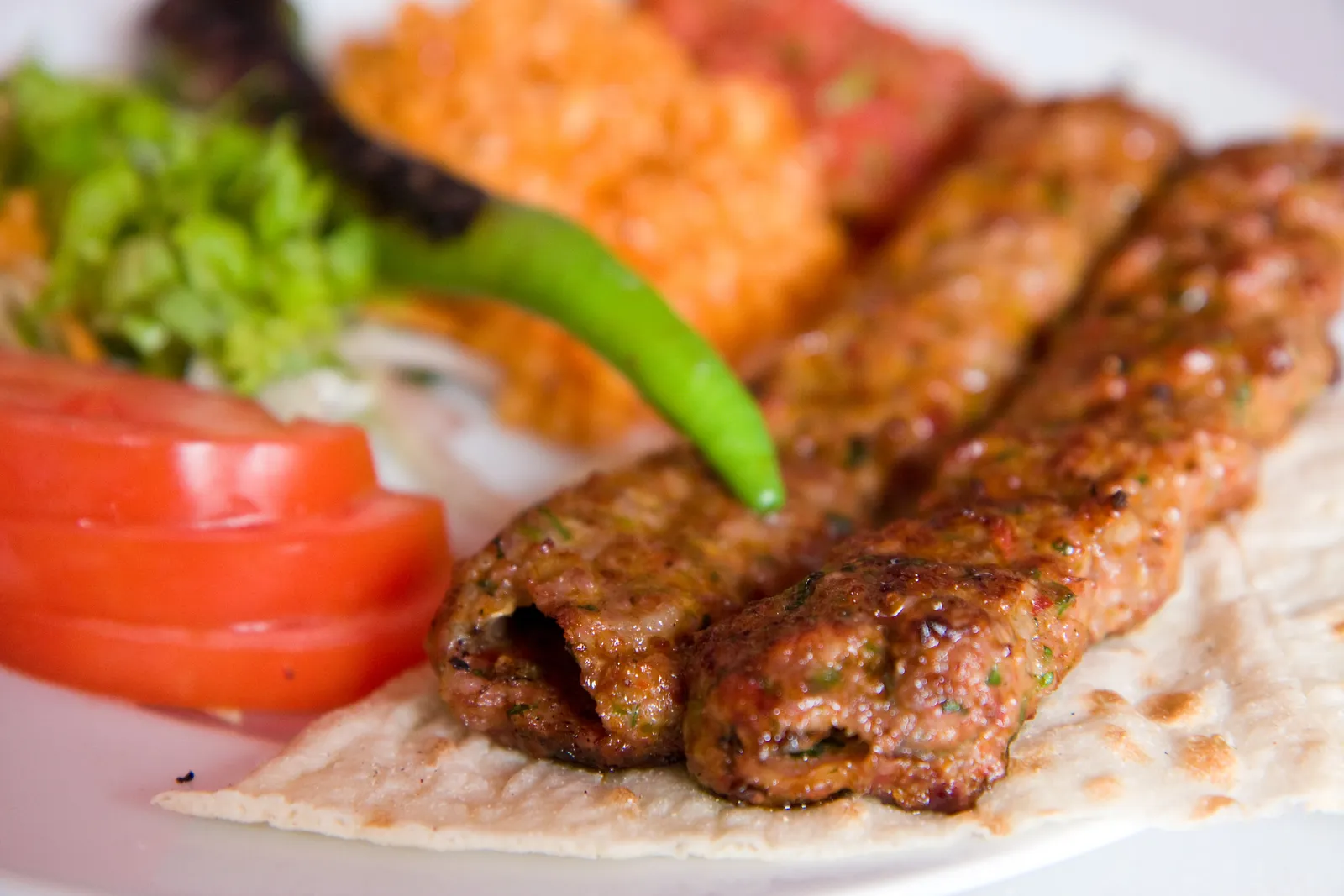
Adana kebab — long grilled minced-meat skewers on lavash with tomato, green chilli and salad Turkey flag Turkey 50m
Dinner •Adana Heritage

Adana Kebab

This adana kebab recipe is Adana's famous charcoal-grilled skewer: hand-minced lamb and beef mixed with lamb tail fat, sweet red pepper and pul biber, pressed onto wide flat skewers and grilled over glowing charcoal until the edges char and the juices run. It is served on warm lavash with grilled tomato, green chillies and a sharp sumac onion salad. One serving is about 439 g.

Adana's Charcoal-Grilled Icon

Hand-minced lamb and beef with tail fat and pul biber, pressed onto wide flat skewers and grilled over charcoal until charred at the edges — Adana's famous kebab.

Pairs Well With
Lavash, grilled tomato & sumac onion salad
High Protein
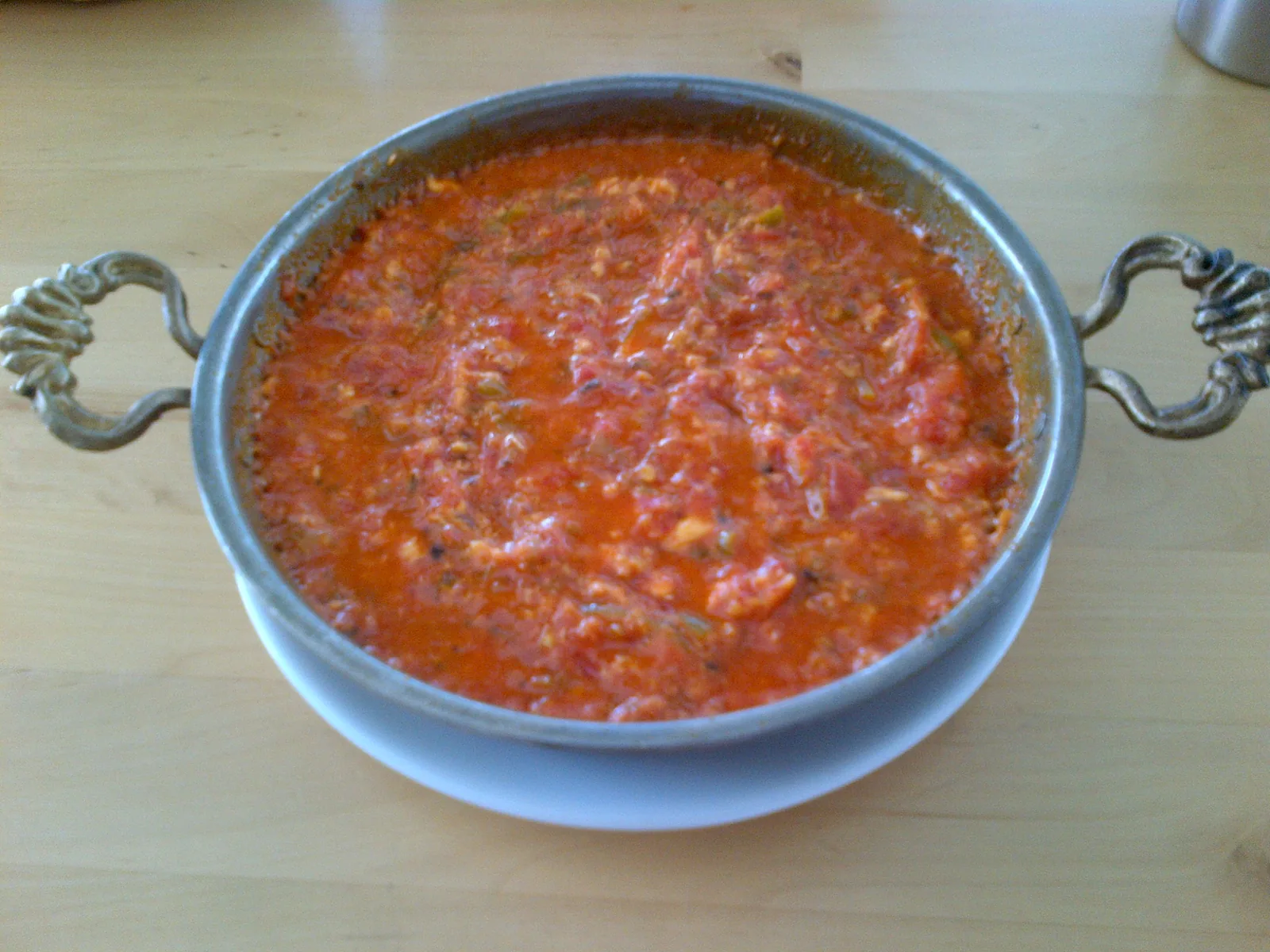
Menemen in a copper sahan pan — soft scrambled eggs stirred through a red tomato and green pepper sauce Turkey flag Turkey 30m
Breakfast •Izmir Breakfast Table

Menemen

This menemen recipe stirs beaten eggs into a soft tomato and green pepper sauce until they set into creamy curds — never poached whole, the way shakshuka does it. Cooked in one pan and served straight from it with bread, it is the classic Turkish breakfast. One serving is about 300 g.

Comfort & Warmth

Beaten eggs stirred into a soft tomato and green pepper sauce, scooped up with warm bread.

Pairs Well With
Crusty white bread, Turkish tea and sliced cucumber and tomato
Quick Prep (<30m)
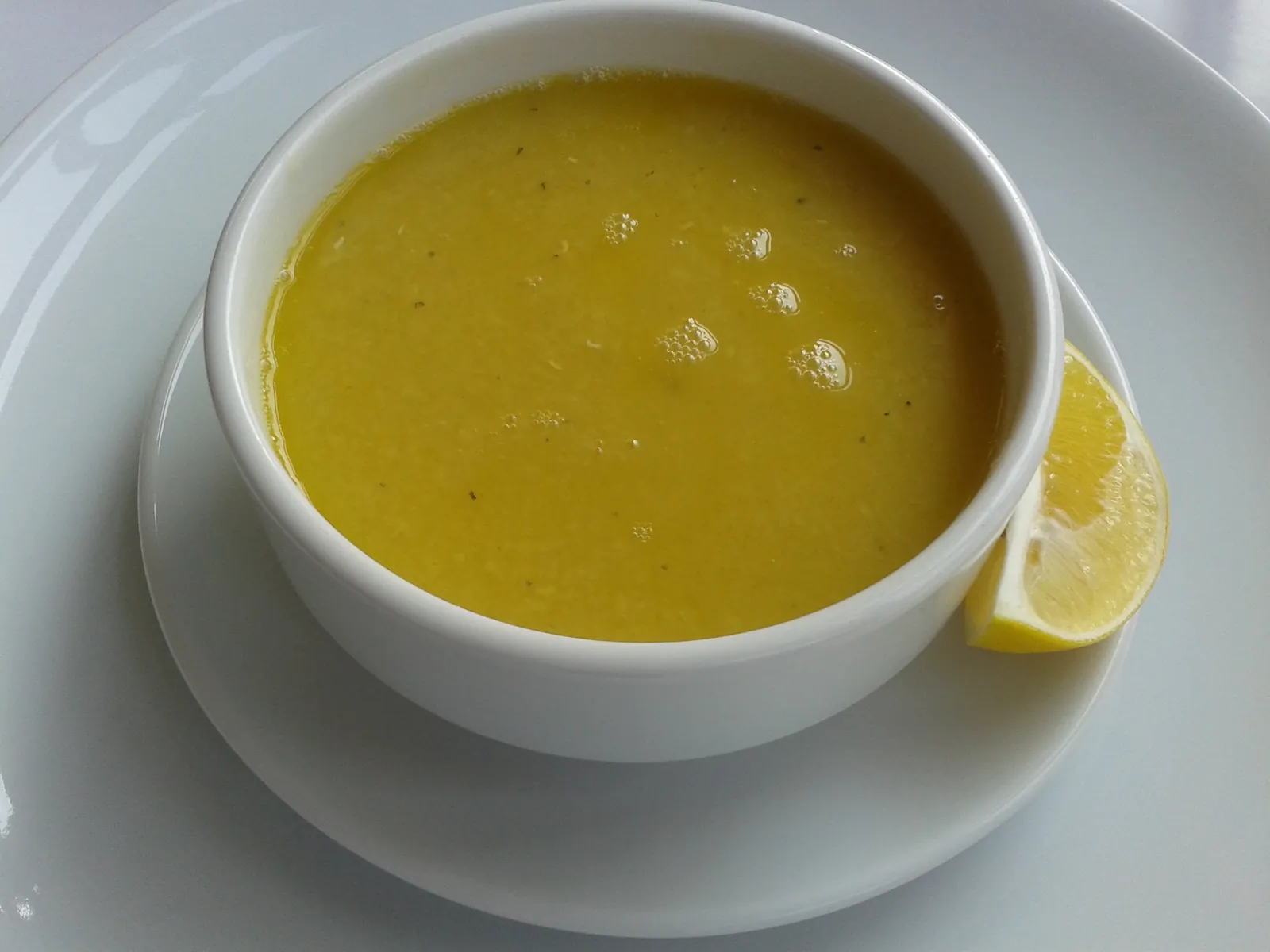
A white bowl of smooth golden Turkish lentil soup with a lemon wedge on the side Turkey flag Turkey 45m
Lunch •Ankara Lokanta Classic

Turkish Lentil Soup

This turkish lentil soup recipe turns red lentils, onion, carrot and potato into a smooth, golden soup, finished with lemon and a drizzle of paprika butter. One serving is about 325 g.

Comfort & Warmth

A silky red lentil soup, light enough for lunch and warm enough for a cold day.

Pairs Well With
Warm pide bread, lemon wedges and ayran
Soups & Broths
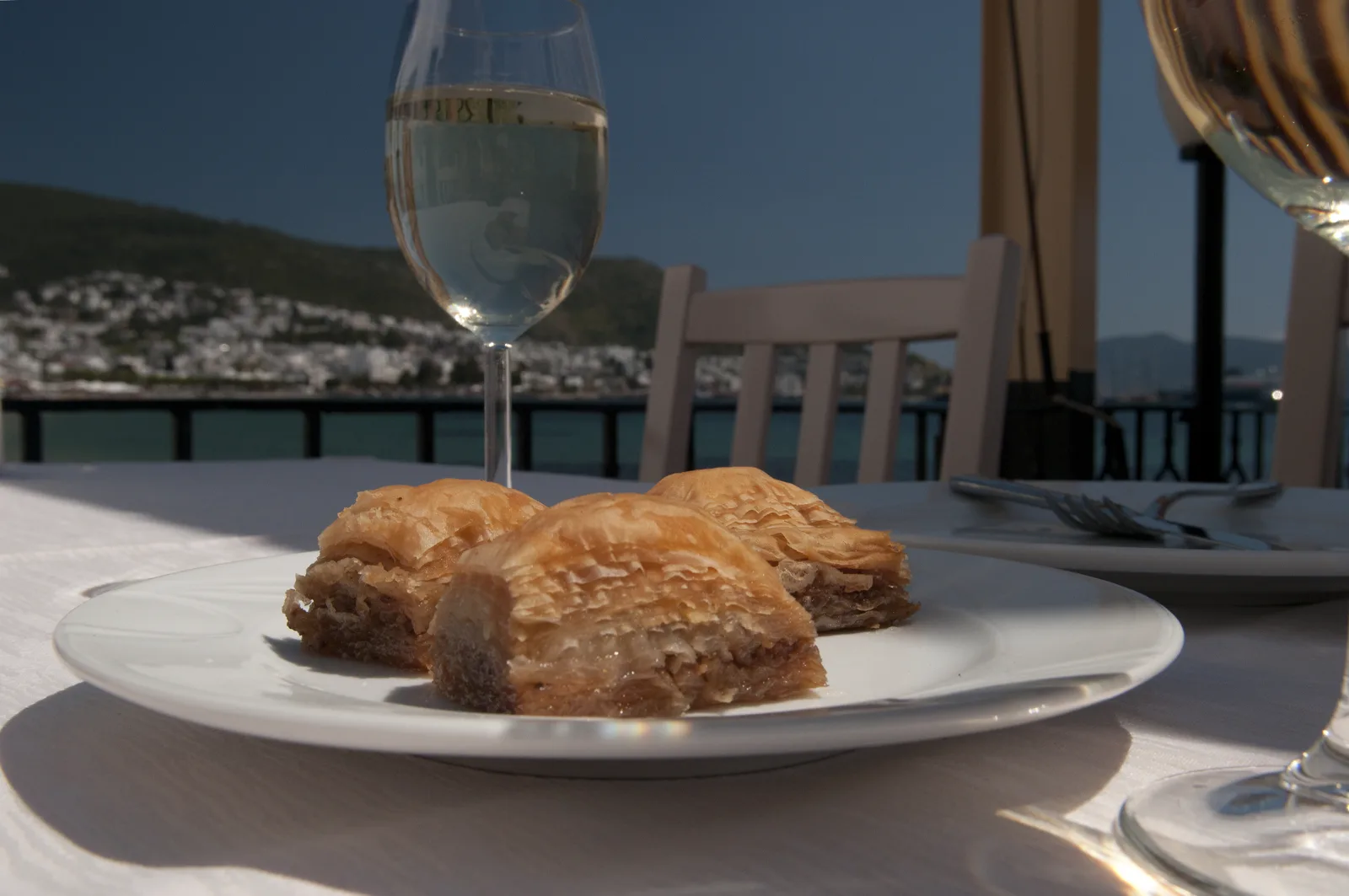
Three pieces of golden baklava on a white plate with wine glasses and the Bodrum bay behind Turkey flag Turkey 1h 30m
Snack & Tea •Gaziantep Pistachio Heritage

Baklava

This baklava recipe layers paper-thin filo with ground pistachios and melted butter, bakes it until deep golden and shattering, then pours over a lemon and honey syrup that soaks into every layer. It is rich, sticky and unmistakably Turkish. One serving is about 110 g (two pieces).

Crisp, Golden & Honeyed

Forty layers of butter-brushed filo around ground pistachios, baked crisp and drowned in lemon syrup — the famous sweet of Gaziantep.

Pairs Well With
Serve with strong Turkish coffee or tea and a few extra pistachios.

The Dinner Gazette

Never wonder what’s for dinner again

One email a week with easy dinner ideas from around the world — ingredients, steps and nutrition, tested in our kitchen first.

Delivered every Thursday morning. Unsubscribe anytime.